The Strangest Fashion Trends of the 1970s
The 1970s were a decade of bold choices, loud fabrics, and a fearless mix of styles that often left people wondering what they were thinking. It was a time when self-expression ruled over rules, and creativity exploded in every direction.
From wild patterns to over-the-top accessories, fashion in the ‘70s wasn’t just about looking good—it was about standing out. Now, let’s take a trip down memory lane and explore the weird, wonderful, and sometimes head-scratching trends that made the ‘70s one of the most unforgettable eras in fashion history.
Platform shoes
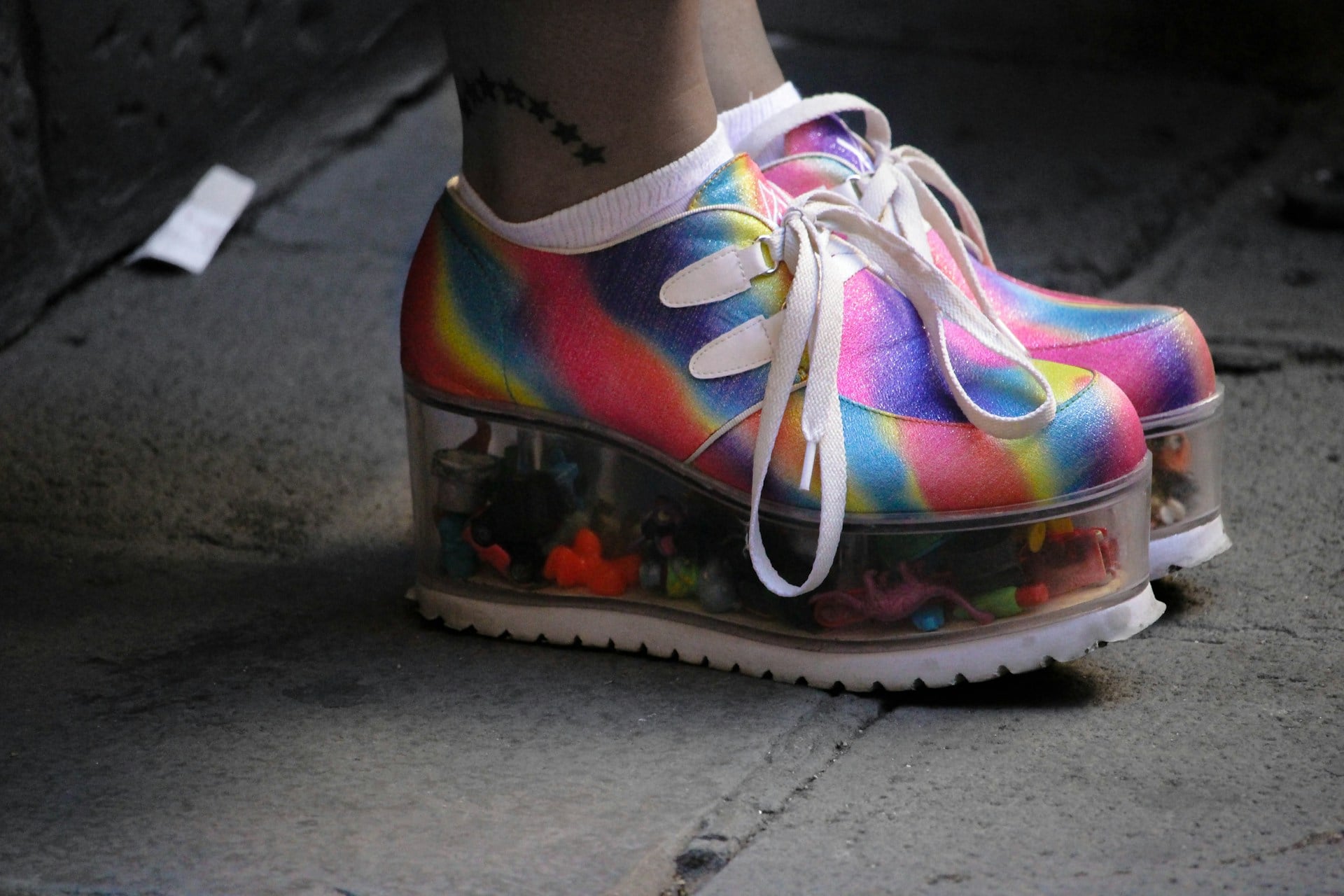
Towering a few inches above everyone else, platform shoes were a huge part of 1970s fashion. Men and women wore them with pride, often in bright colors or glitter finishes.
They looked fun but were nearly impossible to walk in without wobbling. Many people still remember them as both fashionable and hazardous.
Polyester everything
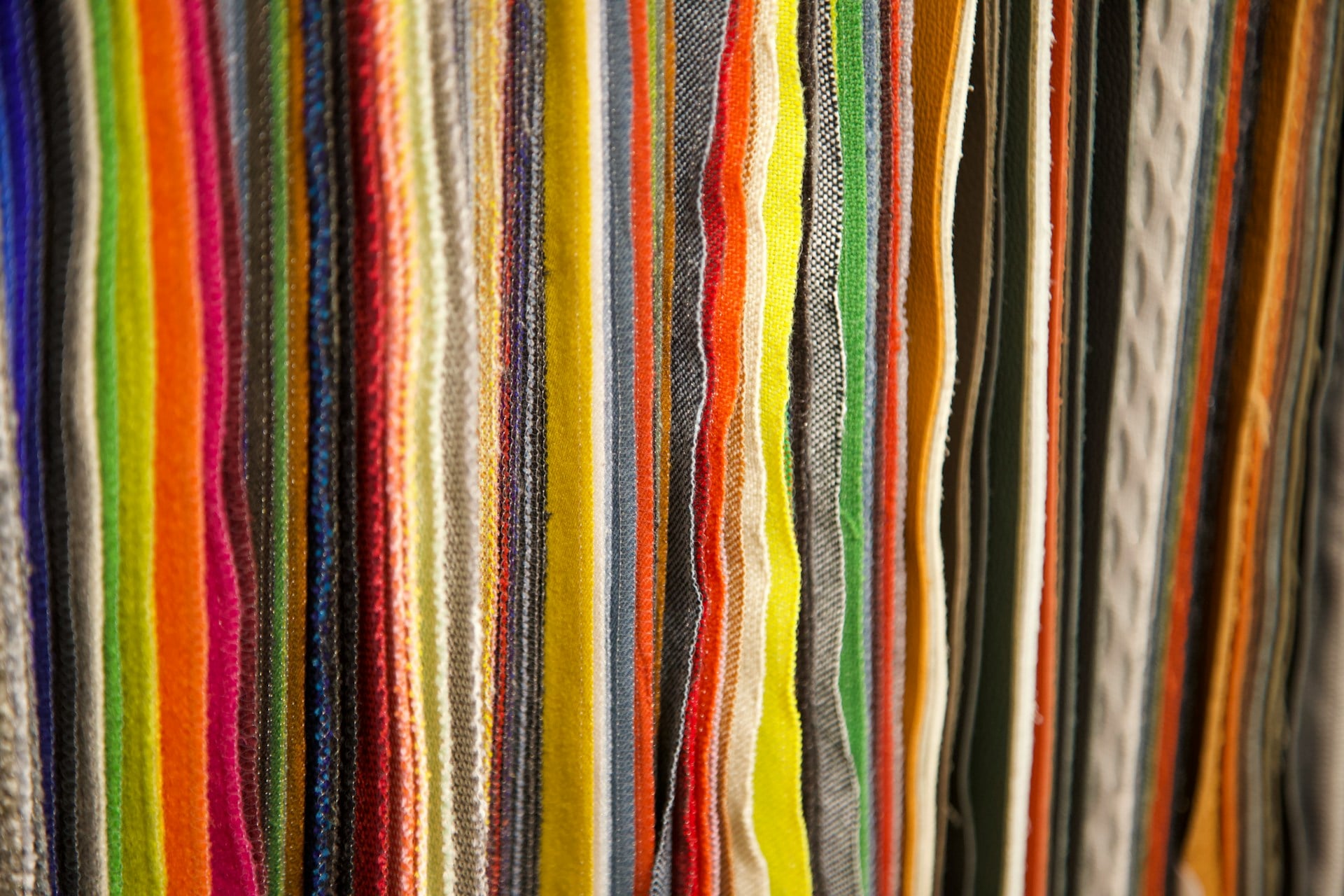
Polyester became the king of fabrics during the decade. It was cheap, easy to wash, and shiny enough to catch the light at every disco.
Entire suits, dresses, and even shirts were made of it, which made everyone feel stylish—but also a little sweaty.
Bell-bottom pants
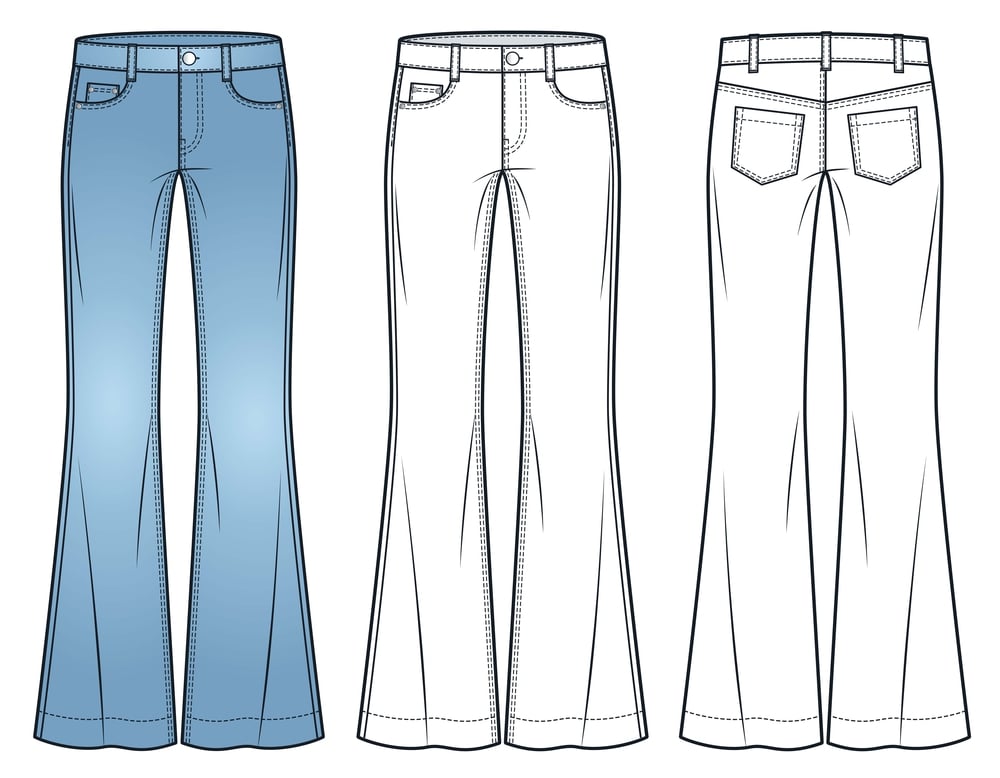
Few things say ‘70s more than bell-bottoms. Tight around the thighs and wide at the ankles, these pants made legs look like flared trumpets.
They were perfect for dancing, especially under flashing disco lights. Denim versions were a favorite, though many came in wild colors and prints.
Jumpsuits
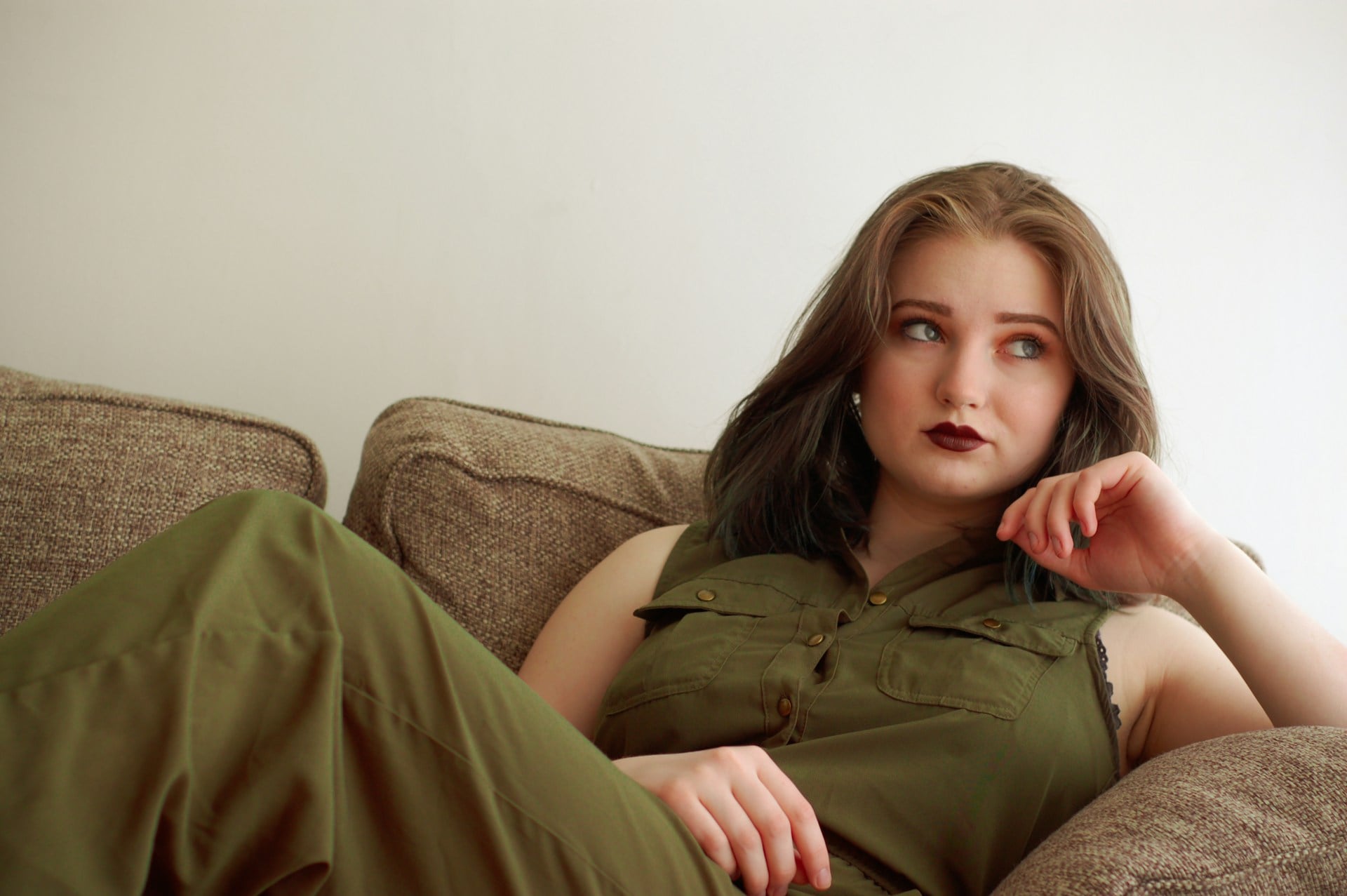
Jumpsuits turned getting dressed into a one-step process. They came in every possible style, from denim to satin, with zippers, belts, or buttons running right down the middle.
They looked bold and futuristic but weren’t exactly convenient when nature called.
Leisure suits
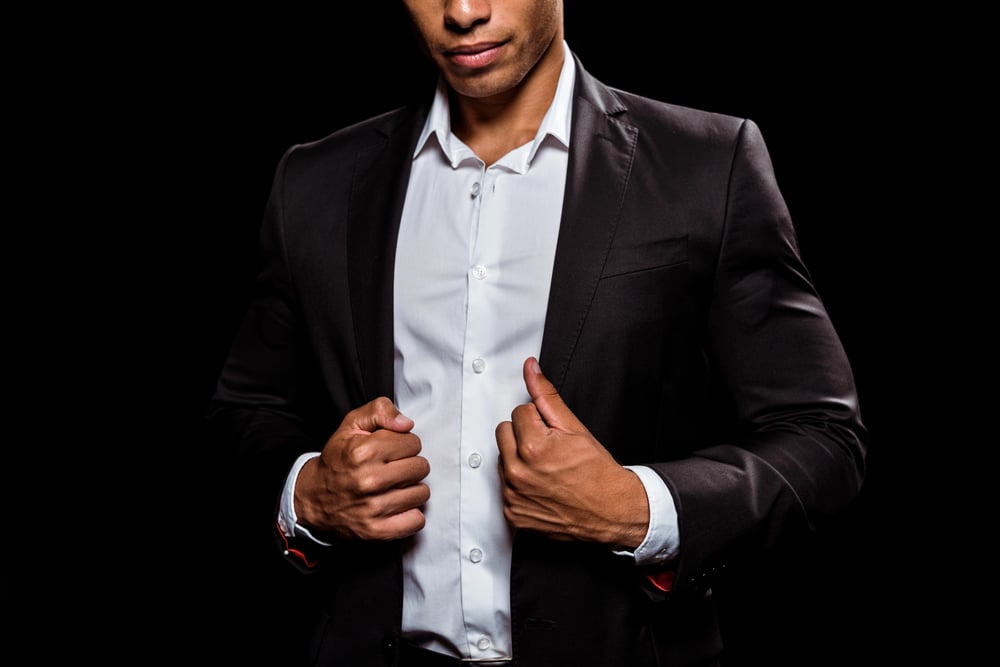
For men, the leisure suit became a symbol of cool confidence. Usually made from polyester, it came in pastel or earthy colors and often included wide lapels and big collars.
It was relaxed yet flashy—a perfect fit for a night out or a casual business meeting.
Huge collars
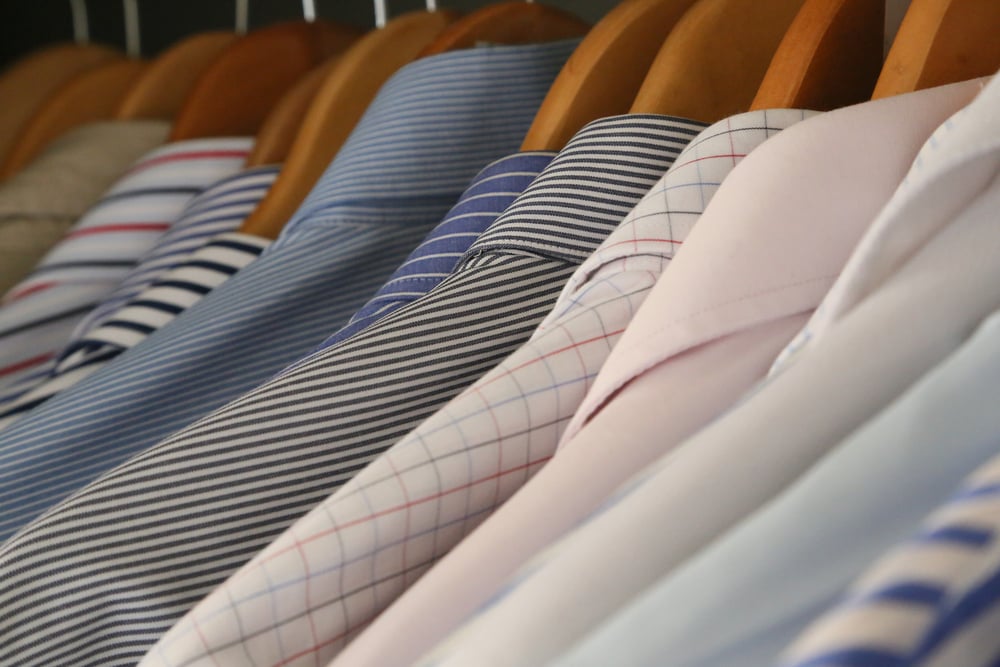
Collars in the 1970s seemed to have their own agenda. They were so big they could practically take flight.
These pointed wonders appeared on shirts, jackets, and dresses, often competing with neckties for attention. The bigger the collar, the bolder the personality.
Disco fashion
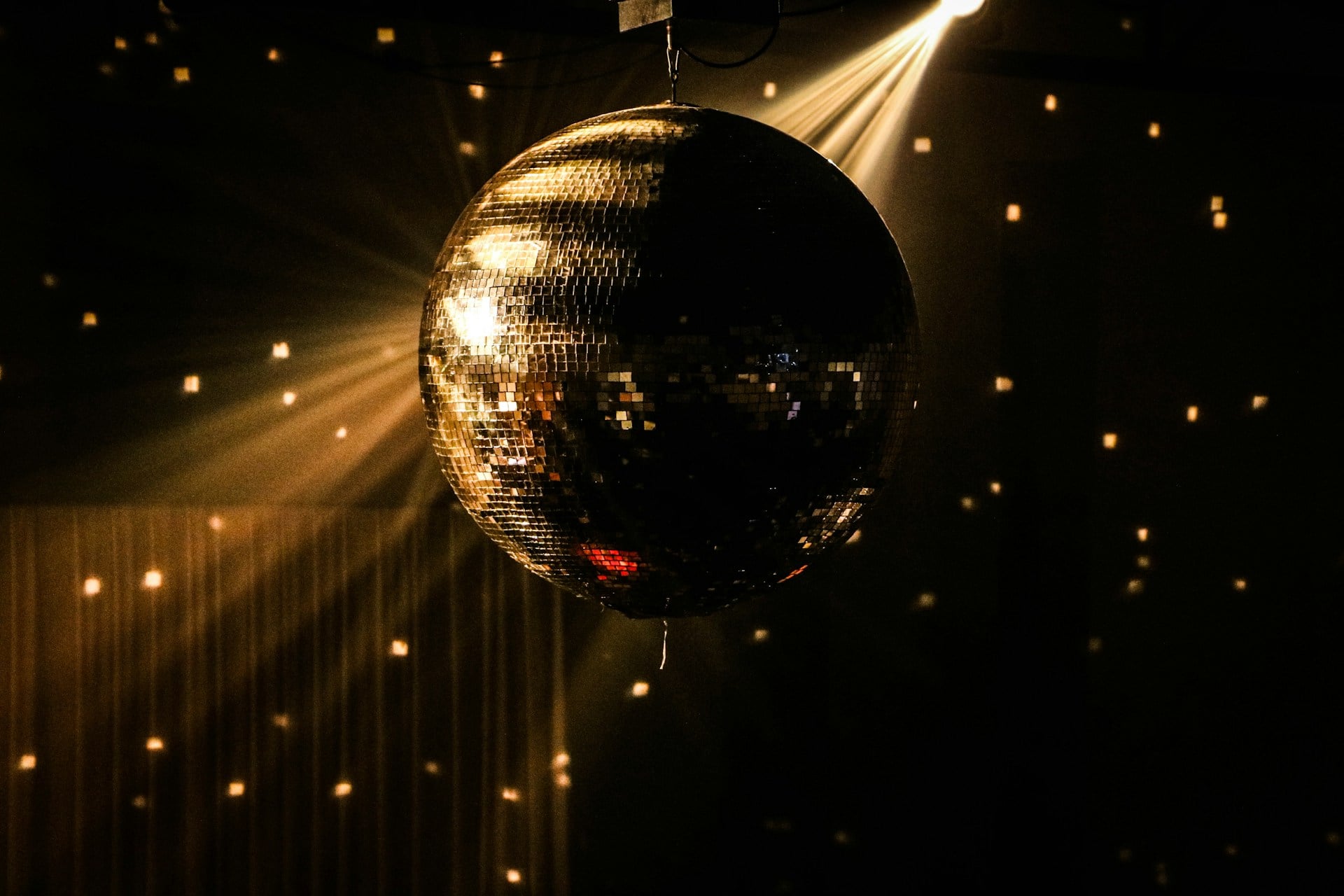
Under the mirror sphere, fashion turned electric. Sequins, metallic fabrics, and tight-fitting outfits dominated the dance floor.
People dressed like they were part of the show, shining from head to toe. Comfort took a back seat to glamour every single time.
Tie-dye shirts
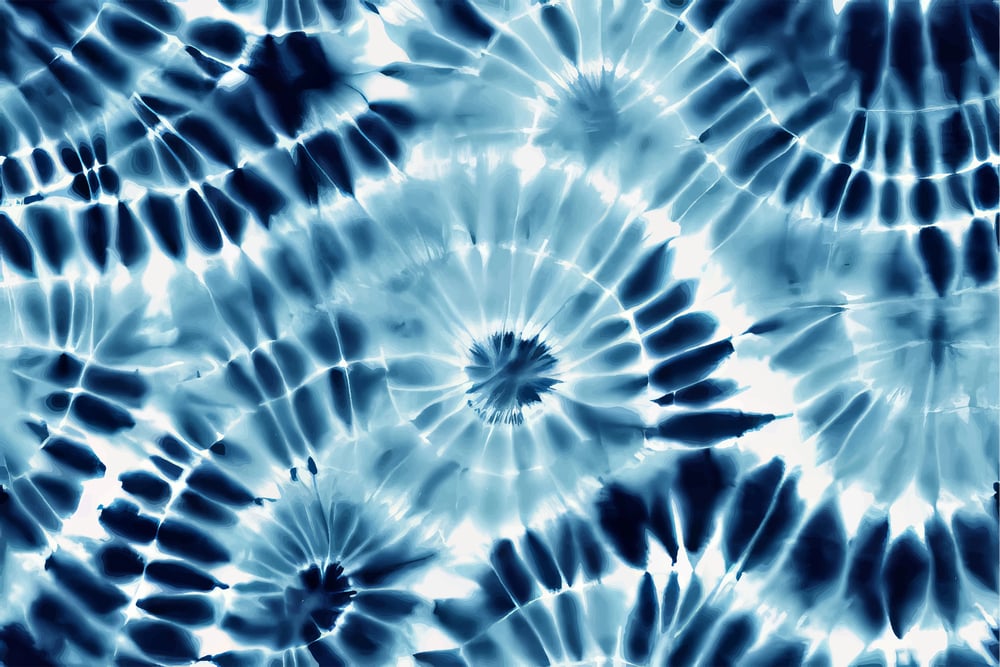
Tie-dye never really left after the ‘60s, but it exploded again in the ‘70s. Bright swirls of color covered T-shirts, dresses, and even pants.
It was a cheap and fun way to make a fashion statement, especially for those chasing a carefree, laid-back look.
Hot pants
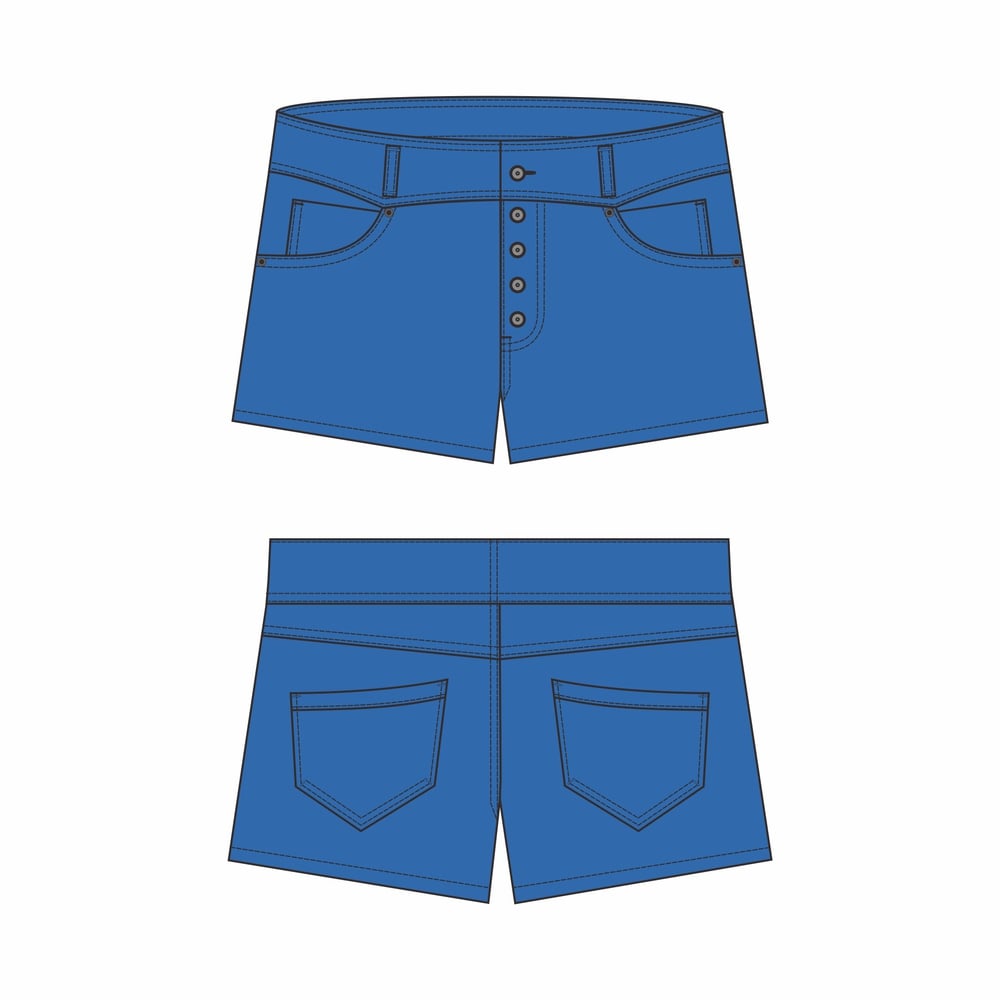
Hot pants took short shorts to a new level—literally. They were made of everything from denim to velvet, leaving little to the imagination.
Paired with knee-high boots or tall socks, they became an instant attention-grabber on the streets and dance floors alike.
Peasant tops
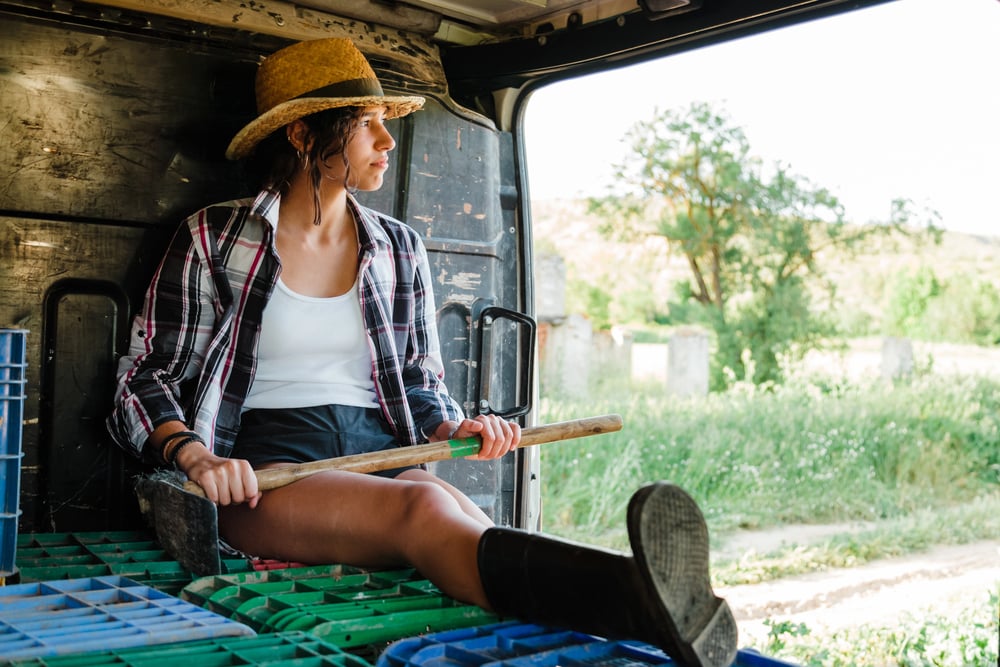
Inspired by bohemian and folk styles, peasant tops were light, loose, and embroidered. They gave off a relaxed vibe that matched perfectly with flared jeans and flower crowns.
Many people wore them to embrace a more natural, free-spirited lifestyle.
Velvet suits
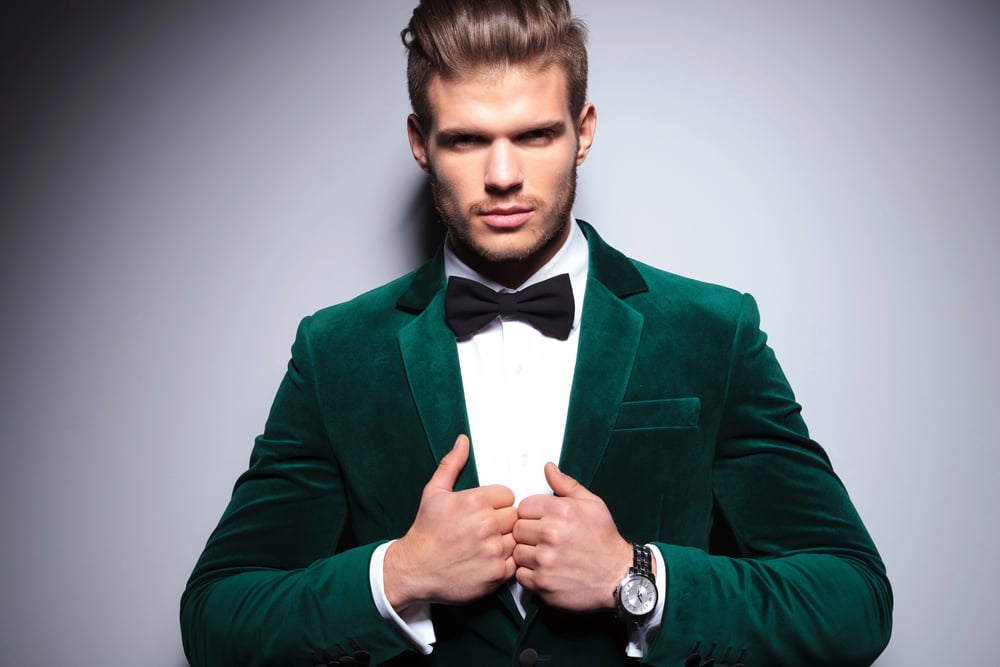
Velvet suits were soft, shiny, and undeniably dramatic. They came in rich colors like burgundy, deep green, and navy blue.
Musicians and partygoers loved them for their texture and flair, even if they looked a bit much for daytime wear.
Headbands

Headbands weren’t just for athletes. In the ‘70s, they became fashion statements worn across the forehead rather than the top of the head.
Some were made of fabric, others of beads or leather. They gave every outfit a hint of hippie style.
Denim overload
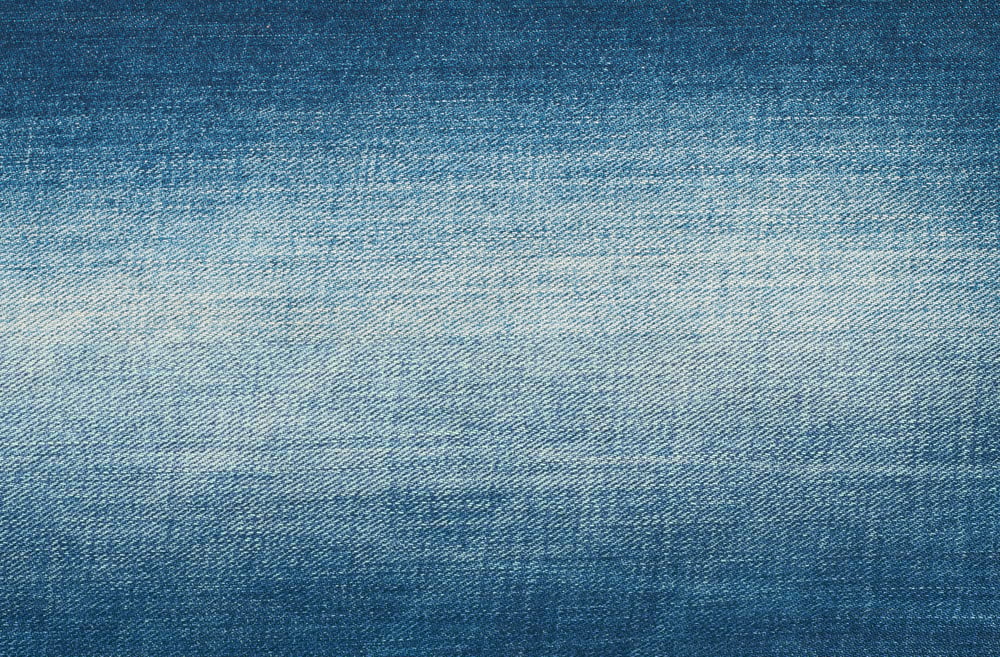
Denim went way beyond jeans in this decade. People wore denim jackets, skirts, vests, and even full suits.
Double-denim looks—known today as the Canadian tuxedo—were completely normal. The more denim, the better.
Ruffled shirts
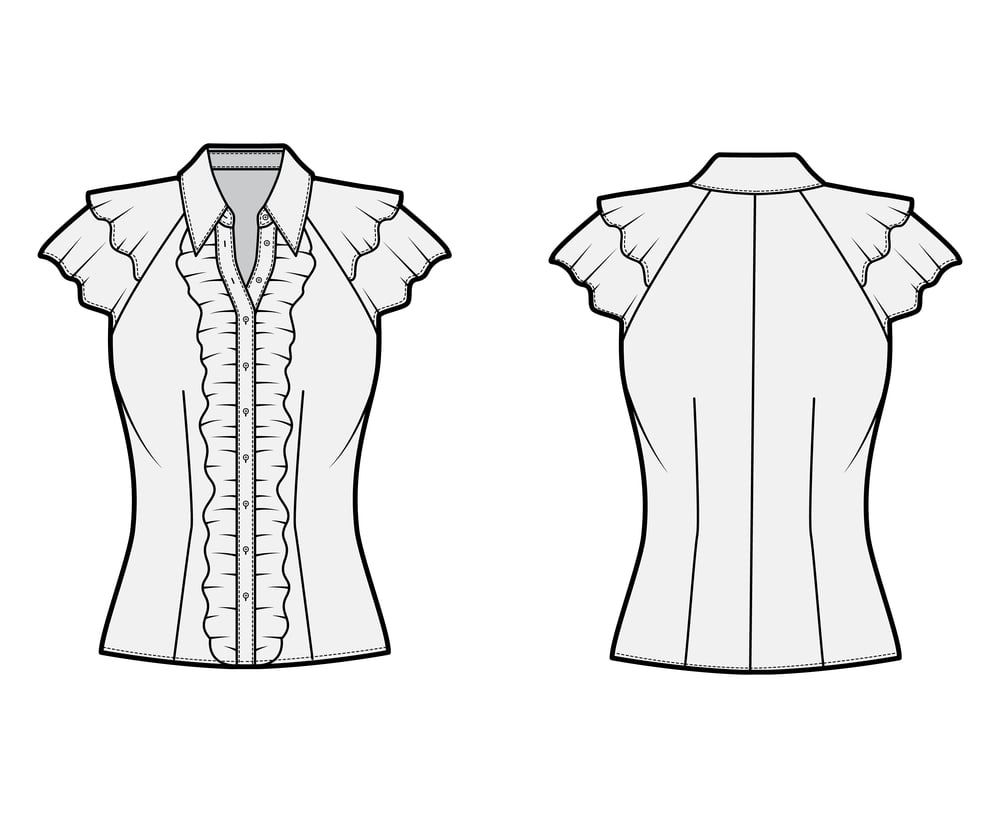
Ruffles added flair where none was needed but were loved all the same. They showed up on both men’s and women’s shirts, often in silky fabrics that shimmered in the light.
These shirts were perfect for anyone wanting to look just a little over-the-top.
Clogs
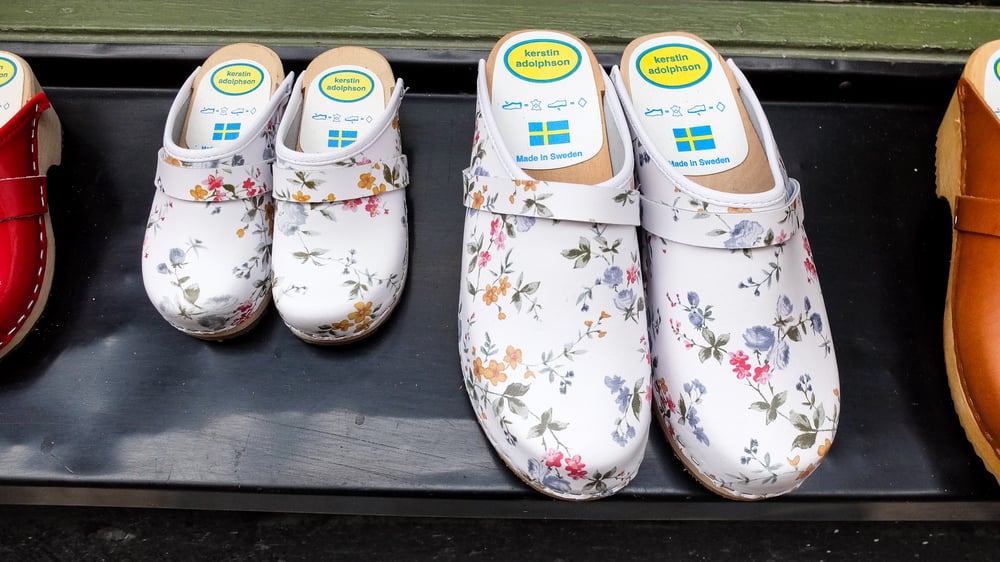
Clogs made their way from farm footwear to fashion runways. Made of wood or thick rubber soles, they made a loud ‘clop’ sound with every step.
People wore them with flared jeans or maxi dresses, embracing comfort over elegance.
Patchwork clothes
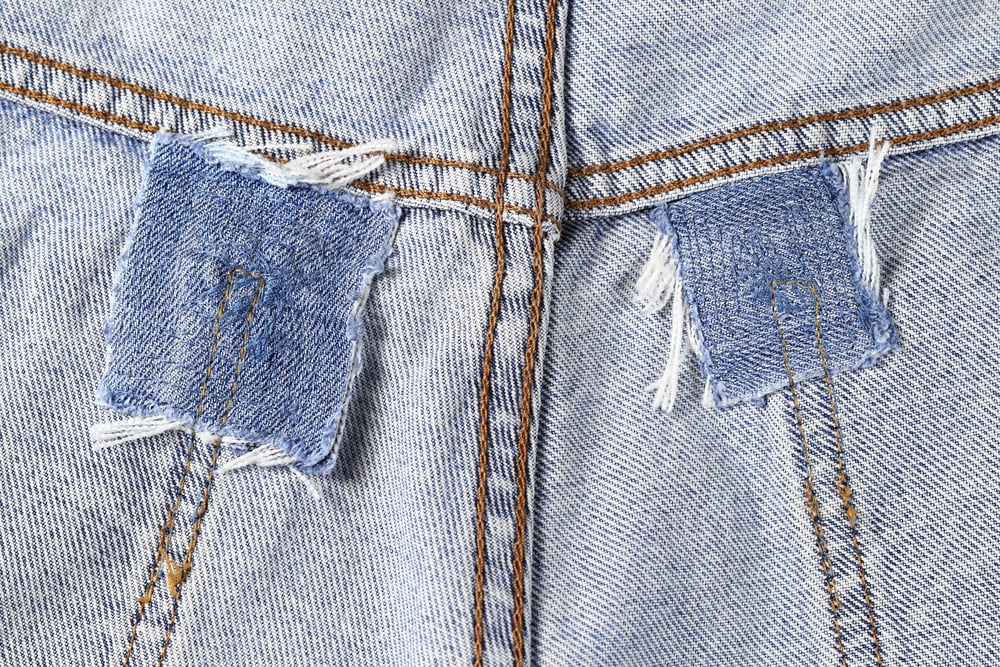
Patchwork brought the ‘do-it-yourself’ spirit into fashion. Old fabrics were sewn together into new clothes, creating colorful and unique pieces.
Each item looked different, giving people a sense of individuality and creativity.
Earth tones
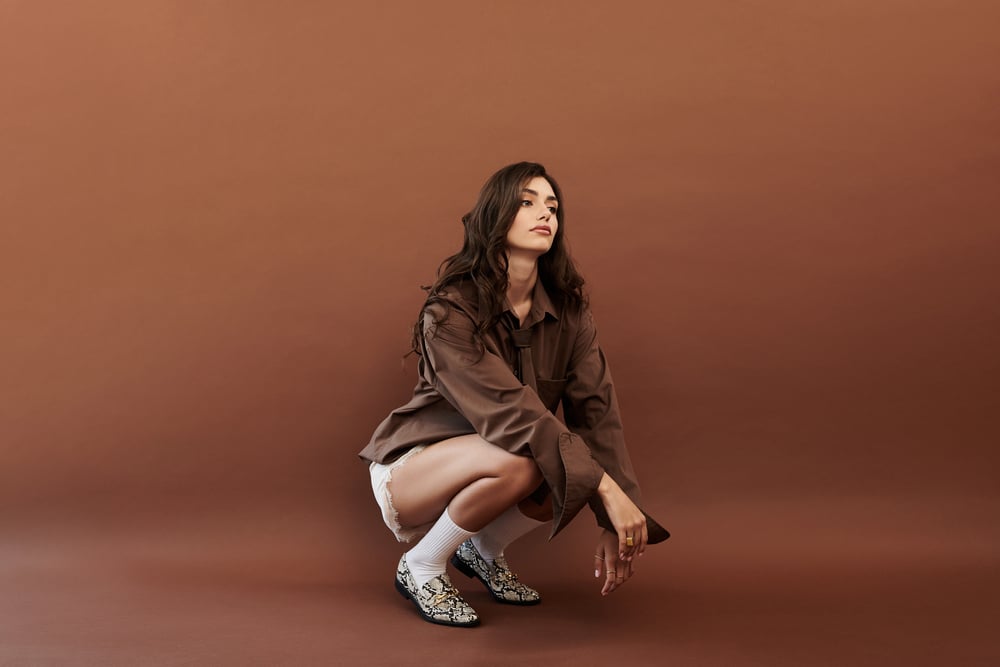
After all the bright disco colors, some leaned toward earthy shades. Browns, tans, and olive greens became popular in both casual and formal wear.
They reflected a growing love for nature and simpler living.
Long scarves

Scarves in the ‘70s weren’t just for warmth. They were long, dramatic, and often purely decorative.
Draped over shoulders or tied around the neck several times, they added flair to any outfit without much effort.
When fashion went fearless
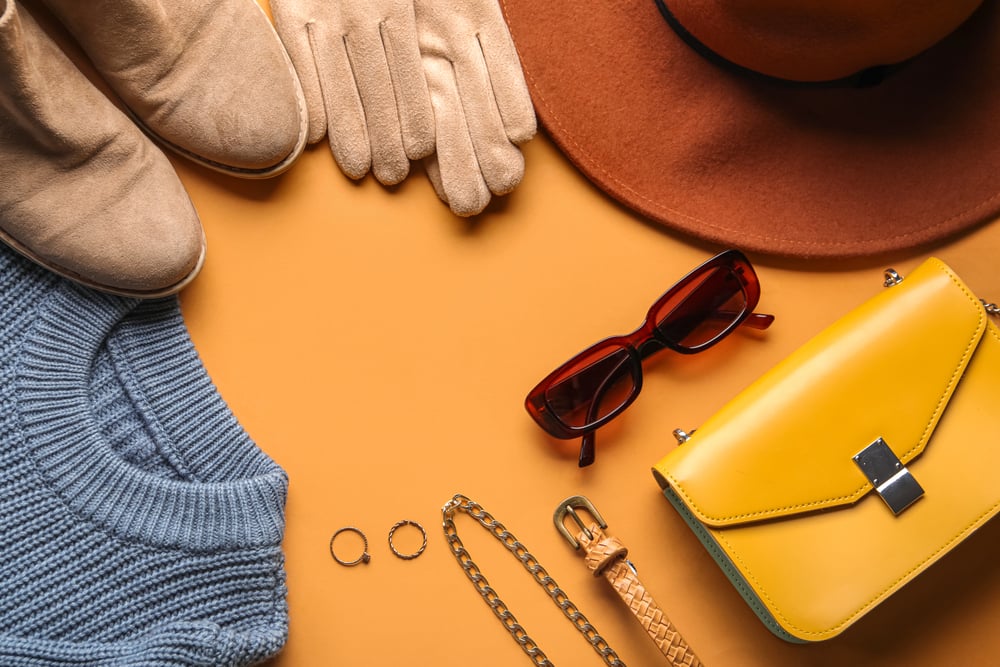
The 1970s proved that clothing could be both art and attitude. Trends from that decade may seem wild now, but they pushed boundaries and encouraged people to wear what made them feel alive.
Today’s fashion still borrows from that daring spirit—just with a bit more comfort and a lot less polyester.
More from Go2Tutors!

- The Romanov Crown Jewels and Their Tragic Fate
- 17 Halloween Costumes Once Considered Taboo
- Famous Hoaxes That Fooled the World for Years
- 15 Child Stars with Tragic Adult Lives
- 16 Famous Jewelry Pieces in History
Like Go2Tutors’s content? Follow us on MSN.