Of The Deadliest Spiders In The World In Photos
Few places on Earth escape the presence of spiders – everywhere, they keep bugs in check without making a fuss. Harmless to people in most cases, yet some pack toxins strong enough to land someone in hospital.
Not because they hunt us, mind you, but due to how powerful their poison is, where they tend to live, and rare moments when paths cross at the wrong time. Truth is, “deadliest” might seem like a movie line, yet it really just shows what happens if poison isn’t handled.
Today’s hospitals do much more than long ago – still, danger doesn’t vanish. A second glance reveals a few of Earth’s riskiest spiders – each distinct in its own way.
What sets them apart? Sharp fangs, potent venom, sudden strikes. Some lurk in quiet corners, others move fast when threatened.
Each one earns its reputation differently. Not all deliver deadly bites, yet their presence commands attention.
Danger hides in small bodies more often than expected.
Brazilian Wandering Spider

The Brazilian wandering spider is often cited as one of the most venomous spiders on Earth. Unlike many species that stay in webs, it actively hunts, moving across the forest floor at night.
This behavior increases the chance of human encounters, especially in regions where it may wander into homes or produce shipments. Its venom affects the nervous system, causing intense pain and other severe symptoms.
Even so, fatalities are rare today due to prompt medical treatment. Its reputation comes from both potency and unpredictability.
Sydney Funnel-Web Spider

The Sydney funnel-web spider is native to Australia and is considered one of the most medically significant spiders in the world. It prefers moist environments and often shelters in burrows, but it can also enter urban areas.
Its venom acts quickly, targeting the nervous system and producing severe symptoms if untreated. Since the development of antivenom in the 1980s, deaths have become extremely rare, though the spider’s defensive nature keeps it firmly on this list.
Brazilian Salmon Pink Tarantula

The Brazilian salmon pink tarantula is massive and visually striking, but its danger is often misunderstood. While its venom is not considered highly toxic to humans, its size and defensive behavior can make encounters intimidating.
It relies more on physical deterrence, including urticating hairs that can irritate skin and eyes. Its inclusion here reflects how size and perception often shape reputation, even when actual risk is moderate.
Black Widow Spider

The black widow spider is one of the most recognizable venomous spiders, known for its glossy black body and red marking. It prefers sheltered spaces like garages, sheds, and woodpiles, bringing it into close proximity with humans.
Its venom can cause muscle pain, cramping, and systemic effects. While rarely fatal with treatment, its bite can be extremely uncomfortable, reinforcing its long-standing reputation.
Brown Recluse Spider
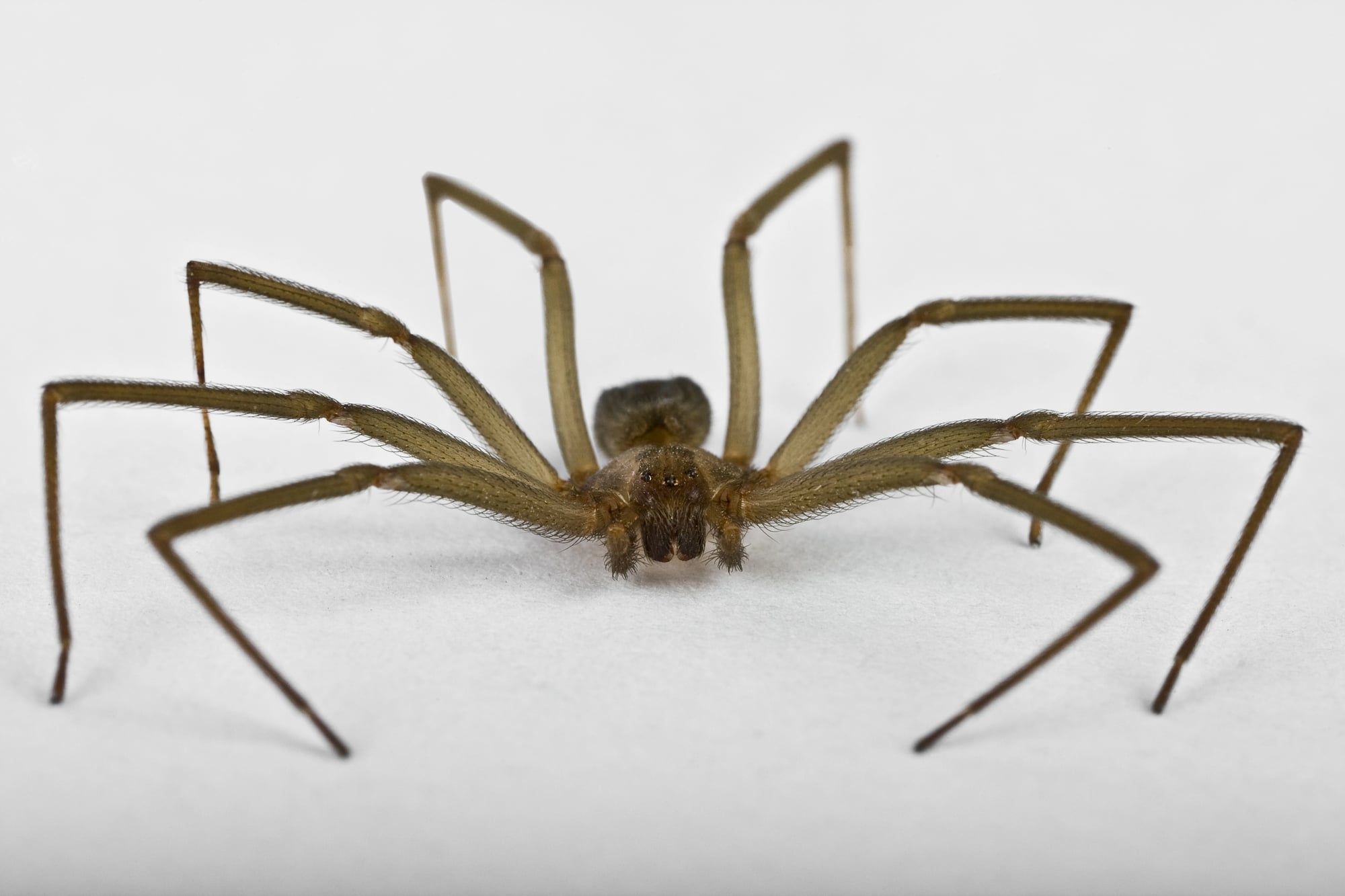
The brown recluse spider is known for its reclusive nature and medically significant bite. It tends to hide in undisturbed areas, which means encounters often happen accidentally.
Its venom can cause tissue damage in some cases, though severe reactions are relatively uncommon. Still, its ability to go unnoticed makes it one of the more concerning species in North America.
Six-Eyed Sand Spider
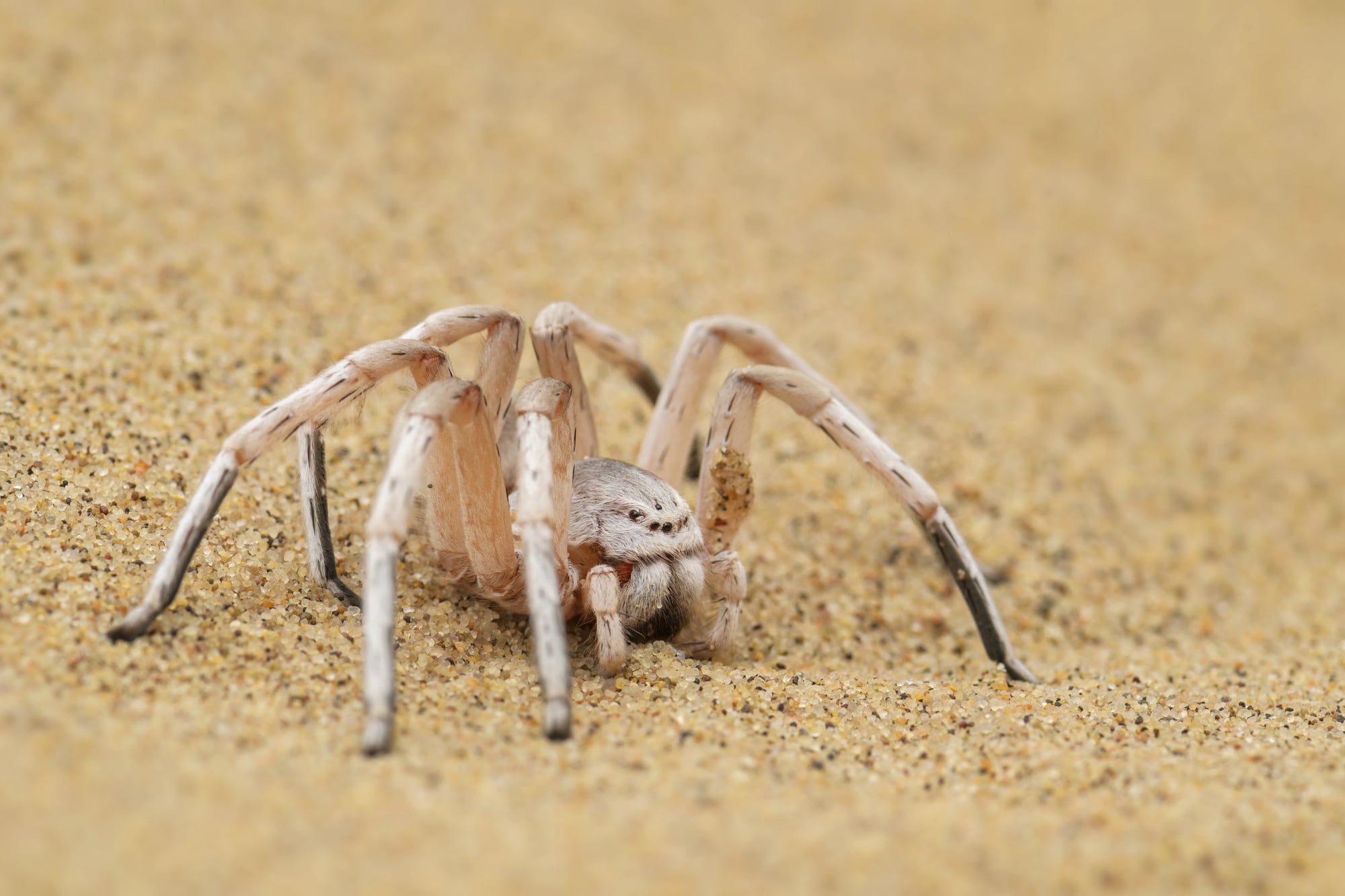
The six-eyed sand spider is rarely encountered but has highly potent venom. It lives in desert environments, burying itself in sand to ambush prey.
Human encounters are extremely uncommon, which is why confirmed cases are limited. Even so, its venom has shown strong effects in laboratory studies, placing it among the more formidable species.
Redback Spider
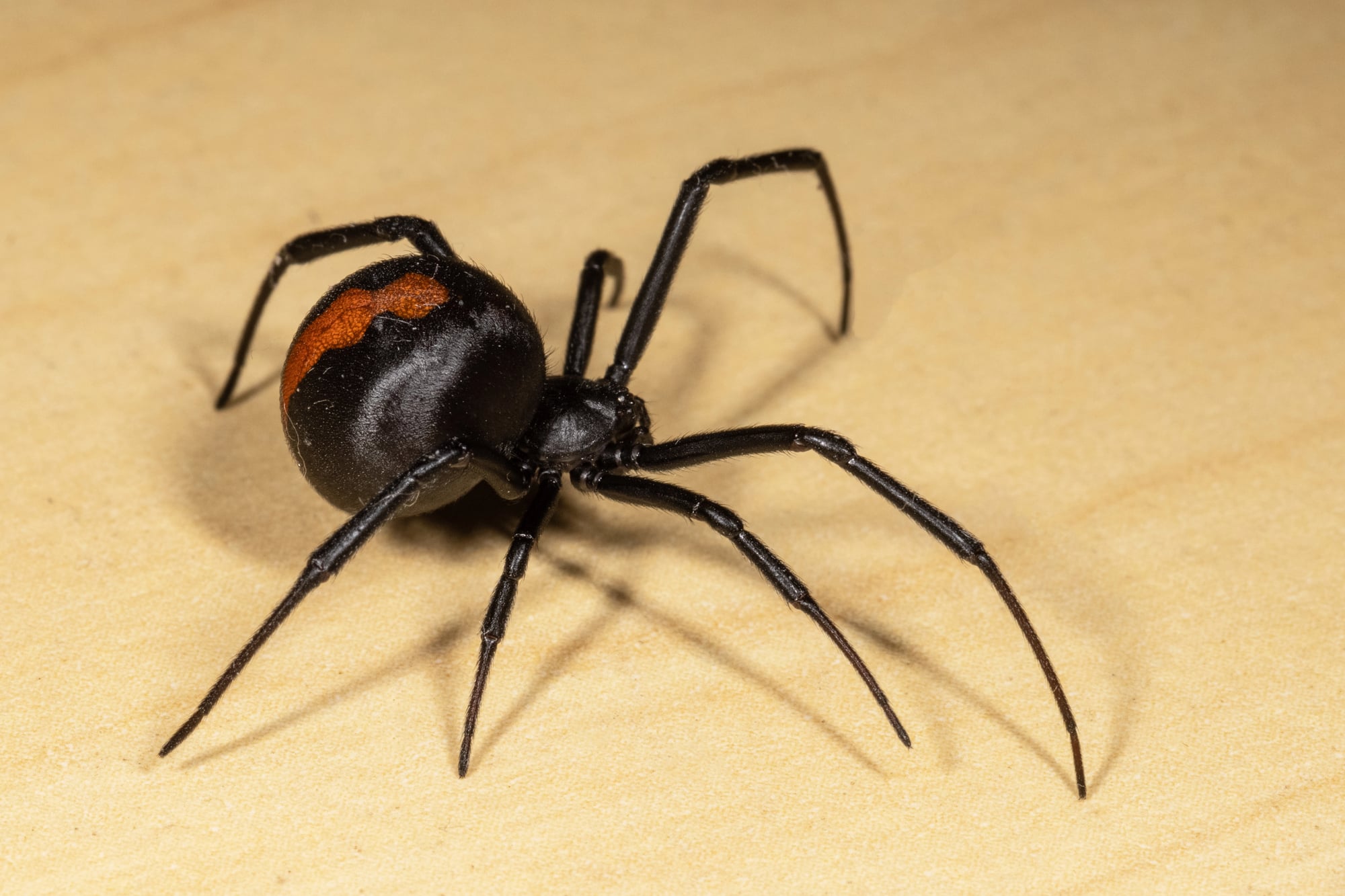
The redback spider is closely related to the black widow and is found primarily in Australia. It thrives in urban environments, often building webs in sheltered areas.
Its bite can cause significant pain and systemic symptoms, though fatalities are rare with treatment. Its adaptability has made it one of the more commonly encountered venomous spiders in its region.
Chilean Recluse Spider

The Chilean recluse spider is considered one of the most dangerous members of the recluse family. It is found in South America and occasionally in human dwellings.
Its venom can cause more severe reactions than its North American relatives, though serious outcomes are still uncommon with proper care. Its reputation comes from documented cases of strong reactions.
Yellow Sac Spider
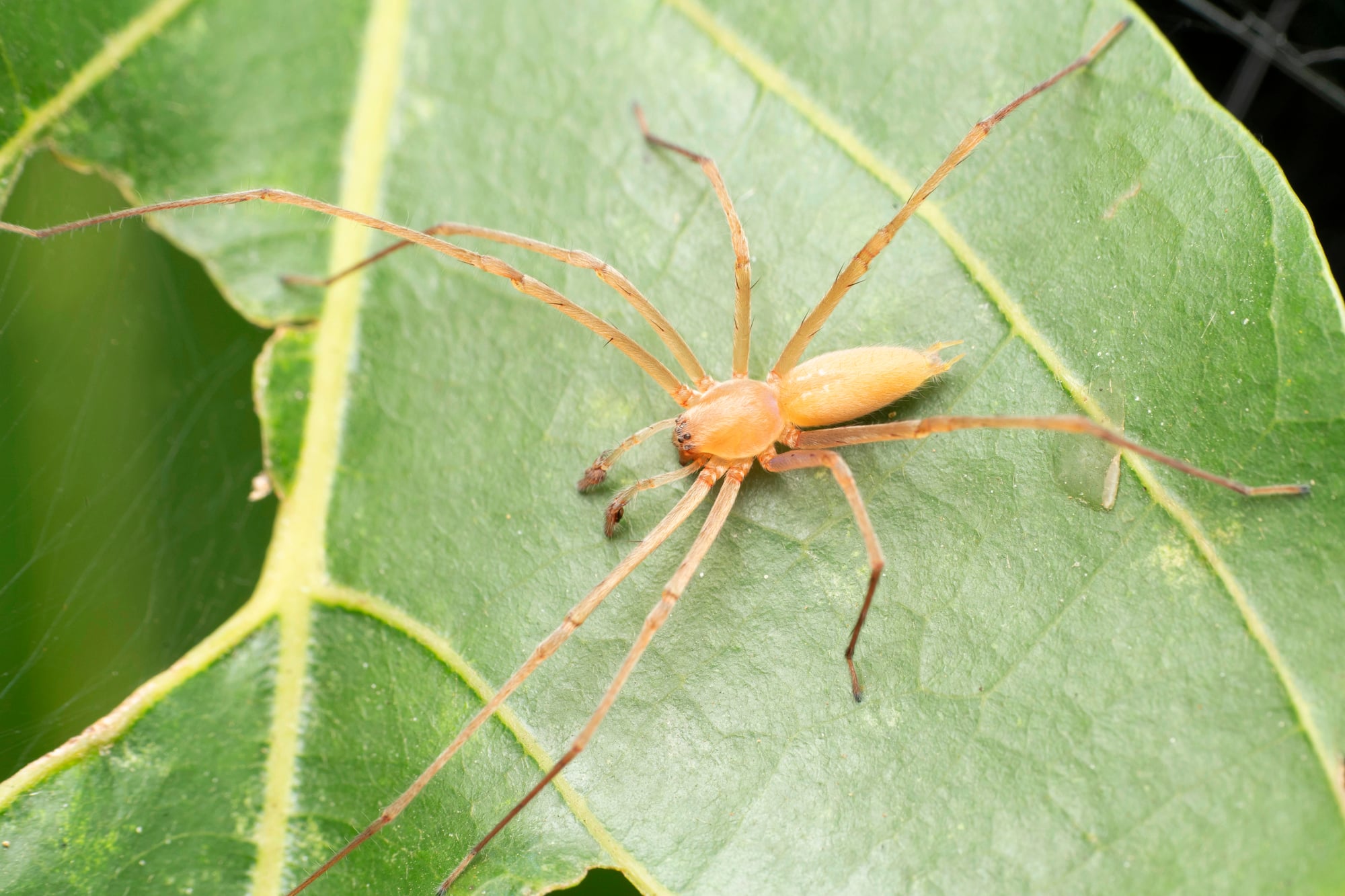
The yellow sac spider is widespread and often found indoors. It is not among the most toxic spiders, but it is responsible for a relatively high number of bites due to its proximity to humans.
Its venom can cause localized pain and irritation, sometimes leading to mild tissue damage. Its inclusion reflects frequency rather than extreme potency.
Hobo Spider

The hobo spider gained a reputation in North America for having a dangerous bite, though more recent research suggests its effects may be less severe than once believed.
Even so, its history and widespread presence have kept it on lists of medically notable spiders. It serves as a reminder that scientific understanding can evolve over time.
Mouse Spider
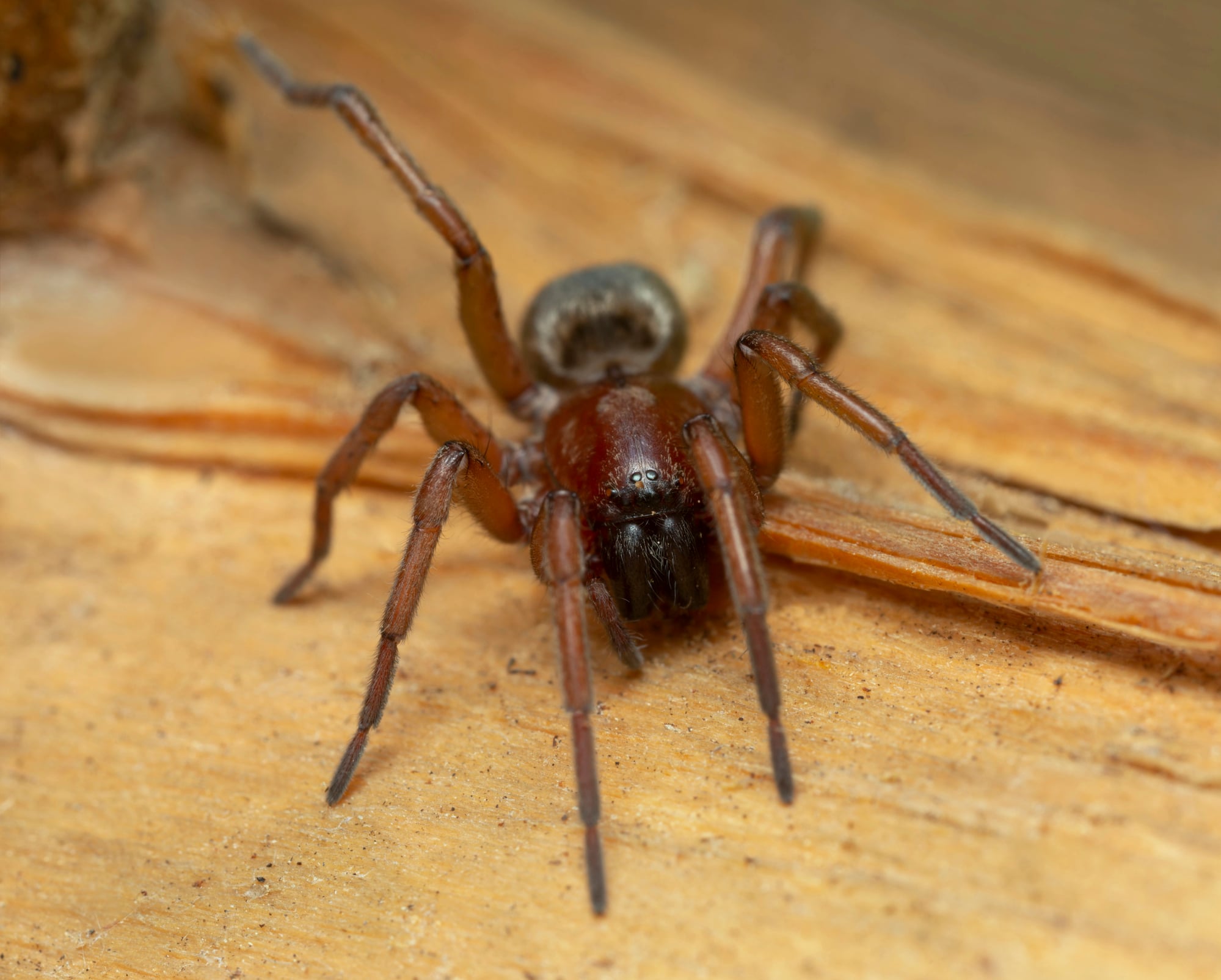
The mouse spider resembles the funnel-web spider and shares some of its characteristics. It is found in Australia and can deliver a potent bite if threatened.
Despite its capabilities, serious incidents are rare, partly due to its less aggressive behavior. Still, its venom places it among the more notable species in its region.
Wolf Spider
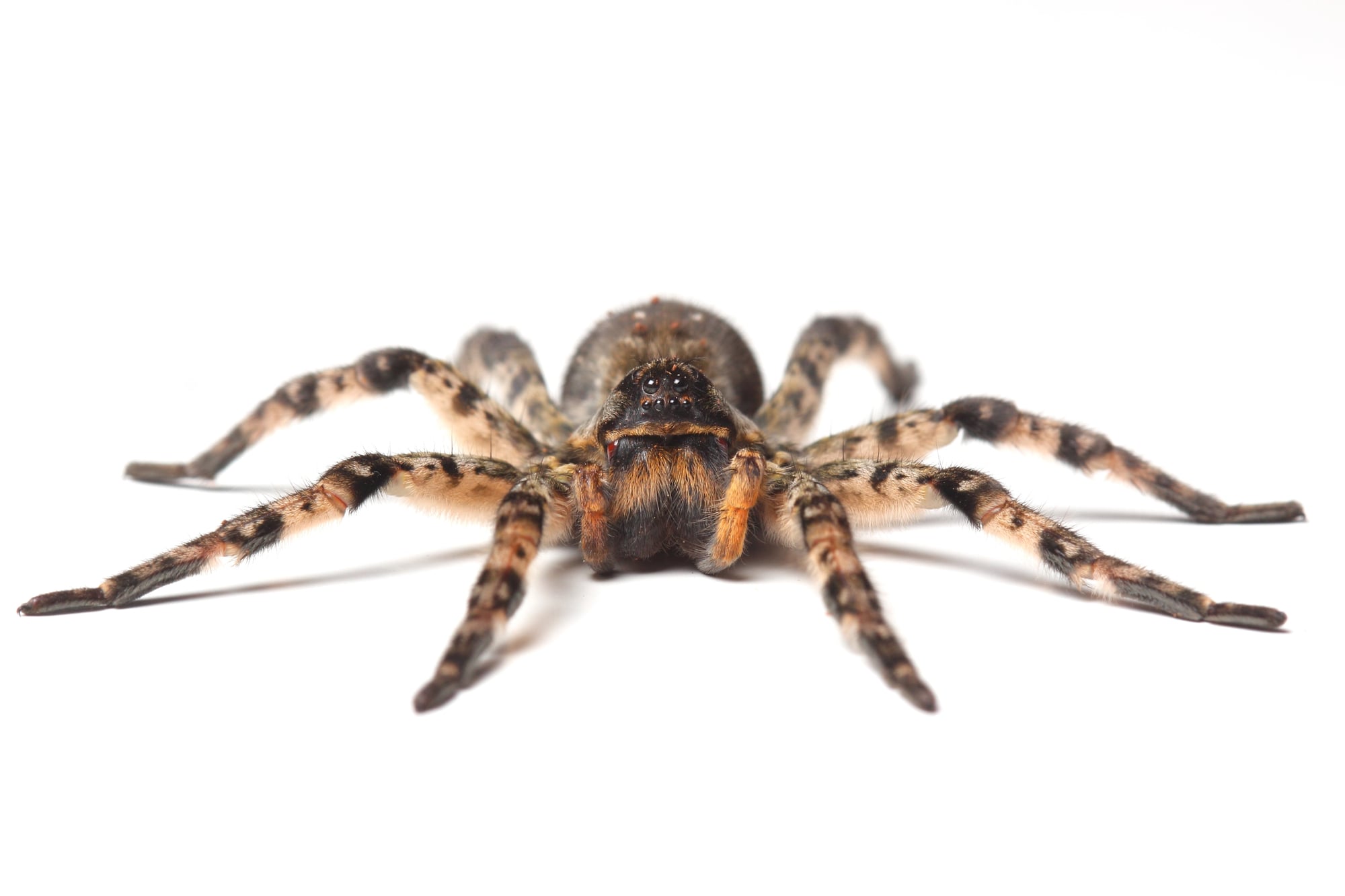
The wolf spider is a fast-moving hunter that does not rely on webs. While its bite can be painful, it is not considered dangerous to humans in most cases.
Its size and speed often lead to alarm, but medically significant reactions are uncommon. Its inclusion highlights how perception can amplify fear beyond actual risk.
Funnel-Web Spider (Other Species)
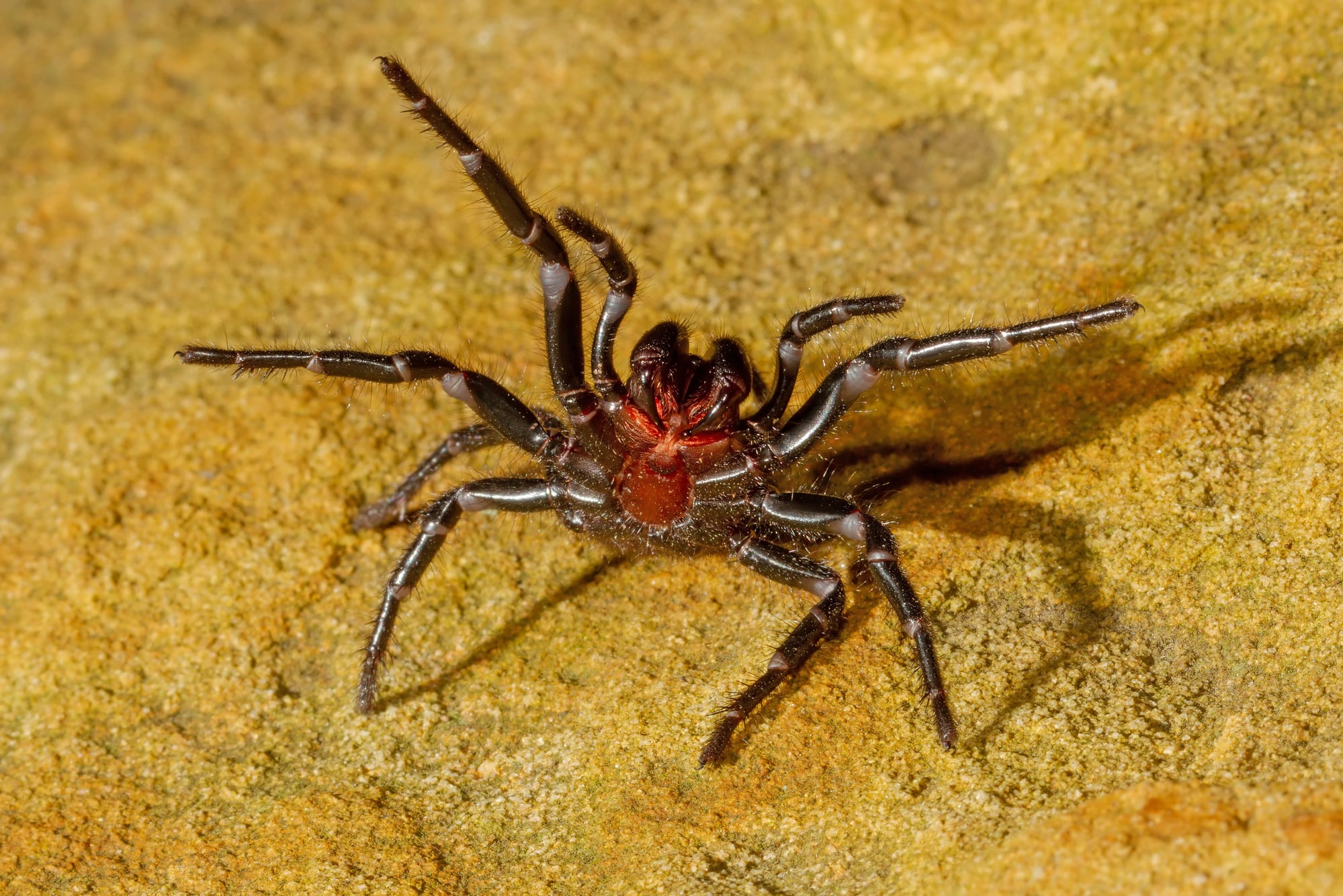
Beyond the Sydney species, the broader group of funnel-web spiders includes several spiders with potent venom. Many live in Australia and share similar habitats and behaviors.
While not all are equally dangerous, their collective characteristics—burrowing, defensive behavior, and strong venom—make them noteworthy.
Brazilian Brown Spider
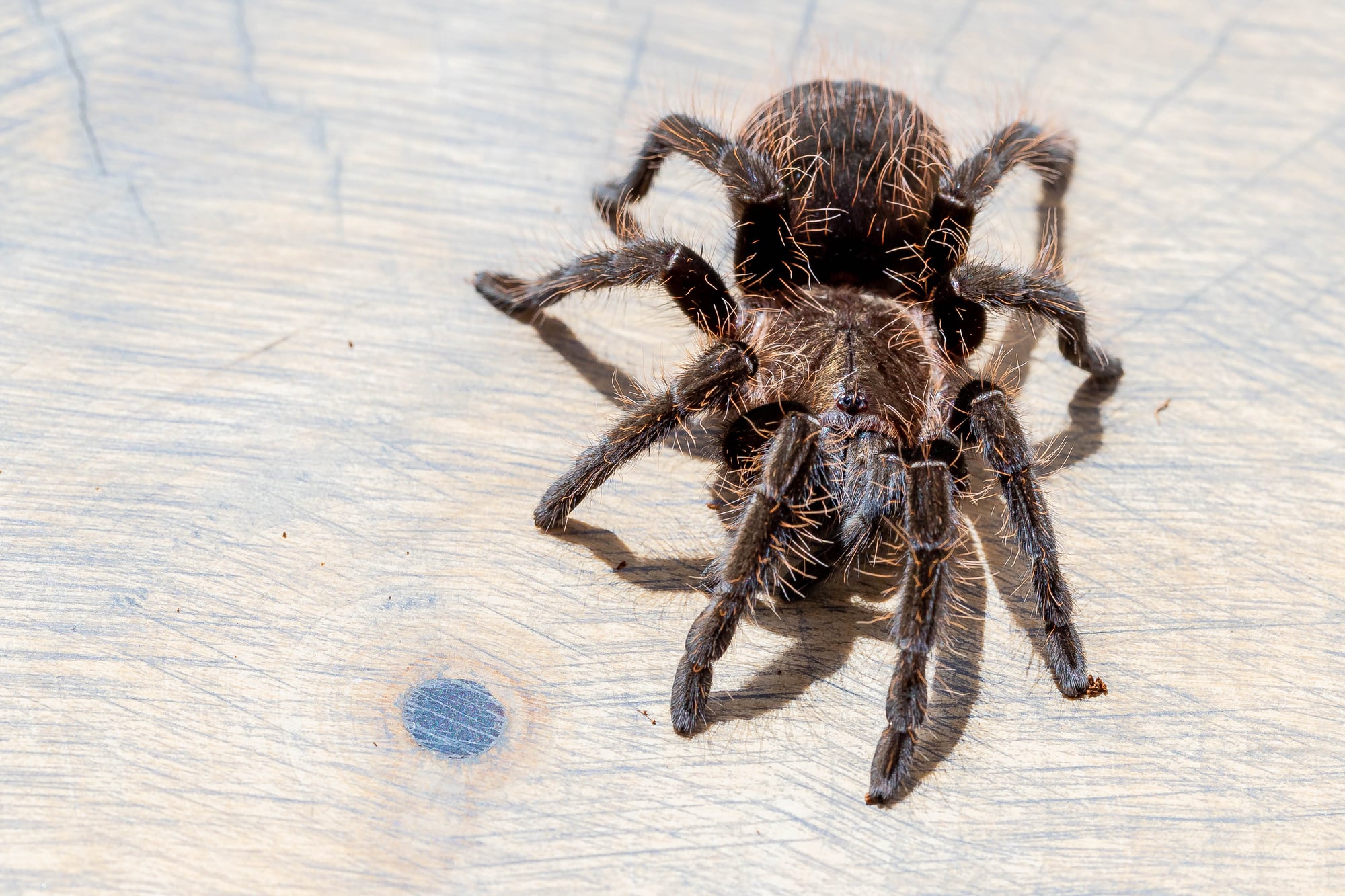
The Brazilian brown spider is another recluse-type spider found in South America. Like its relatives, it prefers hidden spaces and avoids detection.
Its venom can cause tissue damage in some cases, though severe outcomes are not the norm. Its significance lies in its similarity to other medically important recluse spiders.
Katipo Spider
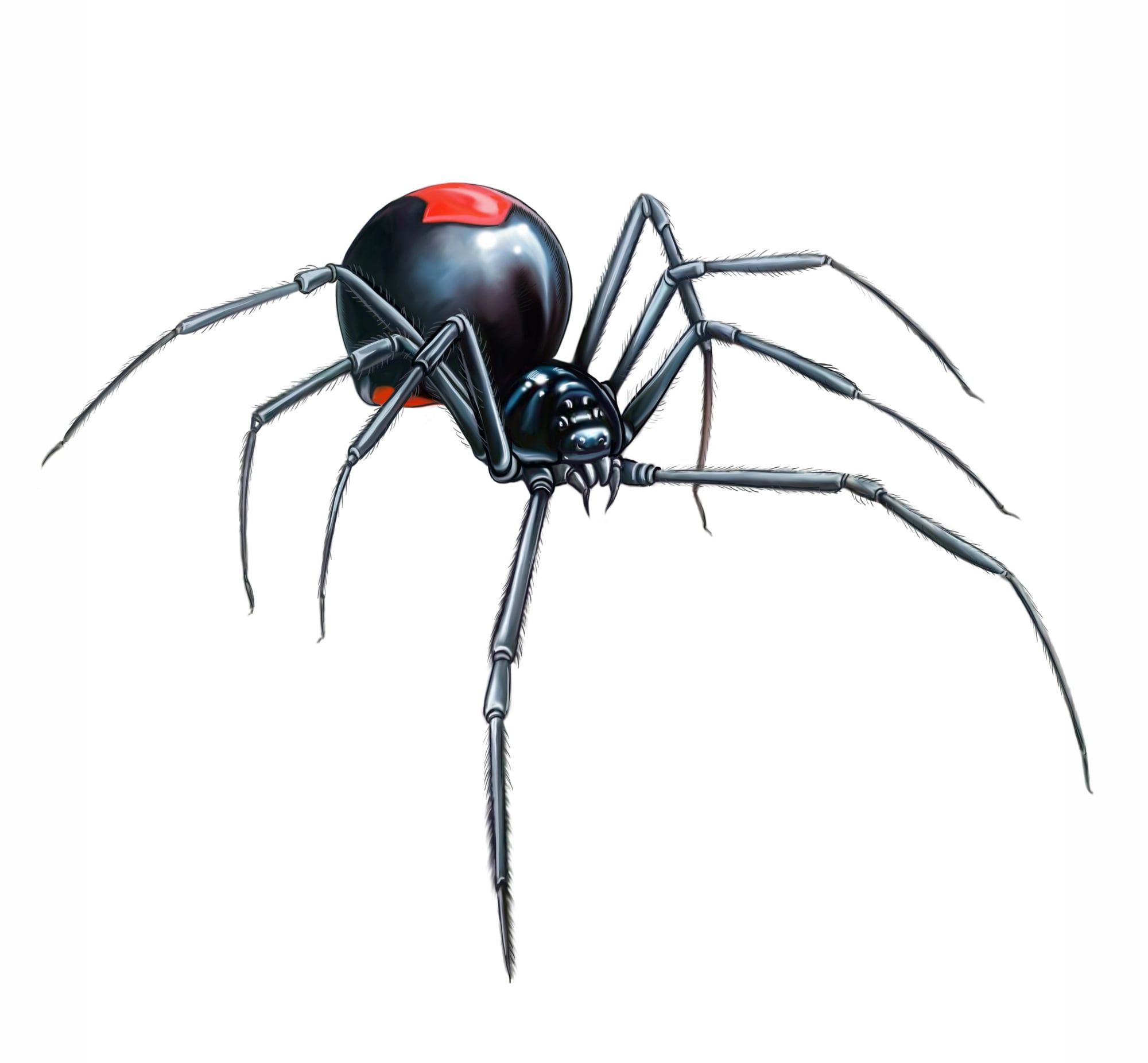
The katipo spider is native to New Zealand and is related to the black widow. It is relatively rare but has a venom that can affect the nervous system.
Bites are uncommon due to its limited range and declining population. Still, it remains one of the more notable venomous spiders in its region.
Why Fear And Reality Don’t Always Match
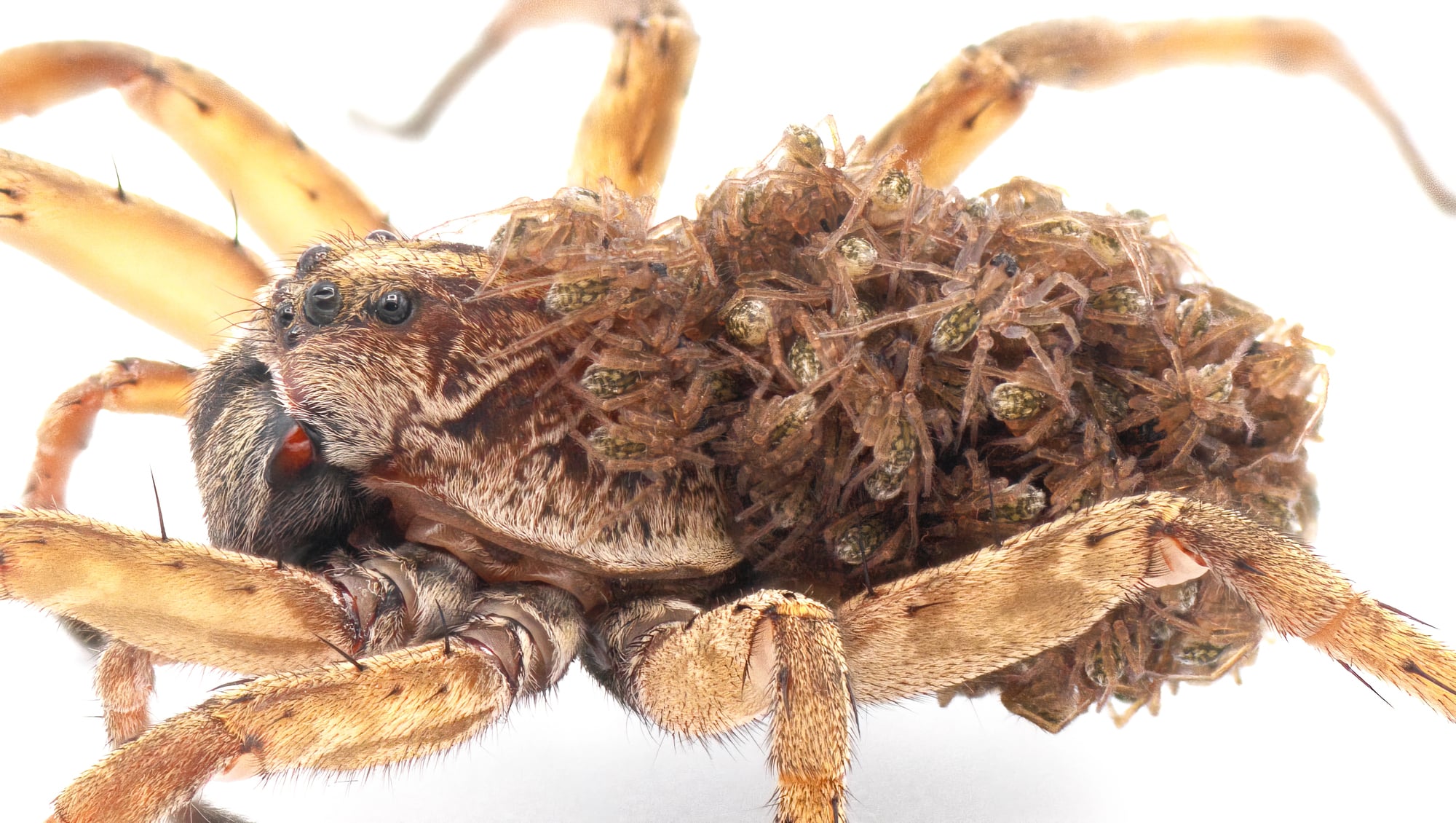
Truth be told, spiders get judged more than they deserve. Sure, a few can hurt you, yet plenty others keep their distance unless cornered.
When bites happen, hospitals today handle them well – even those from fierce-looking types. Fear often writes checks nature can’t cash.
Still, knowing which species pose medical risks counts, particularly where run-ins happen more often. What sticks? Not panic – just being informed.
With these animals living low-key alongside people, staying aware works best as defense.
More from Go2Tutors!

- The Romanov Crown Jewels and Their Tragic Fate
- 13 Historical Mysteries That Science Still Can’t Solve
- Famous Hoaxes That Fooled the World for Years
- 15 Child Stars with Tragic Adult Lives
- 16 Famous Jewelry Pieces in History
Like Go2Tutors’s content? Follow us on MSN.



