19 Places That Have Moved Due to Natural Forces
Throughout history, the Earth has demonstrated its remarkable power to reshape the landscape. Mountains rise, islands sink, and entire communities can find themselves gradually shifting position due to the relentless forces of nature.
These movements often occur over such long timescales that they escape our daily notice, yet their cumulative effects can be dramatic and sometimes devastating. Here is a list of 20 places around the world that have physically relocated due to natural geological and environmental forces.
The Hawaiian Islands
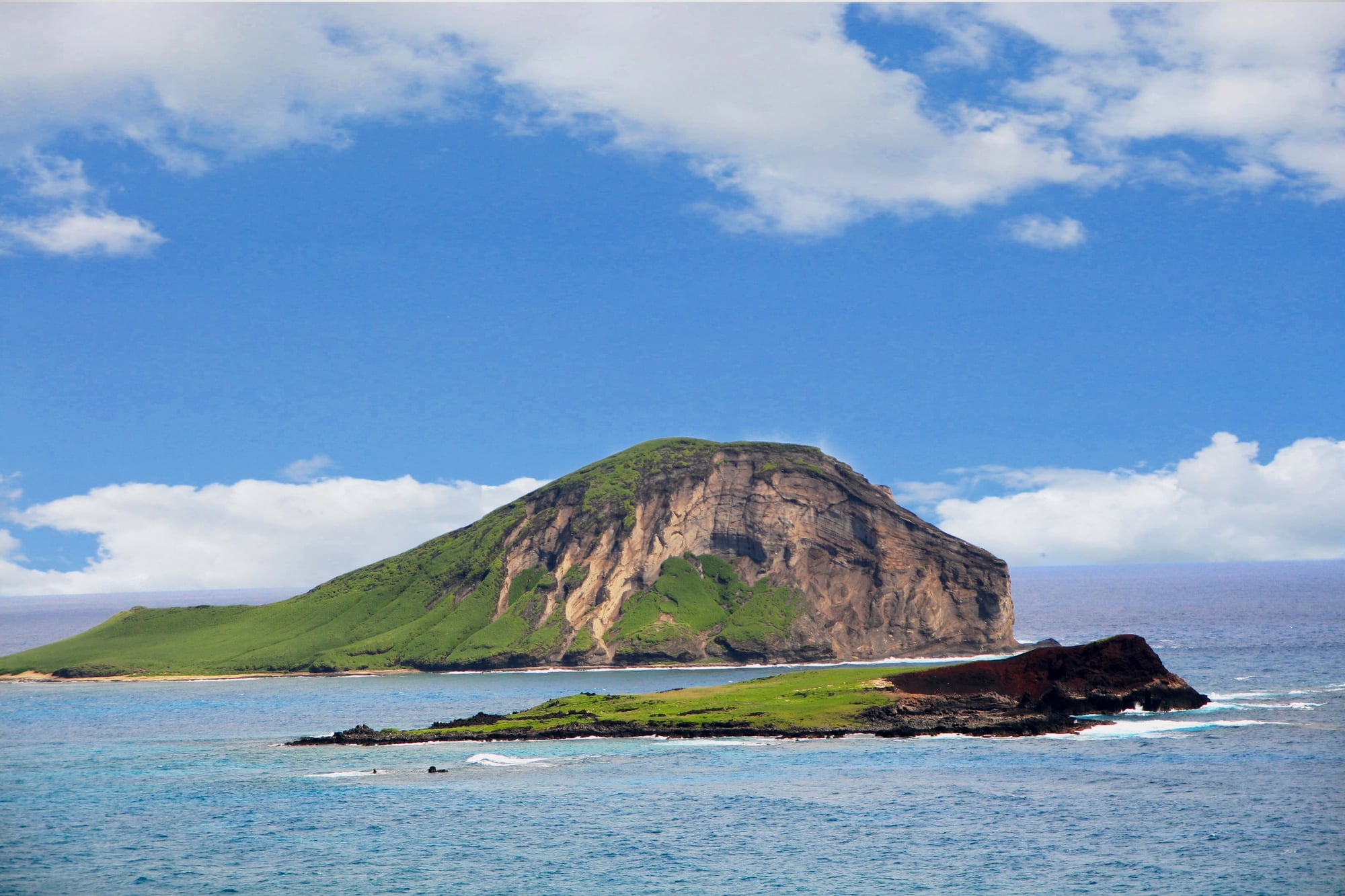
The entire Hawaiian island chain continues to move northwestward at approximately 3.5 inches per year due to the motion of the Pacific tectonic plate. This movement has been occurring for millions of years, with the islands forming as the plate moves over a stationary hot spot in the Earth’s mantle.
The Big Island of Hawaii has moved over 500 miles from its original formation location, while new undersea mountains are already forming that will become future Hawaiian islands.
Yellowstone National Park
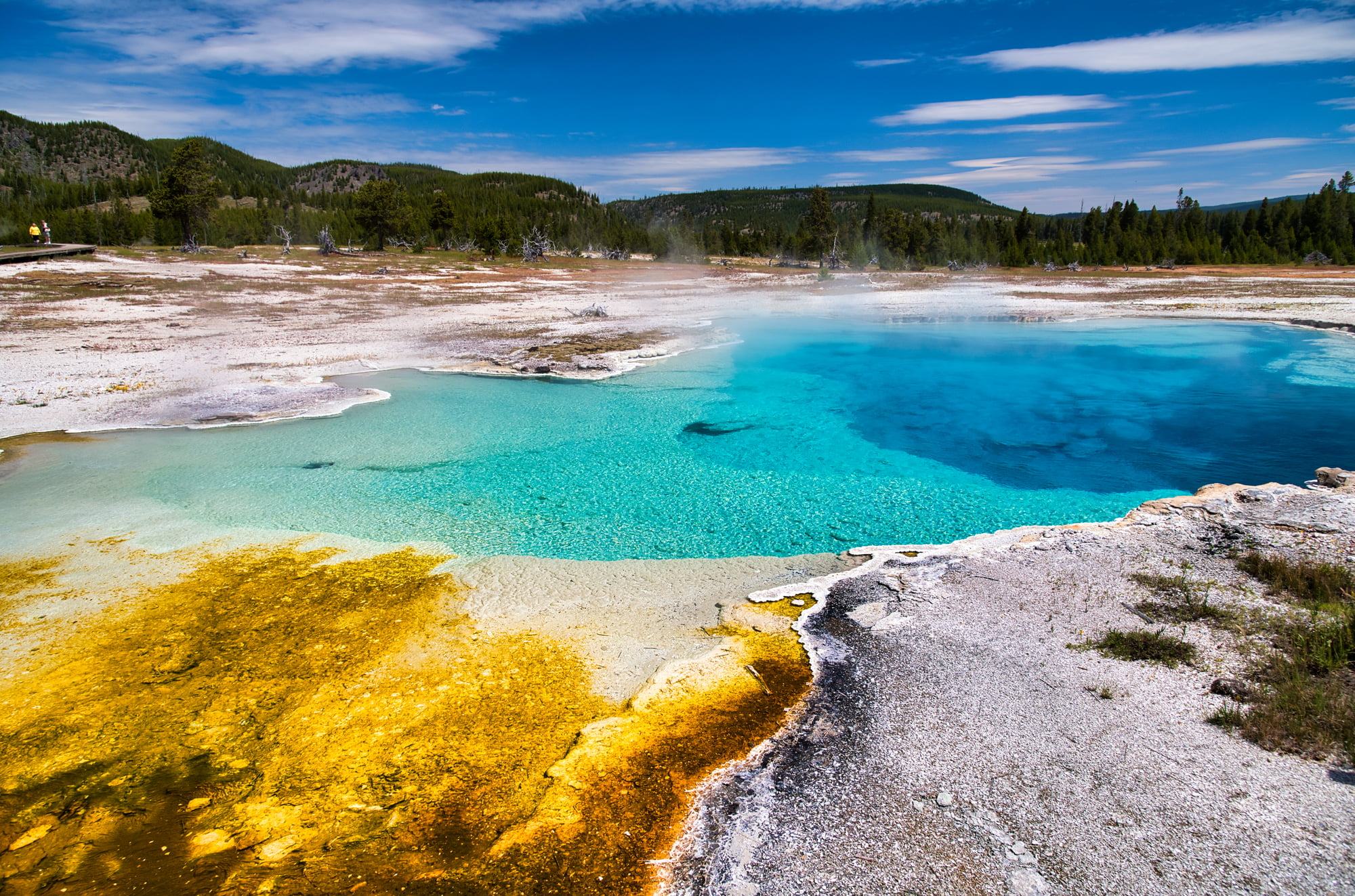
The Yellowstone caldera and surrounding landscape have moved approximately 30 miles over the past 16.5 million years. This movement isn’t from the landmass itself relocating, but rather from the North American plate sliding southwest over the Yellowstone hot spot.
The massive underground magma chamber remains relatively stationary while the continental plate above it shifts, creating a path of ancient volcanic centers across Idaho and into Wyoming where Yellowstone sits today.
Venice, Italy
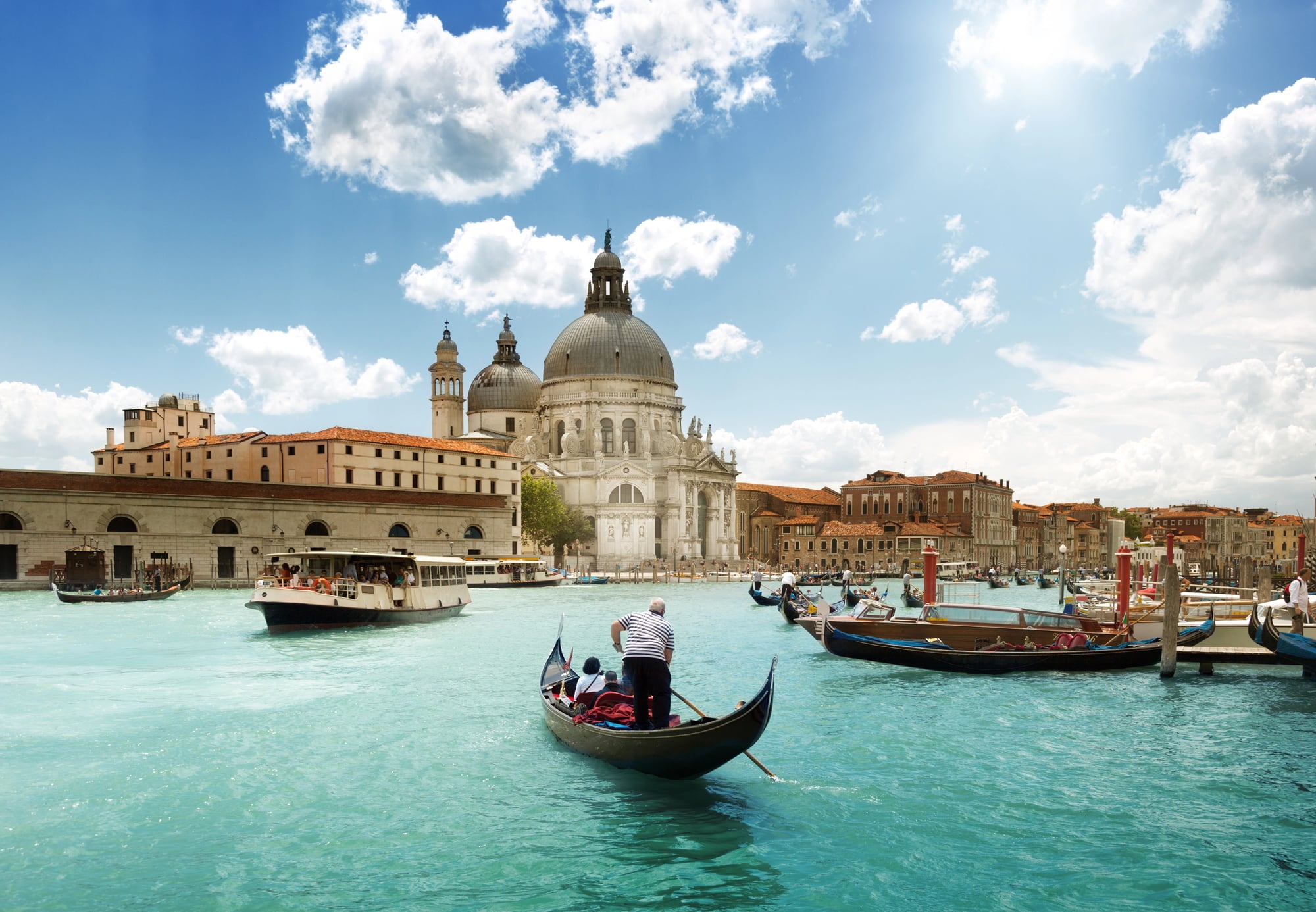
The city of Venice has sunk approximately 9 inches over the last century due to a combination of natural subsidence and human activity. The natural component stems from the soft, marshy soil beneath the city gradually compacting under the weight of buildings.
The surrounding Adriatic Sea shows measurable rises each decade, while the city itself moves downward, resulting in the famous acqua alta (high water) flooding events that now occur more than 100 times annually.
The San Andreas Fault Line
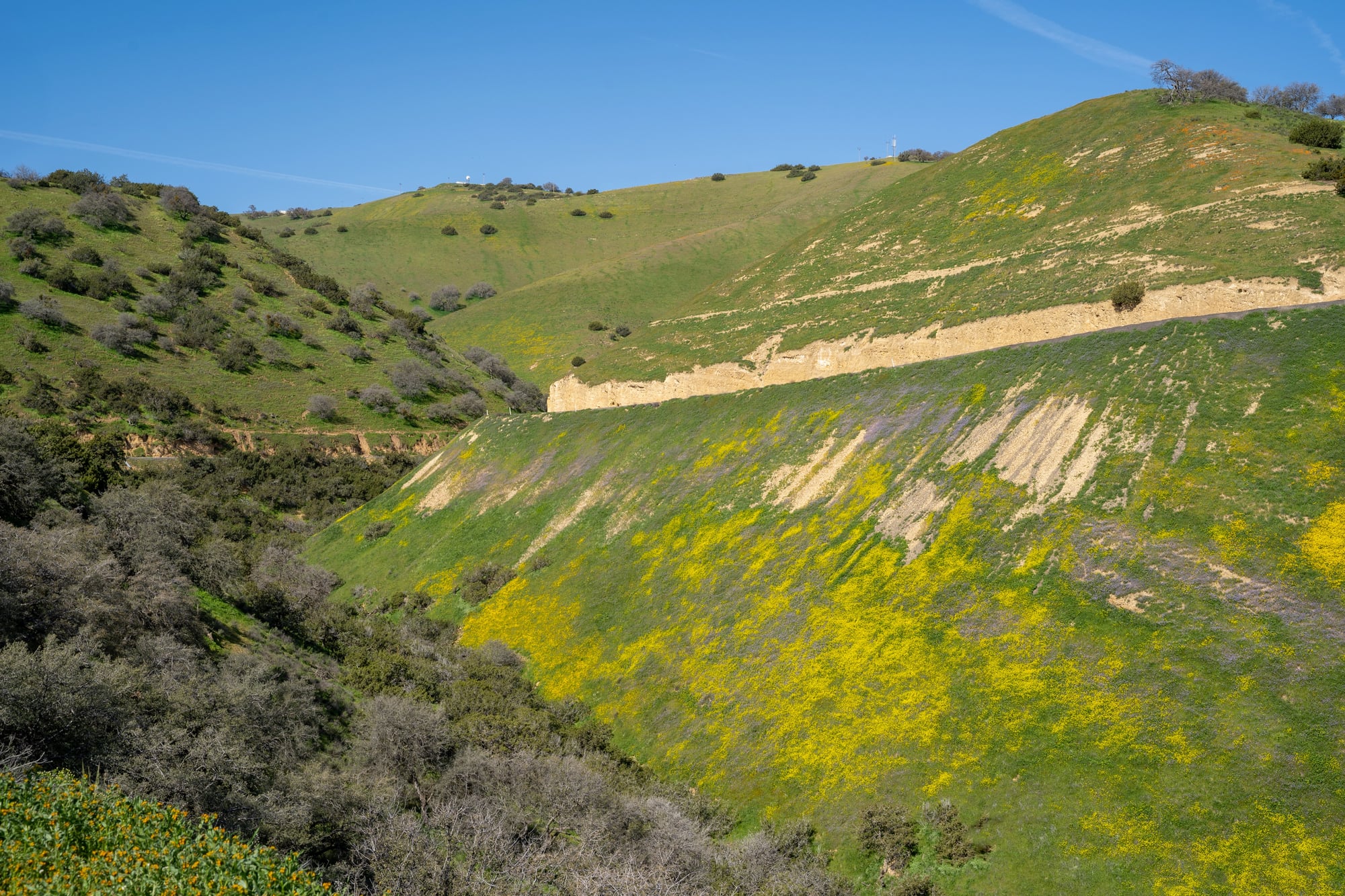
Communities along California’s 800-mile San Andreas Fault have shifted positions relative to each other as the Pacific and North American plates move in opposite directions. The western side of the fault (including parts of Los Angeles) moves northward approximately 2 inches per year relative to the eastern side.
Since the fault formed about 15-20 million years ago, locations on opposite sides have moved nearly 350 miles apart from their original positions.
The Maldives
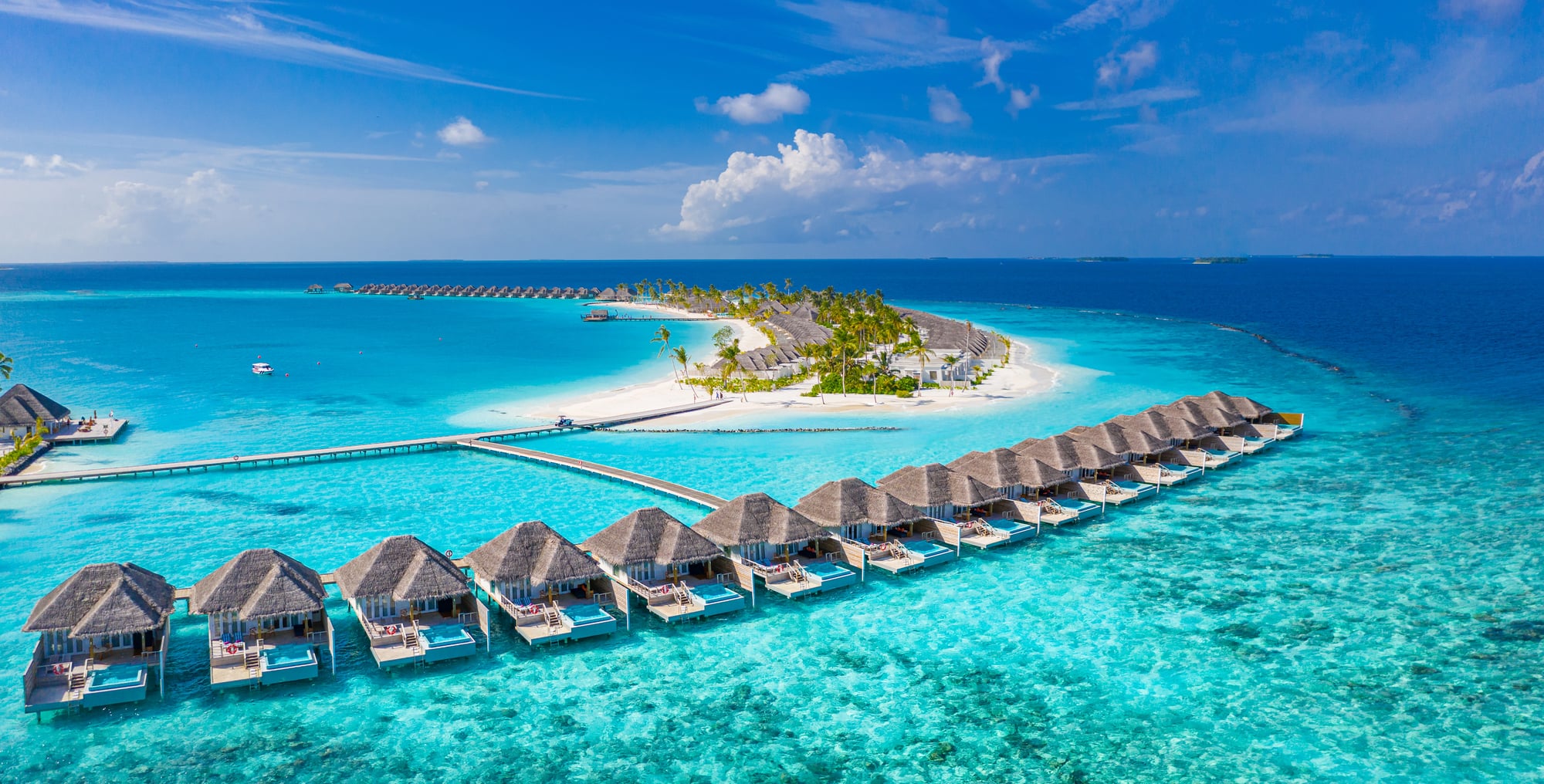
This nation of islands in the Indian Ocean has experienced measurable horizontal movement due to tectonic forces, but more significantly, the islands are sinking due to natural subsidence and rising sea levels. The natural settling of the coral atolls combines with climate factors to create a measurable change in position.
The highest point in the country now stands just 7.8 feet above sea level, with the islands’ positions shifting both vertically and horizontally over time.
The Lost Villages of England

Along England’s eastern coastline, dozens of medieval villages have been lost to the North Sea due to natural coastal erosion. Places like Dunwich in Suffolk, once a thriving port comparable to 14th-century London, now lie submerged beneath the waves.
The shoreline naturally retreats between 3 and 6 feet each year in some areas, with storms occasionally claiming much more. Entire communities that once stood firmly on land have literally moved into the sea.
The Great Rift Valley
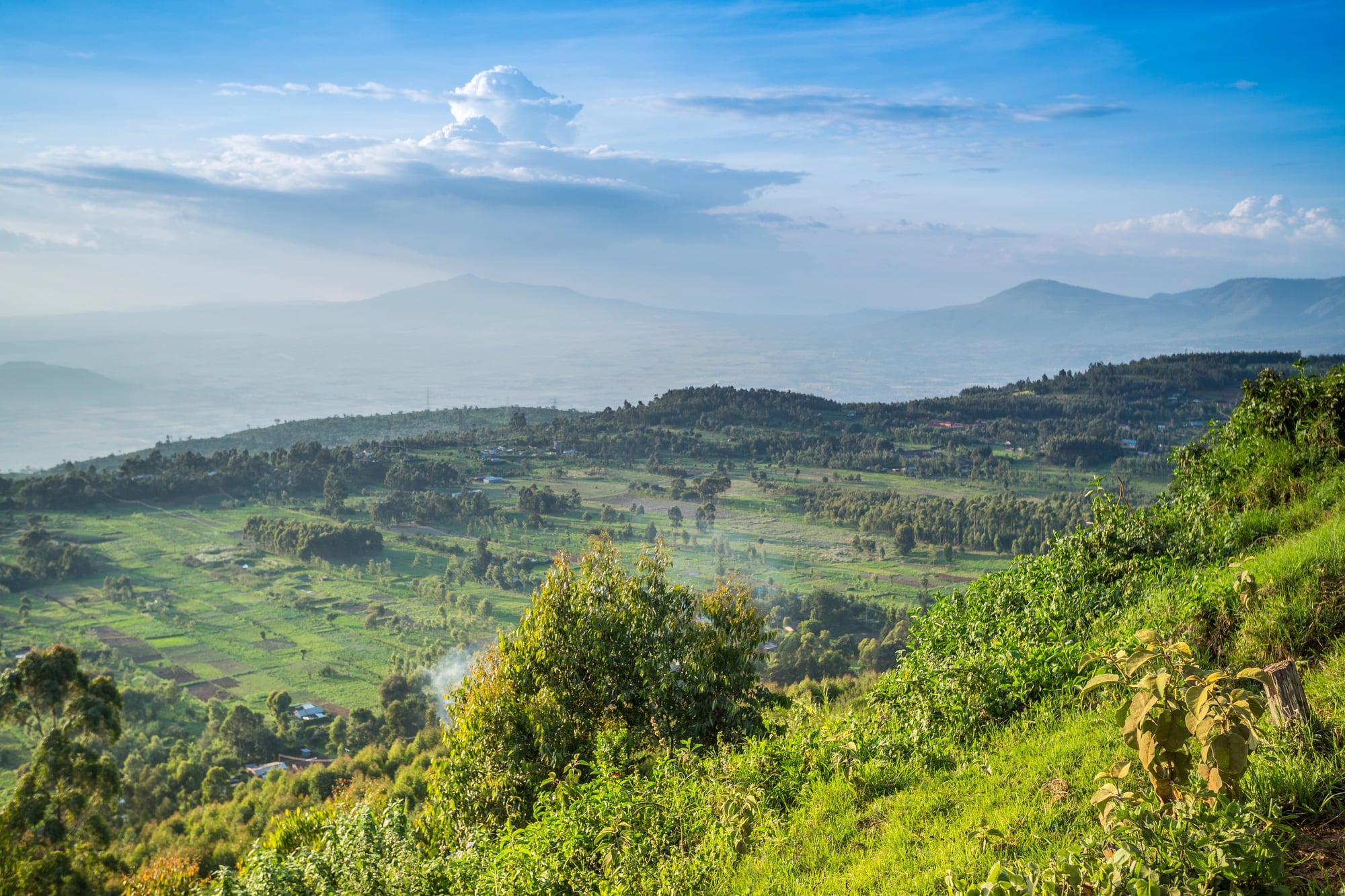
This massive geological formation stretching 3,700 miles from Lebanon to Mozambique continues to widen by approximately 0.7 inches annually as the African continent gradually splits apart. The rift represents the boundary where the African plate is dividing into two separate plates—the Somali and Nubian.
Villages and natural features along the rift have measurably changed positions relative to each other, with some locations having moved several miles over geological time.
New Zealand
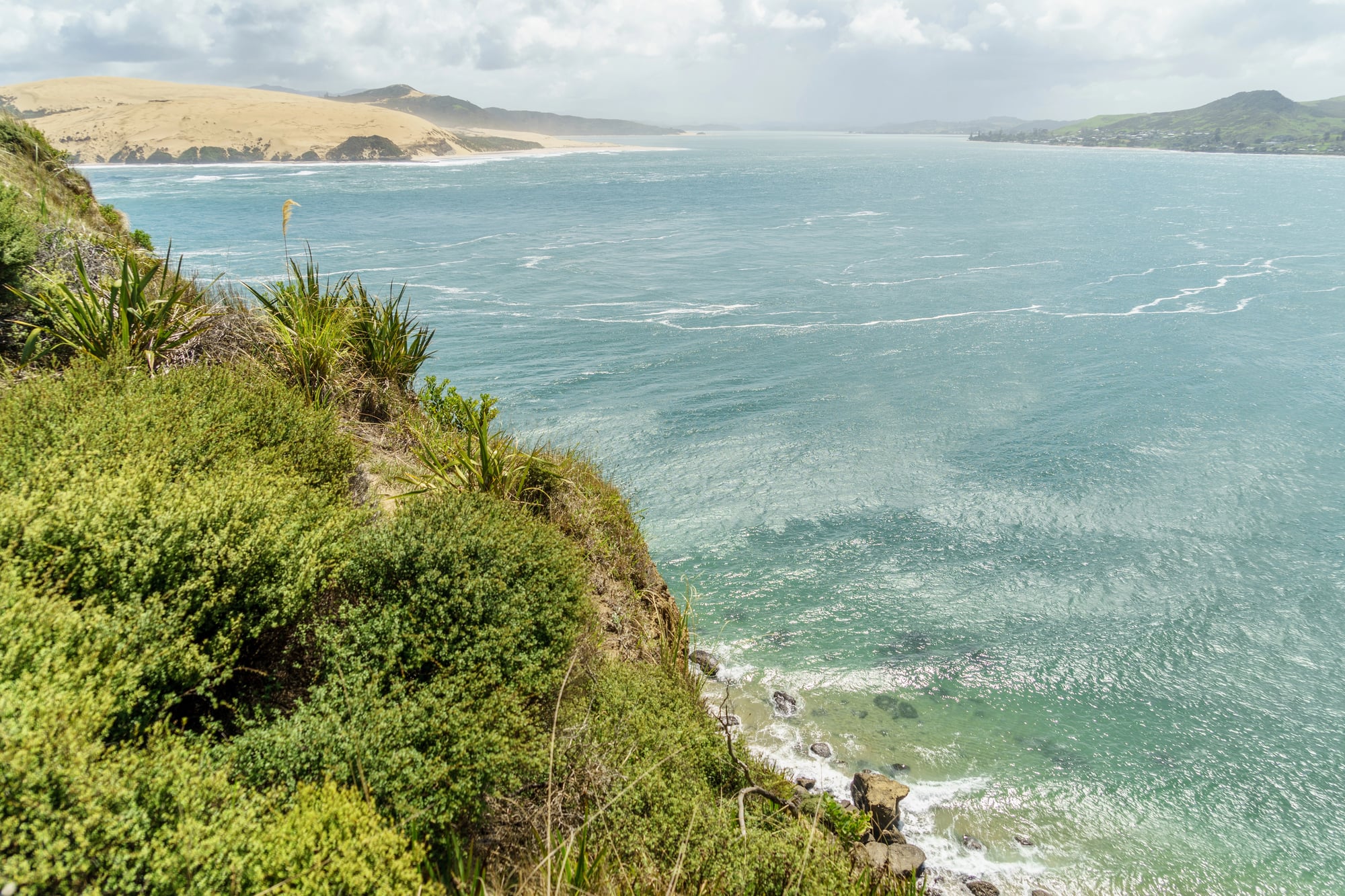
The entire country of New Zealand straddles the boundary between the Pacific and Australian tectonic plates, causing dramatic motion. The Southern Alps are being pushed upward at approximately 0.4 inches per year, while the two main islands also shift horizontally.
During the massive 2016 Kaikoura earthquake, parts of the northeastern coastline of the South Island were permanently raised more than 6 feet, physically moving beaches and marine ecosystems to higher elevations overnight.
The Mississippi River Delta

The delta region at the mouth of the Mississippi River has undergone massive natural reconfiguration over time. River deposits have created nearly 7,000 square miles of Louisiana, while simultaneously, natural subsidence causes other areas to sink.
The coastline naturally retreats approximately 24 square miles every year. Communities established along the delta find their positions relative to the shoreline changing constantly as the land beneath them shifts and sinks.
Mt. Everest

The tallest mountain on Earth moves approximately 1.6 inches northeast and rises about 0.16 inches annually due to the ongoing collision between the Indian and Eurasian tectonic plates. This same collision continues to push the entire Himalayan range upward.
The 2015 Nepal earthquake actually caused Everest to shift 3 feet southwestward, temporarily reversing its long-term trajectory and demonstrating how even the most massive landmarks on Earth remain in motion.
Thingvellir National Park, Iceland
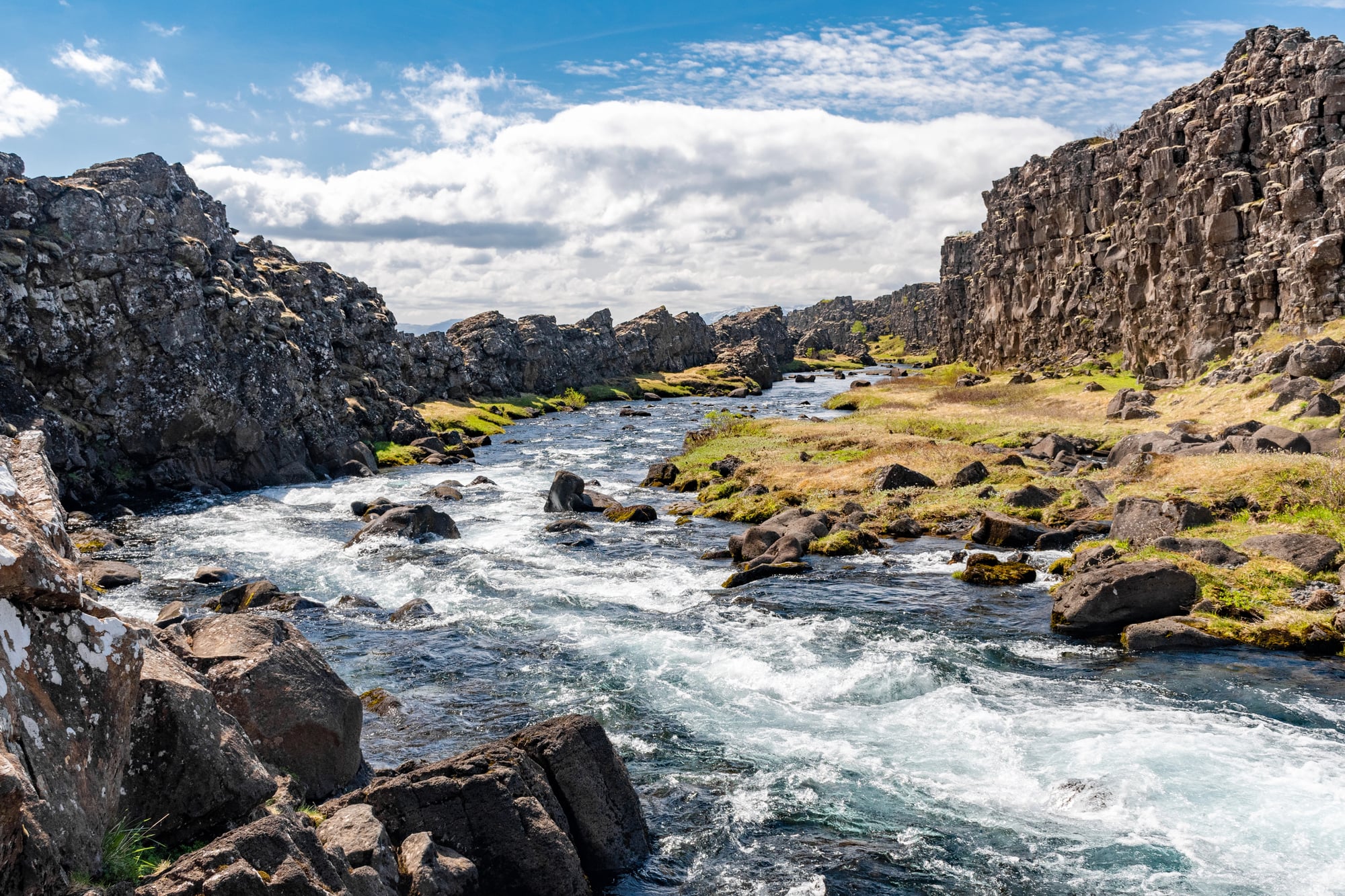
This UNESCO World Heritage Site sits directly on the Mid-Atlantic Ridge where the North American and Eurasian tectonic plates pull apart at a rate of about 0.8 inches per year. The resulting rift valley widens constantly, with visible fissures opening in the landscape.
Structures built near these boundaries have had to be relocated as their foundations literally pull apart. The parliament site established here in 930 CE has moved measurably from its original position.
The Atacama Desert

Parts of the Atacama Desert in Chile have risen more than 10,000 feet over the past 10 million years due to the subduction of the Nazca Plate beneath the South American Plate. Ancient seashells can now be found high in the Andes Mountains, revealing the dramatic vertical movement of this landscape.
Communities established in mining towns throughout this region have experienced altitude changes over generations, with some villages now sitting thousands of feet higher than their original positions.
The Great Barrier Reef
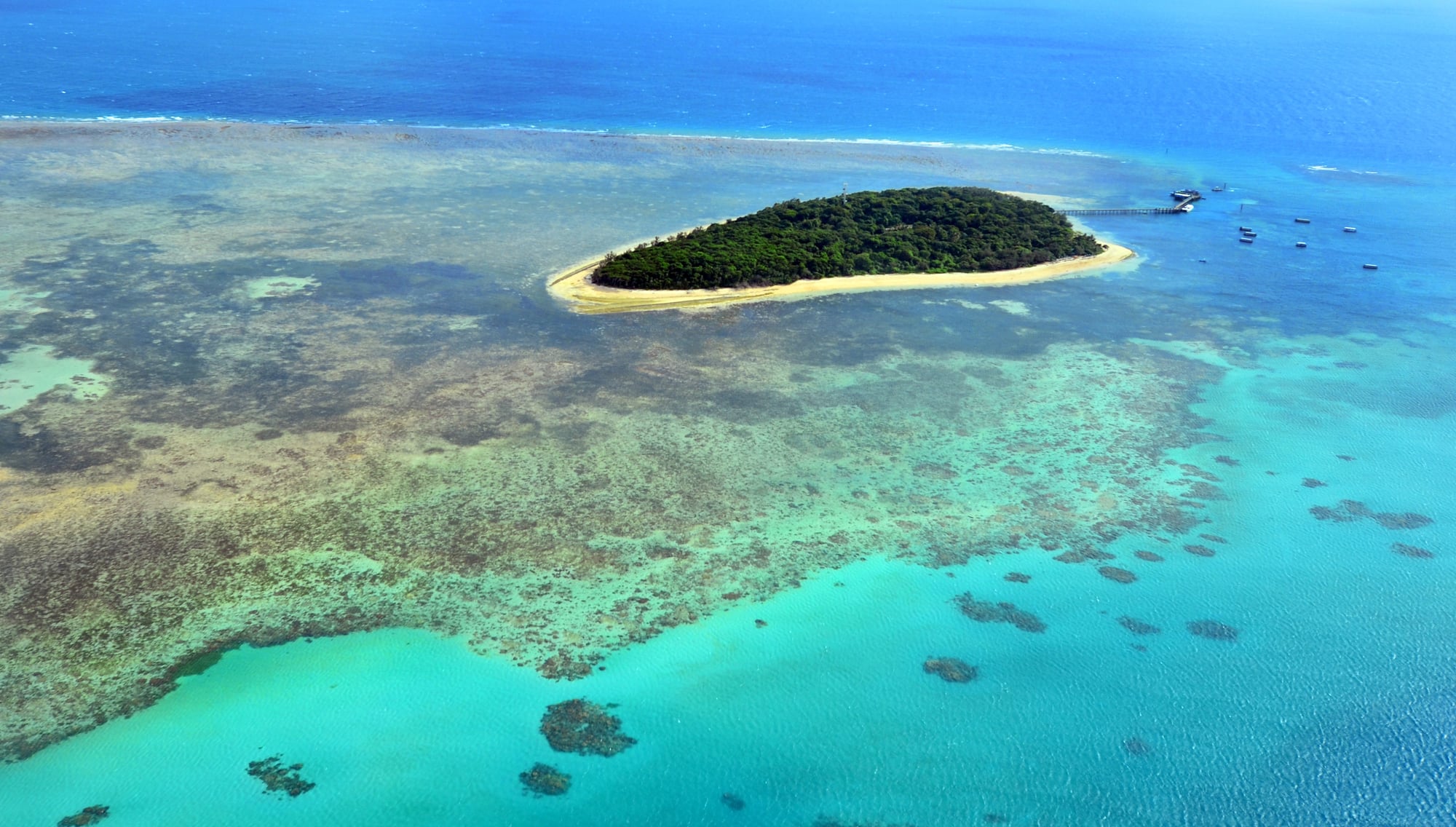
The world’s largest coral reef system has shifted its position over geological time due to changing sea levels. During ice ages, the reef edge moved up to 90 miles eastward as water levels fell and exposed the continental shelf.
As ice melted, the living reef ecosystem gradually relocated to higher positions, leaving ancient reef structures submerged beneath deeper waters. Today’s visible reef structures represent just the latest position in a long history of movement.
The Dead Sea
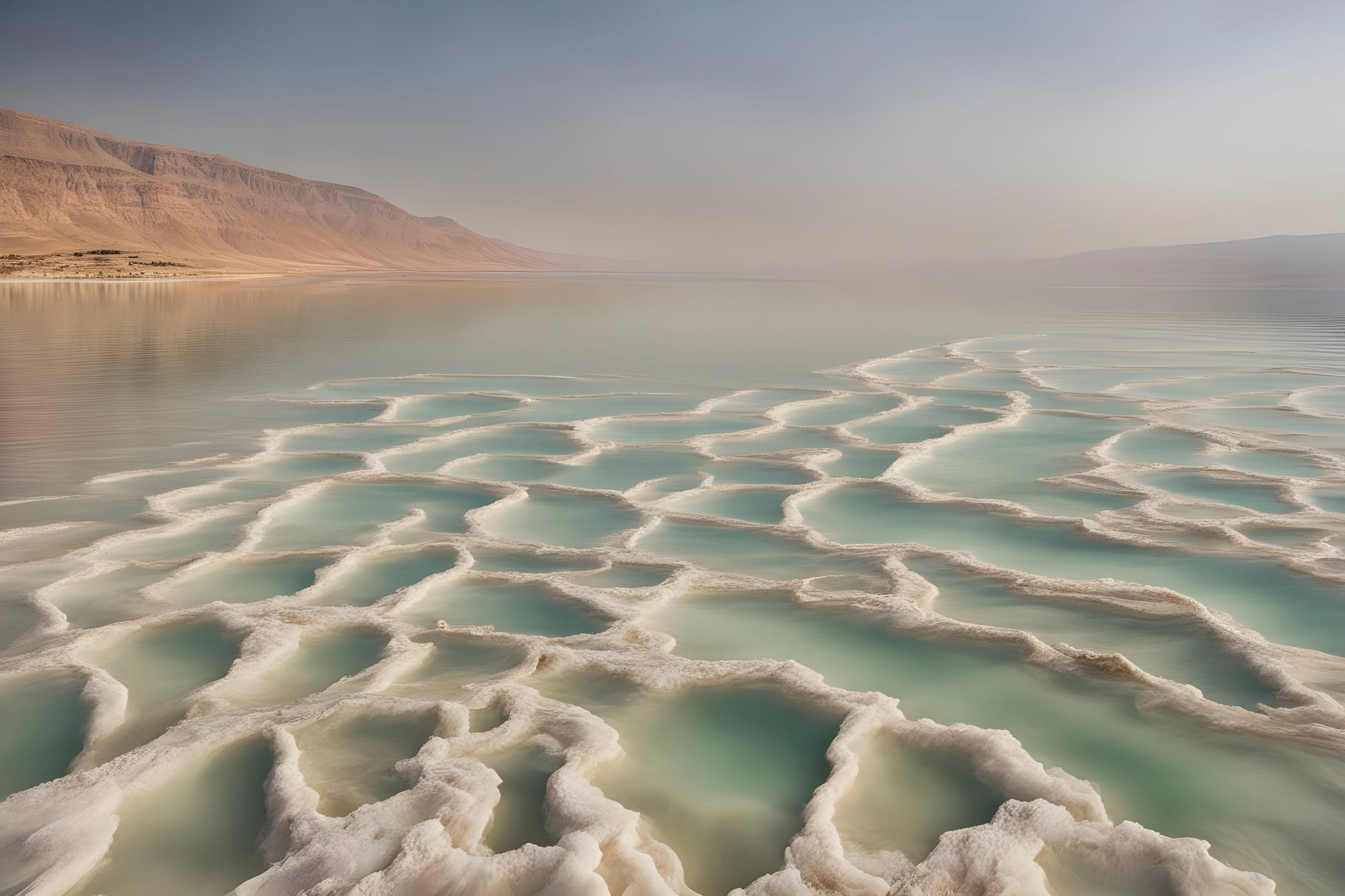
The shores of the Dead Sea move inward approximately 3 feet annually as the lake shrinks due to natural and human-caused water diversion. This recession exposes new land along the former shoreline while causing dramatic sinkholes to form as underground salt layers dissolve.
Resorts and infrastructure built along the shore in the 1980s and 1990s now stand nearly a mile from the water’s edge, effectively relocated by natural forces without physically moving.
Earth’s Landscapes in Motion

These examples of moving places remind us that our planet remains in constant flux. The seemingly solid ground beneath our feet shifts through complex natural processes operating across vastly different timescales.
From the slow continental drift measurable only over millions of years to dramatic volcanic or seismic events that transform landscapes overnight, Earth’s surface continues its relentless movement. Understanding these dynamic forces helps us adapt to an ever-changing planet we often mistakenly perceive as static.
More from Go2Tutors!

- The Romanov Crown Jewels and Their Tragic Fate
- 13 Historical Mysteries That Science Still Can’t Solve
- Famous Hoaxes That Fooled the World for Years
- 15 Child Stars with Tragic Adult Lives
- 16 Famous Jewelry Pieces in History
Like Go2Tutors’s content? Follow us on MSN.



