The Unhealthiest Cereal Brands in America
The cereal aisle presents a colorful wonderland of breakfast options, with vibrant boxes promising nutrition, energy, and deliciousness to start your day. However, beneath the cartoon characters and health claims lurks a less appetizing reality: many popular cereals are essentially desserts masquerading as breakfast foods.
Here is a list of the 20 unhealthiest cereal brands in America, based on sugar content, artificial ingredients, and nutritional value—many of which might have been staples in your childhood pantry.
Honey Smacks
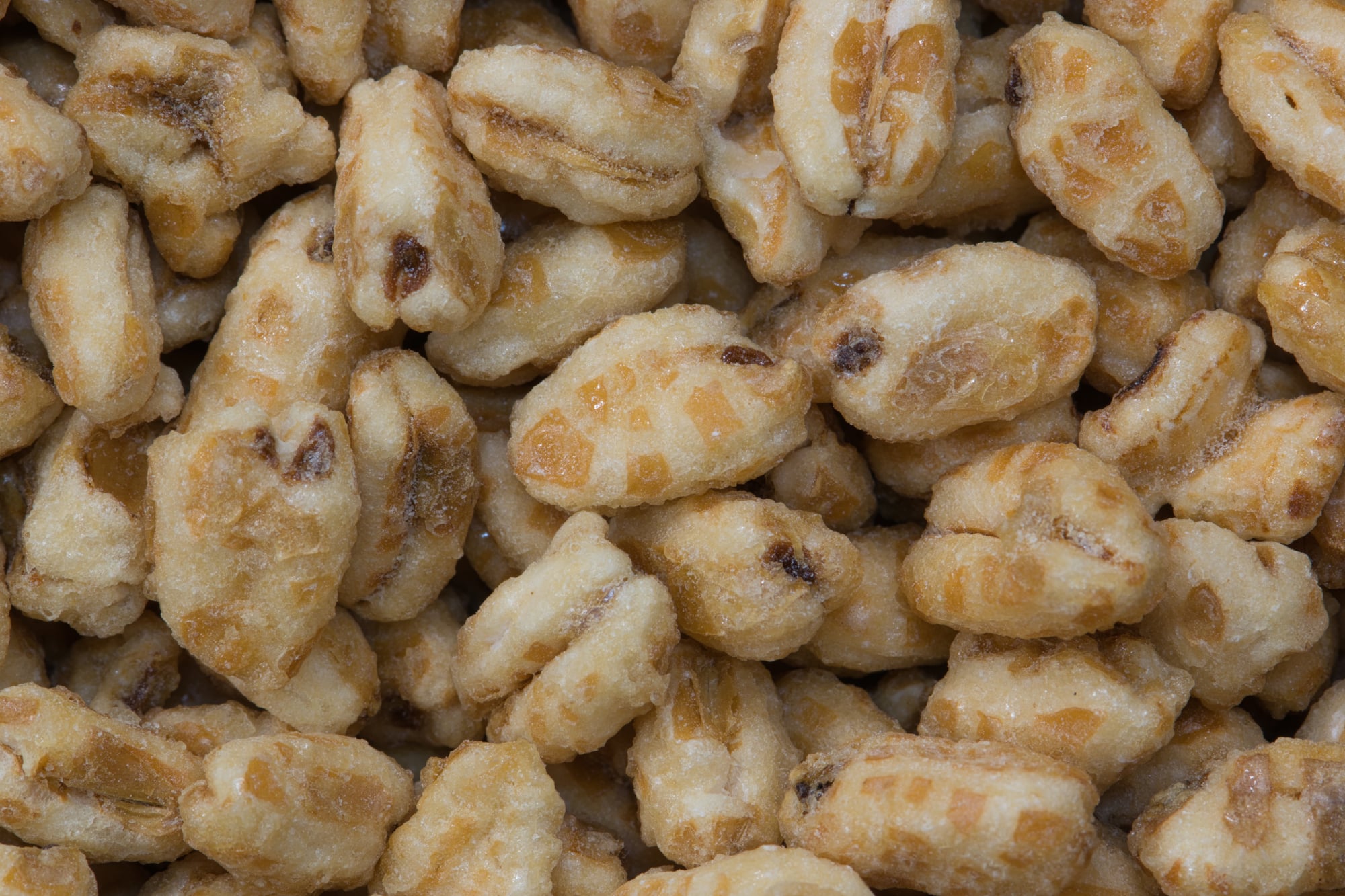
Kellogg’s Honey Smacks contains a staggering 18 grams of sugar per serving, which equals nearly 40% of the cereal by weight. A single serving contains more sugar than a Twinkie, despite marketing that suggests a wholesome, honey-based product.
The cereal also contains hydrogenated vegetable oil, a source of unhealthy trans fats that contribute to heart disease.
Froot Loops
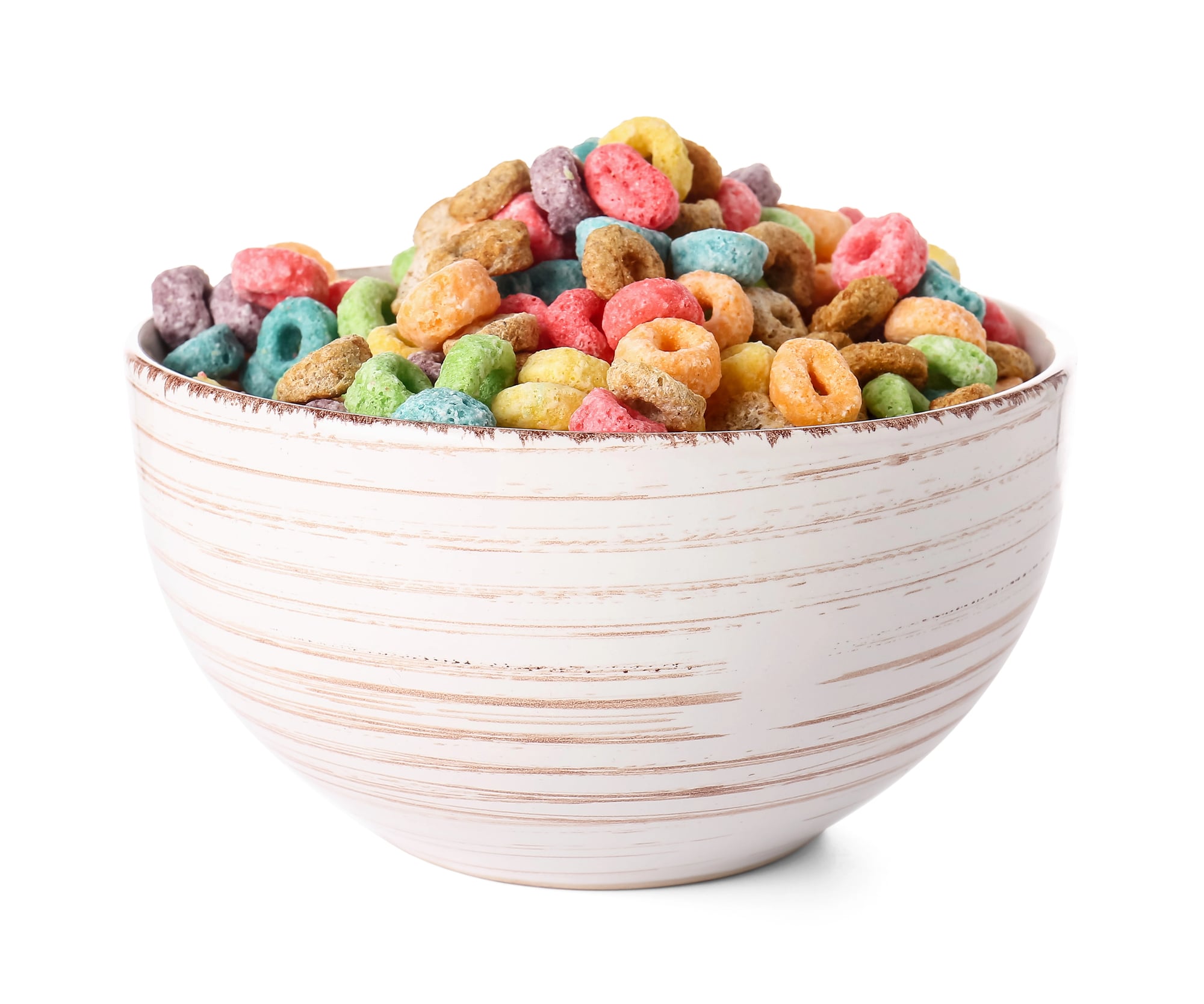
This rainbow-colored childhood favorite packs 12 grams of sugar per serving and contains virtually no actual fruit despite its name. Froot Loops relies on artificial food dyes including Yellow 5, Blue 1, and Red 40—controversial additives linked to behavioral issues in some children.
The first ingredient is refined flour, followed by various forms of sugar, making this cereal more suitable as an occasional dessert than a daily breakfast.
Lucky Charms
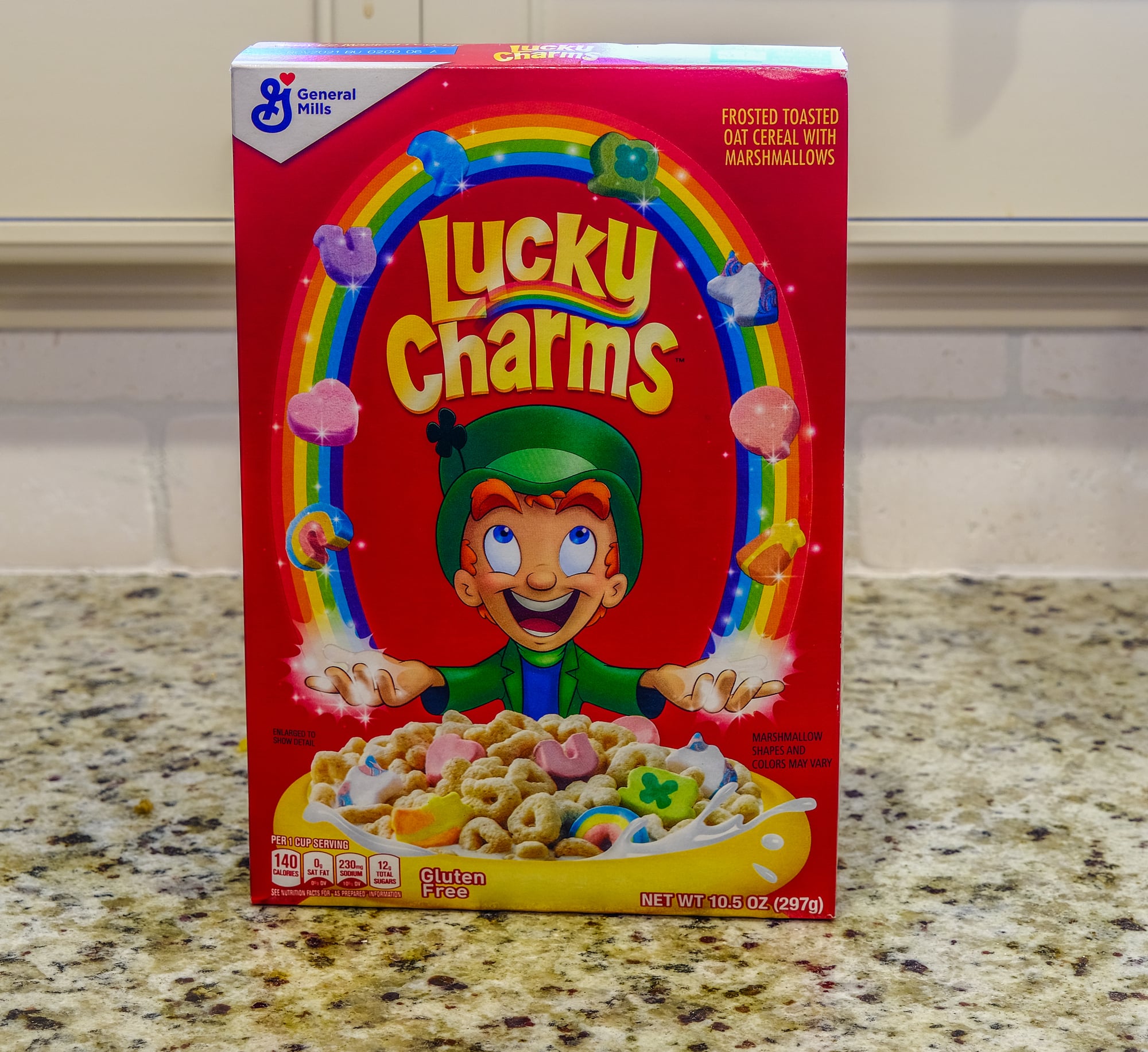
The marketing may focus on those “magical” marshmallows, but there’s nothing magical about consuming artificially colored corn syrup pieces alongside nutrient-poor cereal bits. Each serving contains 12 grams of sugar and ingredients like artificial dyes, modified corn starch, and trisodium phosphate—a substance also used as a cleaning agent.
The marshmallow pieces are particularly concerning, as they provide concentrated sugar with artificial colors and flavors.
Cap’n Crunch
This naval-themed cereal delivers 12 grams of sugar per serving, plus yellow 5 and yellow 6 dyes. The cereal’s hard texture has earned a reputation for roof-of-mouth damage, but the nutritional damage is even more concerning.
One serving contains almost no fiber (less than 1 gram) despite being a grain-based product, meaning it won’t keep you full and may lead to blood sugar spikes.
Apple Jacks
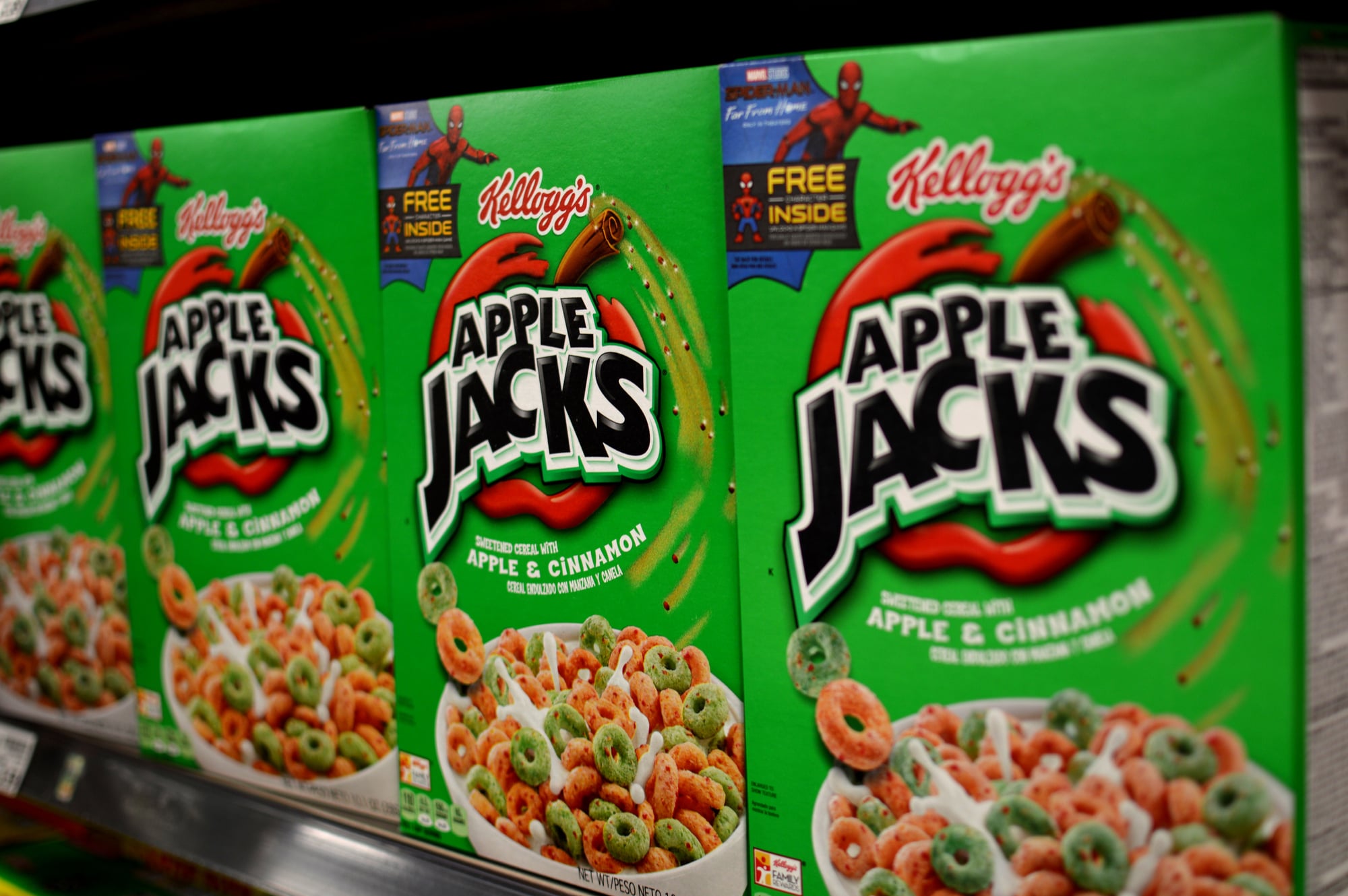
Despite the apple in its name, this Kellogg’s cereal contains minimal actual fruit and packs 12 grams of sugar per serving. The ingredient list reveals artificial food dyes and BHT (butylated hydroxytoluene), a controversial preservative banned in some countries.
The “apple” flavor comes primarily from artificial flavoring rather than actual apples, making the product’s name rather misleading.
Cinnamon Toast Crunch
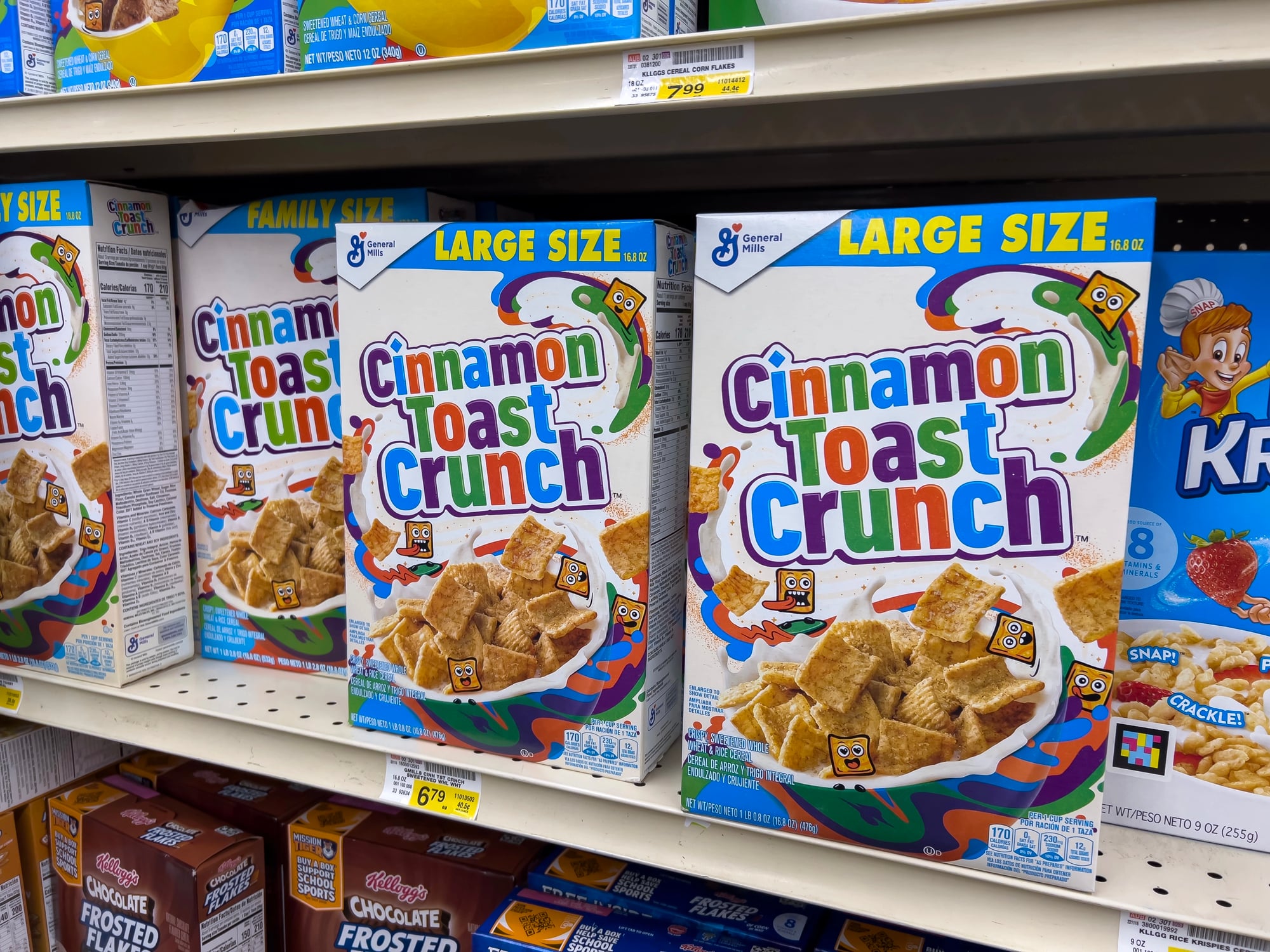
This popular cinnamon-flavored cereal contains 12 grams of sugar per serving and uses partially hydrogenated oils, which are sources of artificial trans fats. The cereal pieces are coated with a cinnamon sugar mixture that quickly dissolves in milk, essentially creating sugar milk that children drink after finishing the cereal.
Regular consumption provides little nutritional benefit while contributing to excessive sugar intake.
Trix
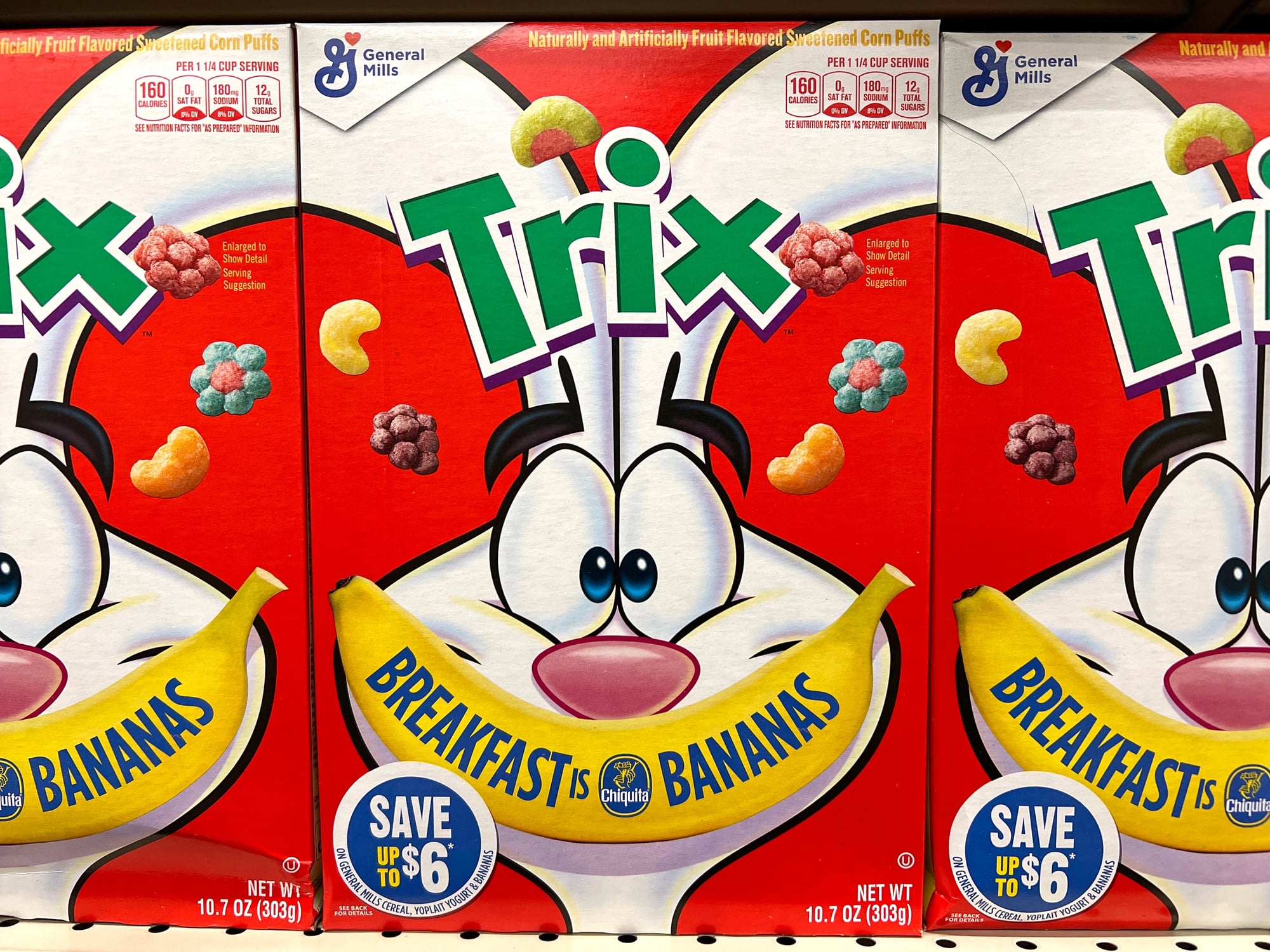
General Mills’ Trix contains 10 grams of sugar per serving and a rainbow of artificial colors including Red 40, Yellow 6, and Blue 1. The cereal’s spherical pieces are primarily refined corn flour with high sugar content and nearly no fiber.
Though the brand temporarily switched to natural colors in 2016, it returned to artificial dyes due to consumer demand for more vibrant colors, prioritizing appearance over health concerns.
Cocoa Puffs
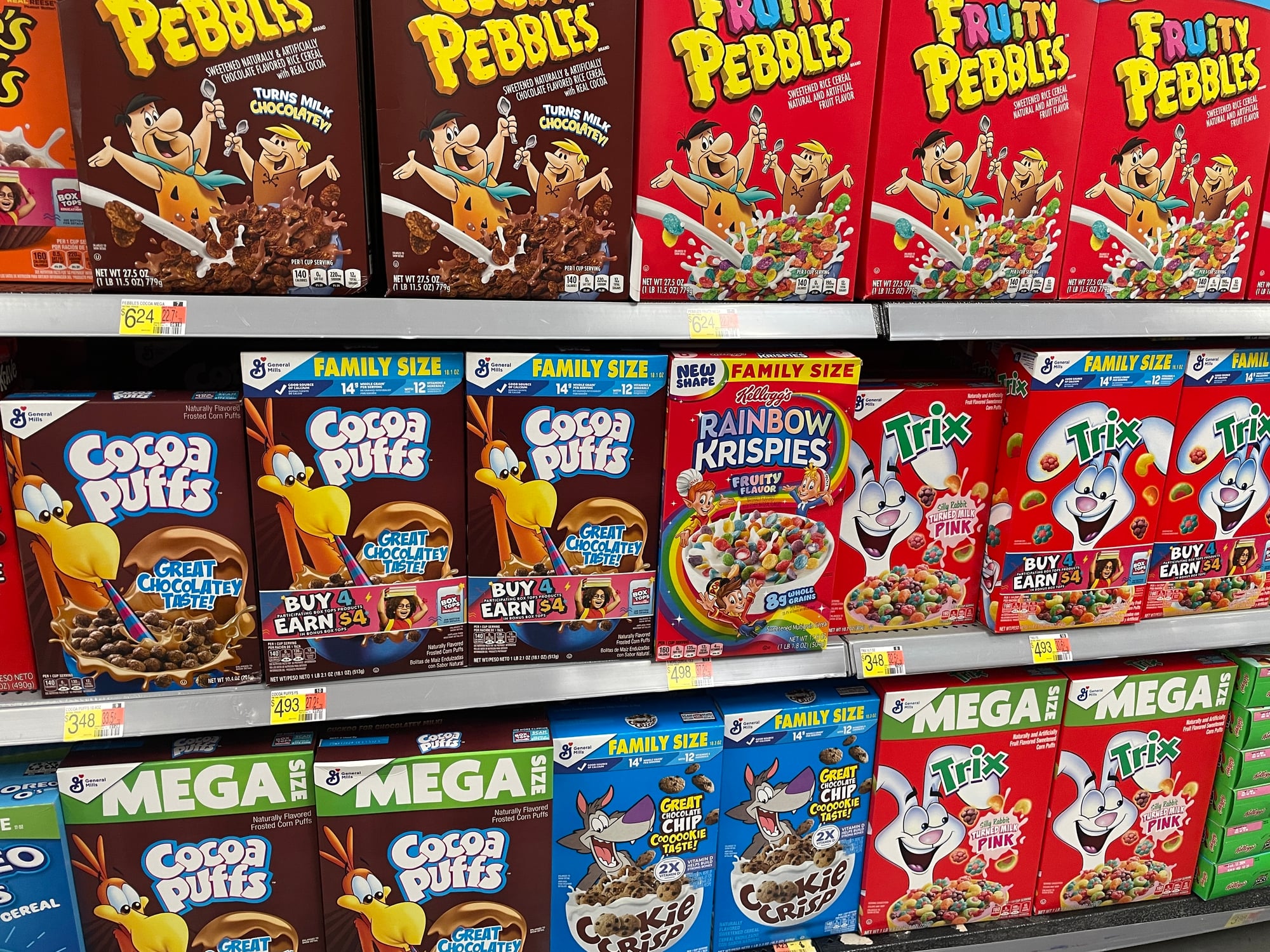
This chocolate-flavored cereal delivers 12 grams of sugar per serving with minimal fiber or protein to balance the sugar load. Cocoa Puffs turn milk into chocolate milk, essentially adding another serving of sugar to an already sugar-laden breakfast.
The “chocolate” flavor comes from processed cocoa and artificial flavors rather than actual chocolate, providing the taste without any of chocolate’s potential antioxidant benefits.
Fruity Pebbles
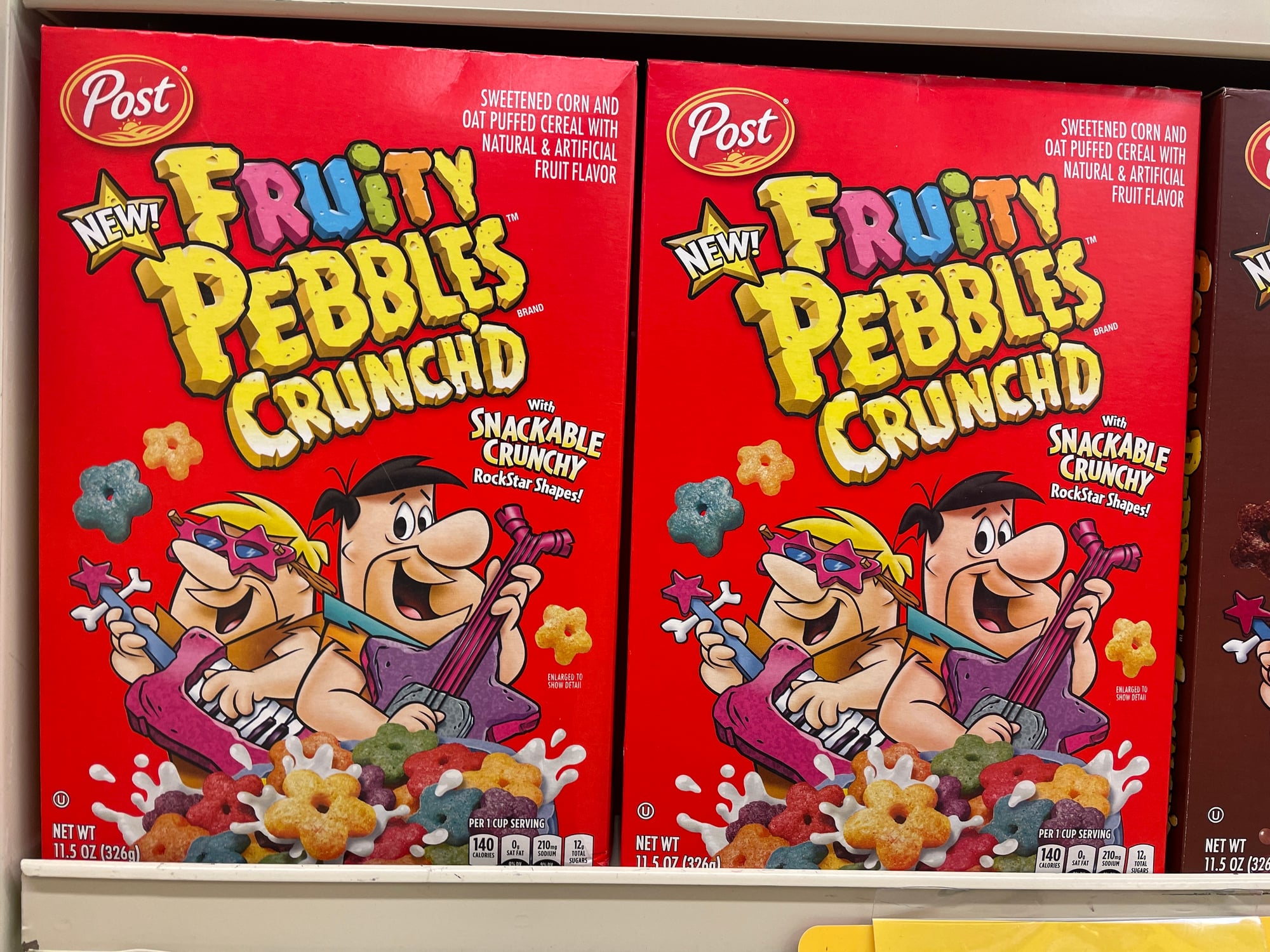
This Flintstones-themed cereal contains 9 grams of sugar per serving and a concerning array of artificial colors, including Red 40, Yellow 6, and Blue 2. The small flake size means children often consume more than the stated serving size, multiplying the sugar impact.
The cereal also contains BHA (butylated hydroxyanisole), a preservative and potential endocrine disruptor that’s banned in some countries due to health concerns.
Frosted Flakes
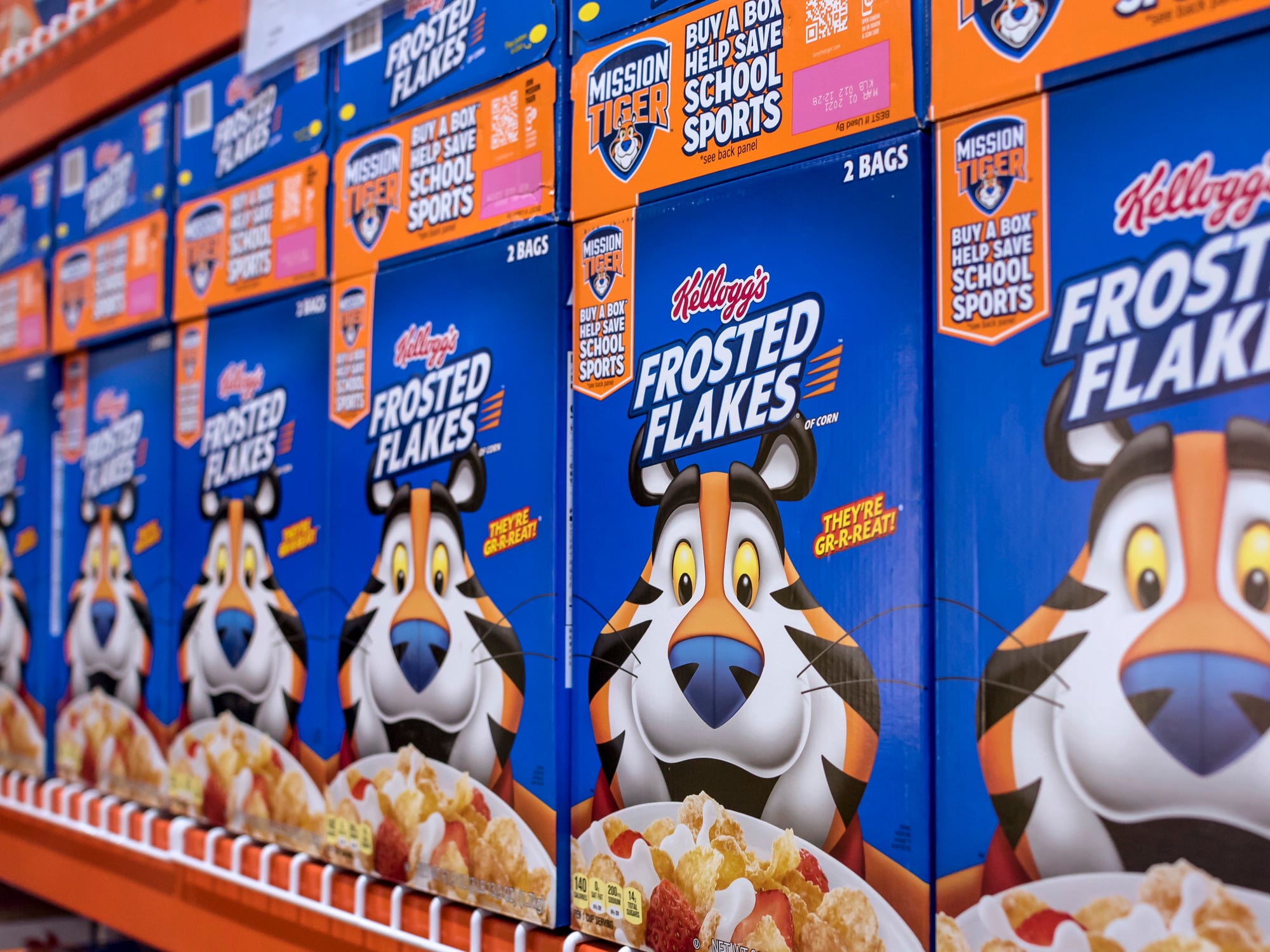
Despite being marketed as a sports fuel for active kids, Frosted Flakes contains 12 grams of sugar per serving. The second ingredient after corn is sugar, with minimal fiber (less than 1 gram) to slow sugar absorption.
Tony the Tiger’s “They’re Gr-r-reat!” slogan overlooks the fact that the cereal provides primarily empty calories with its sugar coating, potentially contributing to energy crashes later in the morning.
Reese’s Puffs
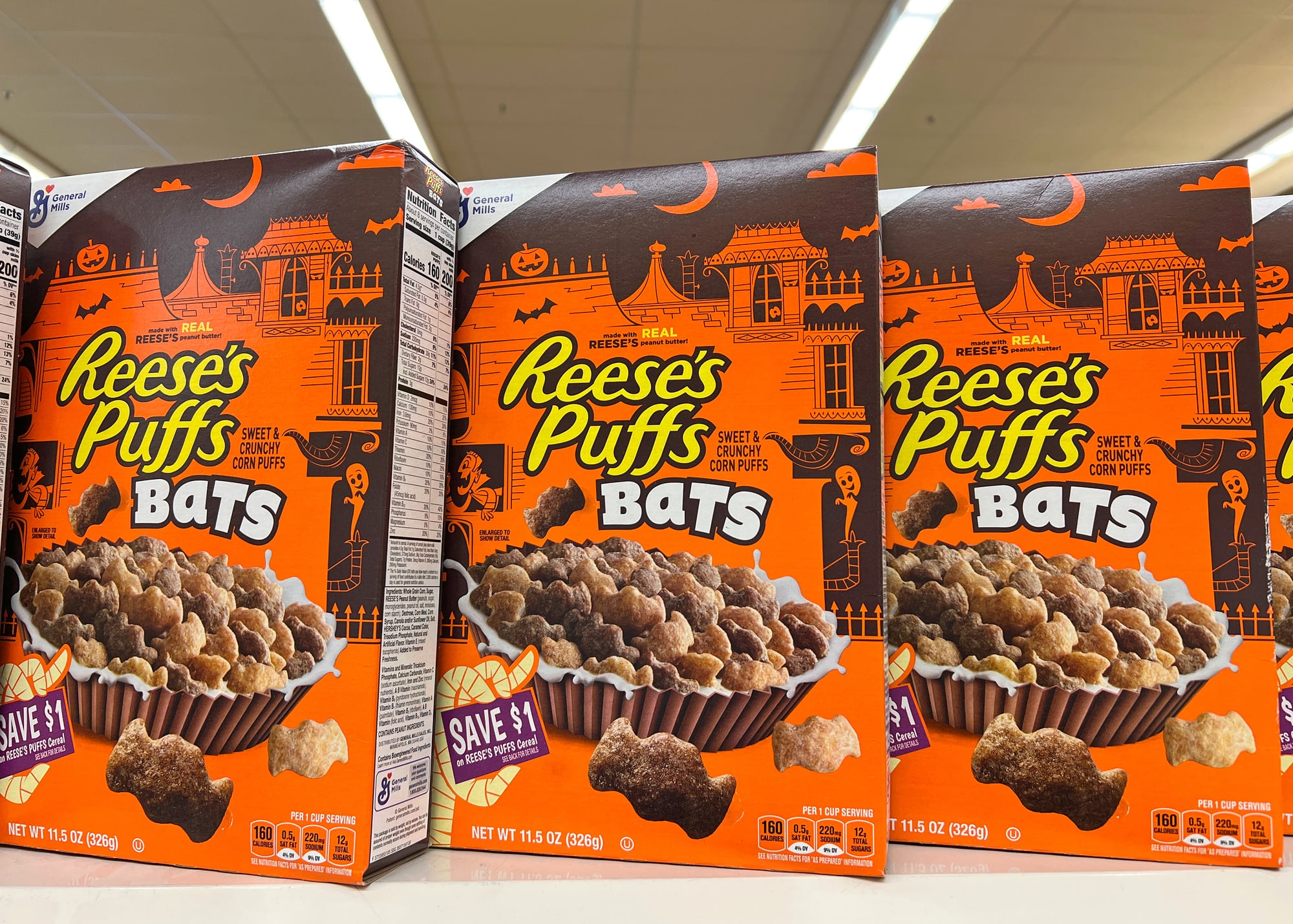
Essentially candy for breakfast, Reese’s Puffs contains 11 grams of sugar per serving and ingredients like artificial flavors and colors. The cereal proudly advertises its candy brand connection rather than hiding its dessert-like nature.
While it does contain some whole grain corn, the added sugar, reduced fat peanut butter, and chocolate flavors make this cereal more appropriate for an occasional treat than a daily breakfast option.
Golden Crisp
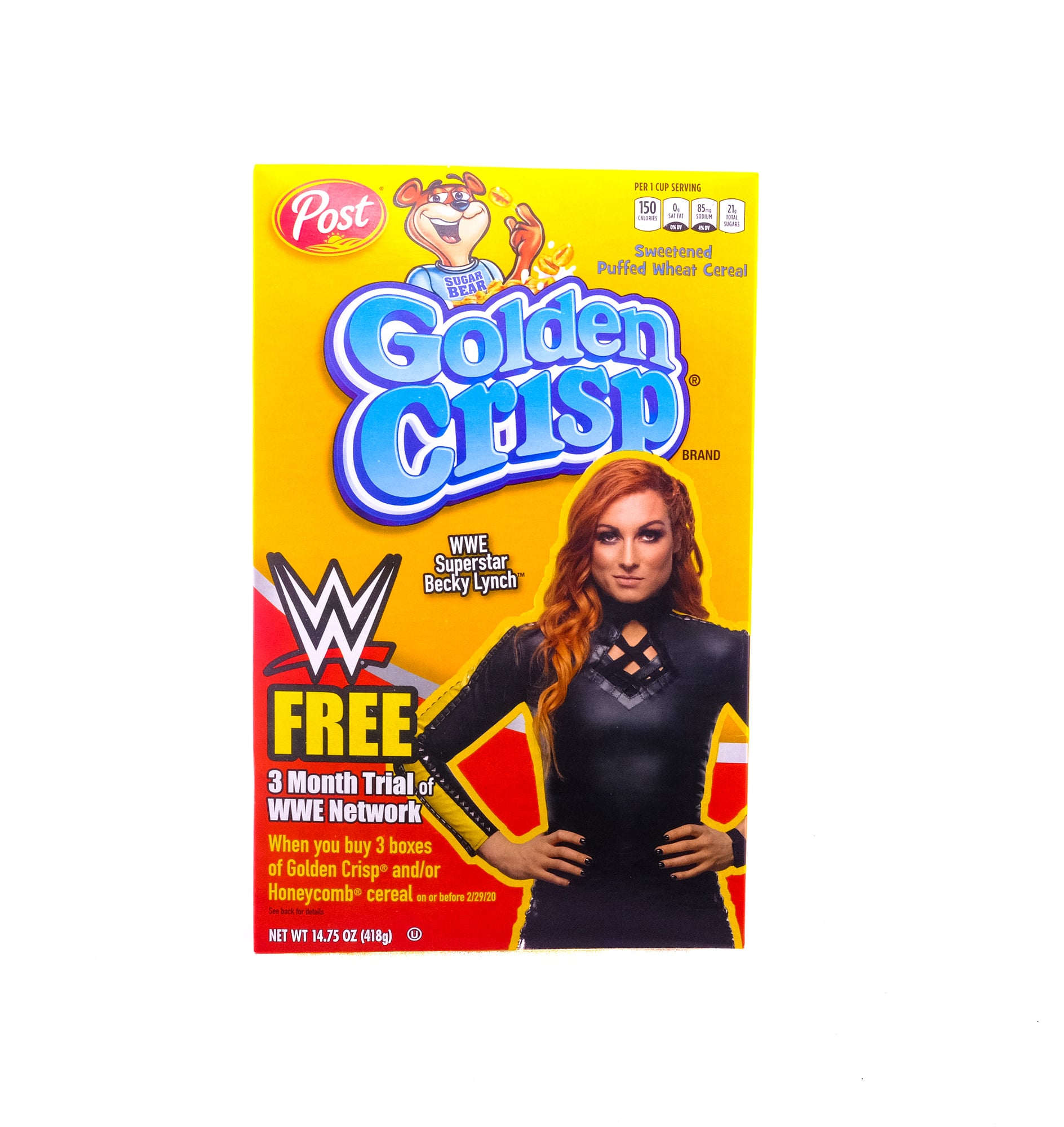
Post’s Golden Crisp (formerly called Sugar Crisp) contains an astounding 16 grams of sugar per serving—making it one of the most sugar-laden cereals on the market. The cereal is essentially puffed wheat coated with a thick layer of sugar, with sugar listed as the first ingredient.
A single serving provides about 40% of a child’s recommended daily sugar intake before they’ve even started their day.
Smorz
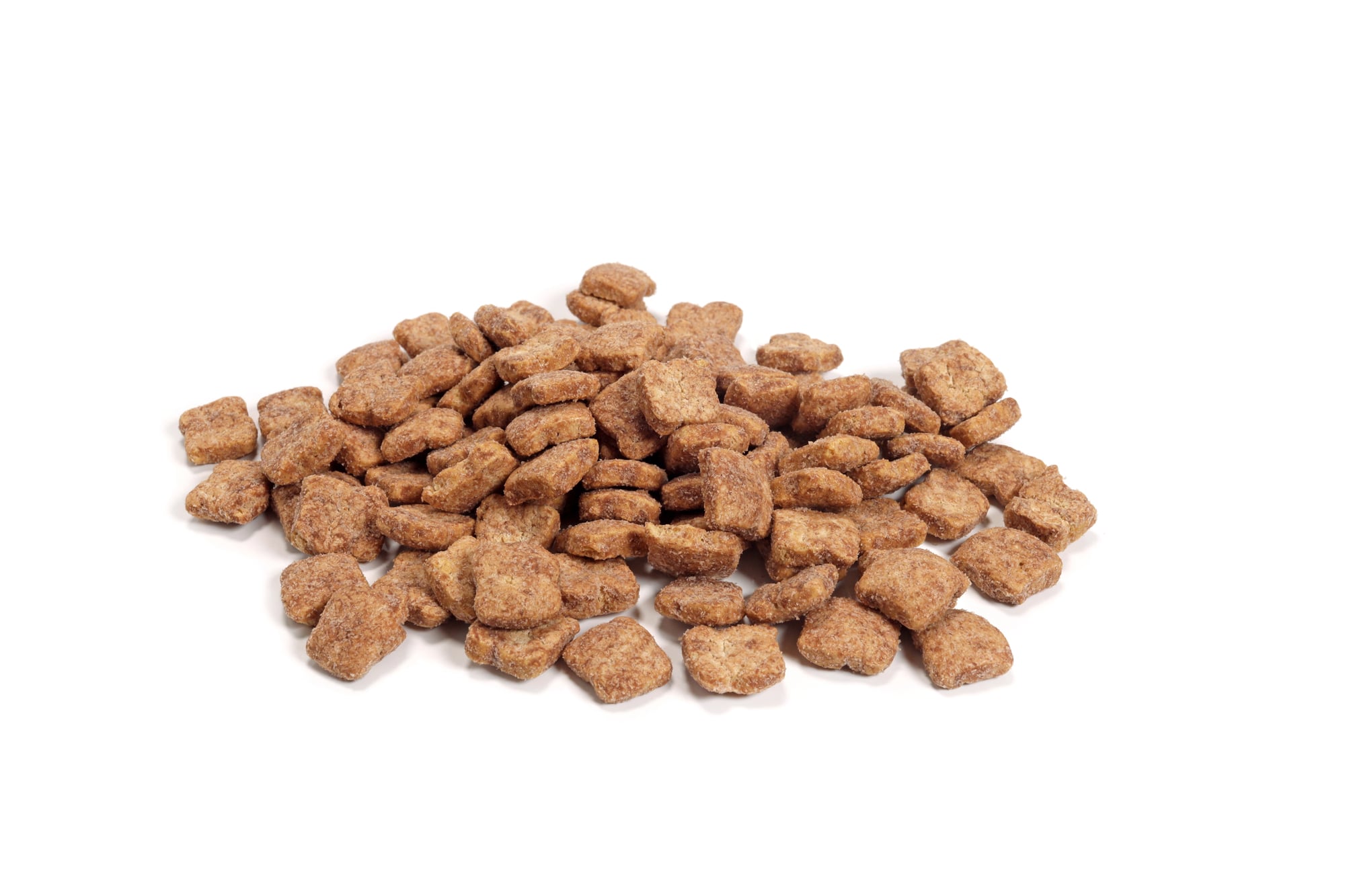
This cereal attempts to recreate s’mores flavors with chocolate-coated graham pieces and marshmallows, resulting in 13 grams of sugar per serving. The ingredient list includes fructose, dextrose, corn syrup, and sugar—essentially four different forms of sugar in one product.
The cereal also contains partially hydrogenated oils, artificial flavors, and several controversial preservatives, making it one of the most heavily processed options in the cereal aisle.
Oreo O’s
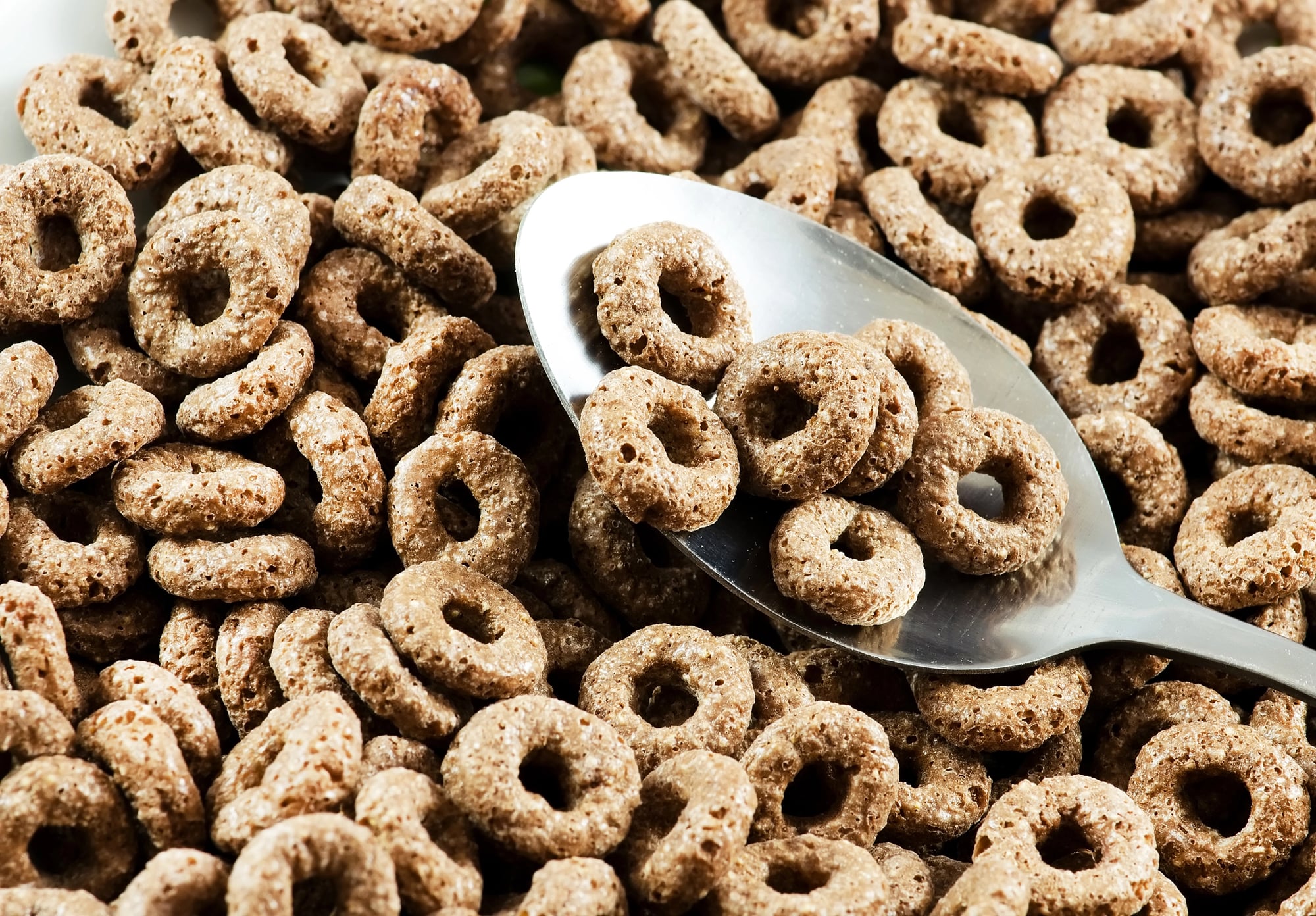
This cookie-inspired cereal contains 12 grams of sugar per serving, essentially transforming a dessert cookie into breakfast food. The ingredient list includes modified cornstarch, artificial flavors, and synthetic colors like Blue 2 Lake.
While the cereal does contain some whole grain flour, the nutritional benefits are overshadowed by the high sugar content and artificial ingredients designed to mimic the famous cookie.
Cookie Crisp
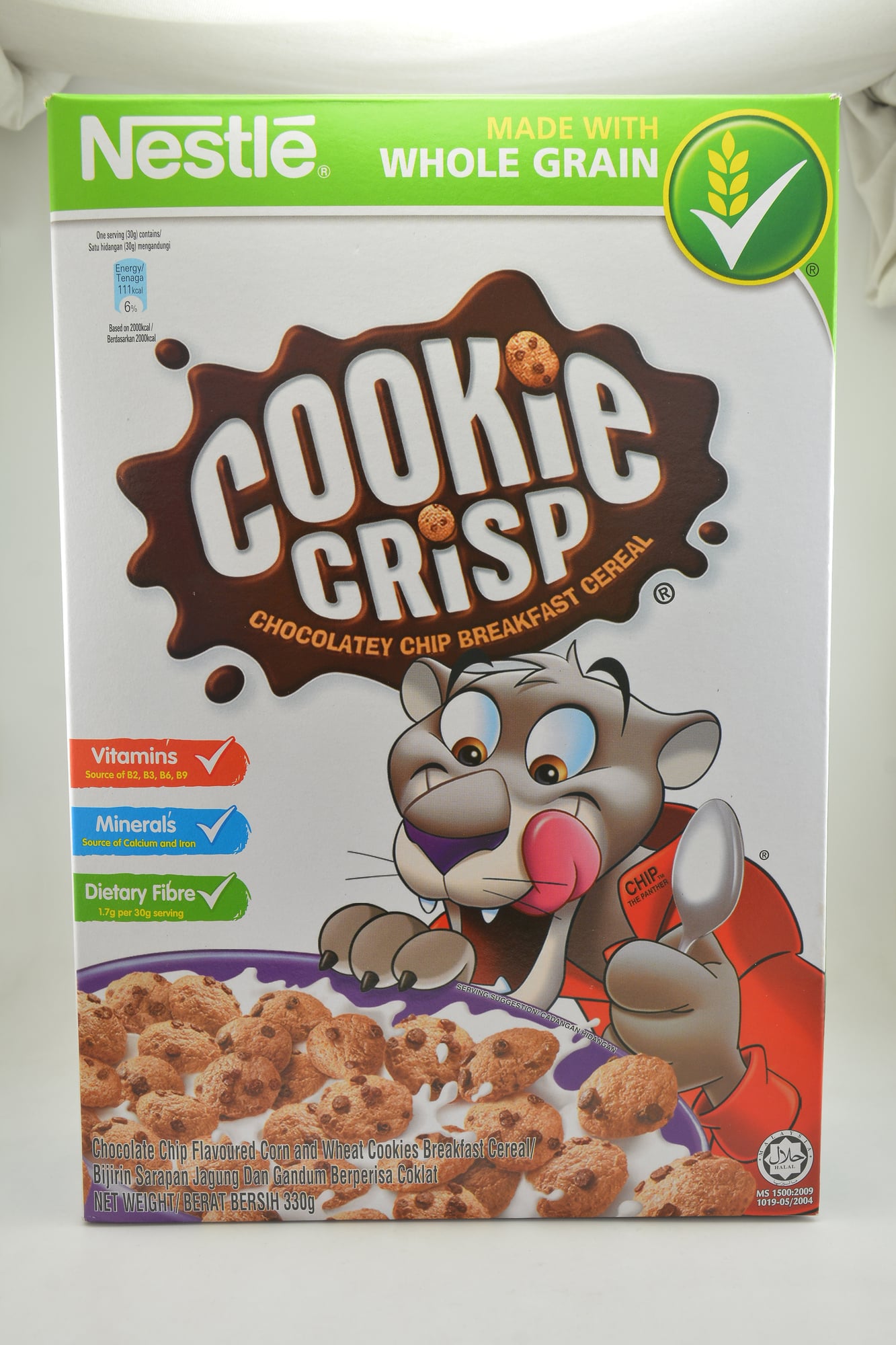
Originally marketed with the slogan “You can’t have cookies for breakfast, but you can have Cookie Crisp,” this cereal contains 11 grams of sugar per serving. The irony is that the slogan acknowledges cookies aren’t appropriate breakfast food while selling a product nutritionally similar to cookies.
The cereal provides minimal fiber and contains controversial ingredients like caramel color, artificial flavors, and BHT preservatives.
Waffle Crisp
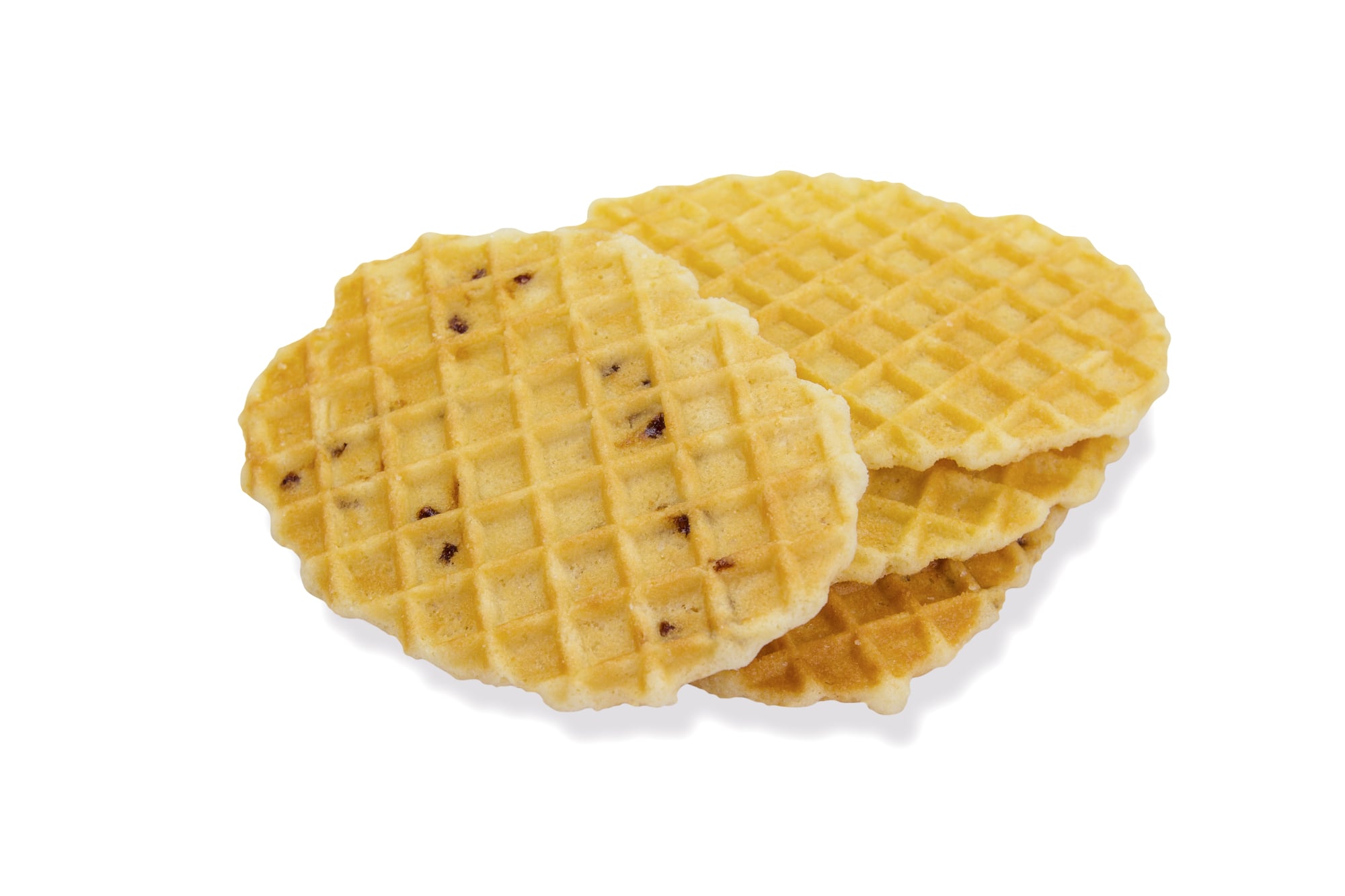
This discontinued but recently revived Post cereal contains 13 grams of sugar per serving and attempts to replicate maple syrup flavor through artificial ingredients. The cereal pieces are designed to look like mini waffles but nutritionally bear little resemblance to actual waffles, with refined flour and sugar as the primary ingredients.
The artificial maple flavor comes from synthetic compounds rather than actual maple syrup.
French Toast Crunch

This cereal attempts to capture French toast flavors but contains 12 grams of sugar per serving and uses artificial colors and flavors to mimic maple syrup and cinnamon flavors. The tiny toast-shaped pieces are primarily refined flour and various forms of sugar.
The “maple” taste comes from artificial flavors rather than actual maple syrup, which would at least provide some minerals and antioxidants.
Honey Oh’s
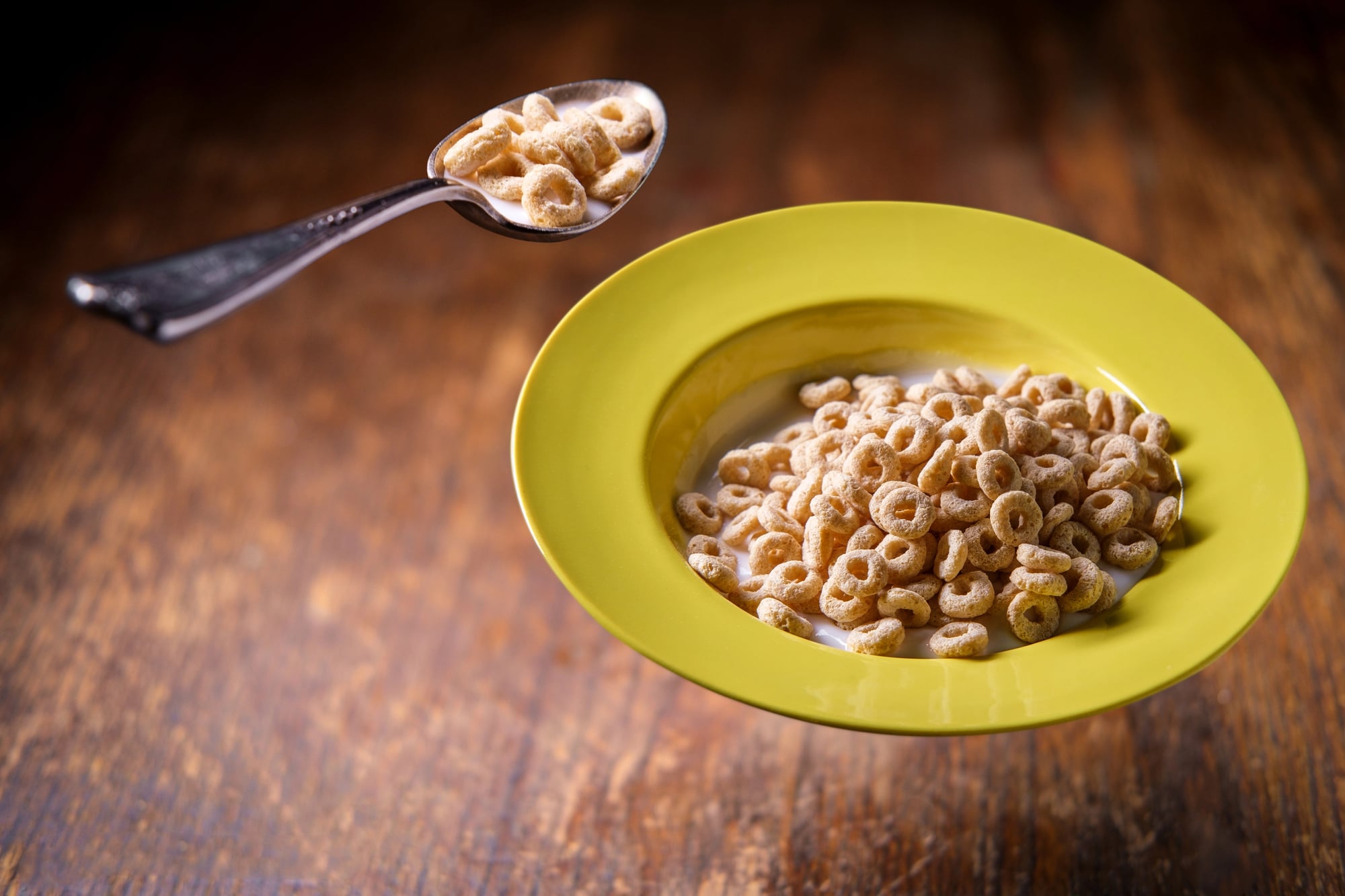
Despite the honey in its name suggesting natural sweetness, this Quaker cereal contains 12 grams of sugar per serving with multiple forms of added sugar beyond honey. The round Os are primarily made of refined flour with minimal fiber content.
While the cereal does contain some whole grain flour, it’s combined with added fats and sweeteners that diminish any potential health benefits from the whole grains.
Apple Cinnamon Cheerios

While regular Cheerios are relatively healthy, this flavored variety contains 12 grams of sugar per serving—a significant increase from the 1 gram in original Cheerios. The apple flavor comes more from “natural flavor” than actual apples, and the first ingredient after whole grain oats is sugar.
This demonstrates how even seemingly healthier brand extensions can be nutritionally inferior to the original product.
Chocolate Lucky Charms
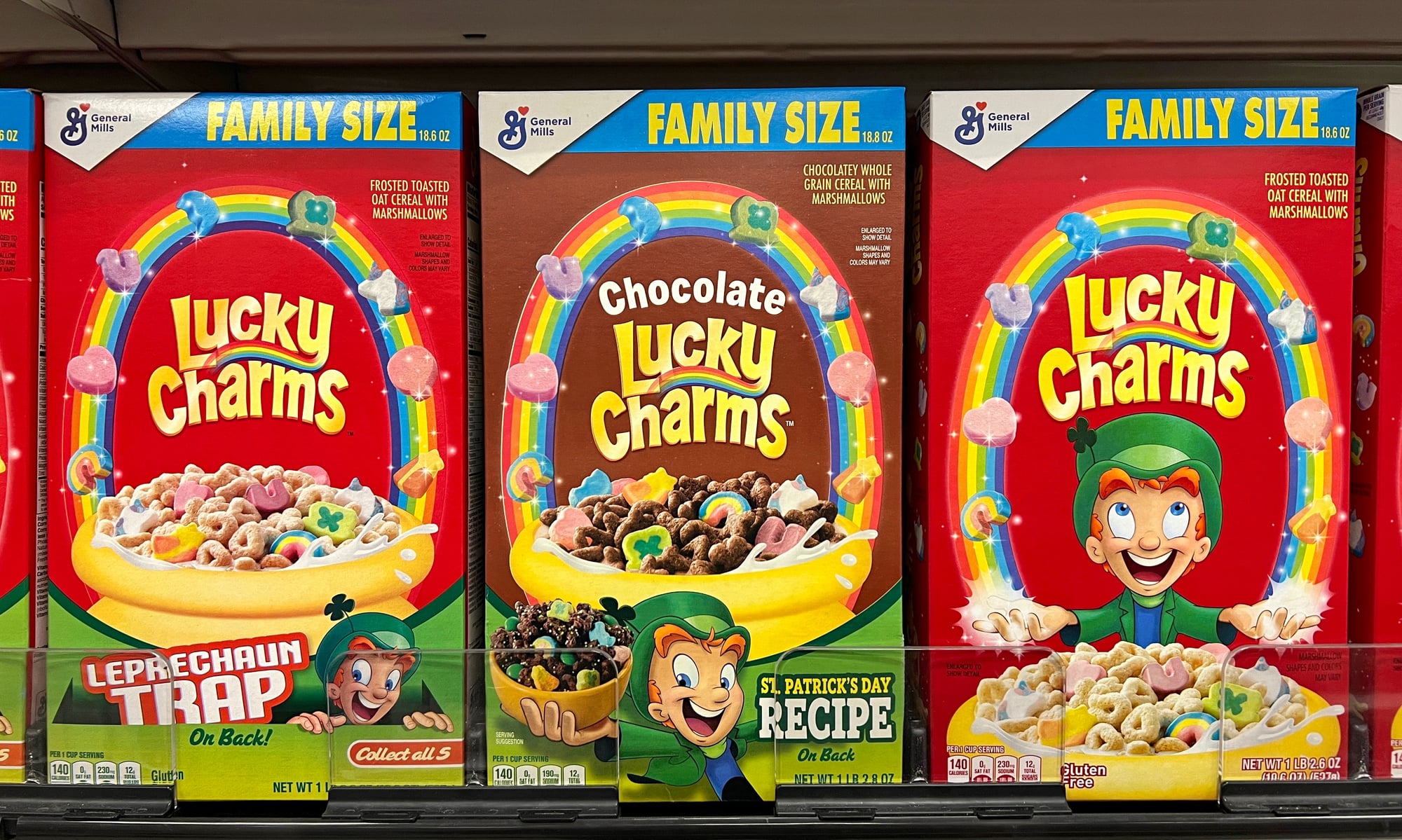
This chocolate variation of Lucky Charms contains 12 grams of sugar per serving and combines chocolate-flavored cereal pieces with the original’s artificially colored marshmallows. The double hit of chocolate pieces and marshmallows creates an even more dessert-like product than the original.
The cereal provides minimal nutritional benefits while delivering artificial colors, flavors, and preservatives alongside its high sugar content.
Breaking the Breakfast Sugar Bowl
These cereals represent a troubling trend in American breakfast culture, where the most heavily marketed products targeted at children are often the least nutritious options. While occasional consumption of these cereals won’t cause immediate harm, their prevalent marketing and positioning as everyday breakfast foods have contributed to shifting nutritional standards.
Parents seeking healthier alternatives should look for cereals with fewer than 6 grams of sugar per serving, at least 3 grams of fiber, and ingredient lists free from artificial colors and preservatives.
The true measure of breakfast quality isn’t found in cartoon characters or colorful marshmallows, but in whole food ingredients that provide sustained energy and nutrition for growing bodies and developing brains.
More from Go2Tutors!

- The Romanov Crown Jewels and Their Tragic Fate
- 13 Historical Mysteries That Science Still Can’t Solve
- Famous Hoaxes That Fooled the World for Years
- 15 Child Stars with Tragic Adult Lives
- 16 Famous Jewelry Pieces in History
Like Go2Tutors’s content? Follow us on MSN.



