History’s Most Influential and Daring Female Spies
Throughout history, women have played crucial roles in gathering intelligence and conducting espionage operations that changed the course of wars and shaped international relations. These brave individuals risked their lives to gather secrets, pass coded messages, and outwit enemy forces in ways that male spies often couldn’t.
Their gender frequently became their greatest advantage, as opponents underestimated them or dismissed them as harmless. The women on this list didn’t just participate in espionage—they redefined what was possible in the shadowy world of intelligence gathering.
Here are the female spies whose courage and cunning left permanent marks on history.
Mata Hari

This Dutch exotic dancer became one of the most famous spies in history, though historians still debate how effective she actually was. Mata Hari performed across Europe in the early 1900s and had relationships with high-ranking military officers from various countries.
France executed her in 1917 for allegedly spying for Germany during World War I, though many experts now believe she was more of a scapegoat than a master spy. Her trial lacked solid evidence, but her flamboyant lifestyle and foreign background made her an easy target during wartime paranoia.
Virginia Hall

The American spy worked for both British and American intelligence during World War II, and the Gestapo called her ‘the most dangerous of all Allied spies’. Hall had a prosthetic leg she nicknamed Cuthbert, which never stopped her from hiking across the Pyrenees mountains to escape capture.
She organized resistance networks in France, coordinated supply drops, and trained guerrilla fighters behind enemy lines. The Nazis put her face on wanted posters, but she evaded capture by disguising herself as an elderly peasant woman and changing her appearance.
Noor Inayat Khan

This British spy of Indian descent worked as a radio operator in occupied France during World War II, one of the most dangerous jobs in espionage. Khan was a published children’s author and trained Sufi musician before the war, seemingly an unlikely candidate for dangerous undercover work.
She was the last remaining radio operator in Paris after the Nazis captured her colleagues, and she refused orders to return to Britain. The Gestapo eventually captured and executed her at Dachau concentration camp, but not before she had transmitted crucial intelligence for months.
Nancy Wake

The New Zealand-born agent became the Gestapo’s most wanted person in France, with a five-million-franc price on her head. Wake led a resistance army of 7,000 fighters and personally killed a German sentry with her bare hands when a silent weapon wasn’t available.
She once cycled over 300 miles through German checkpoints to replace lost radio codes, completing the journey in under 72 hours. Her fearlessness in combat situations was legendary, and she survived the war despite countless close calls with capture.
Josephine Baker

The American-born French entertainer used her fame as a singer and dancer to gather intelligence for the French Resistance. Baker attended parties at the Italian and Japanese embassies, where officials spoke freely around her, assuming an entertainer posed no threat.
She wrote secret messages in invisible ink on her sheet music and smuggled photographs hidden in her undergarments. The French government awarded her the Croix de Guerre and made her a Chevalier of the Légion d’honneur for her wartime service.
Hedy Lamarr

The Hollywood actress invented a frequency-hopping signal system during World War II that became the basis for modern WiFi and Bluetooth technology. Lamarr wanted to help the Allied forces develop torpedo guidance systems that enemies couldn’t jam.
She and composer George Antheil patented their invention in 1942, though the U.S. Navy didn’t implement it until decades later. Her scientific contributions remained largely unknown during her lifetime because people saw her primarily as a glamorous movie star.
Belle Boyd
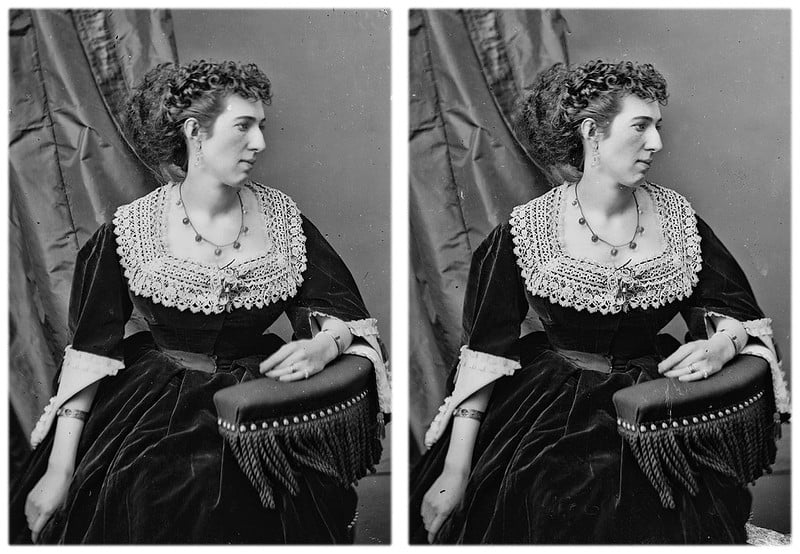
The Confederate spy started her espionage career at age 17 during the American Civil War by shooting a Union soldier who threatened her mother. Boyd used her charm to extract information from Union officers and delivered detailed intelligence about troop movements to Confederate generals.
She was arrested six times and imprisoned twice, but her youth and boldness helped her escape serious consequences. Union officials eventually exiled her to Canada, where she wrote a bestselling memoir about her adventures.
Krystyna Skarbek
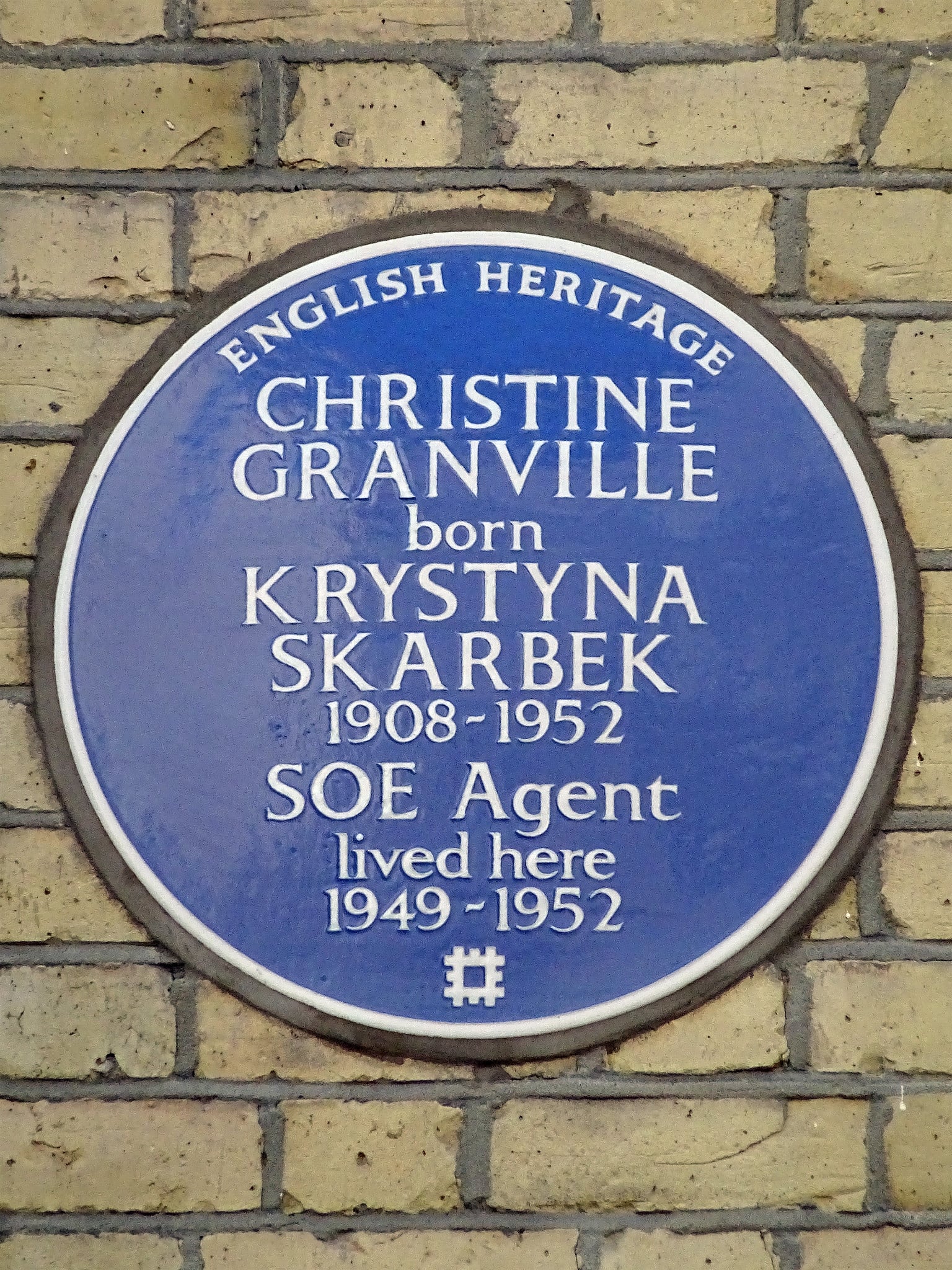
The Polish countess became Britain’s longest-serving female agent during World War II and inspired Ian Fleming’s character Vesper Lynd. Skarbek talked her way out of Gestapo custody by biting her tongue until she bled, then convincing her captors she had tuberculosis.
She skied across the Tatra Mountains to courier intelligence and once saved her colleagues from execution by threatening their German captors just hours before they were scheduled to die. Her fearlessness was so pronounced that fellow agents often found her reckless, though her instincts almost always proved correct.
Elizebeth Friedman
The American codebreaker cracked Nazi and smuggler communication codes, though her husband William often received credit for her work. Friedman solved over 4,000 coded messages during World War II and helped take down smuggling rings during Prohibition.
She developed many cryptanalysis techniques still used today and trained other codebreakers who went on to work for the NSA. The government kept her contributions classified for decades, so few people knew about her achievements until long after her death.
Odette Sansom

The French-born British agent survived torture and imprisonment in Ravensbrück concentration camp without betraying her network. Sansom claimed to be married to her commanding officer and related to Winston Churchill, hoping the Germans would keep her alive as a valuable prisoner.
The Gestapo pulled out her toenails and burned her back with a hot iron, but she never gave up any information about her fellow agents. She was the first woman to receive the George Cross, Britain’s highest civilian honor for bravery.
Melita Norwood

The British civil servant spied for the Soviet Union for nearly 40 years, passing atomic secrets that helped Russia develop nuclear weapons faster than expected. Norwood worked at the British Non-Ferrous Metals Research Association and photographed classified documents to give to her Soviet handlers.
Authorities didn’t discover her espionage until 1999, when she was 87 years old, and they decided not to prosecute her due to her age. She lived quietly in a London suburb, with neighbors having no idea about her double life.
Shi Pei Pu

The Chinese opera singer convinced a French diplomat that he was actually a woman and maintained this deception for nearly 20 years while gathering intelligence. Shi claimed to have given birth to the diplomat’s child and used this emotional connection to extract classified documents.
The elaborate scheme only unraveled in 1983 when French counterintelligence arrested both individuals. The bizarre case inspired the play and film ‘M. Butterfly’ and remains one of the strangest espionage stories in history.
Ravina Shamdasani
The Indian agent worked for the British during World War II, gathering intelligence in Japanese-occupied territories in Southeast Asia. Shamdasani posed as a wealthy merchant’s wife and used her social connections to learn about Japanese military operations.
She risked execution if caught but continued her work throughout the war. Her contributions remained classified for many years, and historians only recently began documenting her role in Allied intelligence operations.
Christine Granville
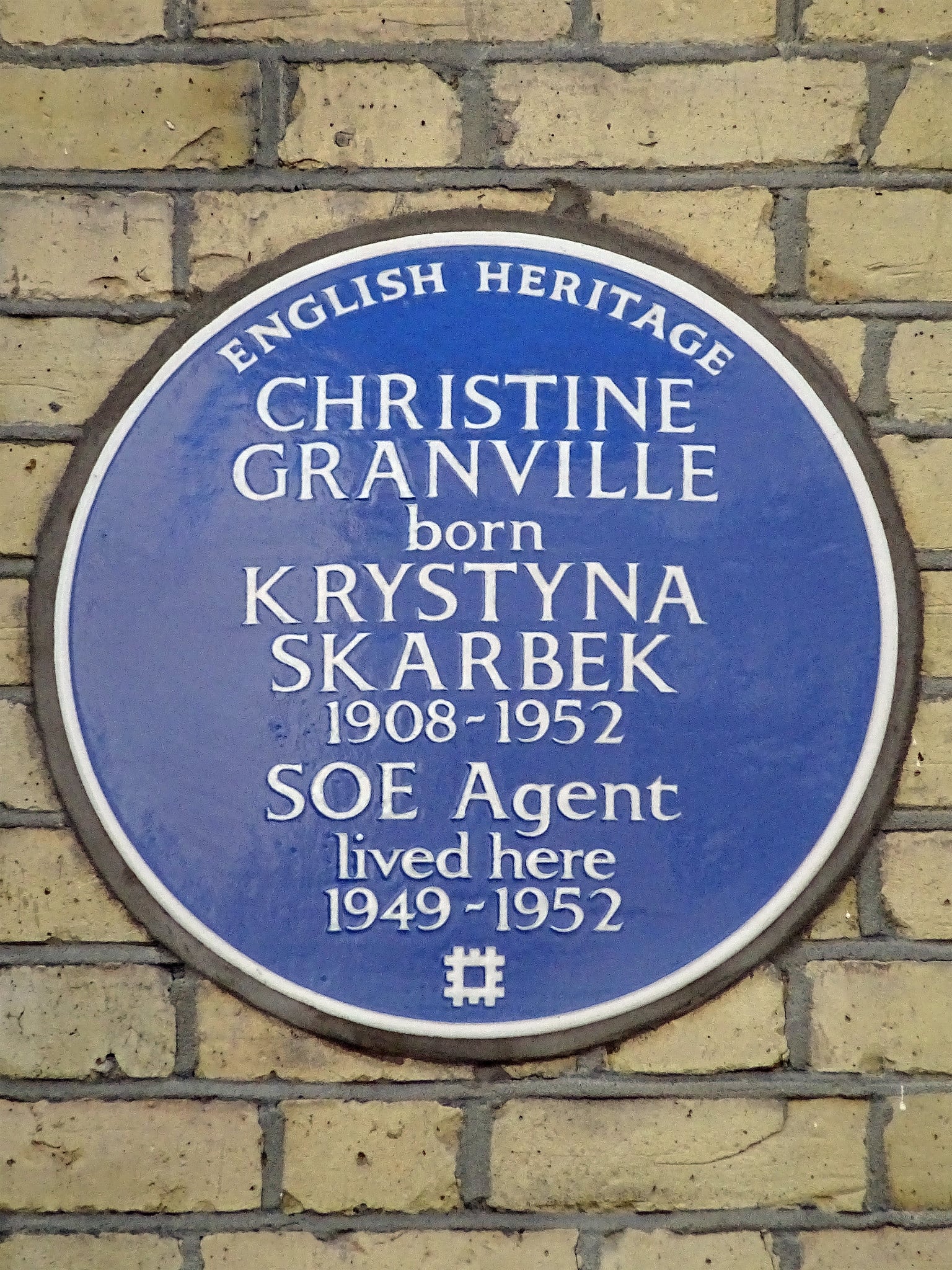
The Polish aristocrat worked as a British Special Operations Executive agent and was considered one of the most effective spies of World War II. Granville once convinced German guards to release three agents scheduled for execution by pretending she was the niece of a British general.
She carried a cyanide pill at all times and told colleagues she would use it rather than face capture and torture. Her death came not from enemy action but from an obsessed former colleague who stabbed her in a London hotel in 1952.
Anna Chapman

The Russian agent lived in New York City as part of an illegal spy ring that the FBI arrested in 2010. Chapman worked in real estate and used her social connections to gather intelligence about American politics and business.
She communicated with Russian handlers through encrypted wireless signals and dead drops in public places. After her arrest and deportation, she became a celebrity in Russia, hosting television shows and appearing in fashion magazines.
Lyudmila Pavlichenko
The Soviet sniper killed 309 enemy soldiers during World War II, making her one of the deadliest snipers in history. Pavlichenko worked in intelligence gathering as well as combat, using her position to observe enemy movements and report tactical information.
She toured the United States to raise support for the Soviet war effort and met Eleanor Roosevelt, who became her friend. Her combat record and intelligence work earned her the title Hero of the Soviet Union.
Sarah Emma Edmonds

A woman born in Canada dressed as a male soldier during the American Civil War, slipping into Southern territory to collect secrets. Not just fighting, she moved through enemy zones pretending to be enslaved, then later an Irish street vendor, even wearing rebel uniforms when needed.
Through these roles, details on fort setups and how many troops were stationed made their way back to Northern leaders – shaping how battles unfolded. Once peace arrived, her true name came forward; proof of service led lawmakers to grant her a veteran’s pension after review.
Betty Pack
A love affair became her tool when the American spy pulled secrets from diplomats and military men in World War II. From inside the Vichy French embassy in Washington, she walked away with cipher codes – key to the Allies’ plans for North Africa.
A worker at the Polish mission gave up details on the Enigma machine after she turned his trust into leverage. Though some questioned her tactics, those who ran intel operations said the data she delivered kept countless people alive.
Still Felt Today, Their Influence Moves Through Time Like a Quiet Current

Back then, most folks assumed women should keep still and out of sight – these ones stepped into risk anyway. Hidden for years, their actions stayed locked away by secret files or ignored while textbooks praised men.
Now at last people see what they did, quietly shifting the course of events behind curtains. Sharp minds, bold moves – they light a path even today’s spies watch closely.
Turns out skill in secrets was never about being male or female, just smarts, nerve, and holding tight to purpose.
More from Go2Tutors!

- The Romanov Crown Jewels and Their Tragic Fate
- 13 Historical Mysteries That Science Still Can’t Solve
- Famous Hoaxes That Fooled the World for Years
- 15 Child Stars with Tragic Adult Lives
- 16 Famous Jewelry Pieces in History
Like Go2Tutors’s content? Follow us on MSN.