The World’s Most Expensive Wine Auction Sales
Wine collecting has evolved from a passionate hobby into a serious investment arena where bottles can fetch prices that rival fine art. The auction houses of New York, London, and Hong Kong have witnessed some truly staggering sales over the past few decades, with collectors willing to pay hundreds of thousands—even millions—of dollars for a single bottle.
These aren’t just beverages; they’re liquid history, status symbols, and sometimes even pieces of cultural heritage that survived wars, shipwrecks, and the passage of time itself. What drives someone to spend more than half a million dollars on wine they might never even drink?
Rarity, provenance, historical significance—and the simple fact that some wines become irreplaceable once the last bottle is gone. Here’s a list of 15 of the world’s most expensive wine auction sales that have made headlines and broken records.
Champagne Avenue Foch 2017
In July 2022, a magnum of Champagne Avenue Foch 2017 sold for an astounding $2.5 million, making it the most expensive wine bottle ever sold. This wasn’t your typical auction, though.
The bottle came packaged with digital artwork from the Bored Ape Yacht Club NFT collection and five NFTs, creating a hybrid collectible that merged physical wine with digital assets. Two Italian cryptocurrency investors purchased the bottle through a private NFT marketplace.
The champagne itself was produced by Allouchery in Chamery, but let’s be honest—the real value came from the digital art component. It’s a sign of how wine collecting has entered the blockchain age, where bottles become vessels for both luxury and cutting-edge digital ownership.
Domaine de la Romanée-Conti 1945
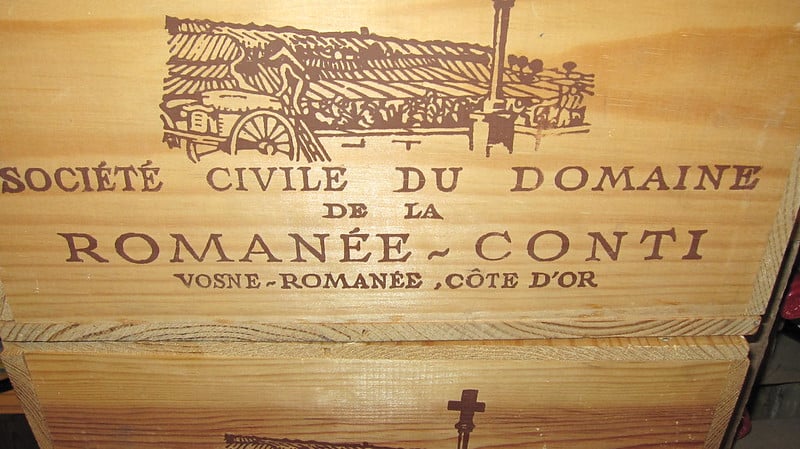
A bottle of 1945 Romanée-Conti from Domaine de la Romanée-Conti sold for $558,000 at a Sotheby’s auction in New York on October 13, 2018. This remains the most expensive traditional wine bottle ever sold at auction without digital add-ons.
Only 600 bottles were produced in 1945, the last vintage before the vineyard pulled up its older, prized vines and replaced them with younger ones in 1947. The bottle came from the personal cellar of Robert Drouhin, a legend in Burgundy winemaking, which added significant provenance value.
The wine sold for more than 17 times its original estimate of $32,000. Wealthy Chinese collectors have driven up prices for Burgundy wines in recent years, making Domaine de la Romanée-Conti the undisputed king of the auction market.
Like Go2Tutors’s content? Follow us on MSN.
Domaine de la Romanée-Conti 1945 (Second Bottle)
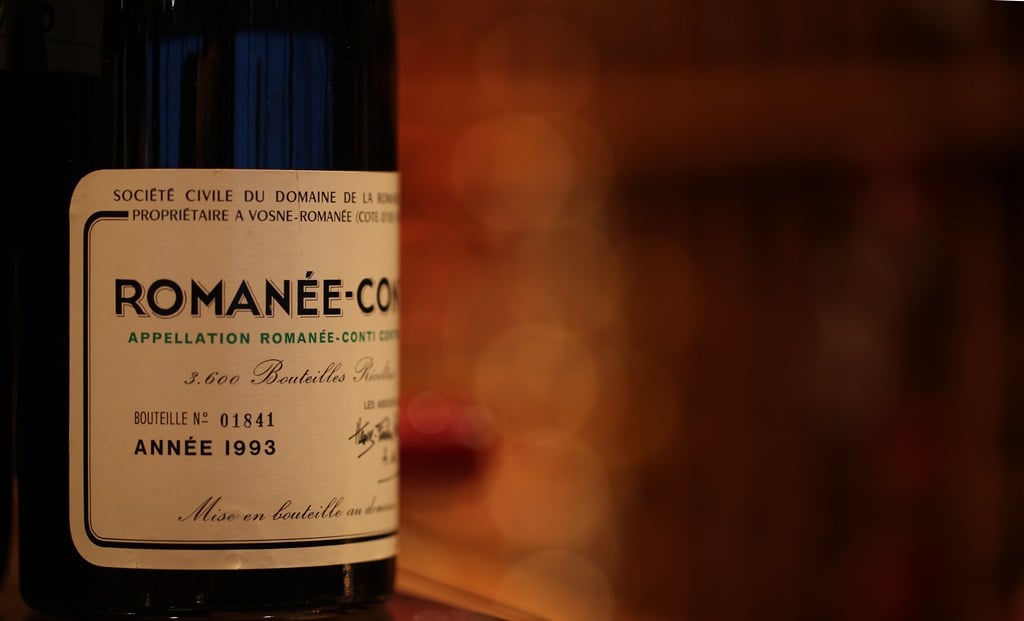
Just moments after the first bottle sold, another bottle of 1945 DRC Romanée-Conti from the same collection went for $496,000 at the same auction. The fact that two bottles from this legendary vintage appeared at the same sale was extraordinarily rare.
New York developer and wine collector Rob Rosania purchased both bottles, later telling Wine Spectator he had expected them to sell for $250,000 to $400,000. The second bottle still shattered records even though it didn’t quite reach the price of the first.
Both sales demonstrated that demand for trophy wines from collectors remains incredibly strong despite global economic uncertainties. That’s nearly a million dollars for two bottles that might never be opened.
Screaming Eagle Cabernet Sauvignon 1992
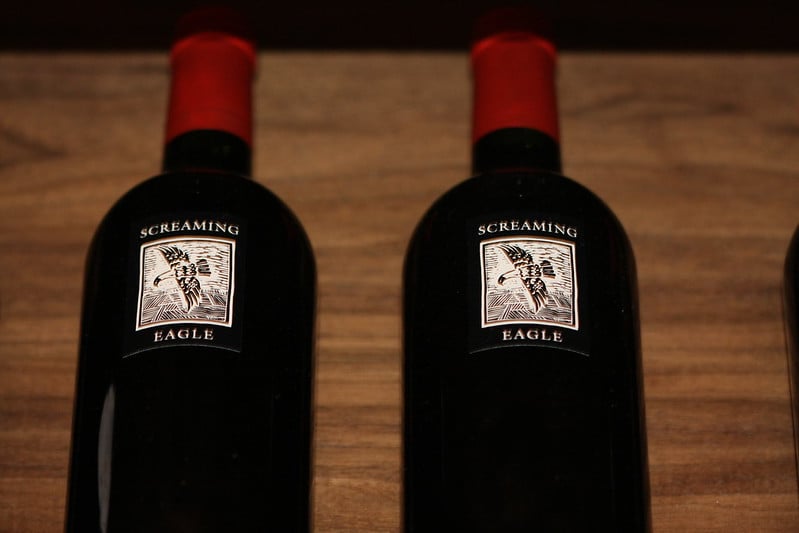
In June 2000, a six-liter bottle of Screaming Eagle’s inaugural 1992 Cabernet Sauvignon sold for $500,000 at the Napa Valley Wine Auction. This was a charity auction, which likely inflated the price, but it remains the highest amount ever paid for an American wine.
The wine was only eight years old at the time of sale, rather than dating back to the middle of the last century like many expensive wines. Screaming Eagle has become California’s most sought-after cult wine.
Limited production of around 500 cases annually and a years-long waiting list to become a club member. The winery’s inaugural vintage received a near-perfect score of 99 from influential critic Robert Parker, which helped cement its status among collectors who now treat these bottles like liquid gold.
Château Mouton-Rothschild 1945
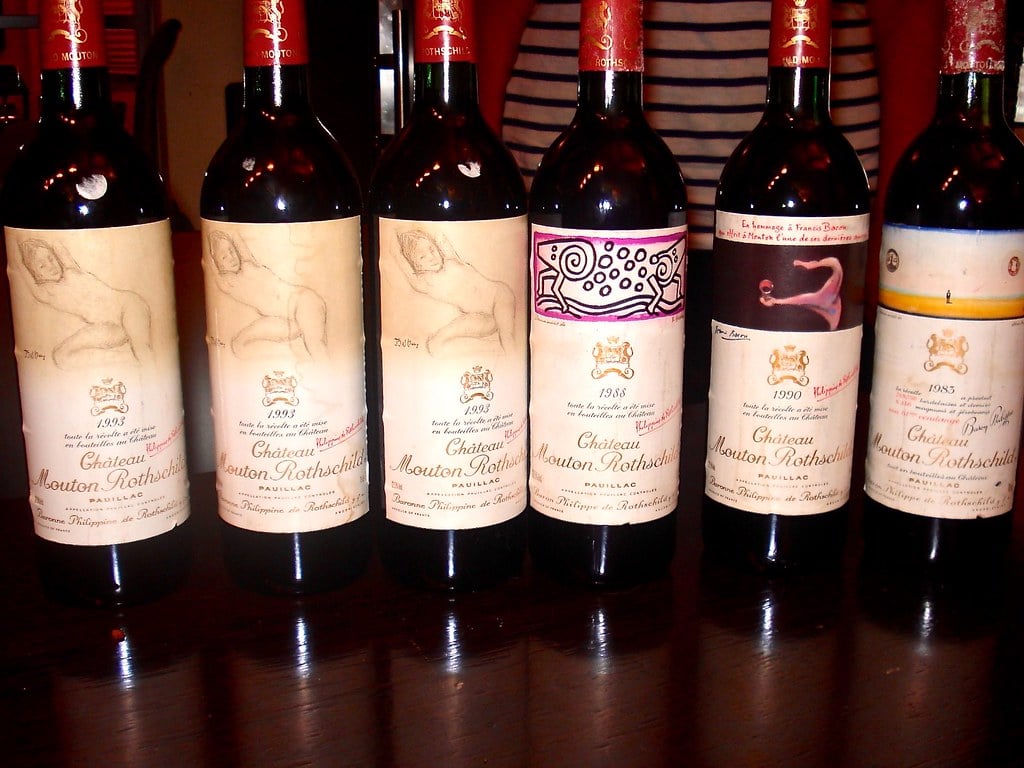
A three-liter jeroboam of 1945 Château Mouton-Rothschild fetched $310,700 at a Sotheby’s auction in 1997. This Bordeaux wine held the world record for the most expensive bottle sold at auction for over a decade until the DRC sales surpassed it.
The 1945 vintage was significantly reduced due to a later-than-normal frost in early May, resulting in the smallest production since 1915, with grapes achieving alcohol content as high as 15 percent. The bottle’s label features an illustrated ‘V’ designed by artist Philippe Jullian, commemorating the Allied victory in World War II.
The combination of exceptional quality, historical significance, and the rarity of a large-format bottle drove the remarkable price.
Like Go2Tutors’s content? Follow us on MSN.
Château Cheval Blanc 1947
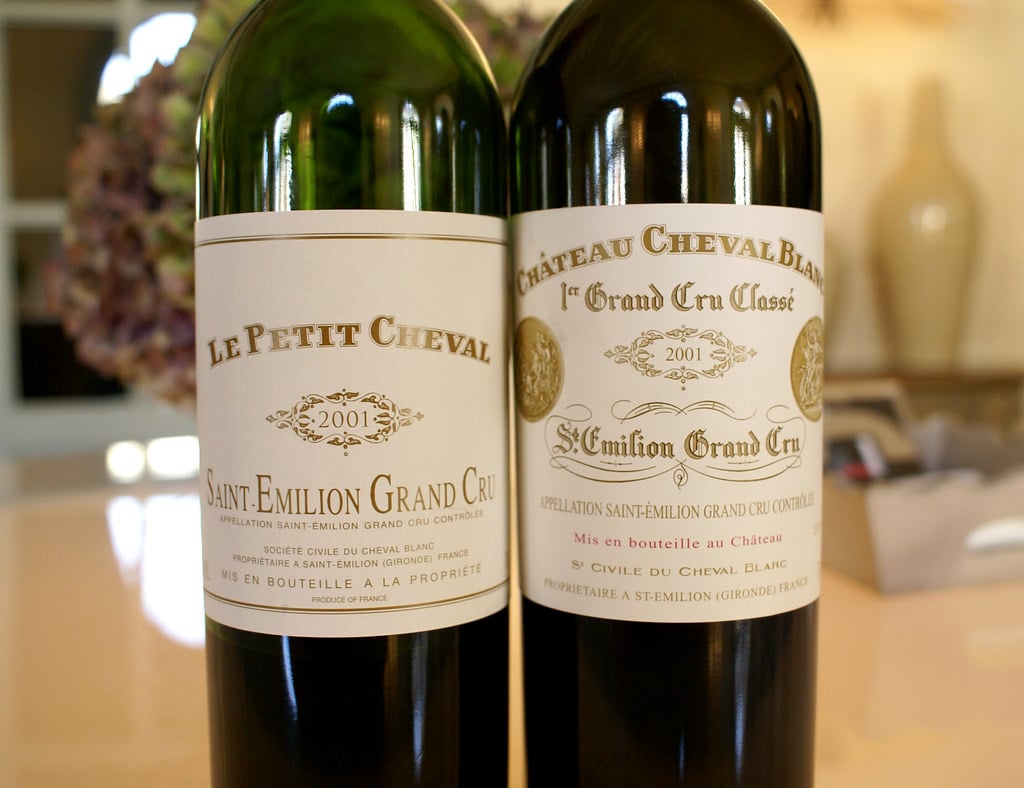
An imperial bottle containing six liters of 1947 Château Cheval Blanc sold for $304,375 at Christie’s Geneva in November 2010. Many wine experts consider this vintage to be among the finest Bordeaux wines ever made, often calling it the ‘wine of the century.’ Originally, the outlook for this vintage was grim—extreme heat threatened to damage the crop, and while many local growers used ice to cool their wine, Cheval refused to do so.
The vineyard’s slightly cooler location spared it from the worst of the heat, resulting in a thick, opulent wine. The large-format bottle of such an exceptional vintage contributed significantly to the high auction price. Talk about a gamble that paid off.
Heidsieck Monopole 1907
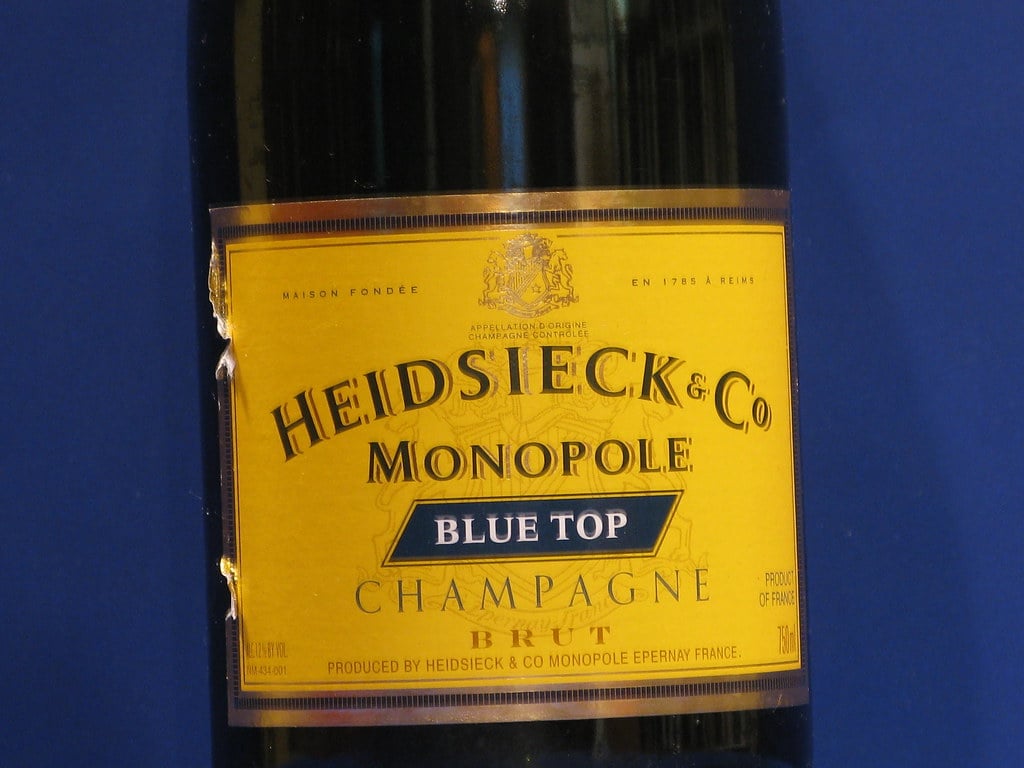
In 1998, a bottle of 1907 Heidsieck Monopole Champagne recovered from a shipwreck in the Baltic Sea sold for $275,000 at an auction in Moscow. This remains the most expensive bottle of Champagne ever sold at a traditional auction.
The Champagne had been preserved underwater for over 80 years after being salvaged from a Swedish freighter sunk during World War I, and was reportedly still drinkable due to its high sugar content. The 2,000-bottle lot was discovered by divers in the late 1990s while en route to the Imperial Court of Czar Nicholas II of Russia.
Now known as ‘Shipwreck Champagne’ in wine circles, the remaining bottles from this discovery can only be purchased at The Ritz-Carlton in Moscow.
Domaine Leroy Musigny Grand Cru 2012
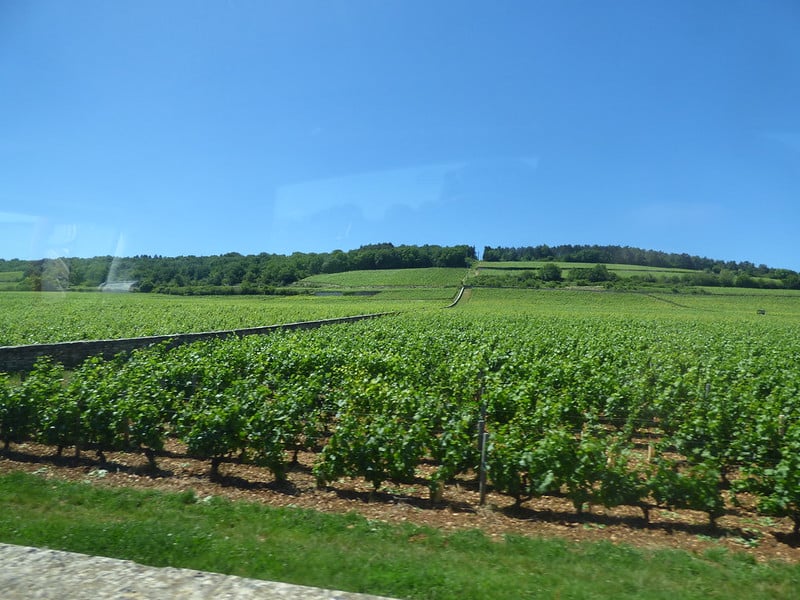
A bottle of 2012 Domaine Leroy Musigny Grand Cru sold for $233,000 at Sotheby’s in 2018. Domaine Leroy is known for meticulous vineyard practices and extremely limited production. Their wines are some of the most sought-after in the world. The 2012 vintage was particularly praised for its elegance and complexity.
The reputation and rarity of Domaine Leroy wines ensure they command top prices at auction. A case of Leroy’s 1991 Musigny sold for more than $460,000 at an Acker auction in Delaware in 2021, with a second case from the same vintage and a case of 1993 Musigny each selling for nearly $450,000 at the same sale. Even by Burgundy standards, those are staggering numbers.
Like Go2Tutors’s content? Follow us on MSN.
Château Lafite-Rothschild 1869
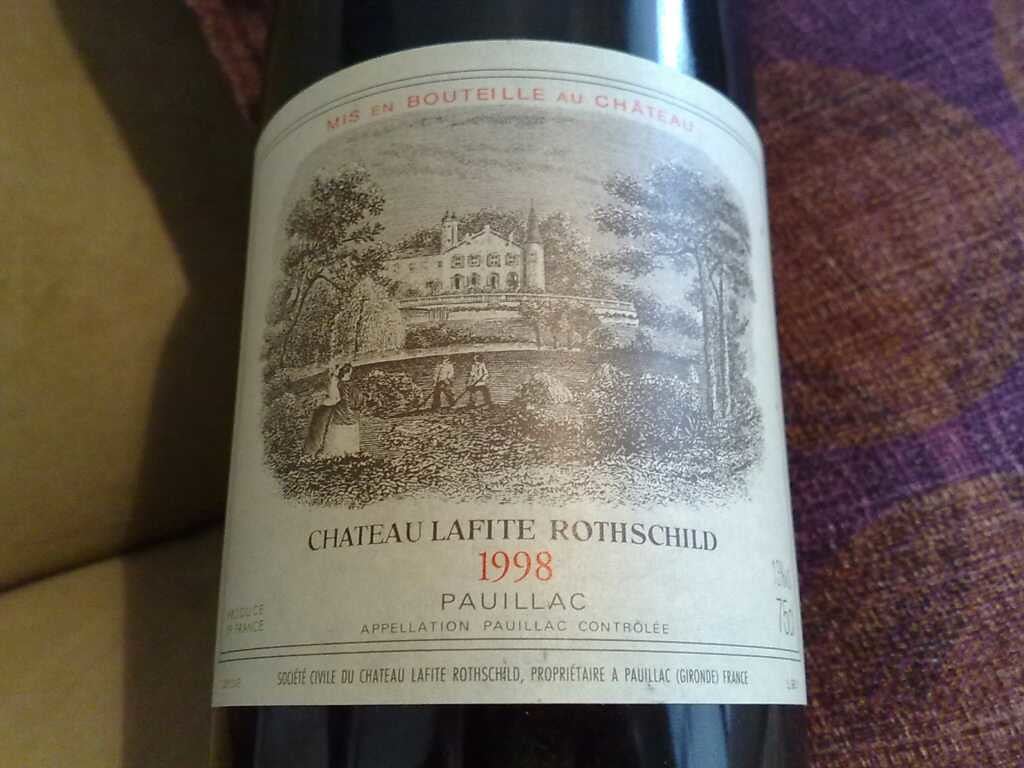
In October 2010 at Sotheby’s Hong Kong, three bottles of Lafite-Rothschild 1869 each sold for approximately $233,973, far above their pre-sale estimates. The sales were driven by intense demand from Asian collectors who were actively pursuing prestigious French wines.
The 1869 label was the first vintage the Rothschild family produced in their château winery in Médoc, with bottling occurring in 1953 and 1983. These bottles represented more than just wine—they were pieces of the Rothschild legacy and early evidence of what would become one of the world’s most famous wine estates.
The Setting Wines 2019
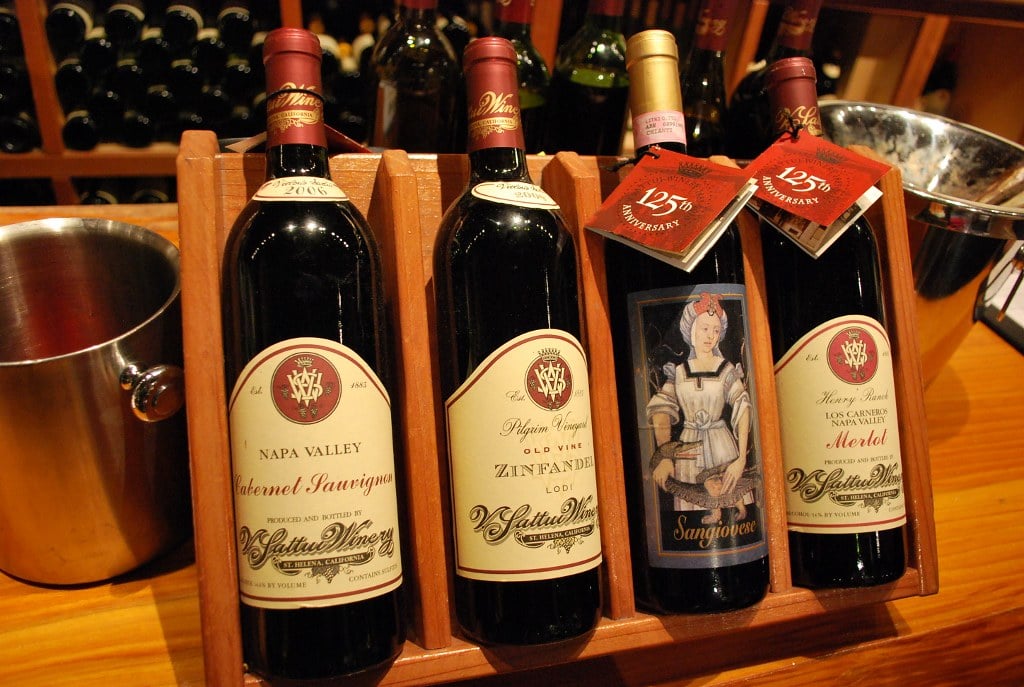
A six-liter imperial bottle of The Setting Wines 2019 Cabernet Sauvignon sold for $1 million at the Carnivale du Vin charity auction in New Orleans in November 2021. This Napa Valley wine was crafted by winemaker Jesse Katz. The large-format bottle was the only one of its size produced from that vintage.
The million-dollar price tag reflected both the quality of the wine and the charitable nature of the event. Unlike most record-breaking wines that are decades old, this was a young wine that commanded an extraordinary price based on exclusivity and the charity auction environment.
Petrus 2000 (Space-Aged)
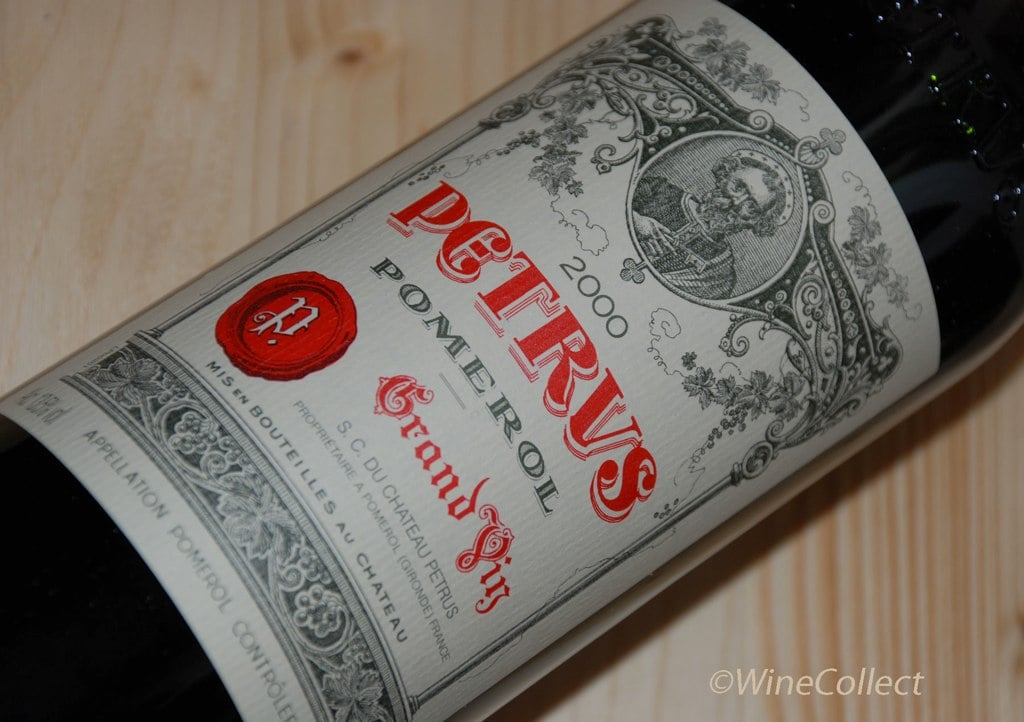
A bottle of Petrus 2000 that spent more than a year on the International Space Station sold for an estimated $1 million in a private sale by Christie’s in May 2021. One of the most unusual wine sales in history.
The bottle came with a regular earth-bound bottle of Petrus 2000 for comparison, custom glasses, and a corkscrew made from a meteorite. The novelty of space aging combined with Petrus’s reputation as one of Bordeaux’s finest wines made this sale exceptional.
Scientists were curious to see how microgravity and cosmic radiation might affect wine aging, turning this bottle into both a luxury item and a scientific experiment.
Like Go2Tutors’s content? Follow us on MSN.
Château Lafite 1787
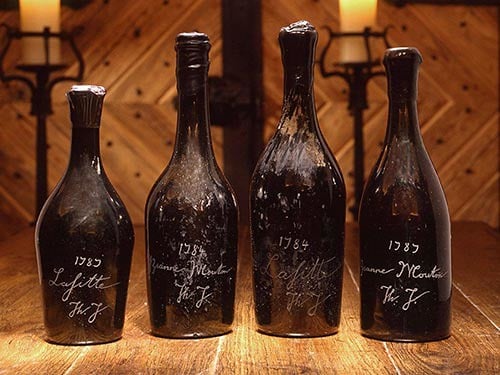
In December 1985, a bottle of 1787 Château Lafite sold at a Christie’s London auction after being discovered in Paris among other wines from top vineyards. The dark green glass bottle was sealed with thick black wax and had ‘1787,’ ‘Lafitte,’ and the initials ‘ThJ’ etched into it.
The bottle is believed to have once belonged to Thomas Jefferson, who developed a taste for French wine while serving as America’s Minister to France. Glass experts from Christie’s confirmed the engravings dated from eighteenth-century France.
The authenticity of the Jefferson connection has been debated over the years, but the bottle remains one of the most famous wine artifacts ever auctioned.
Château Margaux 1787
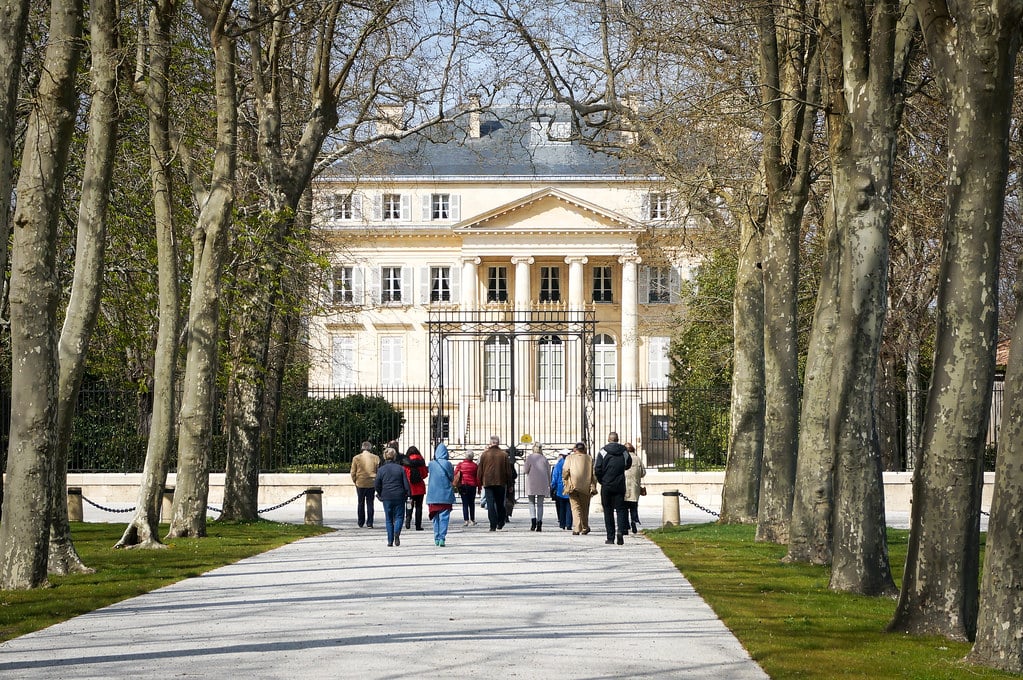
While the exact auction price isn’t as widely documented as some others, another bottle believed to have belonged to Thomas Jefferson—a 1787 Château Margaux—became infamous for a different reason. The bottle was insured for $225,000 when a waiter accidentally knocked it over at a Four Seasons Hotel dinner in the 1980s.
The insurance company paid out the full amount. One of the most expensive spills in history.
The incident highlighted just how valuable these historical bottles had become, even before being consumed.
Penfolds Grange 1951
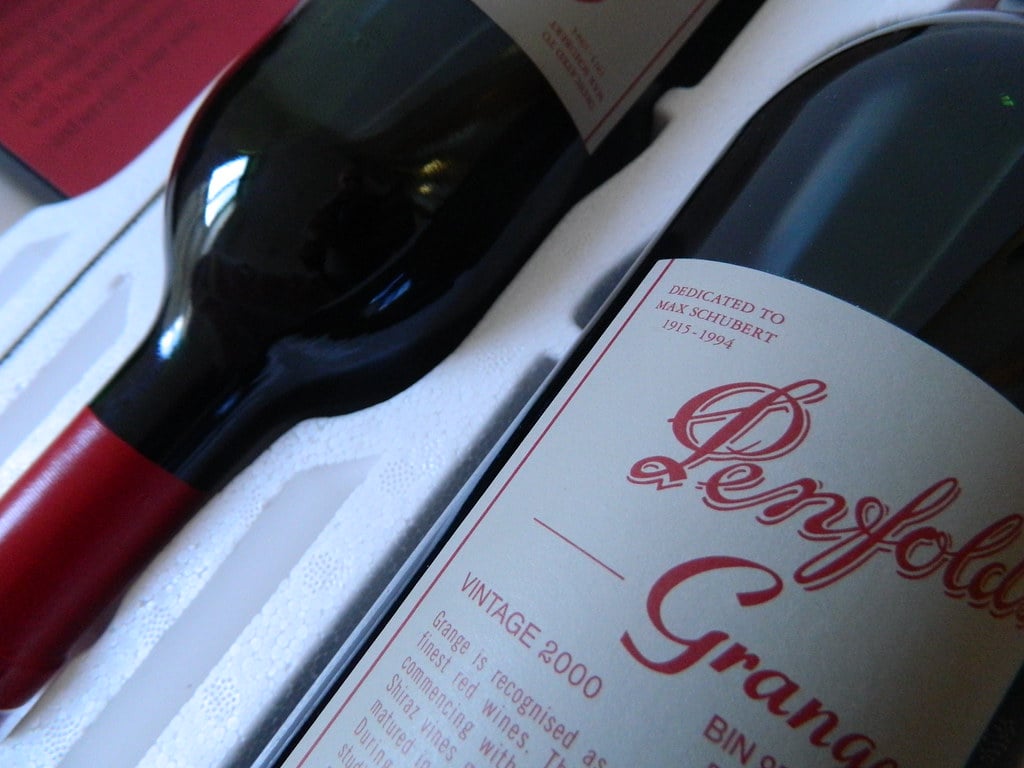
Penfolds Grange is Australia’s most iconic wine, and the 1951 vintage represents the inaugural release of what would become a legendary brand. While specific auction prices vary, pristine bottles from this first vintage have sold for tens of thousands of dollars.
The 1951 Grange was revolutionary for Australian winemaking, introducing techniques that challenged traditional wine production methods. Collectors prize these bottles not just for their quality but for their historical significance in establishing Australia as a serious wine-producing nation. So the New World could compete with the Old.
Like Go2Tutors’s content? Follow us on MSN.
Inglenook Cabernet Sauvignon 1941
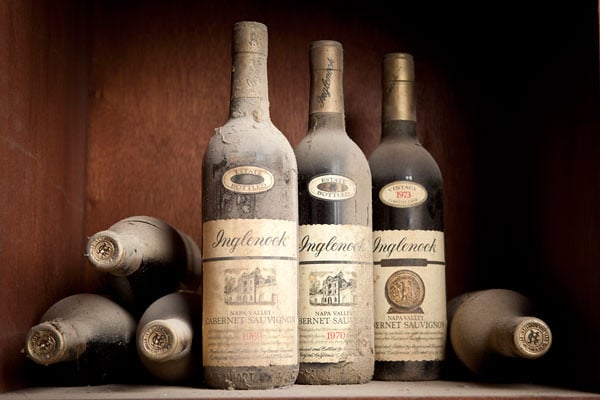
Before Robert Mondavi and the modern Napa Valley boom, Inglenook was California’s most prestigious winery. The 1941 vintage represents pre-Prohibition American winemaking at its finest, produced when California wines were still finding their identity.
Bottles from this era rarely appear at auction, and when they do, collectors pay premium prices for a taste of American wine history. These wines provide a window into what California was producing before the region became the powerhouse it is today.
Echoes of Legacy
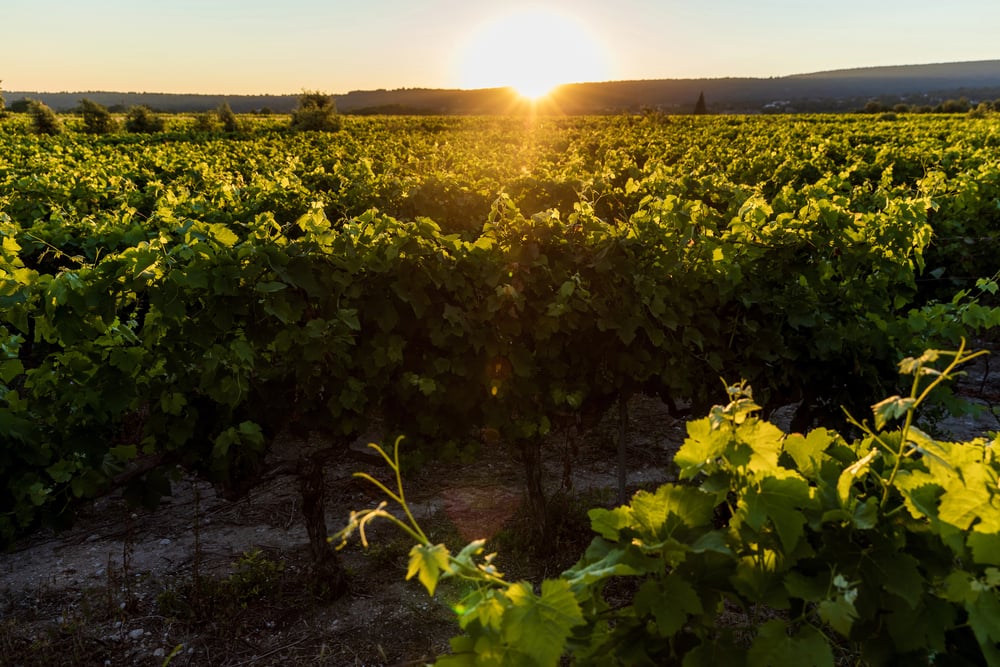
The astronomical prices paid for these wines reflect something deeper than just taste or investment returns. Each bottle represents a moment frozen in time—whether it’s the end of World War II, a shipwreck destined for Russian royalty, or the last harvest from centuries-old vines.
These auctions have transformed wine from something meant to be consumed into artifacts that blur the line between beverage and museum piece. As the gap between production and auction continues to widen for legendary estates like Domaine de la Romanée-Conti and Château Lafite, we’re witnessing the creation of a new category of luxury goods where the story matters as much as what’s inside the bottle.
More from Go2Tutors!

- 16 Historical Figures Who Were Nothing Like You Think
- 12 Things Sold in the 80s That Are Now Illegal
- 15 VHS Tapes That Could Be Worth Thousands
- 17 Historical “What Ifs” That Would Have Changed Everything
- 18 TV Shows That Vanished Without a Finale
Like Go2Tutors’s content? Follow us on MSN.