Things Every Family Argued About on ’80s Road Trips
The station wagon is packed to the roof, the cooler is wedged behind the driver’s seat, and someone has already spilled juice on the vinyl upholstery before you’ve even backed out of the driveway. Welcome to the 1980s family road trip — an epic journey that promised adventure and delivered arguments instead.
Long before smartphones and individual entertainment systems, families were trapped together for hours with nothing but AM radio, a thermos of lukewarm coffee, and their own capacity for conflict. These weren’t just minor disagreements.
They were full-scale domestic disputes conducted at 65 miles per hour, with no escape route and nowhere to storm off to except the gas station bathroom. Every family had their signature fights, their recurring themes, their nuclear-level meltdowns over things that seemed absurd once you arrived at your destination.
But in that rolling metal box, cruising down the interstate with the air conditioning barely working, everything felt like a matter of life and death.
The Temperature Wars

The thermostat battle reached peak intensity at highway speeds. Dad refused to run the air conditioning because it hurt gas mileage.
Mom was melting in the passenger seat while the kids in the back alternated between sweating and shivering. Everyone had a different comfort zone, and nobody was willing to compromise.
Rolling down the windows created a hurricane that sent maps flying and turned conversations into shouting matches over the wind noise.
Who Gets The Window Seat
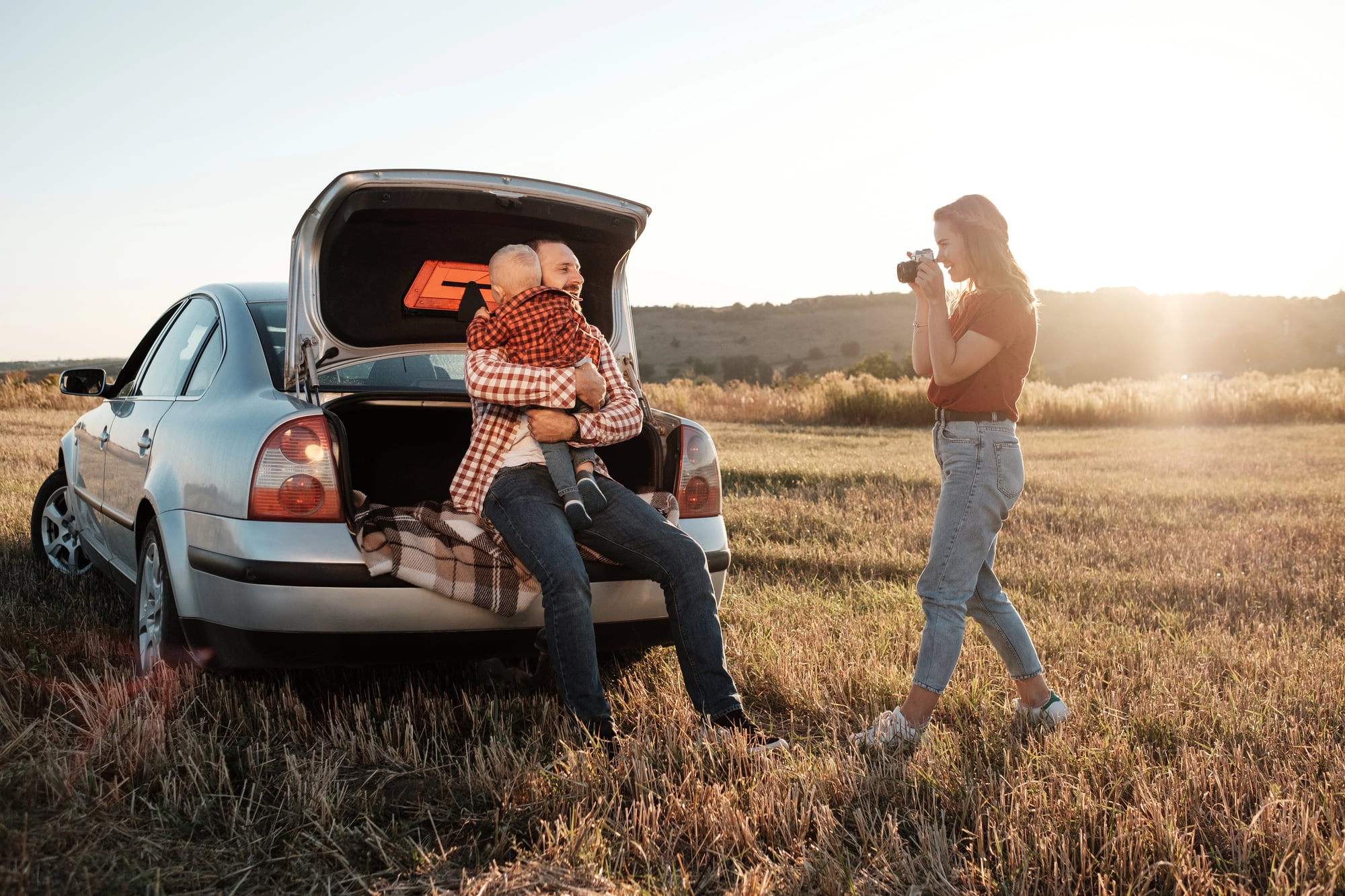
Siblings turned into territorial animals when it came to seating arrangements. The window seat meant freedom — scenery, fresh air, and most importantly, a place to lean your head that wasn’t your brother’s shoulder.
Middle seat was social death. You got no armrest, no view, and the constant elbow wars from both sides.
The injustice felt monumental, especially when your parents insisted on “taking turns” every few hours like some kind of communist seating chart.
Navigation Disasters
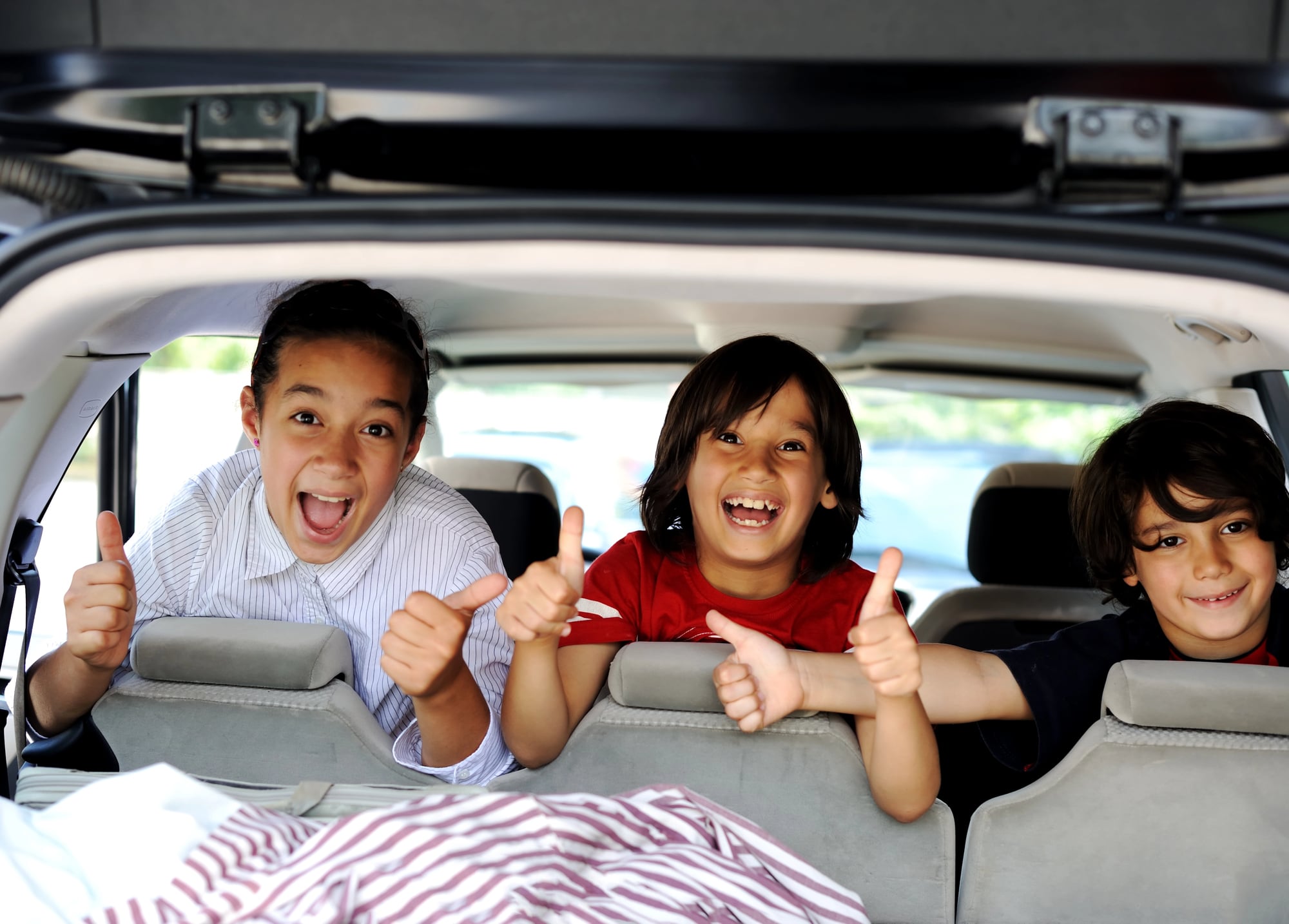
This was the era of folded paper maps that never refolded correctly and gas station directions that led families into hours-long detours through farmland. Dad insisted he knew a shortcut (he didn’t), while Mom tried to read the map upside down, squinting at tiny road numbers that all looked the same.
The arguments weren’t really about directions — they were about who was in charge, who should have asked for help sooner, and why nobody could read a simple map properly (even though maps in the ’80s were about as user-friendly as hieroglyphics, especially when you’re trying to read them in a moving car with bad lighting and your spouse breathing down your neck). Nobody wanted to admit they were lost, so families would drive in increasingly frustrated circles while pretending they were “just taking the scenic route.”
And when someone finally suggested stopping to ask for directions, it became a referendum on masculinity, common sense, and whether the person suggesting it had any faith in their family’s collective intelligence.
The Radio Station Control
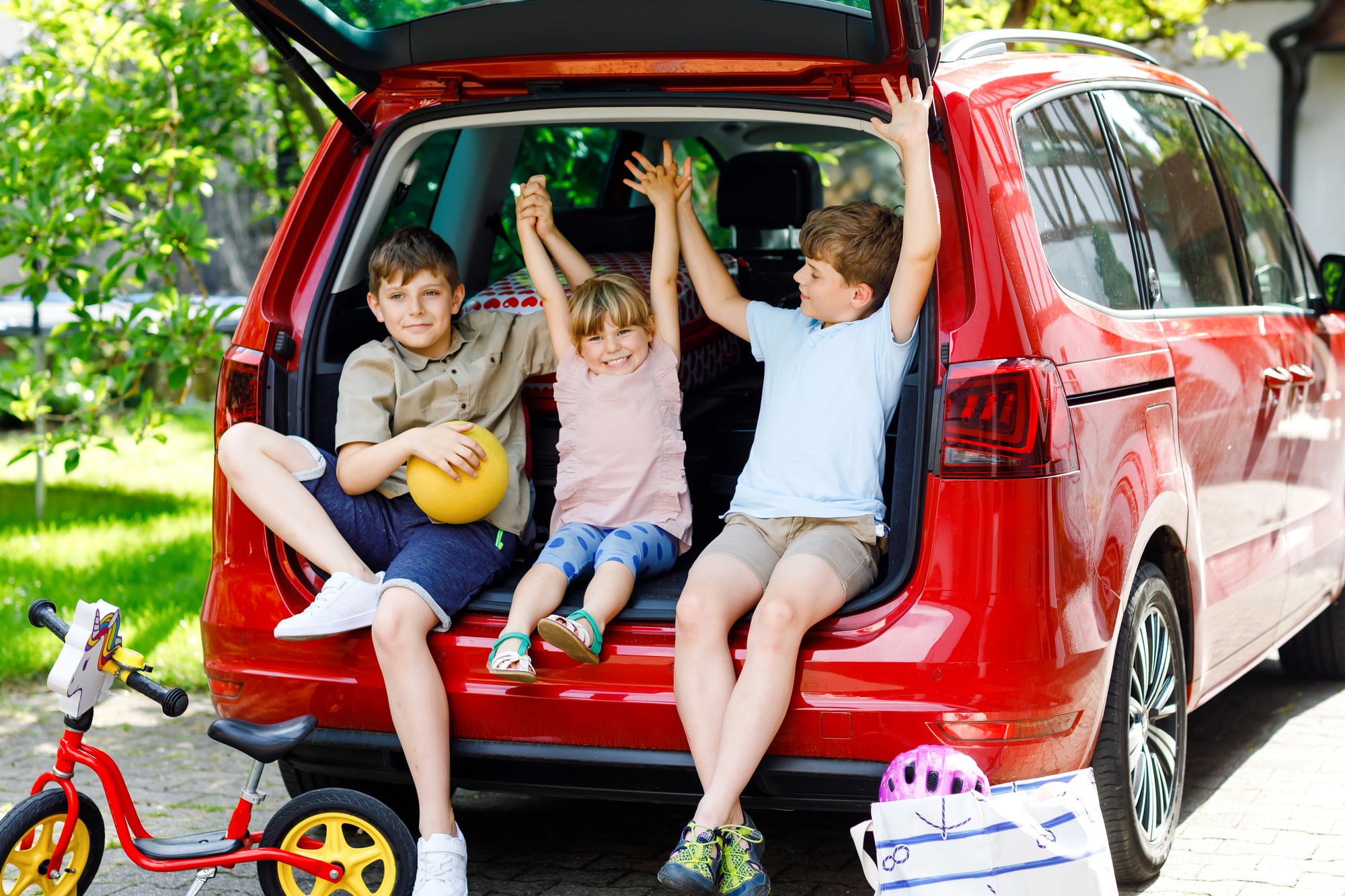
Every family member had their own musical preferences, and none of them aligned. Dad wanted his classic rock or country.
Mom preferred easy listening or talk radio. The kids fought over who controlled the dial, switching between Top 40 hits and whatever passed for alternative music in 1987.
The volume became another battleground entirely. Too loud for the adults, too quiet for the kids, and forget about finding a station that came in clearly once you hit the mountains.
Static was the soundtrack of family discord.
Bathroom Stop Negotiations

There’s something almost cruel about the way road trips transform basic human needs into family-wide logistical nightmares. One person needs to stop immediately, while another insists they can hold it for another hundred miles, and meanwhile the driver is calculating gas mileage and trying to find a rest stop that doesn’t look like a crime scene from the highway.
The timing never worked out. Someone always needed a bathroom break exactly twenty minutes after the last stop, or right when you’d hit your stride on a beautiful stretch of highway with no exits in sight.
Kids had bladders the size of thimbles, but somehow developed supernatural holding power when you finally found a decent rest stop and they decided they didn’t need to go after all.
Backseat Territory Disputes

The invisible line down the middle of the backseat was as real as any international border. Cross it, and diplomatic relations broke down immediately.
Every inch mattered when you were trapped for hours with your sibling, especially when one of them was a sprawler who somehow took up three-quarters of the available space while claiming they were staying on their side. Belongings became strategic weapons in these territorial wars.
Books, toys, and snacks were deployed to mark boundaries and claim additional real estate.
Snack Allocation Drama

Packing snacks required the diplomatic skills of a United Nations mediator. Everyone had preferences, allergies, and strongly held opinions about fair distribution.
The good stuff — cookies, candy, anything with sugar — disappeared first, leaving behind a tragic landscape of crackers and fruit that nobody really wanted. Crumbs became evidence of overconsumption.
Sticky fingers were proof of snack hoarding. Parents tried to ration treats like wartime supplies, which only intensified the black market trading happening in the backseat.
The Infamous “Are We There Yet”
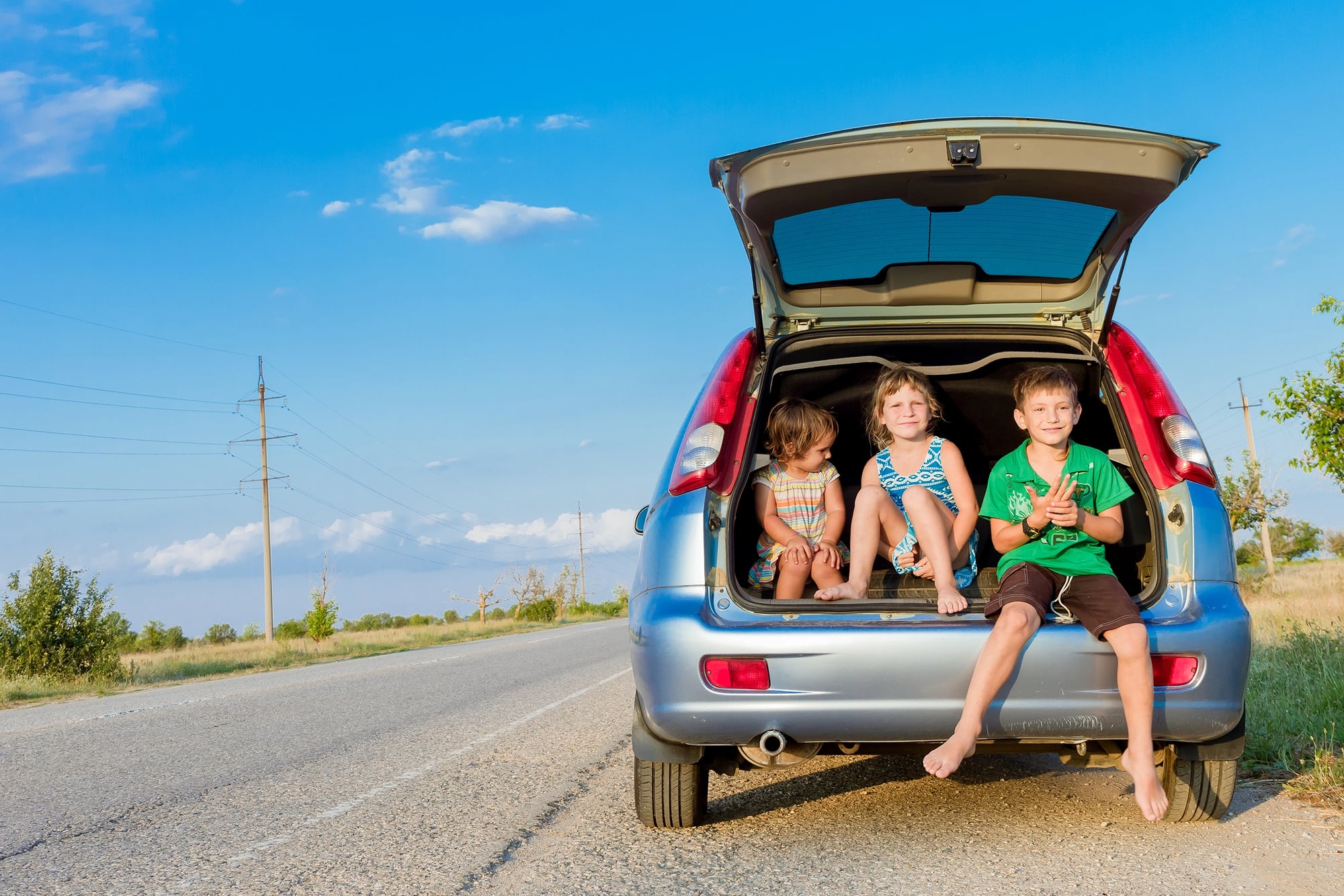
This wasn’t just a question; it was psychological warfare disguised as innocent curiosity. Kids asked it roughly every twelve minutes, not because they genuinely wanted information, but because repetition was their only weapon against the crushing boredom of interstate travel.
Parents developed increasingly creative responses, ranging from patient explanations to threats of roadside abandonment. Nobody ever seemed to learn from previous trips that asking wouldn’t make the destination arrive any faster.
Entertainment Disputes
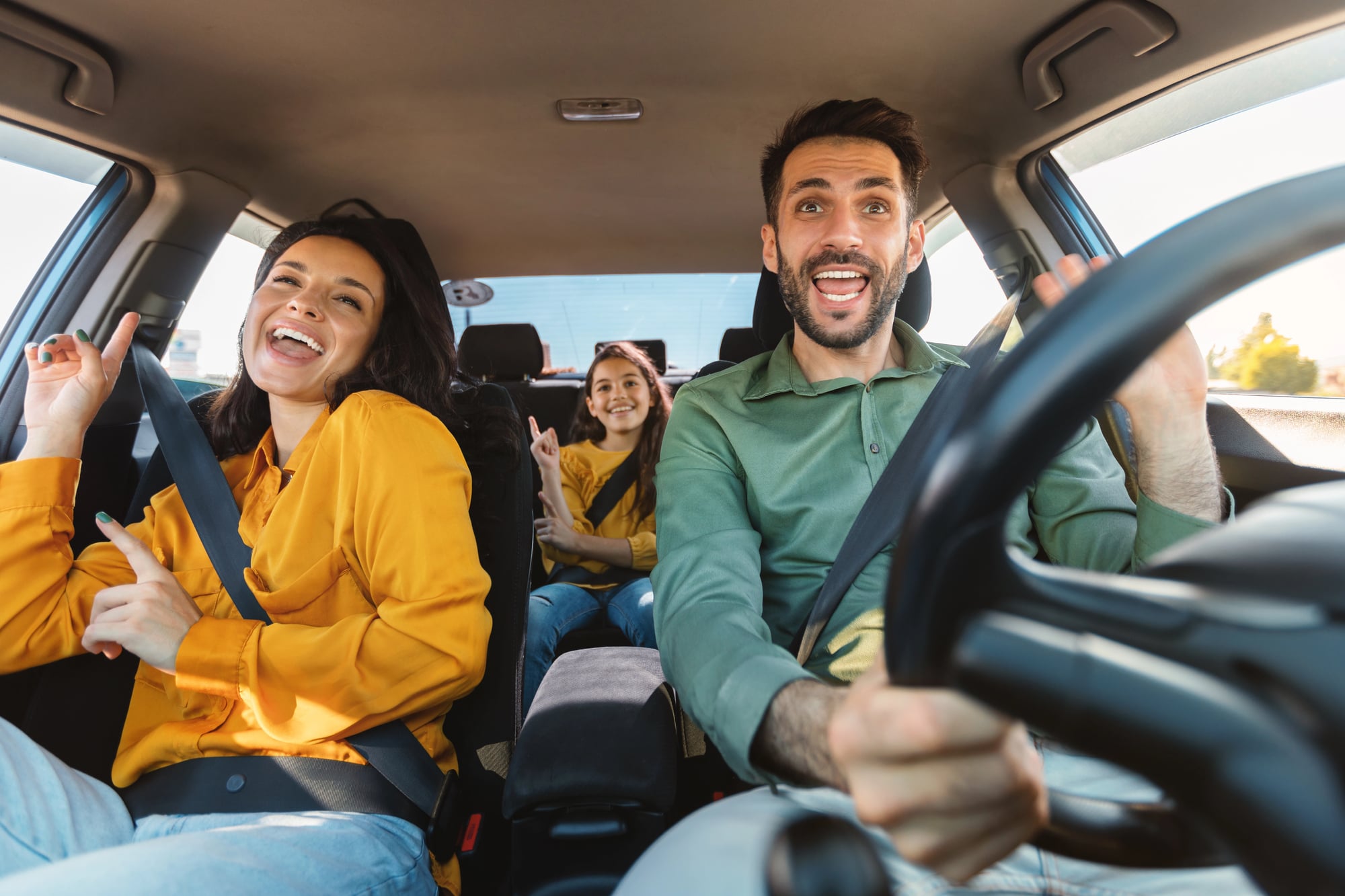
Before portable DVD players and tablets, families had to get creative about backseat entertainment, and creativity led directly to conflict. The license plate game worked for about fifteen minutes before someone accused someone else of cheating (how do you cheat at spotting license plates, anyway, but families found a way to turn even that into controversy).
Twenty Questions devolved into twenty arguments when one person picked something abstract like “happiness” and everyone else felt betrayed by the philosophical complexity. Car Bingo required finding things like red barns and cows, which sounds innocent enough until you realize that one person’s “red barn” is another person’s “rust-colored shed,” and suddenly you’re having heated debates about architectural classifications while cruising through rural Pennsylvania.
And don’t even start with word games — those turned into spelling contests, vocabulary competitions, and thinly veiled attempts to prove intellectual superiority over family members who were just trying to pass the time.
Food Stop Strategies

Drive-through or sit-down restaurant became a referendum on family values, time management, and what constituted a proper meal. Fast food meant eating in the car with grease-stained fingers and the constant threat of spillage on the upholstery.
Restaurants meant stopping the momentum, waiting for service, and inevitably someone ordering something that took forever to prepare while everyone else finished eating and stared impatiently at their watch.
Luggage Space Politics
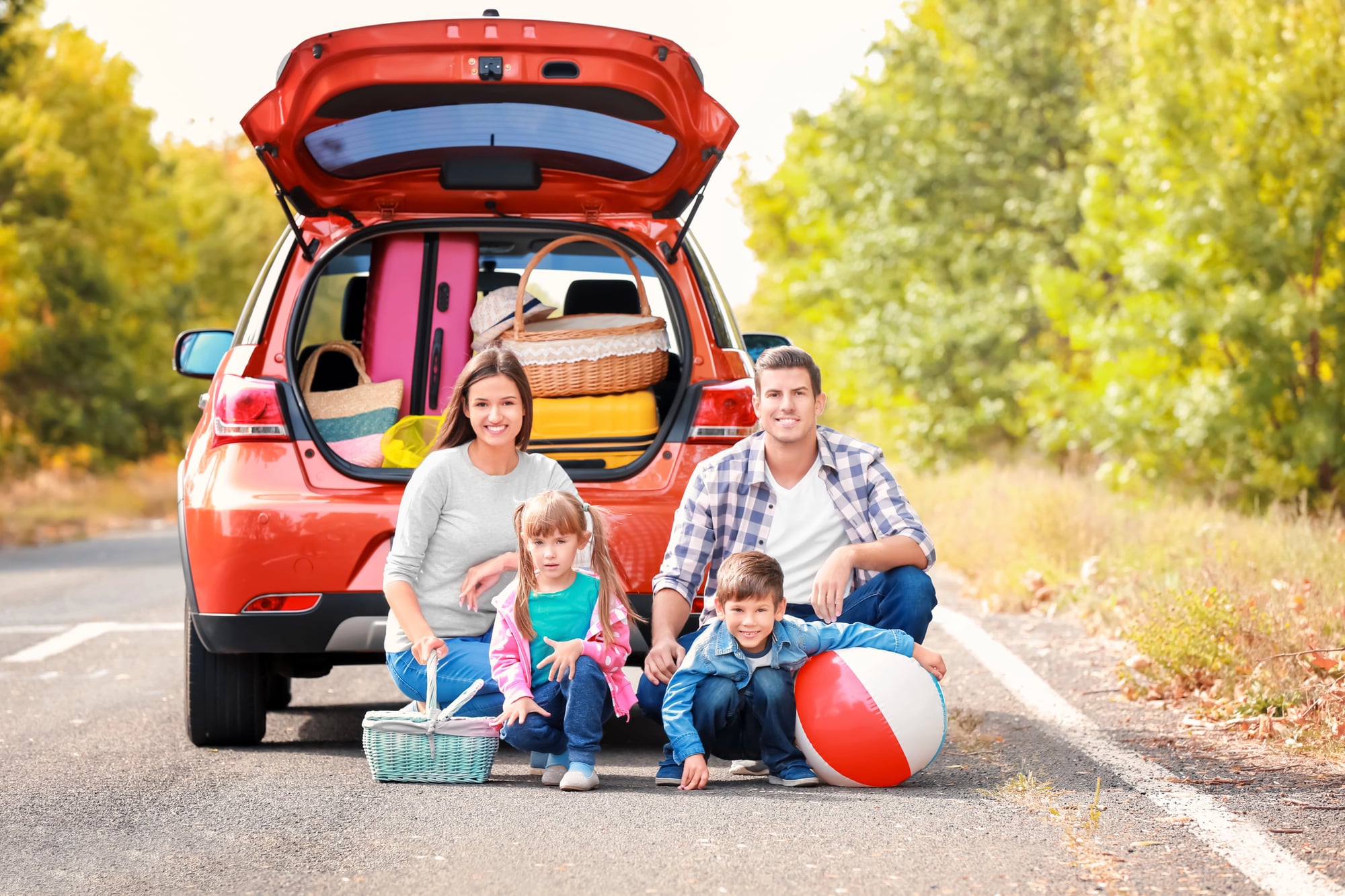
Every family overpacked, but nobody wanted to admit it until they were playing three-dimensional Tetris in the driveway, trying to fit two weeks’ worth of clothing into a space designed for weekend trips.
Priority items got argued over with the intensity of peace treaty negotiations. Mom’s extra shoes versus Dad’s fishing gear versus the kids’ collection of stuffed animals — something had to give, and nobody wanted to be the one making sacrifices for the greater good.
Driving Shift Arguments
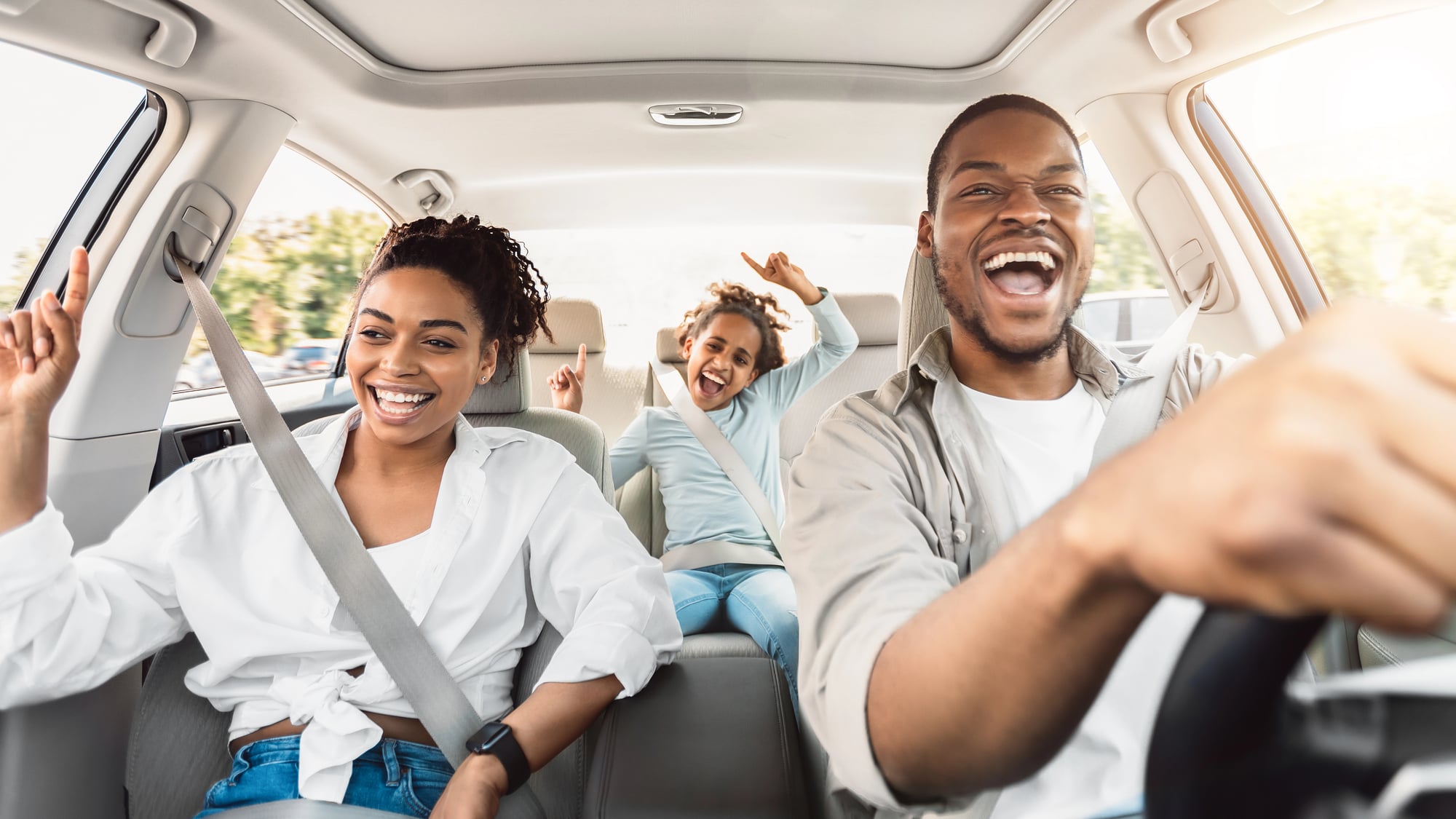
Dad always started driving because it was “his car” and “his responsibility,” but somewhere around hour four, when his eyes were getting heavy and his patience was wearing thin, the question of backup drivers became pressing.
Mom might have a license, but did she really know how to handle highway driving with a fully loaded station wagon in crosswinds? Could she read the signs well enough, merge confidently enough, park the behemoth at rest stops without taking out other cars?
The Inevitable Breakdown Blame Game

Something always went wrong — overheated engine, flat tire, mysterious rattling noise that developed somewhere in Kansas and got progressively worse. When automotive disaster struck, families transformed into investigation units, determined to assign responsibility for the mechanical failure.
Should someone have checked the oil before leaving? Was that noise actually there yesterday, or did someone just start noticing it now?
Roadside repairs brought out the worst in everyone, especially when the solution involved waiting hours for a tow truck in 90-degree heat with no air conditioning and rapidly depleting snack supplies.
Sleeping Arrangements At Motels
Two beds for four people created mathematical impossibility and social hierarchy all rolled into one uncomfortable package. Who shared with whom became a negotiation that revealed deep family dynamics and long-held grudges.
Kids lobbied for their own bed, parents insisted on adult space, and somehow everyone ended up disappointed with an arrangement that left someone sleeping crosswise at the foot of the bed or sharing space with the world’s most restless sleeper.
The Return Trip Reality Check

The way home always felt different — longer, more tedious, tinged with the melancholy of vacation ending and real life resuming. Everyone was tired, sunburned, and running low on patience for confined spaces and family togetherness.
Arguments on the return trip had a desperate quality, like everyone knew their time for epic road trip fights was running out and they needed to get in their best material before arriving home and returning to normal family dysfunction.
When The Highway Became Home
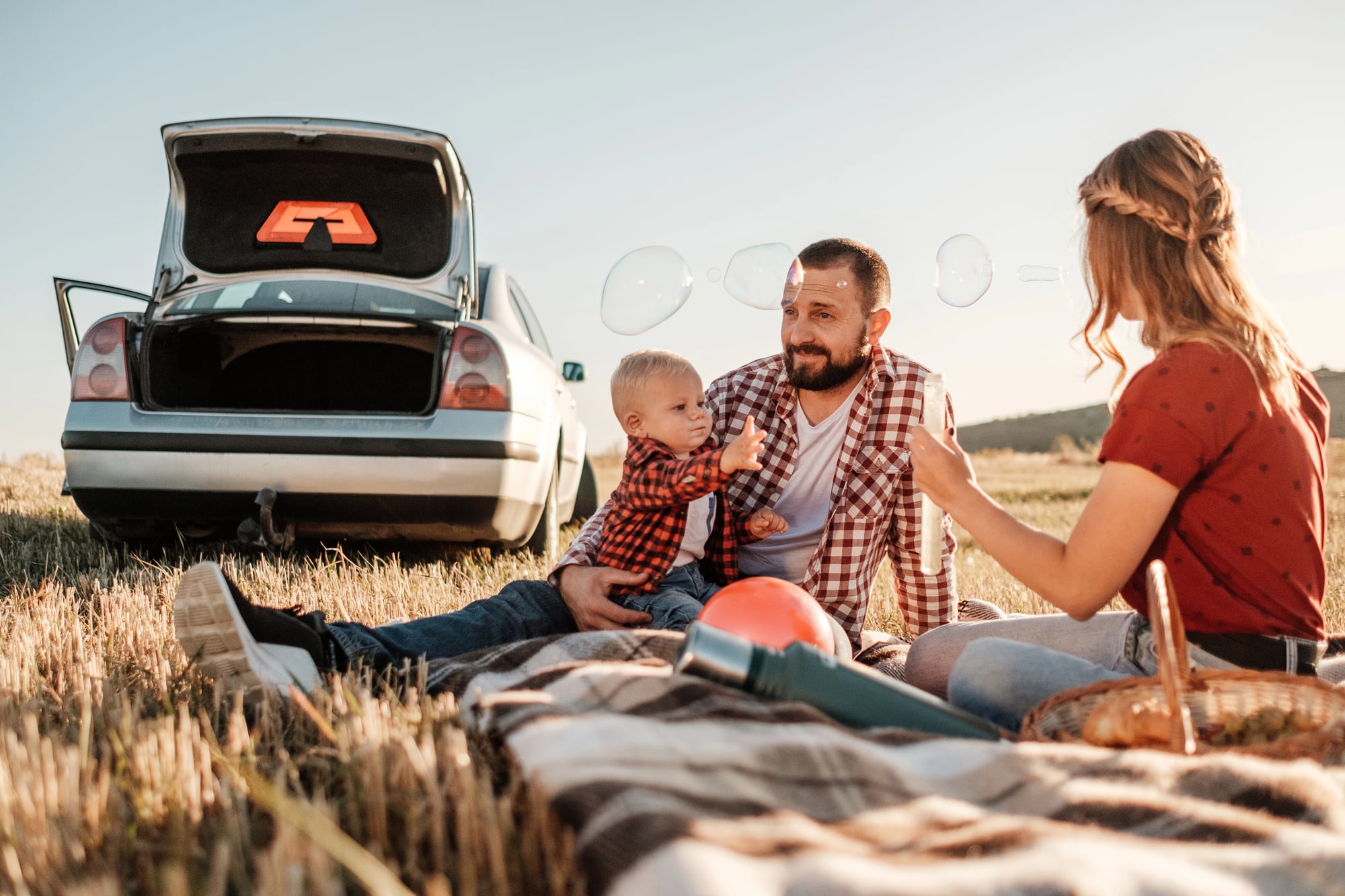
Those fights seem ridiculous now, but they mattered then because the car was your entire world for days at a time. Every disagreement felt magnified by proximity and the impossibility of escape.
You couldn’t storm off to your room or take a walk around the block — you were stuck with each other, negotiating everything from air temperature to snack distribution like diplomats trying to avoid international incidents. The strange thing is how those same arguments became family legends later, stories told at dinner tables and holiday gatherings with the kind of affection reserved for shared survival experiences.
All that conflict was actually intimacy in disguise — the particular kind of closeness that only comes from being trapped together long enough to get on each other’s nerves and somehow come out the other side still speaking to each other.
More from Go2Tutors!

- The Romanov Crown Jewels and Their Tragic Fate
- 13 Historical Mysteries That Science Still Can’t Solve
- Famous Hoaxes That Fooled the World for Years
- 15 Child Stars with Tragic Adult Lives
- 16 Famous Jewelry Pieces in History
Like Go2Tutors’s content? Follow us on MSN.



