16 Deathbed Confessions That Changed History
Throughout history, people have carried their darkest secrets to the very edge of life before finally letting them go. Some confessions solved decades-old mysteries, while others exposed elaborate hoaxes that had fooled millions.
Many completely rewrote what we thought we knew about the past. These final admissions often carry more weight than any testimony given in a courtroom — precisely because the dying have nothing left to gain or lose.
The power of a deathbed confession lies in its timing and authenticity. When someone knows their time’s up, the usual motivations for lying simply disappear. Fear of punishment, protecting reputation, gaining advantage — none of that matters anymore.
What remains is often a desperate need to clear the conscience and set the record straight before it’s too late. Here is a list of 16 deathbed confessions that fundamentally changed our understanding of historical events, solved cold cases, and revealed truths that had been buried for decades.
The Loch Ness Monster Hoax

In 1994, 90-year-old Christian Spurling made a confession that shattered one of the world’s most enduring mysteries. The famous 1934 photograph of the Loch Ness Monster — that grainy image which had convinced millions for 60 years — was nothing more than an elaborate hoax.
Spurling revealed he’d constructed the ‘monster’ using a toy submarine with a sculpted head and neck attached. Why? His stepfather wanted revenge against the Daily Mail newspaper for embarrassing him over fake monster footprints.
The Stolen Stradivarius Violin

Julian Altman spent nearly five decades performing with orchestras and even playing for presidents, yet he was hiding the fact that his prized violin was stolen goods. In 1985, dying in a Connecticut hospital, Altman finally told his wife the truth — the Stradivarius he’d been playing since 1936 was the famous Gibson violin stolen from Carnegie Hall.
His confession led to the recovery of the instrument, though it took two years before his wife actually returned it to Lloyd’s of London for a $263,000 finder’s fee.
Like Go2Tutors’s content? Follow us on MSN.
The Hollywood Murder Mystery
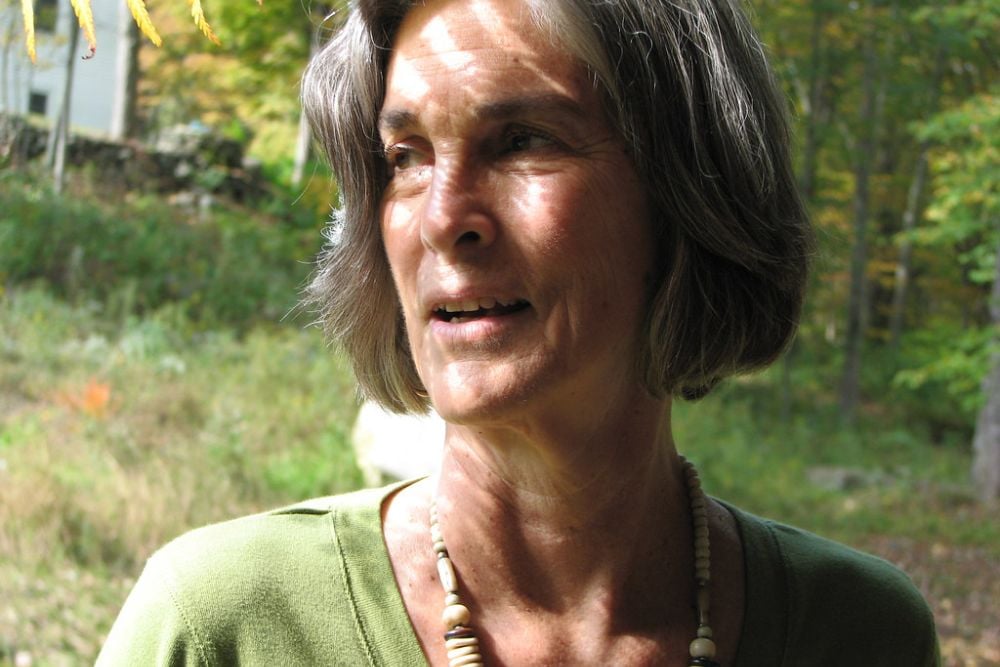
Margaret Gibson waited 42 years to confess to one of Hollywood’s most famous unsolved murders. In 1964, the 70-year-old former actress was dying of a heart attack when she told a neighbor she’d killed director William Desmond Taylor back in 1922.
Gibson’s confession provided the first real lead in a case that had baffled investigators for decades — though the murder officially remains unsolved due to lack of physical evidence.
The 52-Year Bank Robbery Secret

Thomas Randele lived a quiet life in Massachusetts — selling luxury cars, teaching golf, being the kind of neighbor you’d trust with your spare key. However, on his deathbed in 2021, he revealed to his daughter that he was actually Theodore Conrad, one of America’s most wanted fugitives.
In 1969, as a 20-year-old bank teller, Conrad had walked out of a Cleveland bank with $215,000 in cash and successfully disappeared for over five decades. His confession finally closed one of the longest-running cases in FBI history.
The Museum Heist Revelation

When Na’aman Diller died, his widow discovered her late husband had confessed to stealing 40 antique clocks and watches from the LA Mayer Museum in Jerusalem in 1983. Through a lawyer in 2006, she negotiated the return of the timepieces — revealing that Diller had been a professional thief who specialized in scaling walls and slipping through small windows.
The museum had never suspected their missing collection was sitting in someone’s living room for over two decades.
Like Go2Tutors’s content? Follow us on MSN.
The Joyce Goodener Murder Case
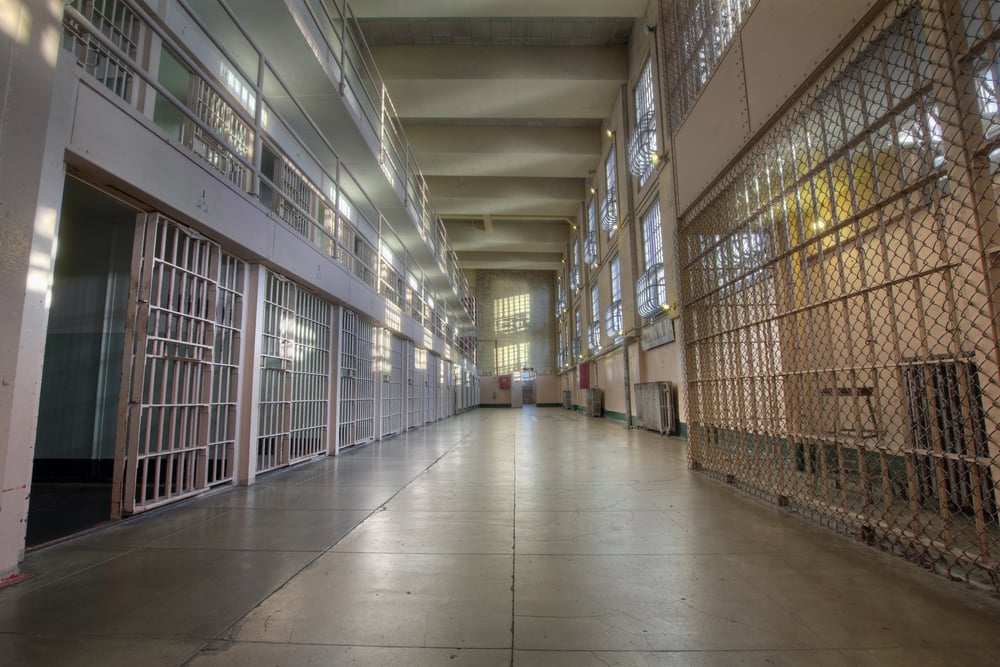
James Washington thought he was dying from a heart attack in his prison cell in 2009 when he confessed to the 1995 murder of Joyce Goodener in Nashville. The 35-year-old woman had been found stabbed, beaten, and burned in an abandoned home 17 years earlier.
Washington’s confession provided the key evidence needed to solve the cold case. Though he survived his medical emergency and tried to recant, he was ultimately convicted and sentenced to life in prison.
The Ku Klux Klan Murder
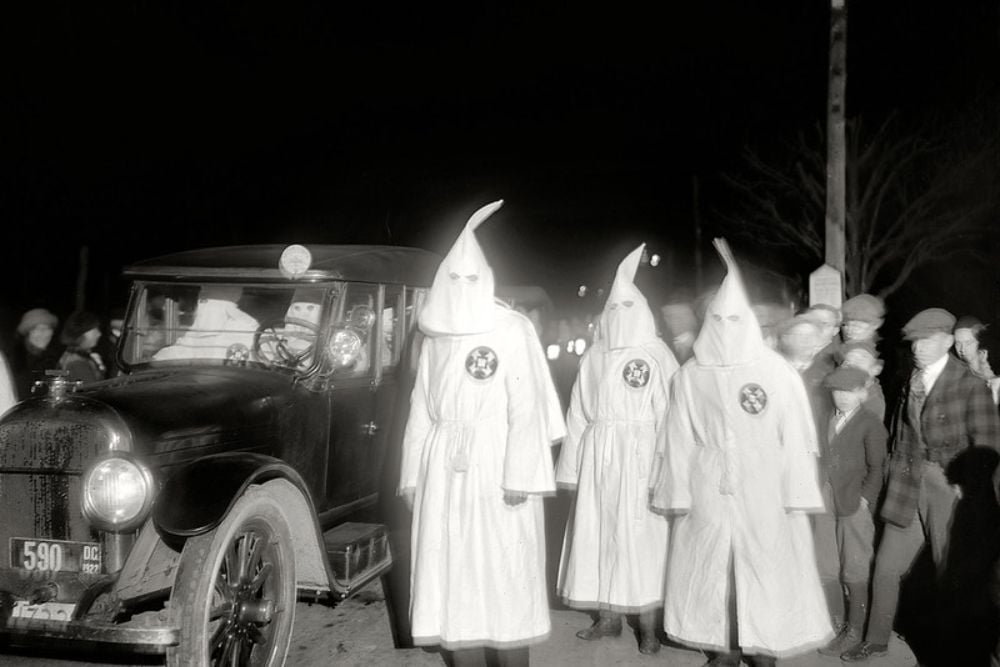
In 1999, one of the last surviving members of a Ku Klux Klan group confessed to the 1957 murder of Willie Edwards Jr. — a 25-year-old truck driver who was forced to jump from a bridge in Alabama. The confession came after decades of silence about the racially motivated killing.
It finally provided Edwards’ family with answers about what happened that night, allowing authorities to officially close the case as a homicide rather than a suspicious death.
The Plagiarized Israeli Anthem

Naomi Shemer, one of Israel’s most beloved songwriters, spent years denying she’d plagiarized ‘Jerusalem of Gold’ — a song that became an unofficial national anthem. On her deathbed, Shemer finally admitted she’d indeed borrowed the melody from a Basque lullaby — transforming it into what would become one of the most important songs in Israeli culture.
Her confession added a complex layer to the legacy of a song that had inspired a nation.
Like Go2Tutors’s content? Follow us on MSN.
The Cleansing Soul Murder
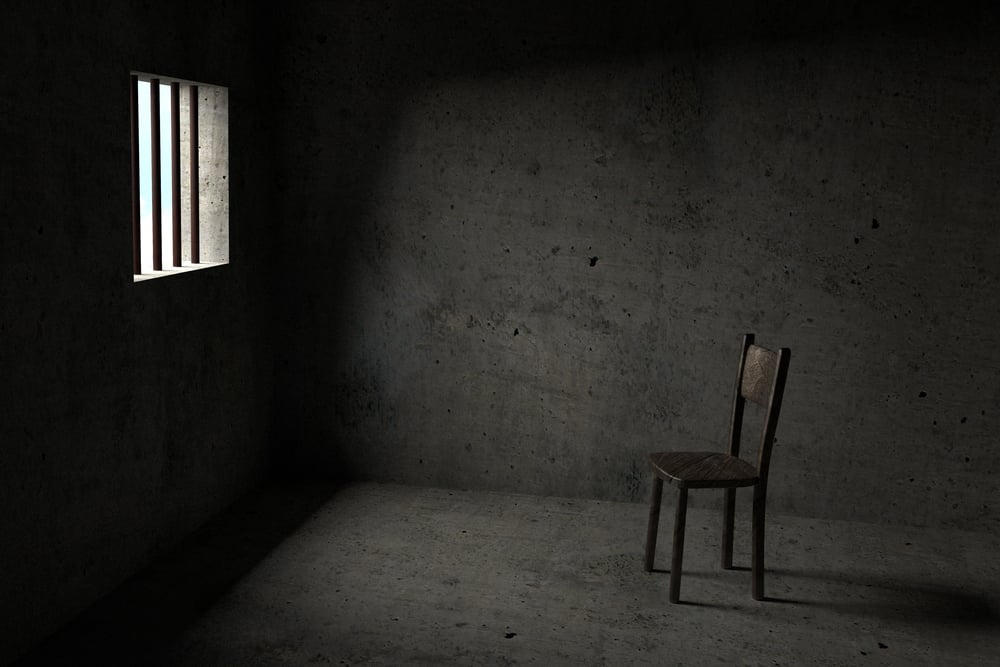
James Brewer thought he was dying from a stroke in 2009 when he decided to ‘cleanse his soul’ by confessing to a 32-year-old murder. Back in 1977, Brewer had shot and killed his neighbor Jimmy Carroll in Tennessee — then fled to Oklahoma where he and his wife lived under assumed names as respected members of their church community.
The confession was so unexpected that even his wife tried to stop him from talking to police — yet Brewer was determined to clear his conscience before what he thought would be his death.
The Sicilian Family Name Change
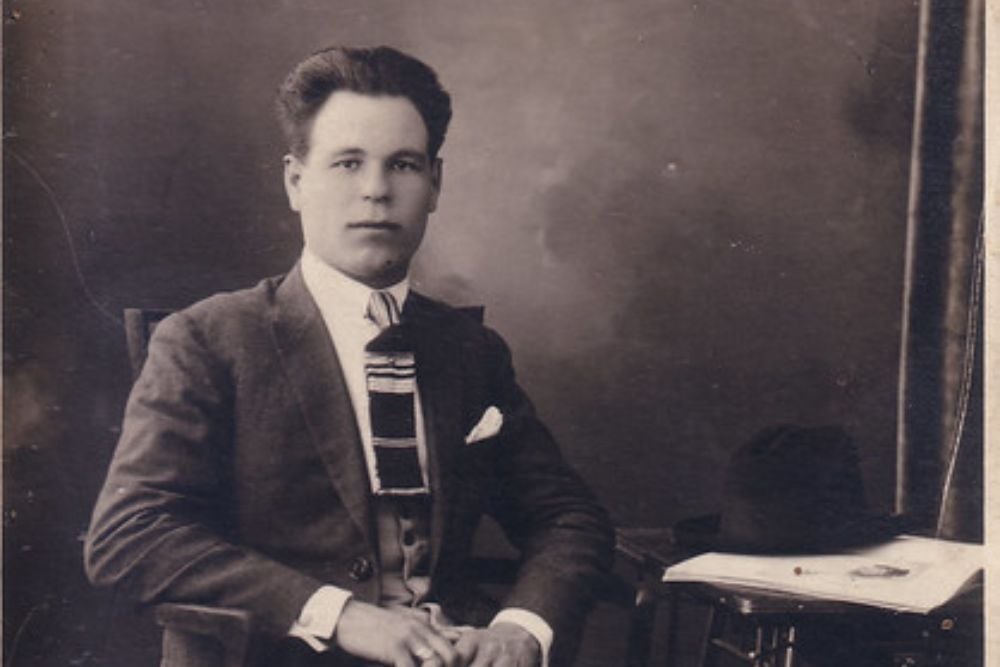
A family’s unusual surname had puzzled relatives for generations until the last surviving member who knew the truth made a deathbed confession about a late 1920s incident. He revealed their uncommon family name had been changed to a generic surname decades earlier because a family member had planned to marry the daughter of a high-ranking Chicago crime family member.
The name change was meant to protect the family from potential mob connections and violence.
The Westminster Ripper Confession
In 2015, a 91-year-old British man living in Canada confessed to murdering a woman outside a nightclub in London’s Soho district in 1946. The confession came 69 years after the crime, making it the longest period between a crime and confession in British criminal history.
The elderly man had carried the secret across an ocean and through an entire lifetime before finally unburdening himself in his final days.
Like Go2Tutors’s content? Follow us on MSN.
The Secret Children Revelation

Multiple families have been torn apart by deathbed confessions about hidden paternity. One grandfather confessed that he had deliberately pitted his two sons against each other throughout their lives, while another revealed that he was actually the biological father of the child his family had supposedly adopted from their church.
The child was the result of an affair with the birth mother. These confessions have rewritten family histories and explained decades of mysterious tensions.
The False War Hero
Throughout American history, several men who built reputations as war heroes have confessed on their deathbeds to fabricating their military service. These admissions have forced communities to reconsider monuments, street names, and honors given to people who never served in the conflicts they claimed to have fought in.
The confessions often come after decades of living with the guilt of unearned respect and recognition from their neighbors and families.
The Innocent Man’s Vindication
In some cases, deathbed confessions have freed innocent people from decades of wrongful imprisonment. The dying person admits to a crime for which someone else was convicted, providing details that only the real perpetrator could know.
These confessions have overturned convictions and led to major reforms in how the justice system handles eyewitness testimony and circumstantial evidence, particularly in cases from earlier decades when forensic science was less advanced.
Like Go2Tutors’s content? Follow us on MSN.
The Disappeared Evidence

Law enforcement officers and government officials have sometimes confessed to destroying evidence or covering up crimes to protect powerful individuals or institutions. These admissions have reopened investigations that were thought to be permanently closed and revealed the extent to which corruption can penetrate the justice system.
The confessions often come from people who spent their careers maintaining the cover-up but couldn’t face death with the secret intact.
The Switched Identity

One of the most heartbreaking types of deathbed confession involves switched identities within families. In one documented case, an elderly woman confessed to her daughter that she wasn’t actually her biological mother.
Her older sister was the real mother, having gotten pregnant too young and allowing her own mother to raise the child as her own. These revelations can completely reshape family relationships and force people to reexamine their entire understanding of their origins and childhood memories.
When Secrets Finally Surface

The weight of secrets becomes unbearable as death approaches, and the human need for honesty often triumphs over a lifetime of carefully constructed lies. These confessions remind us that truth has a way of surfacing, even if it takes decades or centuries.
They also show us the enormous psychological burden that people carry when they live with dark secrets, and the profound relief that comes from finally setting the record straight. The historical impact of these final admissions continues to reshape our understanding of the past, proving that sometimes the most important truths aren’t revealed in the heat of the moment, but in the quiet honesty of life’s final chapter.
More from Go2Tutors!

- 16 Historical Figures Who Were Nothing Like You Think
- 12 Things Sold in the 80s That Are Now Illegal
- 15 VHS Tapes That Could Be Worth Thousands
- 17 Historical “What Ifs” That Would Have Changed Everything
- 18 TV Shows That Vanished Without a Finale
Like Go2Tutors’s content? Follow us on MSN.



