Unusual Traditions Tied to Harvest Seasons
Harvest time means different things depending on where you live. Some places celebrate with festivals and feasts.
Others perform rituals that seem bizarre to outsiders but make perfect sense within their communities. These traditions developed over centuries, shaped by climate, religion, and the crops people depended on.
Many continue today, even as modern farming makes some of them unnecessary. The practices reveal how deeply harvest seasons affected daily life and how communities found meaning in the work of gathering food.
Rolling Cheese Down a Hill at Dangerous Speeds

Cooper’s Hill in England hosts an annual cheese-rolling race every spring. Organizers send a nine-pound wheel of Double Gloucester cheese down a steep hill, and competitors chase after it.
The hill has a one-in-one gradient in places, making it almost vertical. People tumble, crash, and somersault down the slope at speeds reaching 70 mph.
The cheese gets a one-second head start and almost always wins. Whoever crosses the finish line first gets to keep the cheese.
Injuries happen every year. Broken bones, concussions, and sprains are common. Paramedics wait at the bottom.
The event became so dangerous that officials tried to cancel it, but locals keep organizing informal races. The tradition dates back at least 200 years, possibly longer, and started as a way to maintain grazing rights on the common land.
Throwing Tomatoes at Each Other for an Hour
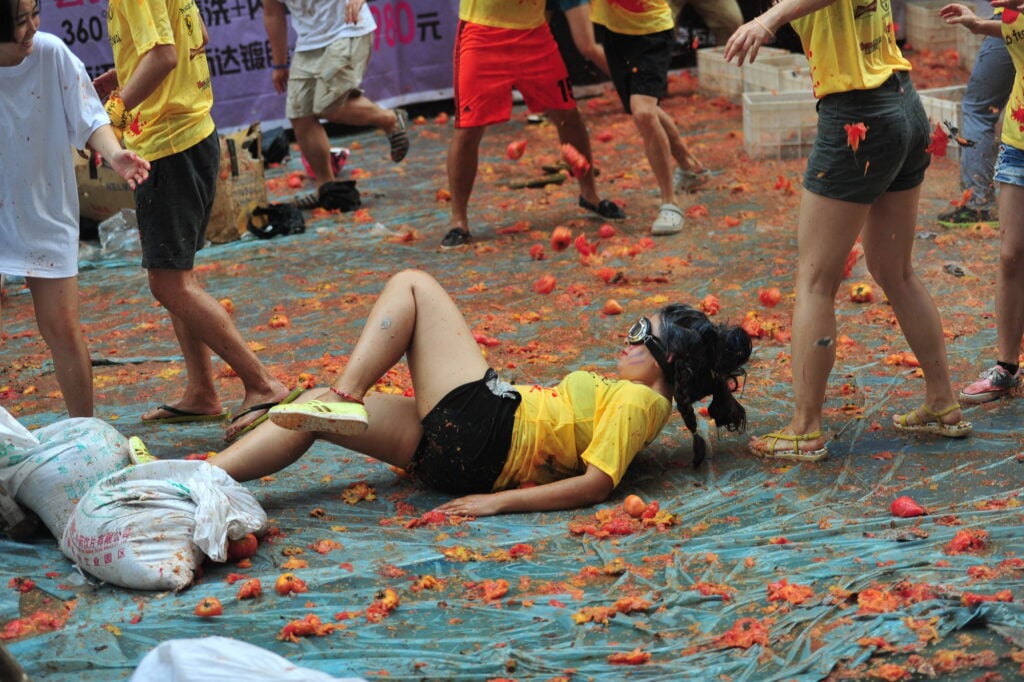
La Tomatina in Buñol, Spain, involves 20,000 people hurling overripe tomatoes at each other. The fight lasts exactly one hour.
Trucks dump 150,000 tomatoes into the streets, and participants throw them until everything and everyone is covered in red pulp. The tradition started in 1945 during a parade when some young people grabbed tomatoes from a vegetable stand and started a food fight.
Police broke it up, but the next year, people returned with their own tomatoes. The fight continued annually despite multiple bans, until officials finally made it an official event in 1957.
Rules exist now. You must squish tomatoes before throwing them to avoid injuries.
Throwing anything besides tomatoes gets you removed. When the second cannon fires, the fight stops immediately.
Workers hose down the streets and buildings within an hour, and the town returns to normal.
Building Giant Straw Animals in Fields
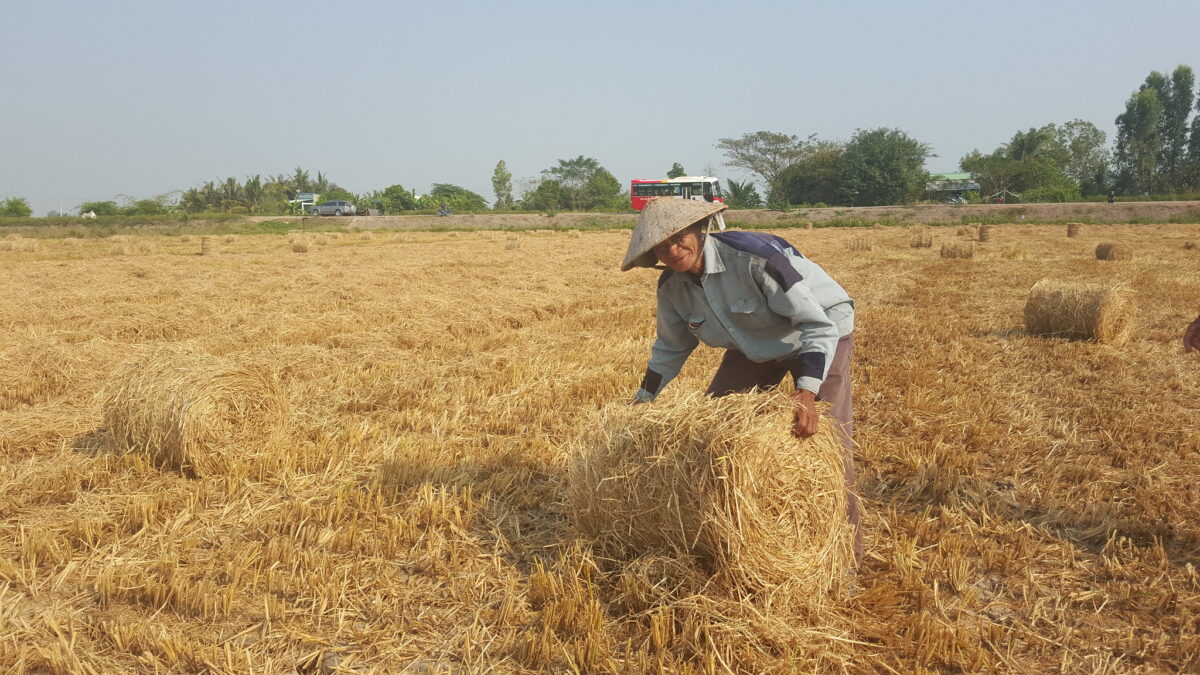
After harvest in Japan, rice farmers create massive sculptures from leftover rice straw. These sculptures, called wara art, depict animals, dinosaurs, and mythological creatures.
Some reach 30 feet tall and require engineering skills to stay upright. The tradition started in Niigata Prefecture in 2008 as a way to use excess straw and attract tourists.
Teams of artists and volunteers spend weeks weaving straw into frames. The sculptures sit in rice fields for several months before decomposing naturally.
Each region creates different designs. One town specializes in prehistoric creatures.
Another focuses on local wildlife. The sculptures serve no practical purpose beyond celebrating the harvest and bringing communities together.
Children play around them. Photographers capture them against sunset skies.
Then the straw returns to the fields as mulch.
Burning Giant Wooden Structures After Dark
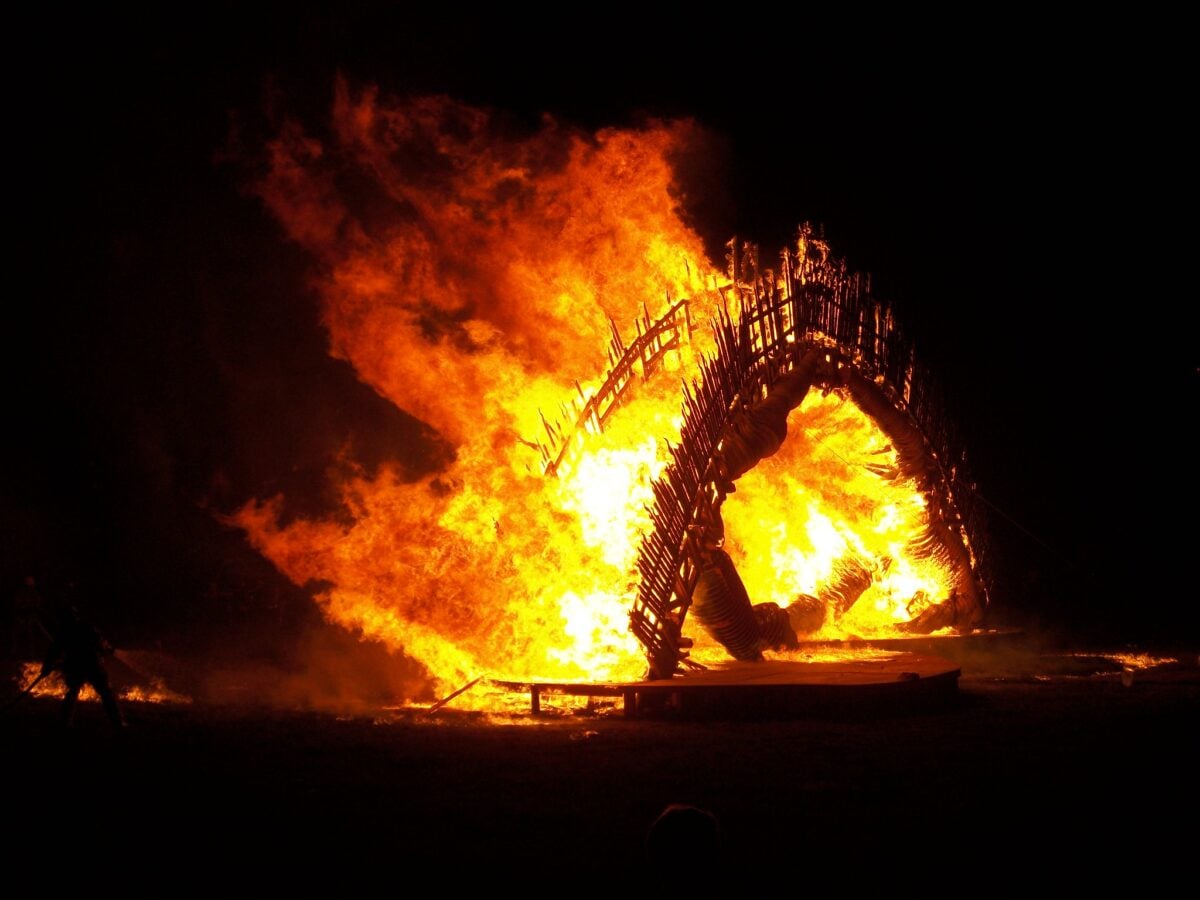
Guy Fawkes Night in Britain involves building and burning massive bonfires topped with effigies. The tradition commemorates the failed Gunpowder Plot of 1605, but the timing coincides with harvest’s end.
Communities spend weeks building structures from scrap wood, pallets, and anything else that burns. The largest bonfires reach over 100 feet tall.
Some towns compete for the biggest. Fireworks accompany the burning, and crowds gather to watch the structures collapse.
Safety concerns have reduced the number of bonfires, but many communities maintain the tradition. The practice has older roots than Guy Fawkes.
Autumn bonfires marked the end of harvest in pagan Britain. The Christian tradition layered over earlier customs, preserving the basic act of gathering around fire as days grew shorter.
Racing Beds Through City Streets
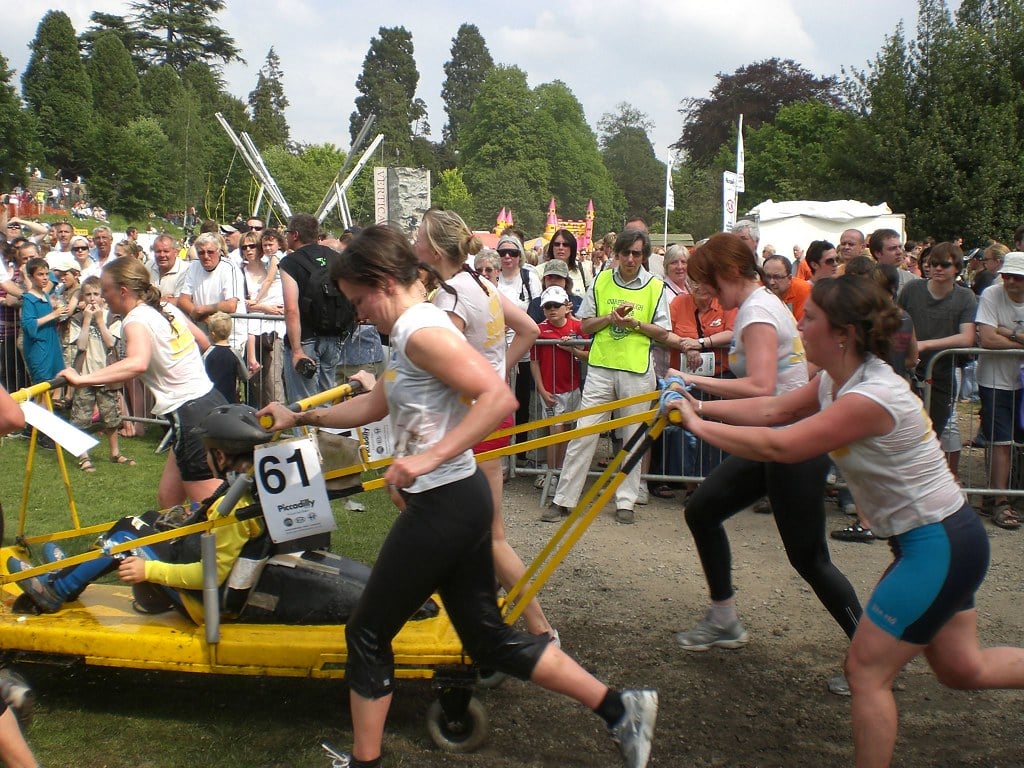
Knaresborough, England, hosts an annual bed race where teams push decorated beds through town. Participants must navigate a course that includes running through the River Nidd while lying on the bed.
Teams dress in costumes matching their bed’s theme. The race happens during the town’s Harvest Festival in June.
It started in 1965 as a fundraiser and became tradition. Teams modify beds for speed and buoyancy.
Some add flotation devices. Others build streamlined frames.
The person riding the bed must stay on it through the water crossing, no matter how wet or cold the river is. Hundreds of spectators line the route.
The combination of harvest celebration and absurdist racing creates an event that makes no practical sense but brings the entire community together. Money raised goes to local charities, connecting the harvest theme of abundance with giving back.
Whipping Women With Decorated Branches

In parts of Eastern Europe, particularly Slovakia and Czech Republic, men visit homes on Easter Monday with braided willow branches decorated with ribbons. They gently whip women’s legs, a practice meant to transfer the vitality of spring and ensure health and fertility for the coming year.
Women respond by giving the men painted eggs, pastries, or shots of alcohol. The whipping is symbolic, more of a tap than an actual strike.
The willow branches represent renewal because willows are the first trees to bud in spring. The tradition ties directly to agricultural cycles and the timing of planting season.
It marks the transition from dormancy to growth, using physical ritual to celebrate fertility in both people and fields. Younger generations sometimes skip the whipping and just exchange gifts, but many families maintain the custom.
Parading Giant Vegetables Through Town
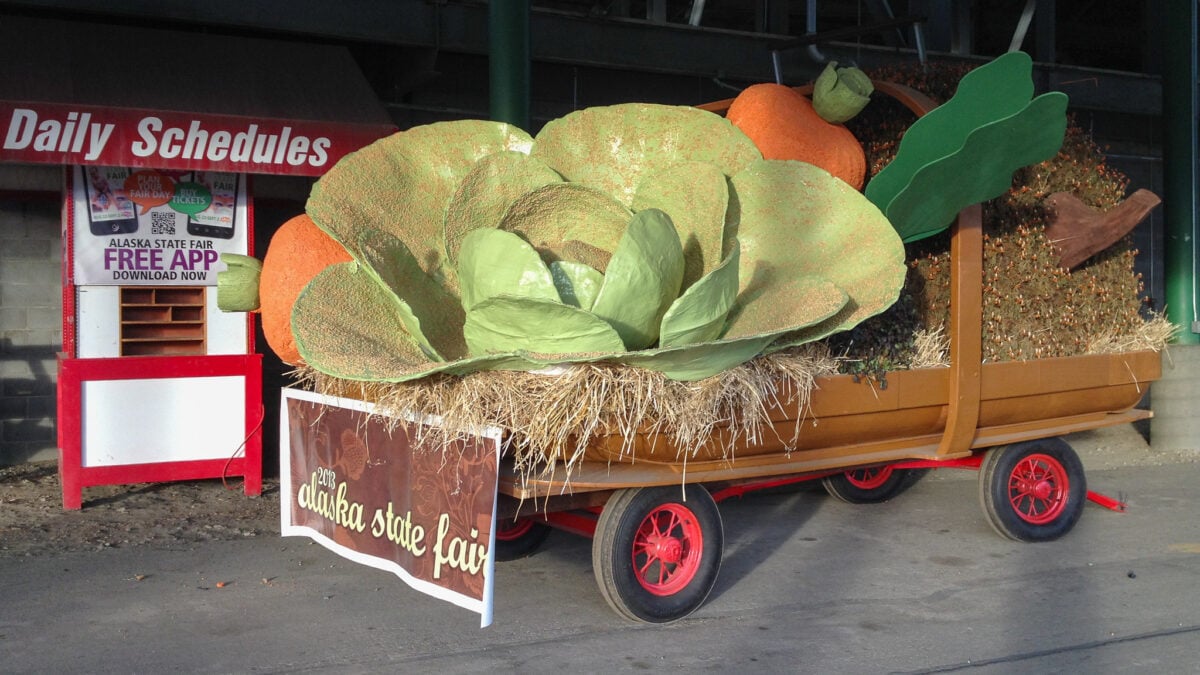
The Alaska State Fair holds a giant vegetable competition where farmers grow absurdly large produce. Cabbage weighing over 100 pounds.
Pumpkins exceeding 2,000 pounds. Carrots longer than a child’s arm.
The long summer daylight in Alaska, sometimes 20 hours per day, creates ideal growing conditions. Farmers compete intensely, using specialized techniques and nutrients.
Winners parade their vegetables through the fairgrounds on flatbed trucks while crowds cheer. The tradition celebrates the short but productive growing season in a harsh climate.
Growing anything in Alaska requires skill and determination. Growing something record-breaking proves mastery over difficult conditions.
The fair becomes a harvest festival where size matters more than taste, and farmers gain respect for agricultural achievements that seem impossible elsewhere.
Decorating Wells With Flower Petals
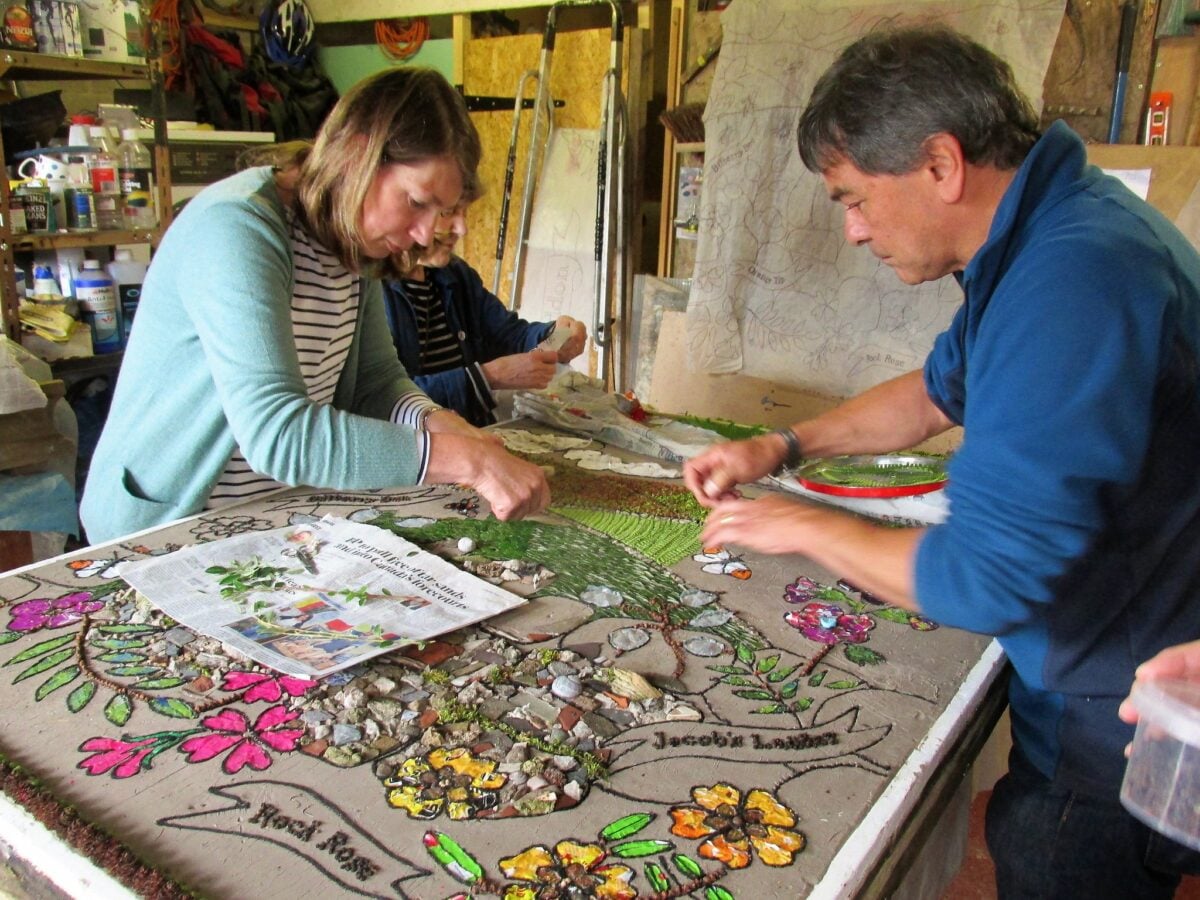
Well dressing in Derbyshire, England, involves creating large pictures using flower petals, leaves, seeds, and moss pressed into clay. These displays cover well heads and springs, celebrating the water source that made harvest possible.
The tradition dates back centuries, possibly to pagan times when people made offerings to water spirits. Creating the pictures takes days.
Teams soak clay boards, sketch designs, then press thousands of natural materials into the soft surface. The pictures must be completed quickly before the clay dries.
Each village has its own well-dressing schedule throughout summer. The displays last about a week before wilting.
Themes vary from religious scenes to local history. The practice acknowledges that without reliable water, crops fail and communities starve.
Even with modern plumbing, villages maintain the tradition as a reminder of water’s importance.
Blessing Animals in Church Courtyards
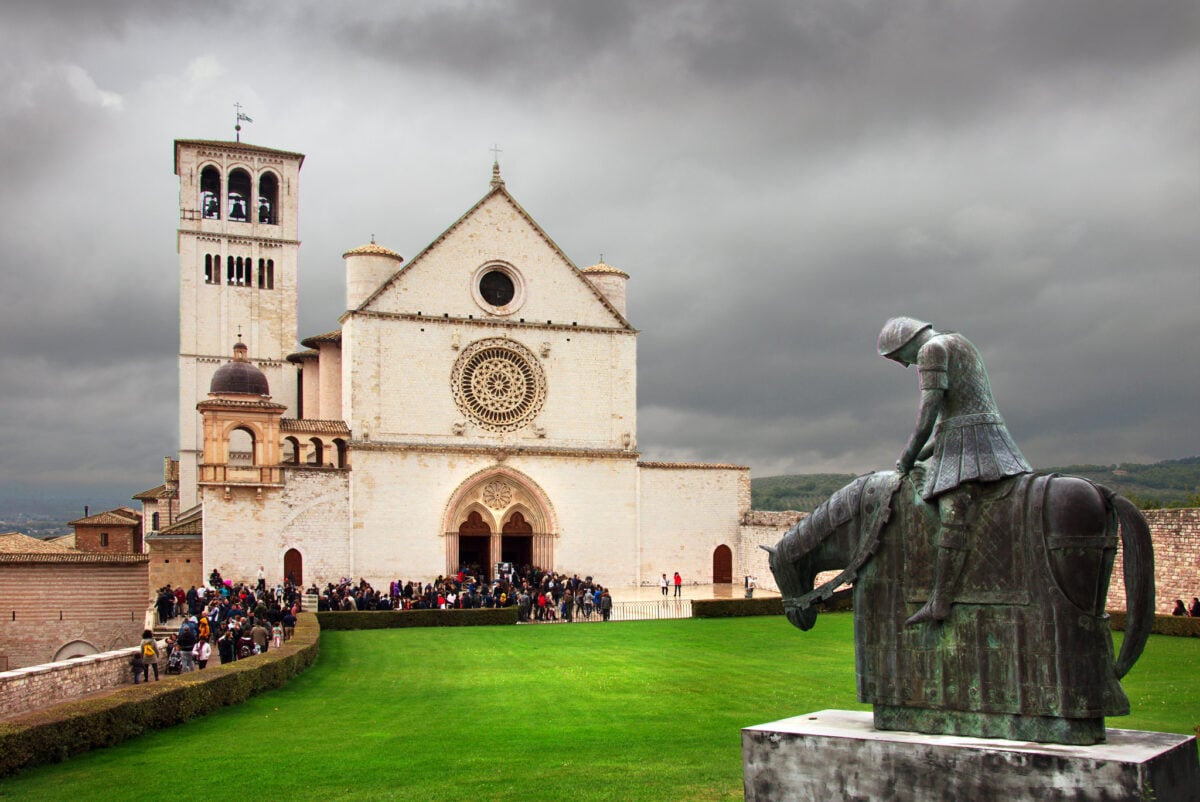
In parts of Spain and Latin America, farmers bring livestock to churches for blessing during harvest festivals. Priests sprinkle holy water on cows, sheep, goats, chickens, and horses while crowds watch.
The animals, often decorated with ribbons and bells, parade through town before receiving blessings. Saint Francis of Assisi’s feast day in October often coincides with these blessings, but the practice extends to other harvest-related celebrations.
Farmers believe blessed animals stay healthier and produce better yields. The ritual connects agricultural success with spiritual protection.
Modern versions include pets alongside farm animals. Dogs, cats, rabbits, and birds receive blessings.
The expansion changed the tradition’s meaning slightly, but the core idea remains—showing gratitude for animals that help or feed communities.
Beating the Bounds With Willow Sticks
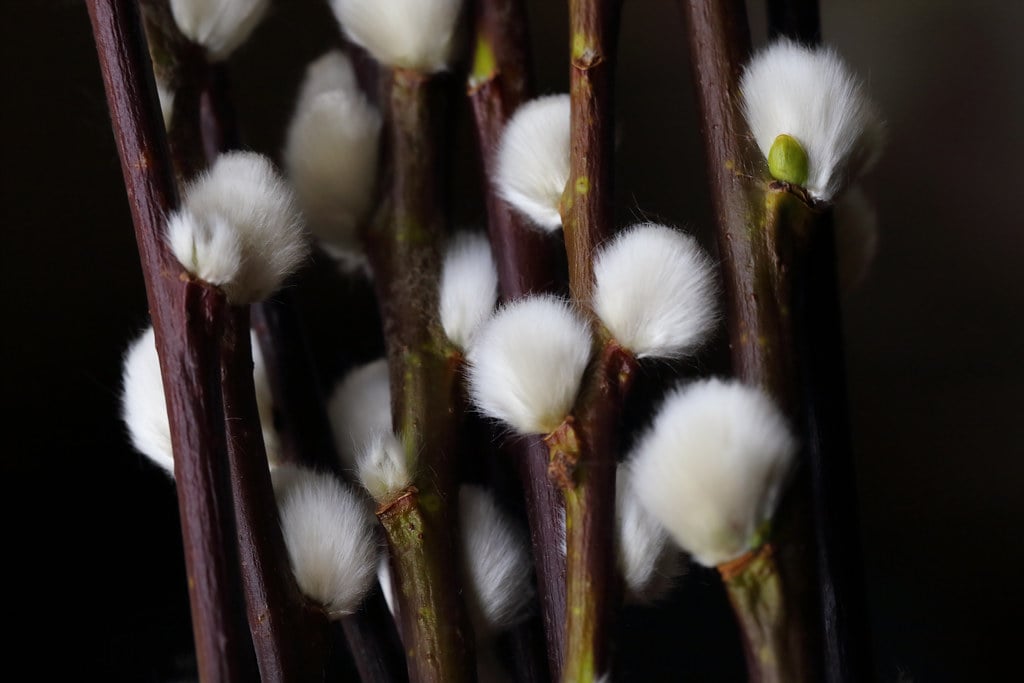
Some English parishes maintain beating the bounds, where residents walk property boundaries and strike marker stones with willow branches. Young boys sometimes get bumped against the boundary stones or dangled upside down to help them remember the locations.
This tradition ensured everyone knew parish boundaries before accurate maps existed. It happened during Rogation days in spring, coinciding with planting season.
Communities needed clear boundaries to prevent disputes over land and harvest rights. The willow sticks serve a practical purpose—flexible enough not to damage markers but firm enough to make noise.
The physical act of walking, striking, and remembering created a shared mental map of the community. Even with GPS and property surveys, some villages maintain the practice as a way to walk the land and understand its history.
Throwing Flour at Strangers During Carnival
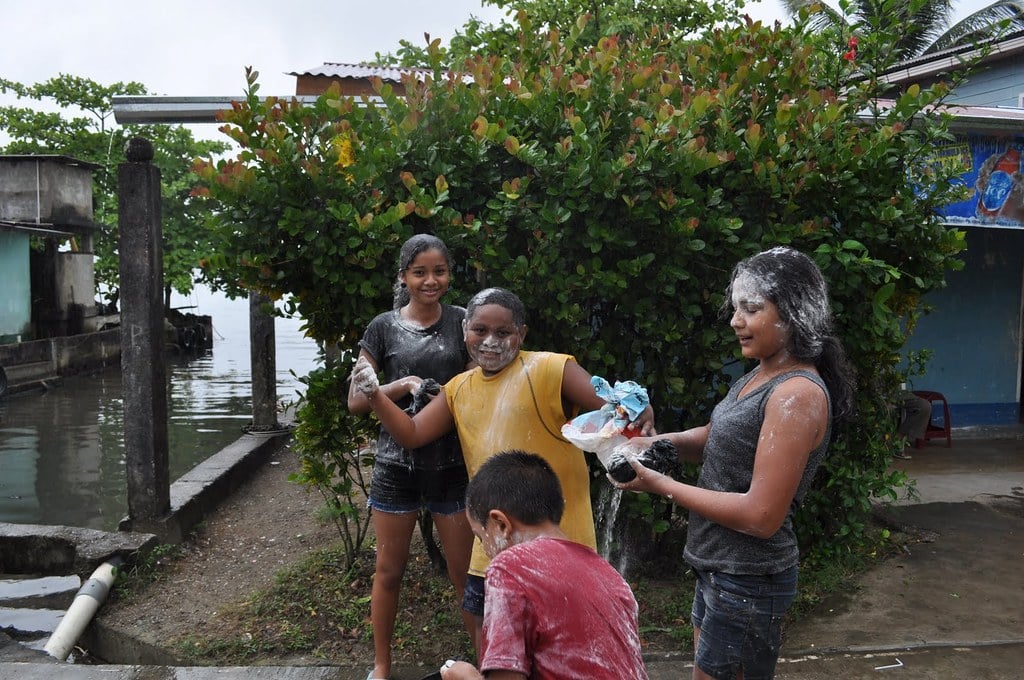
In Galaxidi, Greece, Clean Monday celebrations involve throwing colored flour at everyone. Residents and visitors engage in massive flour fights, covering streets, buildings, and people in rainbow dust.
The tradition marks the beginning of Lent and the end of Carnival season. The timing connects to agricultural cycles.
Clean Monday falls just before spring planting, when flour stores from the previous harvest need clearing to make room for new grain. Wasting flour seems contradictory, but it celebrates abundance and the confidence that the next harvest will provide more.
The practice likely originated from ancient fertility rituals involving throwing seeds or grain. Flour replaced actual seeds over time, but the symbolism remained.
The multi-colored flour in modern celebrations adds visual spectacle to the ancient concept of spreading fertility and luck through throwing grain products.
Racing Snails for Prizes
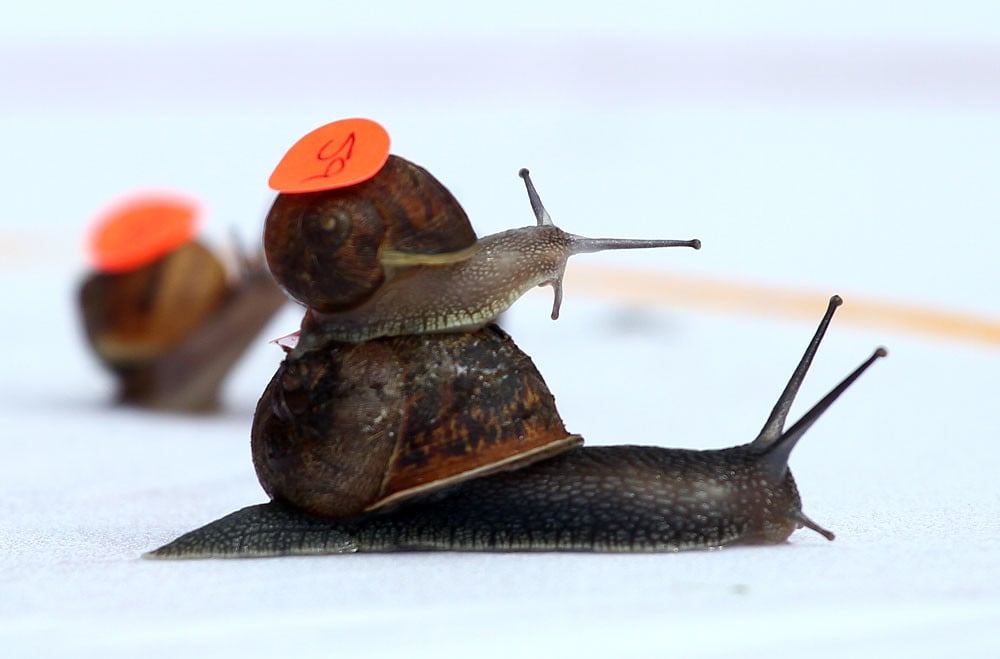
The World Snail Racing Championship in Norfolk, England, happens every July during the height of summer harvest. Competitors bring garden snails and race them on a circular table covered in cloth.
Snails start at the center and race toward the edge. The first to cross the outer circle wins.
Race organizers sprinkle the cloth with water to encourage movement. Some snails sprint, relatively speaking, while others barely move.
The record stands at two minutes for the 13-inch course. Spectators cheer for their favorites, and serious competitors train their snails and keep them on special diets.
The event started in the 1960s as a village fete activity. It celebrates the slower pace of rural life and the creatures that share garden spaces with crops.
Racing snails mocks the intensity of harvest work by turning the garden’s slowest resident into a competitor.
Climbing a Greased Pole for Ham
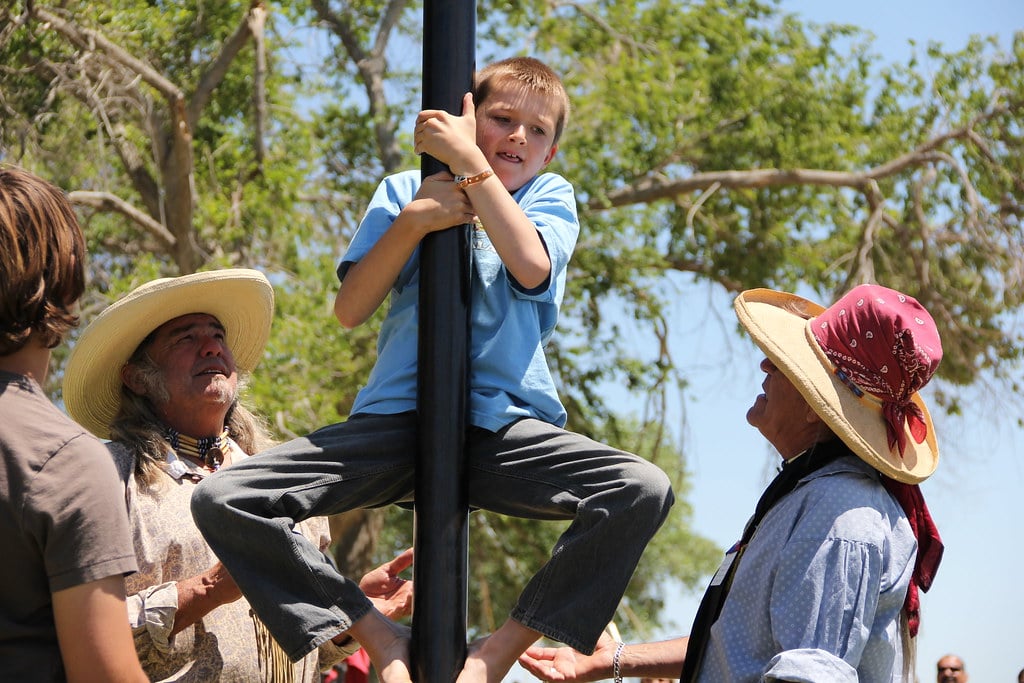
In parts of Italy and Mediterranean regions, village festivals include climbing a greased pole with a ham or other prize tied to the top. The pole gets coated in grease or soap, making it nearly impossible to grip.
Contestants slip, slide, and fall repeatedly while trying to reach the prize. Eventually, someone succeeds, either through persistence, technique, or teamwork where people form human pyramids.
The winner keeps the ham and earns bragging rights. The event connects to harvest traditions of sharing food and testing strength after months of field work.
The greased pole appears at festivals throughout late summer and early autumn, corresponding with harvest completion. It transforms food preservation (the ham) into entertainment.
Modern versions sometimes replace ham with cash prizes or other goods, but the slippery pole remains unchanged.
Where Tradition Meets the Absurd
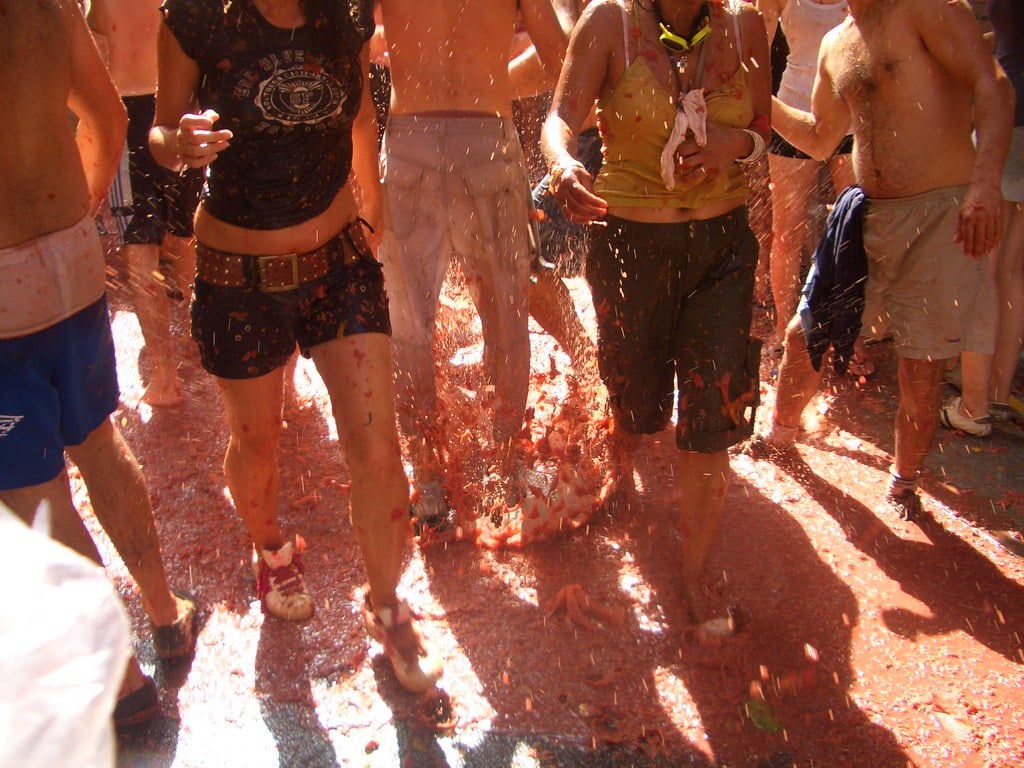
These harvest traditions survive because they’re memorable. Throwing tomatoes, racing beds, and whipping with willow branches create experiences that stick with people.
They turn agricultural necessity into celebration, taking the serious work of gathering food and adding play, ritual, or spectacle. Some traditions preserved older beliefs.
Others started as practical measures that became custom. A few began as one-time events that communities decided to repeat.
But they all share the impulse to mark harvest time as something special, something worth gathering for, even when the gathering looks ridiculous to outsiders. That’s what makes them work—the willingness to look silly together, to maintain practices that stopped being practical generations ago, all to preserve a connection to the land and the seasons that still shape life, even if we sometimes forget it.
More from Go2Tutors!

- The Romanov Crown Jewels and Their Tragic Fate
- 13 Historical Mysteries That Science Still Can’t Solve
- Famous Hoaxes That Fooled the World for Years
- 15 Child Stars with Tragic Adult Lives
- 16 Famous Jewelry Pieces in History
Like Go2Tutors’s content? Follow us on MSN.



