Things You Can Only Buy in Japan
Walking through a Japanese convenience store feels like stepping into an alternate version of reality. The shelves hold familiar categories—snacks, drinks, toiletries—but the specific items inside those categories exist nowhere else.
Some of these products solve problems you didn’t know you had. Others create new problems by being so good you can’t get them anywhere else.
Kit Kat Flavors That Sound Made Up
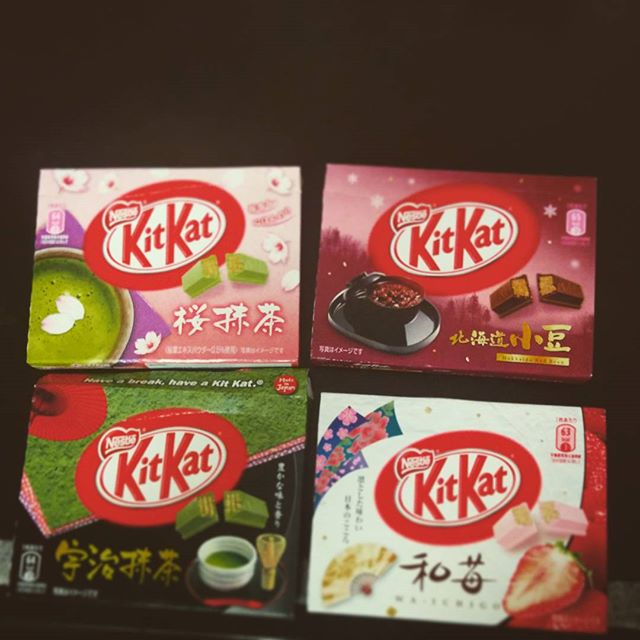
Japan has released over 300 Kit Kat flavors throughout the years, though only a fraction are available at any given time. Matcha, sake, sweet potato, wasabi, soy sauce, cherry blossom—the list keeps going.
Nestle Japan treats Kit Kats like limited edition art pieces, releasing new flavors tied to specific regions or seasons. You can’t order most of these online.
Many exist only in particular prefectures during specific times of year. The strawberry cheesecake flavor from Yokohama tastes nothing like the standard chocolate Kit Kat, and that’s entirely the point.
Fluffy Pancake Mixes with Mixed Results
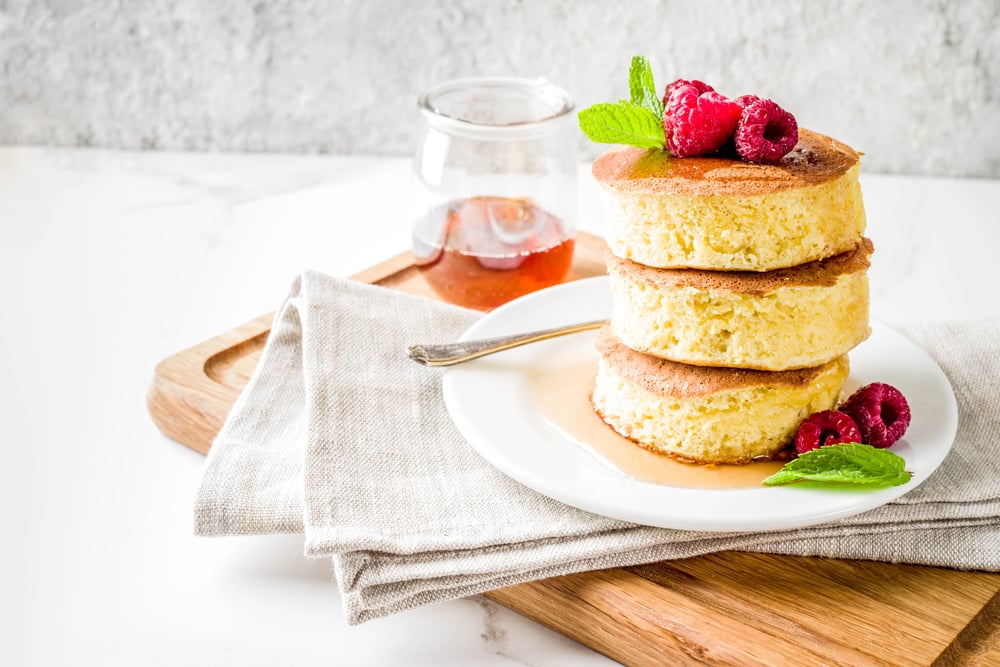
Japanese pancake mixes claim to create pancakes that rise several inches high and wobble when you touch them. The texture aims for something between a pancake and a soufflé.
Brands like Morinaga and Showa make specialized mixes, but they don’t consistently replicate the height you see in Japanese cafés—those restaurants use specific techniques and equipment that home cooks can’t easily match. The boxed mixes still produce fluffier results than standard pancake mixes from other countries, but if you want the truly dramatic café-style soufflé pancakes, you need to visit a restaurant in Japan.
Heated Toilet Seats That Became Standard
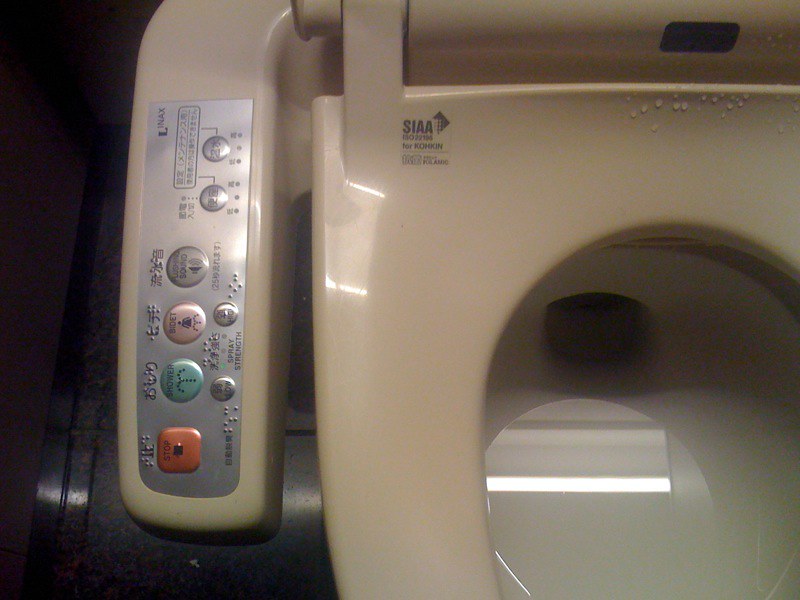
Japanese electronics companies like Toto and Panasonic make toilet seats with built-in heaters, bidets, air dryers, deodorizers, and control panels that look like spaceship dashboards. The seats warm up in winter, spray water at adjustable temperatures and pressures, and play music to mask bathroom sounds.
Once you experience a heated seat in January, regular toilets feel barbaric. Some models have night lights and automatic lids that open when you approach.
You can buy these internationally now—they’re not exclusive to Japan anymore—but they’re standard in Japanese homes and public restrooms in ways they aren’t elsewhere.
Canned Bread That Actually Tastes Good
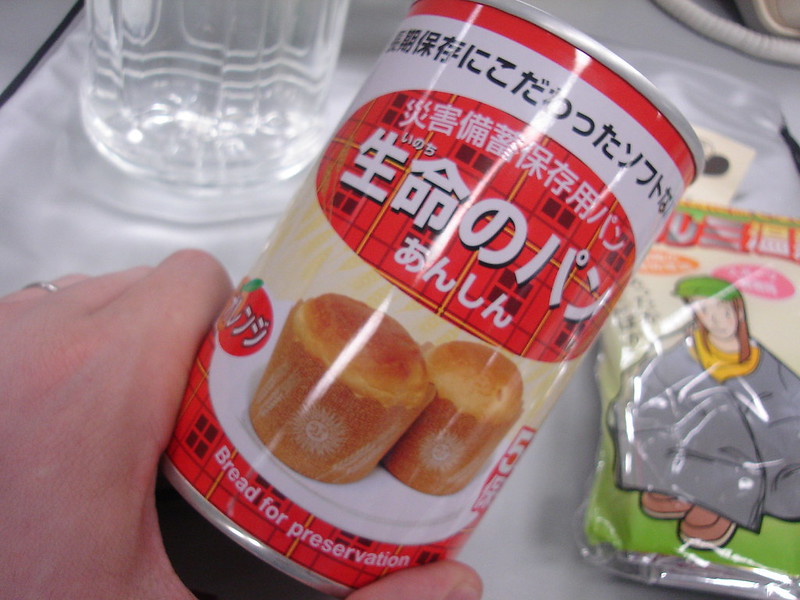
Japanese companies sell bread in cans that stays fresh for years. Not stale crackers or dense survival food—actual soft, sweet bread in flavors like chocolate, maple, and strawberry.
The cans were developed for emergency preparedness after earthquakes, but people buy them for camping, hiking, or just because they taste better than they have any right to. The bread comes out moist and ready to eat.
Pulling a piece of fluffy bread from a can feels like a magic trick. You can order these online internationally now, though they remain a niche product outside Japan.
Face Masks in Every Store
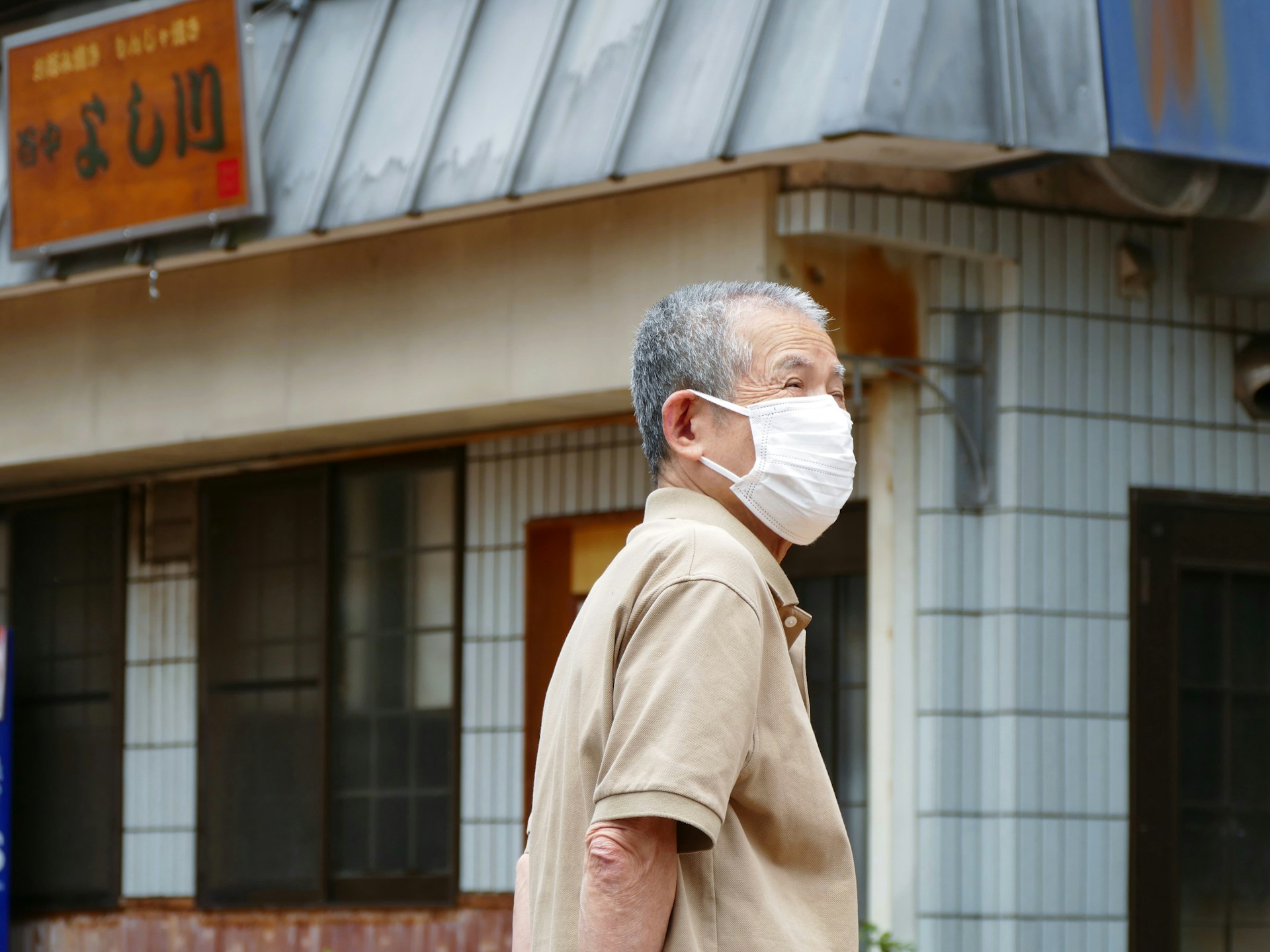
Japan has been selling disposable face masks in convenience stores for decades, alongside other East Asian countries that adopted this practice. Not the medical masks that became universal during the pandemic—these are specifically designed for daily use against pollen, dust, and pollution.
They come in different sizes, colors, and designs. Some have moisturizing inner layers.
Others claim to make breathing easier during hay fever season. While other East Asian countries also normalized mask-wearing, Japan’s retail availability and variety remain particularly extensive.
Single-Serving Soup Packets in Every Flavor
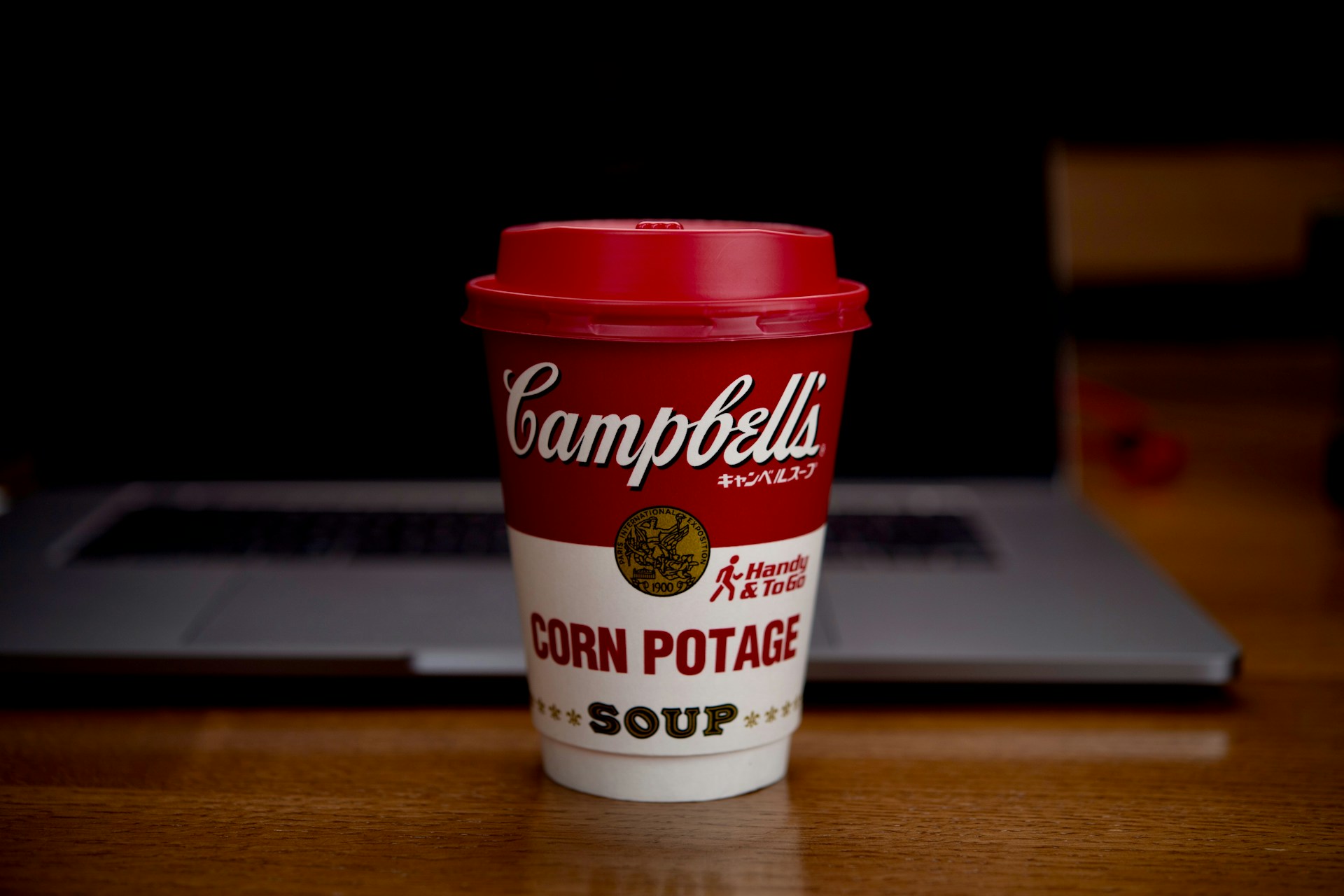
Japanese vending machines and convenience stores sell instant soup in packets that you can make with just hot water from an office kettle. While soup packets exist elsewhere, Japan’s selection goes far beyond basic flavors.
Corn potage, clam chowder, Chinese-style egg drop soup, miso with actual vegetables—the variety fills entire aisles. The packets fit in a desk drawer and cost about a dollar each.
Office workers keep stashes of their favorite flavors for afternoons when a proper lunch isn’t happening. The sheer range of options makes this a distinctly Japanese convenience.
Portable Fabric Freshener Everywhere
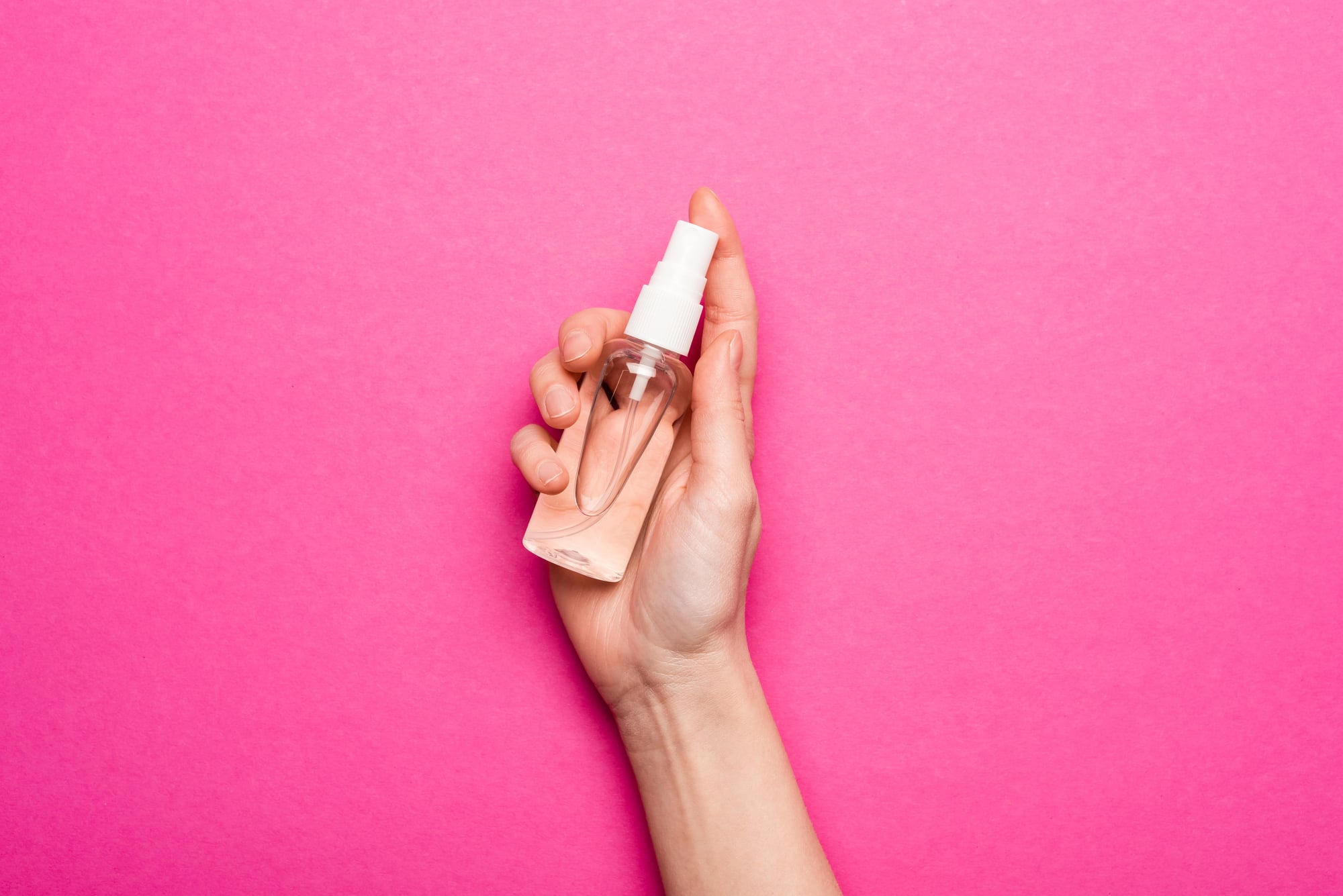
Febreze exists everywhere, but Japan’s portable fabric freshener sprays are remarkably compact and ubiquitous. You spray your clothes when they smell like restaurant food or when you need to wear something twice without washing it.
The sprays come in unscented versions or subtle scents like soap and cotton. While similar products exist in other countries, they are sold in train station kiosks in Japan because people buy them routinely on the way to work.
The tiny bottles fit in any bag and actually eliminate odors rather than just covering them up. The difference is less about exclusivity and more about how normalized these products have become in daily life.
Refrigerated Noodle Bars with Restaurant Quality
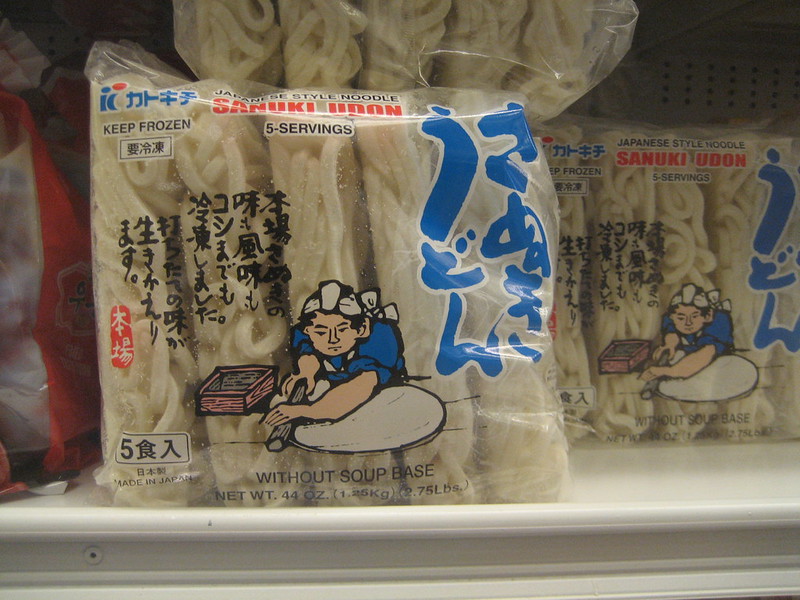
Convenience stores in Japan dedicate entire refrigerated sections to fresh noodles with separate sauce packets. Not instant ramen—actual cooked noodles that you eat cold or heat briefly.
Soba, udon, pasta, Chinese-style noodles—the variety changes daily. While refrigerated noodle meals exist elsewhere, Japan’s versions are more widespread and taste better than most restaurant takeout.
The noodles come with toppings and sauce packets that you mix together. You can eat them at a park bench or in your car.
They cost a few dollars and represent the kind of quality you’d expect from a sit-down restaurant.
Seasonal Everything, Taken Seriously
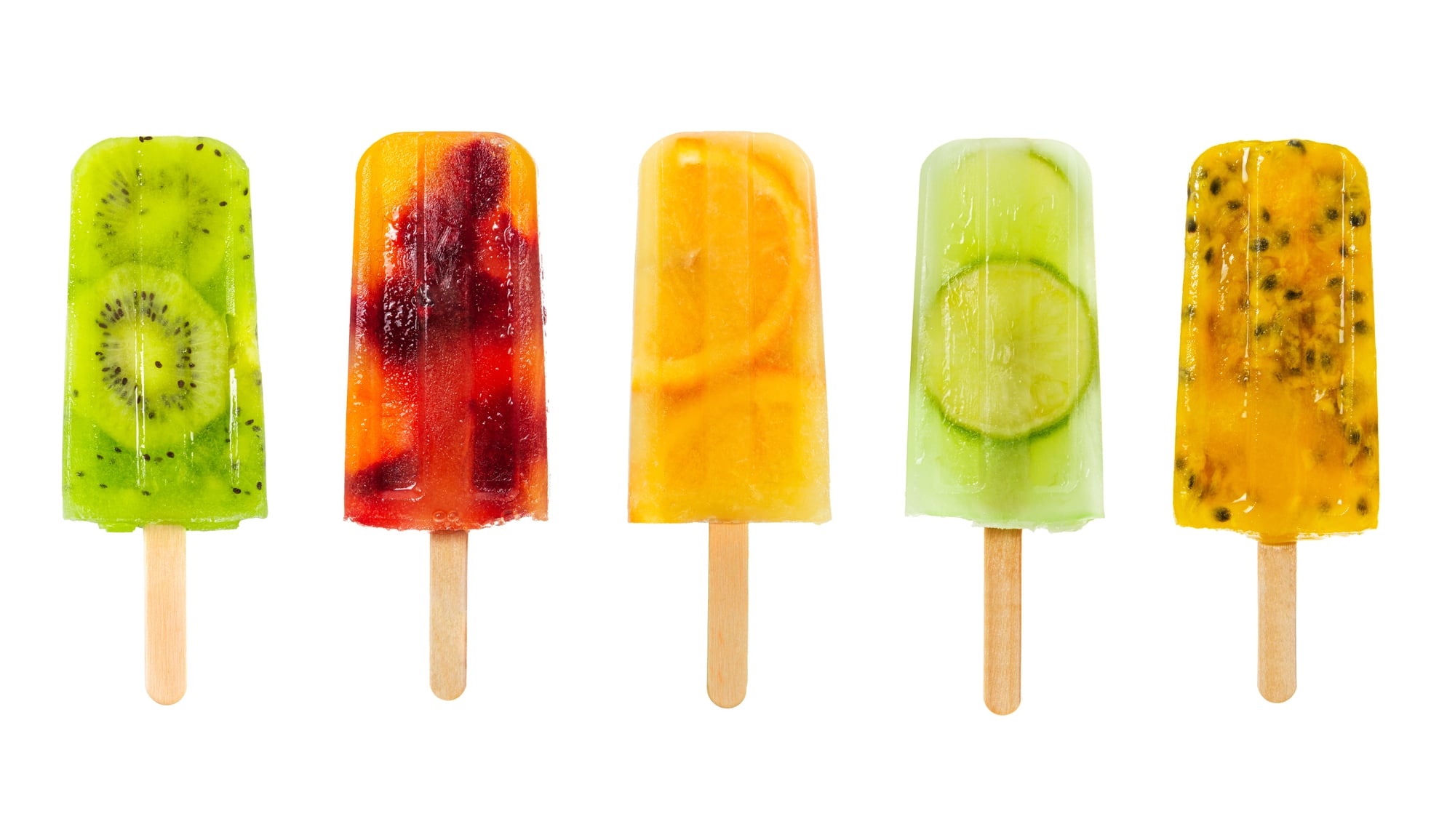
Japanese retailers rotate their entire product lines with the seasons more aggressively than most other countries. Sakura-flavored everything in spring.
Chestnut-flavored everything in fall. Summer brings salt-lemon versions of regular products.
Winter means strawberry flavors appear on items that had nothing to do with strawberries before. The seasonal rotation applies to food, drinks, stationery, toiletries, and decorations.
While other countries do seasonal products, Japan’s commitment to the practice feels more thorough. Miss the season and you wait a full year for that flavor to return.
Shampoo Caps Sold Retail

Japanese drugstores sell disposable caps filled with dry shampoo for overnight stays or emergencies. You put the cap on your head, massage for a minute, and remove it.
Your hair looks and feels clean without water. While hospitals worldwide use these for patient care, Japan sells them retail in regular drugstores for anyone to buy.
The caps work for camping, travel, or times when showering isn’t practical. They pack flat and weigh nothing.
The product seems obvious once you see it, but Japan normalized buying them for everyday convenience rather than just medical use.
Vending Machine Hot Drinks Everywhere
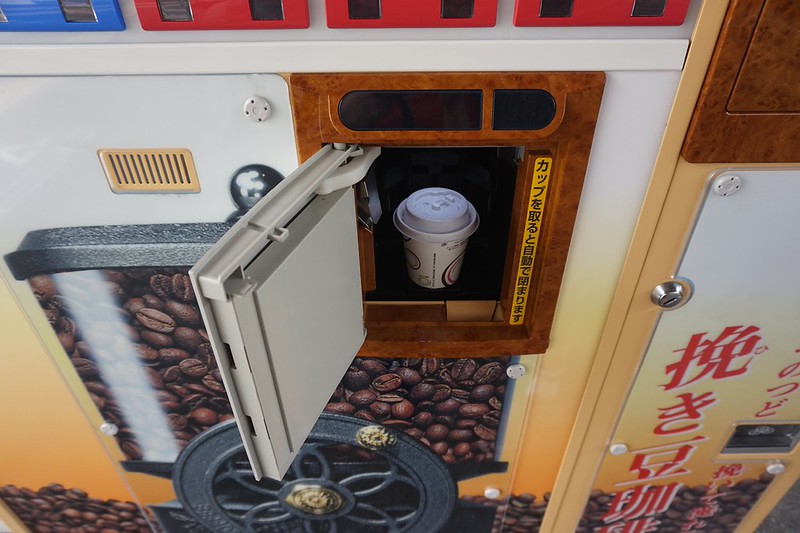
Japanese vending machines dispense hot drinks in metal cans. Coffee, tea, cocoa, and corn soup come out warm enough to hold for heat on cold days.
The machines have red buttons for hot drinks and blue buttons for cold ones. The same brand might appear in both temperatures.
While hot canned drinks exist in a few other places like Korea, they’re most common in Japan. Hot canned coffee became such a normal part of Japanese life that visitors assume it exists everywhere, then get disappointed when they return home and find vending machines that only sell cold drinks.
Miniature Collectible Erasers from Japan
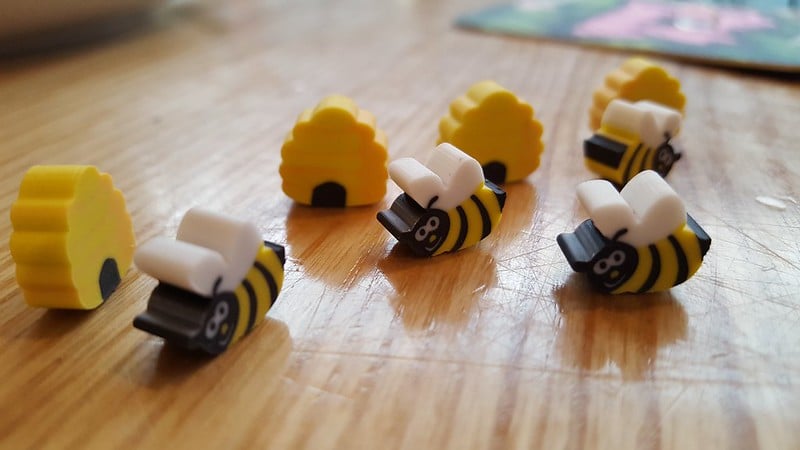
Japanese stationery stores sell highly detailed miniature erasers shaped like food, animals, household items, and tools. These aren’t toys—they’re functional erasers that happen to look exactly like tiny burgers, sushi, cats, or furniture.
Iwako brand erasers come in capsule machines and stationery sections. Adults collect them as seriously as children do.
The detail level makes them impractical for actual erasing, but that’s not really why people buy them. While these originated in Japan and you can now buy them internationally through various retailers, Japan still has the widest selection and most dedicated collectors.
Individually Wrapped Everything
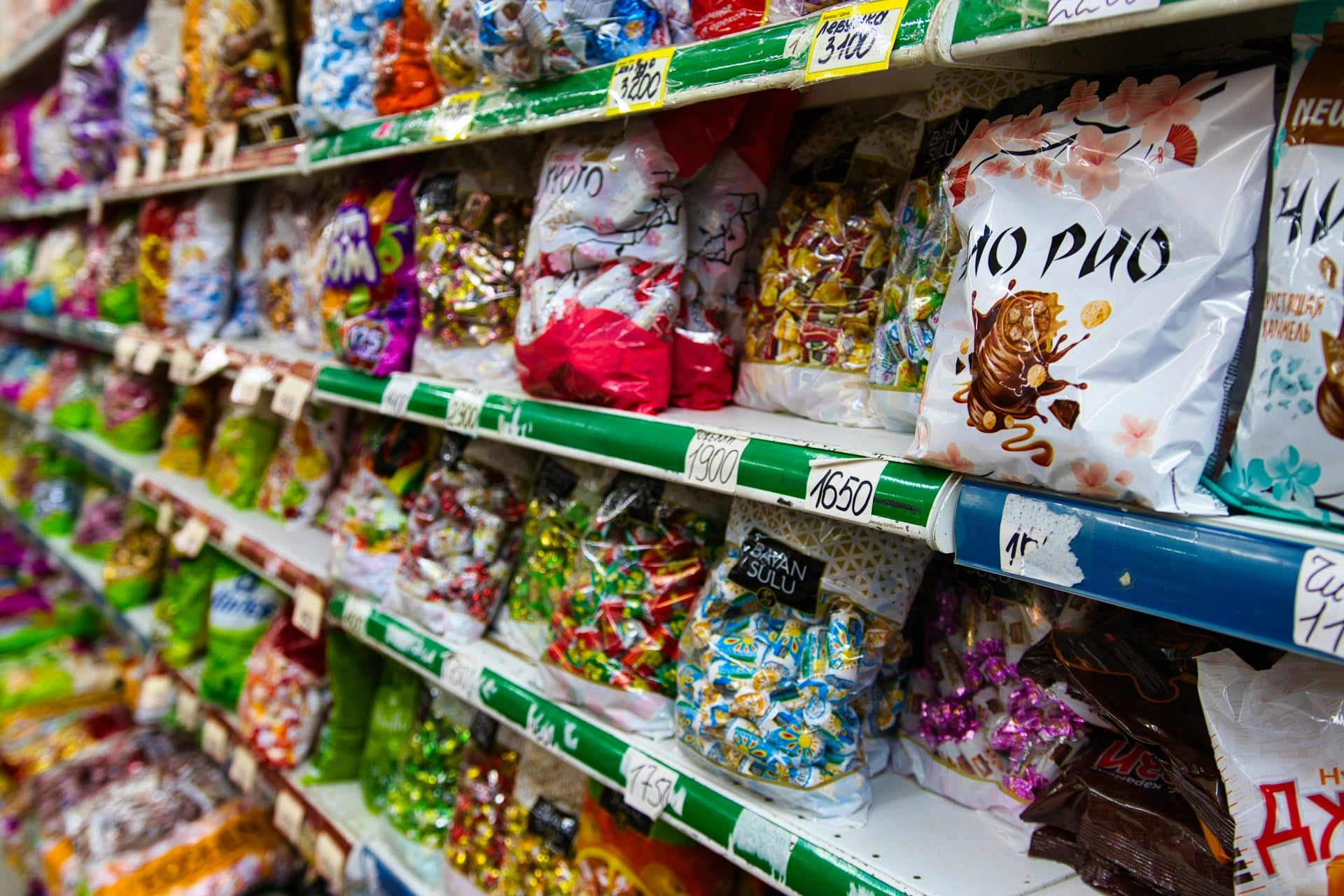
Japanese snacks come individually wrapped inside packages that are themselves wrapped, a practice common across East Asia. Open a box of cookies and each cookie has its own sealed packet.
Crackers, candies, tea bags, even slices of cake—everything gets wrapped separately to stay fresh longer. The amount of packaging seems excessive until you realize your crackers still taste fresh three weeks after opening the box.
The individual wrapping also makes sharing easier and prevents the entire package from going stale at once. Japan takes this practice seriously, but it’s not uniquely Japanese.
What Defines Japan’s Retail Culture
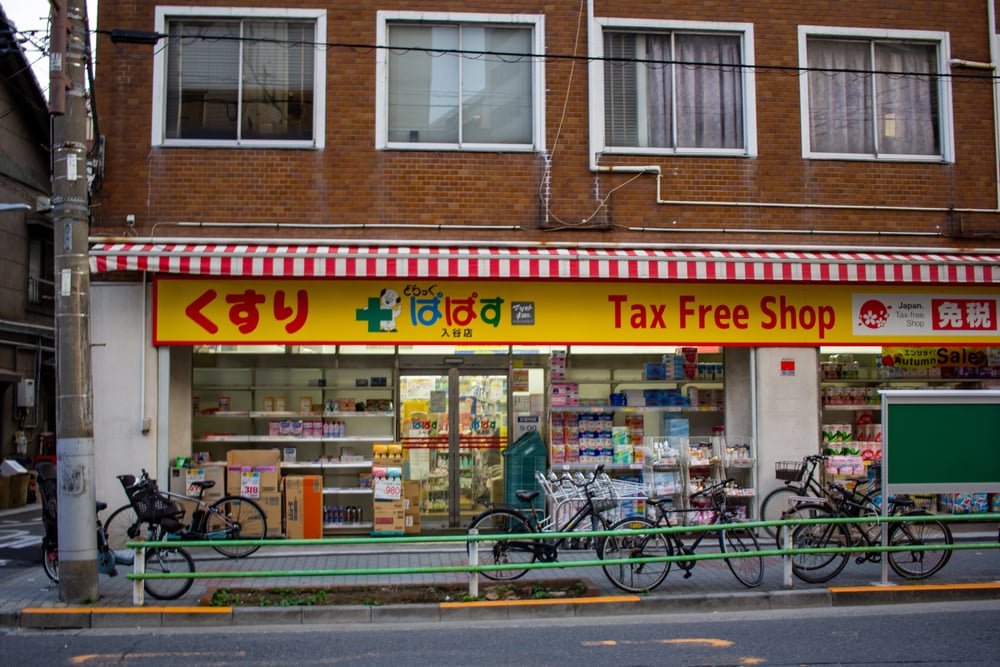
Some products work because of cultural context that doesn’t translate. Heated toilet seats make sense in a country where homes often have minimal heating.
Seasonal flavors work when everyone expects and anticipates them together. Individually wrapped snacks fit cultures across East Asia that value freshness and precision.
The question isn’t always whether something exists only in Japan—often it’s about how thoroughly Japan has integrated certain conveniences into daily life. You can sometimes find these items through specialty importers or online shops that ship from Japan, but the prices inflate and the selection shrinks.
More importantly, the cultural context disappears. Hot canned coffee from a vending machine hits differently when it’s everywhere versus when it’s a novelty.
That’s the thing about Japan’s retail culture—it’s not just about unique products, but about how normalized and refined certain conveniences have become.
More from Go2Tutors!

- The Romanov Crown Jewels and Their Tragic Fate
- 13 Historical Mysteries That Science Still Can’t Solve
- Famous Hoaxes That Fooled the World for Years
- 15 Child Stars with Tragic Adult Lives
- 16 Famous Jewelry Pieces in History
Like Go2Tutors’s content? Follow us on MSN.



