15 Baseball Players Who Changed the Game
Some guys just play the game. Others flip it upside down. These 15 players didn’t just excel—they rewrote the rules of what was possible on a diamond. They changed how pitchers throw, how hitters swing, how fielders position themselves, and how fans think about the sport itself.
Most of these names you’ll recognize from highlight reels and history books. A few might surprise you with how deeply they influenced the modern game. All of them left fingerprints on the sport that you can still see in every game played today. Their innovations weren’t always obvious at first, but they spread through the league like wildfire once other players saw what worked.
Babe Ruth
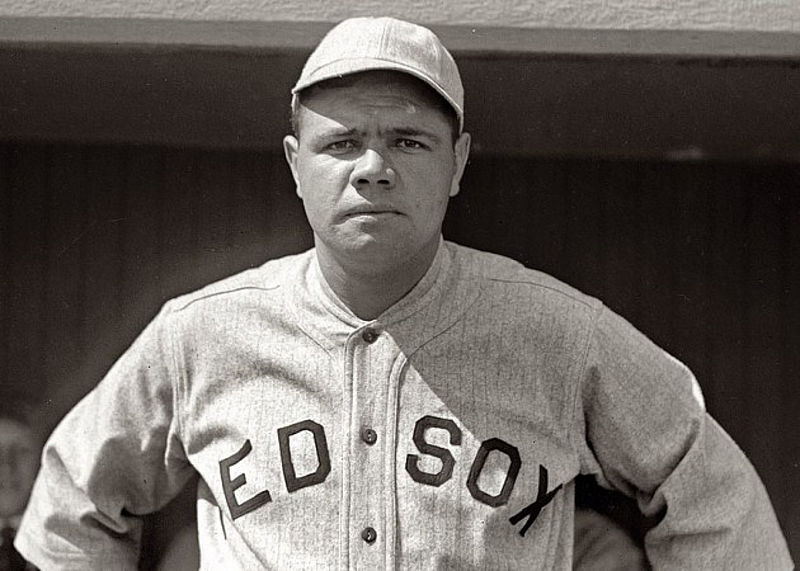
Ruth took a game built on singles and bunts and said “forget that.” Home runs were supposed to be rare events that fans talked about for weeks.
Ruth made them routine entertainment. Before him, teams scratched out runs one base at a time through strategy and small moves.
Ruth proved that one swing could change everything. Suddenly everyone wanted to swing for the fences instead of slapping grounders through the infield.
His approach didn’t just change hitting—it changed how pitchers had to think about every at-bat.
Jackie Robinson
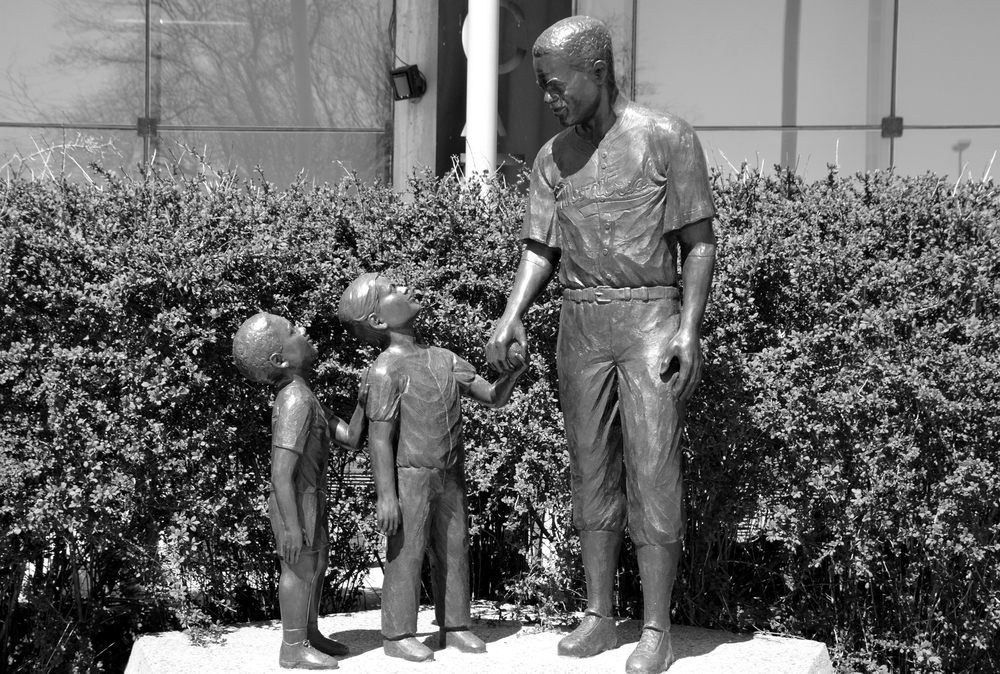
Breaking the color line wasn’t just about talent—though Robinson had plenty of that. It was about withstanding constant hatred while performing at an elite level night after night.
Robinson opened doors that had been welded shut for decades, but he also changed how the game was played on the field. His aggressive baserunning and fearless style influenced players of all backgrounds.
The pressure he faced would have crushed most people, yet he thrived under it and showed what true mental toughness looked like.
Like Go2Tutors’s content? Follow us on MSN.
Cy Young
511 wins. That number won’t ever be touched because pitchers don’t work the same way anymore.
Young showed up every fourth day for over two decades, throwing complete games like it was nothing. His durability became the standard that every pitcher measured themselves against.
Young proved that consistency and longevity could be more valuable than pure velocity or flashy stuff. His name’s on the award for good reason—he embodied everything a pitcher should strive to be.
Lou Gehrig
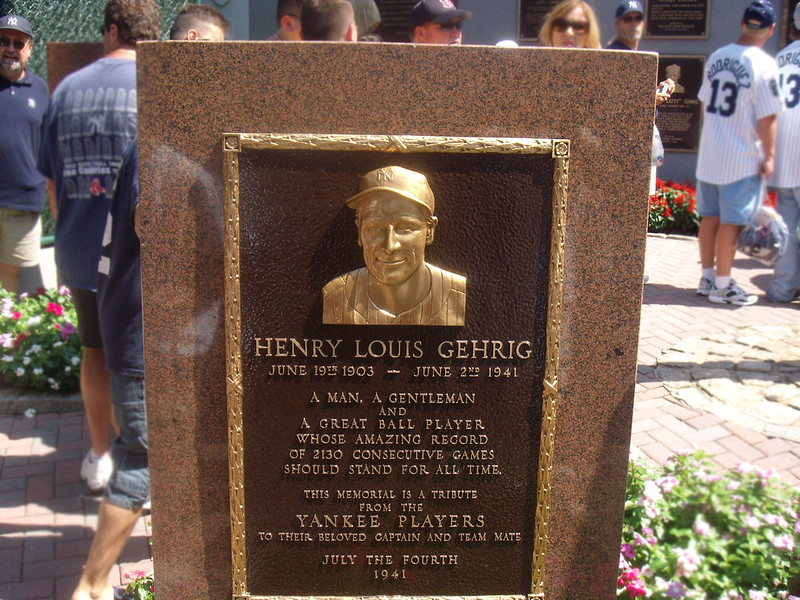
2,130 straight games. Broken bones, family problems, feeling terrible—didn’t matter.
Gehrig showed up and played hard every single day. The Iron Horse mentality influenced players long after he retired, showing that reliability was just as important as raw talent.
He played through pain that would sideline most players today, yet never complained or made excuses. Gehrig’s work ethic became the template for what it meant to be a professional athlete.
Ted Williams

Williams dissected hitting like a surgeon studies anatomy. He knew every pitcher’s tendencies, every umpire’s strike zone, every situation that might give him an advantage.
His book on hitting is still gospel for anyone serious about the craft. Williams turned plate discipline into an art form, showing that waiting for your pitch was smarter than swinging at everything.
His scientific approach to hitting influenced generations of players who realized that studying the game was just as important as natural ability.
Like Go2Tutors’s content? Follow us on MSN.
Willie Mays

The Say Hey Kid did everything at an elite level—hit for power, steal bases, make impossible catches look routine. His basket catches and over-the-shoulder grabs changed how outfielders positioned themselves and approached difficult plays.
Mays showed that athleticism and instincts could overcome traditional techniques. He played with a joy that was infectious, reminding everyone that the game was supposed to be fun.
Modern five-tool players are still measured against his standard of excellence.
Hank Aaron
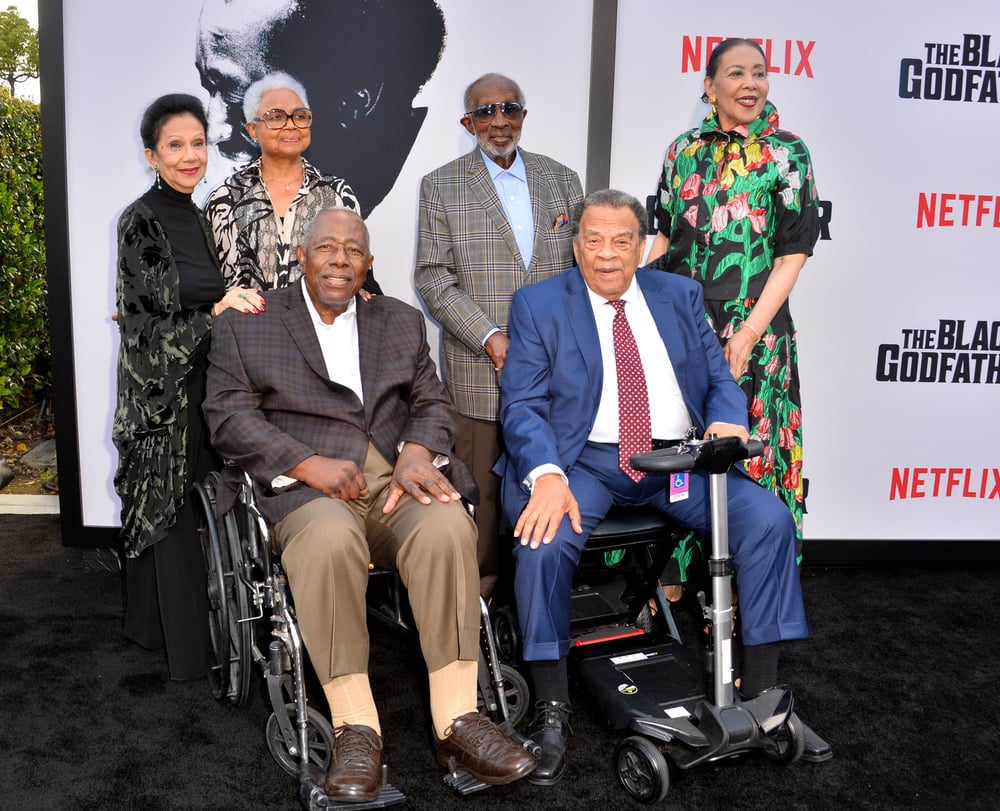
Aaron’s quiet consistency trumped flashy peaks every time. His patient pursuit of Ruth’s home run record showed how persistence could overcome any obstacle, including death threats and constant scrutiny.
He never let the pressure change his approach or his character. Aaron proved that steady excellence over decades was more valuable than brief moments of brilliance.
His professionalism in the face of adversity set a standard that players still try to match today.
Sandy Koufax
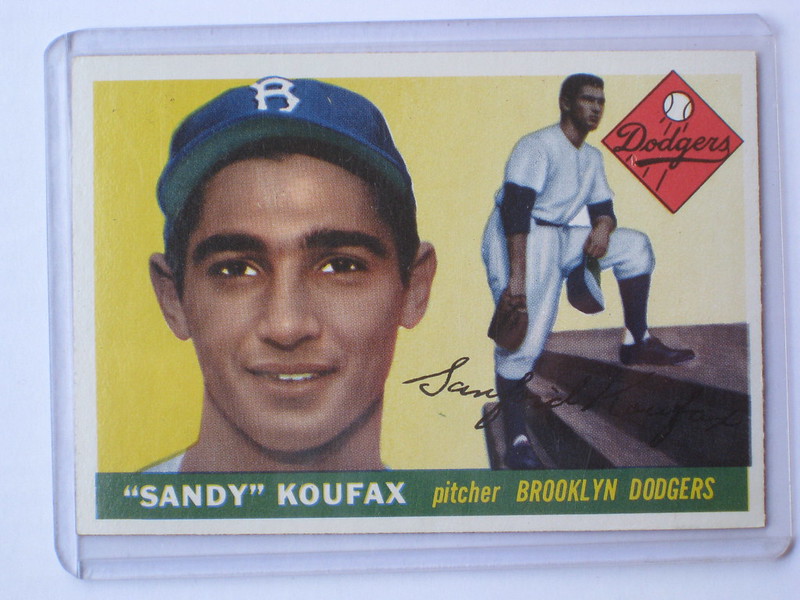
Koufax’s fastball-curveball combination was absolutely devastating when he was healthy. His career was short but brilliant, proving that peak performance sometimes matters more than longevity.
Power pitchers still study his mechanics and approach to see how he generated such incredible velocity and movement. Koufax showed that when you’re dominant, you don’t need to pitch forever to leave a lasting impact.
His brief but incredible prime influenced how teams think about managing elite pitchers.
Like Go2Tutors’s content? Follow us on MSN.
Roberto Clemente
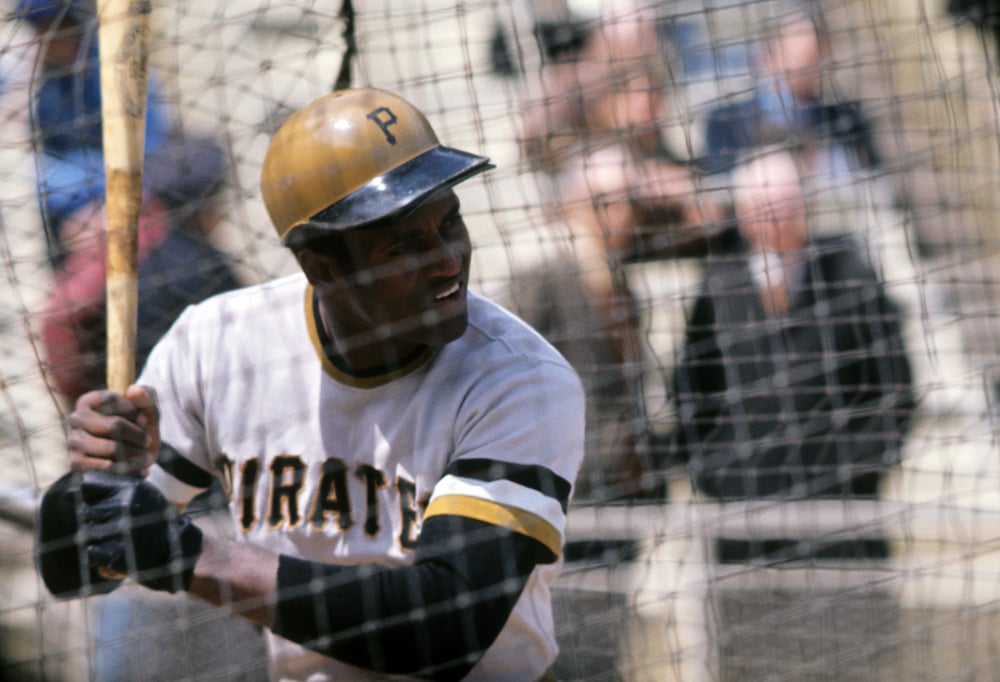
Clemente brought athletic artistry to the outfield that fans had never seen before. His arm strength was legendary—runners stopped trying to take extra bases once they saw what he could do.
He paved the way for Latin American players to achieve superstar status in Major League Baseball. Clemente played with a passion and intensity that elevated everyone around him.
His tragic death while delivering aid to earthquake victims showed that his impact went far beyond the field.
Mickey Mantle
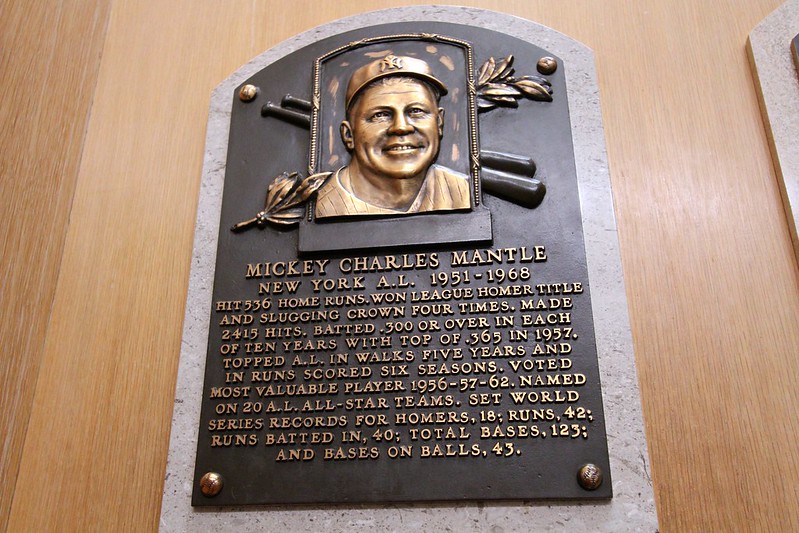
Switch-hitting power combined with blazing speed—Mantle created a new archetype that every team wanted to find. He played through constant pain yet still performed at an elite level when healthy.
Natural ability and toughness made him nearly unstoppable in his prime. Mantle showed that adaptability could be a huge advantage, forcing pitchers to face a different hitter from each side of the plate.
His combination of skills was so rare that teams are still searching for the next Mickey Mantle.
Stan Musial
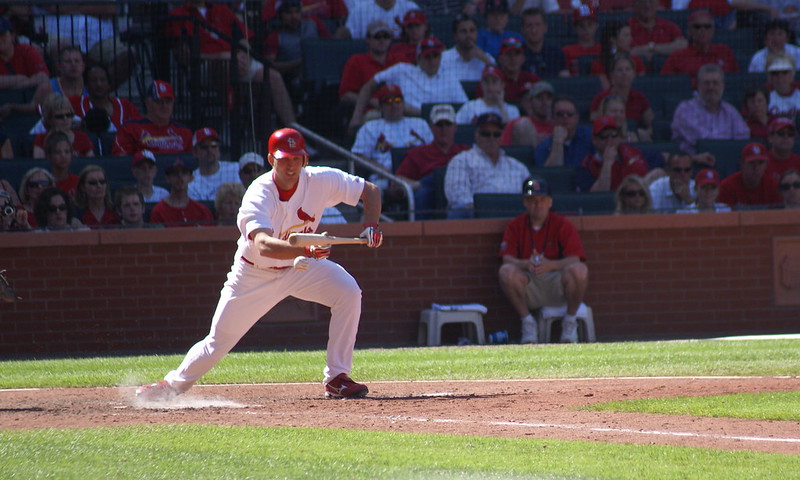
Stan the Man’s balanced stance and smooth swing became a model for hitters seeking longevity. He adapted his approach as he aged, showing that smart adjustments could extend careers far beyond normal expectations.
Musial proved that consistency and intelligence could be more valuable than pure power or speed. His ability to hit for average and power while rarely striking out influenced how hitting coaches teach the fundamentals.
Players still study his approach to see how he maintained such a high level for so long.
Like Go2Tutors’s content? Follow us on MSN.
Joe DiMaggio

DiMaggio’s 56-game hitting streak remains untouchable decades later. His clutch performances in big moments set the standard for what complete players should accomplish.
Grace under pressure defined his entire career—something modern players still try to emulate. DiMaggio showed that some records are more about mental toughness than physical ability.
His streak captured the country’s imagination and proved that individual excellence could transcend the sport itself.
Nolan Ryan
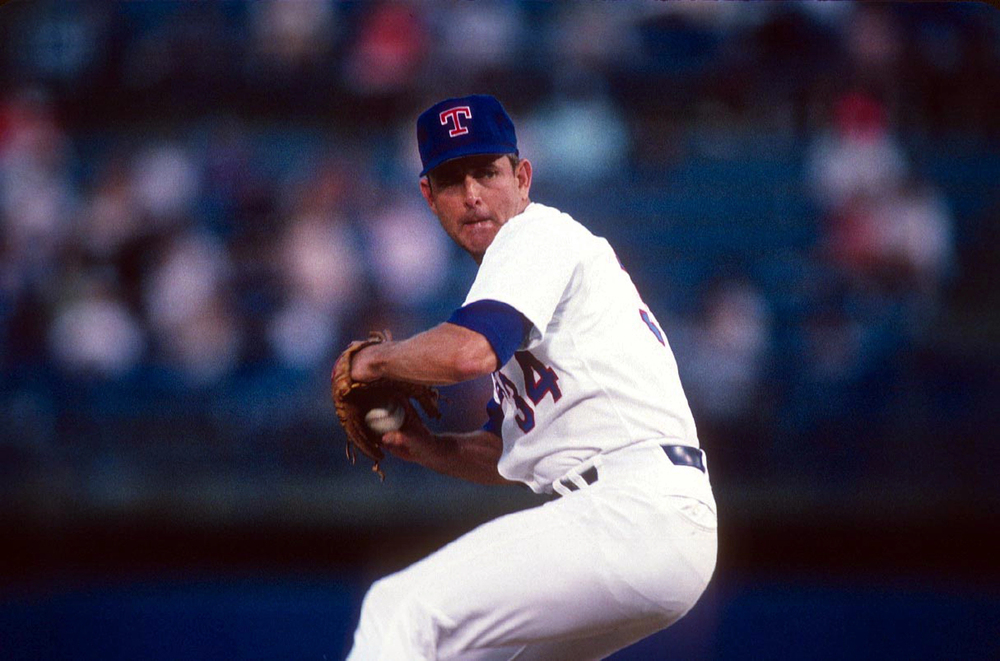
Ryan threw 100+ mph fastballs into his 40s when most pitchers were long retired. Proper conditioning and mechanics allowed him to extend his career dramatically beyond normal expectations.
Raw power and intimidation proved just as effective as finesse and strategy. Ryan’s longevity changed how teams think about developing and maintaining pitchers throughout their careers.
His workout routines and preparation methods influenced an entire generation of players who realized that taking care of their bodies could extend their careers.
Rickey Henderson
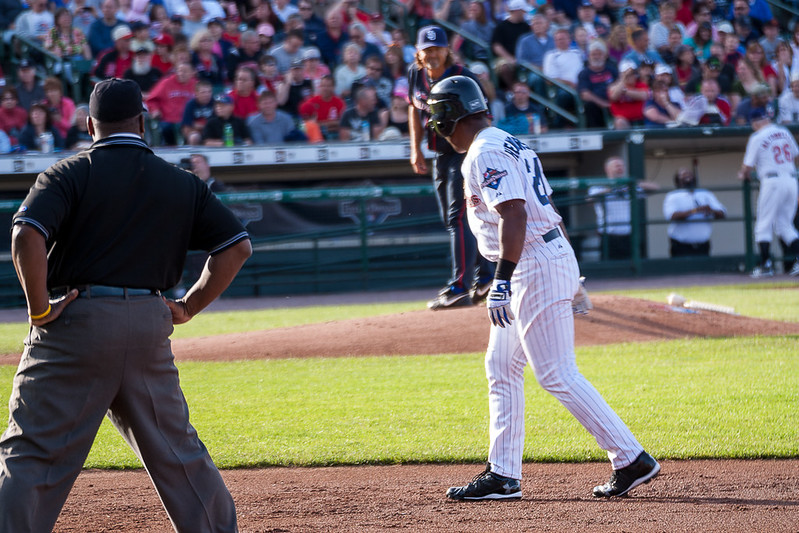
Henderson turned base stealing into psychological warfare that drove opposing teams crazy. His aggressive approach forced defensive changes throughout the league as teams scrambled to contain him.
Speed combined with intelligence created a unique competitive advantage that few have matched. Henderson’s swagger and confidence became part of his weapon—he got into opponents’ heads before the game even started.
His impact on the running game influenced how teams approach base stealing and defensive positioning.
Like Go2Tutors’s content? Follow us on MSN.
Derek Jeter
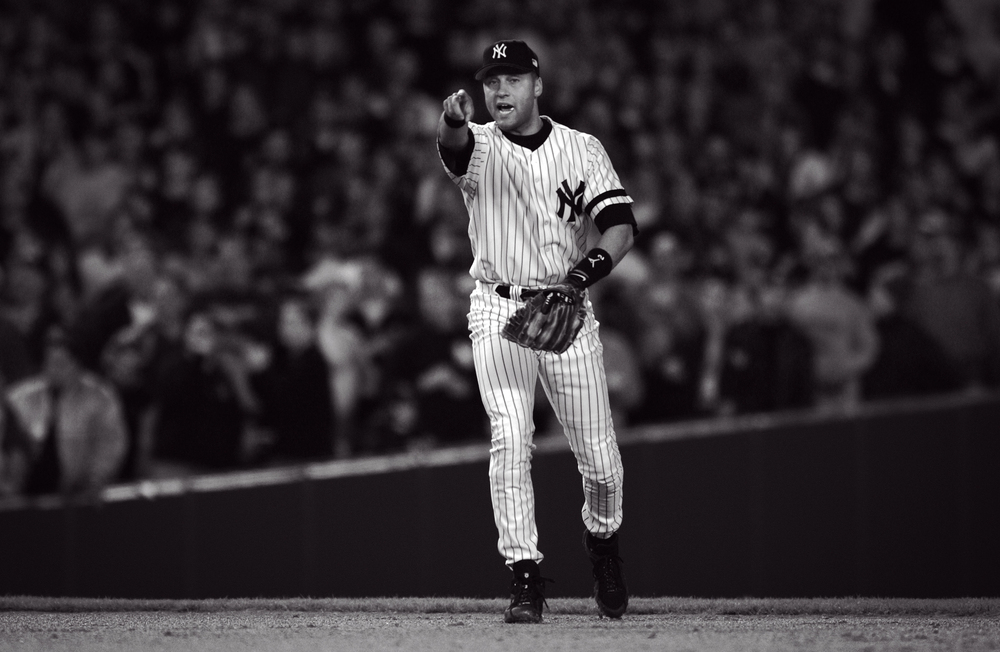
Jeter performed best when the stakes were highest and the pressure was unbearable. His preparation and calm demeanor under pressure became a blueprint for success in clutch situations.
Modern players still study his approach to leadership and big-game performance. Jeter showed that intangibles like leadership and clutch hitting were just as valuable as raw statistics.
His ability to elevate his play in the postseason influenced how teams evaluate players and build championship rosters.
Still Shaping Today’s Game

These 15 players built the foundation that today’s game rests on. Their innovations didn’t just change their era—they created lasting shifts in how the sport is played, taught, and understood.
Walk into any batting cage, pitching lesson, or coaching clinic and you’ll hear their names and see their techniques being passed down to the next generation. The game keeps evolving, but it’s still built on what these pioneers figured out decades ago.
More from Go2Tutors!

- 16 Historical Figures Who Were Nothing Like You Think
- 12 Things Sold in the 80s That Are Now Illegal
- 15 VHS Tapes That Could Be Worth Thousands
- 17 Historical “What Ifs” That Would Have Changed Everything
- 18 TV Shows That Vanished Without a Finale
Like Go2Tutors’s content? Follow us on MSN.



