Things You Didn’t Know About Tanks
Have those enormous armored vehicles rolling across the battlefield ever captivated you during a war film? Although tanks are undoubtedly formidable military vehicles, there is much more to these mechanical monsters than first meets the eye.The majority of us only have rudimentary knowledge of tanks, despite the fact that they have existed for more than a century.
These amazing automobiles have influenced history, saved countless lives, and are still developing in unexpected ways. Tanks have a history that extends well beyond their reputation on the battlefield, from their peculiar beginnings to the peculiar customs that surround them.
You’re about to discover some truly fascinating aspects of tank history and culture that even military enthusiasts might not know. Here’s a list of 11 surprising facts about tanks that will change how you think about these armored giants.
They Were Originally Called Water Carriers
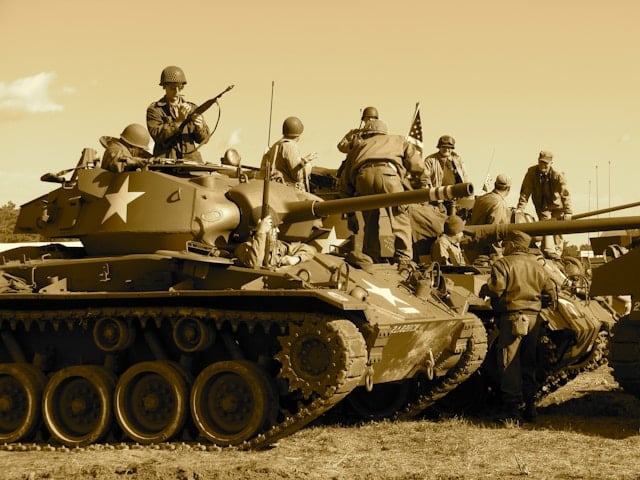
The word ‘tank’ wasn’t chosen for military reasons – it was actually a clever cover story. During World War I, the British ‘Landships Committee’ needed to keep their new vehicles secret, so they called them ‘water carriers’ and later ‘tanks.’
This deception worked so well that the name stuck.It’s also why tanks have so many nautical component names like bow, hatch, hull, and sponson – the naval influence carried over from those early secretive days.
British Tanks Have Built-in Tea Making Facilities
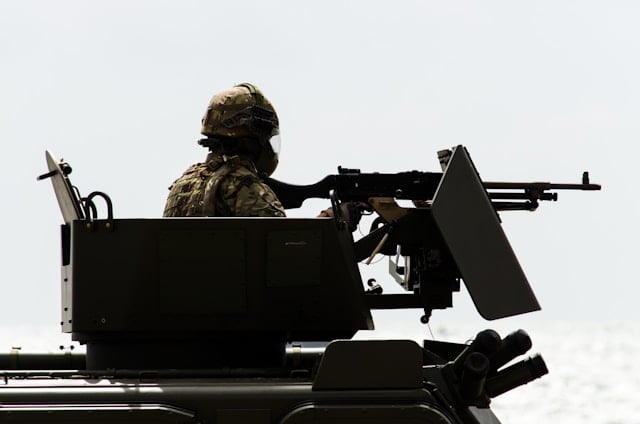
This isn’t just a stereotype – it’s a strategic reality. Since 1945, all British tanks have been equipped with ‘boiling vessels’ for making tea and heating food.
During WWII, British tank crews were getting ambushed when they climbed out to make tea using improvised heaters called ‘Benghazi burners.’ A devastating 1944 attack at Villers-Bocage, where crews lost 14 tanks in 15 minutes while making tea, led to this life-saving innovation.
Like Go2Tutors’s content? Follow us on MSN.
Leonardo da Vinci Designed an Early Tank

Long before World War I, Leonardo da Vinci sketched plans for an armored fighting vehicle in the late 1400s. His design featured a circular vehicle with cannons pointing in all directions, powered by human cranks.
While it would have been nearly impossible to operate effectively, Leonardo’s vision showed remarkable foresight about the potential for armored warfare centuries before it became reality.
The First Tank Had a 12-Person Crew
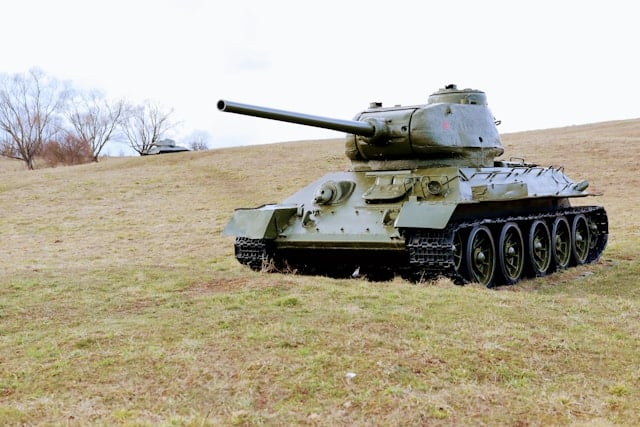
France’s Char 2C holds the record as the largest operational tank ever made, requiring a massive 12-person crew to operate. This behemoth was so large it had multiple levels inside, like a small building on tracks.
Compare that to modern tanks, which typically operate with just 3-4 crew members thanks to advanced technology and more efficient design.
Tanks Can Be Air-Dropped
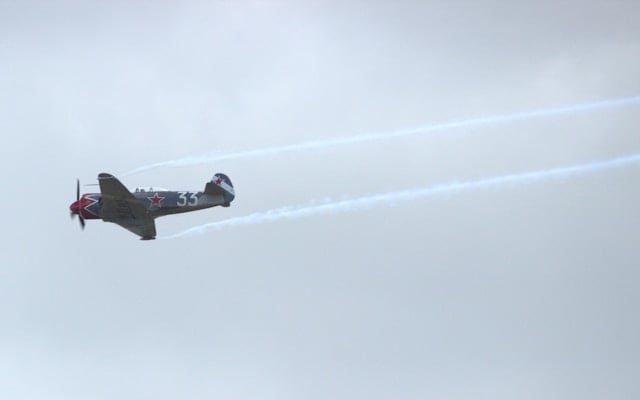
Modern engineering has made the seemingly impossible possible – tanks can actually be dropped from aircraft. Of course, this can only be done once, and it requires very specific conditions and equipment.
The process involves sophisticated parachute systems and specialized platforms, making it an extremely expensive but occasionally necessary military capability.
Like Go2Tutors’s content? Follow us on MSN.
German Tiger Tanks Came With Comic-Style Manuals
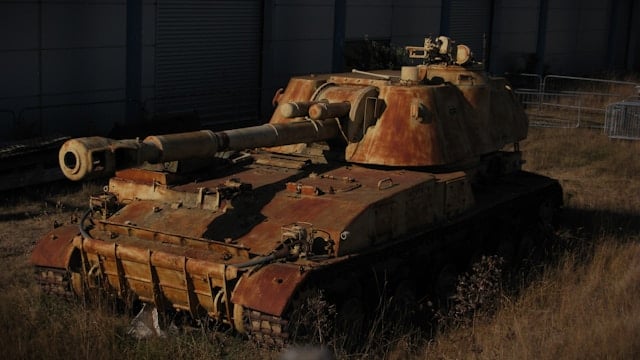
Much like today’s electronics or furniture assembly guides, every German Tiger and Panther tank came with an owner’s manual filled with cartoon-style illustrations. These detailed guides helped crews understand complex maintenance procedures and operational techniques.
The Germans understood that clear, visual instructions were crucial for keeping these sophisticated machines running in combat conditions.
Apricots Are Forbidden on American Tanks
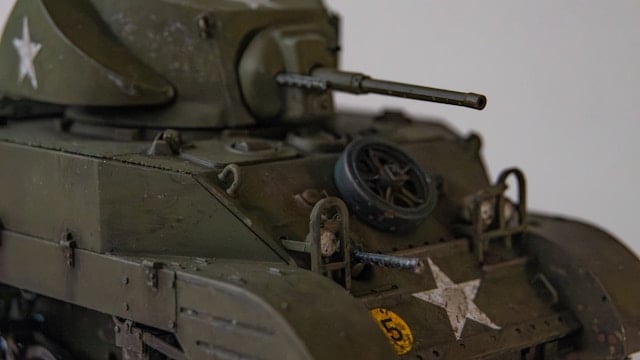
American tank crews have a deeply-held superstition about apricots – they’re completely banned from tanks. This tradition started during WWII when crews noticed that tanks carrying apricots seemed to have more mechanical problems or bad luck.
Even saying the word ‘apricot’ is considered taboo by many tank crews, showing how seriously military superstitions can be taken.
The Longest Tank-vs-Tank Kill Was Over 3 Miles

In 1991, a British Challenger 1 achieved the longest recorded tank-on-tank kill at 5,300 meters (approximately 3.3 miles). The precision required for such a shot is extraordinary, involving advanced targeting systems, perfect weather conditions, and exceptional crew skill.
This record demonstrates just how far tank technology has advanced in terms of accuracy and firepower.
Like Go2Tutors’s content? Follow us on MSN.
Modern Tanks Are Multinational Machines

Today’s tanks are truly global collaborations. The American M1 Abrams features an American engine, German main gun, British armor, Belgian machine guns, Canadian fire control system, and crews carry Italian sidearms.
This international cooperation shows how modern military technology transcends national boundaries, combining the best innovations from multiple countries.
Early Tanks Had Male and Female Variants

During WWI, British tanks were designated as either ‘male’ or ‘female’ based on their armament. Male tanks carried cannons for attacking other tanks and fortifications, while female tanks had only machine guns for infantry support.
This naming convention reflected the different roles these early tanks played on the battlefield.
The World’s Smallest Tank Crew Was Just One Person

The Renault UE Chenillette holds the record as the smallest operational tank, designed to be operated by a single person. This tiny vehicle was more of a supply carrier than a combat tank, but it shows how tank design has adapted to different military needs.
Sometimes smaller and more agile is better than massive and heavily armed.
Like Go2Tutors’s content? Follow us on MSN.
The Secret Weapon Against Stress
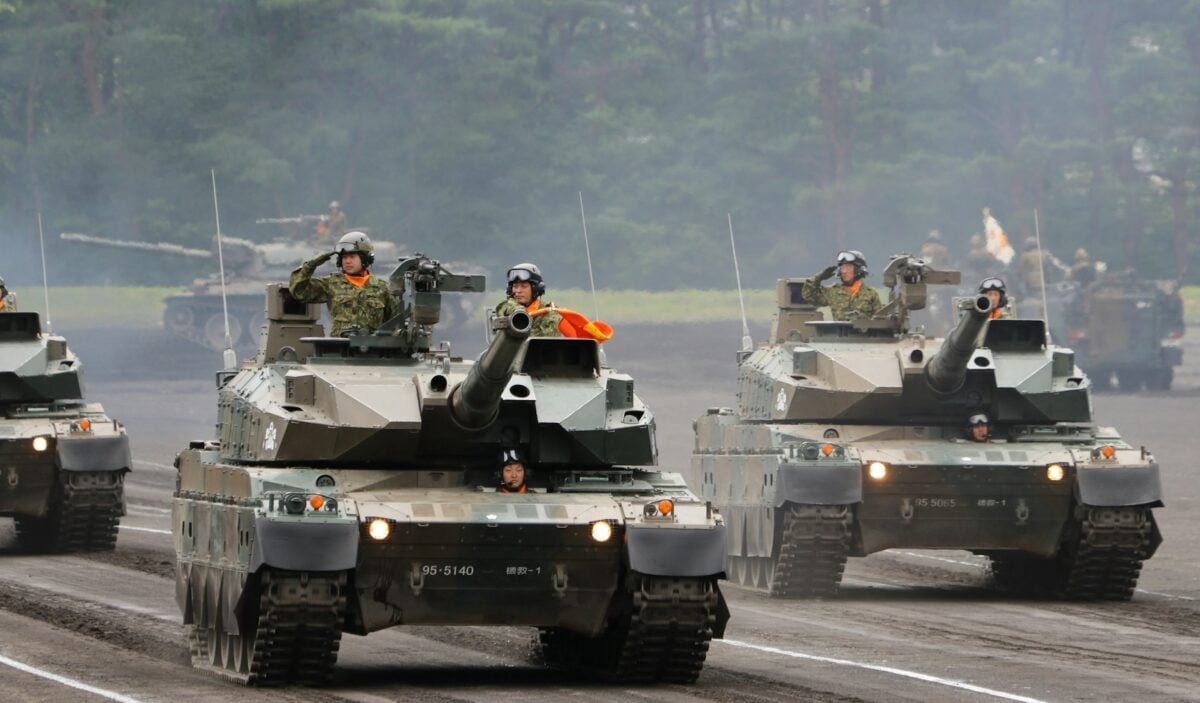
The amount of work required to keep crews comfortable and mentally well is arguably the most significant thing you were unaware of about tanks. From those British tea-making facilities to contemporary entertainment systems, military engineers know that human welfare is as important as gun caliber or armor thickness.
These amazing machines are symbols of human ingenuity, cultural traditions, and the unwavering desire to protect those who serve, and they stand for more than just military might. Tanks never cease to amaze us with their intricacy and the tales they hold, whether it’s a superstition about apricots or the advanced engineering that makes it possible to airdrop a 60-ton vehicle.
The next time you see a tank, keep in mind that these war machines are surprisingly human because behind all that armor are actual people with real needs, peculiarities, and traditions.
More from Go2Tutors!

- 16 Historical Figures Who Were Nothing Like You Think
- 12 Things Sold in the 80s That Are Now Illegal
- 15 VHS Tapes That Could Be Worth Thousands
- 17 Historical “What Ifs” That Would Have Changed Everything
- 18 TV Shows That Vanished Without a Finale
Like Go2Tutors’s content? Follow us on MSN.



