Facts About the Oceans That Are Changing Rapidly
The oceans — vast, ancient, and seemingly eternal — are shifting faster than scientists once believed possible.
Temperatures rise, currents slow, and ecosystems struggle to keep up with the speed of change.
Here’s a list of the most significant ways Earth’s oceans are transforming right now, exposing how quickly the planet’s balance is being rewritten.
Rising Sea Temperatures

The oceans have absorbed more than 90% of the excess heat trapped by greenhouse gases.
That energy lingers — altering currents, disrupting migration patterns, and triggering long-lasting marine heatwaves.
Coral reefs bleach, fish flee, and once-thriving regions fall silent.
Even the deep ocean, long considered stable, is warming inch by inch. It’s quiet, invisible, but relentless.
Coral Reef Decline
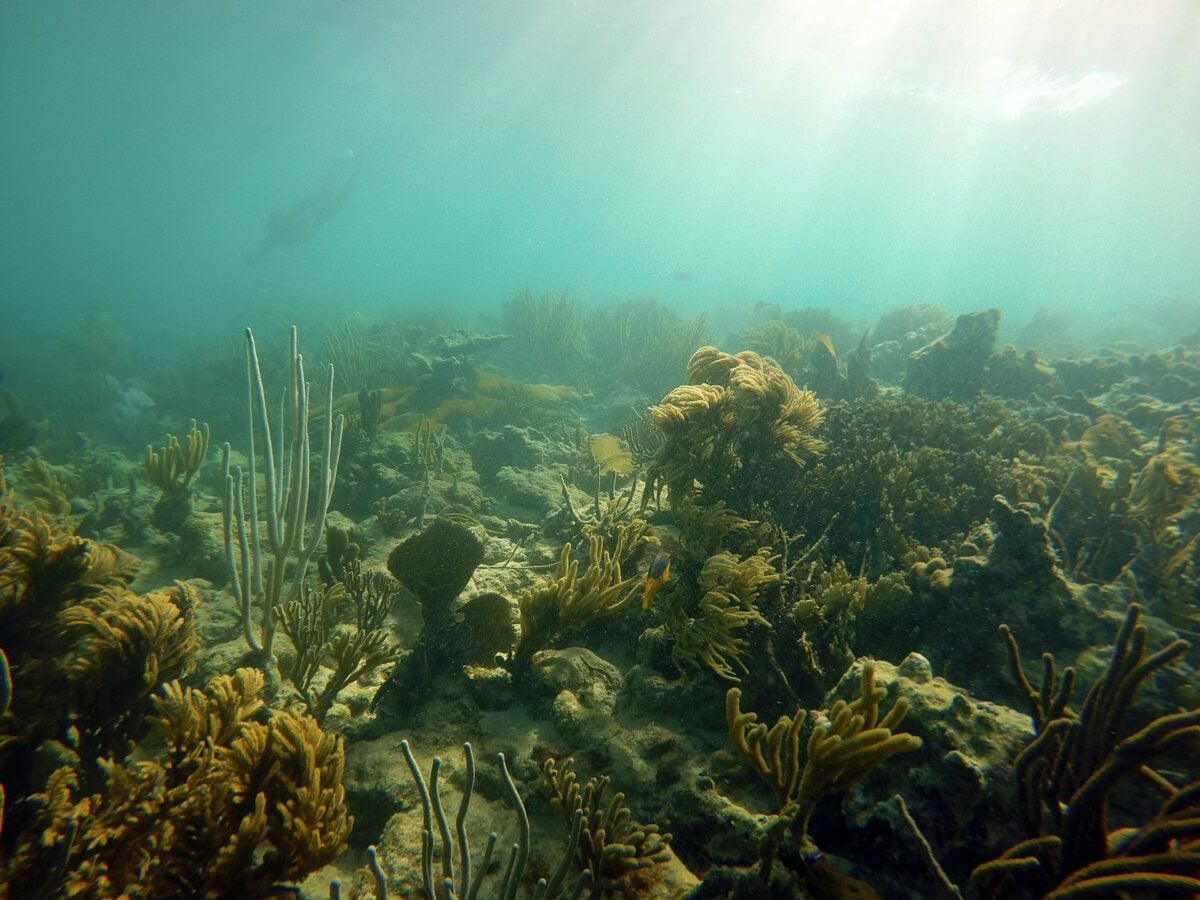
Coral reefs, home to a quarter of all marine species, are among the first to suffer from rising heat.
Just one or two degrees above normal can cause mass bleaching — leaving behind pale, lifeless skeletons where color once glowed.
Entire ecosystems vanish in a season.
Yet some corals adapt, clinging on against the odds.
Tiny victories, but still — they’re something.
Melting Polar Ice
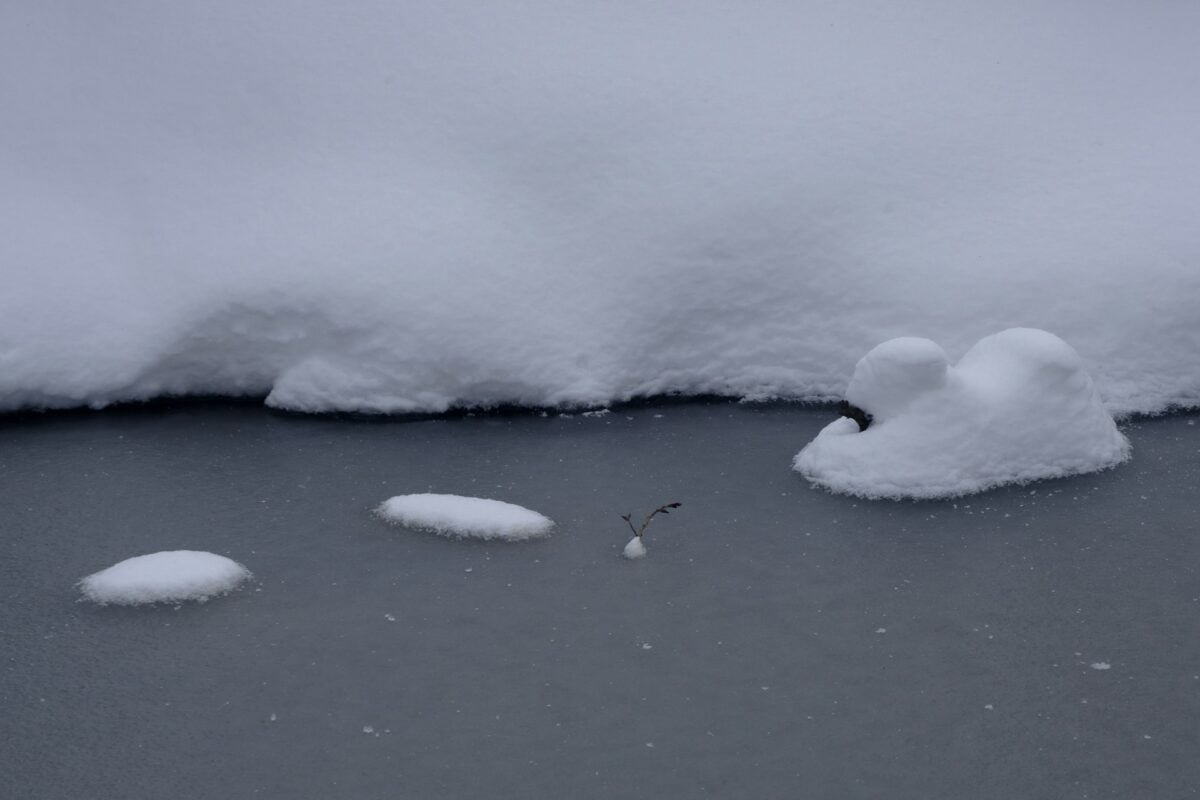
Both poles are melting faster than predicted.
As sea ice retreats, sunlight strikes darker ocean water, which absorbs heat instead of reflecting it — accelerating the melt even further.
A self-reinforcing loop.
It’s not just ice that’s lost.
Entire species depend on that frozen world — polar bears, walruses, krill.
The Arctic’s summer silence grows louder every year.
Acidification

The oceans absorb around a quarter of the carbon dioxide humans release each year.
Helpful, at first.
But that CO₂ reacts with seawater to form carbonic acid — lowering pH and eating away at shells, coral, and plankton.
It’s chemistry in motion, reshaping biology.
And while some organisms can adjust, many simply can’t evolve fast enough.
Shifting Currents
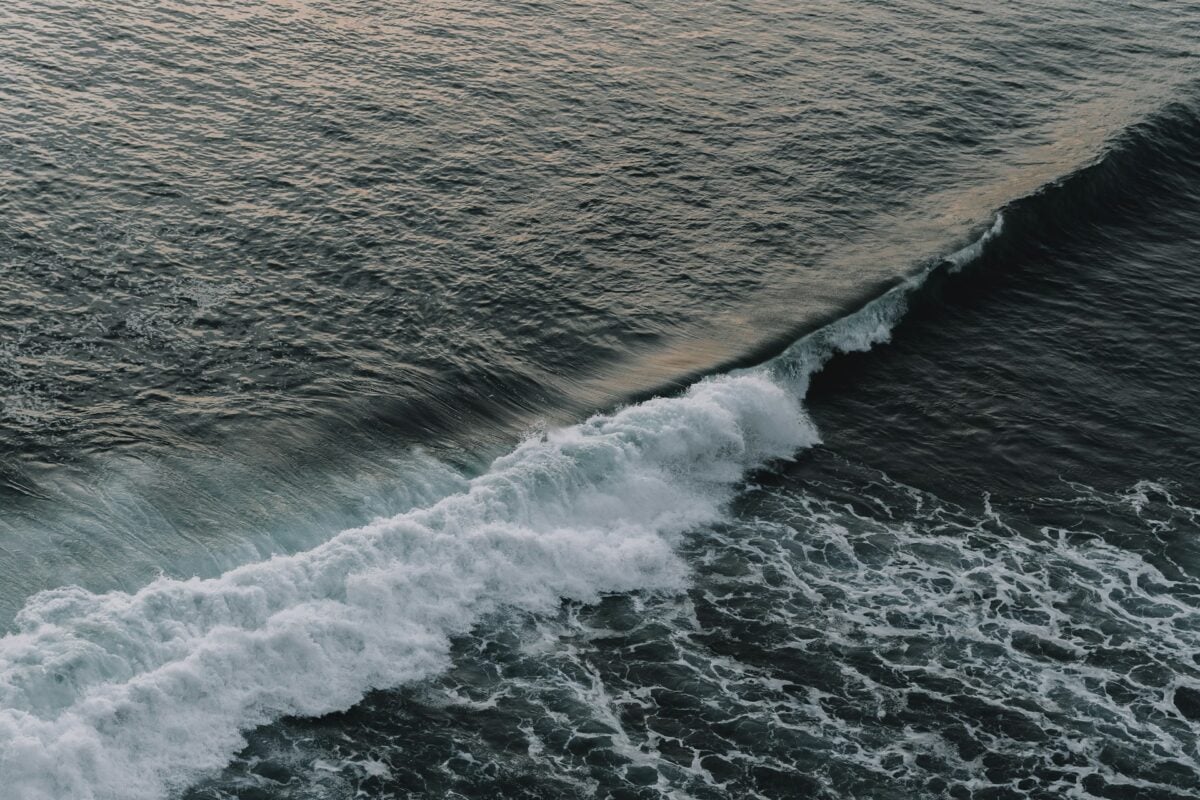
Ocean currents act like conveyor belts, moving heat and nutrients around the planet.
Now, several — including the Gulf Stream — are slowing as melting polar ice dilutes salt levels.
That change could disrupt rainfall patterns, alter storms, even cool parts of Europe.
Still, the ocean keeps moving. Its rhythm remains — but the tempo’s changed.
Deoxygenation
Warmer water holds less oxygen, and that’s creating expanding “dead zones” where little can survive.
These suffocating regions now appear in the tropics, along coasts, even in the open sea.
Marine life moves upward or outward to escape, leaving behind silent stretches of blue.
A breathless ocean is a warning few can afford to ignore.
Plastic Pollution
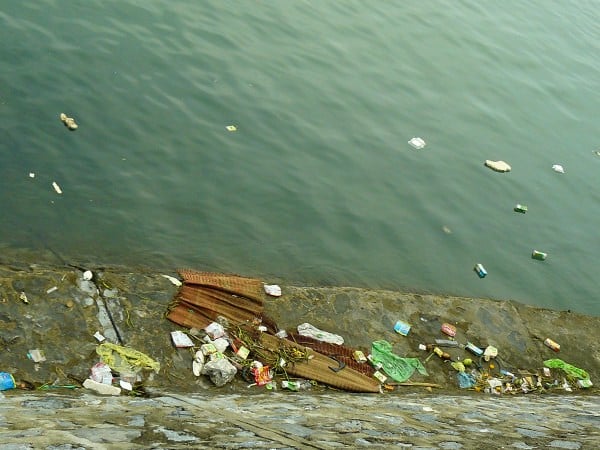
Every current carries fragments of plastic — bottles, fibers, and microbeads worn down by time.
They swirl through gyres, sink into trenches, and slip into the food chain at every level.
And strangely, some species adapt.
Microbes feed on plastic, turning waste into habitat.
Evolution, improvising on the fly.
Sea Level Rise
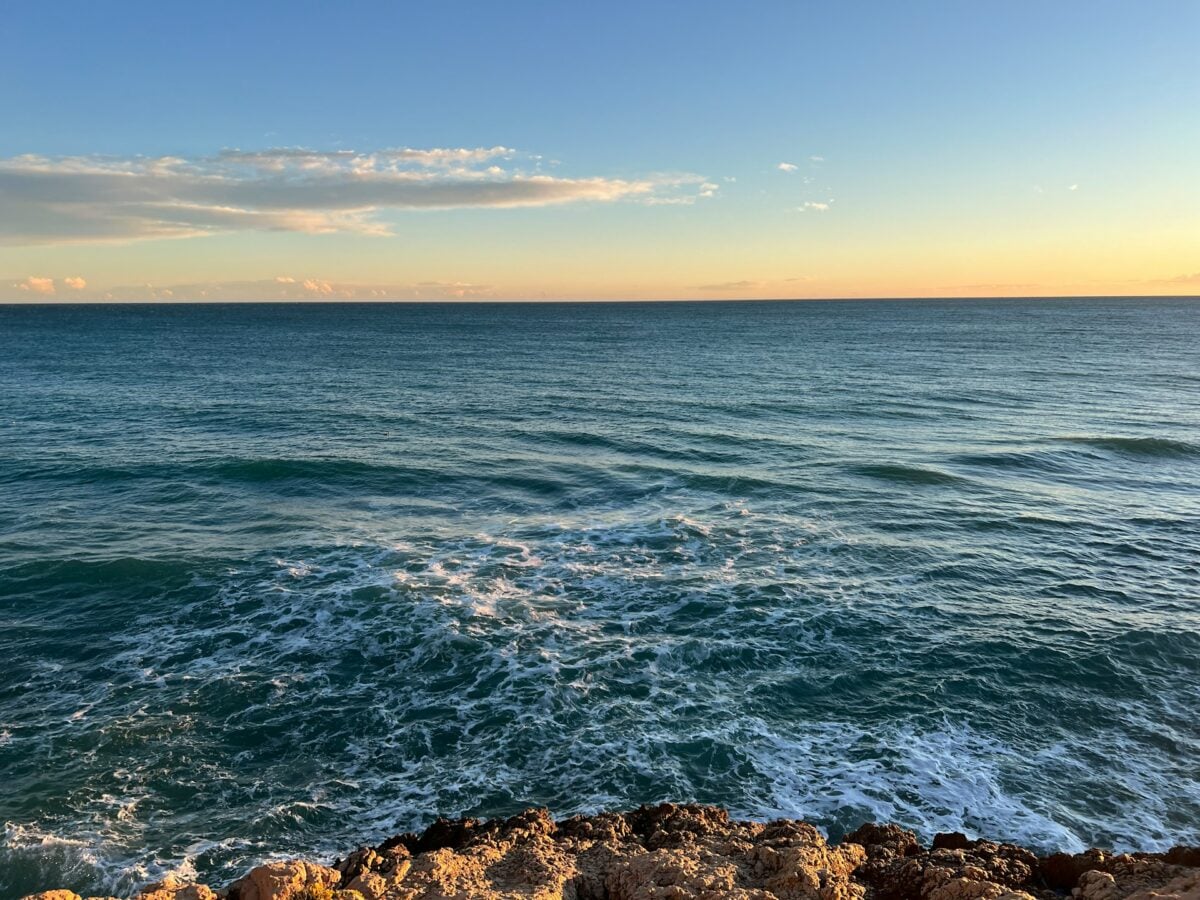
As glaciers melt and water expands, sea levels creep upward inch by inch.
Low-lying cities and island nations face flooding on days without rain.
Saltwater seeps into farmland and wells.
The ocean doesn’t surge — it seeps, slowly reclaiming what land took centuries to build.
Even so, many continue to live on the edge, watching the tide creep closer each year.
Disappearing Marine Species
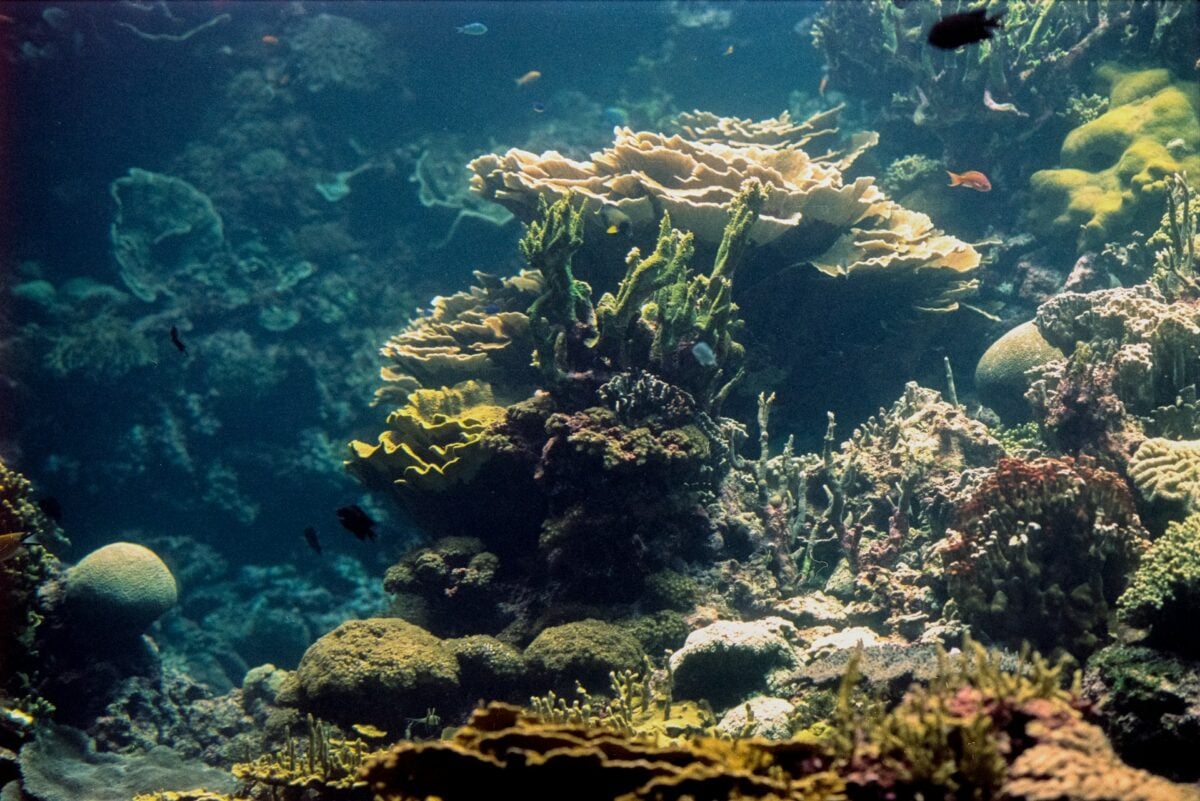
Climate change, pollution, and overfishing are pushing countless species toward extinction.
Fish migrate north, whales alter their routes, and coral ecosystems collapse.
It’s a domino effect — one loss triggers another.
Some changes are invisible until they’re complete.
Then suddenly, an ocean that once teemed with life feels eerily empty.
Noise Pollution
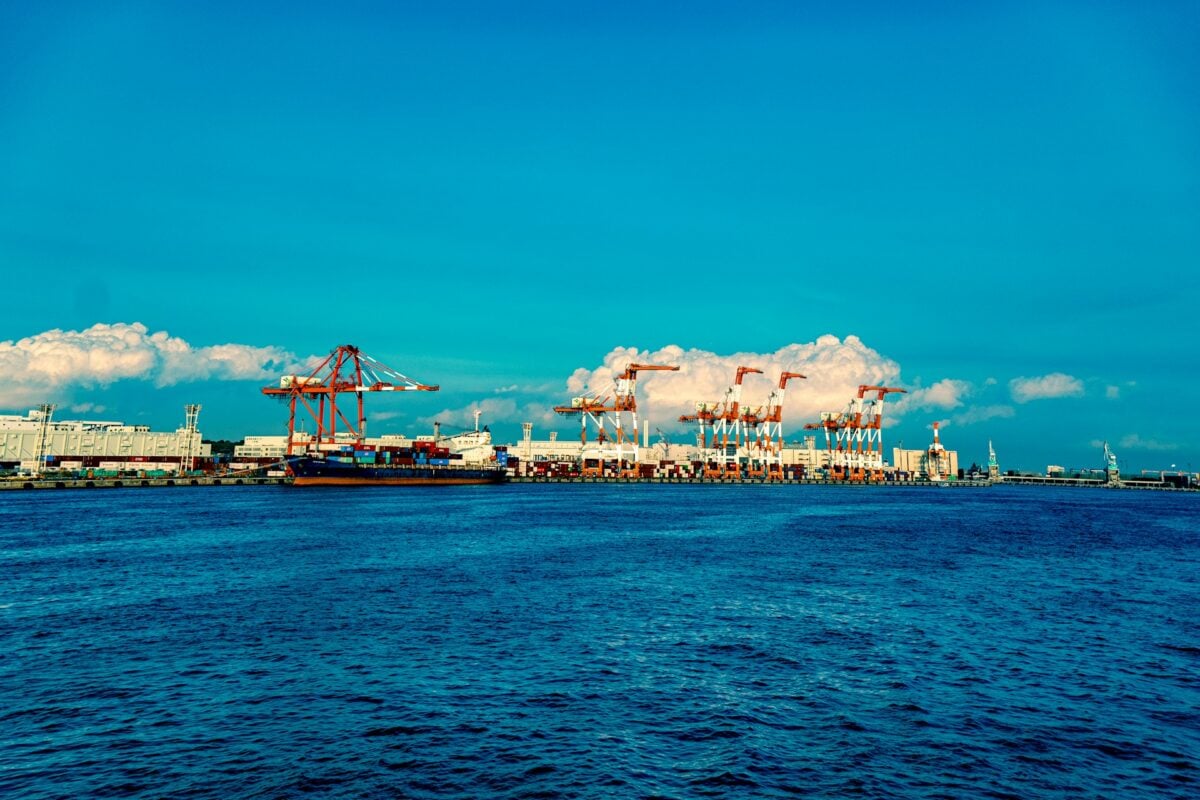
The sea used to be quiet.
Now it hums with engines, drilling, and sonar — a mechanical symphony that travels faster and farther underwater than sound ever could in air.
Whales lose touch with their pods.
Dolphins grow disoriented.
To us, it’s just the ocean.
To them, it’s deafening.
The Restless Blue
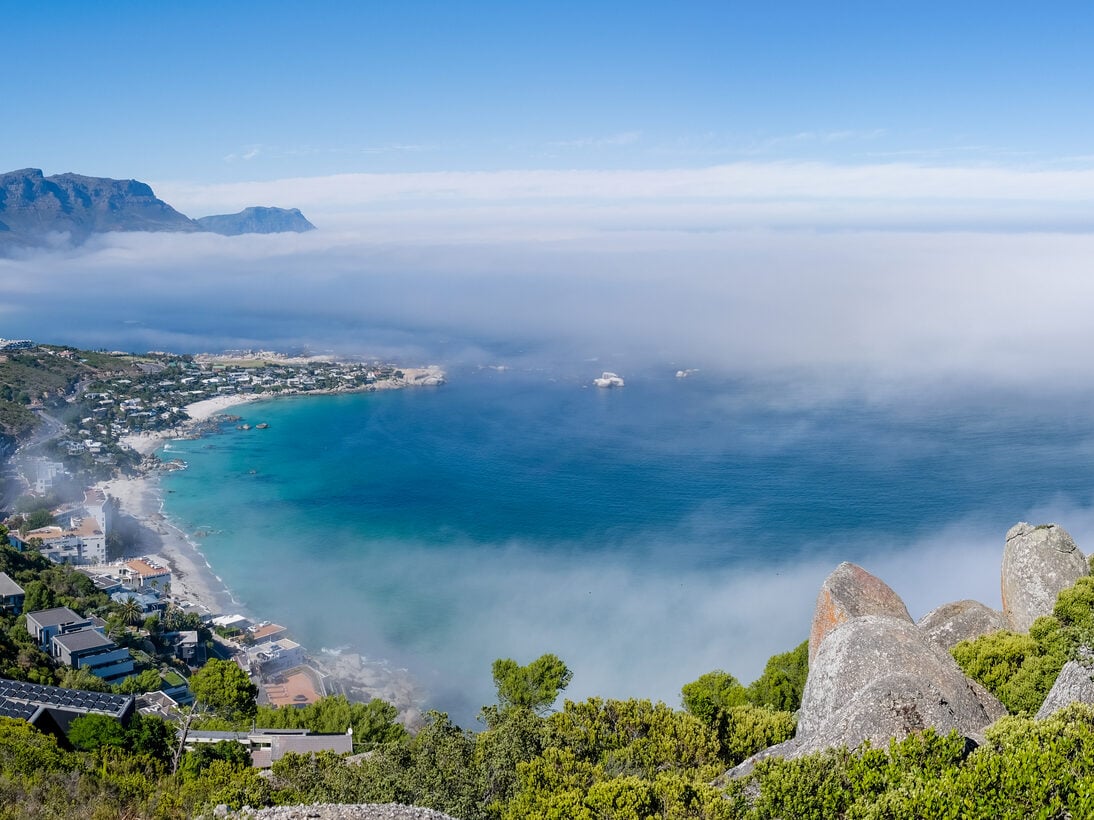
The oceans are vast but not invincible.
They buffer heat, absorb carbon, and sustain life — yet they’re changing faster than the world can adapt.
Still, they endure.
Always moving, always shifting, the oceans remain both warning and witness to the planet’s accelerating pulse.
More from Go2Tutors!

- The Romanov Crown Jewels and Their Tragic Fate
- 17 Halloween Costumes Once Considered Taboo
- Famous Hoaxes That Fooled the World for Years
- 15 Child Stars with Tragic Adult Lives
- 16 Famous Jewelry Pieces in History
Like Go2Tutors’s content? Follow us on MSN.