Things You Probably Didn’t Know About Pokémon
Most people think they know Pokémon. Twenty-five years of trading cards, video games, and animated adventures have made Pikachu as recognizable as Mickey Mouse.
But beneath the surface of what seems like a straightforward franchise about pocket monsters lies a collection of peculiar details, cultural quirks, and design decisions that even dedicated fans might find surprising. The deeper you dig into the world of Pokémon, the more you realize how much strangeness hides behind those friendly faces.
Pokémon was inspired by bug collecting

Satoshi Tajiri didn’t set out to create a media empire. He wanted to capture the feeling of wandering through tall grass with a net, hunting for beetles and butterflies in the countryside near Tokyo.
As urban development swallowed those green spaces, Tajiri realized children were losing that primal joy of discovery. Pokémon became his love letter to bug collecting — complete with the obsessive cataloging, the thrill of finding something rare, and the urge to show off your collection to anyone who’d listen.
Clefairy was almost the franchise mascot
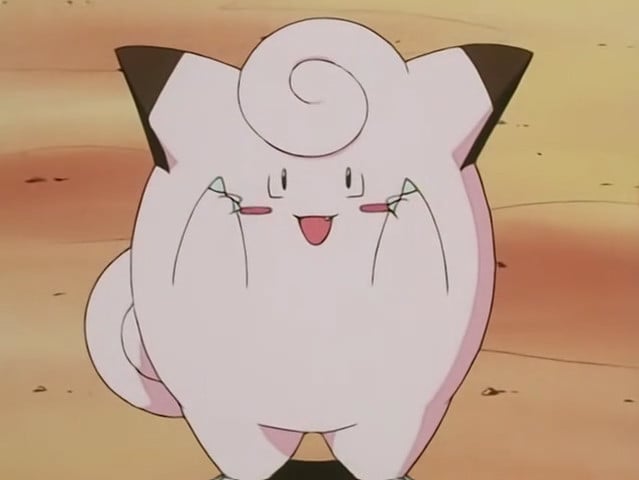
Pikachu’s rise to stardom wasn’t inevitable, and that changes everything about how we think of the Pokémon universe (because a pink, fairy-type mascot would have steered the entire brand in a completely different direction). The original plan called for Clefairy to be the face of the franchise — which makes sense when you consider that Clefairy was already popular in the manga, had a more versatile movepool than early Pikachu, and frankly looked more like something you’d want to snuggle. But Pikachu’s yellow coloring reproduced better in print. So it goes.
And yet the decision haunts the early episodes of the anime, where Clefairy appears constantly, almost like the creators couldn’t quite let go of their first choice.
Rhydon was the first Pokémon ever created
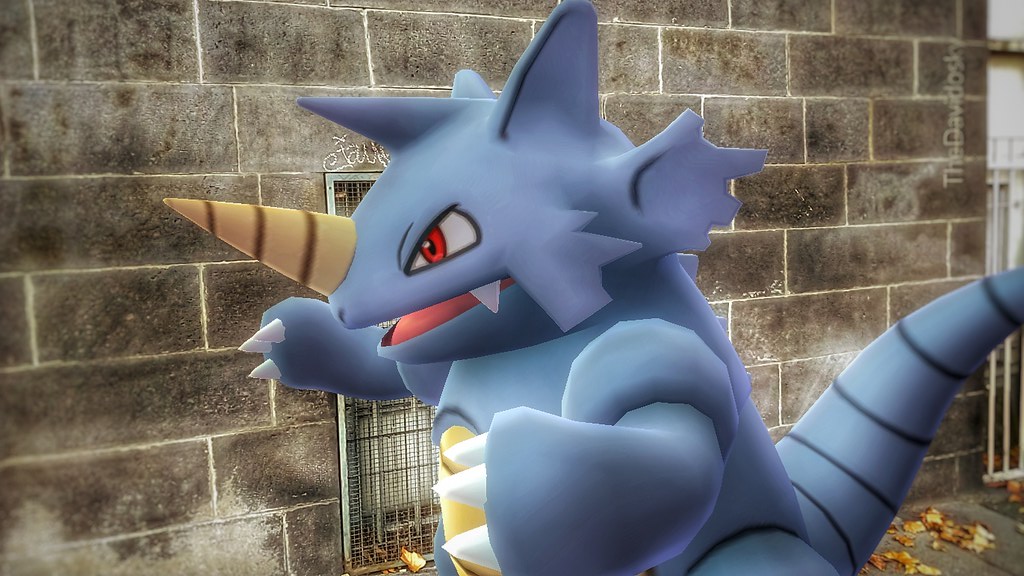
Game development doesn’t follow the same logic as the Pokédex. While Bulbasaur sits at #001, Rhydon holds the distinction of being the very first Pokémon programmed into the game’s code.
The rock-ground type became the testing ground for every system that would eventually govern all 151 original creatures. Rhydon sprites appear throughout the game’s internal data, and statues of the creature decorate various buildings — a quiet monument to its foundational role that most players never notice.
The Pokémon world has a disturbing relationship with captivity

There’s something unsettling about a universe where capturing wild animals in tiny containers is not just acceptable but celebrated as the highest form of human achievement, and the games never quite address this fundamental weirdness. Towns exist solely to support this industry. Parents send ten-year-olds into the wilderness to trap creatures for sport.
Entire economies revolve around forcing animals to fight each other while adults place bets on the outcome. The games wave this away with suggestions that Pokémon enjoy battling and that capture strengthens some mystical bond between species.
But walk through any Pokémon Center and you’ll see dozens of creatures stored indefinitely in a computer system, waiting for someone to remember they exist.
Gary Oak was named after Gary Palmer

The English localization team faced a problem with character names that sounded too Japanese for American audiences. They solved it by naming Ash’s rival after Gary Palmer — not a famous game designer or cultural figure, but simply someone who worked at the localization company.
Oak came from Professor Oak, creating the illusion of some deeper connection between the rival and the professor that doesn’t exist in the original Japanese version.
Pokémon types work differently than most people realize
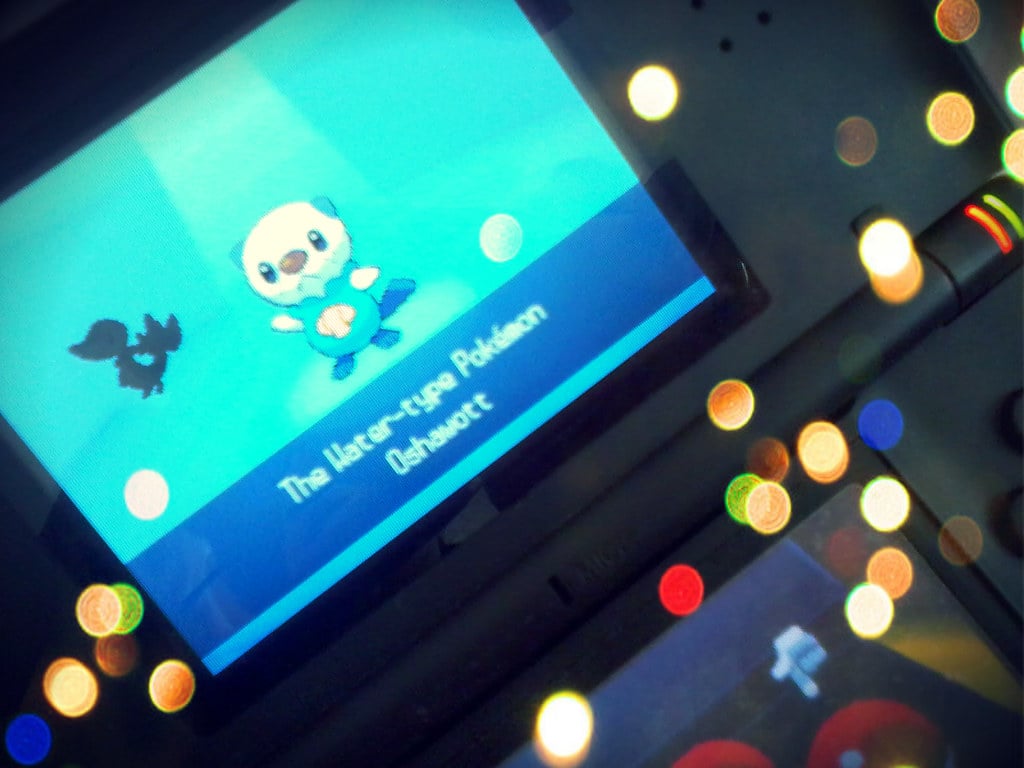
Everyone knows fire beats grass and water beats fire. The type effectiveness chart seems straightforward until you start noticing the gaps and inconsistencies that reveal how arbitrary these relationships actually are (and how much of what players accept as logical is really just memorized convention rather than any coherent system of elemental interaction).
Why does ground defeat electric but not flying? How does fighting beat steel but lose to ghosts? The chart contains 324 possible type interactions, and most of them follow cultural associations rather than scientific principles.
But that’s exactly what makes it work: the system feels intuitive because it borrows from folklore, not physics. Psychic beats poison because mind over matter sounds right.
Ghost resists normal because spirits shouldn’t be affected by physical attacks. The logic is emotional rather than literal.
And yet certain combinations make no sense at all — bug resisting fighting will never feel natural, no matter how long you play.
Pokémon names are more clever than they appear
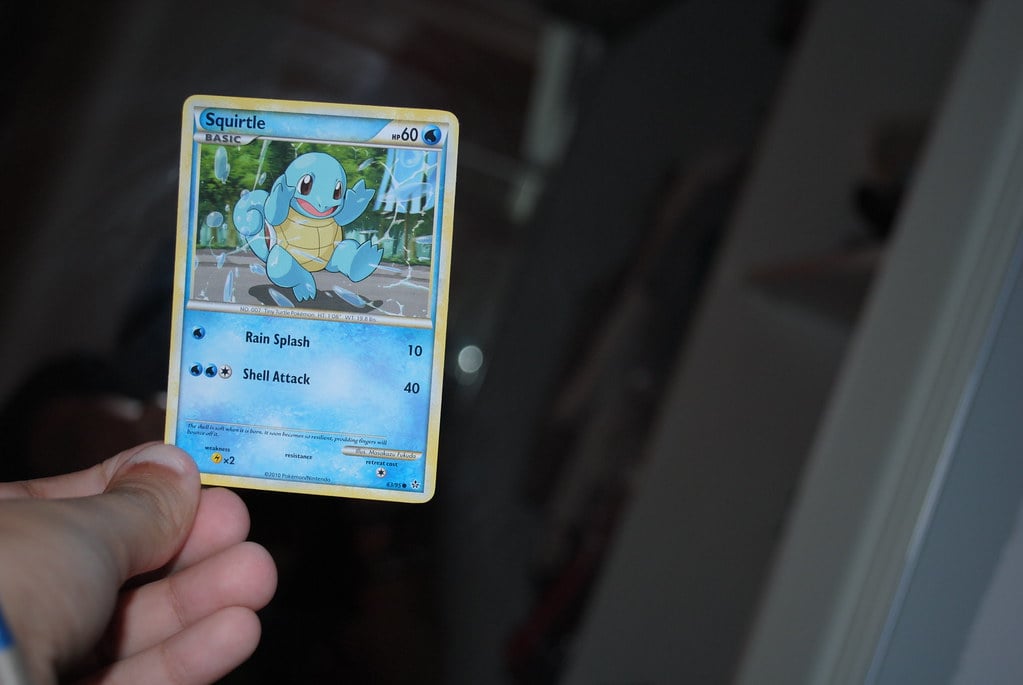
Translating 151 creature names while preserving wordplay across languages requires genuine creativity. Pikachu combines “pika” (the sound of electricity in Japanese) with “chu” (mouse squeaking).
Squirtle merges “squirt” and “turtle” so seamlessly that most English speakers assume it was always an English name. Ekans spelled backward is “snake.” Arbok reversed becomes “kobra.”
The localization team had to rebuild these puns from scratch while maintaining each creature’s essential character. Some work better than others, but the effort shows in names that feel natural rather than translated.
The games contain impossible architecture
Pokémon cities don’t follow the basic rules of urban planning. Celadon City claims to be a major metropolis but contains roughly twelve buildings.
Saffron City houses two massive corporate headquarters but no residential neighborhoods. Pallet Town has a population of seven people including the protagonist’s family.
The overworld maps compress space in ways that make geographic sense impossible. Routes that should take days to traverse can be walked in minutes.
Caves that appear tiny from outside contain vast underground networks. The dissonance is so complete that players accept it without question — which says something about how easily we adapt to fictional logic when the gameplay rewards it.
Team Rocket’s motto makes no sense in context
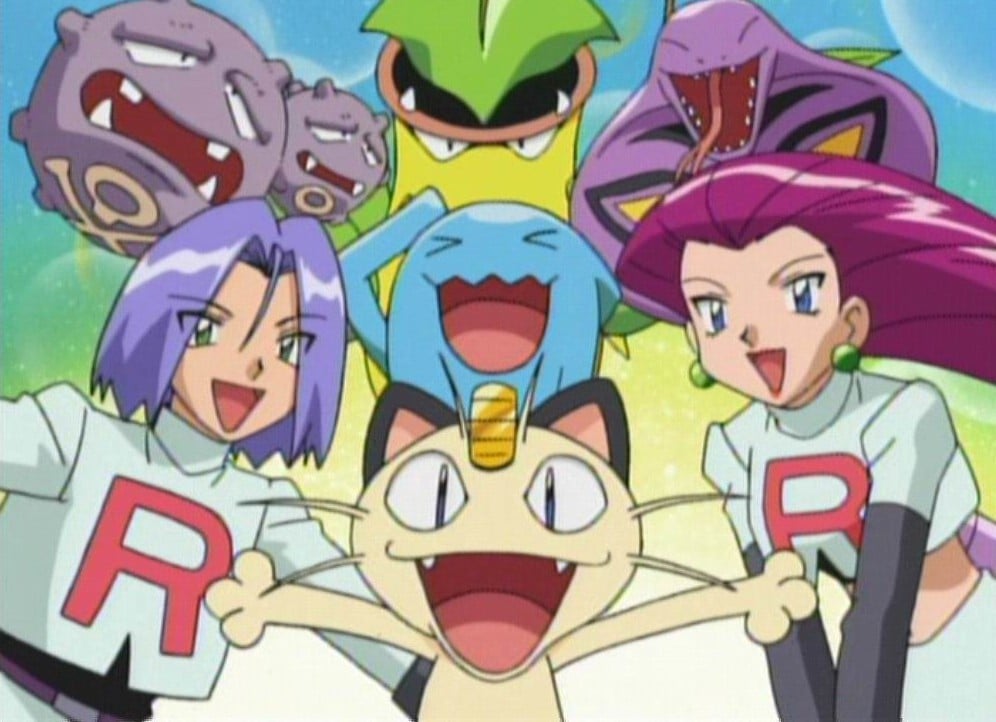
“To protect the world from devastation, to unite all peoples within our nation” sounds more like a humanitarian mission statement than a criminal organization’s rallying cry. Jessie and James recite these noble goals before attempting to steal a ten-year-old’s pet.
The disconnect is intentional — Team Rocket sees themselves as misunderstood heroes fighting against a corrupt system where children wander unsupervised through dangerous wilderness areas. Their self-image doesn’t match their actions, but that’s what makes them compelling antagonists rather than simple villains.
Pokémon evolution doesn’t work like biological evolution
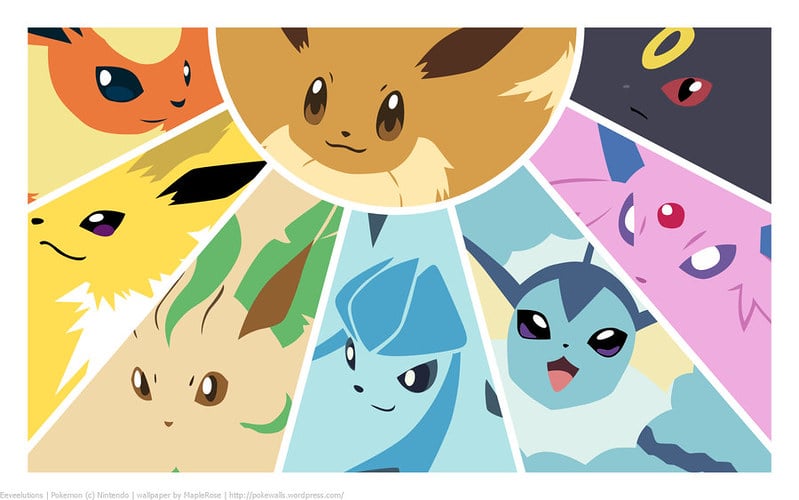
The term “evolution” misleads English speakers into expecting something resembling Darwin’s theory. Pokémon evolution is really metamorphosis — instant transformation triggered by artificial conditions.
Caterpie to Butterfree follows actual butterfly development. But Magikarp to Gyarados represents pure mythology, the idea that persistence can transform weakness into power overnight.
Japanese players understand this better because the original term “shinka” suggests advancement or progress rather than gradual species change. English localization chose “evolution” because it sounded more scientific, creating confusion that persists decades later.
The Pokémon universe has a secret nuclear history
Lt. Surge mentions “the war” without explanation. The Pokémon world contains advanced technology but maintains a rural, pre-industrial aesthetic in most regions.
Nuclear power plants appear alongside windmills. Advanced computers coexist with traditional architecture.
These details suggest a civilization that experienced rapid technological advancement followed by deliberate simplification — perhaps after learning that certain kinds of progress carry unacceptable risks. The war Lt. Surge references might explain why a world capable of converting matter into energy chooses to power most buildings with basic electricity.
Pokémon Red and Blue were never supposed to leave Japan
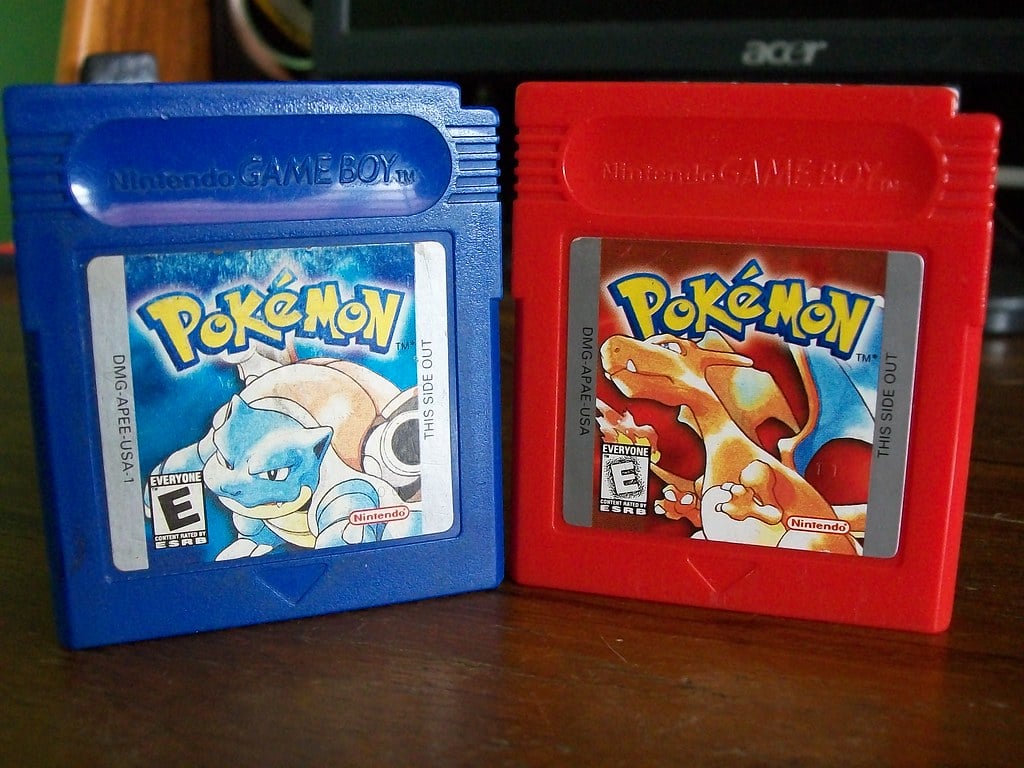
Game Freak designed the original games specifically for Japanese players, assuming cultural references and gameplay mechanics would be too foreign for international audiences. The decision to localize came only after unexpected domestic success made global expansion financially attractive.
This explains why certain elements feel distinctly Japanese even in translation — the emphasis on collecting and cataloging, the ritual aspects of trading, the assumption that players would share a single Game Boy rather than each owning their own device. Features that seemed natural in Japan required explanation elsewhere, but that cultural specificity became part of the franchise’s appeal.
Missingno is simultaneously a glitch and not a glitch
The famous “missing number” Pokémon occupies a strange space between intentional programming and accidental discovery. Missingno appears when the game’s memory allocation breaks down, but its behavior is too consistent to be purely random.
The creature has defined stats, movesets, and even evolution patterns. Game Freak programmed placeholder data to prevent crashes when the system accessed empty memory slots.
Missingno represents that placeholder achieving unintended consciousness — a digital ghost in the machine that players elevated to legendary status through sheer collective fascination.
Capturing something beautiful without destroying it
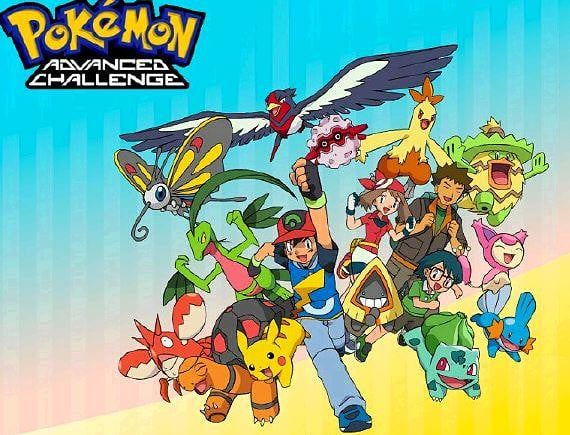
The strangest thing about Pokémon might be how perfectly it solved Satoshi Tajiri’s original problem. Children who will never chase butterflies through tall grass can still experience that particular joy of discovery, that moment when something wild and wonderful decides to trust you enough to come along.
The mechanics are artificial, but the feeling remains genuine — wonder preserved in amber, passed between generations through screens and stories rather than expeditions into vanishing countryside. That transformation from physical to digital collecting represents something larger about how we maintain connection to nature as the world changes around us.
Not replacement, exactly, but adaptation. The next best thing to the thing itself.
More from Go2Tutors!

- The Romanov Crown Jewels and Their Tragic Fate
- 13 Historical Mysteries That Science Still Can’t Solve
- Famous Hoaxes That Fooled the World for Years
- 15 Child Stars with Tragic Adult Lives
- 16 Famous Jewelry Pieces in History
Like Go2Tutors’s content? Follow us on MSN.