15 Iconic Hairstyles That Redefined Celebs
Celebrity transformations rarely happen overnight, though sometimes a single haircut can shift everything. The right style at the perfect moment doesn’t just change how someone looks—it can alter their entire trajectory in the public eye.
Hair becomes a form of communication, sending messages about rebellion, sophistication, or creative freedom without saying a word. Throughout entertainment history, certain celebrities have used their locks as tools for reinvention, creating looks that outlasted their careers and influenced entire generations.
Here is a list of 15 iconic hairstyles that became cultural phenomena, redefining not just the stars who wore them but the beauty standards of their time.
The Rachel
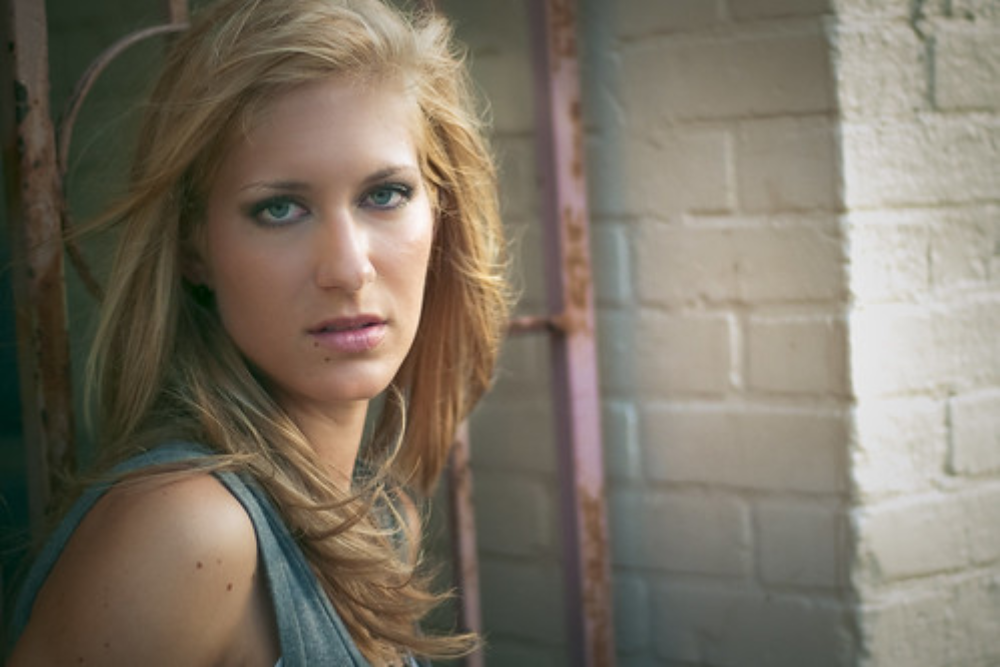
Jennifer Aniston’s layered, shoulder-length masterpiece from ‘Friends’ sparked a hair revolution across America. Women flooded salons with magazine clippings, though achieving those perfectly tousled layers proved more challenging than expected.
The style required daily styling with round brushes and volumizing products—something Aniston herself found exhausting. Ironically, the actress later confessed she couldn’t stand the high-maintenance routine, yet the cut remained popular for years after the show ended.
Farrah Fawcett’s Feathered Flip
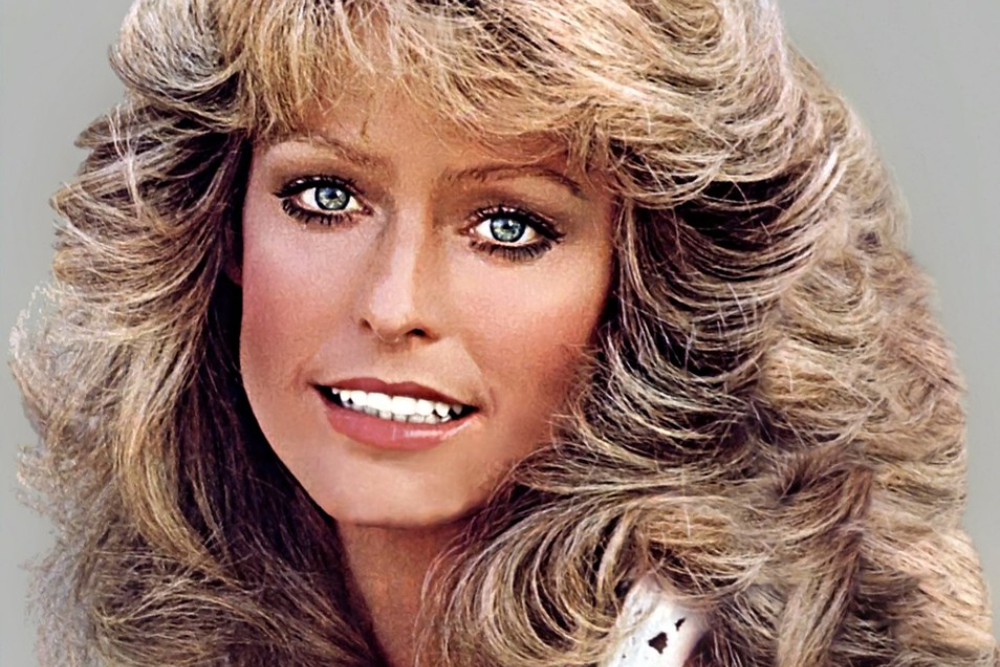
The ‘Charlie’s Angels’ star created a phenomenon with her voluminous, wind-swept style that seemed to capture sunlight itself. Fawcett’s blonde locks defied gravity while maintaining an athletic femininity that felt fresh and powerful.
This wasn’t just hair—it was a statement about American beauty standards in the late 1970s. The feathered look became so influential that it sparked an entire industry of styling tools designed to recreate those signature flips.
Twiggy’s Pixie Cut
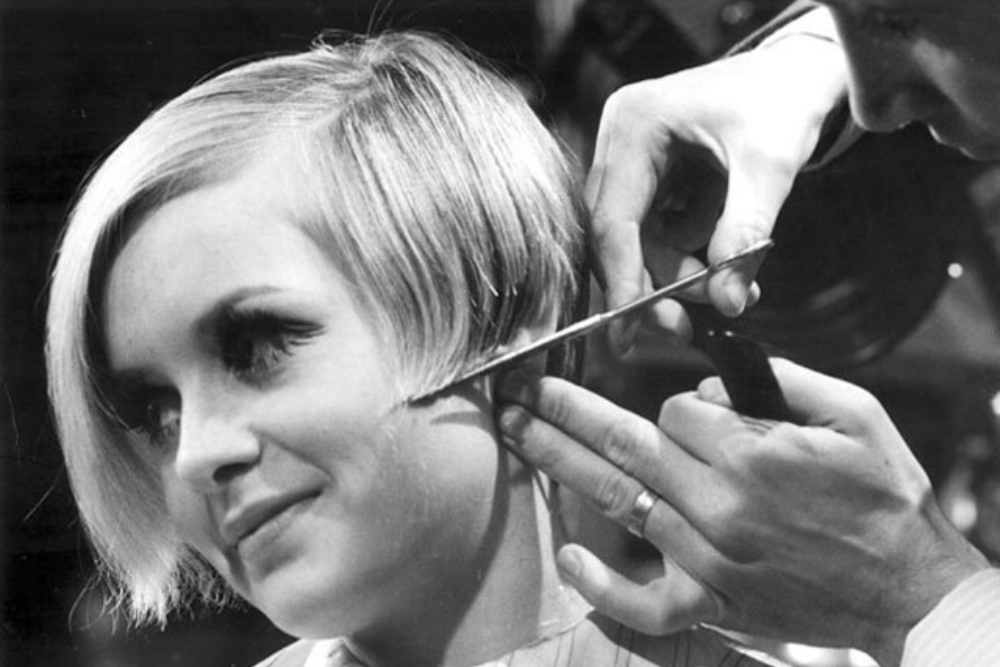
When the British model debuted her ultra-short, boyish cut in the 1960s, she shattered conventional beauty expectations. Long hair had been considered essential for feminine appeal, yet Twiggy proved that confidence mattered more than length.
Her pixie cut became synonymous with the mod movement and liberation from traditional grooming constraints. The style influenced countless women to embrace practicality over convention, though not everyone had Twiggy’s bone structure to pull it off.
David Bowie’s Ziggy Stardust Mullet
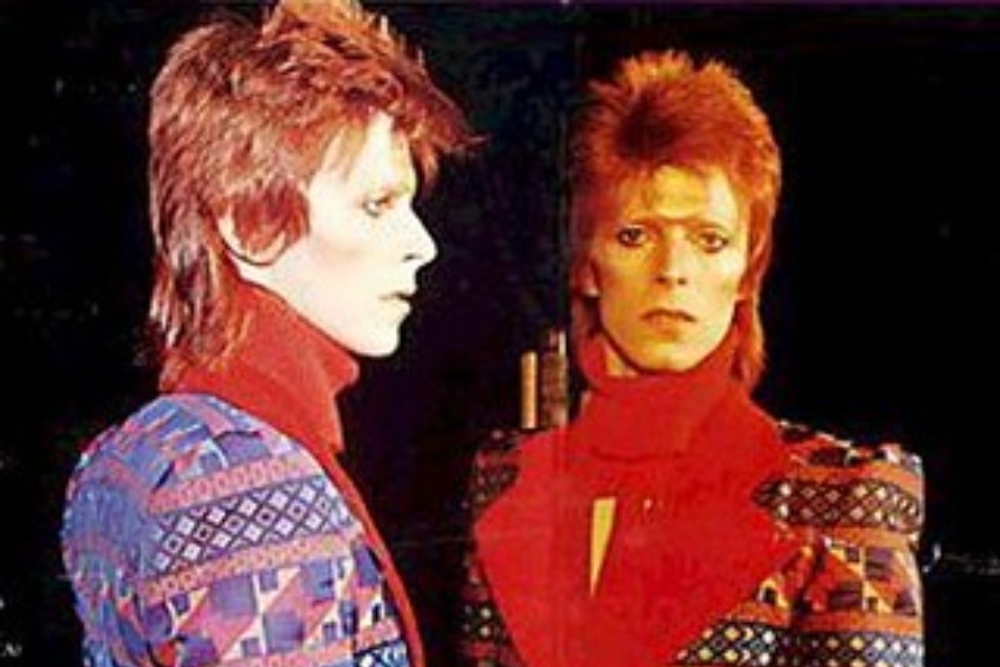
Bowie’s flame-red, spiky mullet transcended hairstyling to become pure performance art. The dramatic color and unconventional cut established his otherworldly stage presence while challenging gender norms.
This look demonstrated that hair could function as an artistic medium—not just an accessory. The Ziggy Stardust era proved that musicians could use their appearance to create entire personas, influencing everyone from Prince to Lady Gaga.
Marilyn Monroe’s Platinum Blonde Curls
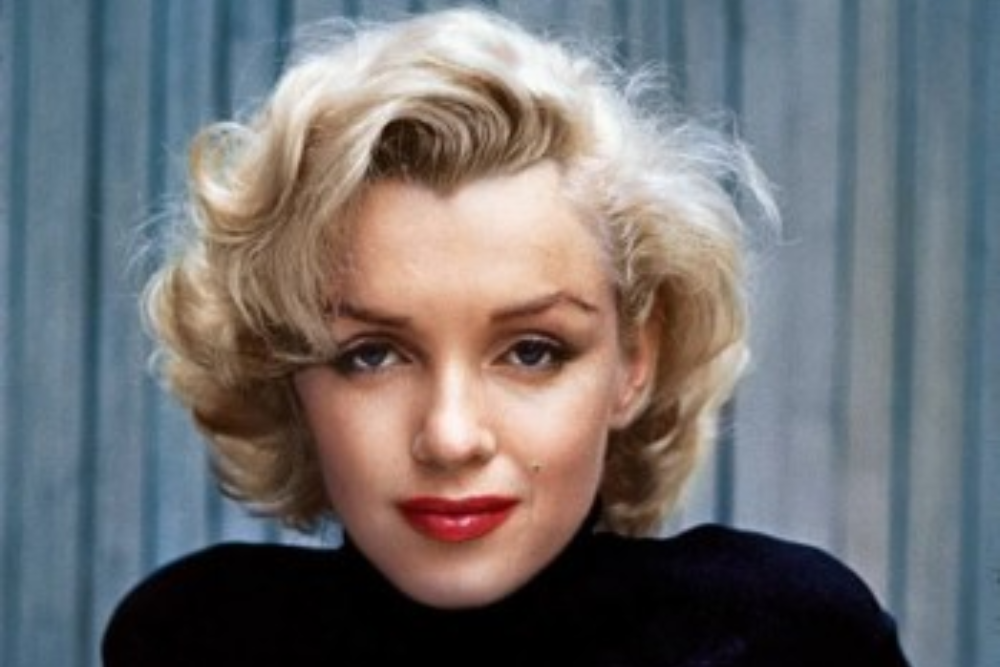
Monroe’s signature platinum waves required hours of weekly maintenance, yet the results redefined Hollywood glamour. Her carefully crafted curls became the template for the ‘blonde bombshell’ archetype that still influences beauty standards today.
The look was so iconic that it essentially created a blueprint for aspirational femininity. Monroe’s hair colorist became as important as her acting coach—the platinum shade was that crucial to her image.
Elvis Presley’s Pompadour
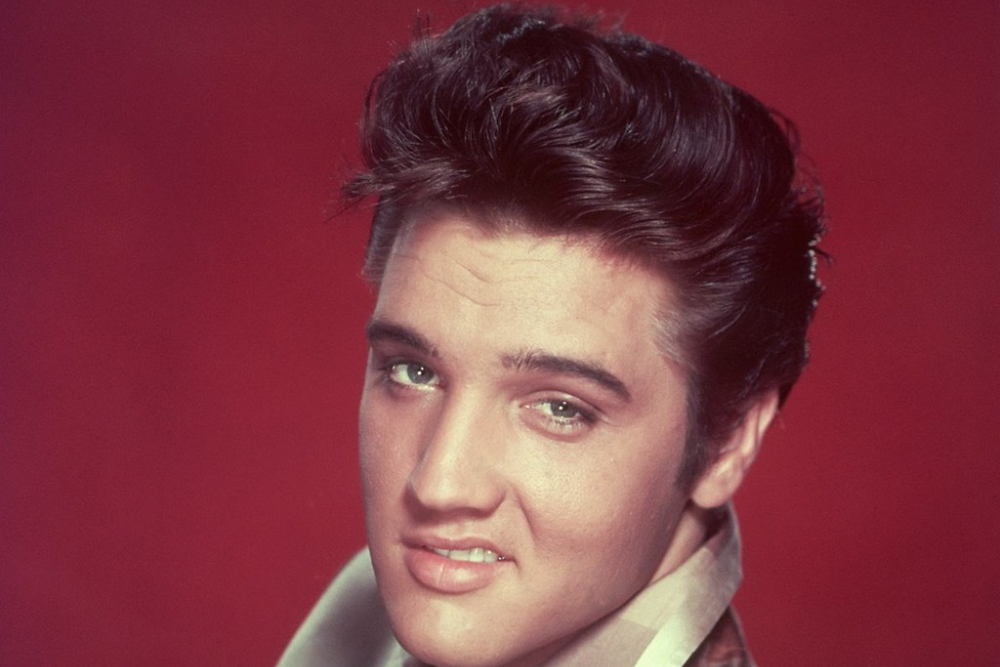
The King’s slicked-back, voluminous pompadour became as legendary as his hip-shaking performances. Elvis spent considerable time perfecting his hair routine, using pomade to achieve that perfect height and shine that could withstand stage lights.
His hairstyle became synonymous with rock and roll rebellion, though it actually drew inspiration from 1940s fashion. The pompadour influenced an entire generation of young men to view hair as a form of self-expression rather than mere grooming.
Audrey Hepburn’s Breakfast at Tiffany’s Updo
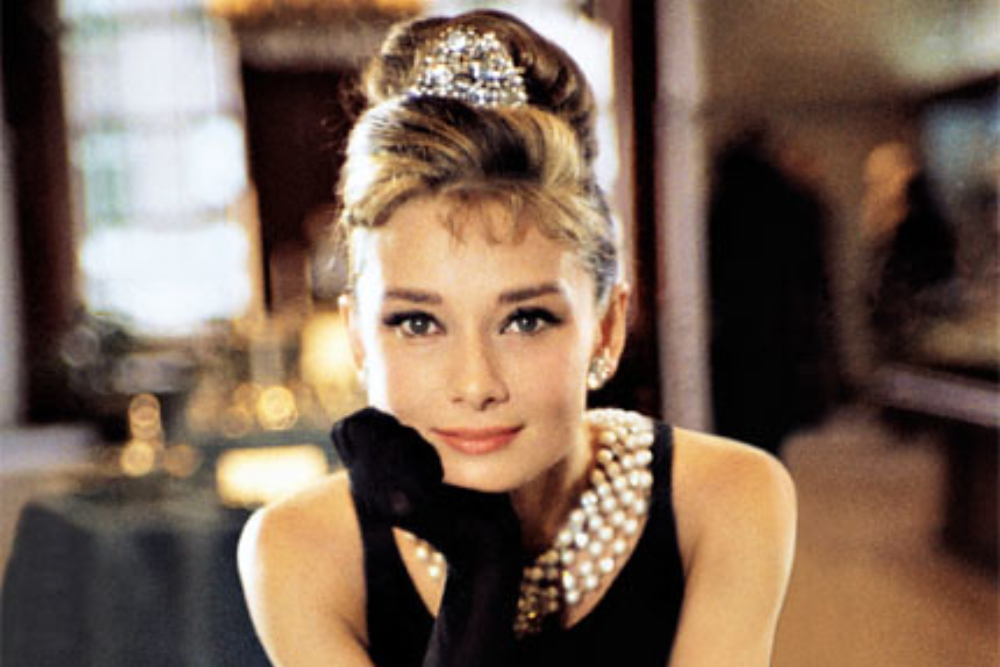
Hepburn’s elegant, high-piled updo in the 1961 film established a standard for sophisticated style that remains unmatched. The look achieved something remarkable—it was both timeless and effortlessly chic without appearing overdone.
This hairstyle became synonymous with classic elegance, proving that sometimes the most impactful styles are the most refined. Decades later, stylists still reference this updo when creating formal looks for red carpet events.
Madonna’s Blonde Ambition Cone Bra Era
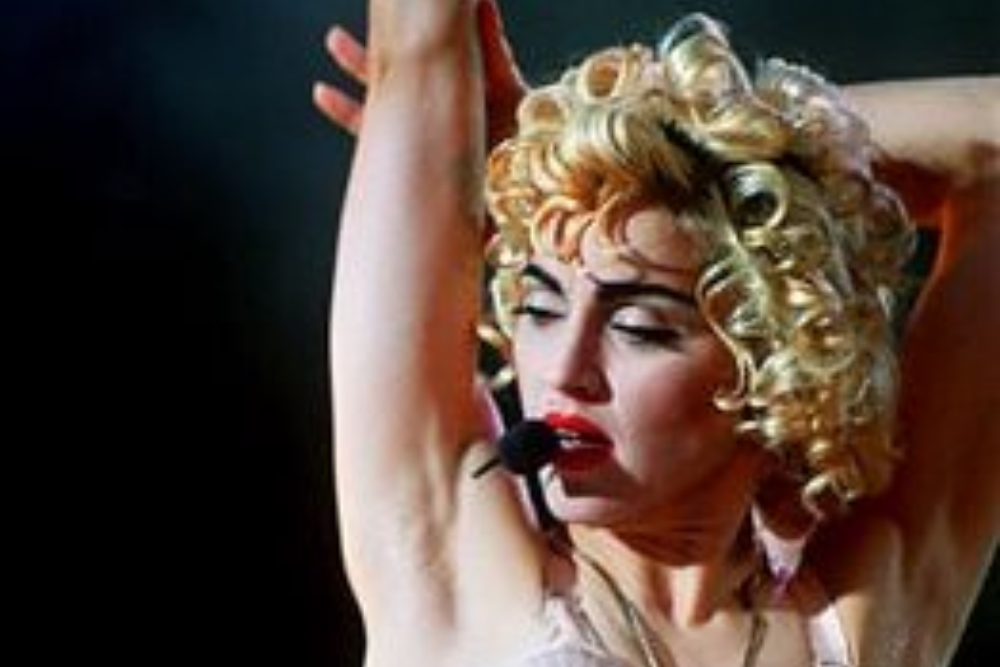
Madonna’s peroxide blonde, severely styled hair during her ‘Blonde Ambition’ period matched her provocative stage persona with military precision. The stark platinum color and sharp styling created an almost aggressive aesthetic that complemented her boundary-pushing performances.
This look helped establish her as a fashion icon willing to take risks that others wouldn’t dare attempt. The severe styling became part of her armor—both protective and intimidating.
Grace Kelly’s Classic Wave
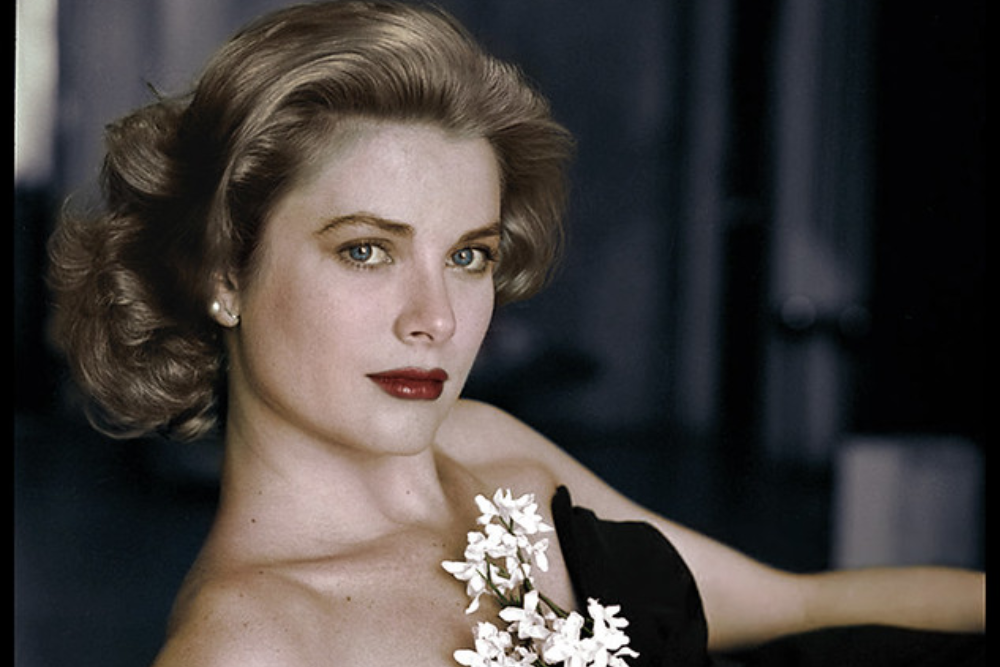
Kelly’s perfectly styled waves epitomized 1950s sophistication, whether she was filming or attending royal functions after marrying Prince Rainier. Her hair always looked impeccable, though achieving that level of polish required daily professional styling.
The controlled waves became the template for aspirational feminine beauty—polished yet approachable. This style influenced how women approached formal styling for decades, establishing the connection between perfect hair and social status.
Boy George’s Colorful Creativity
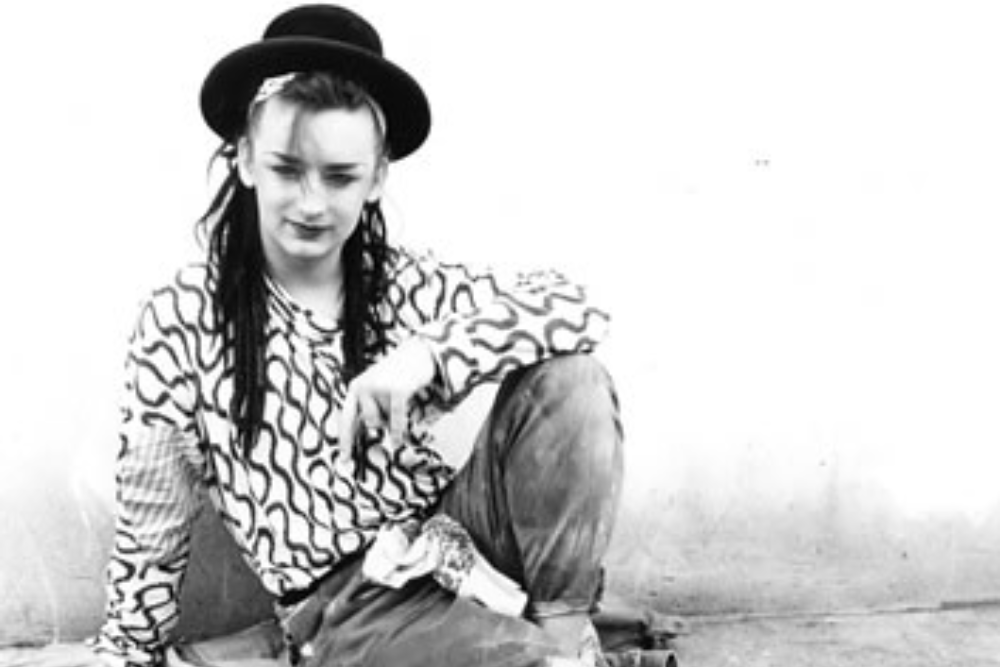
The Culture Club frontman’s ever-changing rainbow of hair colors challenged conventional ideas about masculine appearance in ways that felt both playful and rebellious. From bright pink to electric blue, Boy George used his hair as a canvas for artistic expression.
His bold choices helped normalize creative hair color while showing that personal style could be a form of rebellion against societal expectations. The constant changes kept audiences guessing what would come next.
Anna Wintour’s Precision Bob
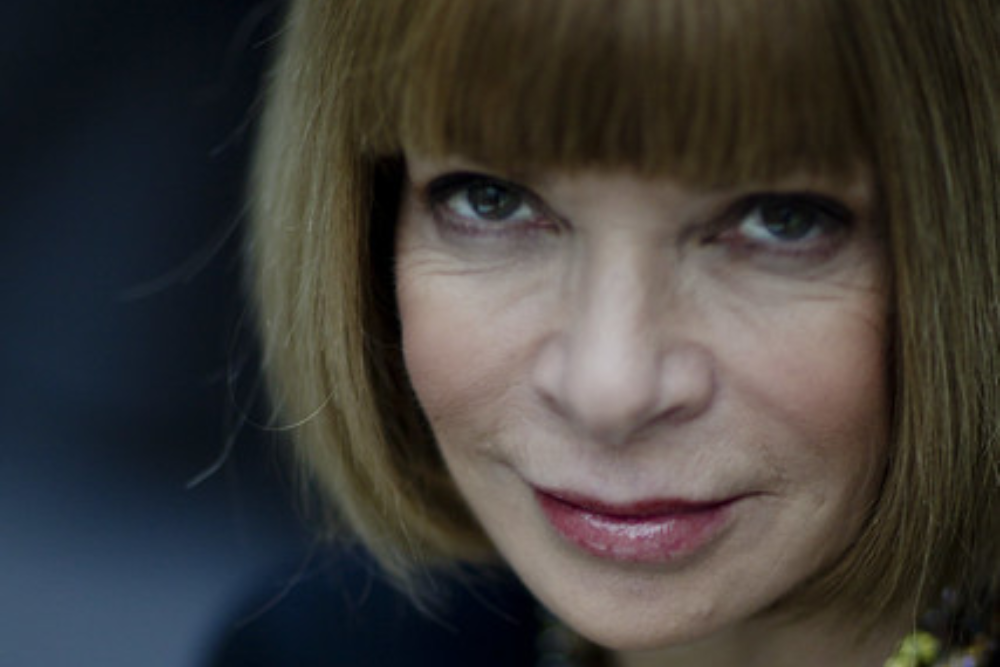
The Vogue editor’s razor-sharp bob became as influential as the magazine she runs. Wintour’s perfectly geometric cut, complete with precise bangs, created an image of authority and uncompromising standards.
Her hairstyle became a symbol of fashion industry power and showed how a consistent, well-executed look could become a personal brand. The bob never varies, though it requires frequent maintenance to keep those lines sharp.
Cher’s Long, Straight Hippie Hair
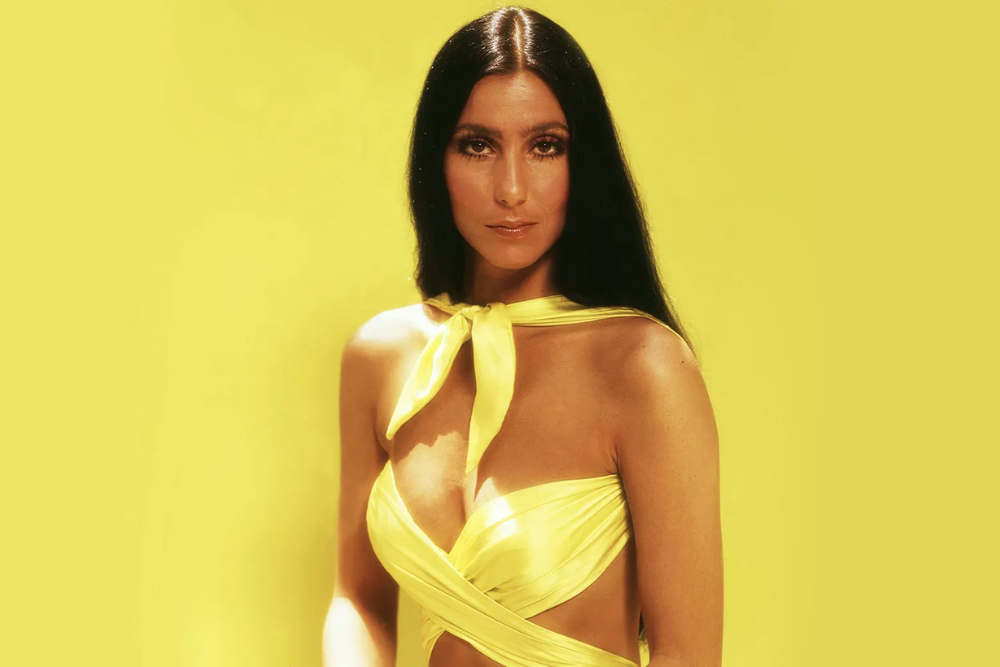
Cher’s impossibly long, straight hair in the 1960s and 70s became emblematic of the counterculture movement. Her natural, flowing style rejected the structured hairstyles that dominated earlier decades.
The look helped establish her as a free-spirited icon and influenced countless women to embrace their natural hair texture. While the style appeared effortless, maintaining that length and shine required significant care and attention.
Cyndi Lauper’s Punk Rock Rainbow
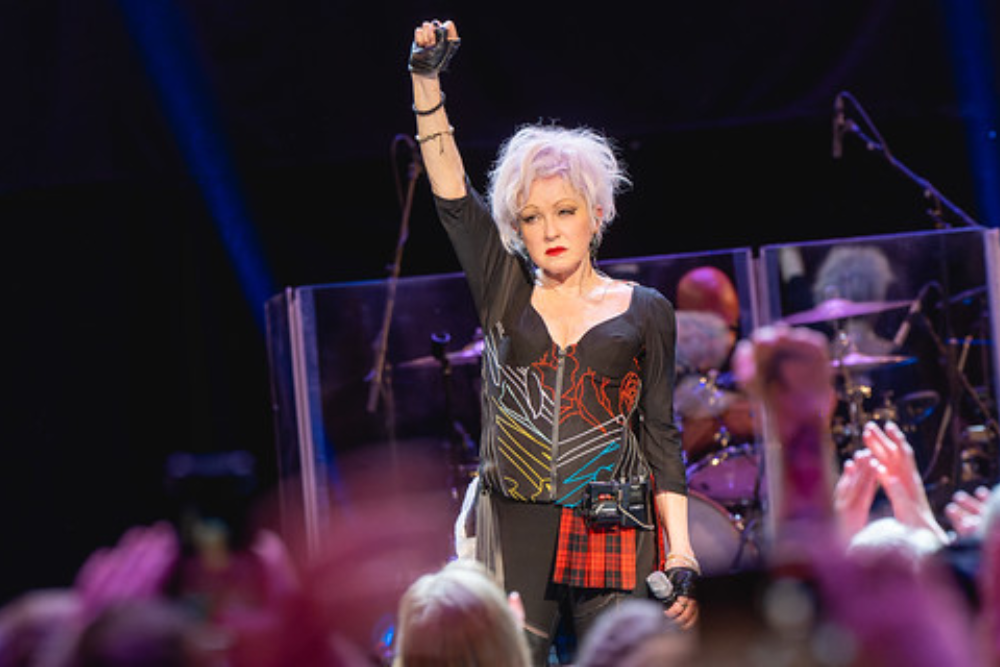
Lauper’s multicolored, deliberately messy style captured the spirit of 1980s punk and new wave music. Her hair was never the same color twice, featuring everything from hot pink to electric orange.
This constantly evolving look proved that hair could be a form of artistic expression and helped normalize alternative beauty standards. The unpredictability became part of her appeal, though it required frequent touch-ups to maintain those vibrant colors.
Brigitte Bardot’s Tousled Beehive
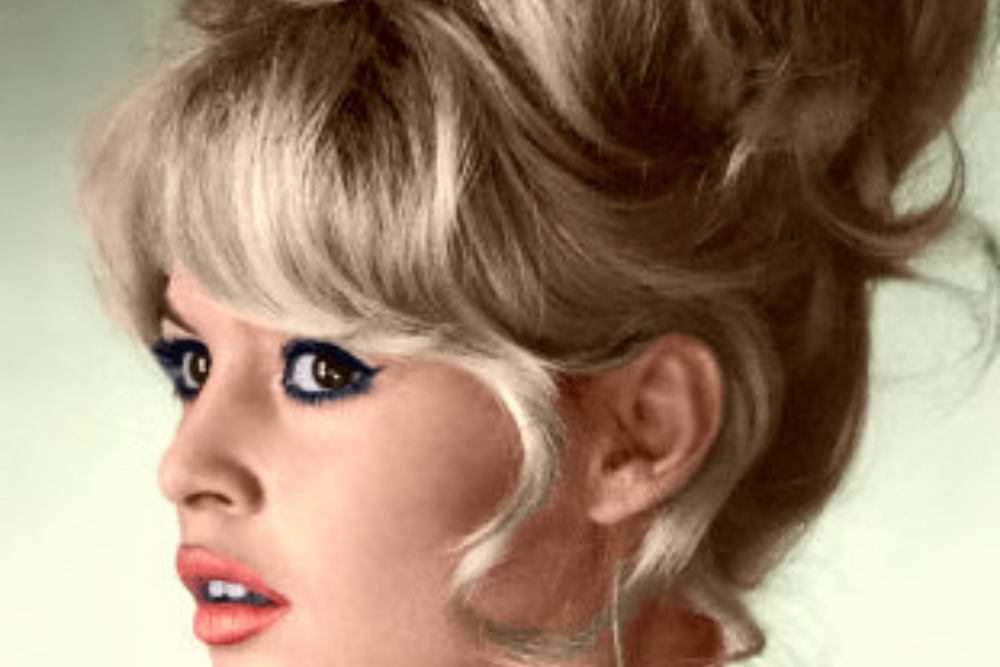
The French actress’s voluminous, slightly messy beehive created a new standard for effortless sensuality. Bardot’s hair looked like she’d just rolled out of bed, yet it was carefully crafted to achieve that perfect ‘undone’ appearance.
Her style influenced an entire generation of women to embrace a more relaxed approach to beauty. The look required significant backcombing and hairspray to maintain that casual-yet-glamorous effect.
Patti Smith’s Androgynous Shag
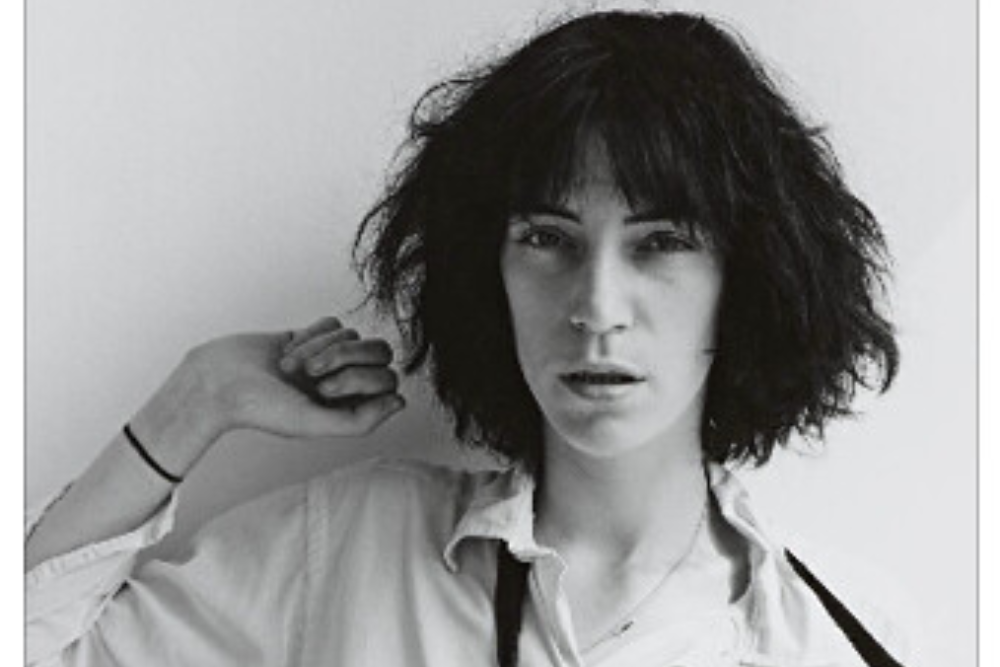
Smith’s deliberately unkempt, gender-neutral shag became a symbol of artistic authenticity in the 1970s. Her hair looked like she cut it herself, which perfectly matched her raw, unpolished musical style.
This look helped establish the connection between unconventional hair and creative credibility that still influences artists today. The shag’s disheveled appearance was actually carefully maintained to look naturally messy.
Hair as Cultural Currency
These iconic hairstyles demonstrate that appearance choices transcend mere vanity. Each celebrity used their hair as a tool for reinvention, proving that sometimes the most powerful transformations happen from the scalp up.
Their bold choices continue to influence contemporary beauty standards, reminding us that the right cut at the right time can truly redefine not just how someone looks, but who they become. In our image-obsessed culture, these hair moments prove that personal style remains one of the most powerful forms of self-expression available to public figures.
More from Go2Tutors!

- The Romanov Crown Jewels and Their Tragic Fate
- 13 Historical Mysteries That Science Still Can’t Solve
- Famous Hoaxes That Fooled the World for Years
- 15 Child Stars with Tragic Adult Lives
- 16 Famous Jewelry Pieces in History
Like Go2Tutors’s content? Follow us on MSN.



