20 Police Tactics from the Past That Are Now Considered Outdated
Law enforcement has changed dramatically over time. Advances in technology, shifting public opinions, court decisions, and better understanding of human psychology have all played roles in this transformation. What was once standard practice now seems primitive—or even disturbing.
This shift reflects society’s growing demands for accountability, evidence-backed methods, and respect for individual rights. Let’s look at some police tactics from yesteryear that have either disappeared—or undergone major overhauls—in modern policing.
The Third Degree

Interrogators didn’t hesitate to use physical discomfort—keep suspects awake for days—or apply intense psychological pressure to get confessions. No wonder this approach led to false confessions and ruined innocent lives!
Nowadays, interviews focus on building trust and using cognitive techniques that both yield reliable information and respect suspects’ rights.
Dragnet Policing

There was a time when police would simply round up everyone who matched a vague description—or happened to be in what they considered the “wrong” neighborhood. These mass arrests hoped to catch a few criminals while inconveniencing dozens of innocent people.
Today’s approaches are far more targeted—using intelligence-gathered evidence rather than broad stereotypes to identify actual suspects… most of the time.
Vagrancy Laws

Once upon a time, officers could arrest almost anyone for being a “vagrant”—which basically meant being homeless or poor. These laws were handy tools for clearing out so-called undesirables—without ever addressing root social problems.
Courts have thankfully struck down most of these statutes for being unconstitutionally vague and discriminatory, shifting focus toward connecting vulnerable folks with social services instead.
Routine High-Speed Pursuits

Chasing suspects at breakneck speeds for even minor infractions used to be completely normal—despite causing countless crashes that endangered everyone involved.
These days, many departments only allow pursuits for serious violent crimes—preferring helicopters, spike strips, and tracking technology as safer alternatives for apprehending those who flee.
Nightstick Justice
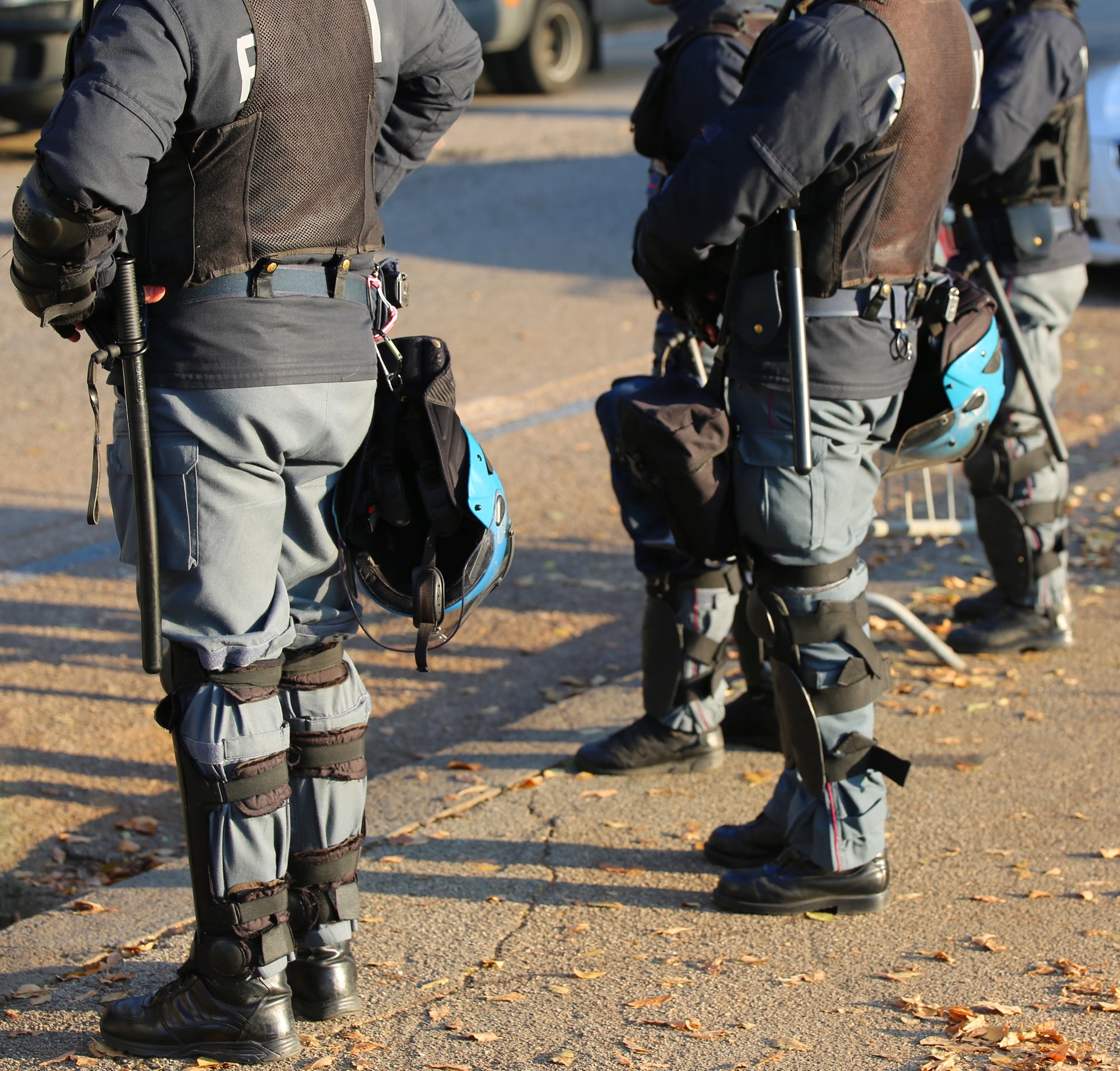
Beat cops routinely whipped out their batons as go-to tools for ensuring compliance—often with virtually no oversight. This casual approach to force bred widespread abuses and destroyed community trust.
Modern use-of-force policies emphasize de-escalation, appropriate responses—and detailed documentation whenever force becomes necessary.
Booking Phone Calls

Remember the classic “one phone call” from jail? Talk about limiting contact with the outside world! This restriction often left people without proper legal help or family support.
Modern facilities typically offer reasonable phone access—sometimes even digital communication options—so detainees can properly prepare their defense.
Handwriting Analysis

Detectives used to put enormous weight on comparing handwriting samples in forgery and threat cases. Problem was, this approach lacked scientific rigor—creating wildly inconsistent results between analysts.
These days, digital forensics, chemical ink analysis, and computerized verification have largely replaced subjective handwriting comparison.
Lie Detector Tests

Polygraphs were once treated like magical truth-telling machines—despite only measuring stress responses rather than actual deception. They influenced countless investigations—even though science had serious doubts about their reliability.
Modern investigators use polygraphs as just one tool with known limitations, not definitive proof of guilt or innocence.
Fingerprinting Cards

Remember those old fingerprint cards stored in massive filing cabinets? What a nightmare to search through! Finding matches across different jurisdictions could take weeks—if it happened at all.
Today’s automated systems digitally compare prints against millions of records in minutes, dramatically improving both speed and accuracy.
Lineup Procedures
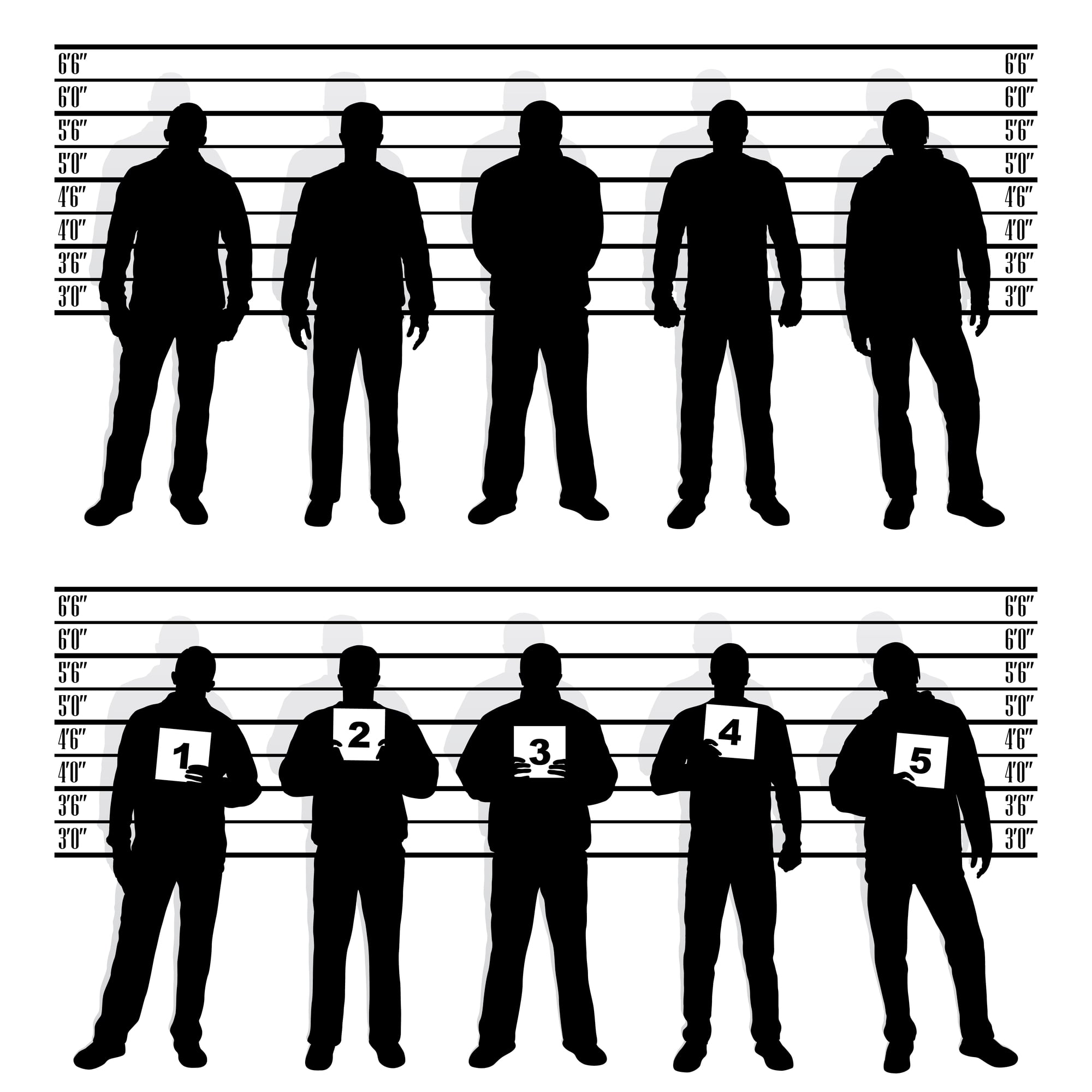
Traditional lineups put suspects alongside fillers in person—while witnesses made identifications under potentially leading conditions. We now know witnesses are easily influenced by subtle cues from officers running these procedures.
Modern identification practices often use sequential photo arrays shown by officers who don’t know which photo shows the actual suspect, minimizing bias.
Call Box Check-Ins

Officers once had to physically find telephone boxes on their beats to check in with headquarters or get help. Between check-ins, they were basically isolated and couldn’t quickly respond to emerging situations.
Today’s officers stay in constant contact through portable radios, mobile computers, and wearable devices that track their locations in real-time. Quite the upgrade!
Informant Networks

Police heavily relied on criminal informants who traded information for leniency, often with minimal verification of what they claimed. This practice caused numerous wrongful convictions based on completely fabricated testimony.
Today’s standards require backing up informant claims and disclosing cooperation agreements to ensure transparency.
Crime Scene Photography

Black and white film provided limited crime scene documentation that couldn’t be reviewed until fully developed. Important details often got missed or poorly captured because of technical limitations.
Digital photography, 3D scanning, and virtual reality mapping now create comprehensive, immediately reviewable records of crime scenes.
Chalk Outlines

Officers would trace bodies with chalk, creating those iconic outlines you’ve seen in old movies and TV shows. These markings actually contaminated crime scenes and served almost no real investigative purpose.
Modern forensic techniques use photogrammetry, laser measuring, and numbered markers to document positions without disturbing evidence.
Suspect Sketches

Police artists would create hand-drawn composites based on witness descriptions—resulting in wildly subjective interpretations that varied in accuracy. These sketches sometimes sent investigators down useless paths or contributed to misidentifying suspects.
Computer-generated composites and facial recognition software have largely replaced hand-drawn sketches, allowing for more precise adjustments as new information comes in.
Shotgun Riding

Patrol officers would carry shotguns visibly displayed in their vehicles during all shifts, regardless of actual threat levels. This militaristic approach often escalated tensions during routine encounters.
Today’s tactics favor keeping long guns secured in locked vehicle mounts until specific threats warrant their use, with de-escalation as the default approach.
Overnight Detention
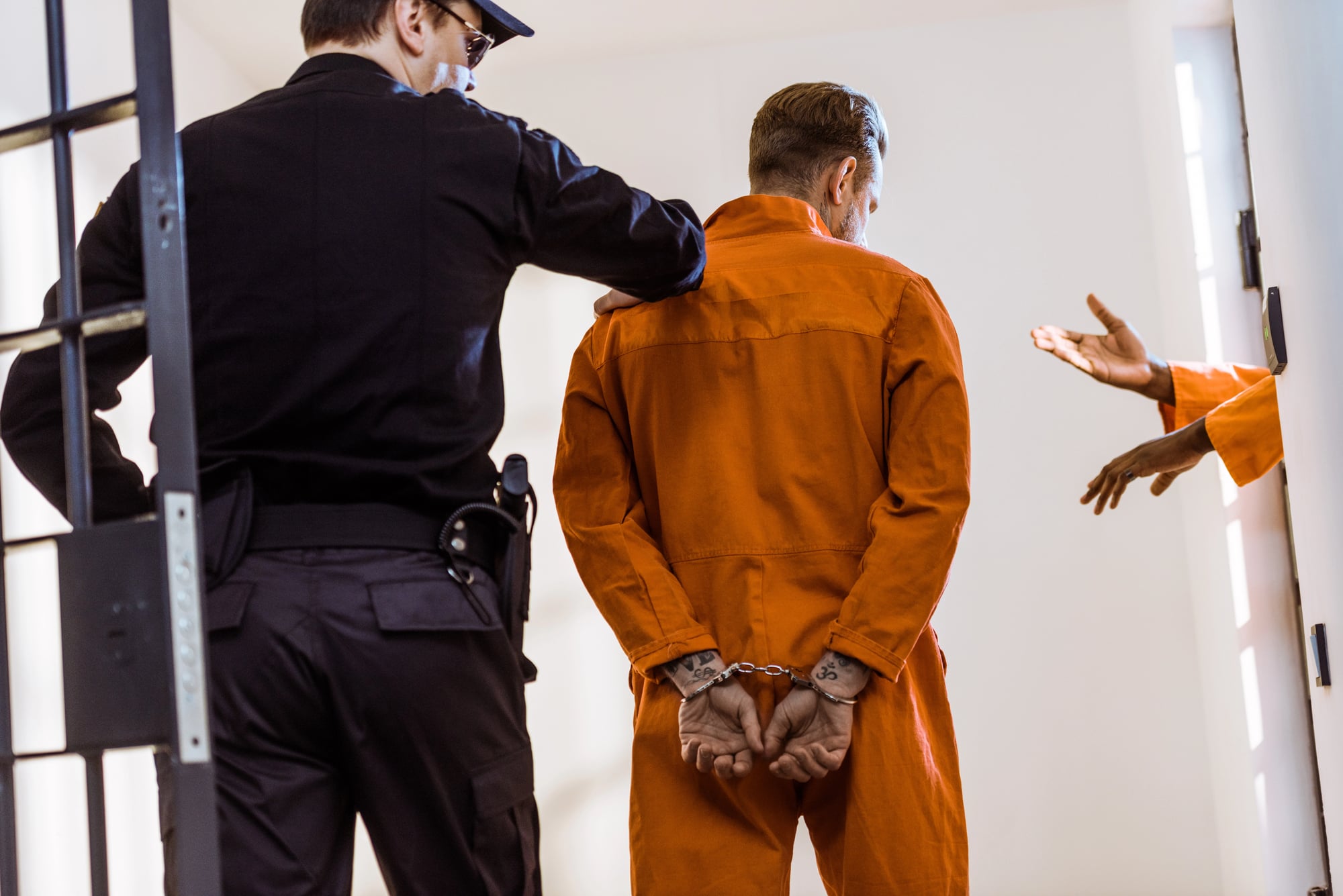
Suspects were routinely held overnight before seeing a judge, regardless of the charge or flight risk. This practice disrupted lives and jobs while treating pretrial detention as the default option rather than a last resort.
Risk assessment tools now help determine who actually needs detention before trial, allowing many low-risk individuals to remain free while awaiting court dates. About time, right?
Vehicle Ramming

Officers would use their patrol cars to ram fleeing vehicles, often causing dangerous crashes and injuries. This high-risk tactic frequently caused more harm than whatever prompted the chase in the first place.
Precision immobilization techniques, properly deployed tire deflation devices, and containment strategies have replaced these dangerous ramming maneuvers in most pursuits.
Blue Wall of Silence

An unwritten code prevented officers from reporting misconduct by their colleagues, putting loyalty above integrity and accountability. This culture of silence enabled repeated bad behavior and eroded public trust.
Early intervention systems, mandatory reporting requirements, and whistleblower protections now encourage officers to hold each other accountable. At least, that’s the intention.
River Dragging

Searches for evidence or bodies in waterways once relied on hooks and chains dragged along river bottoms, potentially damaging evidence and recovering items inefficiently. This crude approach often missed crucial evidence and risked destroying fragile items.
Side-scan sonar, underwater drones, and specialized dive teams with modern equipment have transformed underwater investigations into precise operations.
Policing in Progress

The retirement of these outdated tactics shows how law enforcement continues to develop as a profession grounded in science, ethics, and constitutional principles. Modern policing keeps evolving—incorporating research, technology, and community input to replace gut-feeling approaches with evidence-based practices.
Law enforcement faces ongoing challenges that will likely make some of today’s common tactics seem just as obsolete in coming decades. The willingness to abandon familiar but flawed methods reflects the field’s growing professionalism and commitment to serving communities effectively while respecting individual rights.
More from Go2Tutors!

- The Romanov Crown Jewels and Their Tragic Fate
- 13 Historical Mysteries That Science Still Can’t Solve
- Famous Hoaxes That Fooled the World for Years
- 15 Child Stars with Tragic Adult Lives
- 16 Famous Jewelry Pieces in History
Like Go2Tutors’s content? Follow us on MSN.