Times Of Famine in Recorded History
Human history contains countless moments when food vanished and entire populations starved. Some famines resulted from natural disasters.
Others came from human decisions, wars, or failed policies. The stories share common threads—desperation, mass death, and societies pushed to their breaking points.
Understanding these events means confronting some of the darkest chapters in human experience.
The Great Famine of 1315-1317
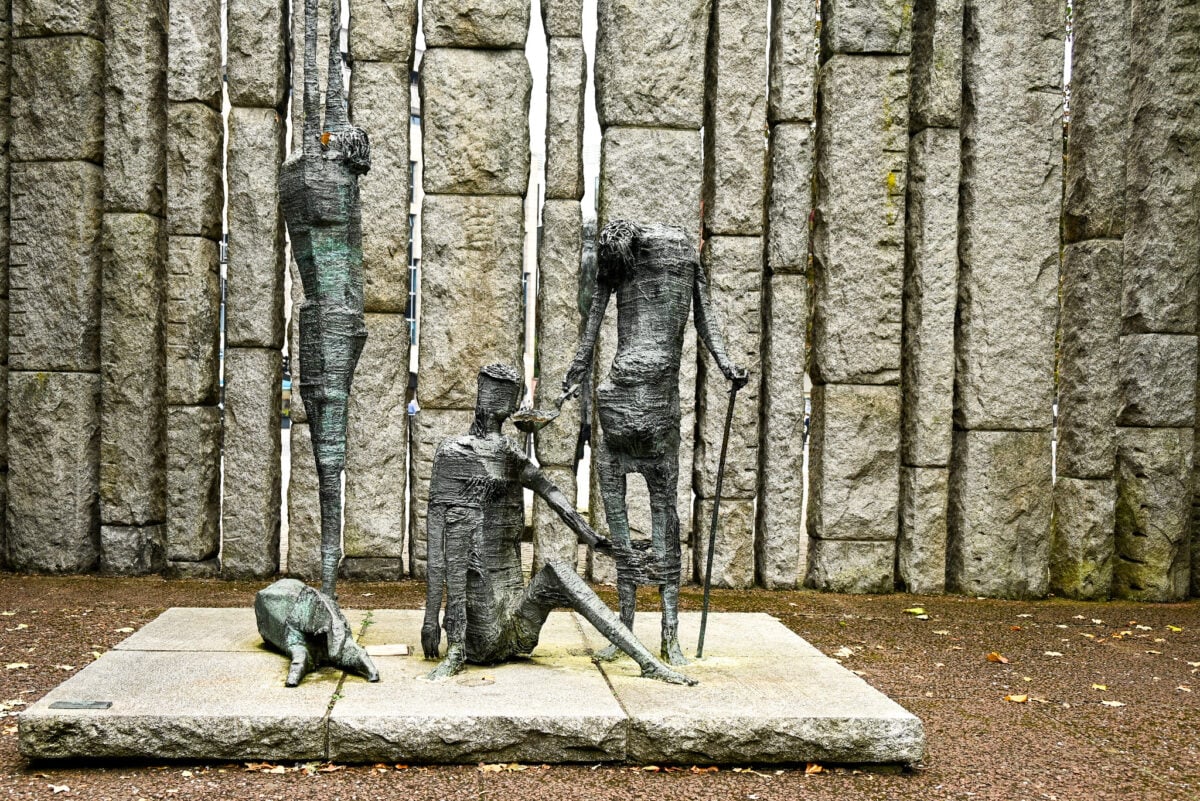
Medieval Europe had enjoyed relatively mild weather and good harvests for centuries. Then the rain started in spring 1315 and barely stopped for months. Fields flooded, crops rotted in the ground, and stored grain went moldy.
The rain continued through 1316 and into 1317. Peasants ate their seed grain, which meant no crops the following year.
They slaughtered their livestock, eliminating future food sources. Prices for basic foods increased ten-fold or more.
People ate cats, dogs, and eventually things you don’t want to think about. The mortality rate in some areas reached 25 percent.
This famine hit a population already living close to subsistence. Medieval agriculture operated on thin margins with little surplus.
Three years of failed harvests destroyed the system completely. The population of Europe wouldn’t recover for generations.
Ireland’s Potato Famine

Between 1845 and 1852, a fungal disease destroyed Ireland’s potato crops repeatedly. Potatoes had become the primary food source for most Irish people, especially the poor.
When the blight hit, millions faced starvation. The British government controlled Ireland at the time and responded inadequately.
They continued exporting food from Ireland even as people starved. Relief efforts came too late and provided too little.
The belief that market forces should solve the problem led officials to avoid direct intervention while deaths mounted. About one million people died.
Another million emigrated, fundamentally changing Ireland’s demographics and culture. The population decline continued for over a century.
The famine remained a defining trauma in Irish history and shaped relations with Britain for generations.
China’s Great Famine

From 1959 to 1961, China experienced the deadliest famine in recorded history. Estimates suggest between 15 and 55 million people died, though exact numbers remain uncertain.
The government caused this famine through disastrous policies rather than natural disasters. Mao Zedong’s Great Leap Forward aimed to rapidly industrialize China.
The government forced farmers into communes, demanded unrealistic production quotas, and diverted agricultural labor to steel production in backyard furnaces. Local officials reported false harvest numbers to avoid punishment, leading central planners to believe food was plentiful when people were starving.
The government confiscated grain from rural areas, leaving nothing for farmers to eat. Anyone who complained faced accusations of being a counter-revolutionary.
The famine remained officially unacknowledged for decades. Recent research has revealed the scale of the catastrophe, but full documentation remains restricted.
The Bengal Famine of 1943
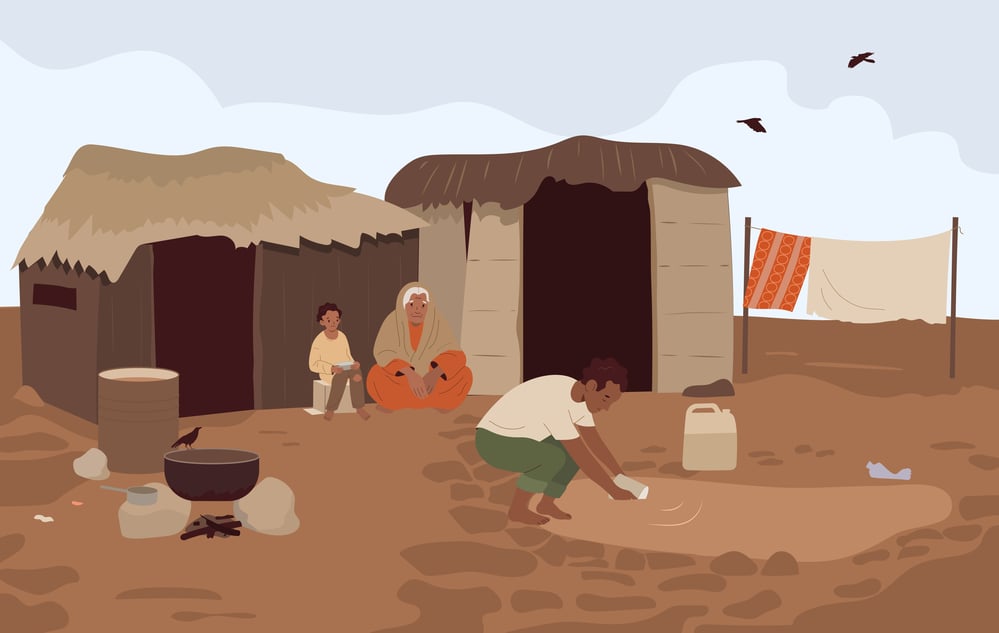
During World War II, Bengal experienced a famine that killed between two and three million people. Multiple factors converged—a cyclone damaged rice crops, wartime inflation drove up food prices, and the British colonial government prioritized military needs over civilian survival.
The British implemented a “denial policy” that removed rice and boats from coastal areas to prevent Japanese forces from accessing supplies if they invaded. This destroyed local food distribution networks.
The government also diverted food to soldiers, war workers, and urban areas, leaving rural Bengal to starve. Winston Churchill refused to divert ships carrying food to India, arguing they were needed for the war effort.
His government blamed the Indians themselves for the famine, claiming they bred too rapidly. Food aid arrived only after intense pressure and public outcry.
The Holodomor in Ukraine

In 1932-1933, Soviet policies created a famine in Ukraine that killed millions. The government forced collectivization of agriculture, confiscated grain, and prevented starving people from leaving affected areas.
Many historians consider this a deliberate act of genocide against the Ukrainian people. Stalin’s regime set impossible grain quotas for Ukrainian farmers.
When they couldn’t meet these quotas, authorities confiscated everything—seeds for next year’s planting, food meant for winter, even personal gardens. Armed guards prevented people from gathering leftover grain in fields.
The government sealed Ukraine’s borders, trapping millions in starving regions. Anyone caught with even small amounts of grain faced arrest or execution.
Urban residents received rations while rural Ukrainians died in massive numbers. The Soviet government denied that the famine was happening and prevented foreign aid from reaching victims.
The Siege of Leningrad
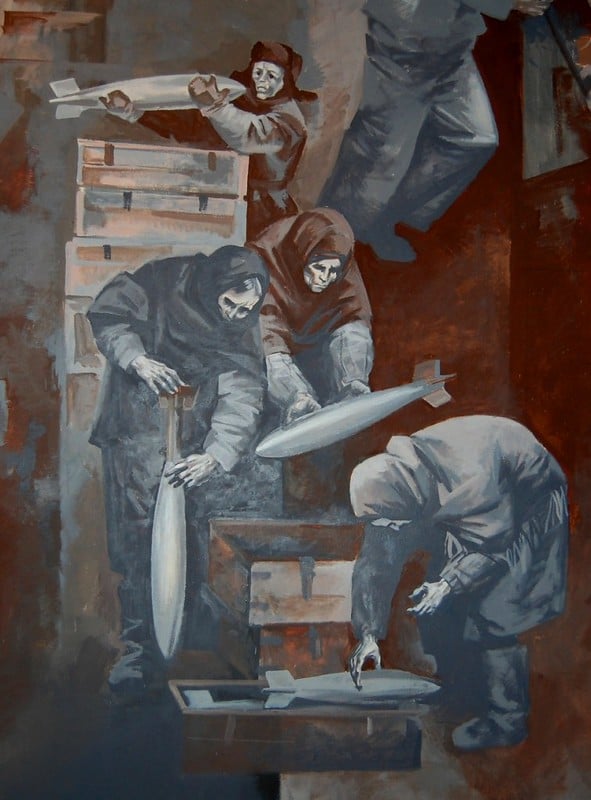
Nazi Germany besieged Leningrad from 1941 to 1944, cutting off food supplies to a city of millions. Over 800,000 civilians died, most from starvation.
The siege represented warfare specifically targeting civilian populations through induced famine. The population consumed everything remotely edible—pets, leather, wallpaper paste, carpenter’s glue.
Daily rations dropped to 125 grams of bread made partially from sawdust. People collapsed in the streets and froze to death during the brutal Russian winter.
The city’s survival depended on a dangerous supply route across frozen Lake Ladoga. Trucks carried food into the city across ice that sometimes broke, drowning drivers and cargo.
This “Road of Life” brought just enough supplies to keep some people alive, but not enough to prevent mass starvation.
Ethiopia’s Famines
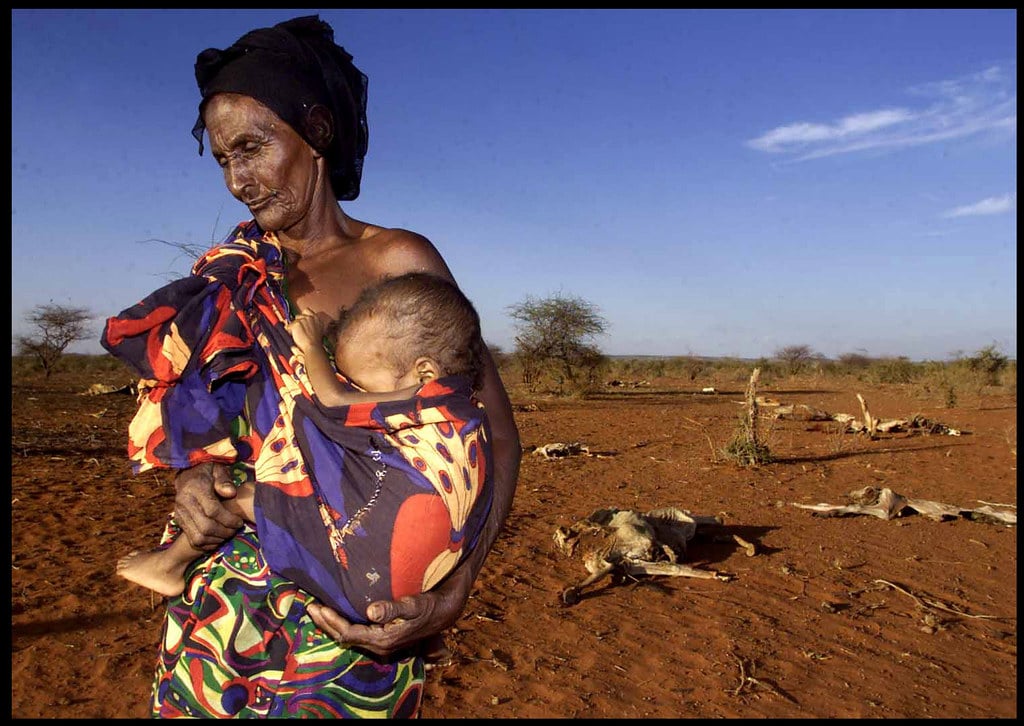
Ethiopia has experienced multiple devastating famines in modern history. The 1983-1985 famine killed approximately 400,000 people and became internationally known through news reports and charity efforts like Live Aid.
Drought triggered these crises, but government policies and civil war made them catastrophic. The Derg regime used food as a weapon, blocking aid to regions supporting rebel groups.
Forced resettlement programs moved people from their land during planting season, guaranteeing crop failures. International aid organizations struggled to deliver help while the government restricted access to affected areas.
Images of starving Ethiopian children shocked the world and prompted massive humanitarian responses. The government used some aid shipments to fund military operations rather than feeding civilians.
North Korea’s Arduous March

In the 1990s, North Korea experienced a famine that killed between 600,000 and one million people. The government called this period the “Arduous March,” framing it as a temporary hardship rather than a catastrophic failure of the system.
The collapse of the Soviet Union eliminated North Korea’s primary benefactor. Natural disasters damaged crops. But government policies created the worst effects.
The centralized distribution system broke down, and officials refused to acknowledge the crisis or allow significant foreign aid. People ate tree bark, grass, and anything that might provide calories.
The government maintained its military spending while civilians starved. The regime blamed external enemies for the famine rather than admitting its economic policies had failed.
The Dutch Hunger Winter
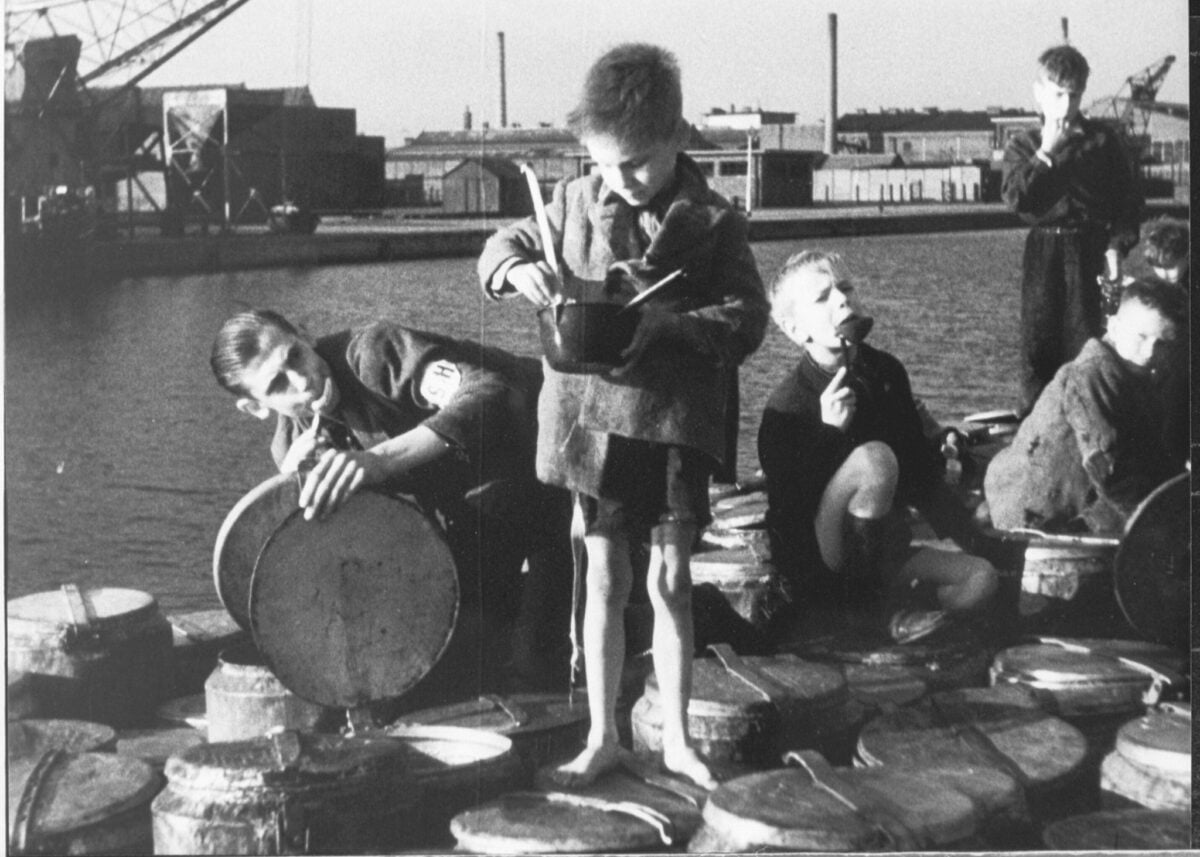
During the final months of World War II, the western Netherlands experienced severe famine. The German occupation forces blocked food supplies in retaliation for Dutch resistance activities and strikes.
From November 1944 to May 1945, about 20,000 people died from starvation. The winter of 1944-1945 was exceptionally cold, increasing caloric needs just as food disappeared.
Daily rations dropped to under 500 calories per person. People ate tulip bulbs, sugar beets, and anything else remotely digestible.
Relief came only when Allied forces liberated the Netherlands in May 1945. The famine’s effects extended beyond immediate deaths.
Children born during this period showed lasting health effects decades later, demonstrating how prenatal malnutrition affects people throughout their lives.
The Sahel Droughts
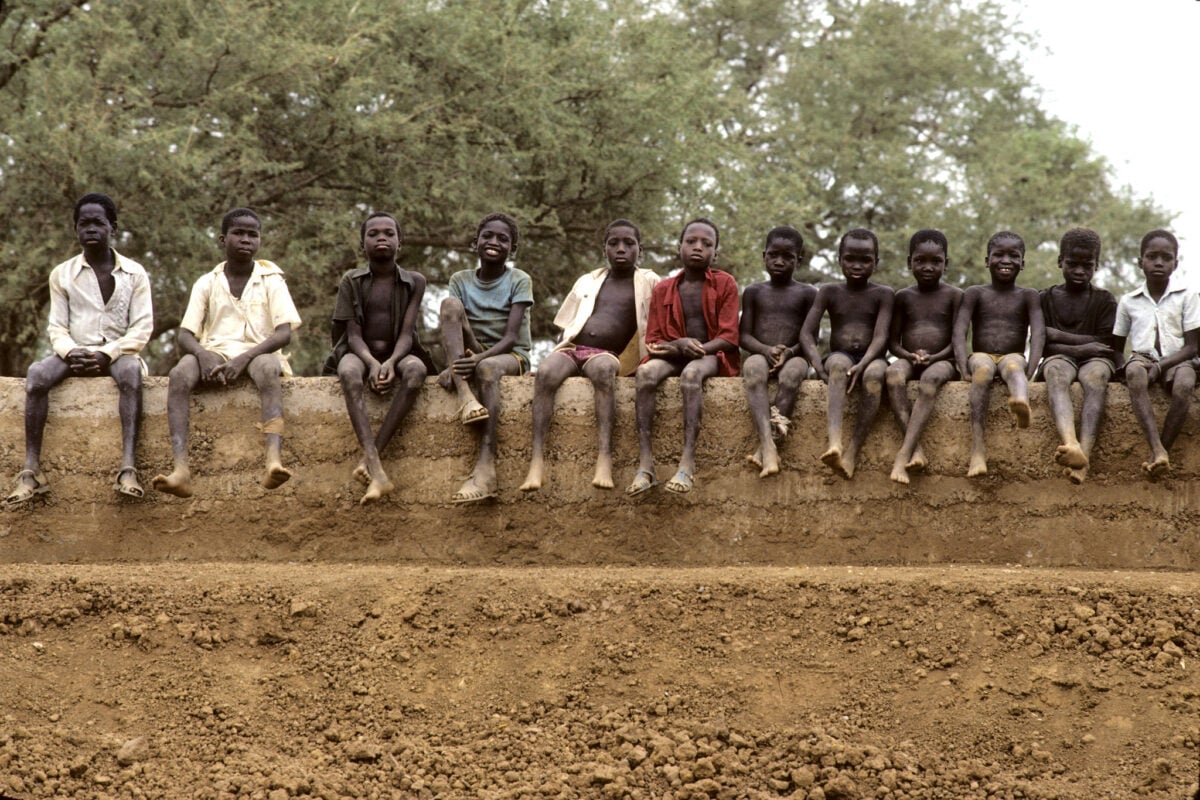
A series of droughts struck the Sahel region of Africa throughout the 1970s and 1980s, causing widespread famine. Countries including Chad, Niger, Mali, and Mauritania experienced repeated crop failures and livestock deaths.
These famines had complex causes. Drought provided the immediate trigger, but overgrazing, deforestation, and poor agricultural practices worsened the effects.
Colonial and post-colonial governments had pushed farming into marginal lands that couldn’t sustain agriculture during dry periods. International aid responses improved over time as organizations learned from earlier failures.
But the underlying problems—poverty, weak governments, and environmental degradation—continued to make the region vulnerable to food crises.
Somalia’s Famine of 2011
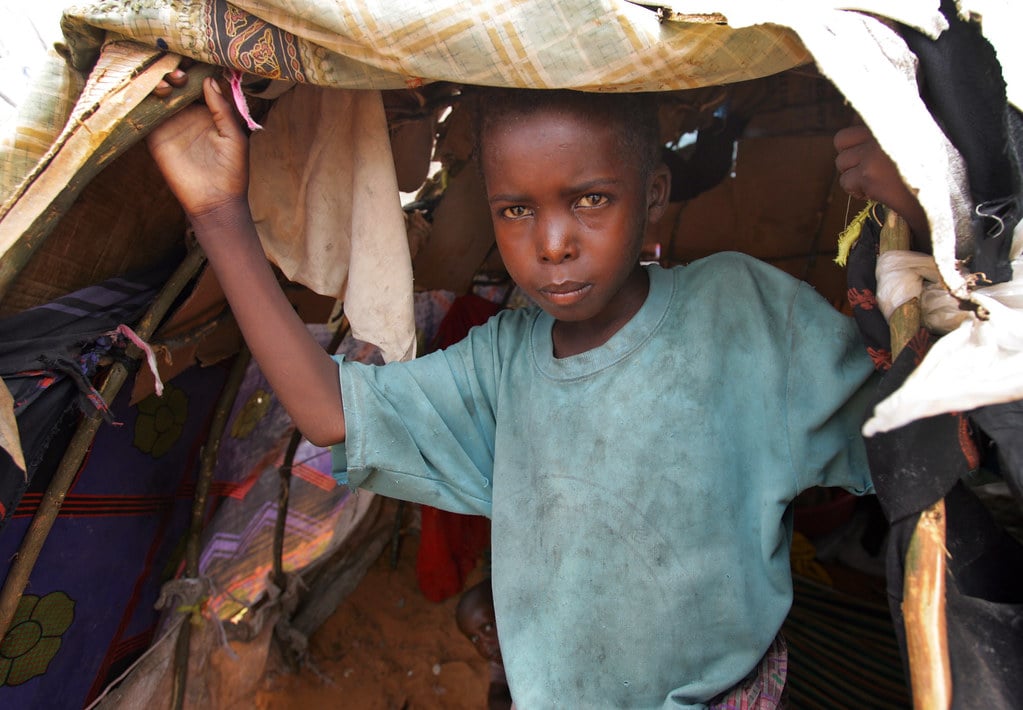
Half a million kids under five died during Somalia’s 2011 famine – around 260,000 lives lost in total. Not just dry earth caused it.
Conflict had already torn the country apart for years. Aid couldn’t reach those in need because armed groups like al-Shabaab controlled key areas.
Hunger spread fast when help was blocked. Nowhere safe remained under Al-Shabaab’s hold across southern Somalia.
Because of suspicion, outsiders offering help could not work there – spies, they said, hiding behind charity. So movement began, quietly at first, families walking far north toward borders.
Camps beyond the line offered food, water, and a chance. Running was the only way to reach it.
Only after many had died did leaders agree to call it a famine. Lives were lost while officials hesitated.
War and blocked aid routes caused hunger more than empty fields ever could.
The Syrian Food Crisis
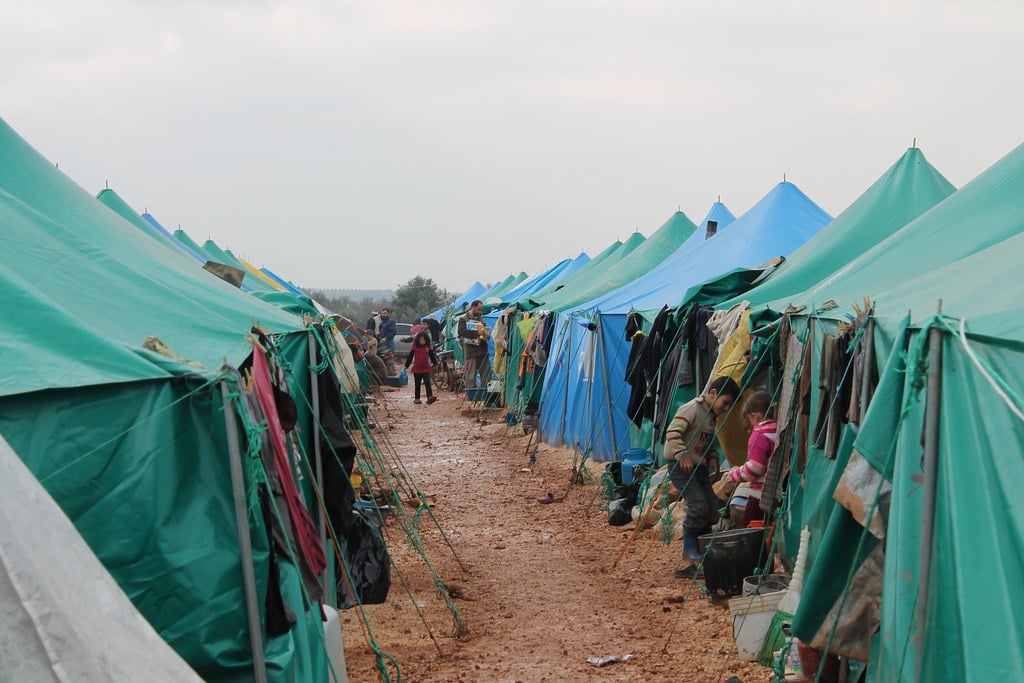
Fighting across Syria since 2011 has left countless without enough to eat. With groups in conflict, getting food became harder because some blocked aid just to gain ground.
Starvation became a weapon when authorities stopped supplies reaching enemy areas. With routes cut, places such as Aleppo saw families stuck, hungry, waiting.
Years passed in some zones before aid arrived. Residents began consuming whatever they could find – plants, weeds, bugs.
Eastern Ghouta held its breath while markets stayed empty. In Madaya, meals shrank to handfuls of roots. Hunger changed what people thought was edible.
Starvation being used as a tool in war? That’s banned by global rules.
Yet when chaos took hold, nobody could enforce it. Pictures of thin children trapped in blockaded zones lit up world anger – though real help never followed.
Hunger dragged on, just part of deeper suffering unfolding across the region.
Yemen’s Ongoing Crisis

Famine took hold in Yemen after fighting worsened in 2015. With ships kept away by a blockade led by Saudi Arabia, shipments of food slowed to a trickle into a nation reliant on outside supplies for nearly all its meals.
Starvation spread fast, hitting millions without enough to eat. Ships stopped arms going to Houthi fighters, yet blocked grain, beans, and insulin too.
A few trucks carrying rice or bandages got past checkpoints – rarely more than a fraction of what sick children needed. Doctors Without Borders called it starvation wearing war’s clothes; UN staff whispered worse in Sana’a hallways.
Babies felt the pain most. So many passed away because they had nothing to eat, their bodies too weak to fight off sicknesses that spread fast when people are worn down.
The world barely looked, even though so much was breaking. Still, the fighting dragged forward, stuck without answers.
Warnings Written in Hunger
Odd tests come first. Though some ideas seem strange at first, soon others copy them without saying so.
Not every try works out well. Some shifts spread through the whole industry.
Only drivers of these cars truly get why certain quirks matter. What feels odd today shows up everywhere tomorrow.
It’s their willingness to test unfamiliar paths that makes them different, while others stay fixed on repeating known formulas. Mistakes occur – recall when BMW stepped away earlier.
Still, more often than not, a daring step causes talk right away, only to slowly appear across the scene years later as followers finally adopt it. Forward motion shapes what BMW does, even if not every step feels right to everyone.
Some designs catch eyes in ways that puzzle people at first glance. Still, looking past the edges shows a clear rhythm – always moving ahead.
A feature may seem odd on its own. Yet it is hard to say they copy others.
Exploring untested directions just fits how they work. Now and again, a single try changes all the rest.
That outcome spreads, touching places well outside its original walls.
More from Go2Tutors!

- The Romanov Crown Jewels and Their Tragic Fate
- 13 Historical Mysteries That Science Still Can’t Solve
- Famous Hoaxes That Fooled the World for Years
- 15 Child Stars with Tragic Adult Lives
- 16 Famous Jewelry Pieces in History
Like Go2Tutors’s content? Follow us on MSN.



