Tips from 1950s Travel Guides
Travel looked completely different seventy years ago. People dressed up for flights, carried paper maps instead of phones, and relied on thick guidebooks to navigate unfamiliar places.
The advice from that era feels both charming and strange when viewed through a modern lens. These old travel guides offer a fascinating window into how people prepared for trips in the 1950s.
Let’s explore what travelers were told back then.
Always Pack A Spare Pair Of Nylons
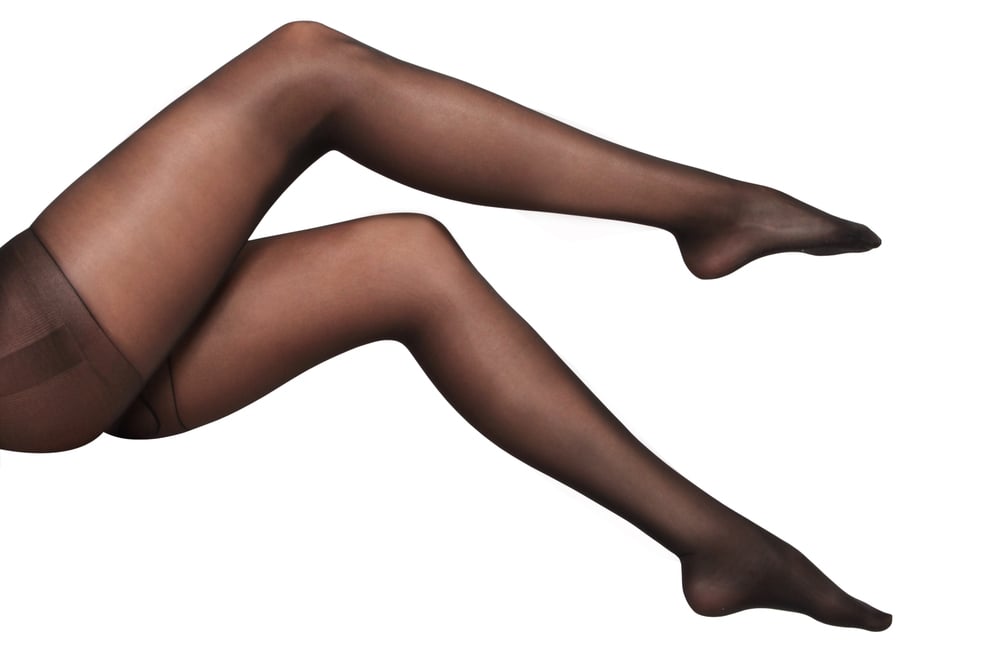
Women traveling in the 1950s faced constant warnings about hosiery disasters. Guidebooks treated stockings like essential survival gear, right up there with passports and tickets.
A run in your nylons could apparently ruin an entire vacation, so seasoned travelers stuffed their luggage with backups. The advice wasn’t entirely silly though, since women were expected to wear stockings in most public places, from restaurants to museums.
Bring Traveler’s Checks Instead Of Cash

Credit cards barely existed in the 1950s, so guidebooks pushed traveler’s checks as the safest money option. These paper vouchers required two signatures and could be replaced if stolen, making them revolutionary for their time.
Banks issued them in fixed amounts, and travelers spent hours at American Express offices cashing them in foreign countries. The whole process sounds exhausting now, but it beats carrying wads of bills through unfamiliar cities.
Write Your Hotel Address On A Card

Getting lost in a foreign city was genuinely scary before cell phones existed. Travel guides recommended writing your hotel’s name and address on multiple cards to show taxi drivers or helpful locals.
Smart travelers also grabbed hotel matchbooks or business cards from the front desk. This simple trick saved countless confused tourists from wandering strange streets after dark.
Dress Formally For Airplane Travel

Flying was such a fancy event in the 1950s that guidebooks included entire sections on appropriate plane attire. Men wore suits and ties, women donned dresses and heels, and everyone treated the flight like a special occasion.
Airlines served multi-course meals in real china, and the whole experience felt more like dining at a nice restaurant than modern air travel. Showing up in sweatpants would have caused genuine shock.
Learn Basic Foreign Phrases Before Departure

Guidebooks from this era contained extensive phrase sections for common languages. Travelers spent weeks memorizing ‘Where is the bathroom?’ and ‘How much does this cost?’ in French, Spanish, or German.
English wasn’t the default international language yet, so this preparation actually mattered. The phonetic spellings in these books look hilariously wrong now, but they helped nervous Americans navigate Europe.
Carry Smelling Salts For Motion Sickness

Travel guides treated motion sickness like a serious medical crisis. They recommended smelling salts, special pills, and sitting in specific train car positions to avoid nausea.
Ocean voyages lasted days instead of hours, making seasickness a legitimate concern. The remedies sound old-fashioned now, but they reflected real problems when every international trip involved lengthy boat rides or bumpy plane flights.
Pack A Universal Sink Stopper
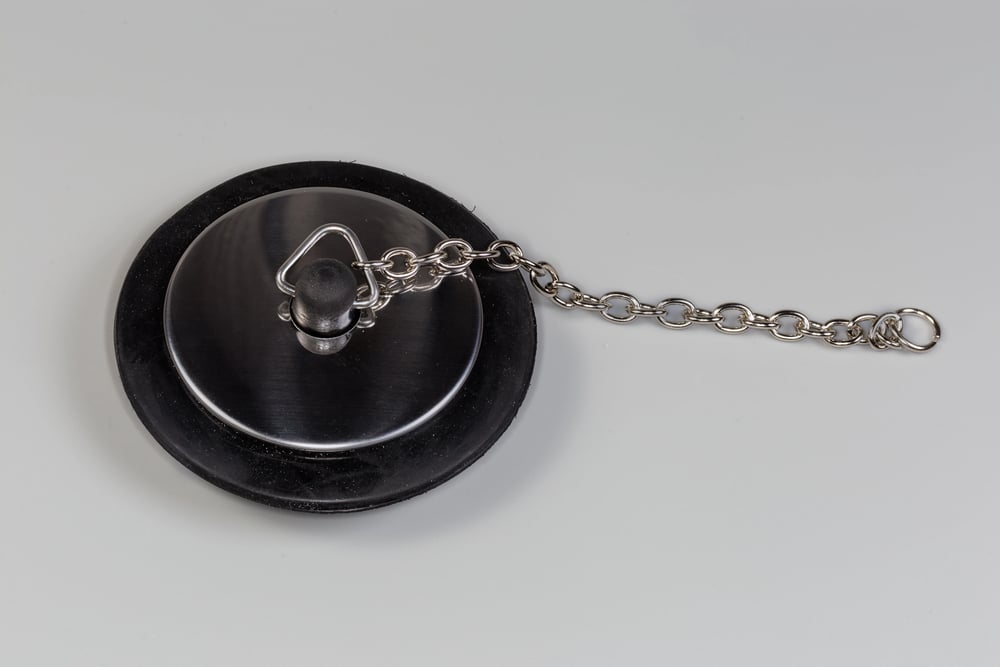
This oddly specific advice appeared in nearly every 1950s travel guide. Hotels apparently had inconsistent or missing drain plugs, turning basic tasks like hand-washing clothes into challenges.
The universal rubber stopper became essential gear for budget travelers who needed to wash garments in their rooms. Modern travelers rarely think about sink stoppers, but they solved a genuine problem back then.
Bring Gifts For Overseas Hosts

Guidebooks strongly encouraged carrying small American items as gifts for foreign hosts or helpful strangers. Popular suggestions included cig lighters, nylon scarves, and American coffee.
This advice reflected both genuine hospitality customs and the economic reality that American goods had special value in post-war Europe. The practice created friendly connections but also revealed some uncomfortable assumptions about American superiority.
Reserve Restaurants Weeks In Advance
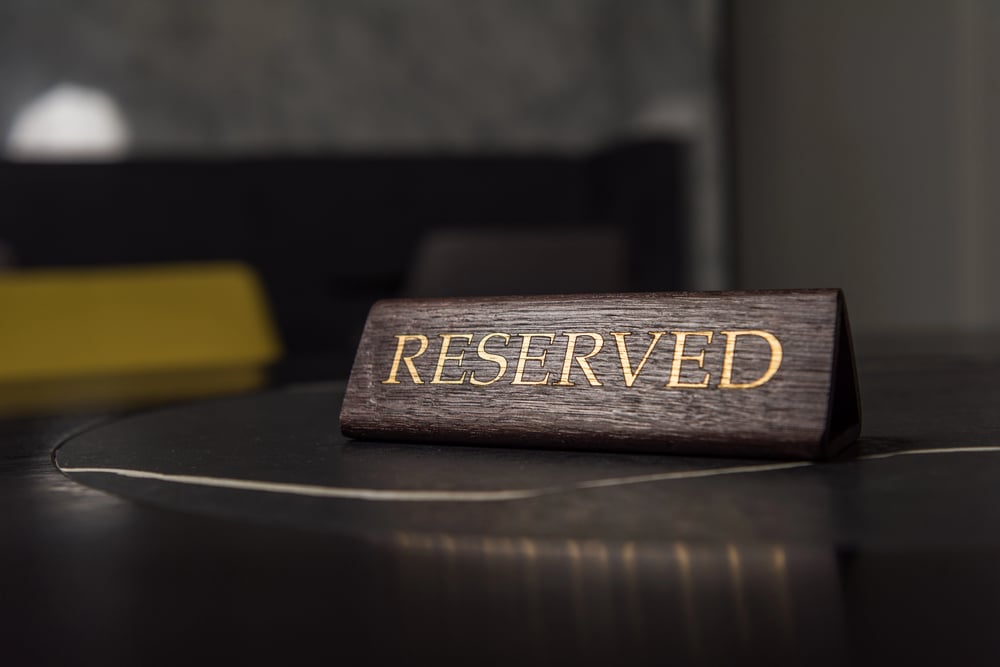
Spontaneous dining barely existed in 1950s travel culture. Guidebooks instructed tourists to write letters to popular restaurants weeks before their trips, requesting reservations.
The whole process required planning skills that modern travelers can’t imagine. Phone calls across countries cost a fortune, so most communication happened through hotel concierges or actual postal mail.
Avoid Drinking Tap Water Abroad

Travel guides from this era treated foreign water like poison. They recommended drinking only bottled water, wine, or hot beverages in most countries outside America.
The advice wasn’t entirely paranoid since water treatment varied wildly between countries. Travelers who ignored this warning often spent their vacations dealing with stomach problems.
Bottled water wasn’t widely available either, making hydration a genuine challenge.
Carry Exact Change For Tips
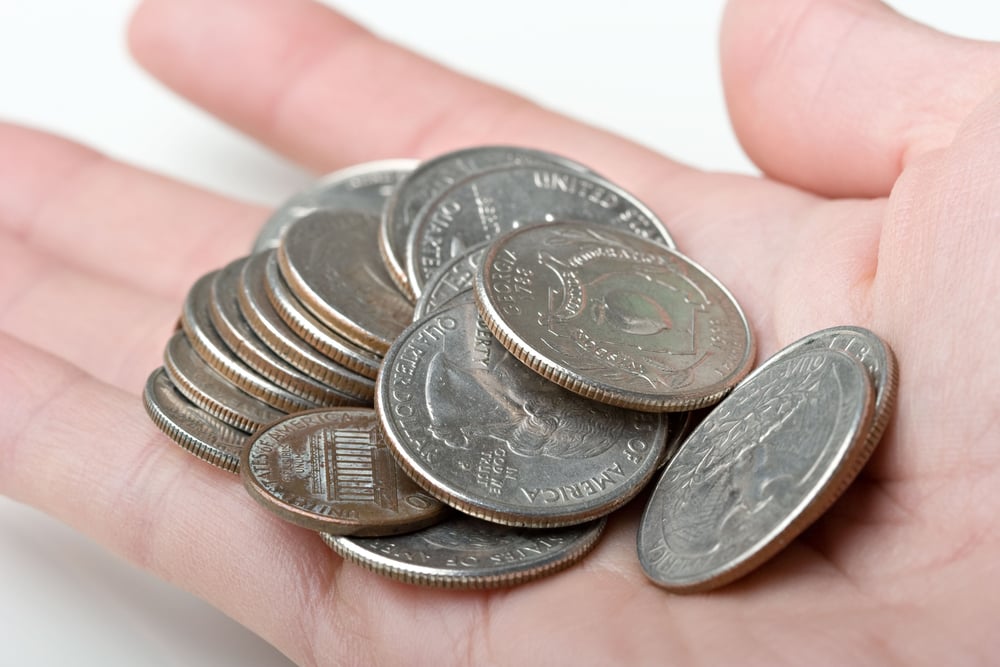
Tipping culture varied dramatically between countries, and guidebooks provided detailed charts showing appropriate amounts for different services. Travelers needed to calculate tips in unfamiliar currencies without smartphone apps or easy conversion.
The guides also warned that under-tipping marked you as a rude American, while over-tipping made you look foolish. Getting it right required studying these charts like homework assignments.
Book Passage On Ocean Liners Early
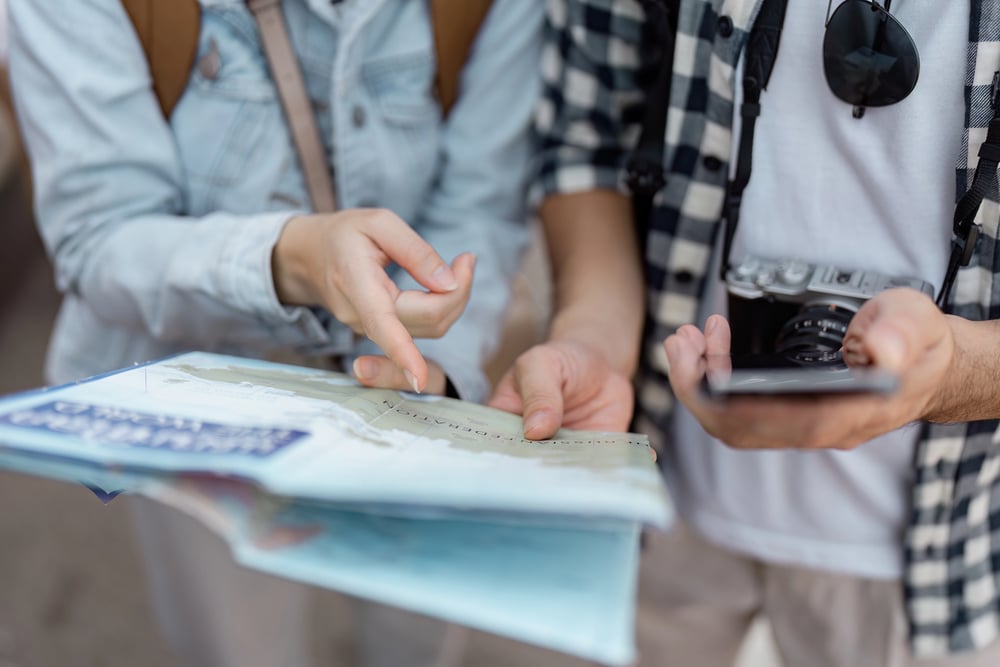
Transatlantic flights were still expensive and scary in the 1950s, so guidebooks focused heavily on ocean liner travel. They recommended booking six months ahead for popular routes and choosing cabin locations carefully to minimize seasickness.
The crossing took five to seven days, and travelers packed formal evening wear for captain’s dinners. This advice reflected a travel world where patience mattered more than speed.
Bring Electrical Adapters And Converters
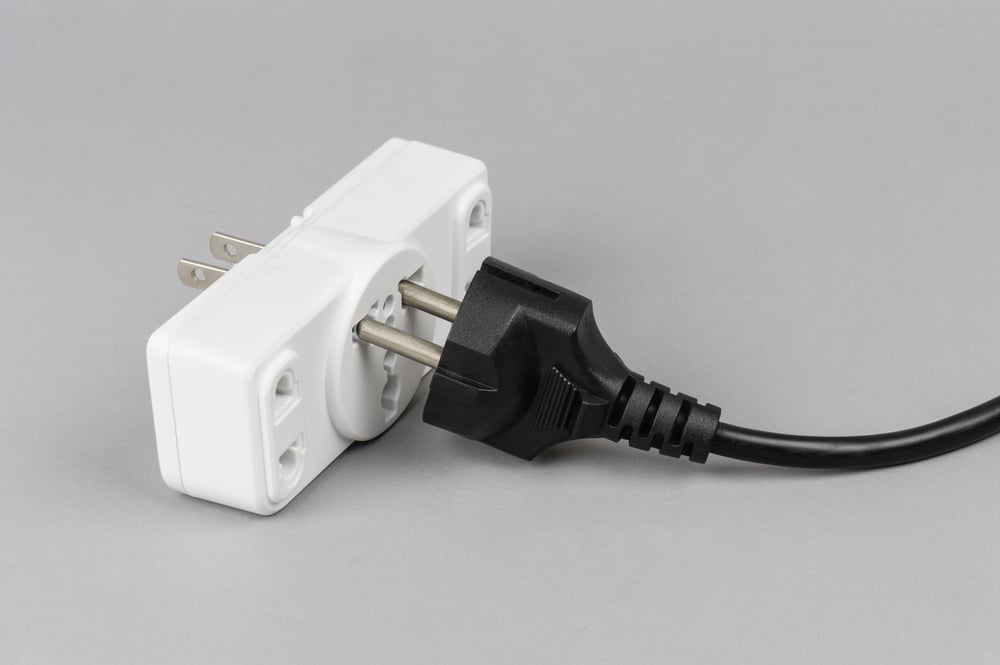
Electrical outlets varied wildly between countries, and guidebooks devoted entire chapters to voltage differences. Travelers needed both plug adapters and voltage converters for their electric shavers or hair dryers.
Forgetting this equipment could mean ruining expensive appliances or going without them entirely. The problem still exists today, but modern devices handle voltage differences better than 1950s electronics.
Keep Prescriptions In Original Bottles

Customs officials in the 1950s were apparently very suspicious of loose pills. Travel guides warned that bringing medications in unmarked containers could lead to serious problems at borders.
They recommended carrying doctor’s letters explaining any unusual medicines. This advice remains relevant today, showing that some travel wisdom actually ages well.
Visit American Express Offices Abroad

These offices functioned as combination post offices, banks, and information centers for American travelers. Guidebooks treated them like essential stops in every foreign city.
Travelers picked up mail, cashed checks, and got advice about local attractions there. The offices created little pockets of American familiarity in otherwise overwhelming foreign environments.
Plan Trips Around Passenger Ship Schedules
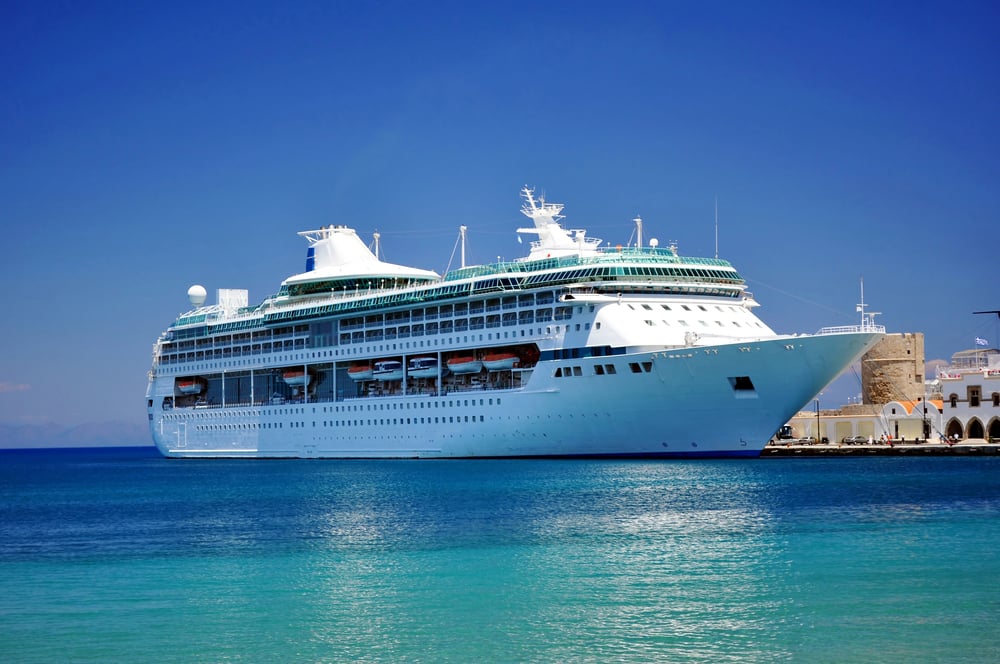
European travel in the 1950s required coordinating your entire vacation with ocean liner departure dates. Guidebooks included ship schedules alongside train timetables because missing your return voyage meant waiting days or weeks for another.
This constraint shaped trip lengths and itineraries in ways modern travelers can barely comprehend. Flexibility wasn’t really an option when boats only sailed twice weekly.
Bring A Portable Clothesline

Few places put laundry help on the menu back when tourists roamed in the fifties. Guide pages often said to bring light rope – useful for hanging shirts and socks from a curtain rod or chair leg.
A sink plug found worldwide made rinsing possible even far from home. Without that setup, drying damp things would take much longer than anyone wanted.
Staff might have frowned at towels draped everywhere still, most handbooks treated the move like common sense.
Sign Up At U.S. Embassies

Arriving somewhere new, people once got a firm nudge to check in with U.S. diplomatic offices abroad. Officials could track citizens more easily when things went sideways – say, a sudden crisis overseas.
Rooted in Cold War nerves, the tip made sense back then, amid sketchy zones and shaky alliances. These days? Many simply ignore it, even if some far-flung spots still suggest you do.
Back When Journeys Held Another Meaning
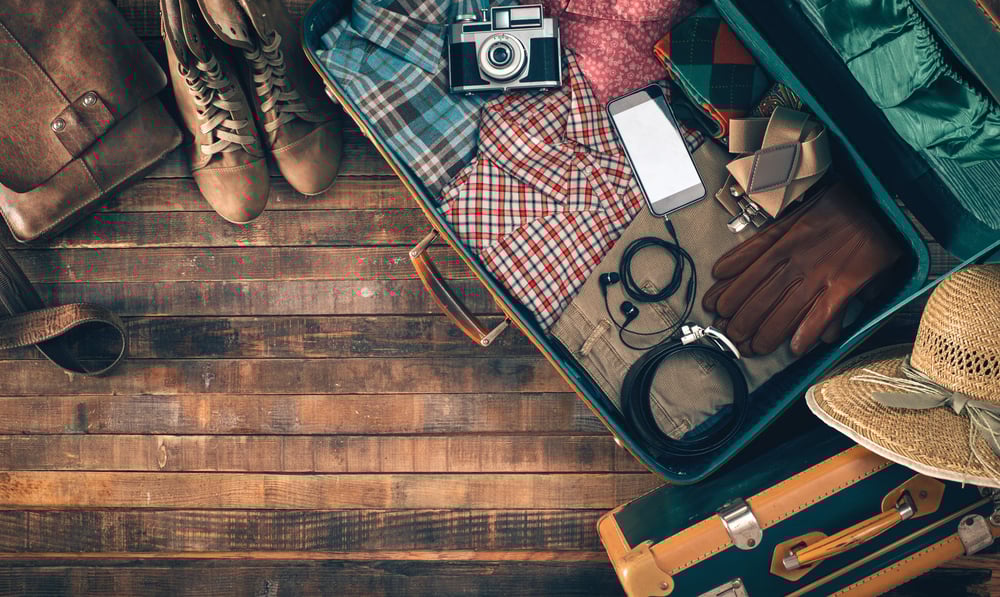
Worries around going abroad back in the 1950s shine through these outdated guidebooks. Getting ready for a journey meant planning weeks ahead, watching every dollar, then finding real nerve to leave home soil behind.
Tips on carrying hose, sniffing salts, even drying laundry – each note hints at daily hurdles plus what society thought proper. Today’s explorers have tools like live translators or booking flights minutes before takeoff, things past authors would’ve struggled to picture.
Yet strangely enough, that old rhythm of preparing thoroughly, paired with raw excitement, lingers as oddly attractive now.
More from Go2Tutors!

- The Romanov Crown Jewels and Their Tragic Fate
- 13 Historical Mysteries That Science Still Can’t Solve
- Famous Hoaxes That Fooled the World for Years
- 15 Child Stars with Tragic Adult Lives
- 16 Famous Jewelry Pieces in History
Like Go2Tutors’s content? Follow us on MSN.