Top 13 Super Nintendo Strategy Games of All Time
The Super Nintendo wasn’t exactly regarded as a dominant force in strategy. The majority of gamers associate it with fighters, RPGs, and platformers.
However, there were some truly amazing strategy games hidden away in the SNES library that required players to consider their actions before taking them. These games gave a console that usually valued fast reactions over meticulous planning tactical depth.
On the SNES, strategy games had to operate under severe restrictions: most games didn’t support mice, there weren’t many buttons, and the hardware wasn’t made for intricate unit management. Developers came up with innovative ways to create captivating strategic experiences in spite of these obstacles.
The top 13 strategy games ever released for the Super Nintendo are listed here.
Tactics Ogre: Let Us Cling Together

This tactical masterpiece delivered a dark, politically charged story that most SNES games wouldn’t touch. The narrative explored themes of war, racism, and moral ambiguity in a fantasy setting where your choices actually mattered.
Players commanded units across grid-based battlefields, and the decisions you made didn’t just affect individual battles—they changed the entire trajectory of the story. The gameplay was deep enough to satisfy hardcore strategy fans, with character classes, terrain advantages, and positioning all playing crucial roles.
Originally released only in Japan for the Super Famicom, it never received an official North American SNES release, though it later gained recognition through PlayStation and PSP ports that brought it to Western audiences.
Ogre Battle: The March of the Black Queen
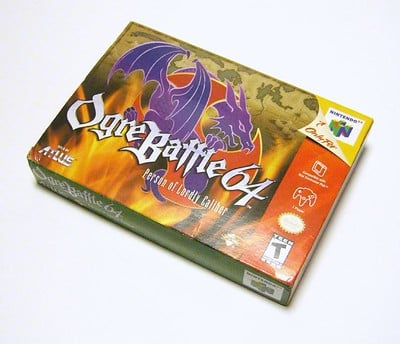
Ogre Battle mixed real-time strategy with RPG elements in ways that felt fresh and exciting. Instead of controlling individual units in traditional turn-based combat, you organized squads that moved across large maps like chess pieces.
Once squads engaged enemies, battles played out automatically based on how you’d arranged your units and what equipment they carried. This created a fascinating layer of pre-battle strategy where positioning your fighters, mages, and healers within each squad was just as important as moving them around the map.
Unlike its Japan-only successor, this title was officially localized and released in North America by Enix in 1995, giving Western players a chance to experience its unique blend of strategy and RPG mechanics.
Front Mission
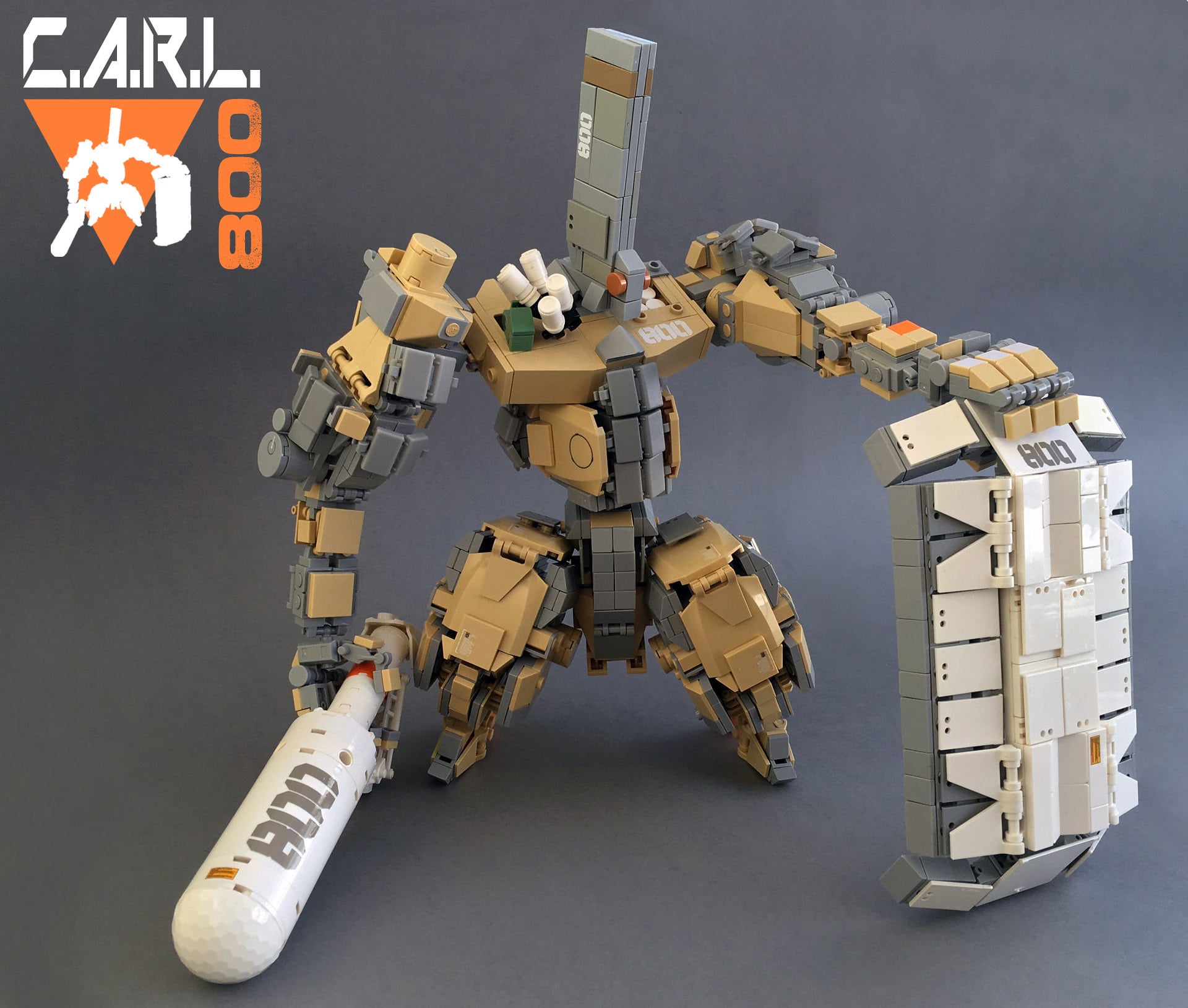
Front Mission brought mech combat strategy to the Super Famicom with a focus on customization and tactical positioning. Players controlled giant robots called wanzers, outfitting them with different weapons, armor, and computer systems before heading into grid-based battles.
The strategic depth came from targeting specific parts of enemy mechs—taking out legs to reduce mobility or destroying weapon arms to neutralize threats. The game featured a compelling story about war and political conspiracy that gave context to all the mechanical mayhem.
Like Tactics Ogre, it remained a Japan-only release on the Super Famicom, though Western audiences eventually experienced the series through Front Mission DS and fan translations.
Fire Emblem: Genealogy of the Holy War
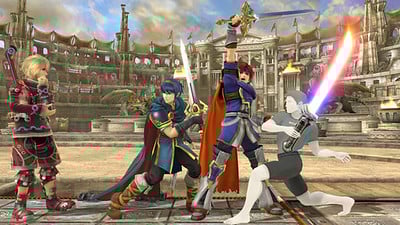
This Japan-only Super Famicom release pushed the tactical RPG formula to epic proportions. The game spanned generations, with the story continuing through the children of your original characters.
Maps were absolutely massive compared to other strategy games, sometimes taking hours to complete. The gameplay introduced weapon durability and a complex relationship system where pairing up characters affected the abilities of their children in the second half of the game.
Permanent death for characters made every decision feel weighty—losing a favorite unit meant they were gone for good. While it never officially released outside Japan, its influence on modern Fire Emblem games is undeniable.
Fire Emblem: Thracia 776

Thracia 776 earned a reputation as one of the most challenging strategy games ever made on the Super Famicom. This sequel to Genealogy of the Holy War introduced mechanics like the fatigue system, where characters grew tired after repeated actions and needed rest.
The game also featured a controversial capture mechanic that let you take enemies prisoner and steal their equipment. Maps were designed to be brutally difficult, with limited resources and overwhelming enemy forces that required careful planning to overcome.
It was the last Fire Emblem game released for the Super Famicom and remains a favorite among series veterans who appreciate its unforgiving difficulty, though like its predecessor, it never saw an official Western release.
SimCity

SimCity brought the city-building phenomenon to consoles and somehow made it work despite the control limitations. Co-developed by Nintendo and Maxis, the SNES version featured exclusive content including Dr. Wright as your advisor and even disasters involving Bowser attacking your city.
Players started with an empty plot of land and built it into a thriving metropolis by zoning residential, commercial, and industrial areas while managing budgets and infrastructure. The game included scenarios based on real disasters like the San Francisco earthquake, challenging you to rebuild cities under specific conditions.
It proved that complex simulation games could translate to consoles when developers put in the effort.
Nobunaga’s Ambition: Lord of Darkness

Koei’s historical strategy series made its SNES debut with Lord of Darkness, released in 1993. Players took the role of a Japanese warlord attempting to unite the country through military conquest, diplomacy, and careful resource management.
The game balanced multiple strategic layers—you had to manage your provinces, train troops, form alliances, and plan military campaigns all while keeping an eye on rival warlords. The historical setting added flavor that separated it from fantasy-themed strategy games, and the depth of the simulation appealed to players who wanted something more substantial than typical console fare.
Romance of the Three Kingdoms II

This historical strategy game dropped players into ancient China during one of its most tumultuous periods. Released in North America for the SNES, you selected a warlord and worked to conquer neighboring territories through warfare, espionage, and political maneuvering.
The game featured an impressive roster of historical figures, each with unique stats and abilities that affected how they performed as generals or administrators. Managing your provinces required balancing food production, troop training, and keeping your officers loyal.
It was the kind of deep strategic experience that could eat up dozens of hours as you slowly unified China under your banner.
Romance of the Three Kingdoms III: Dragon of Destiny

The third entry refined the formula with improved graphics and additional strategic options available to North American SNES players. This version expanded the officer system, giving you more ways to interact with the hundreds of historical characters.
Diplomacy became more nuanced, allowing for complex alliance networks and betrayals. The battlefield tactics improved as well, with terrain playing a bigger role in combat outcomes.
Players could spend just as much time in the administrative screens managing provinces as they did planning military campaigns. It struck a nice balance between grand strategy and tactical combat that made it accessible without dumbing down the experience.
Romance of the Three Kingdoms IV: Wall of Fire

The fourth installment pushed the series further with even more strategic depth and polish on the Super Famicom. New features included naval battles, enhanced siege warfare, and a more detailed economic system.
The game gave players more control over individual battles rather than leaving everything to auto-resolve, which added a welcome tactical layer. While this entry remained exclusive to the Super Famicom in Japan, North American strategy fans could experience it through the Sega Genesis version instead.
Uncharted Waters: New Horizons

This unique strategy game combined trading simulation, exploration, and naval combat in the Age of Discovery. The second entry in the Uncharted Waters series, it offered players a choice of multiple characters, each with different starting positions and goals, then set them sail to make their fortune.
You traded goods between ports, discovered new territories, engaged in ship-to-ship combat, and even hunted for treasure. The open-ended nature meant you could focus on becoming a wealthy merchant, a feared pirate, or an explorer mapping uncharted waters.
The game’s scope was impressive, covering a huge chunk of the known world and giving players genuine freedom in how they approached their maritime career.
Genghis Khan II: Clan of the Gray Wolf
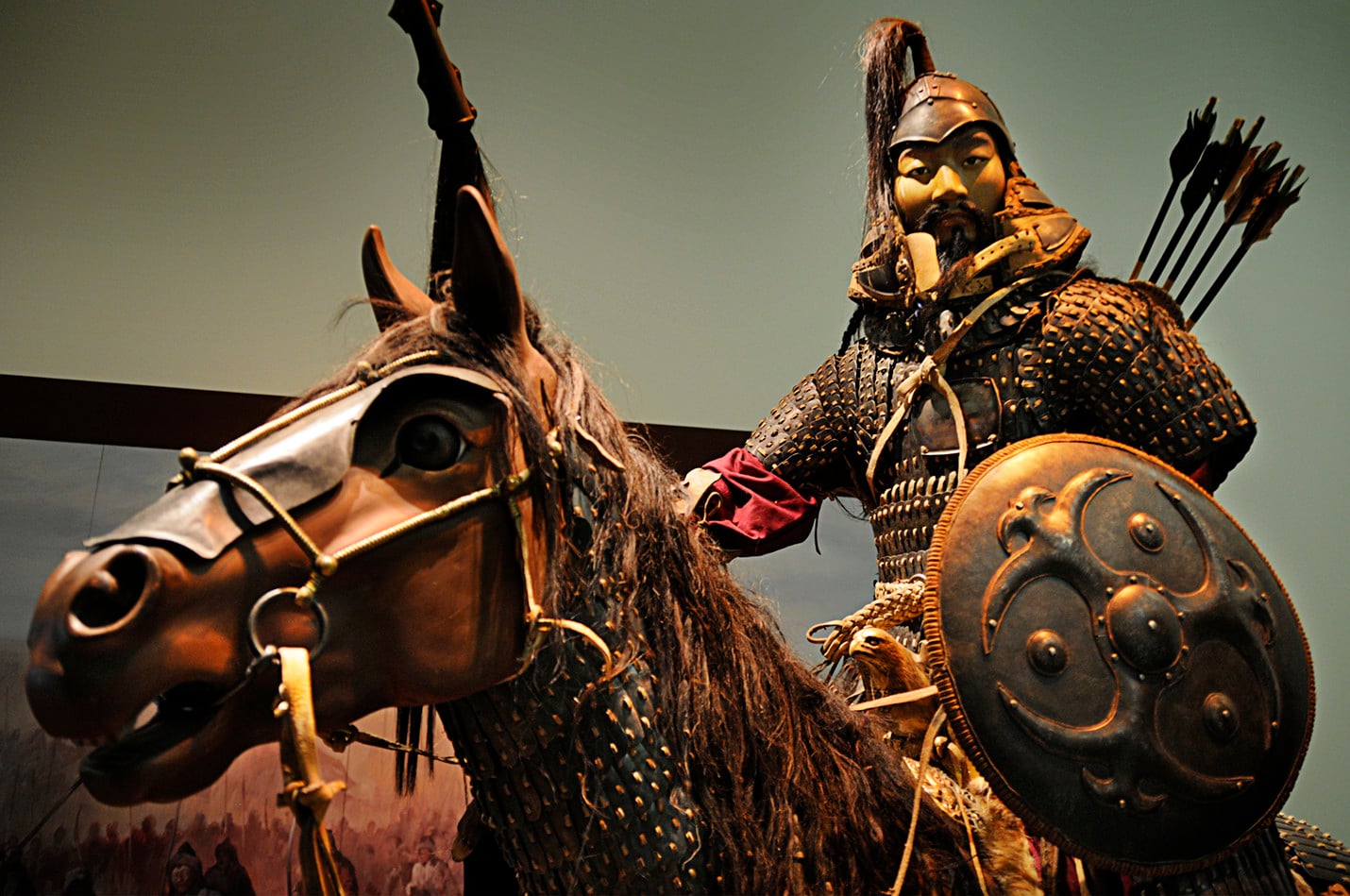
Another Koei historical strategy title, this one focused on the Mongol conquests and other historical scenarios. The SNES version featured improved visuals and expanded scenarios compared to earlier PC ports, making it the definitive console experience.
Players managed everything from troop movements to diplomatic relations across a map spanning Asia and Europe. The game included both strategic map management and tactical battlefield combat, giving you control at multiple levels.
You recruited generals, managed resources, and planned campaigns while also commanding troops in real-time during battles. The historical scenarios added variety, letting you play through different periods rather than just the Mongol expansion.
King Arthur’s World
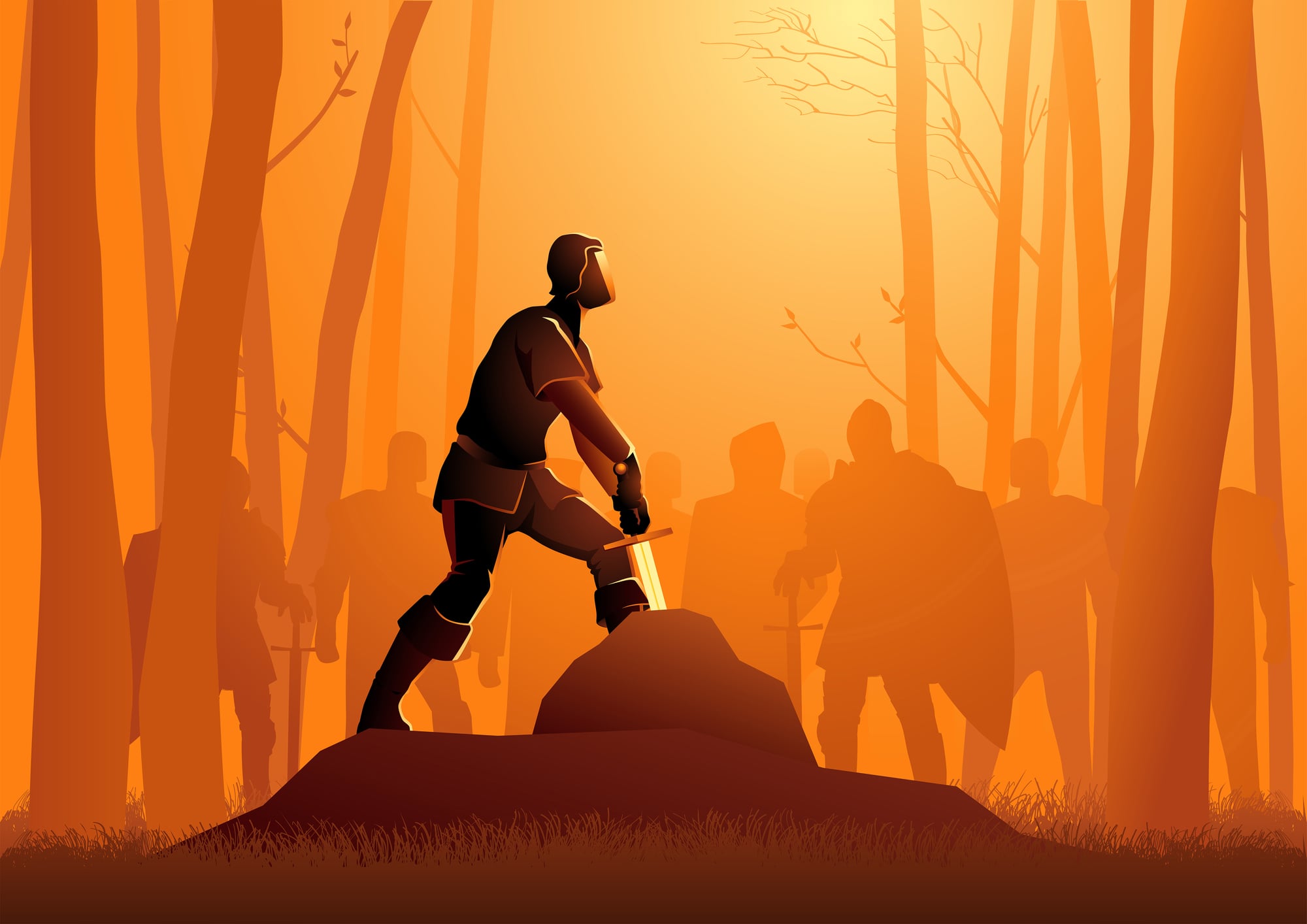
King Arthur’s World took a different approach to strategy, blending puzzle elements with real-time tactics. Players deployed different unit types—knights, archers, engineers, wizards—to help King Arthur navigate from his tent to the goal.
Each unit had specific abilities, and figuring out the right combination and sequence was the puzzle. Engineers built structures, archers provided cover fire, and wizards cast spells that could help or accidentally cause chaos.
The game supported both the standard SNES controller and the SNES Mouse, a rare feature for console strategy titles that gave players more precise control. It was less about grand strategy and more about solving tactical puzzles, but the strategic thinking required made it fit right in with deeper titles.
From Niche to Notable
Although Super Nintendo strategy games never achieved the same level of popularity as PC games, developers continued to try. These 13 games demonstrated that console gamers preferred games that rewarded strategy and patience over fast reflexes.
These games provided experiences that weren’t available in the standard SNES library, such as the city-building joy of SimCity and the political intrigue of Tactics Ogre. Even though they weren’t popular, they offered some of the satisfying gameplay that the 16-bit era had to offer to players who were prepared to put in the effort.
More from Go2Tutors!

- The Romanov Crown Jewels and Their Tragic Fate
- 13 Historical Mysteries That Science Still Can’t Solve
- Famous Hoaxes That Fooled the World for Years
- 15 Child Stars with Tragic Adult Lives
- 16 Famous Jewelry Pieces in History
Like Go2Tutors’s content? Follow us on MSN.



