Toys from Ancient Rome
Children in ancient Rome played with many of the same types of toys you might find today. Archaeologists have uncovered dolls, miniature figures, and game pieces buried for nearly two thousand years.
These objects tell a story about childhood that feels surprisingly familiar, even across such a vast stretch of time. The toys weren’t mass-produced in factories. Families made them at home, or artisans crafted them in small workshops.
Some were simple—sticks and stones turned into playthings through imagination. Others showed real craftsmanship, carved from wood or bone, sometimes decorated with paint that has long since faded away.
Dolls That Survived the Centuries

Roman dolls turned up in tombs and garbage pits throughout the empire. The simple ones were made from cloth or clay.
The fancy versions came from ivory or bone, with jointed limbs that moved at the shoulders and hips. Some dolls wore tiny clothes that mothers or older sisters had sewn.
Others stayed unclothed, their carved features smoothed by countless small hands. Girls played with these dolls the same way children do now, creating stories and scenarios that made sense only to them.
When girls reached marriageable age, they dedicated their childhood dolls to the goddess Venus. This marked the transition from child to young woman.
Some of these dolls were found in temples, offerings from girls who had grown up.
Miniature Soldiers and Figures
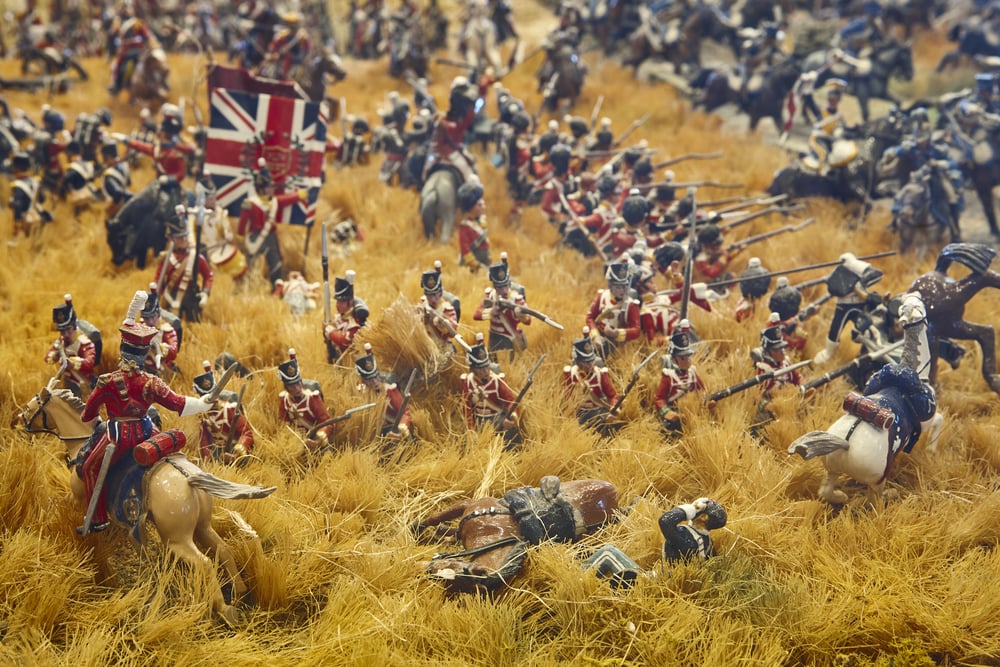
Boys played with small figures made from clay or lead. These miniatures represented soldiers, gladiators, or animals.
You could set them up for battles or create scenes from the arena. The craftsmanship varied wildly.
Some figures were crude, barely shaped lumps that required imagination to bring to life. Others showed fine detail—individual features on faces, carefully rendered armor, realistic poses.
The expensive ones came from professional workshops, but most children played with simpler versions their parents made at home.
Rolling Hoops Through the Streets
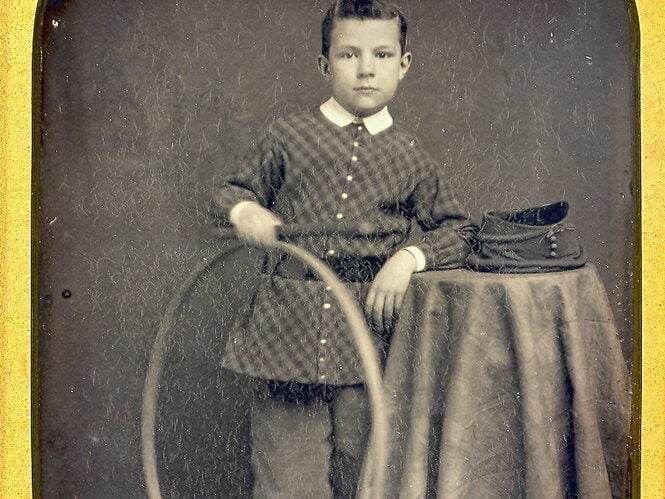
Children pushed wooden hoops through the streets with sticks. This game required skill—keeping the hoop upright and rolling while navigating around people, carts, and street vendors.
The hoops were simple circles of wood, sometimes with bronze or iron rings attached to make noise as they rolled. The game had a competitive element. Kids raced each other or tried to keep their hoops going the longest.
Adults remembered this game fondly, mentioning it in their writings as a marker of carefree childhood days.
Knucklebones and Dice

Ancient Romans played games with knucklebones—the ankle bones of sheep or goats. These bones landed in four different positions when thrown, making them natural game pieces.
Children tossed them in the air and tried to catch them on the back of their hands. The bones also worked as dice for board games.
Players developed different games with varying rules, some focused on chance, others requiring strategy. Adults played these games too, but the knucklebones found in children’s graves suggest young Romans spent considerable time with them.
Artisans sometimes carved knucklebones from glass or precious stones for wealthy families. These fancy versions served the same purpose but showed the family’s status.
The game itself remained the same regardless of the material.
Clay and Wooden Animals
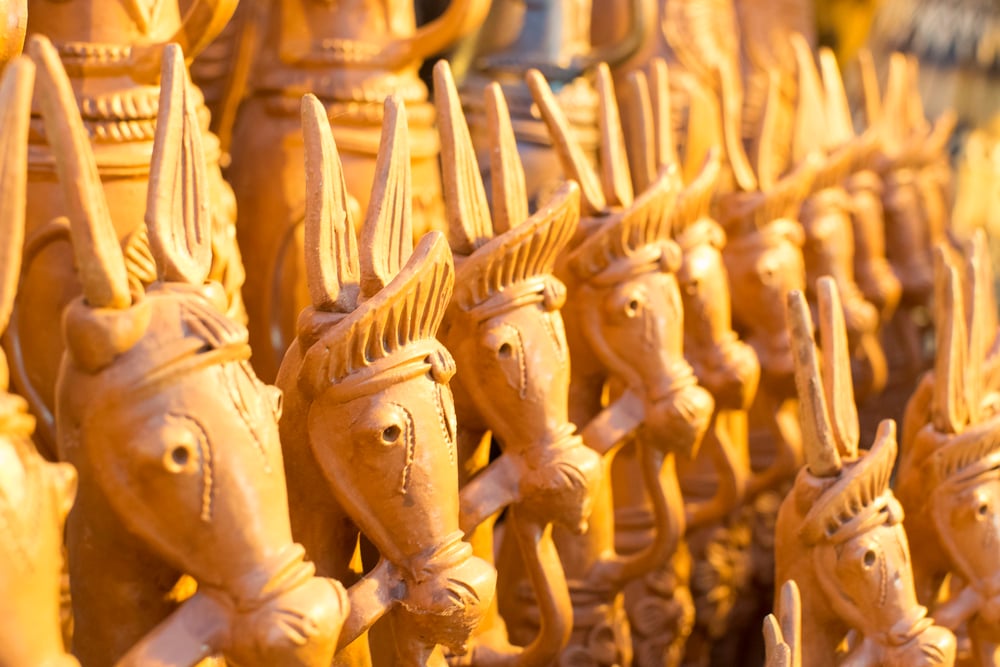
Toy animals filled Roman homes. Clay horses, dogs, birds, and exotic creatures like lions or elephants appeared in both simple and detailed forms.
Children could move them around, creating their own stories about farms, hunts, or wild animal shows. Some toy animals had wheels attached, so they could be pulled along the ground with a string.
Others stood on their own, part of larger play sets. The variety suggests that animal toys satisfied something universal in children—the desire to understand and interact with the living world around them.
Horses were especially popular. Roman culture revolved around horses for transportation, warfare, and chariot racing.
Boys played with toy horses as they dreamed of racing in the Circus Maximus or riding into battle.
Rattles for the Youngest Romans

Roman babies played with rattles called crepundia. These were small objects strung together—bells, miniature tools, tiny animals, or geometric shapes made from bone, bronze, or clay.
When shaken, they made noise that entertained infants. Some crepundia served a dual purpose.
They worked as toys but also functioned as identification tokens. If a child was lost or abandoned, the crepundia could help identify their family.
This practical element shows how Romans blended utility with play. The designs got creative.
Some rattles included dozens of small objects, each one carefully crafted and attached to a string or chain. Parents hung them over cradles or gave them to children to hold, much like modern baby toys.
Miniature Carts and Chariots
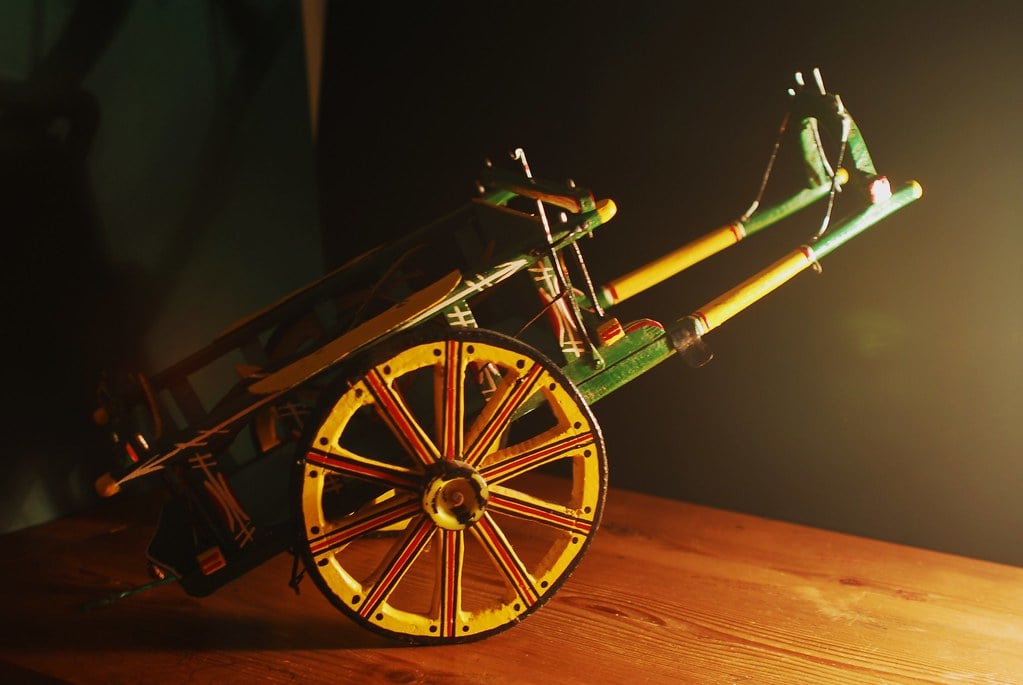
Children pulled small carts and chariots made from wood or clay. These toys mimicked the real vehicles that filled Roman streets.
Some had working wheels, while others were purely decorative. The detail on some of these miniature vehicles is remarkable.
Archaeologists have found toy chariots with tiny yokes for imaginary horses, carefully carved seats, and even small figures of charioteers. Children could recreate the races they watched at the circus, complete with crashes and victories.
These toys taught children about the adult world they would eventually join. Playing with carts and chariots prepared boys for understanding transportation, trade, and the logistics that kept the empire running.
Spinning Tops That Never Stop
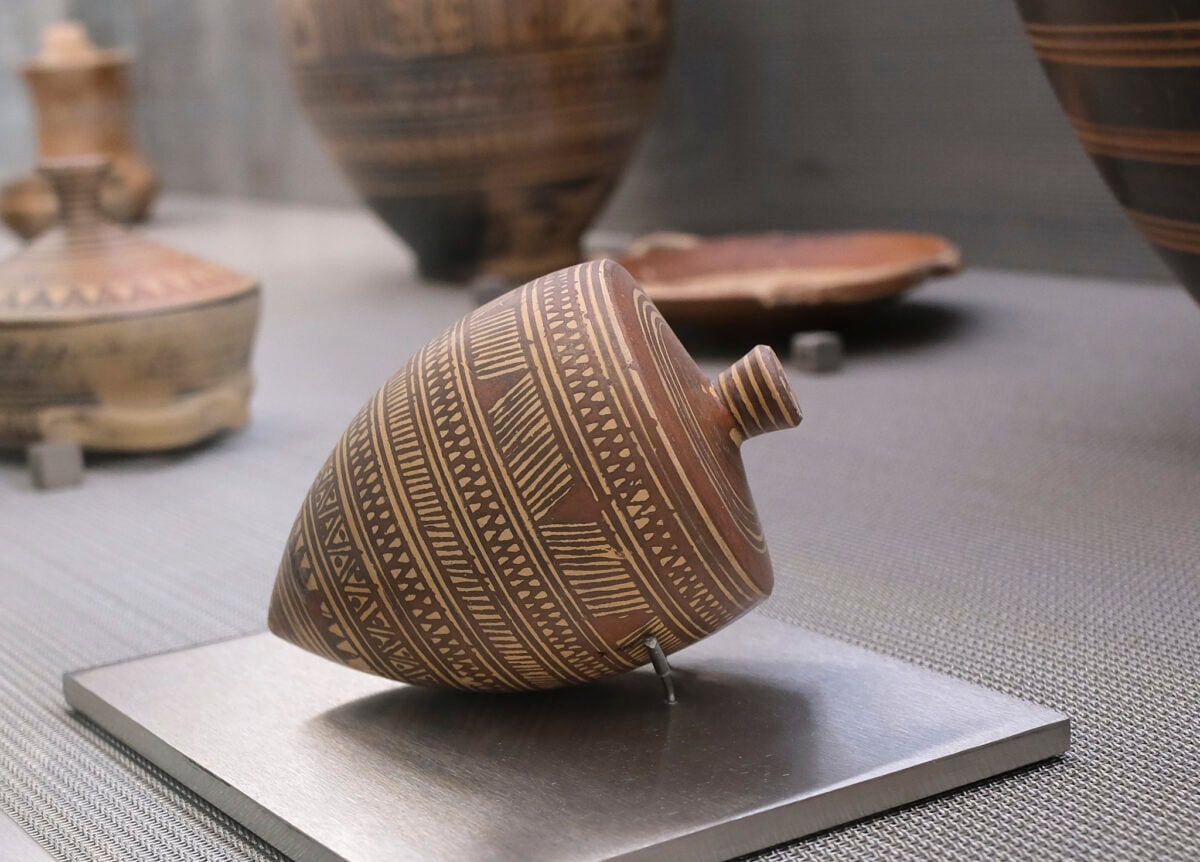
Tops appeared throughout the Roman world. Children spun them with their fingers or used strings wound around the top to generate faster rotation.
The goal was to keep the top spinning as long as possible or to knock over another child’s top. Some tops were plain wooden cones.
Others featured decorations—painted designs that blurred into patterns when the top spun. The physics of a spinning top fascinated children then just as it does now, that moment when the wobbling toy finds its balance and hums along steadily.
Adults sometimes carved tops from bone or ivory for wealthy children. These luxury versions spun smoother and lasted longer than wooden ones, but the basic pleasure remained the same regardless of material.
Early Versions of the Yo-Yo
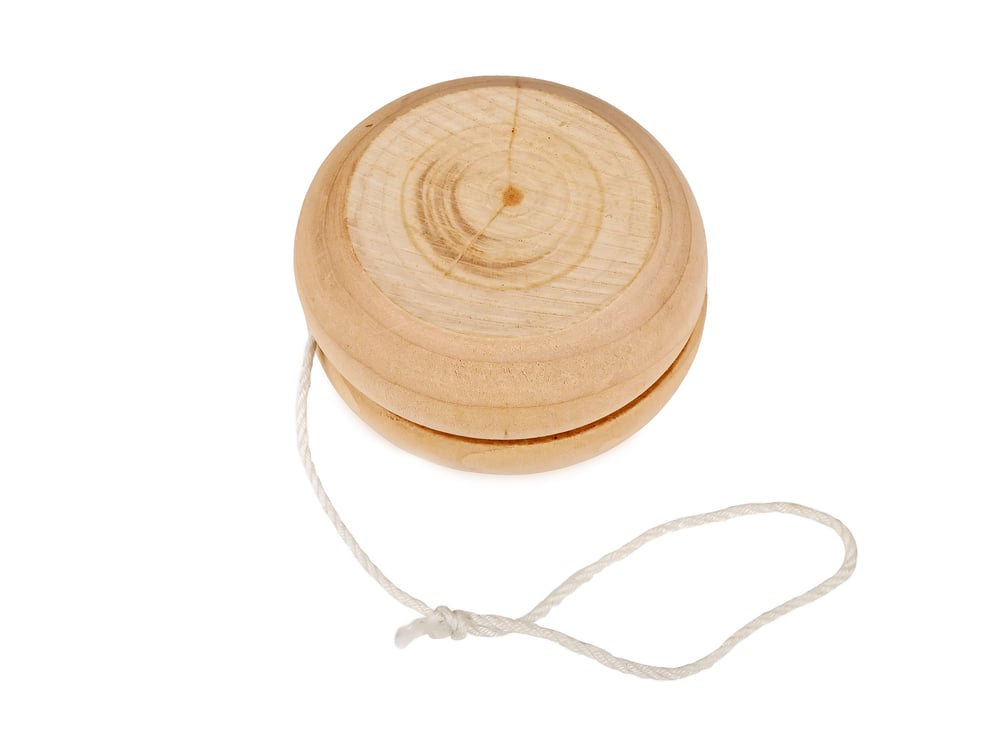
Romans played with something resembling a yo-yo. Greek vases show these toys even earlier, and the Romans adopted them.
They consisted of two discs connected by an axle, with a string wound around the middle. The player would drop the yo-yo and pull it back up with the string.
Skilled children learned tricks, making the toy sleep at the bottom of the string or performing other moves. The physics were the same as modern yo-yos, though the materials and construction differed.
These toys appeared less frequently than other playthings in the archaeological record. They might have been less common, or perhaps the materials they were made from—wood and string—simply didn’t survive as well as clay or stone toys.
Board Games for Strategic Minds

Roman children played board games that required thinking and planning. Some resembled checkers, with pieces moved across a grid according to specific rules.
Others involved racing pieces around a track, with dice determining movement. The games had names like ludus latrunculorum (game of mercenaries) and were played by both children and adults.
Boards could be scratched into the ground or pavement, or crafted from wood and stone for indoor play. These games taught strategic thinking.
Children learned to plan several moves ahead, to anticipate their opponent’s strategy, and to adapt when things didn’t go as expected. The same skills applied to life in the Roman world, where negotiation and strategic thinking served people well.
Rounded Stones and Glass
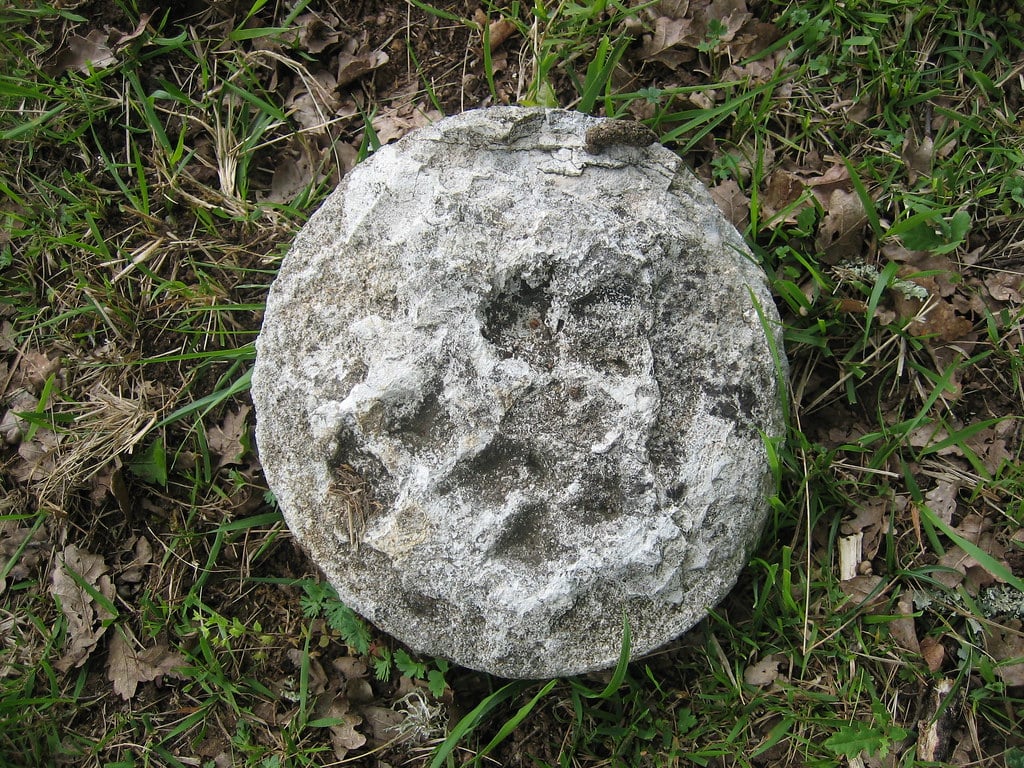
Children played with small, rounded stones and later with glass pieces. They used them in various games—tossing them at targets, rolling them into designated areas, or incorporating them into other play activities.
Some of these rounded pieces were worked smooth naturally by rivers or the sea. Others were deliberately shaped and polished.
The glass versions became more common as glassmaking techniques improved throughout the Roman period. The games played with these objects varied by region and time period.
What stayed consistent was children’s ability to create rules and structures around the simplest materials. Give a Roman child a handful of smooth stones, and they’d invent a game.
Kites and Flying Objects

Romans flew simple kites, though evidence for this is less concrete than for other toys. References in literature and some artistic depictions suggest children sent objects into the air tethered to strings.
These weren’t the elaborate kites seen in Asian cultures from the same period. Roman versions were likely simpler—pieces of fabric or papyrus attached to light wooden frames.
They flew in the wind that swept through Italy’s hills and plains. The practice might have been regional or seasonal.
Some areas had better conditions for flying kites than others. Children living near the coast or in open areas probably had more success than those in the crowded streets of Rome itself.
Playing in the Streets and Fields

Many Roman games required no toys at all. Children played tag, hide-and-seek, and various orb-free games in the streets and open areas.
They mimicked adult activities like running shops, conducting trials, or organizing religious ceremonies. These games changed with the seasons and varied from one neighborhood to the next.
Children invent new variations constantly, just as they do today. The games taught social skills—negotiation, cooperation, competition, and the ability to handle both victory and defeat.
Adults sometimes complained about children playing in the streets, blocking traffic or making too much noise. These complaints sound familiar because the tension between children’s need to play and adult demands for order hasn’t changed much in two thousand years.
Toy Weapons for Future Warriors
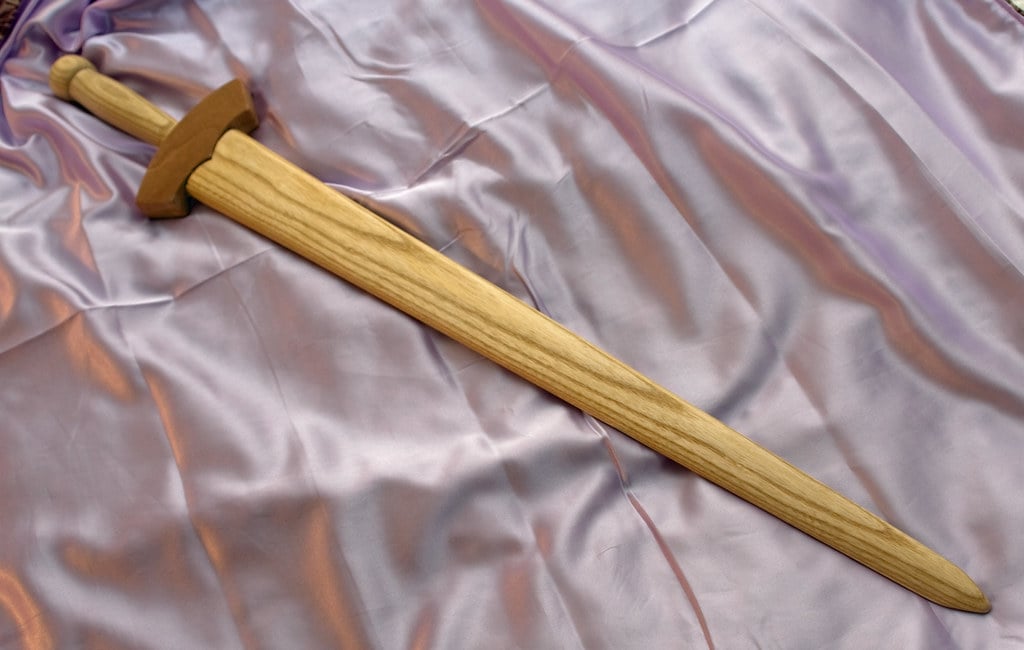
From an early age, wooden swords ended up in little hands. Mock fights often filled backyards, shaped by what kids watched soldiers do each day.
Tiny spears flew across open yards, launched during pretend wars. Shields made of light wood clattered when they crashed together.
Famous battles got replayed without rules, just energy and memory. Training began like this – unplanned yet sharp in purpose.
The future stretched ahead, full of marching steps learned while laughing. Toy weapons sometimes looked nearly real, only tiny.
Yet some kids used sticks instead – pretending they were swords. A piece of carved wood might become a shield through imagination alone.
What mattered wasn’t what it was made of. It was the tale spun around it during play.
Playing these games built hand-eye balance, planning sense, and body control. Because of them, ideas like courage, responsibility, strength in battle stayed strong across generations.
Twenty years after swinging a pretend blade at sunrise, a man could find himself holding an actual weapon out where the empire meets the wilds.
Things Left Behind After People Are Gone

Broken things last longer than small hands that once held them. Buried beside a young girl, a figure made of clay reveals what mattered to her family – her and everything she kept.
Placed in a boy’s resting place, a tiny chariot hints at dreams of speed, though he never saw dust rise from actual races. A chip on a doll’s cheek shows where small fingers touched it most.
What sticks is how real those kids felt, unlike grand tales of emperors or wars. One little wagon lost a wheel – someone must have raced it hard across a stone.
Sewn stitches on minute garments hint at time spent making something just right. Back then, Roman kids knew a very different life.
Tougher. Brief lives filled with risk.
Yet somehow, they still dreamed up games. Toys tell that story out loud.
Little ones rolled hoops down dusty lanes. They gave tiny clothes to the dolls.
Pretend wars came alive with handmade soldiers clashing. Imagination never left.
Laughter rang out when games began. Rivalry sparked between players long gone.
Lessons passed down without words. A shattered toy horse, maybe, or an old doll made of bone – these things speak now.
From far away in time, voices rise up. Not ghosts exactly.
Just proof that lives once filled these spaces. Here is how memory works.
More from Go2Tutors!

- The Romanov Crown Jewels and Their Tragic Fate
- 13 Historical Mysteries That Science Still Can’t Solve
- Famous Hoaxes That Fooled the World for Years
- 15 Child Stars with Tragic Adult Lives
- 16 Famous Jewelry Pieces in History
Like Go2Tutors’s content? Follow us on MSN.