15 Spider Facts That Sound Like Science Fiction
Spiders crawled around Earth for hundreds of millions of years before humans showed up. During all that time, they picked up some absolutely bonkers abilities. We’re talking about critters that can whip up materials tougher than the steel in skyscrapers and set up proper homes underwater.
What gets me is how these tiny guys solved problems our best engineers still can’t crack. Here’s 15 wild spider facts that sound made up but aren’t.
Spider Silk Crushes Steel

Take any spider silk strand. Compare it to steel wire that’s exactly the same thickness. The spider silk wins every single time – it’s literally five times stronger.
If you somehow managed to braid spider silk into a rope as thick as your thumb, that rope could yank a jumbo jet right out of the sky. Scientists have been trying to figure out how to make this stuff in labs for decades. Still haven’t cracked it.
Some Spiders Set Up Shop Underwater
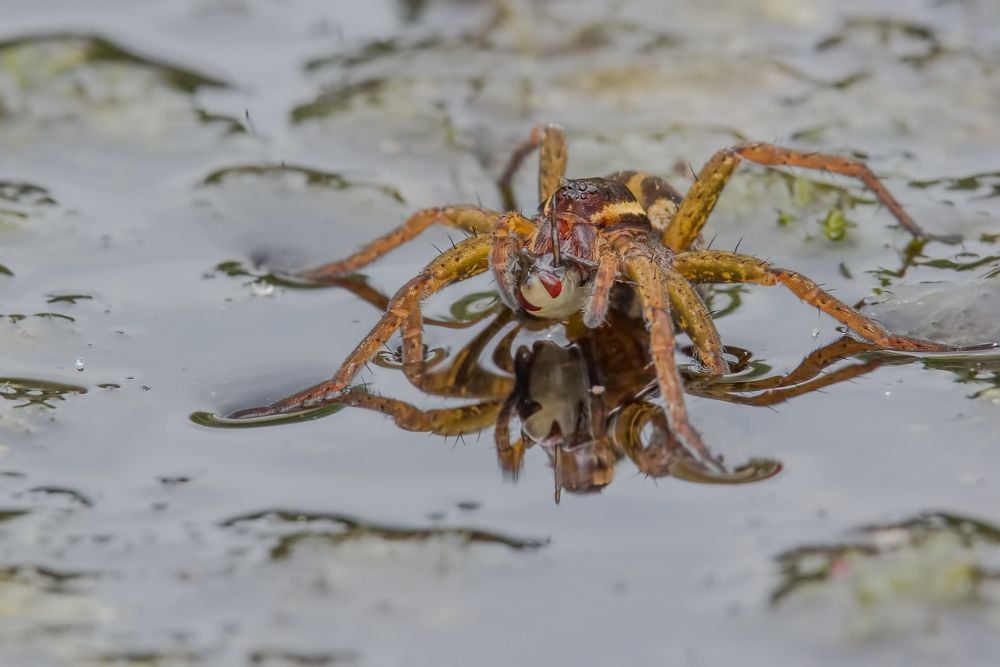
Most spiders hate getting wet, but diving bell spiders said “nah” to that rule. These guys live almost their entire lives submerged in ponds and streams.
They build what’s basically an underwater bubble tent using silk and air they drag down from the surface. Inside this bubble, they hunt fish, make babies, and live their whole lives without really coming up for air.
Baby Spiders Go Skydiving
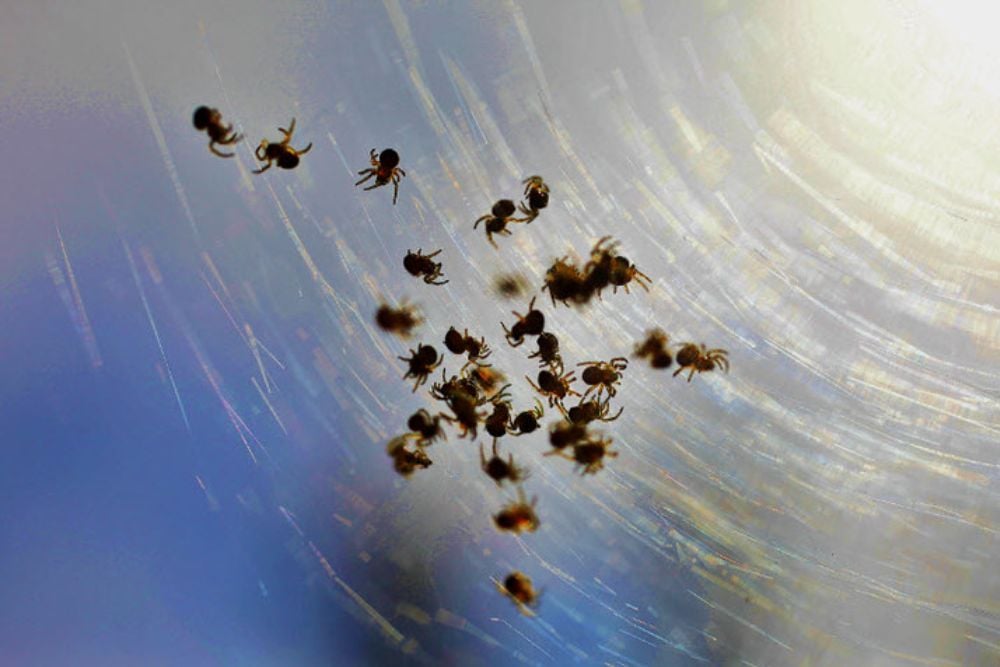
Every spring, millions of tiny spiders climb to the highest point they can find and launch themselves into the sky. They shoot out silk threads and let the wind carry them wherever it wants. Some end up hundreds of miles from where they started.
Weather radar sometimes picks up massive clouds of these flying spiders – they’ve been spotted at 16,000 feet up, higher than most commercial flights.
Jumping Spiders Have Superhero Vision
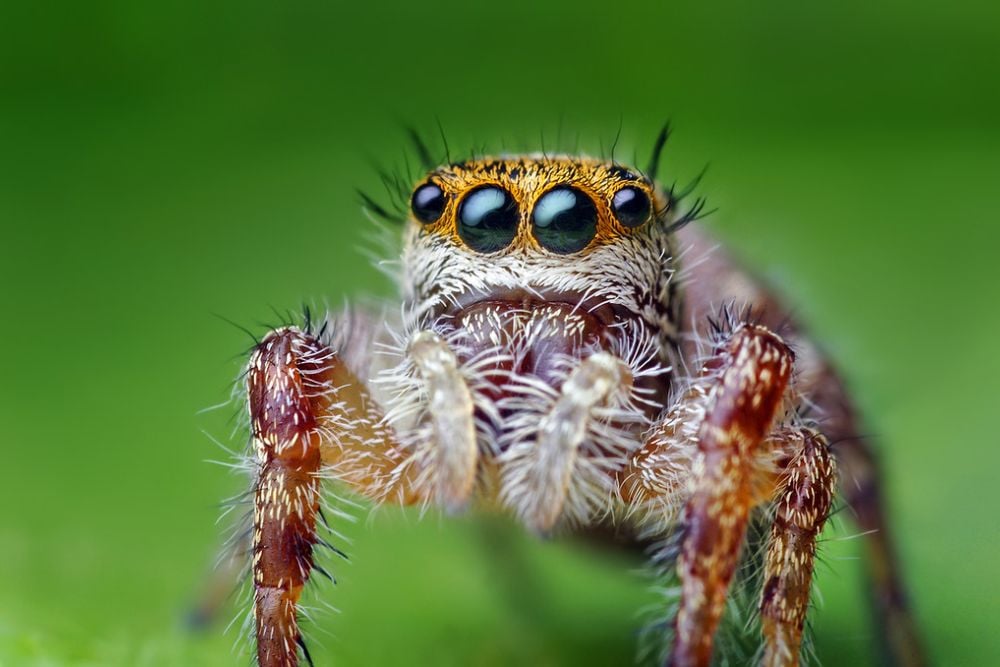
Most spiders are basically blind even though they’ve got eight eyes. Jumping spiders broke that mold completely. These little hunters can spot a mosquito from 20 times their body length away and track it perfectly.
Their eyes move independently and see into ultraviolet ranges that humans can’t even imagine. Makes your cat’s night vision look pretty ordinary.
Lose a Leg? Grow Another One

Break your leg and you’re hobbling around for months. Spiders just shrug it off. Next time they molt, they grow a brand new leg that works perfectly fine.
Might be slightly smaller than the original, but who cares? Some spiders actually rip off their own legs when something grabs them. Better to lose a limb than become lunch.
Desert Spiders Never Drink Water

Picture the driest desert you can think of. Now imagine living there without ever taking a sip of water.
Some spiders pull this off by extracting every bit of moisture from their prey and whatever tiny amount of humidity floats around in the air. It’s like having a water recycling plant built right into your body that works better than anything NASA ever designed.
Cold-Weather Spiders Make Antifreeze

Arctic spiders cook up their own antifreeze inside their bodies. This biological antifreeze actually works better than the chemical stuff people put in their car radiators.
Some of these spiders can freeze completely solid and then thaw out later like nothing happened. Try doing that with pretty much any other animal.
Spider Babies Are Born Knowing Construction
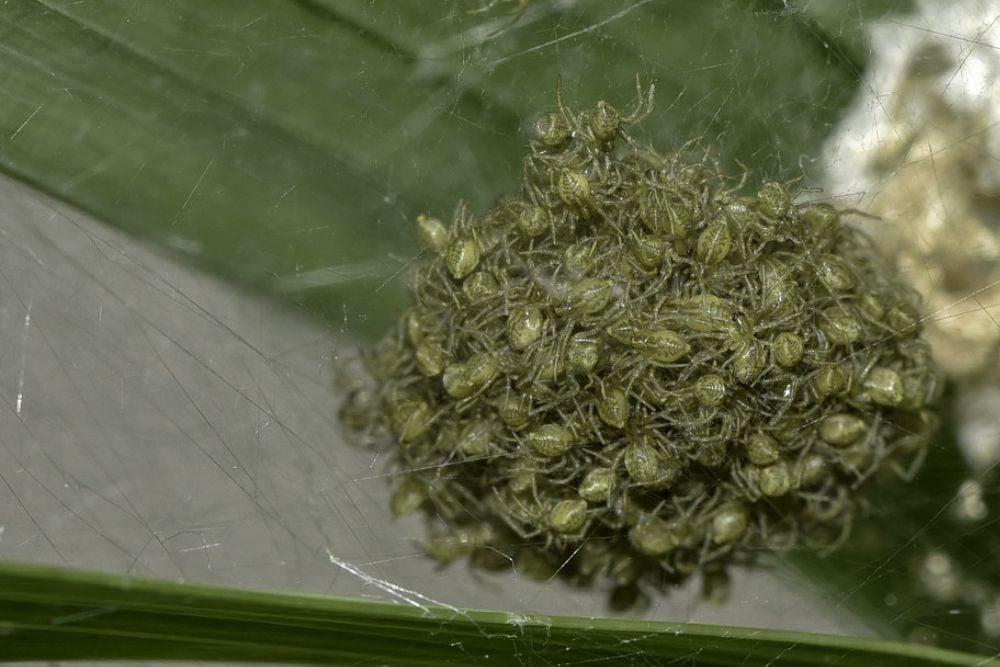
No spider ever went to engineering school, but every single one knows exactly how to build the perfect web for catching food. Baby spiders hatch from eggs with complete construction blueprints already programmed into their tiny brains.
Each species has its own signature design that’s been passed down for millions of years without anyone having to teach it.
Webs Work Like Sophisticated Alarm Systems

Spiders don’t just throw silk around randomly and hope for the best. They tune different strands to specific tensions so when something gets caught, the vibrations tell them exactly what kind of bug it is and where to find it.
A fly makes different vibrations than a beetle. A moth creates its own unique pattern. It’s like having a burglar alarm that tells you not just that someone broke in, but who they are and which room they’re in.
Master Disguise Artists

Over 100 different spider species figured out how to look, walk, and even smell exactly like ants. These imposters change their body shape, colors, and the way they move.
Some wave their front legs around to fake having antennae. The disguise works so well they can march right through ant colonies and nobody notices they don’t belong there.
Blood-Powered Hydraulic Systems

Humans use muscles to straighten their arms and legs. Spiders pump blood into their limbs like hydraulic fluid in construction equipment.
This system lets them jump incredible distances using hardly any muscle at all. Heavy machinery companies spent decades figuring out hydraulics, but spiders had it mastered millions of years before humans existed.
Long-Term Storage Systems

Female spiders can keep reproductive material from males fresh and usable for up to two years after mating. Think of it like a biological freezer that lets them have babies whenever conditions are right, even if no males are around.
Pretty handy when you live in an environment where finding a mate isn’t guaranteed.
Built-In Weather Forecasting

Spiders can sense electrical charges building up in storm clouds hours before the weather changes. This same electrical sensitivity helps them detect the tiny bioelectric fields that all living things give off.
Essentially, they’ve got radar that works on a completely different principle than anything humans invented.
Space-Tested Web Builders

NASA sent several spider species to the International Space Station to see what would happen in zero gravity. Not only did they survive, they built functional webs and caught prey in an environment that doesn’t exist anywhere on Earth.
These experiments proved spiders are way more adaptable than anyone expected.
Ultimate Recycling Programs
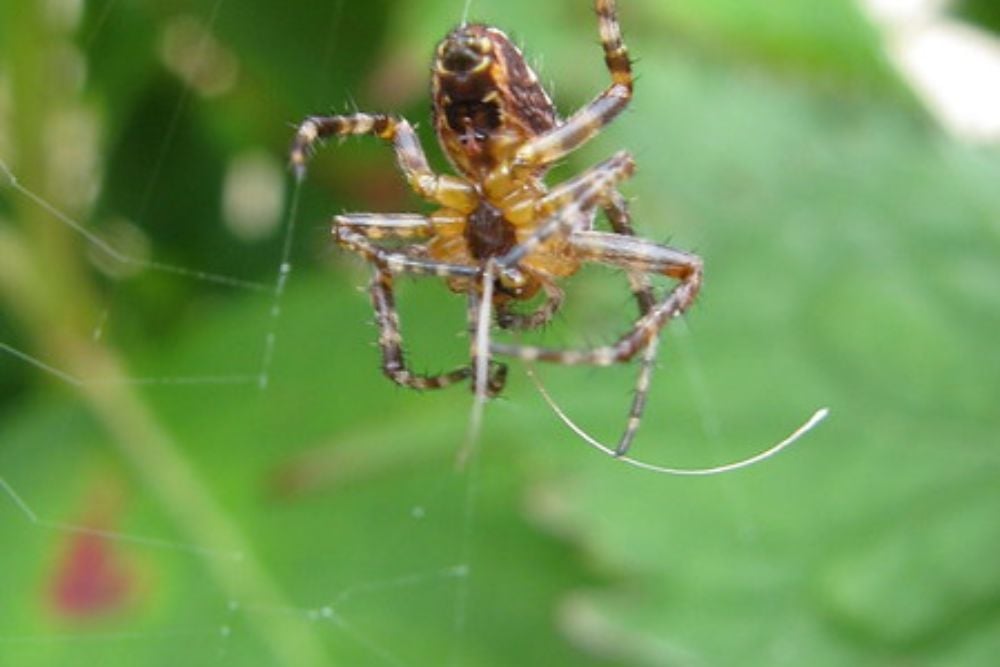
Instead of abandoning old webs when they get worn out, many spiders eat them to reclaim all the proteins. This recycling system wastes absolutely nothing – old silk gets converted directly into new building material.
It’s like having a 3D printer that runs entirely on its own recycled materials with zero waste.
Nature’s Problem Solvers
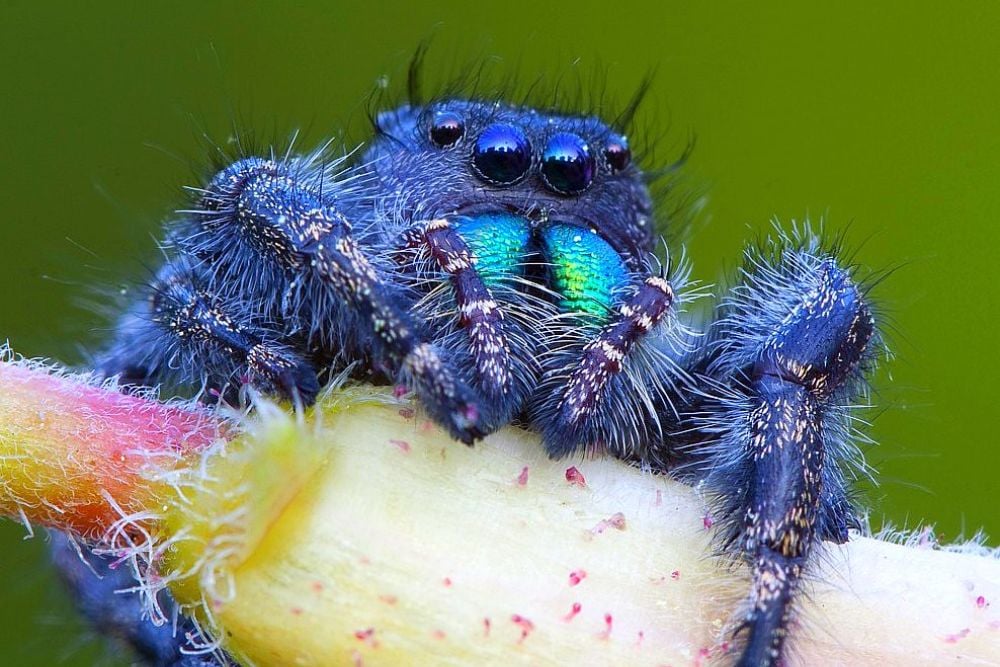
These abilities show just how much evolution can accomplish given enough time. Spider silk still outperforms our best materials, their sensory systems beat most of our electronic instruments, and their mechanical designs work more efficiently than human engineering.
Scientists keep studying these creatures because they’ve solved problems we’re still working on. Every spider represents millions of years of trial and error compressed into something smaller than most coins.
More from Go2Tutors!

- The Romanov Crown Jewels and Their Tragic Fate
- 13 Historical Mysteries That Science Still Can’t Solve
- Famous Hoaxes That Fooled the World for Years
- 15 Child Stars with Tragic Adult Lives
- 16 Famous Jewelry Pieces in History
Like Go2Tutors’s content? Follow us on MSN.