Trains That Still Run on Steam
There’s something about the sound of a steam whistle cutting through the air that takes people back to a different time. These massive machines, with their billowing clouds and rhythmic chugging, represent an era when travel meant adventure and engineering was as much art as science.
While modern trains zip along on electricity and diesel, a surprising number of steam locomotives still fire up their boilers and carry passengers across scenic routes around the world. Let’s take a look at where these vintage giants are still doing what they were built to do more than a century ago.
The Durango and Silverton Narrow Gauge Railroad

The mountains of Colorado hide one of America’s most authentic steam train experiences. This railroad has been running since 1882, back when it was hauling silver and gold out of the San Juan Mountains.
Today, the same narrow tracks wind through 45 miles of terrain that cars simply can’t reach. The locomotives burn four tons of coal and use 10,000 gallons of water on each round trip.
Passengers sit in vintage coaches while the train climbs through canyons and along cliff edges that would make most people’s palms sweat.
Puffing Billy Railway
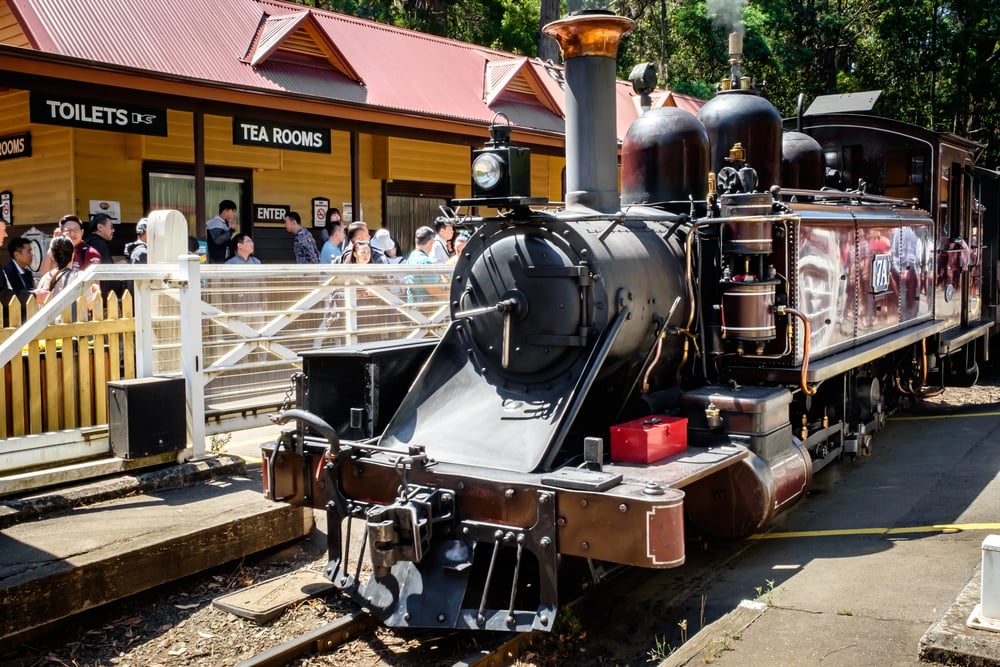
Australia’s Puffing Billy chugs through the Dandenong Ranges near Melbourne, and it’s been doing so since 1900. The railway was originally built to connect remote farming communities to the city markets.
Kids hang their legs out of open-sided carriages while the train crosses wooden trestle bridges that creak under the weight. The volunteers who maintain this railway keep five steam locomotives in working condition, and they’re particular about using original methods wherever possible.
The Jacobite
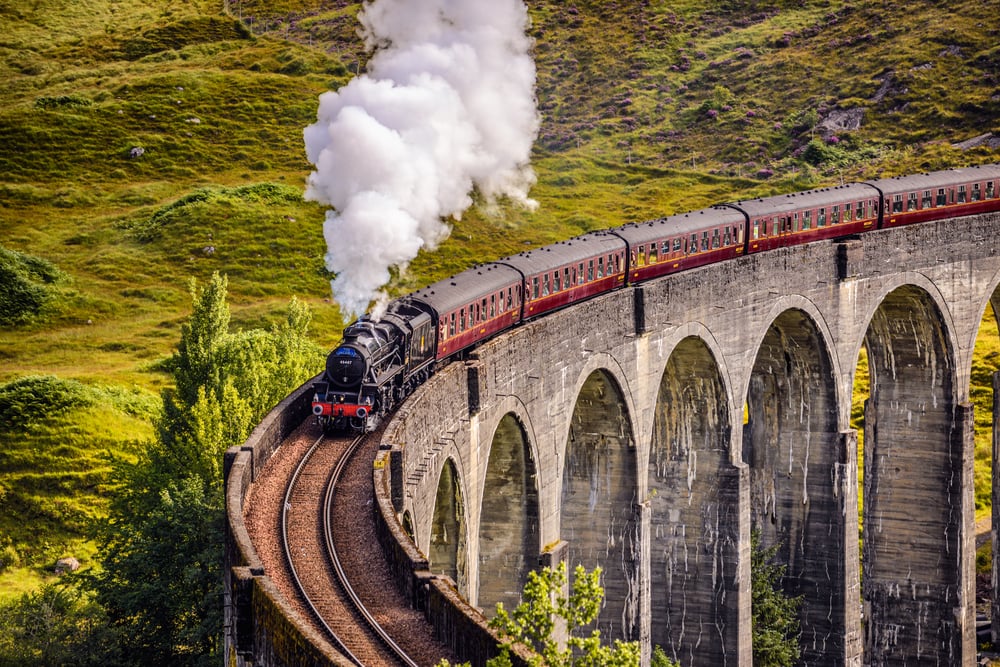
Scotland’s most famous steam train crosses the Glenfinnan Viaduct, which movie fans might recognize from a certain wizard series. The route between Fort William and Mallachy covers 84 miles of Highland scenery that looks like it hasn’t changed in centuries.
This isn’t just a tourist gimmick, though. The locomotives used here are serious pieces of machinery, some dating back to the 1930s and 1940s.
On clear days, passengers can spot deer on the hillsides and seals in the coastal waters.
Cumbres and Toltec Scenic Railroad
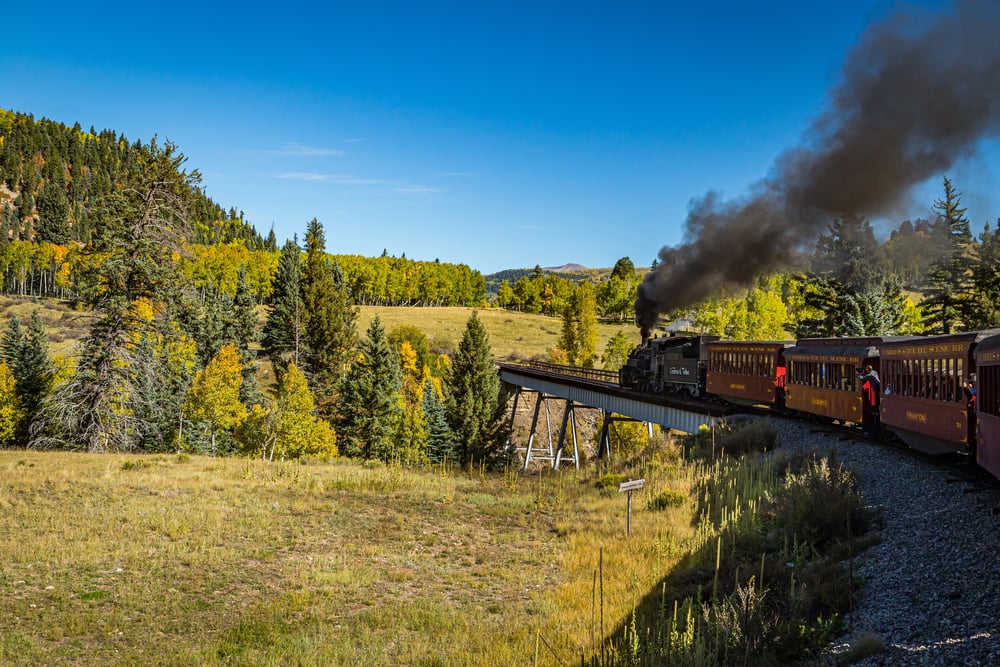
Straddling the Colorado-New Mexico border, this railway reaches 10,015 feet above sea level at Cumbres Pass. That makes it the highest steam railway in North America.
The line was built in 1880 to serve mining towns that have long since disappeared. Ten authentic steam locomotives still work this route, pulling passengers through two mountain tunnels and across wooden trestles that seem too delicate for something so heavy.
The ash from the coal creates a fine dust that settles on everything, just like it did when this was a working freight line.
Ffestiniog Railway
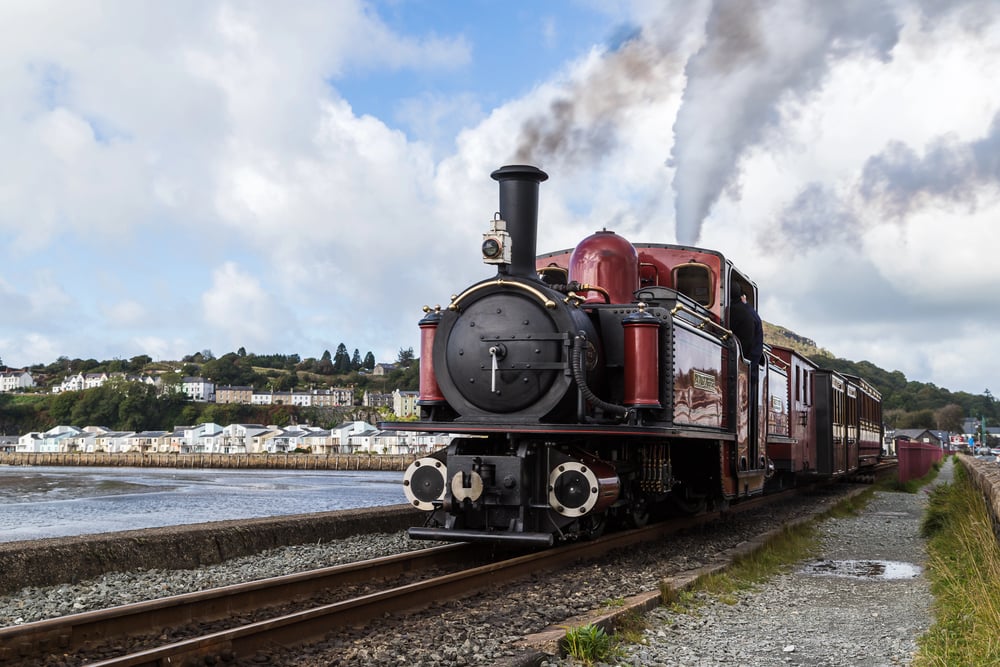
Wales has always been serious about its steam trains, and the Ffestiniog shows why. This narrow gauge railway opened in 1836 to haul slate from mountain quarries down to the coast.
The grades are so steep that engineers had to invent new braking systems just to keep the trains from running away. Seven steam locomotives work the 13.5-mile route today, some of them well over 100 years old.
The railway workshops still build and restore engines using techniques that most modern engineers only read about in history books.
Darjeeling Himalayan Railway

India’s ‘Toy Train’ climbs from the plains to the hill station of Darjeeling through a series of loops and zigzags that seem impossible. Built in 1881, this narrow gauge line rises more than 7,000 feet in just 54 miles.
The locomotives are so small they look like models, but they haul passengers up grades that reach 1 in 23. Local markets pop up right next to the tracks, and vendors barely glance up when the train rumbles past their vegetable stalls.
UNESCO declared this whole railway a World Heritage Site because nothing else quite matches its combination of engineering and everyday use.
Harz Narrow Gauge Railways

Germany’s Harz mountain region operates the largest narrow gauge network still running on regular schedules. The system includes 87 miles of track and 25 steam locomotives that run year-round.
One route climbs to the summit of Brocken, the highest peak in northern Germany, where witches supposedly gathered according to local folklore. The trains push through snow in winter using plows mounted on the front, and the crews work in conditions that would shut down most modern railways.
White Pass and Yukon Route
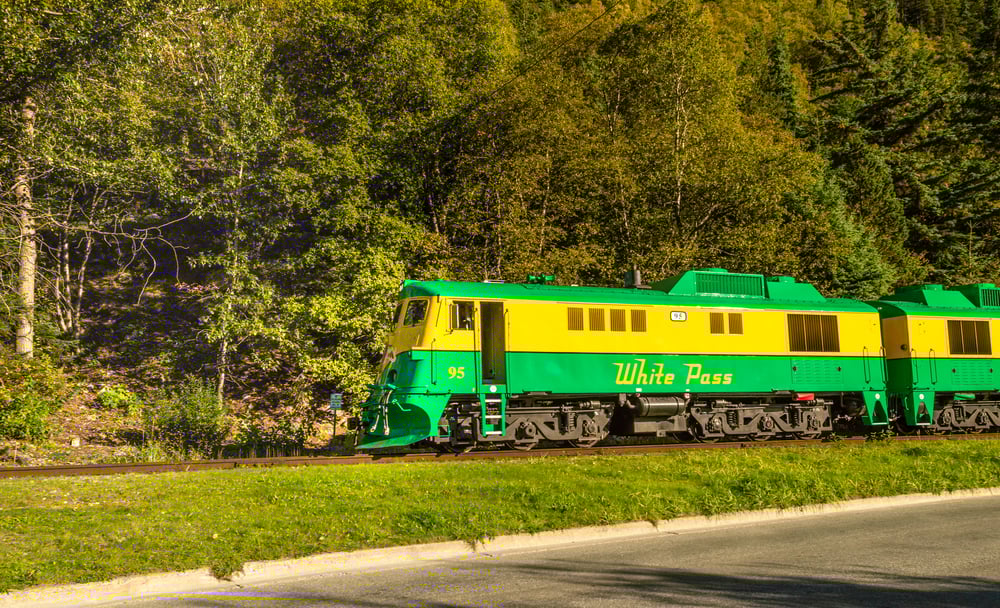
Alaska’s gold rush left behind this improbable railway that climbs from sea level to 2,865 feet in just 20 miles. Built in 1898 during the Klondike stampede, the route includes tunnels blasted through solid granite and bridges spanning gorges that seem bottomless.
Steam locomotives share duties with diesel engines here, but the vintage machines still handle tourist trains several times a week during summer. Passengers often spot bears and mountain goats on the slopes, animals that ignore the trains as part of the landscape.
Talyllyn Railway
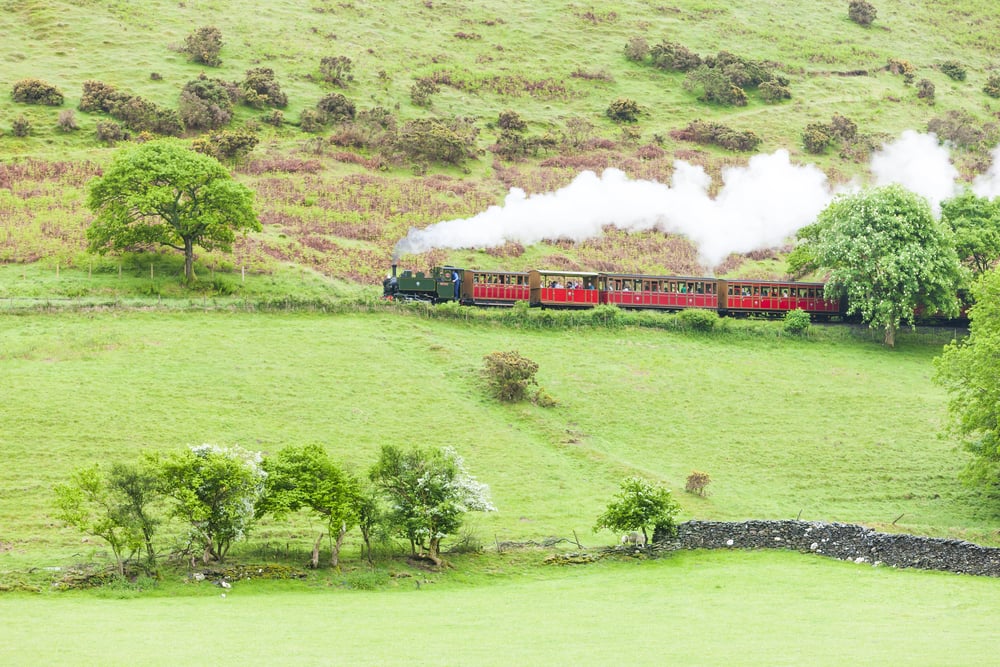
This Welsh railway claims to be the first in the world preserved entirely by volunteers. When the commercial slate operation closed in 1950, enthusiasts stepped in to keep the trains running.
The seven-mile route uses locomotives built in 1865 and 1866, making them some of the oldest working engines anywhere. The railway society that runs it now serves as a model copied by preservation groups worldwide.
Everything from track maintenance to ticket sales relies on people who show up because they love these machines.
Romney, Hythe and Dymchurch Railway
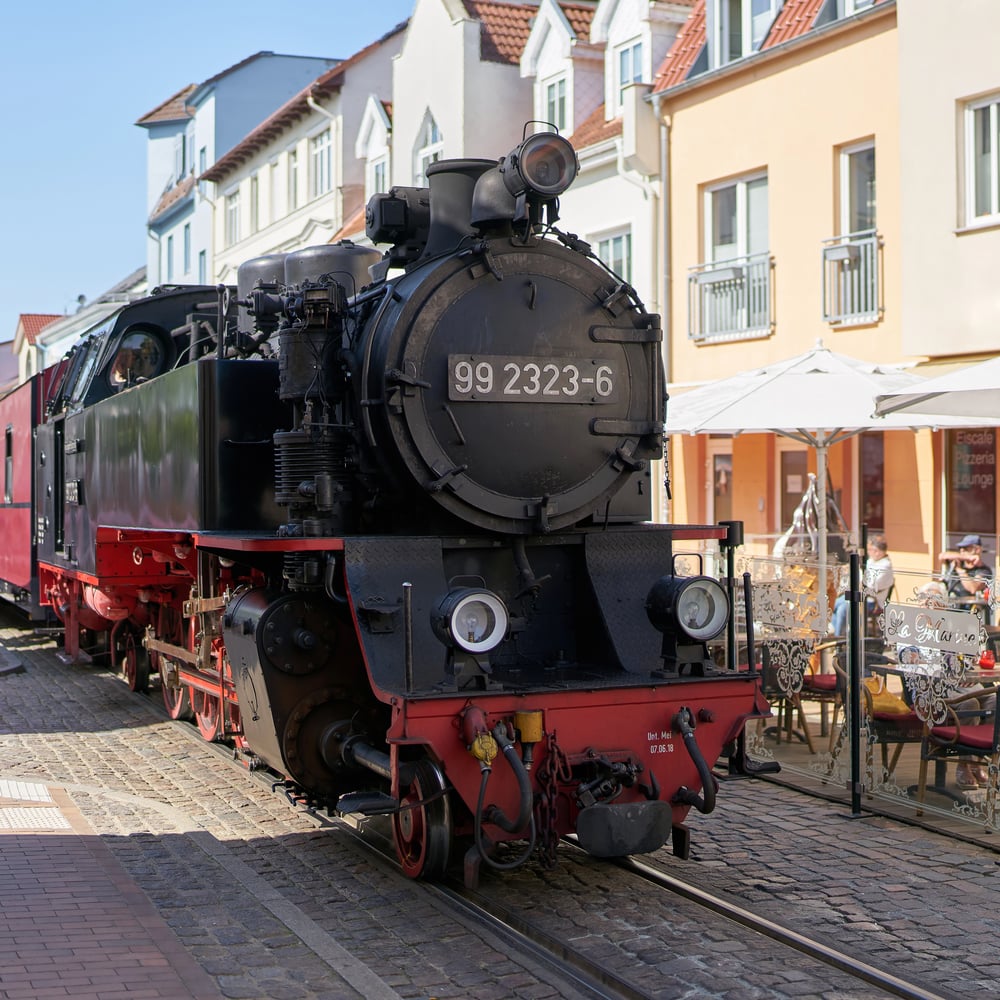
England’s smallest public railway runs 13.5 miles along the Kent coast using locomotives that are one-third full size. Don’t let the scale fool you, these are proper steam engines with all the complexity of their bigger cousins.
Built in the 1920s by racing driver Captain Jack Howey, the line was designed to exacting standards. The miniature locomotives can pull 300 passengers and reach speeds of 25 miles per hour.
During World War II, the railway actually served a military purpose, running an armored train to patrol the coast for invasion threats.
Nilgiri Mountain Railway
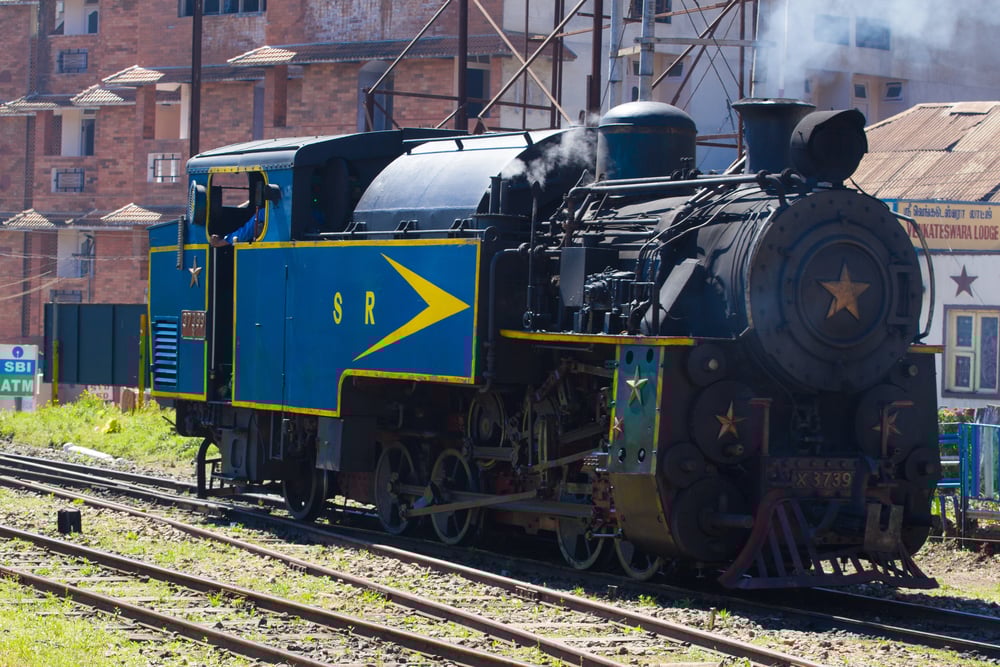
Southern India’s mountain railway uses a unique rack and pinion system to climb gradients that would stop conventional locomotives. The track has a toothed rail between the running rails, and the engine has gears that mesh with it.
Built by the British in 1908, the line climbs to the hill station of Ooty through 208 curves and 16 tunnels. The locomotives burn nearly a ton of coal on each uphill journey.
Tea plantations cover the slopes, and workers still wave at the passing trains like they have for over a century.
Bluebell Railway

Sussex’s Bluebell Railway runs through 11 miles of English countryside that hasn’t changed much since Victorian times. The preservation society here owns one of the largest collections of steam locomotives in Britain, with more than 30 engines.
Some date back to the 1870s, and the workshops can fabricate parts that haven’t been manufactured commercially in 70 years. The railway operates a proper timetable, not just special event trains, making it feel like a real working line rather than a museum exhibit.
Great Smoky Mountains Railroad

North Carolina’s mountain railway offers steam excursions through the Nantahala Gorge using locomotives built in the 1940s. The route follows the Tuckasegee River through forests that blaze with color each fall.
These aren’t the biggest or fastest steam engines ever built, but they’re workhorses that ran freight trains for decades before retirement. The railway’s mechanical team keeps them running with parts scavenged from similar locomotives or fabricated from scratch.
On spring mornings, the steam condenses in the cool air, creating clouds that fill the valley.
Mount Washington Cog Railway
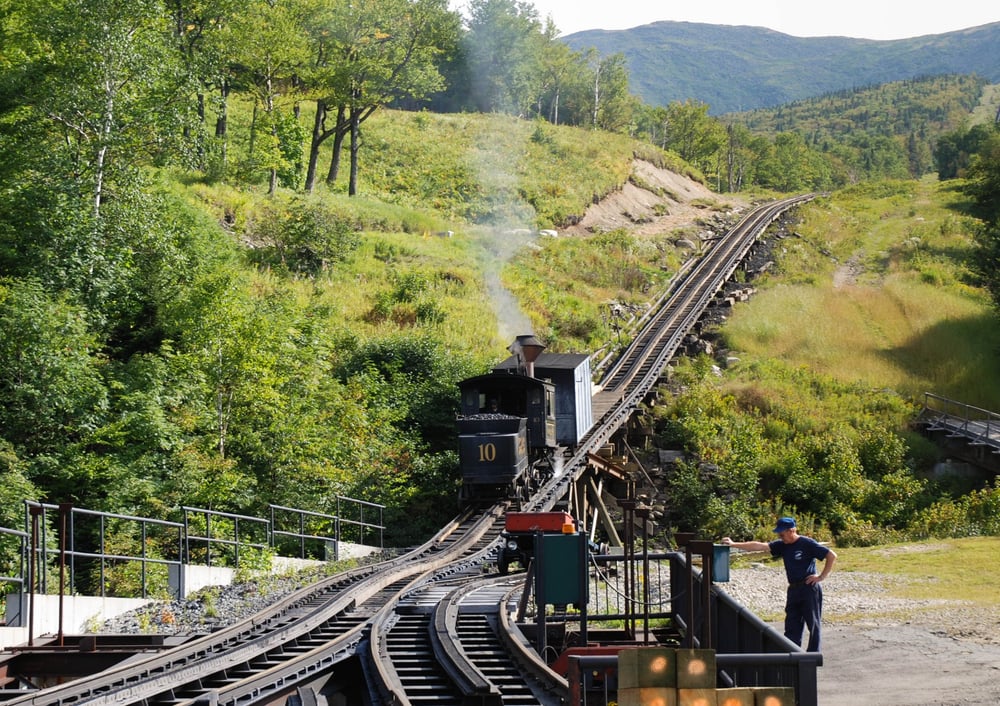
New Hampshire’s Cog Railway has been pushing steam locomotives up America’s most notorious mountain since 1869. The grade averages 25 percent, steep enough that the boilers tilt to keep water over the fireboxes.
The locomotives use a cog wheel that meshes with a rack rail, the same system that makes mountain railways possible. On windy days, the summit can be dangerous, with gusts strong enough to push people off their feet.
The trains creep upward at three miles per hour, burning a ton of coal to carry passengers just three miles.
Vale of Rheidol Railway
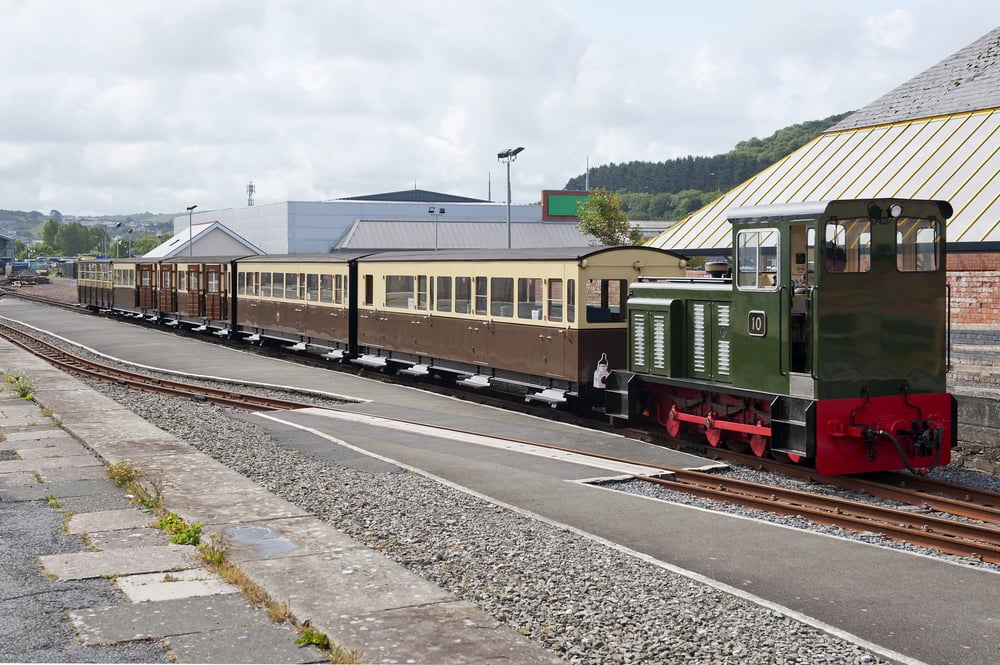
Wales seems determined to keep every steam railway it ever built running, and the Vale of Rheidol continues that tradition. This narrow gauge line climbs 680 feet in 11.75 miles, following an old mining route into the Cambrian Mountains.
The locomotives, built in the 1920s, still wear their original British Railways green paint. Devil’s Bridge, where the railway terminates, features three bridges stacked on top of each other, the oldest dating to medieval times.
The railway runs almost daily during summer, making it one of the most reliable steam operations in Britain.
Swakopmund to Windhoek

Out beyond city edges, steam engines roll through dry stretches under open sky. These rides happen only now and then, pulled by old machines once used in South Africa.
Almost two hundred miles unfold beneath the wheels, shifting from misty shores into flatlands baked by relentless sun. Where water vanishes for long stretches, railcars drag behind them extra loads just to stay running.
Heat warps how boilers behave – pressure climbs quicker when the sun beats down hard. Watchers on board keep close eyes on dials, adjusting as needed.
Nowhere else quite like it remains: a working steam route cutting through untouched country.
Welsh Highland Railway
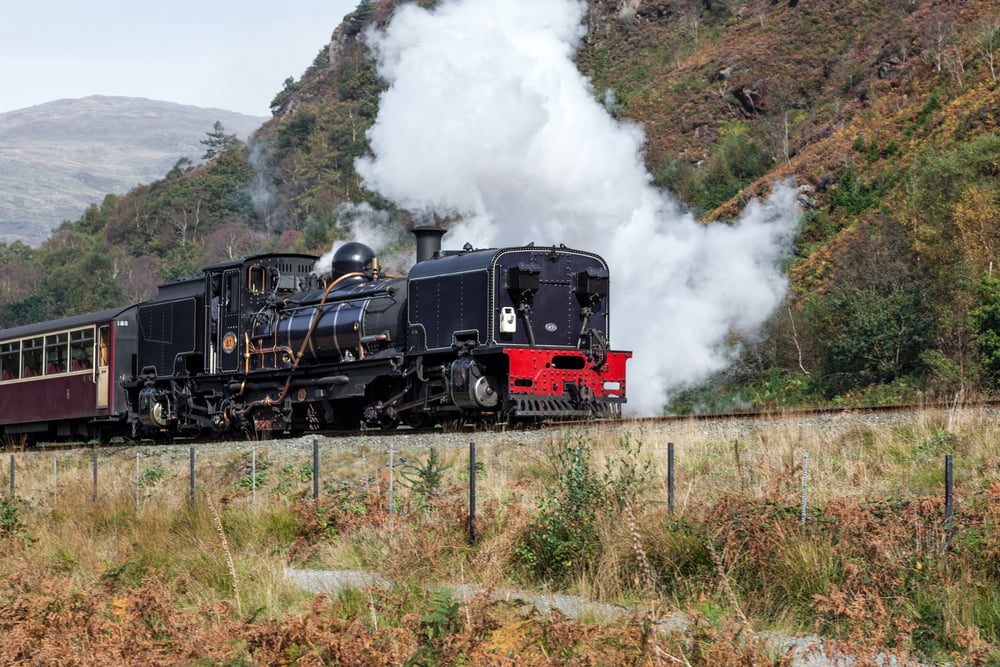
Stretching 25 miles across Snowdonia National Park, Britain’s longest heritage railway relies on robust narrow gauge engines. Closed in 1937, it lay forgotten until restoration efforts spanned years – fully returning service by 2011.
These locomotives dwarf typical narrow gauge models, engineered for sharp inclines and long freight loads. One stop includes Beddgelert, a village where tracks thread between tight lanes; windows nearly brush passersby.
During summer weekends, eight departures run each day, matching rhythms seen on far newer rail systems.
Steam never really left
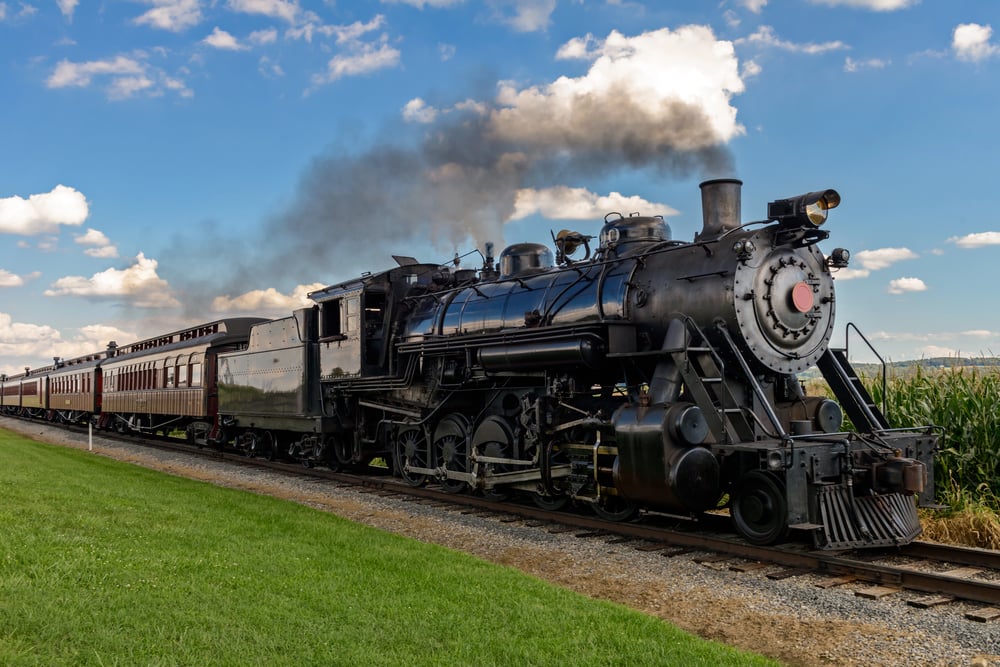
Old trains still run where others gave up long ago. Not every track let go of smoke-belching engines just because newer ones arrived.
Keeping them alive takes people who refuse to look away when things break. Knowledge travels hand to hand now, since classrooms never cover how steam pressure dances inside a cylinder.
Each visitor’s fare feeds the work – bolts tightened at dawn, ash cleared by dusk, fires lit again no matter the weather. These hulking beasts roll not thanks to blueprints but sweat handed down like secrets.
More from Go2Tutors!

- The Romanov Crown Jewels and Their Tragic Fate
- 13 Historical Mysteries That Science Still Can’t Solve
- Famous Hoaxes That Fooled the World for Years
- 15 Child Stars with Tragic Adult Lives
- 16 Famous Jewelry Pieces in History
Like Go2Tutors’s content? Follow us on MSN.



