16 Military Uniforms With Hidden Meanings
Military uniforms aren’t just about looking professional or staying comfortable during long campaigns. Every detail carries significance that extends far beyond what’s immediately obvious. From ancient warrior customs to modern tactical considerations, these garments tell stories of honor, intimidation, practicality, and cultural identity.
The symbolism embedded in military dress reflects centuries of human conflict, societal values, and strategic thinking. Here’s a list of 16 military uniforms whose hidden meanings reveal compelling insights into warrior mindsets and the civilizations they represented.
British Redcoats
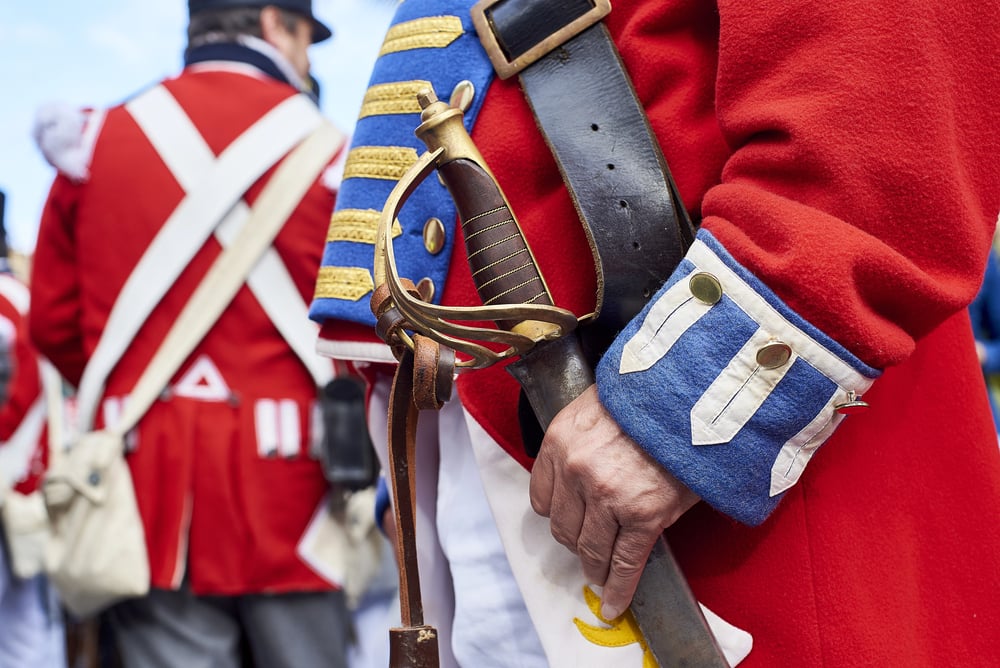
Those famous scarlet uniforms weren’t designed to make British soldiers easy targets, contrary to popular belief. Red dye was actually among the most affordable and durable colors available during the 18th century — while also symbolizing dominance and aggression to intimidate enemies before battle.
Roman Centurion Armor

The distinctive sideways crest plumes on Roman centurion helmets made commanders appear taller and more imposing during battle. That red horsehair wasn’t decorative either — it represented their bad intentions.
German Pickelhaube

The spiked helmet that became Germany’s military trademark could deflect sword strikes aimed at the skull. Though manufacturers chose leather over metal construction because it proved lighter and cheaper — the intimidating appearance was designed to make German forces look terrifying.
French Zouave Uniforms
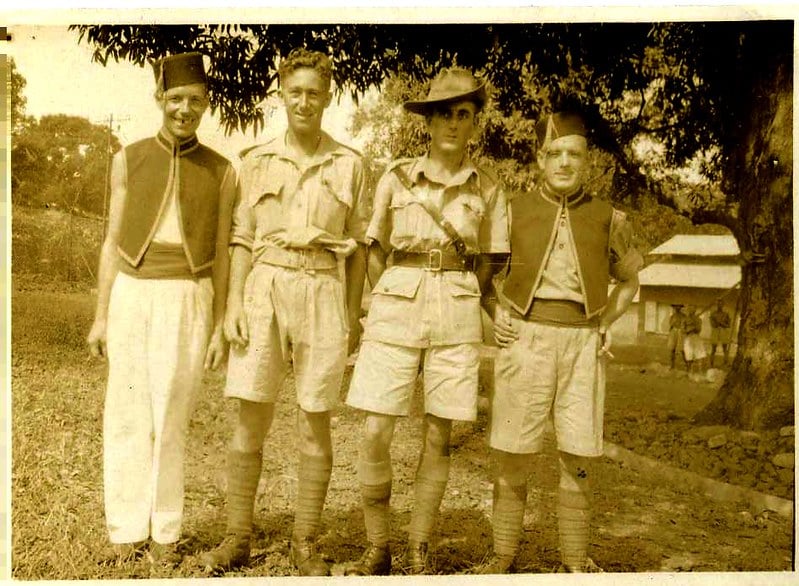
These vibrant, loose-fitting garments worn by French colonial forces in Algeria were brilliant desert warfare adaptations. The baggy design promoted air circulation in extreme heat — while the bold colors served as psychological warfare against European enemies expecting conventional military dress.
Japanese Samurai Armor
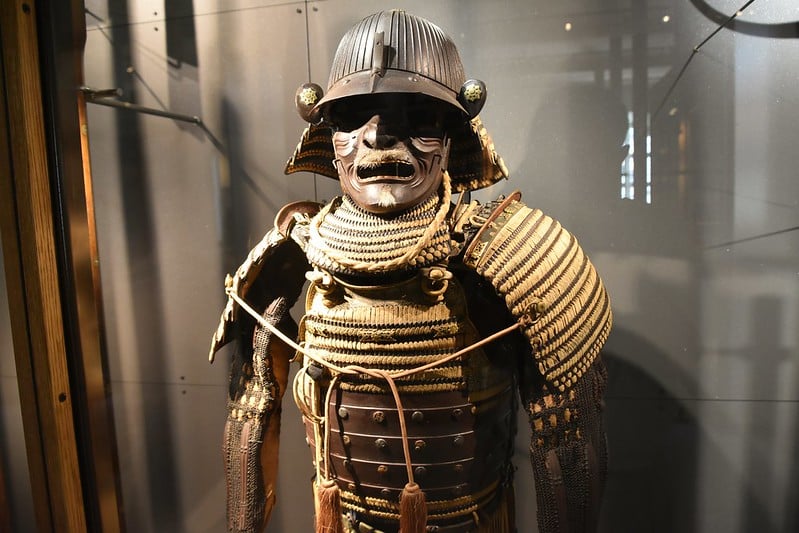
The intricate face masks and horn-like ornaments were crafted to transform warriors into battlefield demons. Each component carried spiritual weight — the fierce expressions terrorized enemies while the layered construction produced distinctive sounds that proclaimed a samurai’s presence and rank.
Scottish Highland Dress
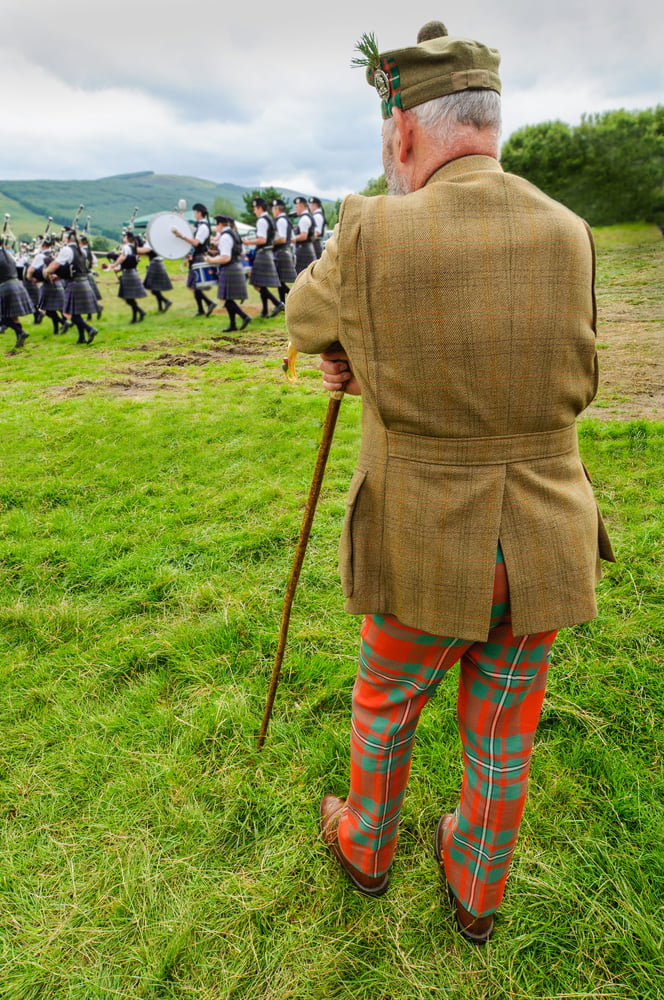
— Photo by Cornfield
The tartan patterns weren’t arbitrary choices — each clan possessed specific colors and designs that distinguished allies from enemies during combat. The kilt proved practical for Highland warfare, permitting unrestricted movement while English forces eventually banned Highland dress, recognizing its potent symbolism of resistance.
Prussian Blue Uniforms
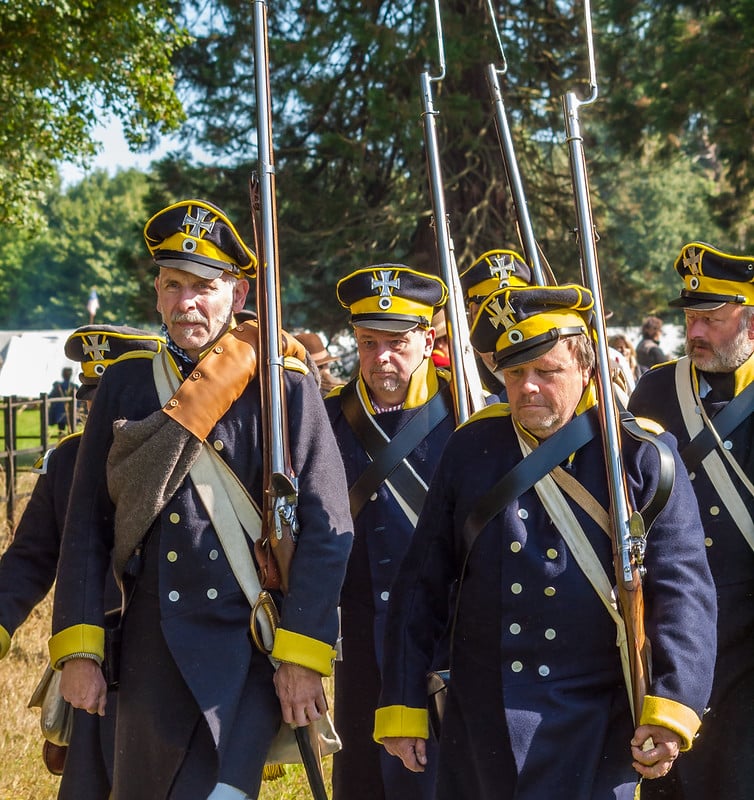
Prussia’s transition to dark blue uniforms marked a revolutionary shift in military philosophy. The subdued shade made soldiers less conspicuous on smoke-filled battlefields while projecting stern professionalism — an approach that became the blueprint for modern military uniform design.
Viking Berserker Pelts

Warriors donning bear and wolf pelts believed these fierce animal skins could transfer spiritual power to the wearer. Archaeological findings suggest these weren’t standard uniforms but sacred vestments reserved for the most elite and feared fighters.
Confederate Gray
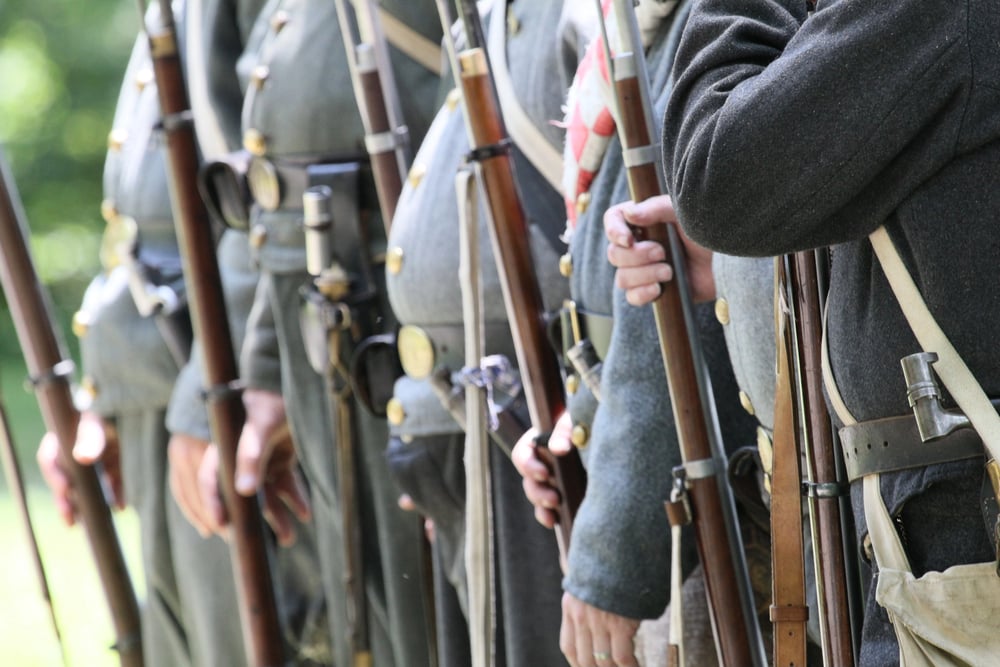
The South’s adoption of gray uniforms stemmed from practical necessity when Union blockades restricted imported materials. Yet gray also carried symbolic weight, representing modesty and resolve while establishing a distinct Southern identity separate from European military traditions.
Chinese Terracotta Army Armor
— Photo by liptoncnx
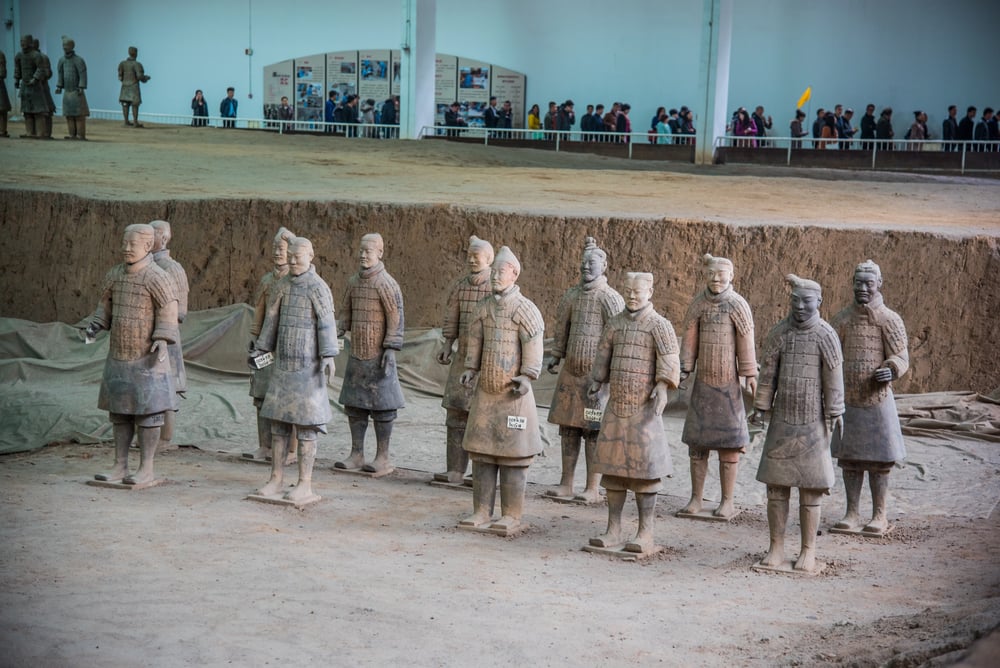
Even in death, these ancient warriors display uniforms that demonstrate sophisticated military organization. Varying armor styles indicate specific ranks and units, while the standardized manufacturing proves that proper uniforms were deemed essential for maintaining order in both life and the afterlife.
Maori Warrior Dress

— Photo by lucidwaters
Traditional Maori warrior cloaks and carved weapons connected fighters to ancestral spirits and tribal heritage. The geometric patterns woven into garments narrated stories of the warrior’s bloodline and accomplishments, while the fearsome haka was amplified by the dramatic visual impact of traditional attire.
Turkish Janissary Uniforms
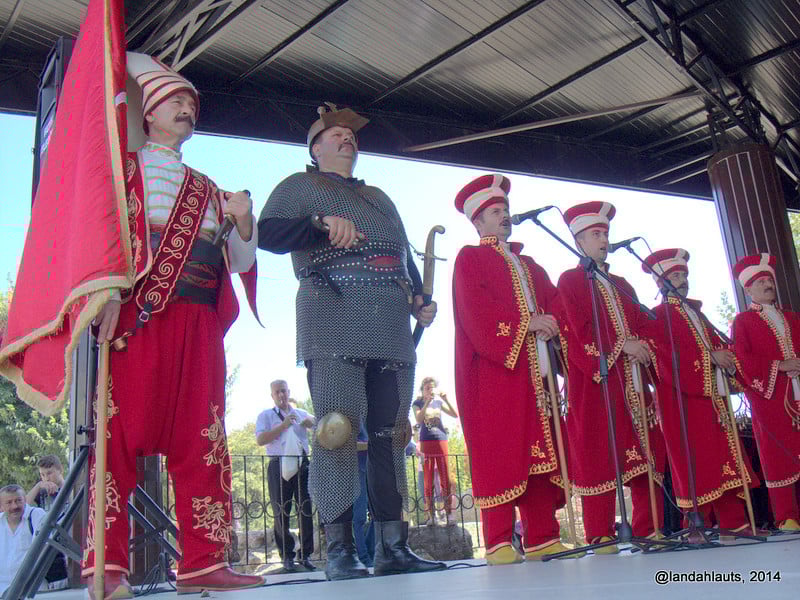
The Ottoman Empire’s elite Janissary corps wore distinctive tall white felt caps that made formations appear more formidable from distance. The uniform’s religious symbolism proved equally significant — Islamic crescents and verses reminded these Christian-born soldiers of their allegiance to the Sultan and Allah.
Mongol Warrior Gear
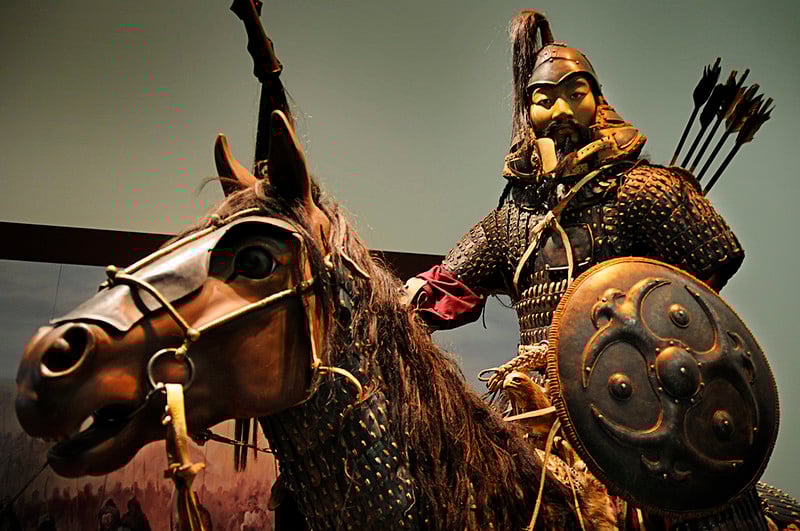
Mongol warriors prioritized mobility above all else, wearing leather and felt garments capable of enduring lengthy campaigns across enormous distances. Their composite armor was revolutionary — lighter than European chainmail yet equally protective, enabling the rapid cavalry maneuvers that conquered much of the known world.
American Revolutionary War Uniforms
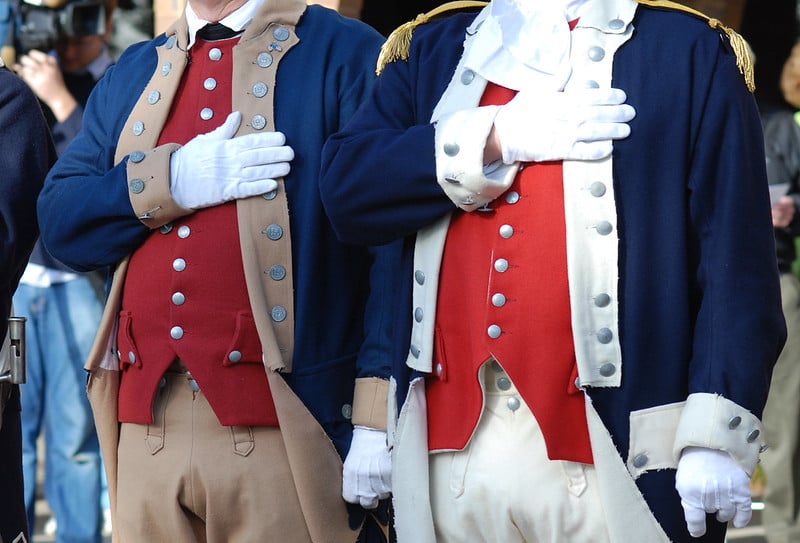
Colonial forces frequently lacked proper uniforms, but when they managed to acquire them, blue became the preferred color for strategic reasons. Blue represented fidelity and determination — qualities the revolutionaries wanted to demonstrate to potential European allies while visually contrasting with British red.
Spartan Bronze Armor

The renowned bronze breastplates and helmets worn by Spartan warriors were engineered to complement their combat tactics perfectly. The polished metal generated blinding reflections in sunlight that could disorient opponents, while the uniform appearance reinforced their reputation as an unstoppable collective force.
Modern Camouflage Patterns

Contemporary digital camouflage represents the culmination of centuries of uniform evolution, extending far beyond simple concealment. Different branch-specific patterns foster tribal identity among service members while advanced materials regulate body temperature — and modern camouflage makes soldiers appear more professional and technologically superior.
Threads That Weave Through Time

These uniforms demonstrate that military clothing has always served purposes far beyond basic protection or regulation compliance. Military dress functions as a bridge connecting individual identity with collective mission, transforming ordinary citizens into embodiments of their nations’ principles and aspirations. The legacy of these designs continues influencing how we understand the relationship between appearance, psychology, and power in human conflict.
More from Go2Tutors!

- 16 Historical Figures Who Were Nothing Like You Think
- 12 Things Sold in the 80s That Are Now Illegal
- 15 VHS Tapes That Could Be Worth Thousands
- 17 Historical “What Ifs” That Would Have Changed Everything
- 18 TV Shows That Vanished Without a Finale
Like Go2Tutors’s content? Follow us on MSN.



