Trivia about Nintendo NES classic games
The Nintendo Entertainment System changed home gaming forever when it landed in American living rooms. Those gray plastic cartridges held entire worlds that kids could explore, and the simple controller with its two red buttons felt perfect in your hands.
Decades later, people still talk about these games with the same excitement they had as children. The secrets, glitches, and strange design choices make these titles feel alive even now.
Some of these facts might surprise even the biggest fans. Let’s jump right in.
Mario wasn’t always Mario
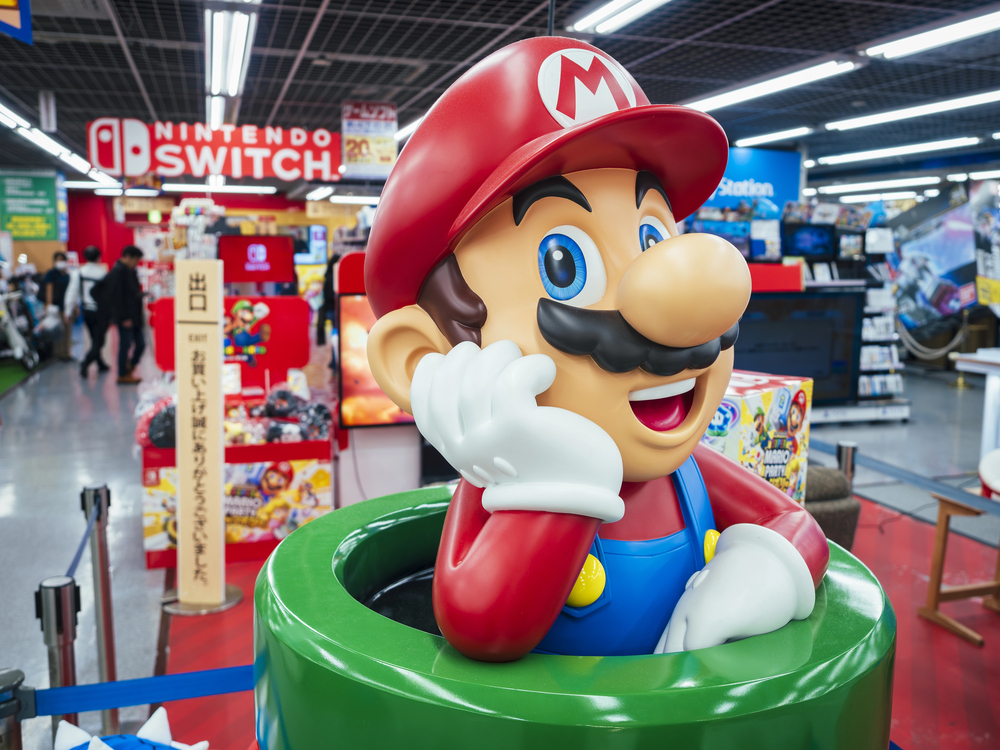
Back in 1981, when Donkey Kong hit arcades, the little jumping guy didn’t have a proper name. Everyone just called him ‘Jumpman’.
A Nintendo employee pointed out that the character looked like Mario Segale, who was the Italian landlord of Nintendo’s U.S. office. That’s how the world’s most famous plumber got his name, thanks to a random observation about a real estate guy.
Mario started out as a carpenter before becoming a plumber in later games.
Super Mario Bros. 3 might be a stage play
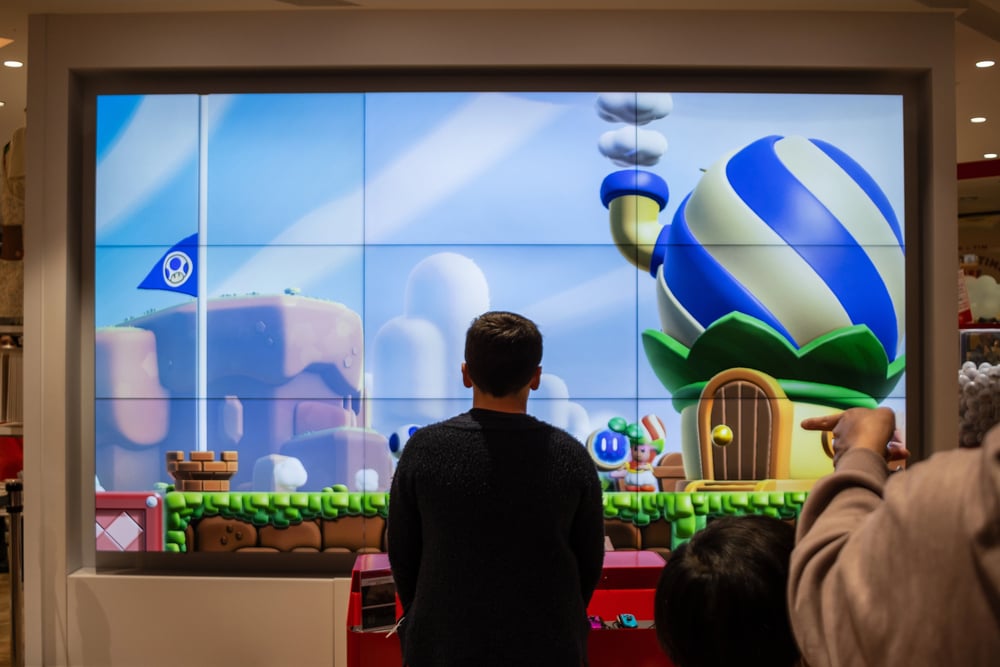
If you stand on a white block and hold down, Mario disappears behind the scenery. The whole game has stage curtains at the beginning and scenery that looks like theater props.
Even the platforms cast shadows on the black background, as if stage lights were shining on them. This detail supports the idea that the entire adventure is just a performance, with Mario and his enemies acting out their roles for an audience.
The Konami Code started as a testing shortcut
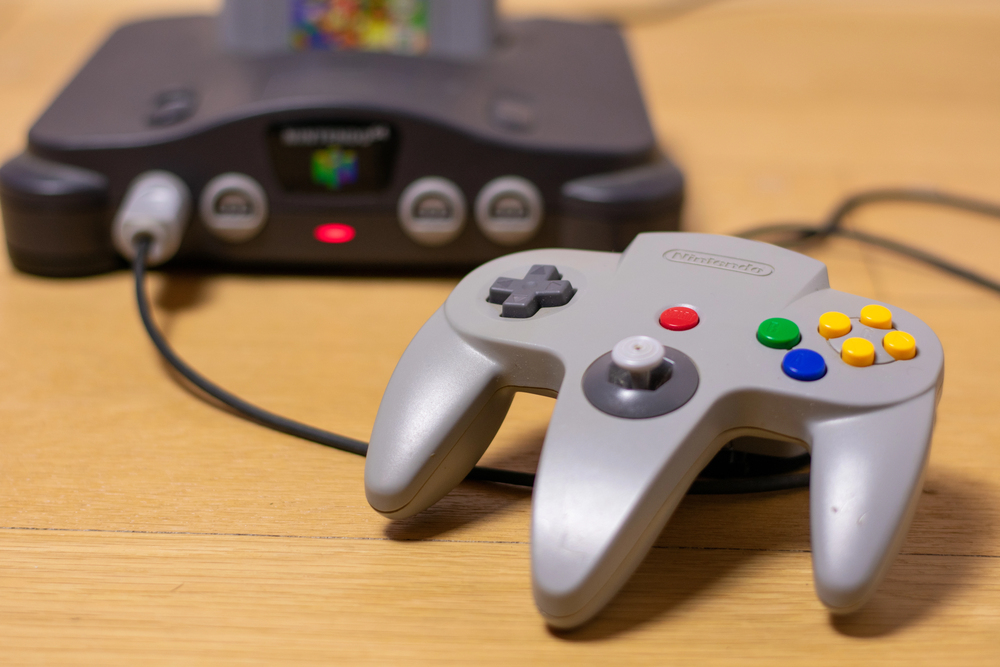
In 1985, developer Kazuhisa Hashimoto was working on Gradius and didn’t want to play through the whole game during testing, so he created a shortcut that gave him full power-ups. When the game went live in 1986, the code was still there: up, up, down, down, left, right, left, right, B, A.
Players discovered it and the code became famous for giving 30 extra lives in Contra. This accidental discovery turned into one of gaming’s most recognizable Easter eggs.
Duck Hunt’s laughing dog has no real name
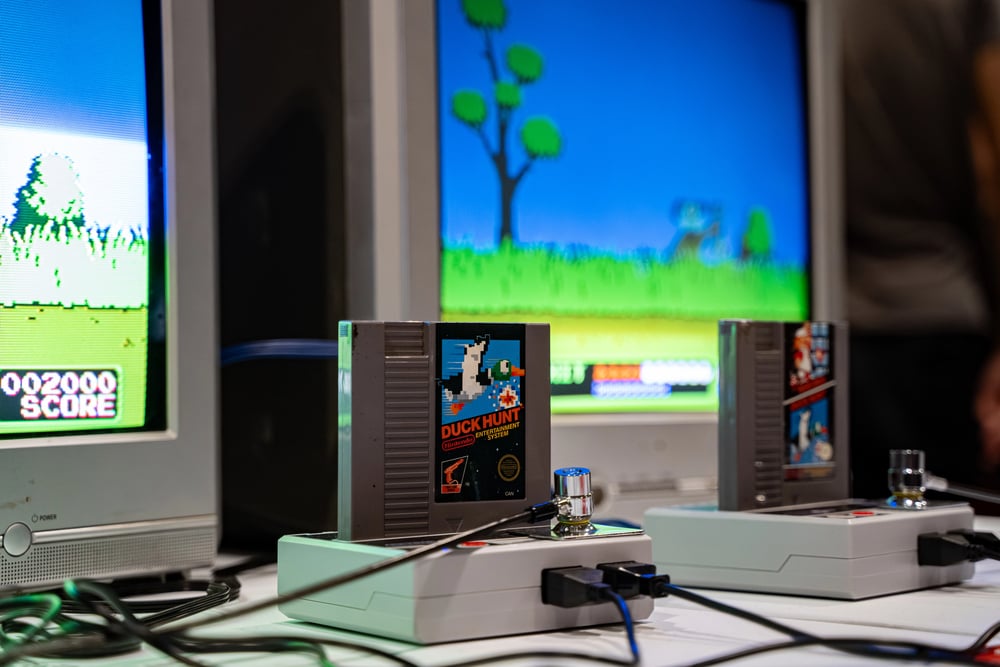
The dog from Duck Hunt is referred to as the ‘Duck Hunt Dog’ or ‘Laughing Dog’ but doesn’t have an official name. A myth exists that claims his name is ‘Mr. Peepers,’ but this never appeared in any official Nintendo material.
The dog made it onto lists of the most annoying sidekicks ever and characters people wished they could eliminate. His smug laugh became so infamous that it’s still referenced in internet memes today.
You couldn’t shoot the dog in the home version on purpose
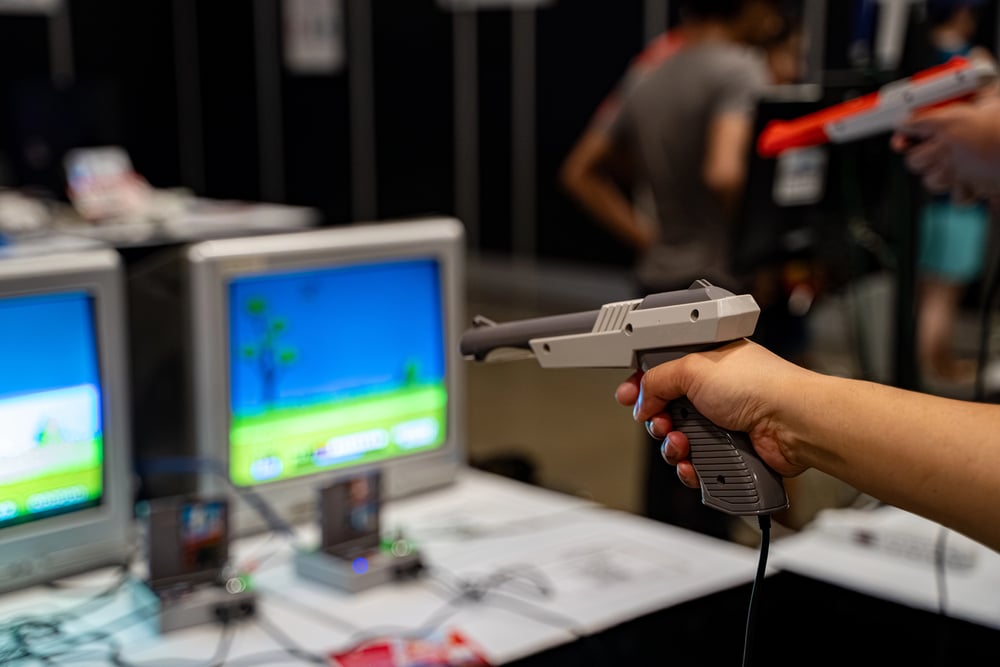
According to Nintendo of America employee J. Momoda, the dog was made impossible to shoot on console releases to make the game more family-friendly. However, in the arcade version called Vs. Duck Hunt, players could actually shoot the dog in bonus stages.
When hit, the dog would scold the player and end the bonus stage. This small difference between versions drove home console players crazy since they desperately wanted revenge for all that mocking laughter.
Metroid’s biggest surprise was Samus
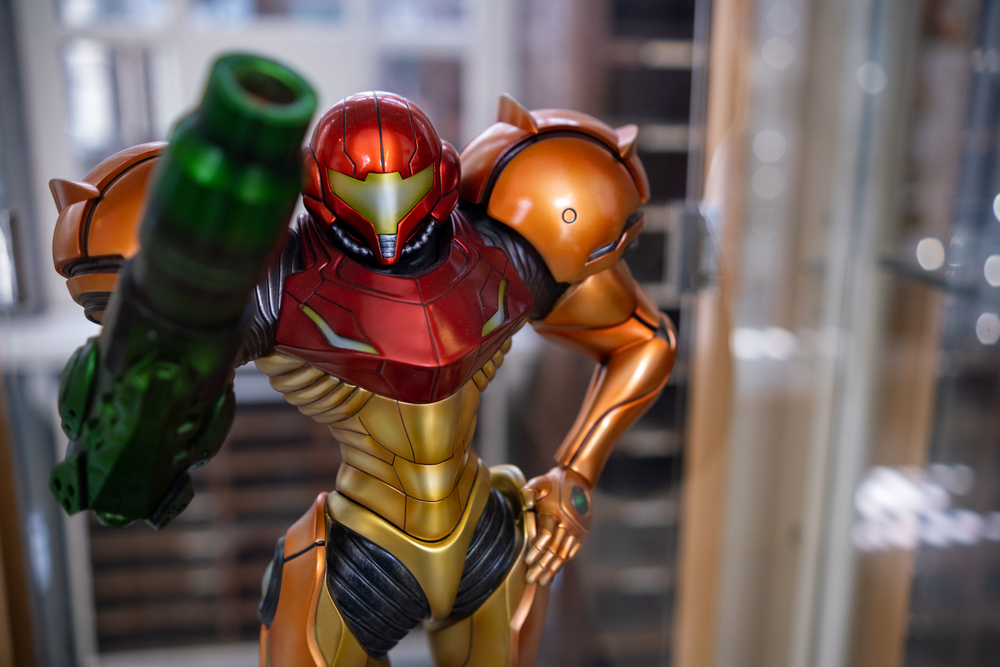
After completing Metroid, a short scene revealed that the space-suited, missile-blasting hero was actually a woman. In 1986, this twist shocked players who had assumed they were controlling a male character the whole time.
The game never gave any hints about Samus’s identity until the very end. This reveal made Samus Aran one of the first major female protagonists in gaming history.
Legend of Zelda was supposed to involve time travel
Originally, The Legend of Zelda was meant to span different time periods, beginning in the past and ending in the future, with the Triforce acting as transport between eras. The hero’s name ‘Link’ was meant to symbolize his role as a connection between the eras.
Nintendo changed this concept, and now the official position is that Link represents a connection between the player and the game world. The time-travel idea would eventually show up in later Zelda games.
Rygar had no save feature despite being really long
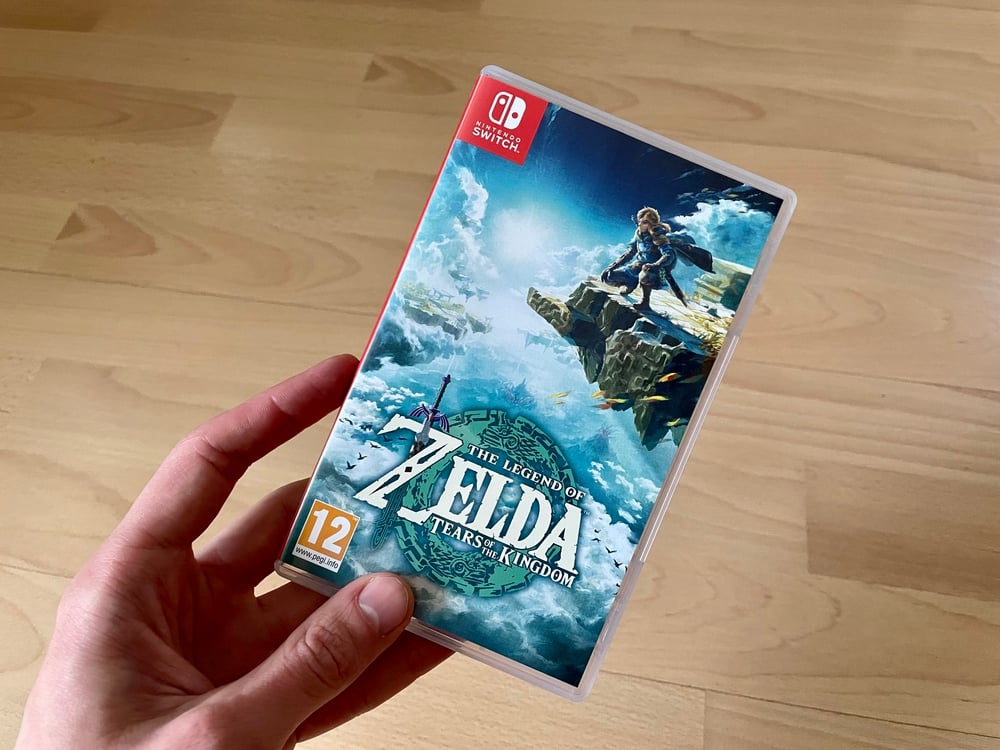
Rygar is as long and epic as The Legend of Zelda, Metroid, and Castlevania, but it doesn’t have a save option or password feature. Players had to beat the entire game in one sitting or leave their console running for days.
This design choice seems crazy now, especially since other games from the same period figured out how to let players save their progress. Losing power meant starting completely over from the beginning.
Super Mario Bros. 3 has treasure ships you probably never saw

The treasure ship can appear in worlds 1, 3, 5, and 6, but you must meet specific requirements: your coin total must be a multiple of 11, the tens digit of your score must match the digit of your coin score, and you must finish with an even time. The treasure ship contains 169 coins and a hidden 1-Up mushroom.
Most players who encountered these ships did so by accident and never understood why they appeared.
Ghosts ‘n Goblins makes you beat it twice
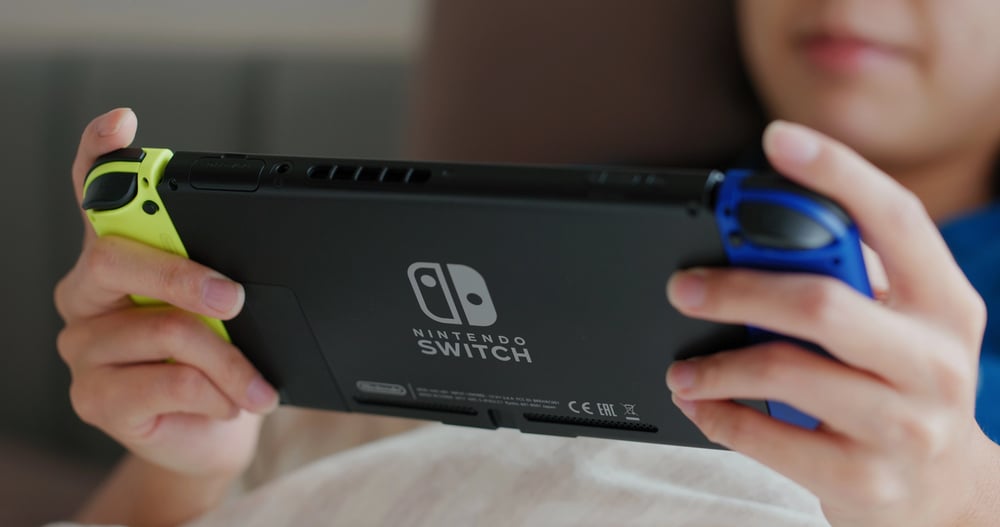
Not only is Ghosts ‘n Goblins considered one of the hardest games of all time, you actually have to beat it twice to complete it because the first playthrough is revealed to be just a dream. After finishing the brutal final level, the game tells you to play through everything again at an even harder difficulty.
This decision frustrated countless players who thought they had finally conquered the game.
The NES almost became an Atari product

Atari nearly released a home computer called the Nintendo Advanced Video Gaming System that would have included a keyboard and cassette data recorder. As the deal neared completion, Atari executives saw that competitor Coleco was demonstrating Nintendo’s Donkey Kong on its new computer at a trade show, and Atari figured Nintendo had backed out of the contract.
The misunderstanding collapsed the deal, and Nintendo decided to release the NES on its own.
Publishers could only release five games per year
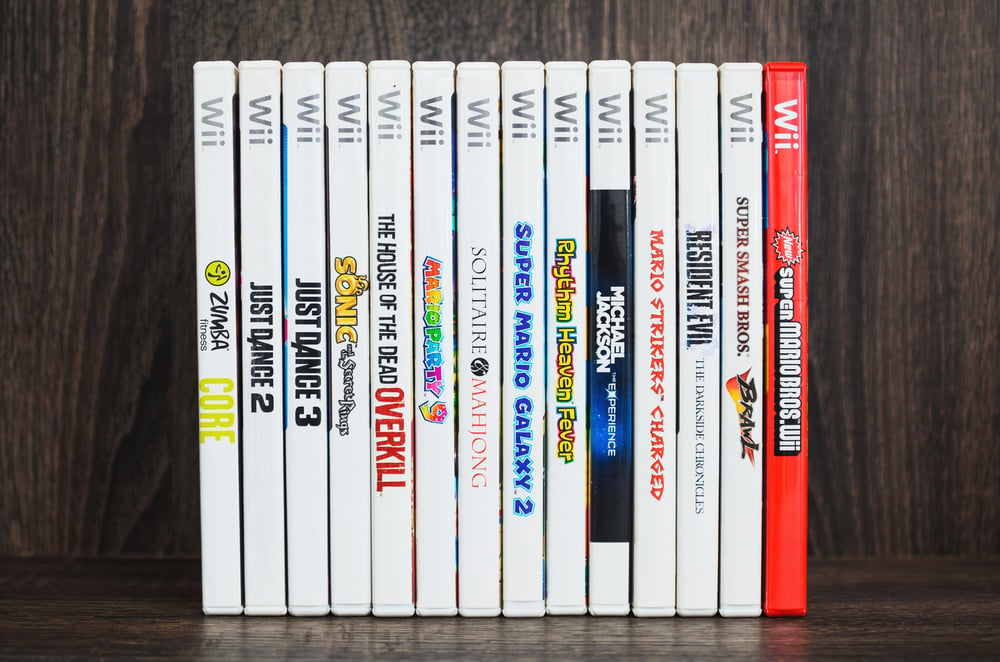
To avoid Atari’s mistakes of oversaturating the market, Nintendo only allowed publishers to release five games per year for the NES. This restriction helped maintain quality control and prevented store shelves from flooding with terrible games.
Some companies found creative ways around this limit by creating subsidiary labels that counted as separate publishers.
Super Mario Bros. sold more than 40 million copies
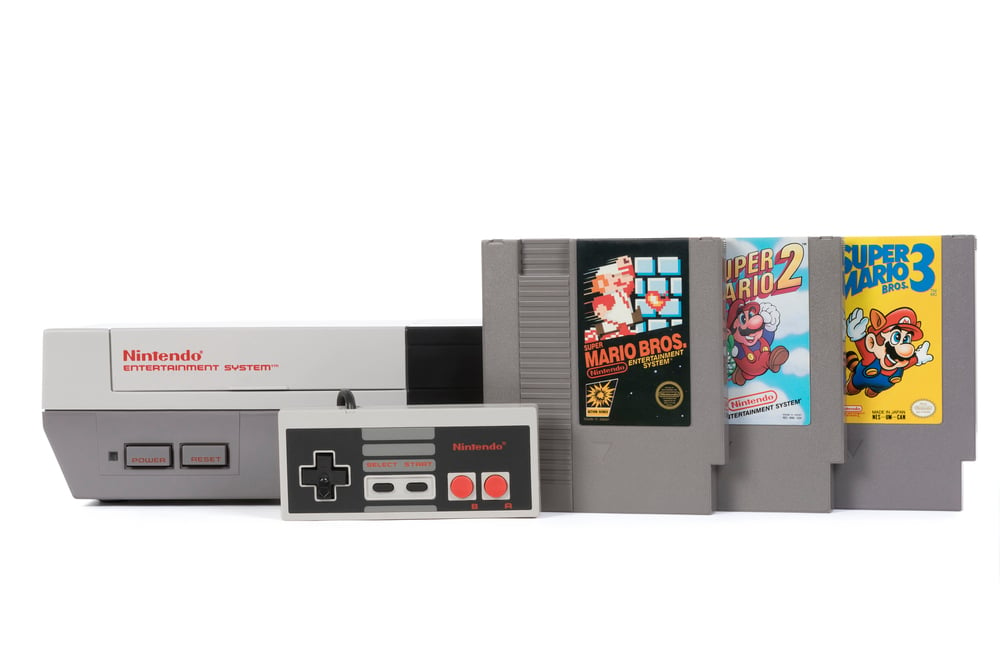
Super Mario Bros. sold over 40 million copies, partly because it became a pack-in title with most NES models. Various re-releases over the years increased those numbers even more.
The game remains the oldest title in the top section of best-selling games ever. It took Nintendo 20 years to release another game that surpassed these sales numbers.
Castlevania cartridges are worth serious money now
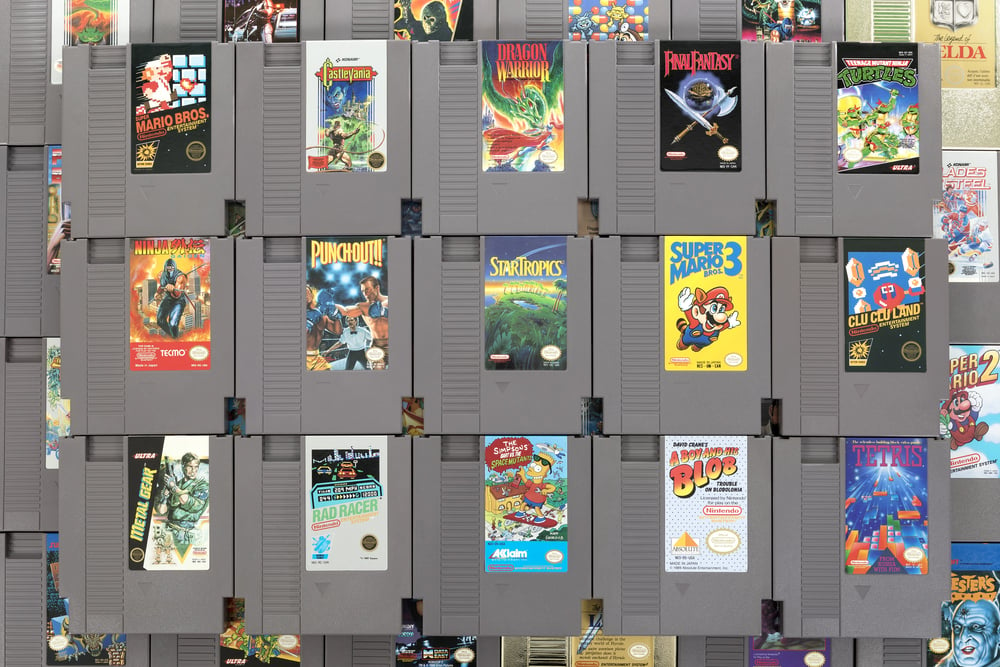
Sealed versions of Castlevania sell for upwards of $900, depending on condition, and original NES editions of Castlevania and Castlevania 2 have sold for more than $950. Collectors pay premium prices for games in pristine condition with their original packaging.
The combination of being a beloved classic and having limited sealed copies available drives these high prices.
Tetris music came from a Russian folk song
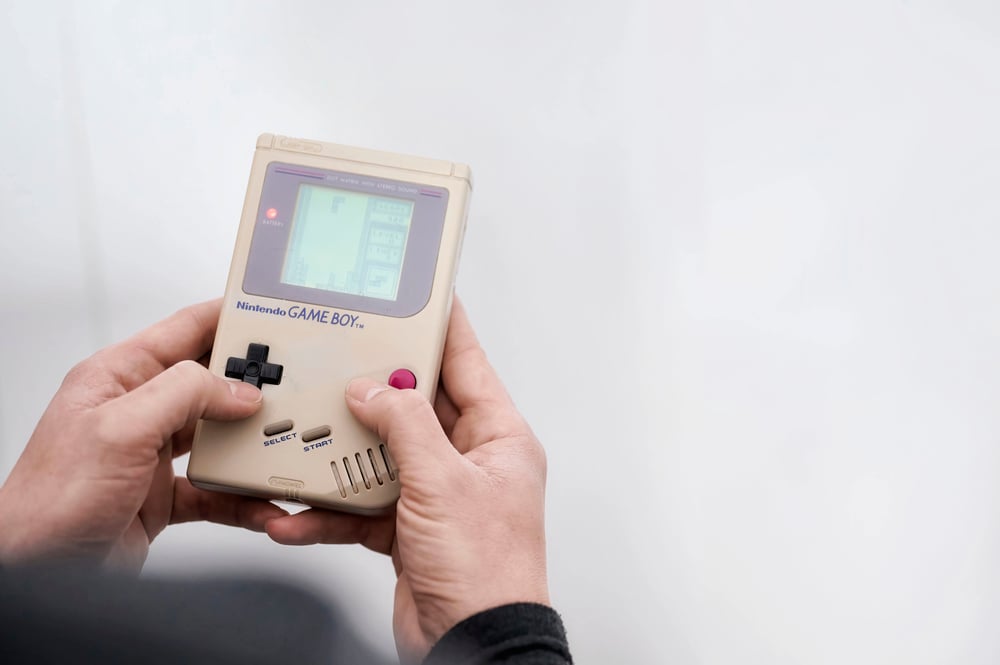
Korobeiniki – meaning Russian traders – is an old folk tune that blew up globally thanks to Tetris. Back in ’89, Hirokazu Tanaka remade it for the Game Boy edition, calling it the ‘Type A’ track.
Since then, this bouncy beat sticks tight with anyone picturing tumbling puzzle pieces. Long before pixels or consoles, the melody had been kicking around for centuries.
Super Mario Bros. 3 had a hidden Hammer Suit slide animation
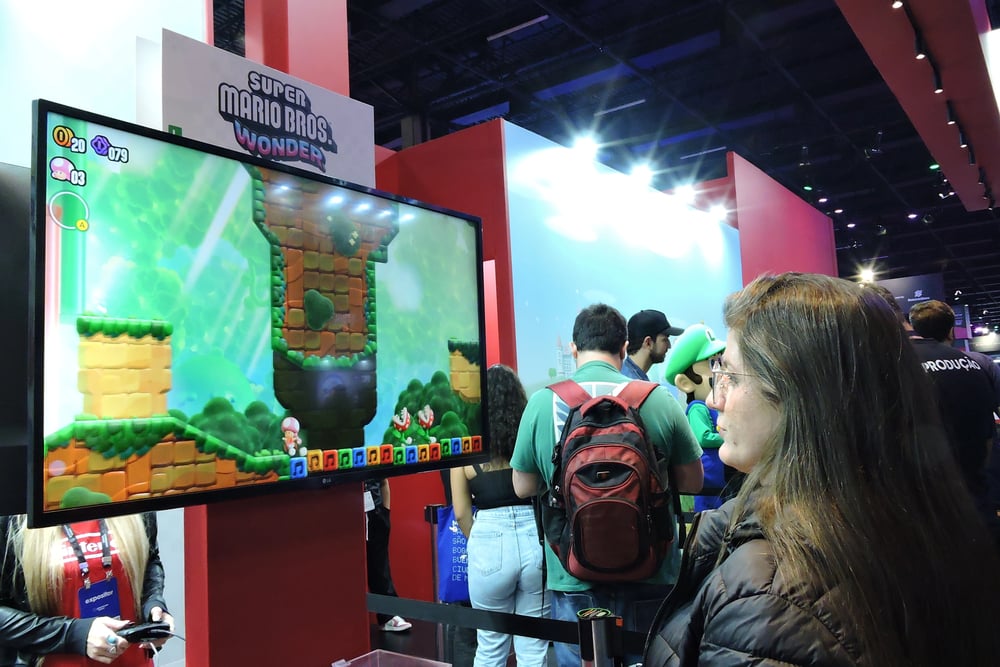
Mario could zip down slopes fast, yet each costume he grabbed came with its own little slide picture. Hardly anybody realized the Hammer Bros. outfit had one too.
To make him do that trick, you’d need to slip on particular ramps while suited up – something nearly zero players did. Folks who built the game tossed it in anyway, even if nobody noticed.
Round 100 in Duck Hunt breaks the game
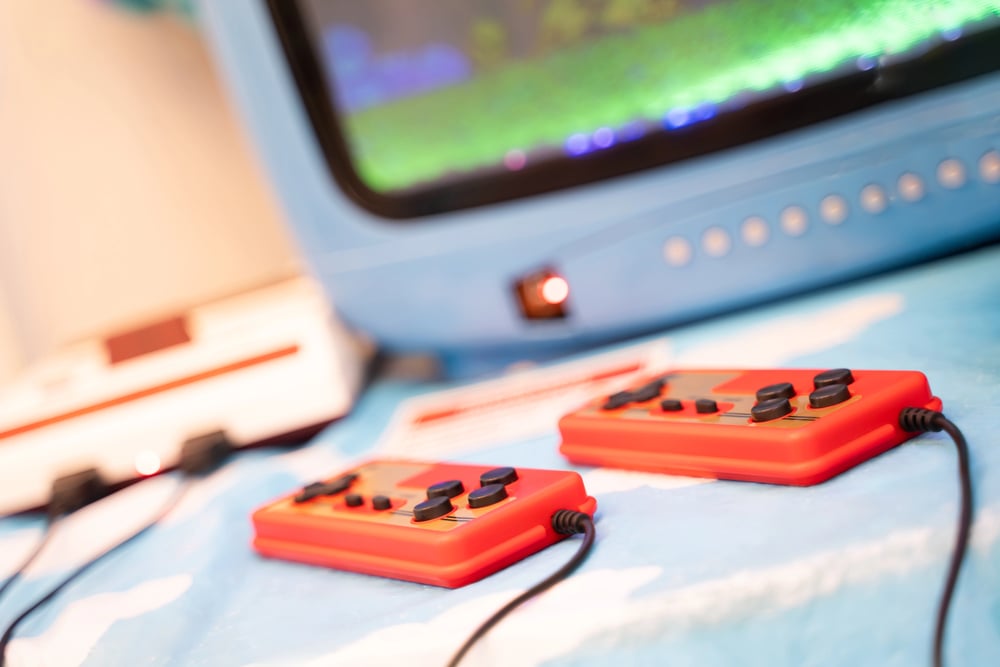
If you make it to Round 100 in 1 Duck Mode, a bug kicks in – suddenly, shooting the duck isn’t possible. Finishing Round 99 in Game A takes you to Round 0 instead; this stage acts up, throwing out broken or missing targets.
Since devs didn’t think players would get this far, they left later stages unplanned.
The NES Zapper only worked on old TVs
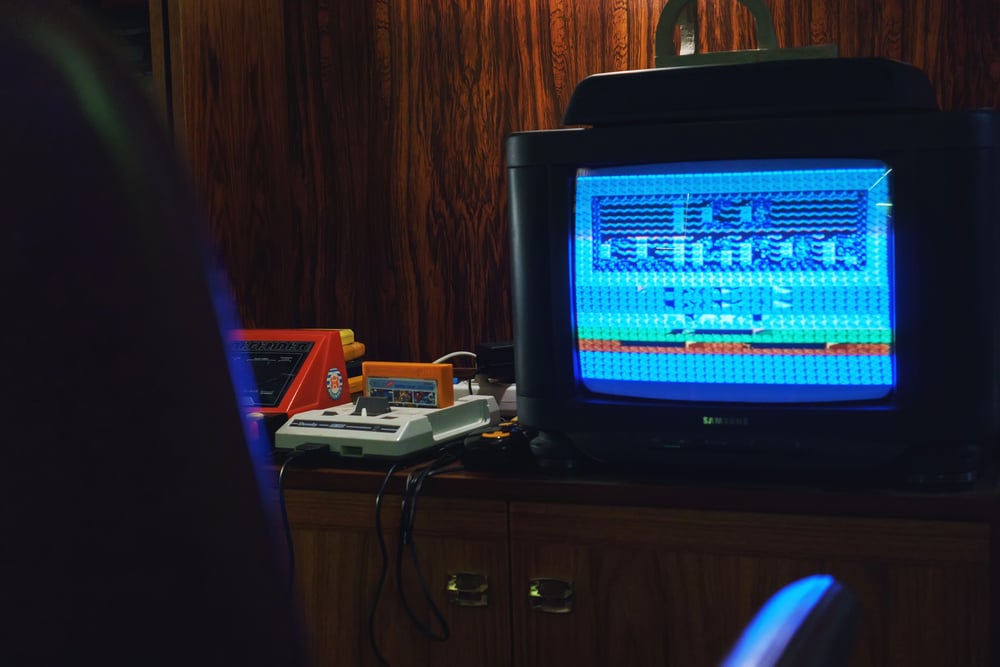
The light gun spotted the quick glow when the TV flashed bright for one frame once you pulled the trigger. Because newer flat screens don’t give off that kind of flash, the Zapper can’t work on them.
That’s the reason it only operated near the display. Using a Zapper on an LCD or plasma set leads to endless failures.
As screens turned into stories
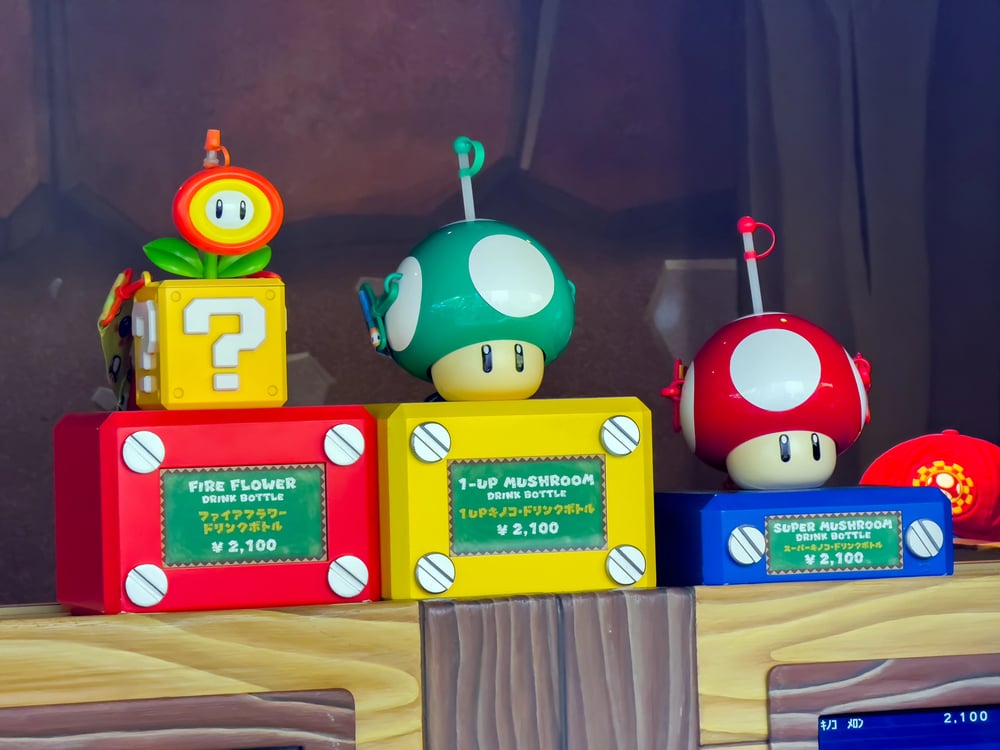
Those chunky pixel people and basic beeps made moments no one thought would stick around so long. Folks who ran through those levels back then? Now they’re grown-ups sharing them with little ones.
Turns out, fun gameplay beats flashy visuals – NES showed us that. Hidden warp zones, surprise power-ups, tough end bosses – all of it hammered home patience and curiosity.
Old gray game cases tucked away in closets aren’t just plastic and chips. They’re packed with whole kid-lives.
More from Go2Tutors!

- The Romanov Crown Jewels and Their Tragic Fate
- 13 Historical Mysteries That Science Still Can’t Solve
- Famous Hoaxes That Fooled the World for Years
- 15 Child Stars with Tragic Adult Lives
- 16 Famous Jewelry Pieces in History
Like Go2Tutors’s content? Follow us on MSN.



