TV Pilots That Never Made It to Air
Films get shot by networks each year with new cast members testing roles. Many don’t make it past early stages.
Timing might’ve been off, ideas didn’t line up, money ran short, or nobody really knew the show’s direction. A few had big-name stars back when no one recognized them yet.
Some came with huge funding, yet wild hype followed close behind. Still, there’s a single thread tying them together – viewers simply never saw the final product.
Heat Vision and Jack

Ben Stiller directed this 1999 Fox pilot starring Jack Black as an astronaut on the run. Black’s character gained super intelligence whenever the sun hit him.
Owen Wilson voiced his motorcycle sidekick. Yes, his motorcycle talked.
The premise was intentionally absurd, leaning into late-90s irony and self-aware humor. Fox watched the completed pilot and passed immediately.
The show was too weird, even for a network experimenting with edgy comedies. Years later, the pilot leaked online and became a cult favorite.
People realized what Fox missed—a genuinely funny show that understood its own ridiculousness.
Lookwell

Adam West played an actor who once starred as a detective on television. His character believed his TV experience qualified him to solve real crimes.
Conan O’Brien and Robert Smigel wrote the pilot in 1991. NBC filmed it, tested it with audiences, and shelved it.
The network worried viewers wouldn’t understand the joke. West’s performance walked the line between confident and clueless perfectly.
Critics who later saw the pilot called it ahead of its time. The mockumentary style and self-referential humor predicted shows that would succeed years later.
Global Frequency
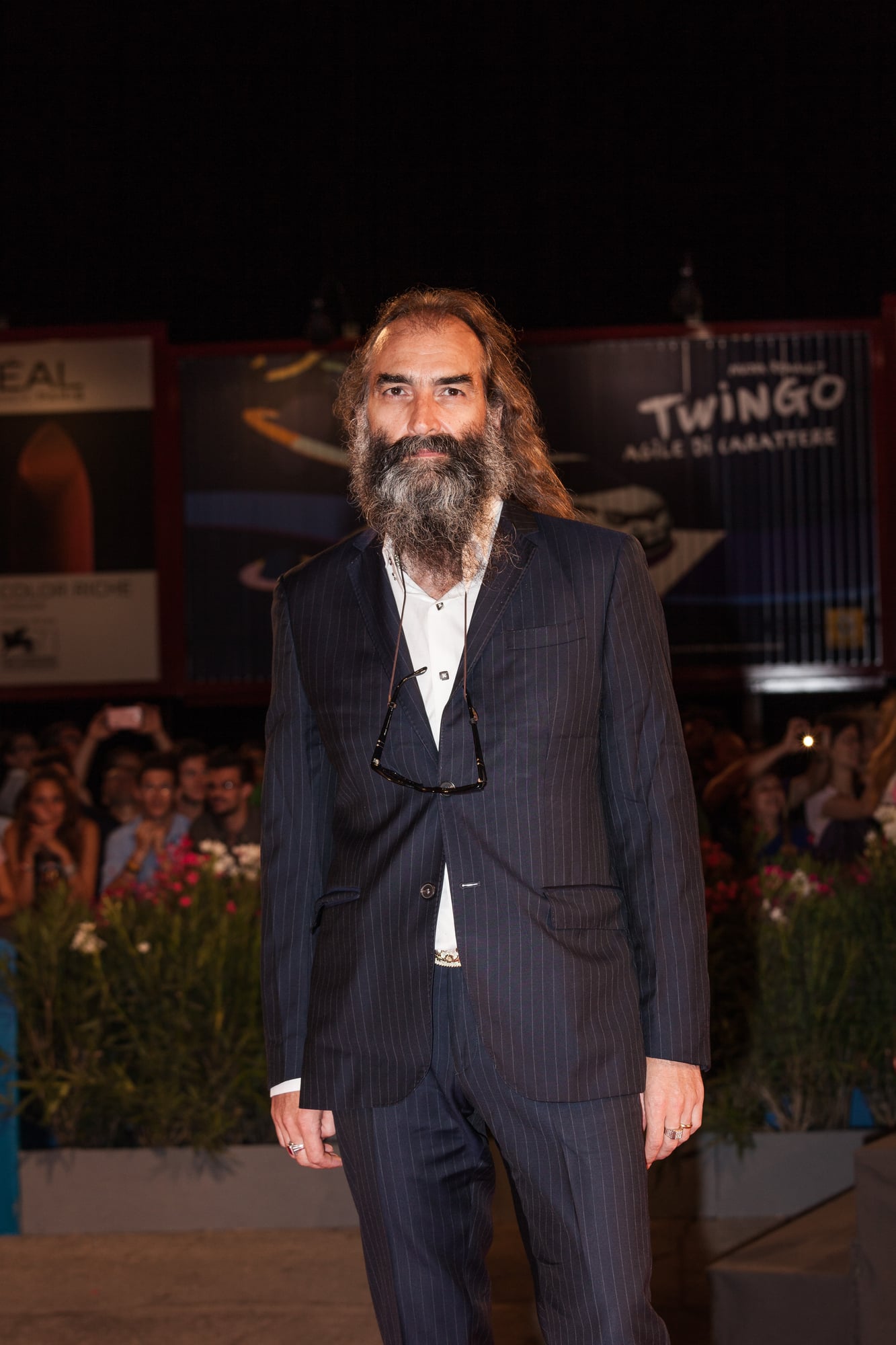
Warren Ellis wrote the comic book. John Rogers adapted it for television.
The WB commissioned a pilot in 2005. The story followed a secret organization that recruited experts to handle global threats.
The production looked expensive. The cast was solid.
The network passed anyway. Some speculated it was too expensive for The WB’s budget.
Others thought it was too serious for their target audience. The pilot leaked online almost immediately and spread across file-sharing networks.
People watched it anyway, making it one of the most-viewed unaired pilots in television history.
Virtuality

Ronald D. Moore created this science fiction series about astronauts on a ten-year journey to another star system. They used virtual reality to escape the monotony.
Fox aired the two-hour pilot as a TV movie in 2009 but never ordered a series. The ratings were weak.
The timing was bad—audiences weren’t interested in hard science fiction on network television. Moore went on to create other successful shows, but Virtuality remains one of the great what-ifs in science fiction television.
The pilot asked interesting questions about reality and perception that never got answered.
Manchester Prep
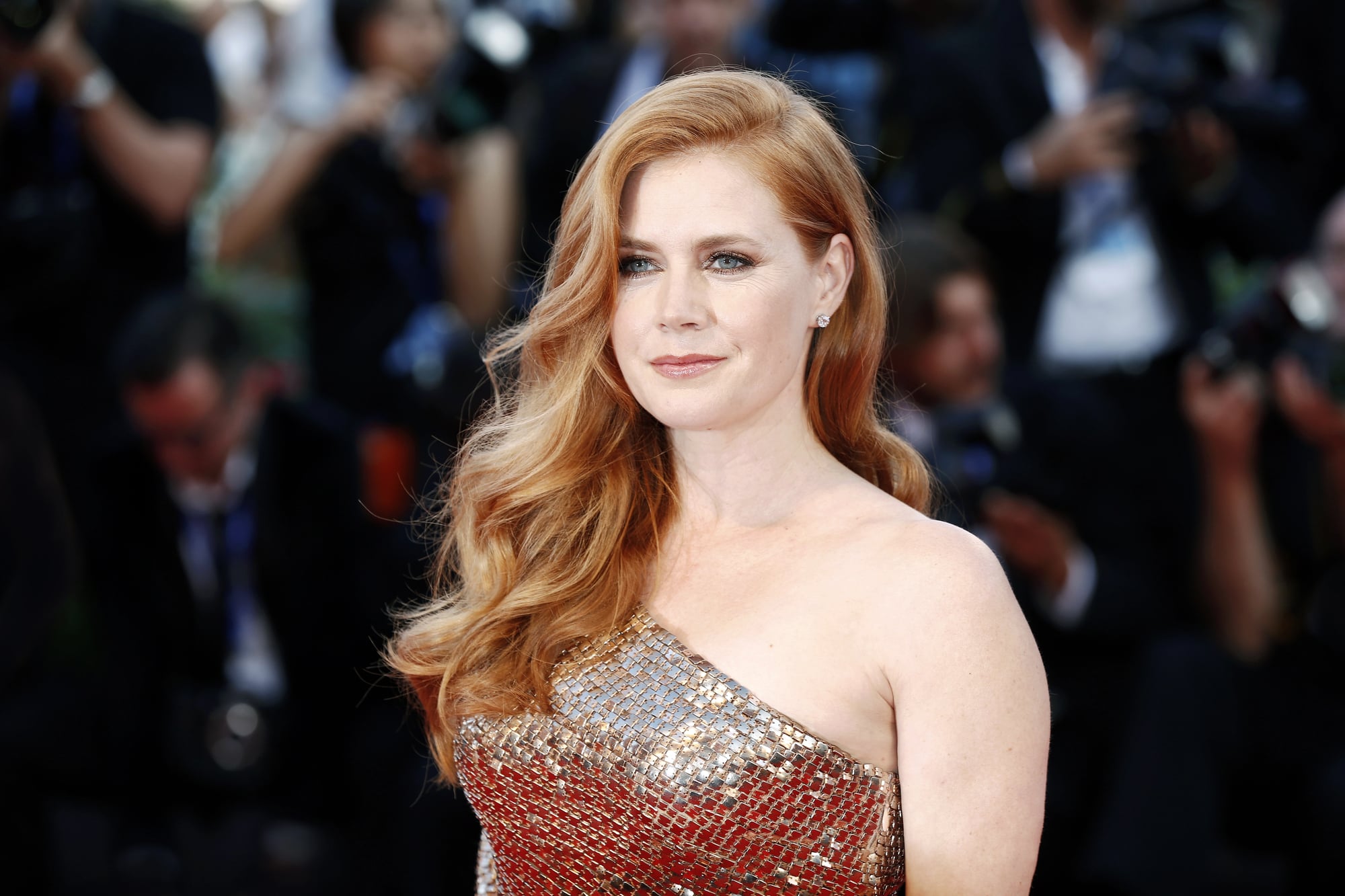
This Cruel Intentions prequel ran into problems before a single episode aired. Fox commissioned an entire season in 1999.
The network got nervous about the mature content. High schoolers scheming and manipulating each other was one thing in a movie.
A weekly television show felt different. Fox pulled the plug after filming the pilot and one additional episode.
Eventually, the filmed episodes got recut into a direct-to-video sequel to the original movie. The show starred Amy Adams years before her film career took off.
Babylon 5: The Legend of the Rangers

J. Michael Straczynski returned to his Babylon 5 universe in 2002 with this pilot. Sci Fi Channel aired it as a TV movie to test audience interest.
The ratings were decent, but not strong enough to justify a series order. The production values looked cheap compared to the original show.
Fans of Babylon 5 wanted more, but not this. The pilot introduced new characters in a familiar universe but never found its own identity.
It played like fan service without the budget to make the service worthwhile.
Aquaman

Before Smallville became a phenomenon, the same producers tried to do for Aquaman what they did for Superman. The WB commissioned a pilot in 2006.
Justin Hartley played the title character. The show borrowed heavily from Smallville’s formula—young hero discovers powers, small town setting, relationship drama.
The network passed despite spending millions on the pilot. They already had Smallville and Supernatural.
Adding another superhero show felt redundant. The pilot eventually appeared on iTunes, where fans could rent it.
Hartley later joined Smallville as Green Arrow.
The Munsters Today

Not the 1960s original, and not the 1980s revival. This was a 2012 reboot pilot for NBC.
The network wanted to make The Munsters dark and edgy. Bryan Fuller developed it before moving on to Hannibal.
NBC filmed the pilot, spent a fortune on makeup and effects, and decided the show didn’t work. The tone was too dark for The Munsters brand but not dark enough to stand apart from other supernatural dramas.
Fuller’s vision clashed with what NBC wanted. The network chose not to air it at all, even as a one-off special.
Locke & Key

Fox commissioned this adaptation of Joe Hill’s comic in 2011. The pilot cost millions and featured elaborate effects.
It told the story of a family who moves into a house full of magical keys. Fox loved the pilot initially but got cold feet.
The show was too expensive. The mythology was too complicated for network television.
Fox passed, and other networks showed interest but never pulled the trigger. Years later, Netflix successfully adapted the same source material.
The Fox pilot sat in a vault, occasionally leaked footage reminding people of what almost was.
The Graysons

Before Arrow, before Gotham, the CW wanted to make a show about Robin before he became a sidekick. The 2009 pilot would have followed the young acrobat as a circus performer.
The show planned to tell his origin story without Batman appearing. DC Comics blocked the project.
They worried a live-action Robin show would conflict with their movie plans. The pilot never filmed.
The CW kept developing superhero shows but had to work around DC’s film restrictions. The Graysons remained a script and some early costume designs.
Mockingbird Lane

Bryan Fuller returned to The Munsters in 2012 for NBC, this time with a different approach. The network filmed the pilot as a Halloween special.
The production looked gorgeous. Fuller’s visual style was distinctive.
NBC aired it once, then passed on a series. The ratings were disappointing.
The special aired opposite tough competition. Fuller’s take was too sincere for comedy and too campy for drama.
It fell between genres and never found its audience. NBC tried to make The Munsters work twice and failed both times.
Amazon High

Bruce Campbell was attached to star in this Wonder Woman series in 1997. The premise moved Diana Prince to a contemporary high school setting.
Diana worked as a guidance counselor helping students while fighting villains. The network that commissioned it got absorbed during a merger.
The new owners looked at the pilot script and walked away. The project never filmed.
Campbell has talked about it in interviews as one of the stranger pitches he considered. Wonder Woman eventually made it to television decades later, but this version of her story stayed buried.
Payne

John Larroquette starred in this sitcom pilot for CBS in 1999. The show was a remake of the British series Fawlty Towers.
Larroquette played a hotel manager dealing with difficult guests and incompetent staff. CBS filmed the pilot and eight additional episodes.
The network aired two episodes before canceling it. The remaining episodes never aired in the United States.
Critics called it a pale imitation of the original. Translating British comedy to American television rarely works, and Payne proved the rule.
The IT Crowd (US Version)
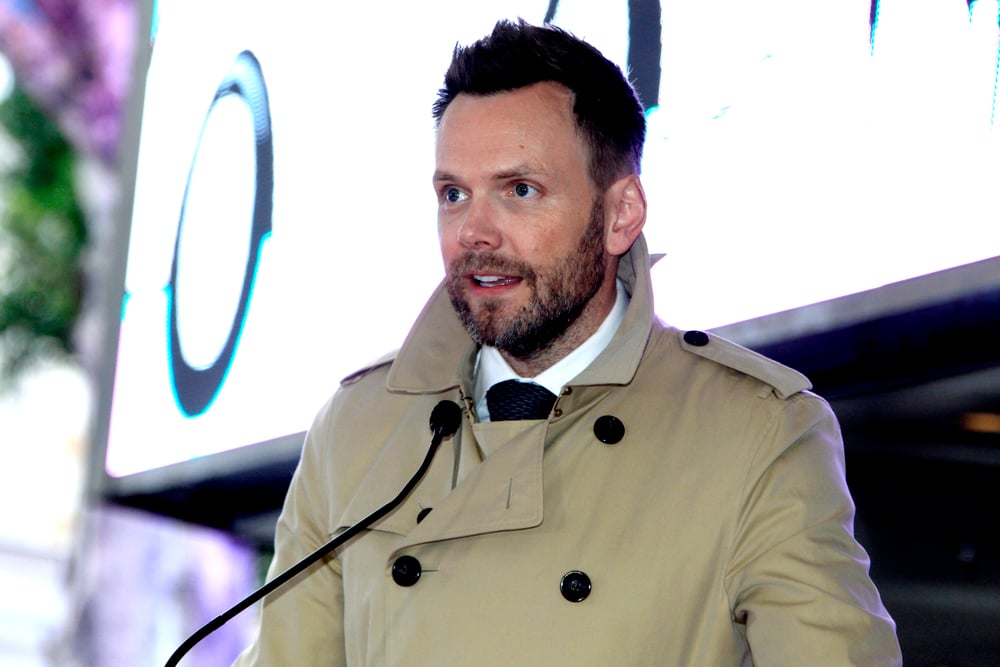
NBC tried to remake the British comedy in 2007. Joel McHale starred in the pilot.
The network wanted to capitalize on The Office’s success with another British adaptation. NBC filmed a pilot that copied the original almost shot-for-shot.
That was the problem. The American version felt like a photocopy rather than an adaptation.
NBC passed after testing it. McHale went on to star in Community.
The IT Crowd worked perfectly in its original form and didn’t need an American translation.
Spaced (US Version)
Fox tried to adapt another British comedy in 2008. The original Spaced was a cult favorite.
Fox’s version changed almost everything that made the British show work. The characters were different.
The tone was wrong. The nerdy references felt forced.
McG directed the pilot. Fox passed immediately.
The original creators criticized the attempt publicly. Fans agreed the adaptation missed the point.
The pilot became an example of how not to adapt a beloved series.
Nobody’s Watching

The WB commissioned this meta-comedy in 2005. Two guys create a sitcom about two guys creating a sitcom.
The show commented on television tropes while being a sitcom itself. The network filmed a pilot and passed.
Someone leaked it to YouTube, where it became an early viral video. The WB reconsidered, commissioned scripts for a full season, then passed again.
The show was ahead of its time. Meta-comedy about television would become common later, but in 2005, networks didn’t know what to do with it.
What’s Left Behind
TV’s packed with shows that nearly happened. Episodes gather dust in storage, lost to time – except for their creators.
Not every idea worked out. Some flopped ’cause they weren’t good.
Others missed the moment. A small bunch showed up way too early for viewers to get it.
Then there are the rare ones – the rough cuts fans hunt down online – these show studios don’t always know what’ll click. Still, they’re mostly proof that TV’s tough – most concepts flop.
Only a few actually get on screen, ’cause success? That’s rare.
More from Go2Tutors!

- The Romanov Crown Jewels and Their Tragic Fate
- 13 Historical Mysteries That Science Still Can’t Solve
- Famous Hoaxes That Fooled the World for Years
- 15 Child Stars with Tragic Adult Lives
- 16 Famous Jewelry Pieces in History
Like Go2Tutors’s content? Follow us on MSN.



