Cities Located In Two Countries
Borders mean little when a city grows across them. Split by old agreements, waterways, or chance, some places just ignore the divide.
Morning begins in one nation, then a short stroll leads to jobs in another – routine as tying shoes.
Strange as it might seem, these spots actually exist – no fiction here. Split by borders yet connected by life, they defy simple maps.
Some urban areas stretch beyond one nation’s edge, living dual lives. Places where crossing the street means entering another country altogether.
Not theory, just reality on the ground. Cities functioning in two nations at once, day after day.
Baarle-Hertog And Baarle-Nassau
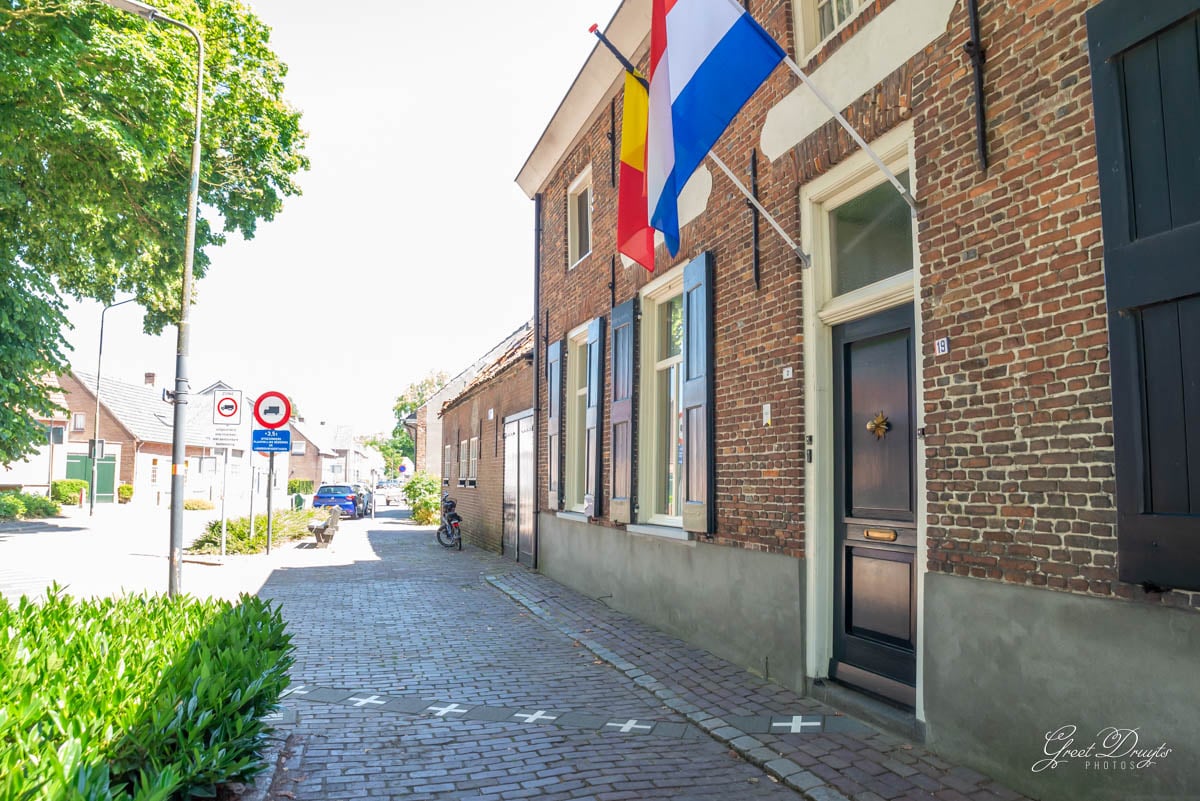
Barely anywhere else makes borders feel so tangled – this shared city between Belgium and the Netherlands twists expectations. Not merely dividing streets, the line slips inside buildings, sneaks behind counters, runs across dining booths.
Front doors open into one nation while stoves stand in another, rules shifting by doorstep location alone. Daily life unfolds in splits, yet keeps moving without breaking.
A place built on confusion that refuses to fall apart.
Valga And Valka
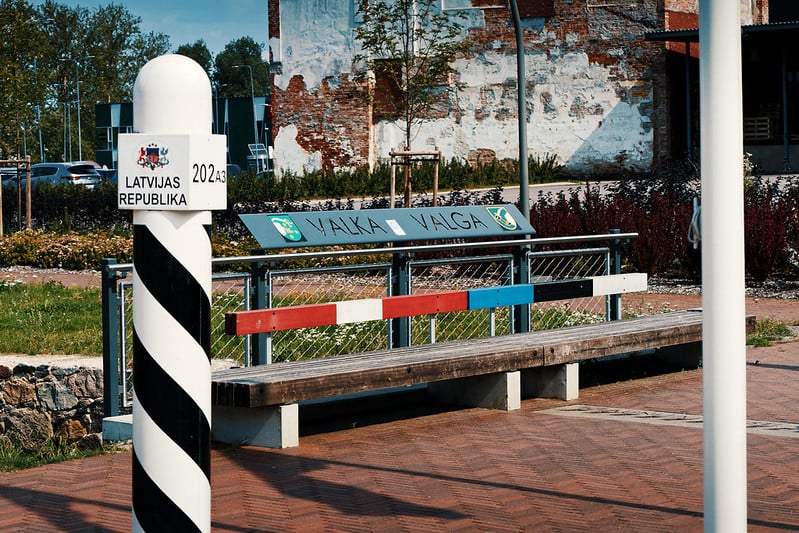
Valka finds itself in Latvia while Valga sits within Estonia, yet the two blend into a shared settlement shaped by the very same past. Once known as Walk, this place thrived as one community until war drew new lines on maps.
After the division, families living opposite each other had to carry documents even for short visits next door. When both nations became part of the European Union, those old barriers began fading quietly away.
These days crossing feels more like stepping between neighborhoods than countries.
Cieszyn And Cesky Tesin
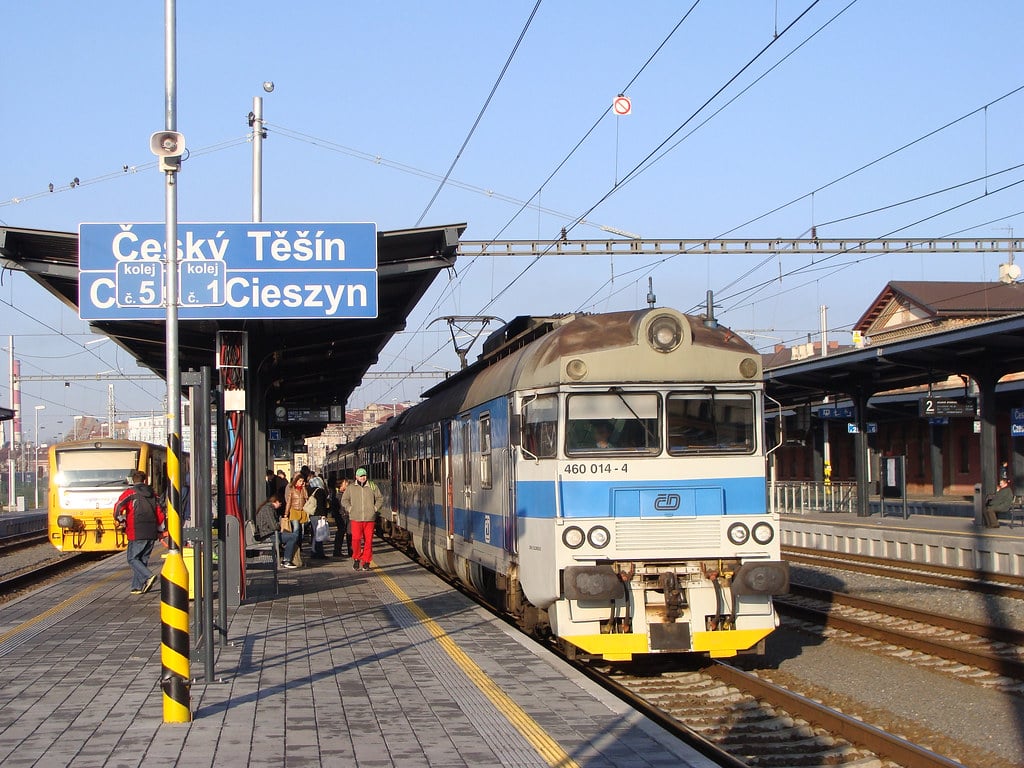
Floating between nations, this place rests along the Olza River – Poland holding one side, the Czech Republic the opposite. Split only in 1920, it stayed whole for hundreds of years until borders shifted after the first great war.
A shared marketplace hums with life, fed by customs and gatherings common to both banks. Their central square welcomes anyone, no matter which flag flies overhead.
Linking everything, a footbridge bustles like few others in Central Europe.
Gorizia And Nova Gorica
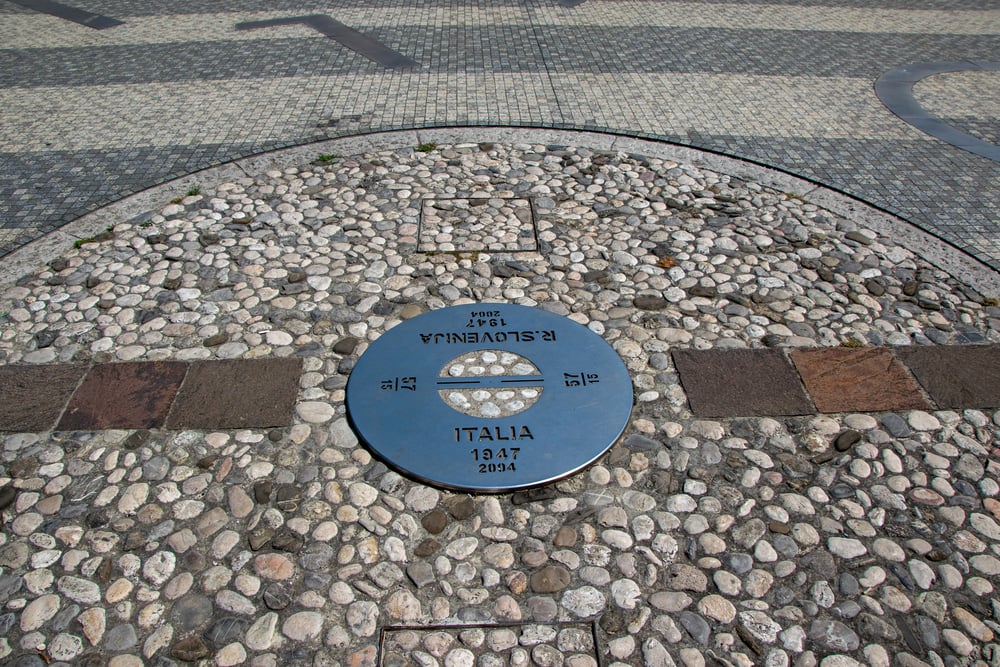
A line once cut right across the open space where people now walk freely. Families lived split apart by a boundary drawn straight through their daily lives.
One half fell under Italy, keeping Gorizia within its reach. The other side carried Nova Gorica into what became Slovenian hands.
What stood between them was more than just policy – it showed up as fences, guards, silence. Then came 2007 – Slovenia stepping into the Schengen agreement changed everything visible on the ground.
Barriers gave way without drama, almost like they had never belonged there at all. Shared air returned slowly, quietly.
A single plaza stayed whole even when borders fractured it before. Now celebrations move smoothly from one city into another.
By 2025, culture flowed unblocked as both places wore the title of European Capital together.
Tornio And Haparanda
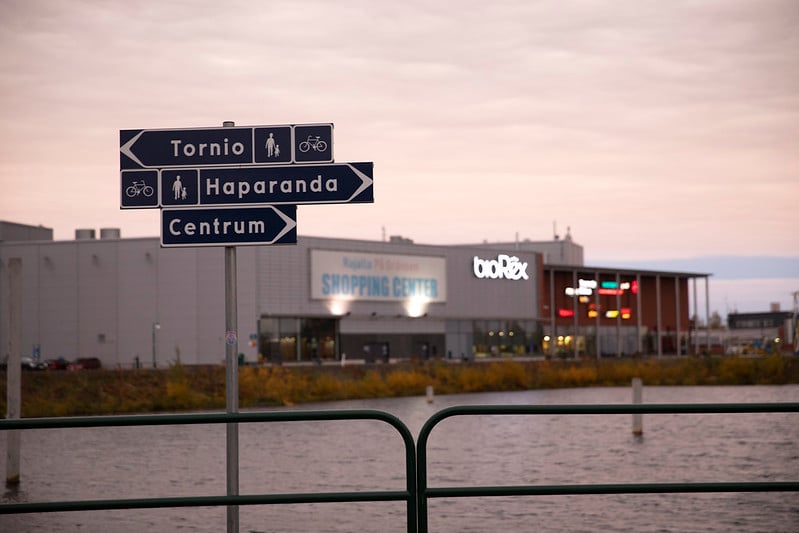
Over in northern Scandinavia, Finland’s Tornio sits just opposite Sweden’s Haparanda, separated only by the winding Torne River. They work together like neighbors who never argue – joint efforts include a shared golf course, where each pit might be in another country altogether.
A shopping plaza also stretches between them, used freely by both sides. When December comes around, residents gather at a single Christmas market instead of holding separate ones.
That golf game? It flips national borders mid-round, making it one of the few places where sport crosses international lines naturally. Though nearby, these towns live an hour apart; step off the bridge from one to the other, time shifts forward or back without warning.
Lloydminster
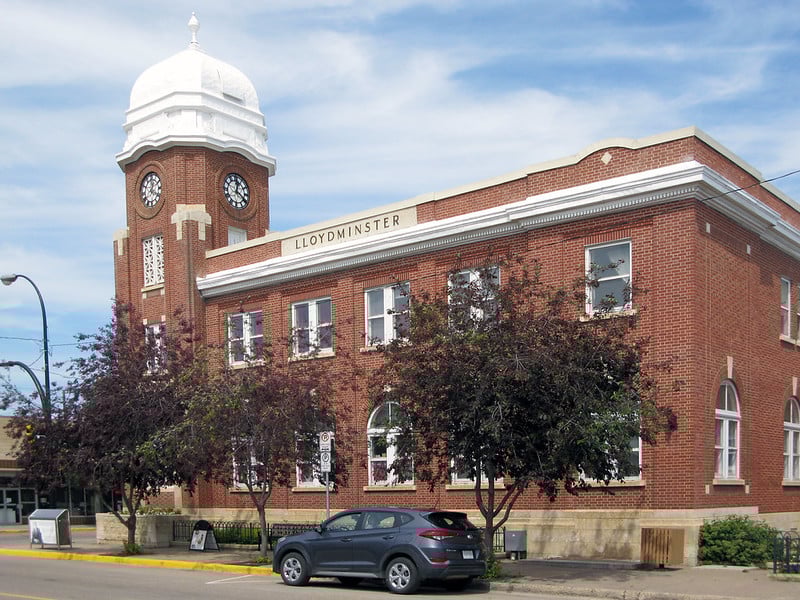
One part of Lloydminster lies in Alberta, the other in Saskatchewan – it counts as just one town split by a boundary. Settlers from Britain started it in 1903, unaware their camp sat exactly where provinces divide.
Depending on which half you stand in, slot machines might be allowed or banned. Tax levels shift too, changing block by block across streets.
Tall signs marking the edge rise up near shops and sidewalks downtown.
Derby Line And Stanstead
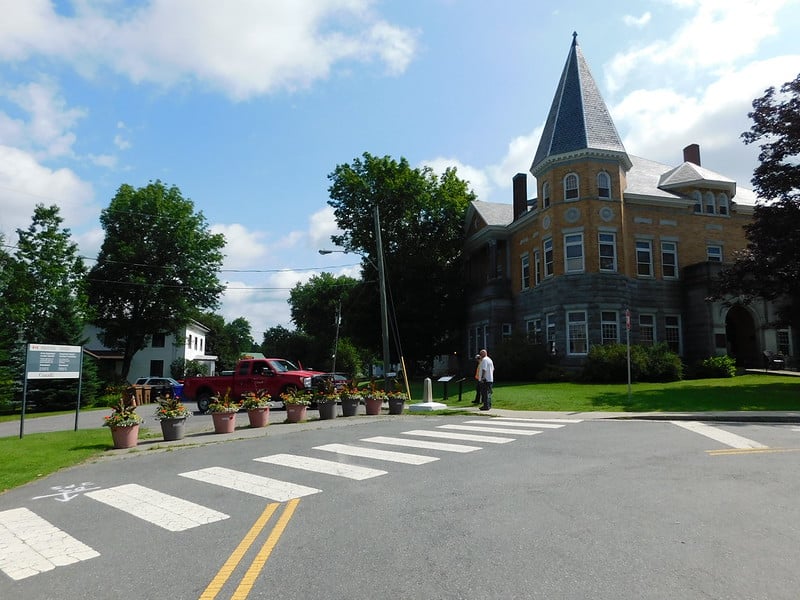
One town spreads across two nations – Derby Line in Vermont, USA, while just nearby, Stanstead rests in Quebec, Canada. This shared space acts like a single neighborhood split by a border line.
Right at the center stands the Haskell Free Library and Opera House, known far beyond these parts. Inside, performers step onto a stage set in Canada, yet listeners take their seats inside the United States.
Visitors walk through doors on the American side, though shelves full of books sit just steps away, located in Canada. Built this way on purpose, the structure lives under two flags at the same time.
A place claimed equally by both countries, it simply exists where lines blur.
Dinh Ba And Vinh Xuong
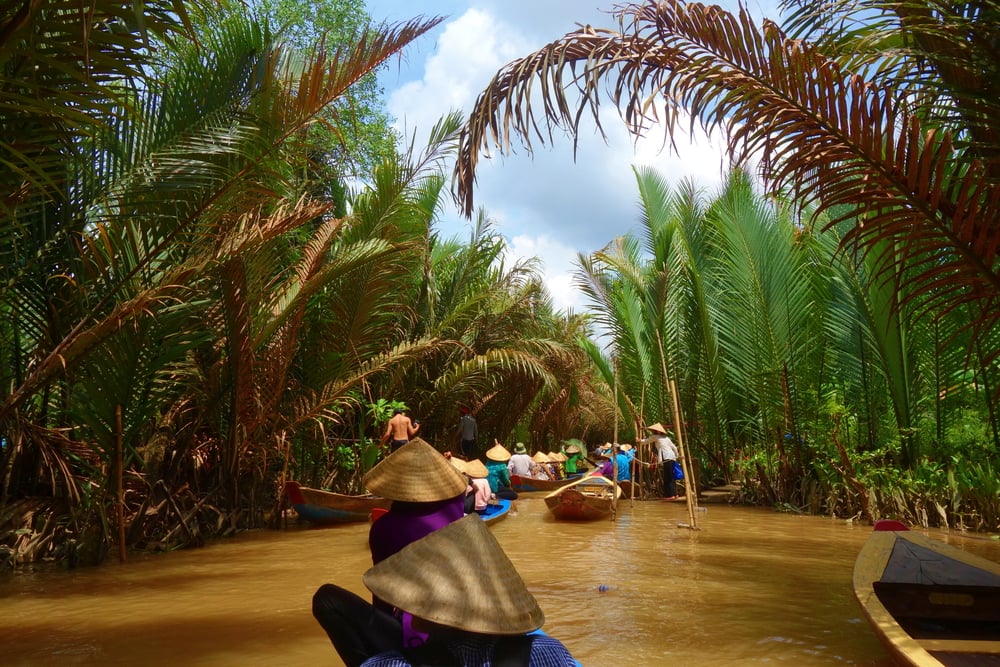
Floating close along the Mekong, these paired settlements straddle the stretch dividing Cambodia from Vietnam – serving as one common passage across water. Instead of bridges, people rely on narrow boats; farmers head over early, traders follow later, children sometimes tag along.
Because the boundary runs through fluid space, its place wobbles when rains swell or shrink the current. Maps may claim fixed edges, yet daily life bends to how the river flows, rises, settles.
Narva And Ivangorod

Estonia’s Narva and Russia’s Ivangorod stare at each other from across the Narva River, separated by less than 500 feet of water. Two old castles face each other from either bank, almost like they are still having an argument that started centuries ago.
The relationship between the two towns has grown tense in recent years because of broader political tensions between the European Union and Russia. The bridge connecting them remains one of the most watched border crossings in Europe.
Nogales
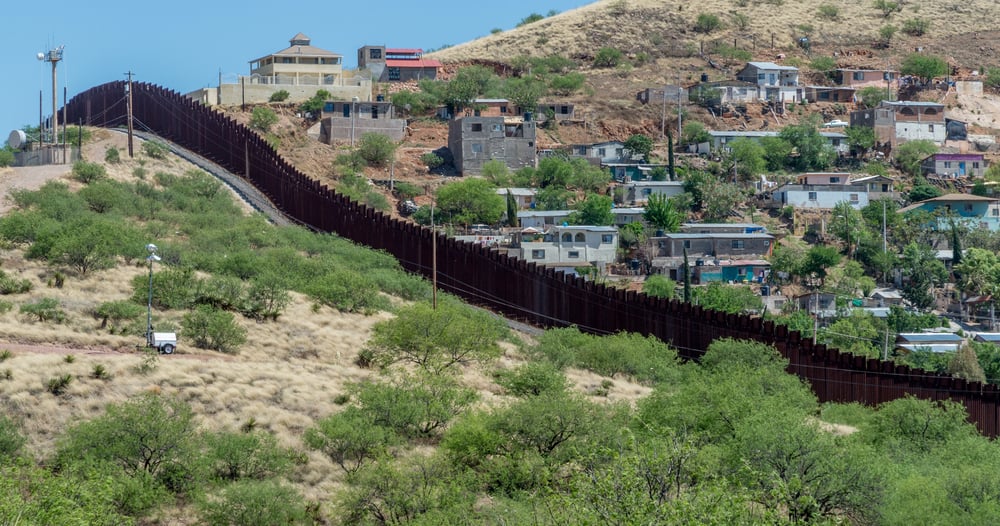
Nogales is split between Arizona in the United States and Sonora in Mexico, and it operates as a single economic zone despite the border wall running through it. The American side has a population of around 20,000 people, while the Mexican side holds over 220,000.
Families separated by immigration rules still shout conversations through the fence on weekends. Most of the fresh produce that Americans eat in winter passes through this crossing every single day.
El Paso And Ciudad Juárez
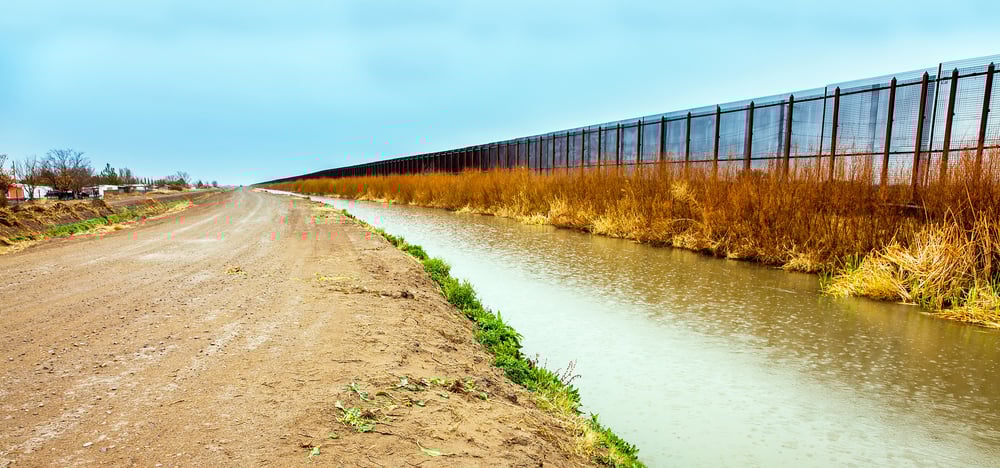
El Paso in Texas and Ciudad Juárez in Mexico form one of the largest binational metropolitan areas in the world, with a combined population of about 2.7 million people. The Rio Grande runs between them, but the two cities share an economy, a culture, and millions of family ties.
Many residents cross the border for work, school, and medical appointments on a regular basis. The two cities are so connected that separating their histories feels almost impossible.
Paton Bridge Communities
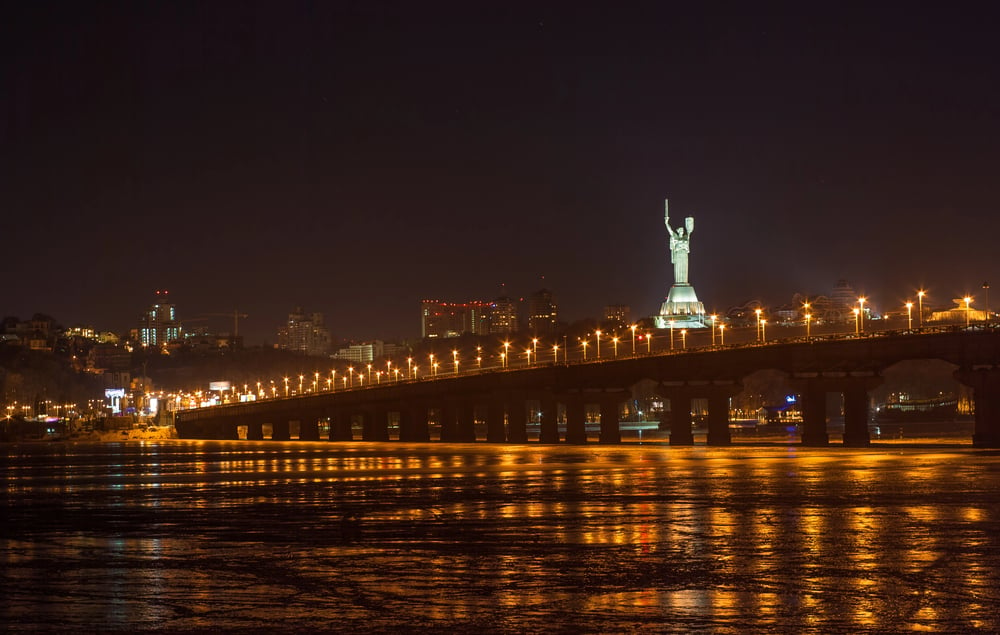
The Paton Bridge over the Danube connects Vidin in Bulgaria and Calafat in Romania, linking two towns that functioned in isolation for most of their modern history. Before the bridge opened in 2013, the only way to cross was by ferry, which made trade and travel slow and frustrating.
The bridge changed the relationship between the two towns completely. Today, Romanian and Bulgarian residents shop, work, and socialize across the river with far greater ease.
Basel
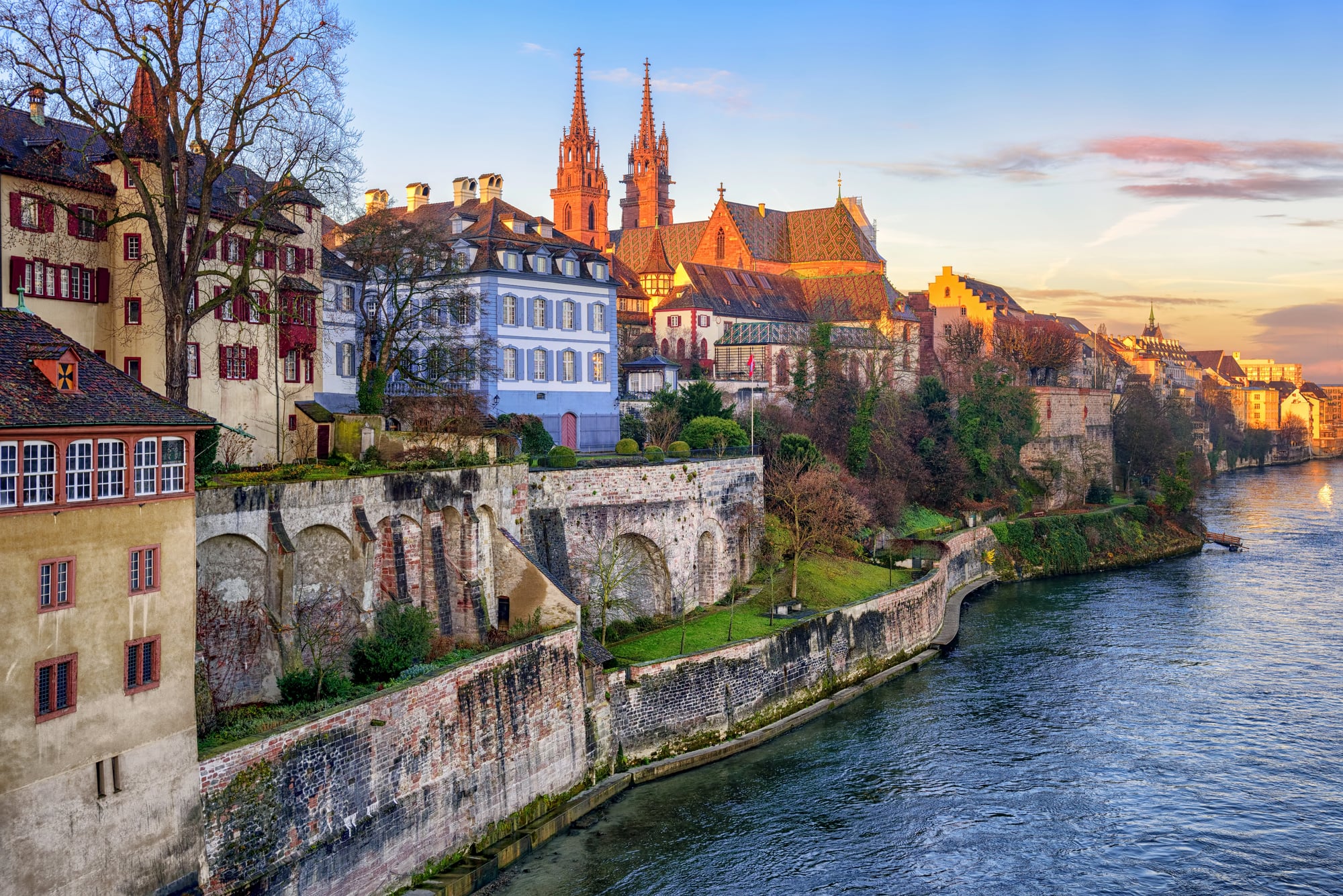
Basel is a Swiss city, but its urban area spills directly into both Germany and France, making it one of the few true three-country cities in the world. The trinational metro region is called the ‘TriRhena’ and holds about 830,000 people across three nations.
Basel’s airport, the EuroAirport Basel-Mulhouse-Freiburg, is officially located in France but serves Switzerland as its primary international hub. Travelers landing there technically arrive in France before they even reach Switzerland.
Martelange And Rombach

Martelange belongs to Belgium and Rombach-Martelange belongs to Luxembourg, and the two are split right down the main street. For years, the Belgian side had lower fuel taxes, so Luxembourg drivers would cross the road just to fill up their tanks for less money.
The town became famous for its unusual concentration of petrol stations on the Belgian side of the street. Tax law changes reduced the price gap, but the quirky setup still attracts curious visitors.
Baarle-Nassau’s Enclaves
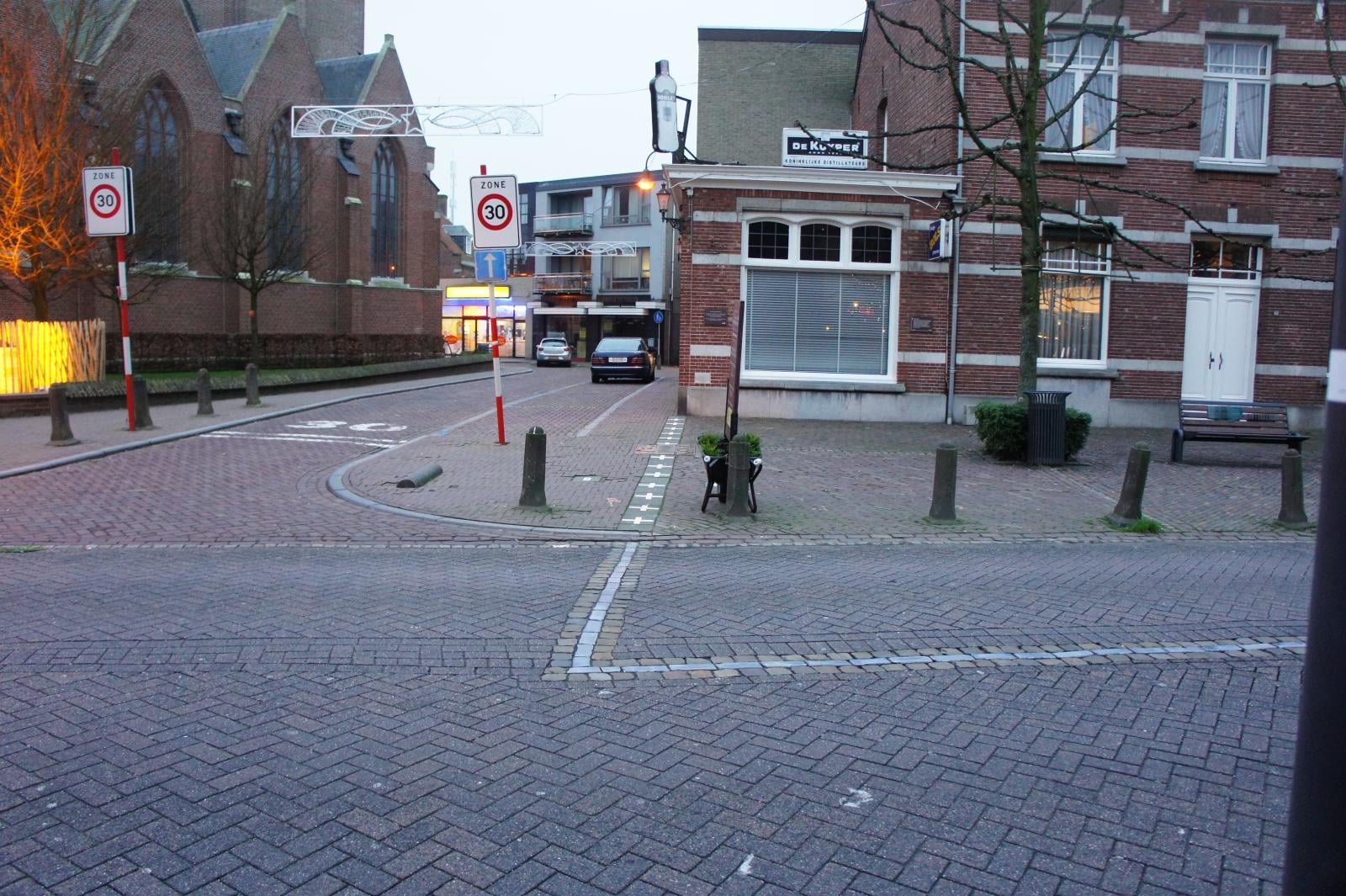
While Baarle-Hertog and Baarle-Nassau were already mentioned as a city, the enclave system inside them deserves its own spotlight. Belgium has 22 separate parcels of land sitting inside the Netherlands, and some of those Belgian enclaves even contain smaller Dutch enclaves inside them.
It is a border-within-a-border-within-a-border situation. Surveyors, historians, and geography fans travel from across the world just to stand in four different territories within a single city block.
Geneva’s Borderless Expansion
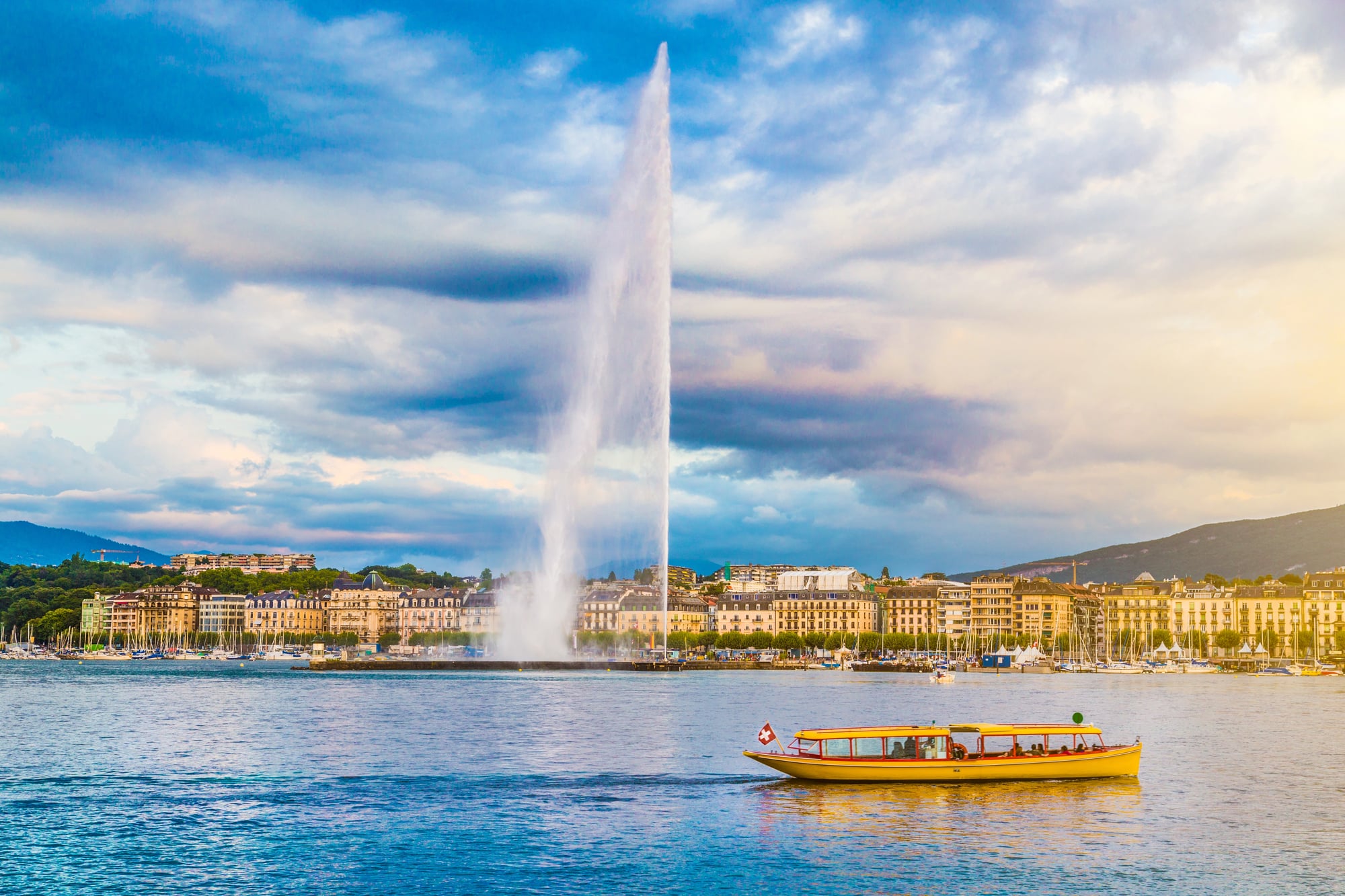
Geneva is a Swiss city, but its suburbs and commuter towns stretch well into France, creating a cross-border urban region that millions of people navigate daily. About 100,000 French residents wake up every morning, cross the border, work in Geneva, and return to France by evening.
The French side is called the ‘agglomération franco-valdo-genevoise’ and it covers dozens of French communes. Switzerland and France manage transport, urban planning, and public services jointly across this shared metropolitan zone.
Connecting A World That Lines Tried To Divide

Borders are drawn on maps, but people do not always follow them. These cities prove that human life, trade, and relationships have a way of crossing any line that gets placed in the way.
Whether it is a shared library, a golf course that spans two countries, or millions of daily commuters, these places remind everyone that geography does not stop communities from forming. The most divided places on a map are sometimes the most connected in real life.
More from Go2Tutors!

- The Romanov Crown Jewels and Their Tragic Fate
- 13 Historical Mysteries That Science Still Can’t Solve
- Famous Hoaxes That Fooled the World for Years
- 15 Child Stars with Tragic Adult Lives
- 16 Famous Jewelry Pieces in History
Like Go2Tutors’s content? Follow us on MSN.