Underwater Travel Sites Around the World Worth Diving for
The oceans cover over seventy percent of the earth’s surface, and while much of what is seen is not seen by most travelers, the underwater world is full of beauty and drama that is as striking as any mountain range or canyon system found on the earth’s surface.
Some dive sites stand out because of the extraordinary biodiversity found there, while others stand out because of their history and unique formations found underwater. These sites have gained world recognition over the years as divers travel great distances to visit them.
Here’s a closer look at fourteen underwater sites that continue to captivate divers from all over the world.
Great Barrier Reef, Australia
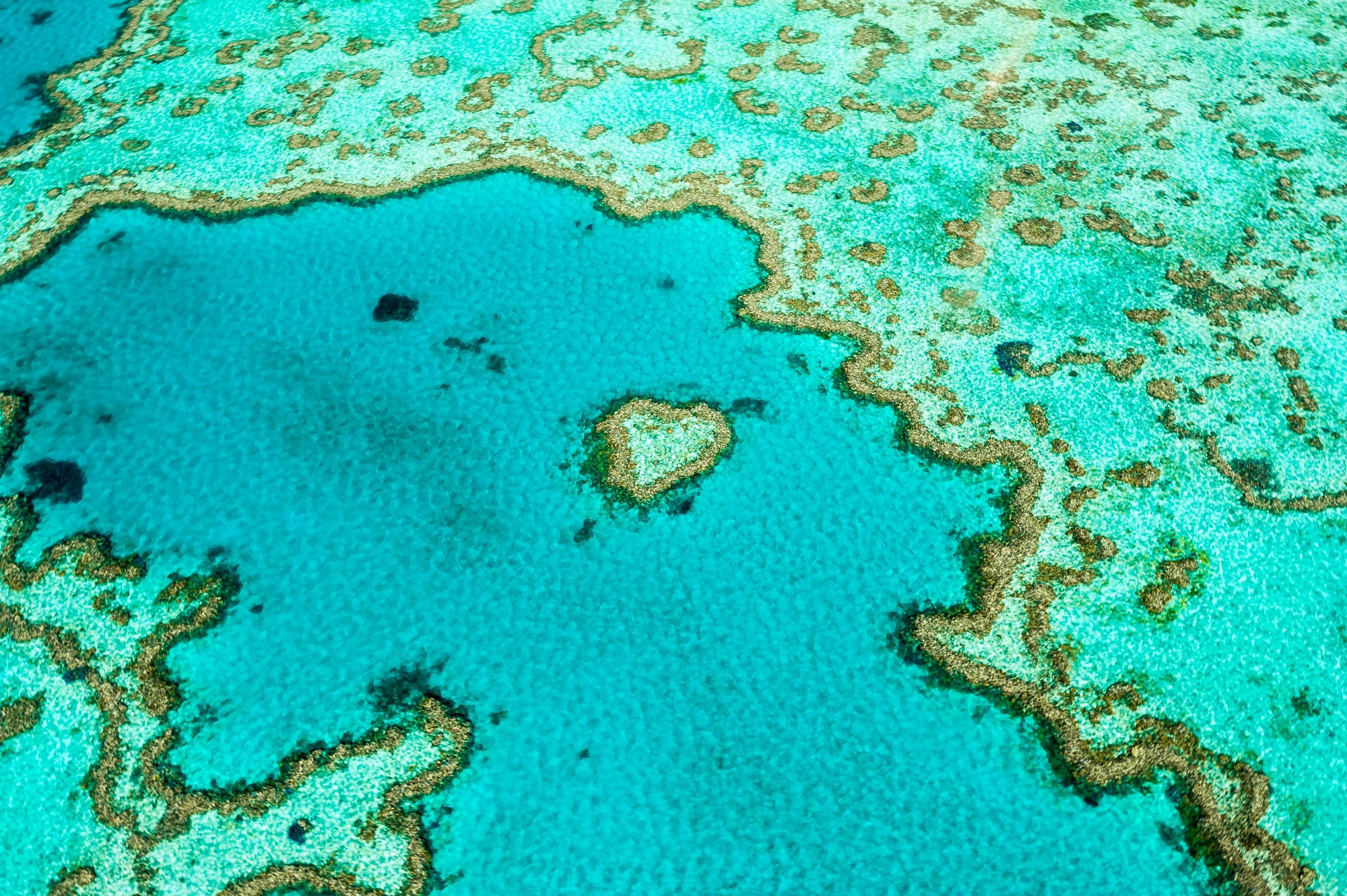
The Great Barrier Reef is the largest coral reef system on Earth, stretching for more than 1,400 miles along Australia’s northeastern coast. This vast ecosystem contains thousands of individual reefs and islands that support an extraordinary range of marine life.
Divers often encounter colorful coral formations, sea turtles, reef fish, and larger species such as manta rays. The sheer scale of the reef makes every dive feel slightly different, which is one reason it remains one of the most famous underwater destinations in the world.
Raja Ampat, Indonesia
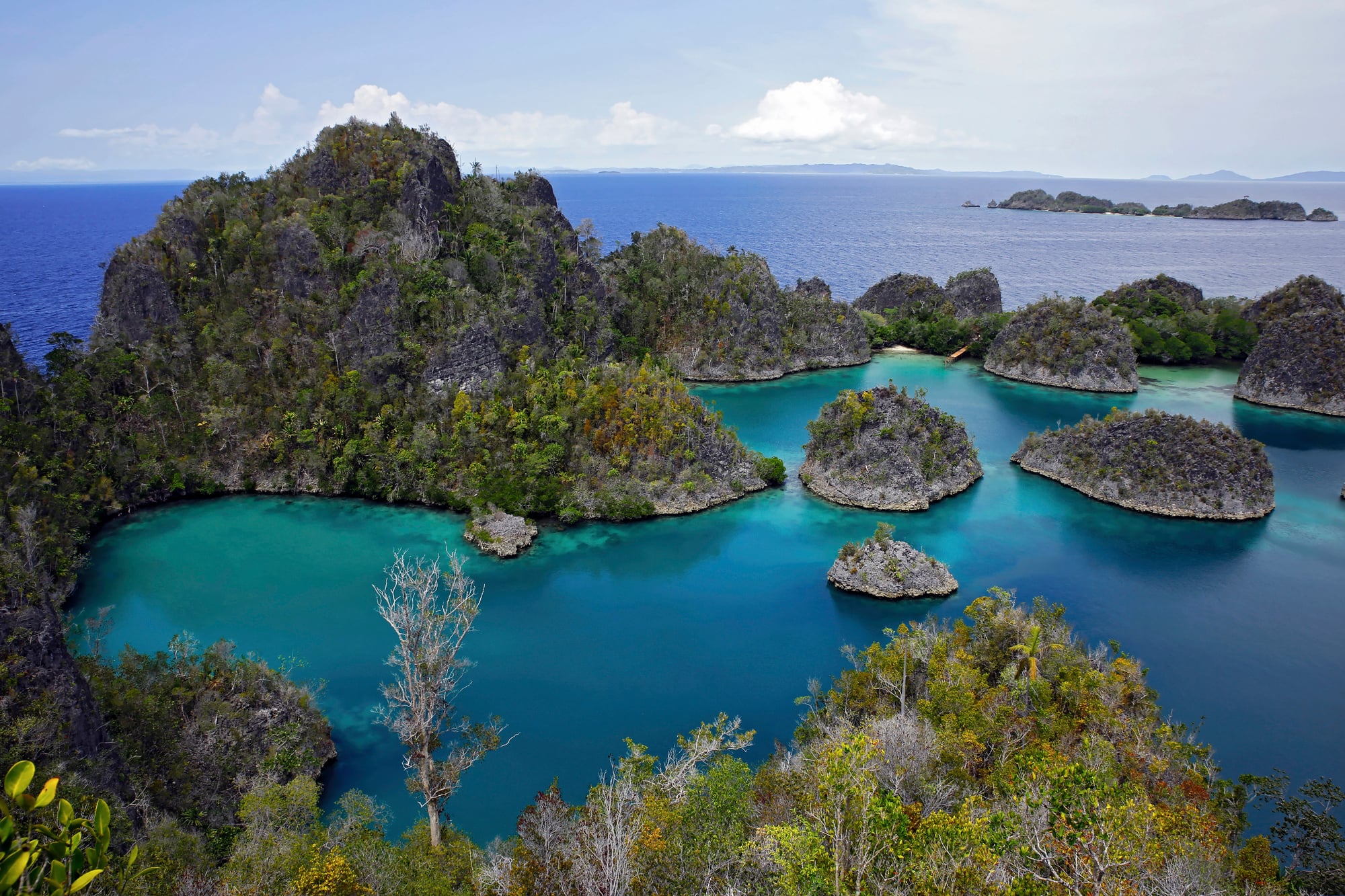
Raja Ampat sits in the heart of the Coral Triangle, an area widely recognized for having some of the highest marine biodiversity on the planet. The region contains thousands of small islands surrounded by reefs and clear waters.
Divers visiting Raja Ampat often report seeing a remarkable variety of marine life during a single dive. Schools of fish move across coral slopes while reef sharks and manta rays occasionally appear in the deeper waters.
Silfra Fissure, Iceland
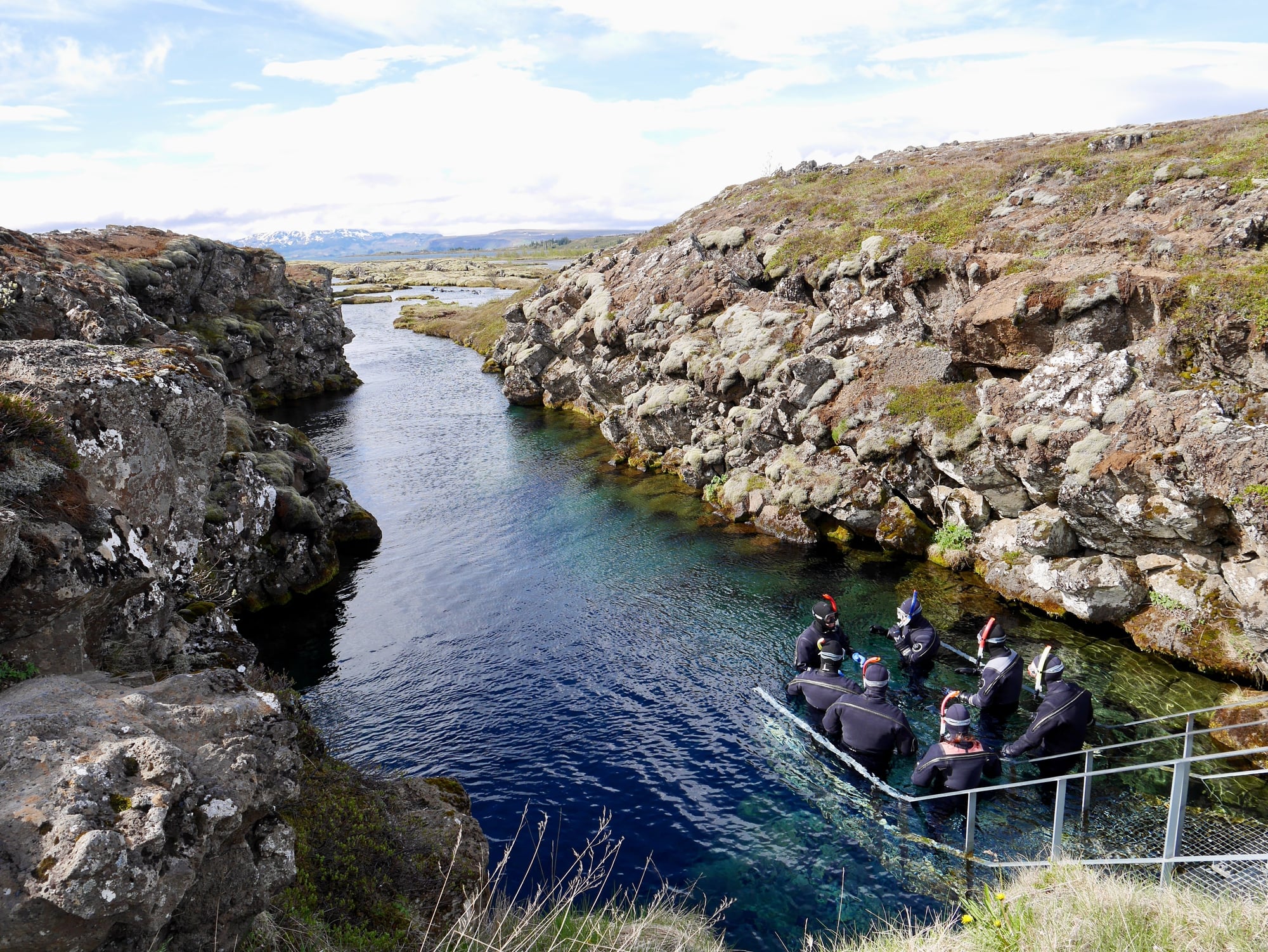
Silfra is one of the few places in the world where divers can swim between two continental plates. Located in Iceland’s Thingvellir National Park, the fissure lies between the North American and Eurasian tectonic plates.
The water here is glacial melt filtered through volcanic rock, giving it remarkable clarity. Visibility can extend more than 300 feet, creating the unusual experience of floating between two slowly separating landmasses.
SS Thistlegorm, Egypt

The SS Thistlegorm is one of the most famous shipwreck dives in the Red Sea. The British cargo ship sank during World War II and now rests on the seabed surrounded by coral and marine life.
Divers exploring the wreck can still see motorcycles, trucks, and other cargo that once filled the ship’s hold. Over time, the wreck has become an artificial reef, attracting fish and coral growth.
Palau’s Blue Corner

Blue Corner in Palau is often described as one of the world’s most exciting drift dives. Strong currents sweep across the reef, bringing nutrient-rich water that attracts large marine species.
Divers frequently encounter reef sharks, turtles, and massive schools of fish moving along the reef edge. The energy of the currents adds a sense of movement and excitement to the dive.
Galápagos Islands, Ecuador

The waters surrounding the Galápagos Islands offer a unique underwater environment shaped by powerful ocean currents. These currents bring nutrients that support a wide range of marine species.
Divers here often encounter hammerhead sharks, sea lions, and other large animals that are less commonly seen elsewhere. The islands’ remote location has helped preserve their remarkable biodiversity.
Chuuk Lagoon, Micronesia
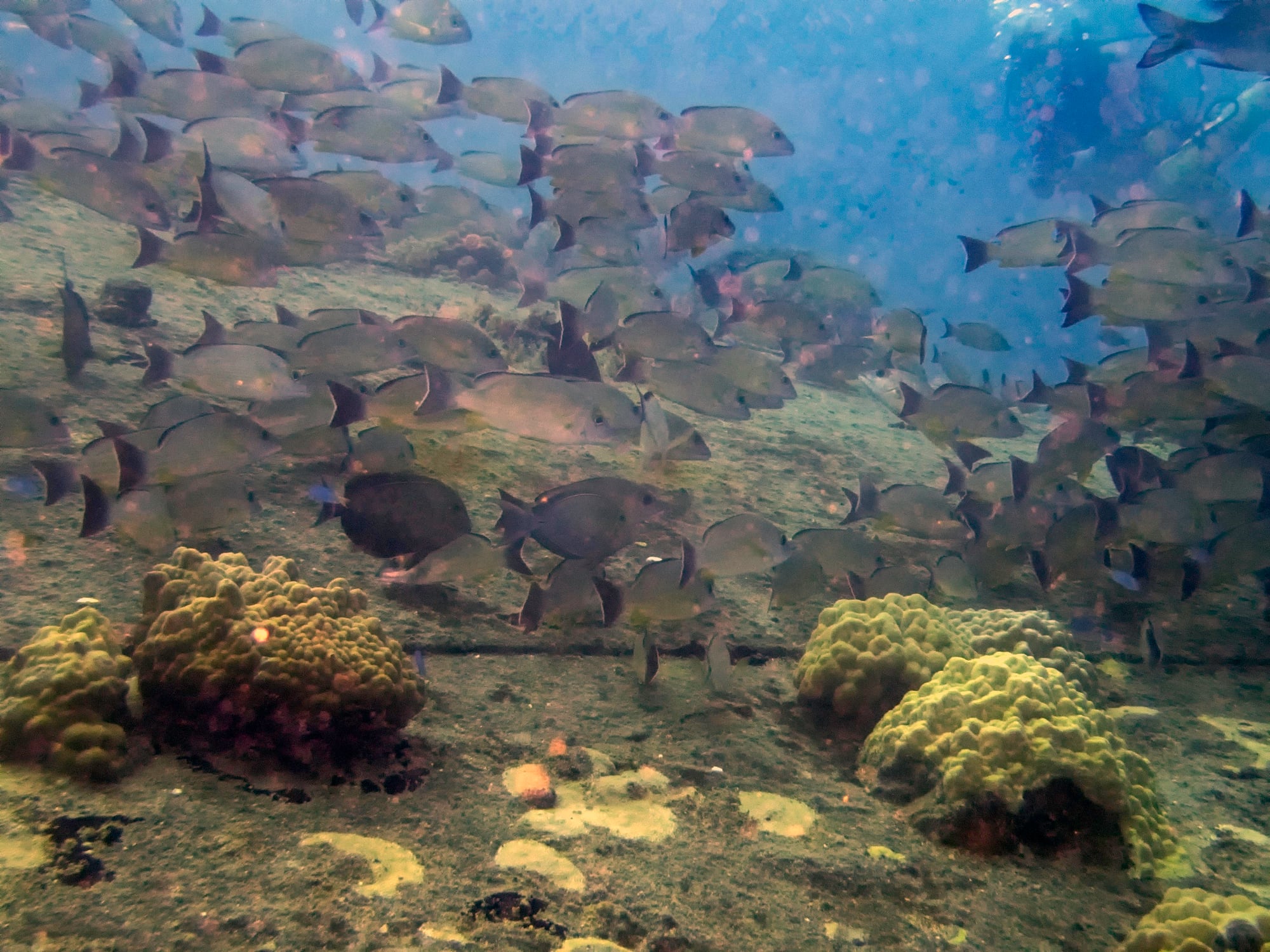
Chuuk Lagoon is widely known for its collection of historic shipwrecks. During World War II, numerous vessels sank in the lagoon during military operations.
Today these wrecks form one of the largest underwater museums in the world. Divers can explore ships, aircraft remains, and other artifacts that have gradually become home to coral and marine life.
Cenotes Of The Yucatán Peninsula, Mexico

The cenotes of Mexico’s Yucatán Peninsula offer a completely different diving environment. These natural sinkholes connect to underground river systems formed within limestone rock.
Sunlight filtering through openings above creates dramatic beams of light inside the caverns. Divers often describe the experience as both peaceful and visually striking.
Maldives Coral Reefs
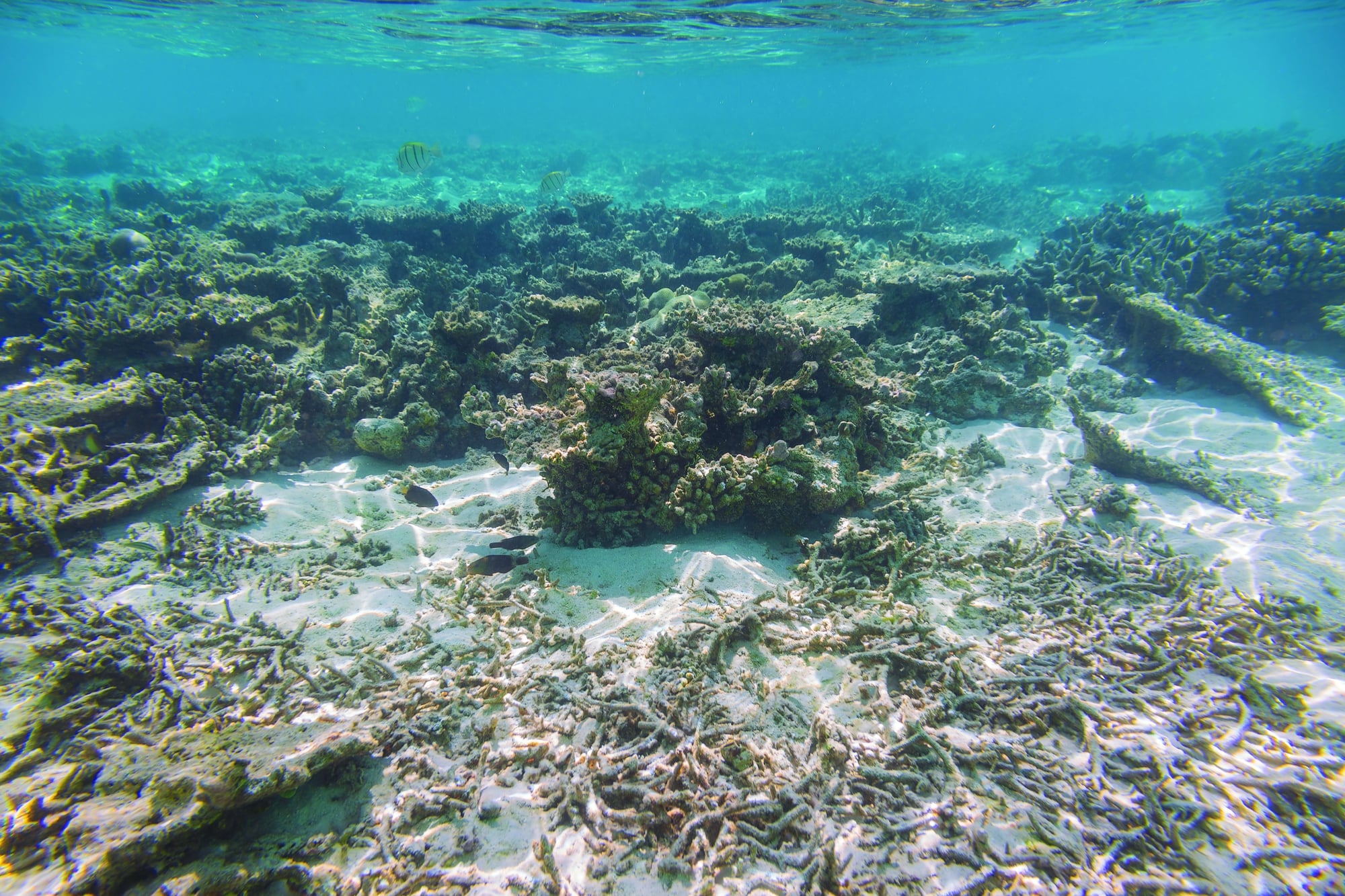
The Maldives consists of hundreds of islands surrounded by coral atolls in the Indian Ocean. Beneath the surface lies an intricate network of reefs and channels.
Divers visiting the region frequently encounter manta rays, reef sharks, and vibrant coral formations. The clear water and warm temperatures make it a popular destination for underwater exploration.
Yongala Wreck, Australia

The SS Yongala sank off the coast of Queensland in 1911 and now serves as one of Australia’s most celebrated wreck dives. Over time the ship has become home to a diverse marine ecosystem.
Large fish, sea snakes, and rays are often seen around the wreck. The structure itself is covered in coral, blending history with marine life.
Sipadan Island, Malaysia
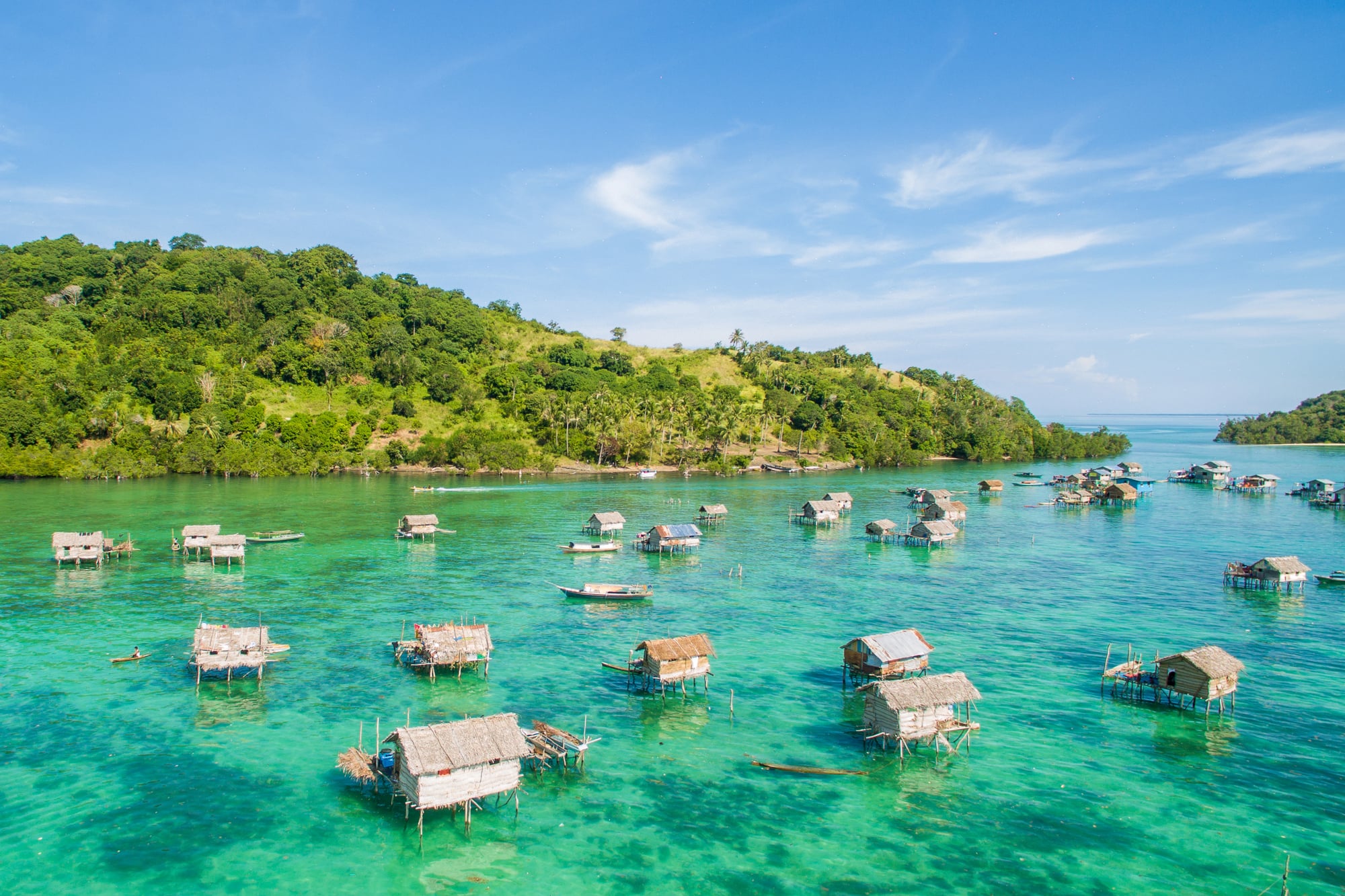
Sipadan Island is known for its steep underwater walls and extraordinary marine biodiversity. The island rises from deep ocean waters, creating dramatic drop-offs just beneath the surface.
Divers often witness massive schools of fish swirling through the water while turtles glide along the reef. The site’s reputation has made it one of Southeast Asia’s most sought-after dive locations.
Poor Knights Islands, New Zealand
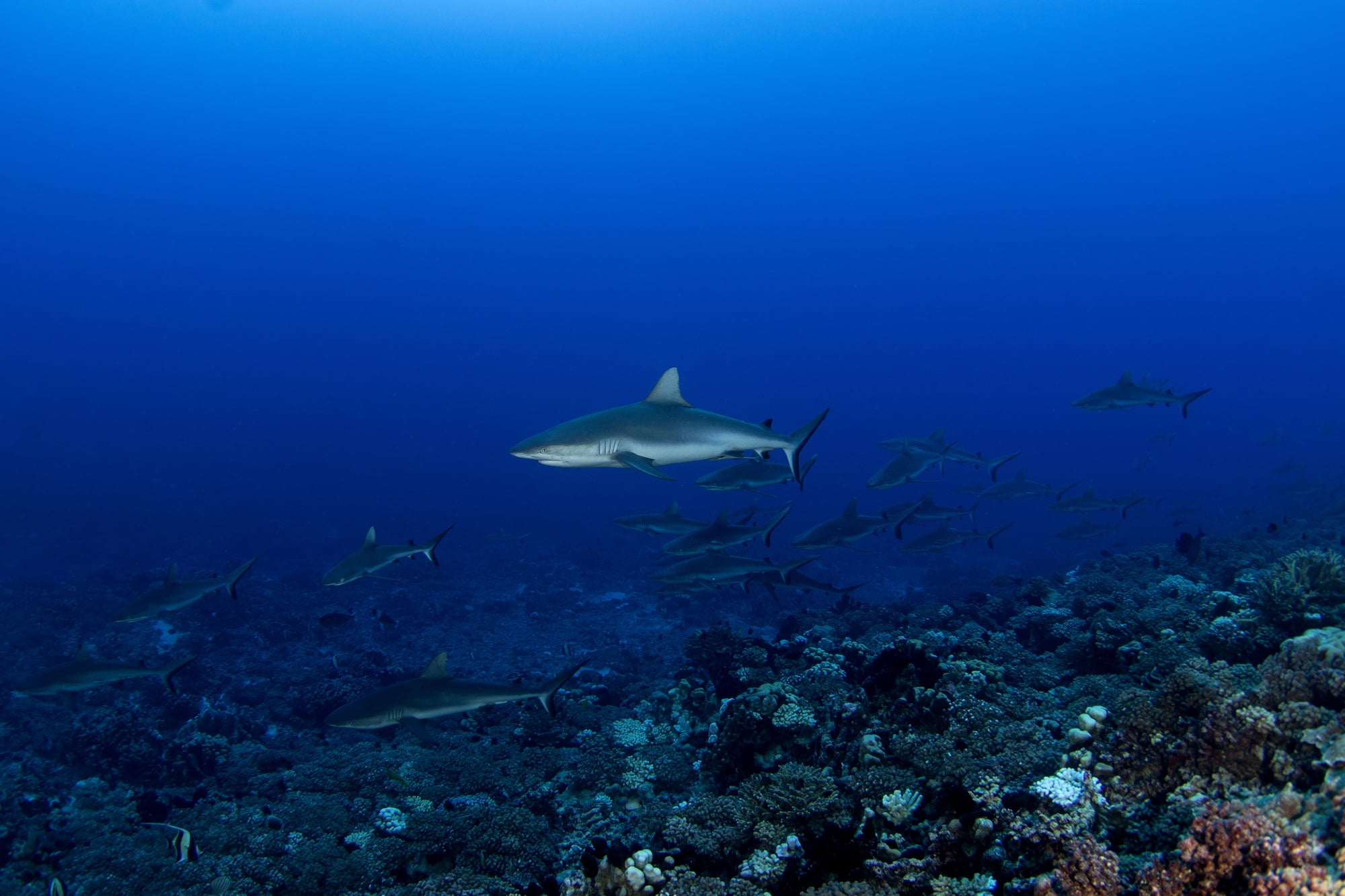
The Poor Knights Islands lie off the coast of New Zealand and are protected as a marine reserve. Volcanic formations beneath the water create arches, caves, and tunnels.
These structures provide shelter for a wide range of marine species. The underwater terrain feels almost like exploring a submerged landscape of cliffs and caverns.
Red Sea Coral Reefs, Jordan
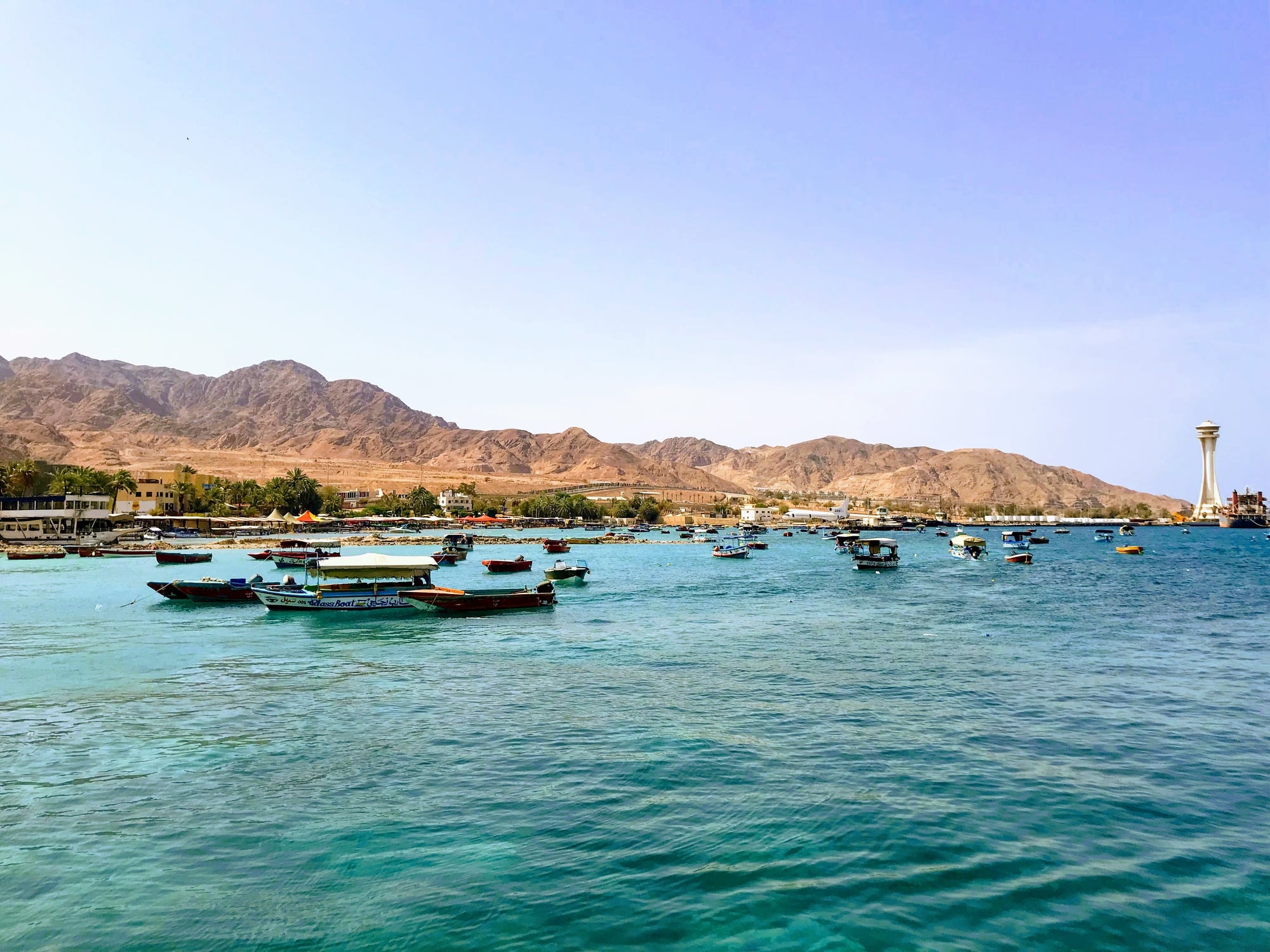
Jordan’s coastline along the Red Sea may be relatively small, yet it contains vibrant coral reefs accessible from the shore. The warm water supports a wide variety of colorful fish and coral formations.
Because the reefs begin close to land, divers can explore rich marine environments without traveling far offshore.
Socorro Islands, Mexico
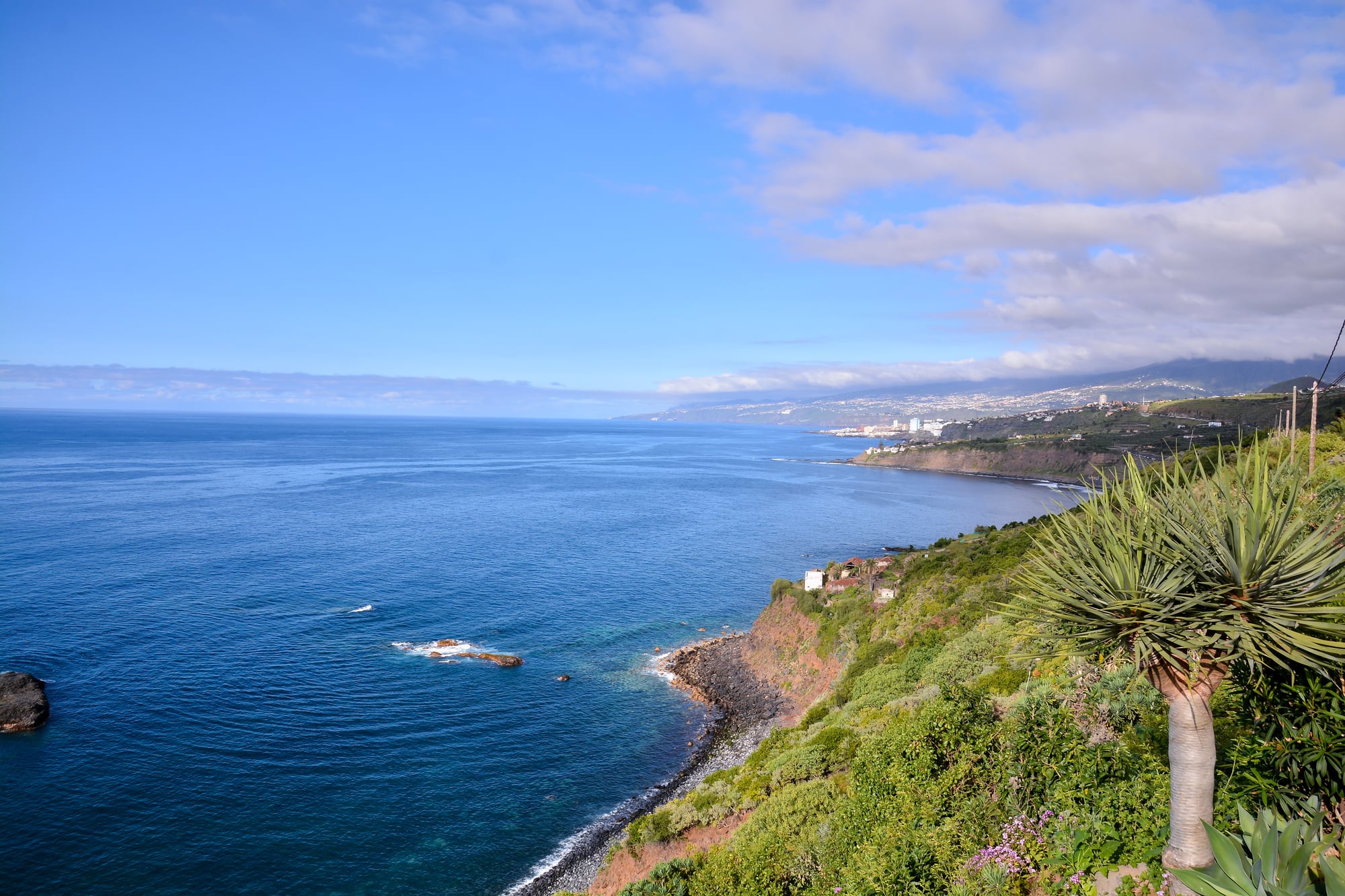
The Socorro Islands lie far off Mexico’s Pacific coast and attract divers seeking encounters with large marine animals. The region is particularly known for its population of giant manta rays.
Divers sometimes observe these animals approaching closely, creating unforgettable underwater moments. The remote location adds to the sense of adventure surrounding the destination.
Why These Underwater Places Continue To Inspire

For divers, the opportunity to explore this new world is a unique perspective that few people are able to experience in their lifetime. The coral reefs, wrecks, and geological features give the impression of being both mysterious and aesthetically pleasing.
With the increasing awareness about the conservation of the ocean, these places also bring to light the need to preserve marine ecosystems. The unique places in the ocean that inspire divers today bring to light the fact that most of the most amazing sights on the planet are hidden beneath the water’s surface.
More from Go2Tutors!

- The Romanov Crown Jewels and Their Tragic Fate
- 13 Historical Mysteries That Science Still Can’t Solve
- Famous Hoaxes That Fooled the World for Years
- 15 Child Stars with Tragic Adult Lives
- 16 Famous Jewelry Pieces in History
Like Go2Tutors’s content? Follow us on MSN.