Unexpected Customs from Mountain Communities
Mountain people develop unusual ways of living that make sense only when you understand the terrain. Isolation creates traditions that seem strange to outsiders but solve real problems.
Steep slopes, thin air, and harsh winters force communities to adapt in ways that lowland cultures never needed to consider. These customs often persist long after modern conveniences arrive because they carry meaning beyond mere survival.
Sherpa Tea Contains More Than Leaves

In the Himalayas, tea becomes a meal. Sherpa communities brew a thick, salty beverage made with tea leaves, yak butter, and salt.
The mixture gets churned until it resembles soup more than tea. Visitors often struggle with the first sip—the salty, greasy texture contradicts everything tea should be.
But the butter provides calories and warmth that plain tea never could. At high altitudes where the body burns energy faster, this drink delivers fat and heat in one package.
Refusing a cup insults your host. You drink it even when you don’t want it because hospitality matters more than personal preference in places where neighbors might save your life someday.
Polyandry Keeps Land From Fragmenting

Some Himalayan communities practice fraternal polyandry, where brothers share one wife. The practice sounds shocking until you consider the economics.
Mountain farmland exists in limited patches between rocks and cliffs. Dividing property among multiple sons would create plots too small to sustain anyone.
When brothers marry one woman, the land stays intact. Children belong to all the brothers, and the family works the farm together.
The eldest brother typically assumes primary responsibility, but all share the work and the wife. Women in these arrangements often wield considerable power since multiple men depend on their labor and cooperation.
The system solves the inheritance problem that would otherwise force families into poverty.
Sky Burial Turns Death Into Ecology
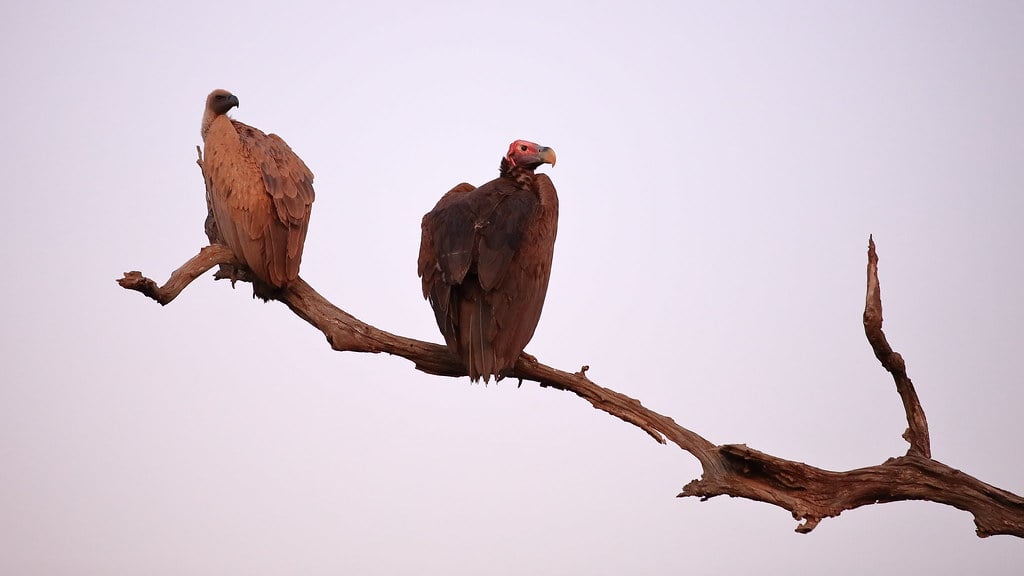
Tibetan Buddhists practice jhator—offering bodies to vultures on exposed mountaintops. The rocky terrain makes burial nearly impossible.
Wood for cremation grows scarce at high elevations. So communities developed a method that works with the environment rather than against it.
Specialists cut the body into pieces on a designated stone platform. Vultures gather and consume everything—flesh, organs, even ground bones mixed with flour.
The practice reflects Buddhist beliefs about impermanence and the interconnection of all life. The body feeds the birds, which sustains the ecosystem.
Nothing goes to waste. Westerners often view the practice as gruesome, but practitioners see it as a final act of generosity.
Suspended Rope Bridges Demand Courage
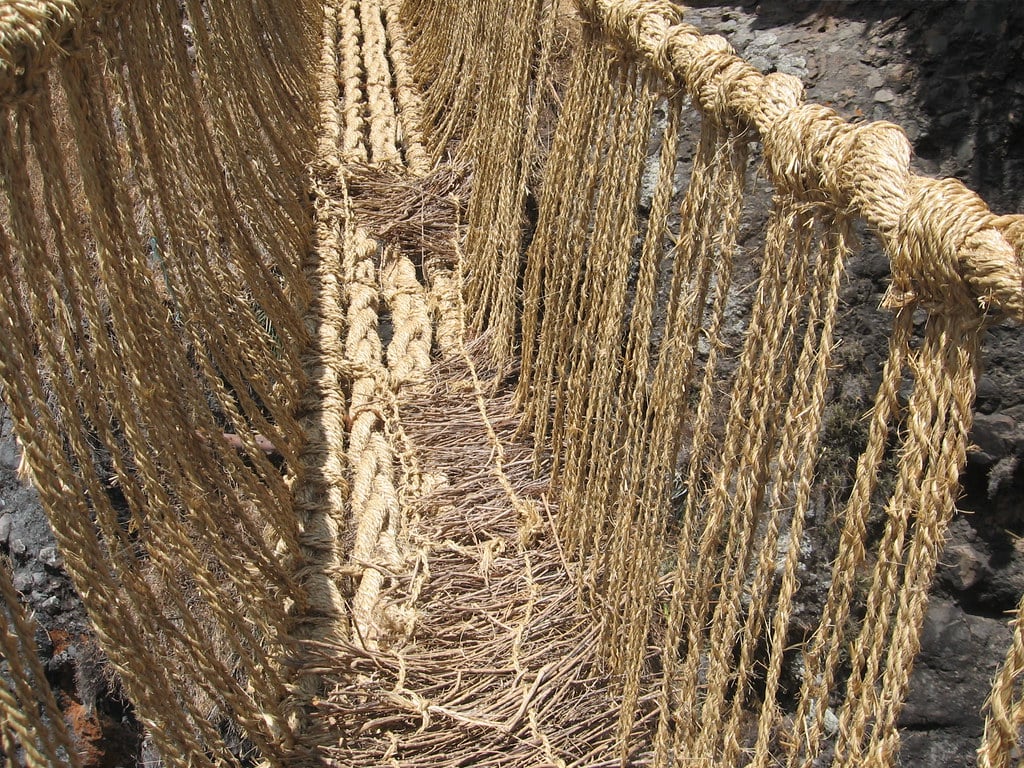
Mountain communities in the Andes, Himalayas, and other ranges build bridges from woven grass or rope that swing over terrifying drops. The Q’eswachaka bridge in Peru gets rebuilt entirely every year using Inca techniques.
Villagers from four communities gather to braid new grass rope and construct the span in just three days. Walking across means trusting ancient engineering. The bridge bounces and sways with each step.
Looking down reveals rivers hundreds of feet below. But these structures serve as vital connections between isolated communities.
Modern suspension bridges now span many of these gaps, but some groups maintain the grass bridges as cultural practice. The annual rebuilding brings communities together and passes skills to younger generations.
Vertical Villages Cling to Cliffs
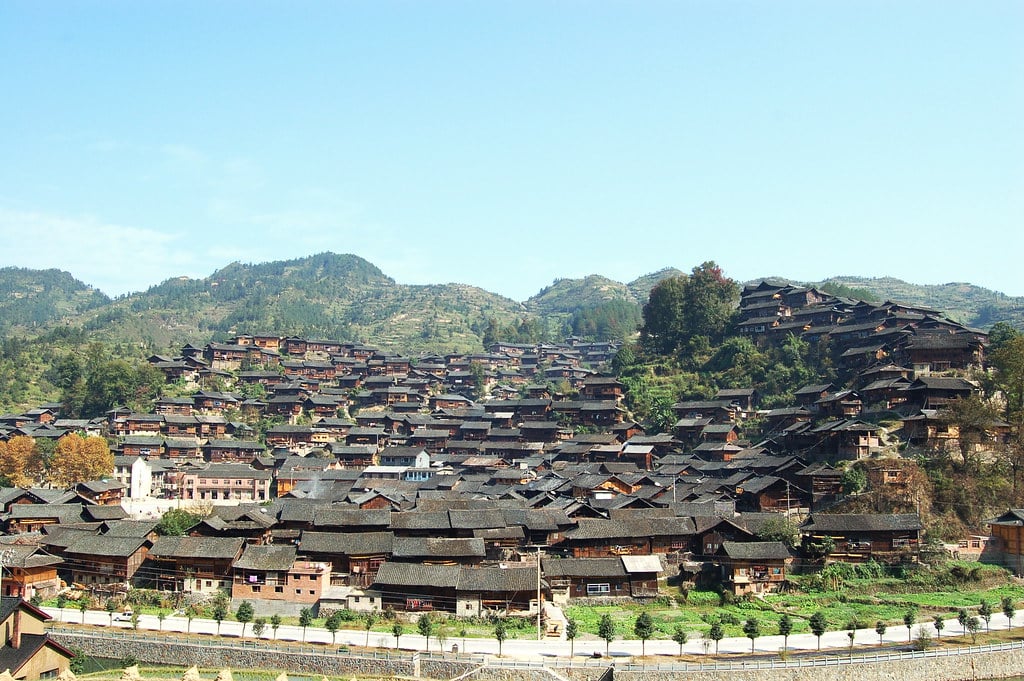
In China’s Guizhou province, the Miao people built villages directly into cliff faces. Houses perch on platforms jutting from rock walls, accessible only by carved stone stairs or wooden ladders.
Farming happens on the few flat terraces carved into the mountainside. Living vertically creates communities where neighbors exist above and below rather than beside each other. Water gets carried up from streams at the bottom.
Everything brought into the village travels those same stairs—food, building materials, furniture. The elevation provided protection from invaders and wild animals.
Now it mostly provides isolation from modern development, which many residents appreciate even as the lifestyle gets harder to maintain.
Whistled Languages Carry Across Valleys
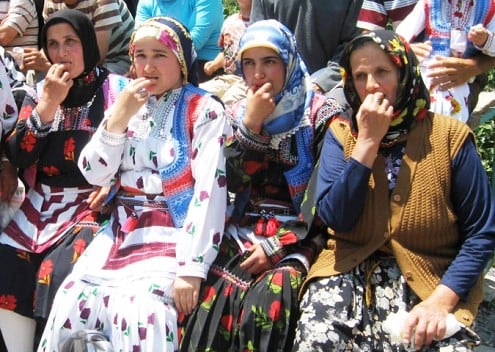
In Turkey’s Pontic Mountains, villagers developed a whistled version of their spoken language that carries across deep valleys. Sound travels differently through mountain air.
Shouting gets garbled by distance and wind. But whistles pierce through.
People use this language to communicate between villages, across fields, or down into valleys. A skilled whistler can convey complex messages—not just simple alerts but actual conversations.
Other mountain regions developed similar systems. The Canary Islands have Silbo Gomero. The Hmong use whistled tones.
Technology made these languages less necessary, but some communities teach them in schools to preserve the tradition.
Transhumance Follows the Grass
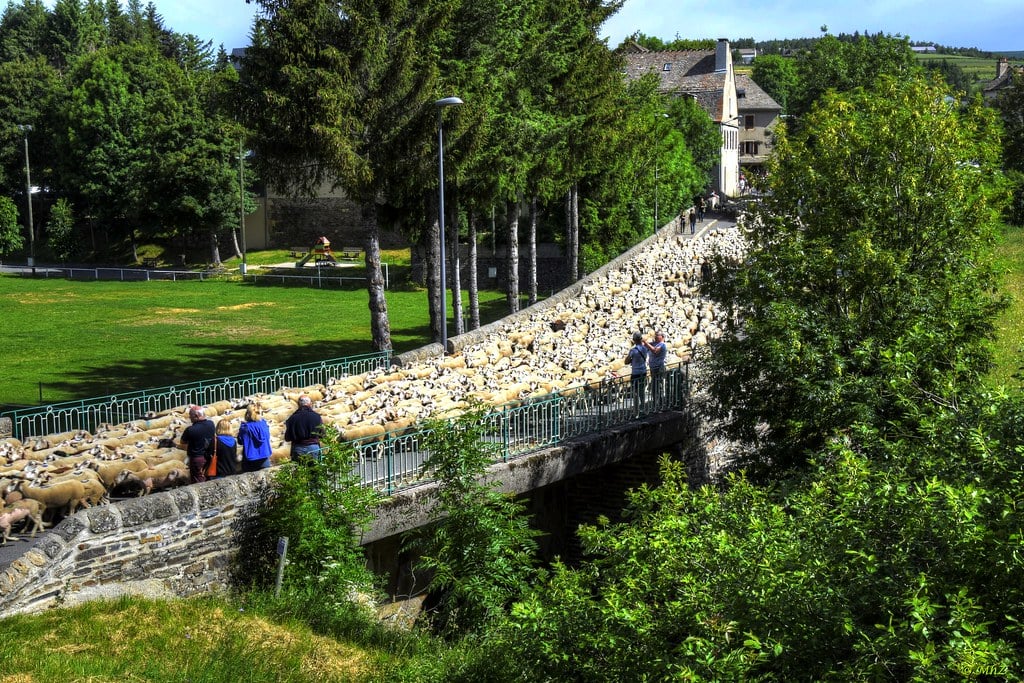
Alpine herders move entire communities twice a year, following their animals between summer mountain pastures and winter valley settlements. The migration happens like clockwork.
When snow melts, families pack up and drive cattle, sheep, or goats to high meadows where grass grows thick and green. They live in temporary summer homes—simple structures that provide shelter but not comfort.
As autumn approaches, everyone moves back down. The pattern has continued for centuries.
Cities grow in the valleys, but the herders keep moving. The animals need the high pastures, and the tradition provides identity.
Children grow up learning the routes and the rhythms of seasonal migration.
Halqa Justice Resolves Disputes Through Talk
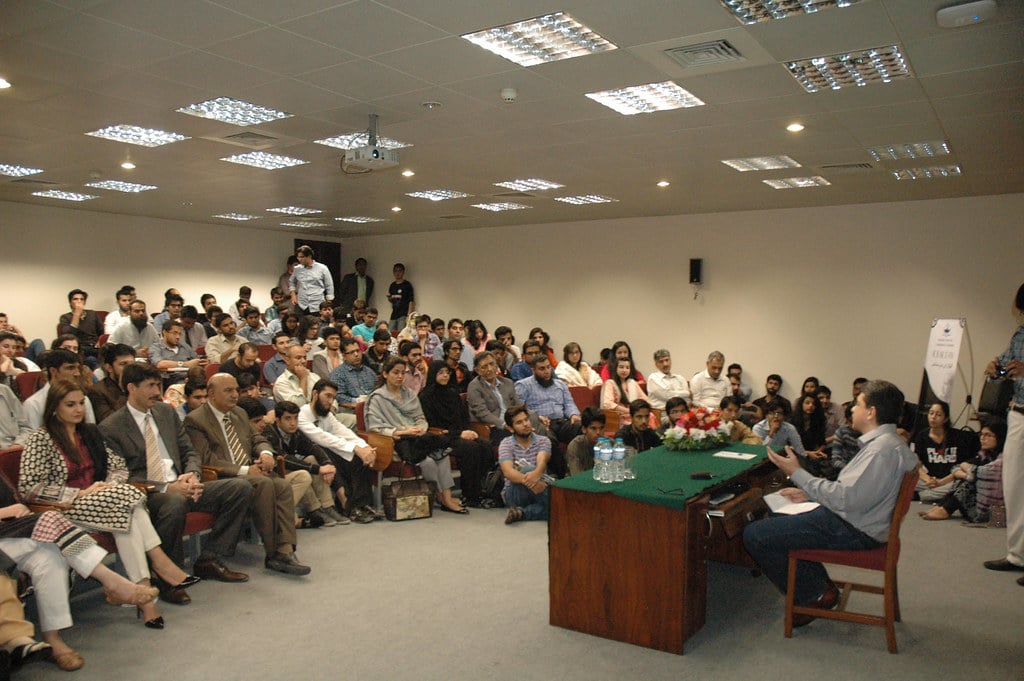
Mountain communities in the Atlas range practice halqa—a circle where disputes get resolved through collective discussion. Everyone gathers in a ring. The parties present their case.
Community members question, debate, and discuss until consensus emerges. No single judge decides.
The group weighs opinions and reaches agreement about what seems fair. This process takes hours or even days.
But the resolution carries weight because the whole community participated. Refusing to accept halqa decisions means isolating yourself from the people you depend on for survival.
The system works because exclusion from the community represents a serious consequence at high altitudes where cooperation matters for survival.
Stone Towers Mark Status and Defense
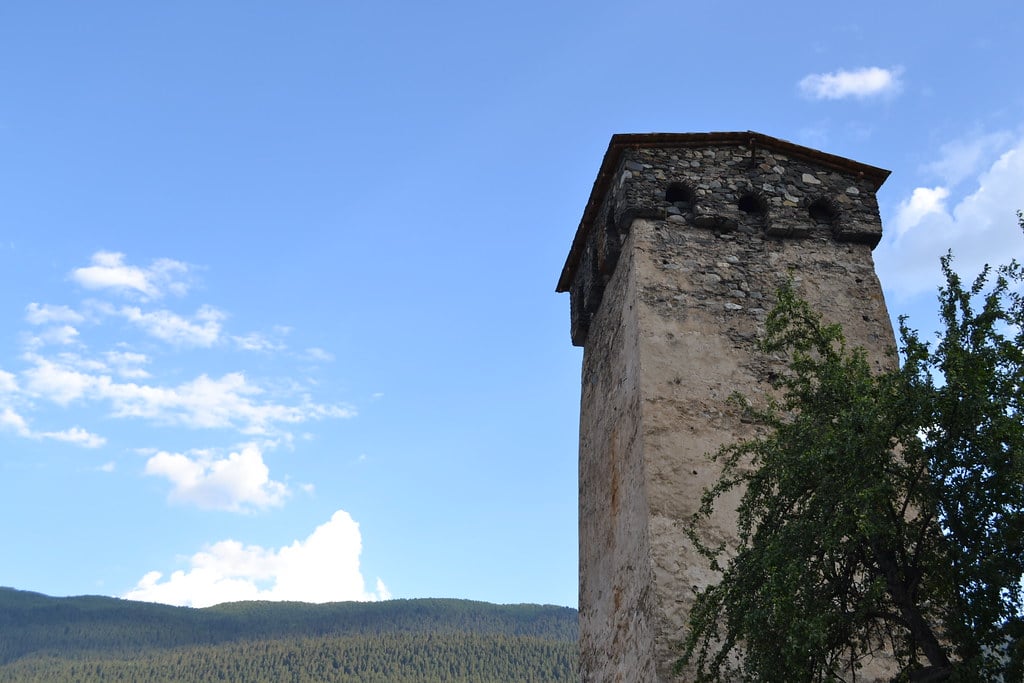
In Svaneti, Georgia, families built fortified stone towers next to their homes. These structures reach four or five stories tall with tiny windows and thick walls.
During conflicts, families retreated into towers and defended themselves from elevated positions. The towers also signaled status. Taller meant wealthier and more powerful.
Villages bristle with these structures, creating skylines that look medieval. Most towers no longer serve defensive purposes, but families maintain them with pride.
A collapsed tower brings shame. A well-maintained one demonstrates that the family honors its history. The towers define the landscape and the culture.
Children Walk Terrifying Routes to School

In remote mountain regions, school attendance requires extraordinary effort. In parts of the Himalayas, children navigate narrow cliff paths with drops of hundreds of feet.
In Colombia’s Rio Negro, students ride a cable across a gorge in a metal box suspended by one cable. The zip line travels 1,300 feet across empty space at speeds reaching 40 miles per hour.
Younger children ride in a canvas bag or cling to adults. Older kids make the crossing alone. Rain makes the cable slippery.
Wind makes the ride more terrifying. But school exists only on one side of the gorge.
The alternative means no education at all. Parents accept the risk because they see education as essential for their children’s futures.
Glacier Worship Treats Ice as Sacred

Andean communities in Peru and Bolivia regard glaciers as living beings deserving respect and offerings. These ice masses provide water for crops and drinking.
When glaciers shrink, communities suffer. So people make pilgrimages to glacier sites, leaving offerings of coca leaves, alcohol, and food.
Rituals ask the glacier spirits for continued water flow and protection from disasters. Climate change makes these ceremonies more frequent and more desperate as glaciers retreat faster than anyone expected.
The worship reflects practical concerns wrapped in a spiritual framework. The glaciers determine survival.
Treating them as sacred makes sense when your community’s future depends on their health.
Communal Work Obligations Bind Neighbors

A house going up means others show up, pitch in. Neighbors lend hands when fields need clearing or stone walls mending.
Food is shared that day by the one receiving help. That person returns the effort later, just as much, to each helper.
Help flows both ways, no money involved. When people know they’ll rely on others later, showing up feels natural.
Help flows both ways without keeping score. Tasks too heavy for one household become lighter through group work.
A house rising in just days surprises those who’ve never seen neighbors gather like this. Eating together after labor turns effort into connection.
Bonds form quietly over shared plates and tired hands. What looks like building walls is really about weaving trust.
Sacred Mountains Remain Unclimbed
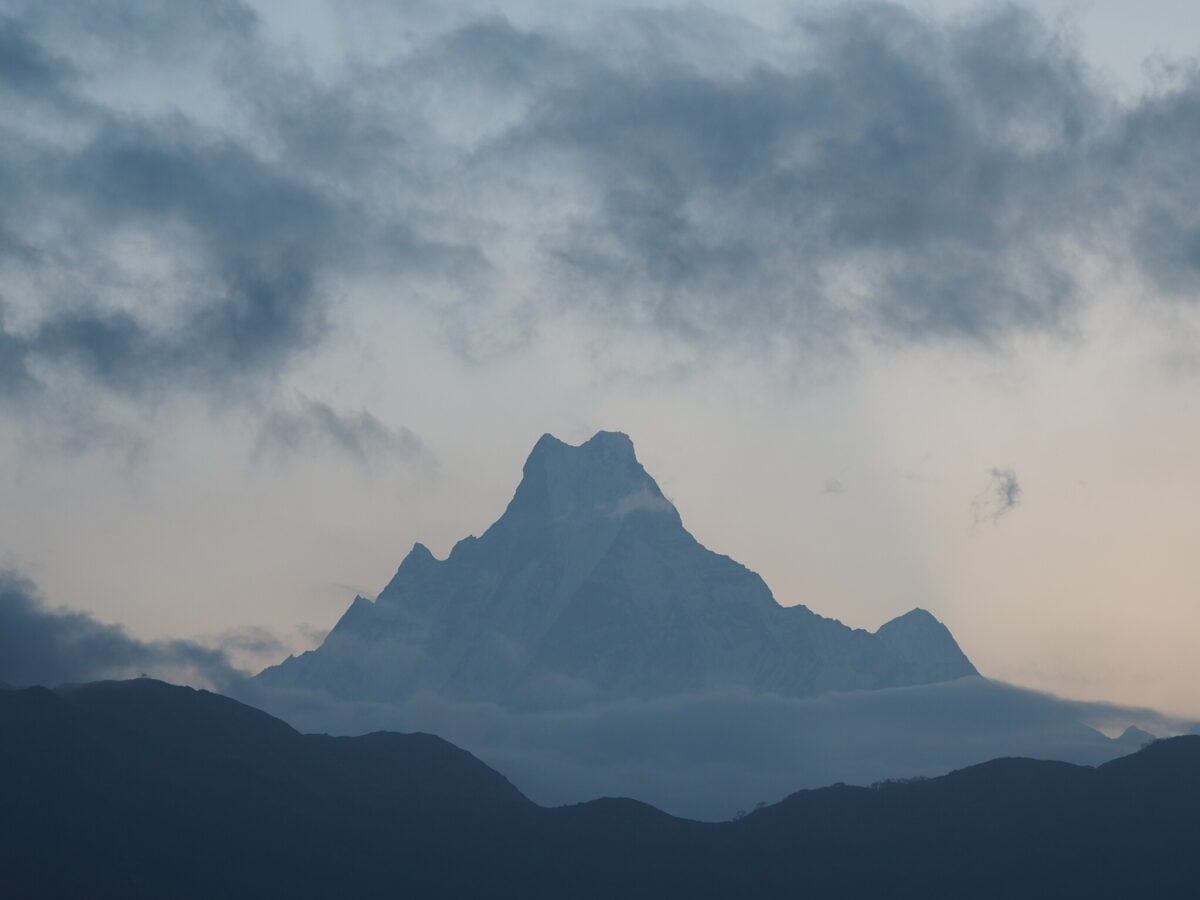
High places stay closed to those who climb, since nearby people see them as spiritual. Not once has anyone stood on top of Machapuchare in Nepal, Kailas in Tibet, or Ausangate in Peru – rules block such attempts.
Gods or unseen beings are believed to live there. To walk upon their slopes is seen as a deep disrespect.
Money from travelers helps many highland areas survive, yet certain villages hold firm against it. Visitors seeking summits get turned back, along with their wallets, since sacred ground outweighs profit there.
Strangers often stare in disbelief at untouched ridges – invitations to test strength and skill. Yet for locals, those very cliffs are quiet guardians of belief, shaping life below.
Scaling such heights feels wrong, like planting walls where ancestors rest.
The Weight of Altitude and Tradition

Up high, ways of living begin as pure need, then grow deeper roots over years. Survival tricks turn into who people are, slowly.
Tough slopes call for teamwork, clever fixes, strength, and knowing when to stop. Some habits look odd or outdated – until you’re breathing thin air, far from help.
Then it hits: others keep you alive. Old routines stick around not due to stubbornness, but because they still work better than new tools do.
More from Go2Tutors!

- The Romanov Crown Jewels and Their Tragic Fate
- 13 Historical Mysteries That Science Still Can’t Solve
- Famous Hoaxes That Fooled the World for Years
- 15 Child Stars with Tragic Adult Lives
- 16 Famous Jewelry Pieces in History
Like Go2Tutors’s content? Follow us on MSN.