17 Biggest Cyberattacks in History
Technology keeps making life easier, but it’s also opened doors for some seriously nasty attacks. Hackers have caused billions in damage and turned millions of people’s lives upside down.
Sometimes these attacks were accidents that got way out of hand. Other times, they were carefully planned operations that took years to pull off.
Every single one of these incidents taught the world something new about staying safe online. The problem is, hackers learn from these lessons too.
Here is a list of 17 biggest cyberattacks in history that show just how creative criminals can get when they put their minds to it.
Yahoo Data Breach
Yahoo holds the record for the worst data breach ever. All 3 billion accounts got hit.
That’s basically every person who ever signed up for Yahoo email, Yahoo News, or any of their other services. The company knew something was wrong back in 2013 but didn’t tell the public the full truth until 2016.
Russian hackers grabbed names, emails, phone numbers, passwords, security questions — everything. When Verizon decided to buy Yahoo, they looked at this mess and said “we’ll pay $350 million less because of your security problems.”
Imagine explaining that to shareholders.
WannaCry Ransomware
WannaCry hit like a digital tornado in May 2017. Four days. 200,000 computers. 150 countries.
The malware would encrypt all your files and demand Bitcoin payments to unlock them. But here’s the kicker — it spread automatically between computers without any human help.
Hospitals couldn’t access patient records, so they had to cancel surgeries. Car factories stopped production lines.
The whole thing started because hackers stole a cyberweapon from the NSA and turned it loose on the world. A British security researcher eventually found a kill switch that stopped the spread, probably saving millions more computers.
NotPetya
NotPetya was nasty in a completely different way. It looked like ransomware, but paying the ransom didn’t help because the malware was designed to destroy everything.
Russia aimed this digital weapon at Ukraine in June 2017, but it spread way beyond their intended targets. Maersk, the giant shipping company, lost computers worldwide.
Merck couldn’t produce vaccines for weeks. FedEx’s European operations went dark.
The total damage hit over $10 billion, making this the most expensive cyberattack in history. Russia basically fired a digital missile that ricocheted around the globe.
Equifax Breach
Equifax managed to screw up the personal information of 147 million Americans in 2017. Social Security numbers, birth dates, home addresses, driver’s license numbers — all the stuff identity thieves dream about.
The worst part? This information doesn’t change much during your lifetime, so victims are still dealing with problems today.
Equifax knew about the security lapse for months and just ignored it. They eventually paid $700 million in settlements, but that doesn’t undo the damage.
People are still getting fraudulent credit cards opened in their names because of this breach.
Stuxnet
Stuxnet completely changed what cyberattacks could accomplish. Instead of just messing with computers, this worm physically destroyed equipment in Iran’s nuclear facilities.
It made uranium centrifuges spin themselves apart while telling operators everything was fine. Most experts think the U.S. and Israel built Stuxnet together as an alternative to bombing Iran’s nuclear program.
The worm destroyed about 1,000 centrifuges and set back Iran’s nuclear ambitions by years. It proved that computer code could work as an actual weapon of war.
SolarWinds Supply Chain Attack
Russian spies pulled off an incredible hack in 2020 by poisoning software updates. They snuck malicious code into SolarWinds’ Orion platform, which is used by thousands of government agencies and big companies.
Every time someone installed a software update, they were actually letting Russian hackers into their networks. The attackers had access to classified government systems for months without anyone noticing.
They could read emails, steal documents, and watch how American cyber defenses work. It was like having spies with permanent security clearances.
Sony Pictures Hack
North Korea went ballistic on Sony Pictures in 2014 because of a comedy movie. “The Interview” was about assassinating Kim Jong-un, and apparently North Korean leaders didn’t find it funny.
The hackers didn’t just steal data — they humiliated Sony by leaking embarrassing executive emails and confidential salary information. Employees found their computers displaying threatening messages with skulls.
Unreleased movies appeared on piracy sites. The whole thing created a diplomatic mess between the U.S. and North Korea.
Sony probably regrets not picking a different movie plot.
Target Data Breach
Target’s 2013 holiday shopping season turned into a security disaster. Hackers compromised 40 million payment cards and grabbed personal information from 70 million customers.
The attack started with something simple — a phishing email sent to Target’s heating and air conditioning contractor. Once inside that contractor’s network, the hackers kept moving until they reached Target’s cash registers.
Customers couldn’t trust their credit cards anymore. The CEO resigned.
The whole retail industry had to rethink how it handles payment security.
Marriott Data Breach
Marriott discovered in 2018 that hackers had been living in their computer systems since 2014. Four years of stealing guest information from about 500 million people.
Passport numbers, credit card details, travel histories — everything hotels collect about their customers. The scariest part is how long the attackers stayed hidden while systematically collecting data.
Makes you wonder what other hackers might be lurking in networks right now, just waiting to be discovered years from now.
Colonial Pipeline Ransomware
When DarkSide ransomware shut down Colonial Pipeline in May 2021, half the East Coast suddenly couldn’t get gasoline. Gas stations ran dry. Prices shot up.
People started hoarding fuel in plastic containers, which led to some spectacular fires. Colonial Pipeline paid $4.4 million to get their systems back, proving that ransomware really works.
The FBI later recovered most of that money, but the damage was already done. Millions of people learned how dependent they are on computer systems they never think about.
Morris Worm

Robert Morris was just a curious graduate student at Cornell in 1988. He wanted to figure out how big the internet actually was, so he wrote a program to count connected computers.
Unfortunately, he made a programming mistake that turned his innocent experiment into the first major internet disaster. The worm replicated so aggressively that it crashed about 6,000 computers — roughly 10% of the entire internet back then.
Universities went offline. Research projects got derailed.
Morris became the first person prosecuted under the Computer Fraud and Abuse Act, though he only got probation and community service.
Estonia Cyberattacks
Estonia got hit with the world’s first nation-level cyberattack in 2007. The trouble started when they moved a Soviet war memorial, which really ticked off Russia.
Massive denial-of-service attacks knocked government websites, banks, and news outlets offline for weeks. Citizens couldn’t pay bills online or access government services.
The economy took a serious hit. NATO looked at what happened to Estonia and realized they needed to start thinking about cyber defense as seriously as traditional military threats.
Ukraine Power Grid Attack

Russian hackers gave 230,000 Ukrainians a very dark Christmas in 2015 by attacking the power grid. They sent carefully crafted emails to power company employees with malware attachments.
Once inside the networks, they remotely flipped circuit breakers while deploying additional malware to make repairs harder. This was the first time hackers successfully shut down a national power grid.
It proved that cyberattacks could threaten basic infrastructure that people need to survive. Imagine trying to explain to your kids why the lights won’t turn on because of something that happened on a computer.
OPM Data Breach
Chinese hackers scored big when they broke into the U.S. Office of Personnel Management in 2015. They stole background check files on 21.5 million federal employees and contractors.
This wasn’t just names and addresses — it included fingerprints, financial histories, and details about family members. The breach potentially exposed undercover intelligence officers and gave China detailed profiles they could use for blackmail or recruitment.
Foreign adversaries now know which government workers have gambling problems, affairs, or financial troubles. That information is incredibly valuable for espionage operations.
Melissa Virus
David Smith created the Melissa virus in 1999, and it spread faster than anyone expected. The virus hid inside Microsoft Word documents attached to emails.
When someone opened the document, it would automatically email itself to everyone in their address book. Major companies and government agencies had to shut down their email systems because servers couldn’t handle the traffic.
Smith got caught and became the first person prosecuted for creating a computer virus. The case established legal precedents that prosecutors still use today.
Bangladesh Bank Heist
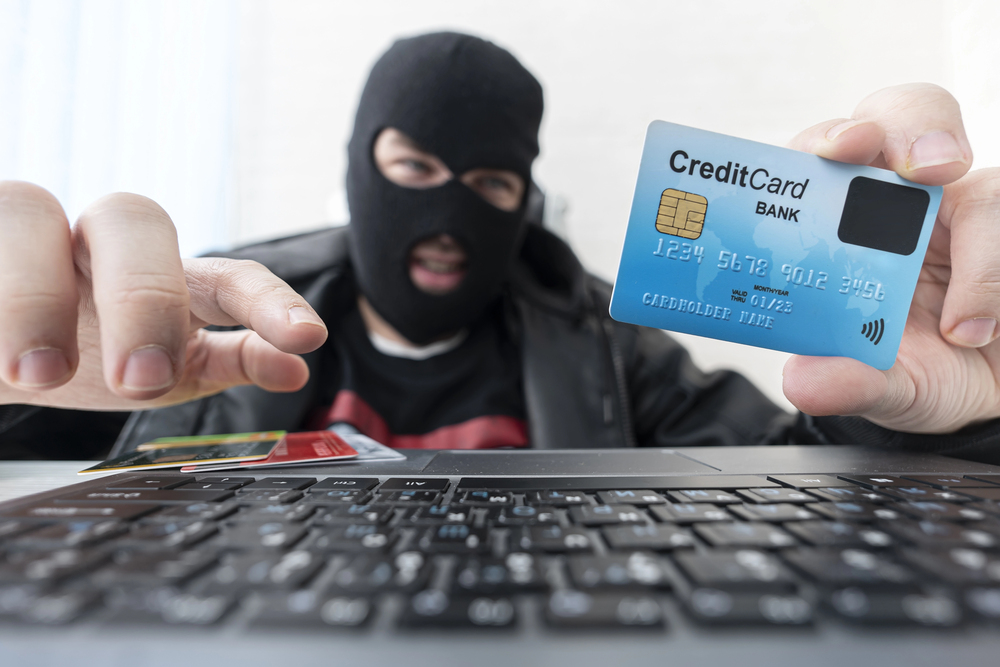
The Bangladesh Bank robbery in 2016 was like a high-tech version of a classic bank heist. Hackers compromised the bank’s computer systems and tried to steal $1 billion through fraudulent transfer requests sent over the SWIFT network that banks use for international transactions.
They managed to steal $81 million before getting caught, but only because someone made a typo in one of the transfer requests. The attack showed how vulnerable the global banking system really is when criminals figure out how to exploit trusted networks.
MOVEit Mass Hack
The Clop ransomware group hit the jackpot in 2023 when they discovered a vulnerability in MOVEit file transfer software. Since hundreds of organizations used this software to share sensitive files, exploiting one flaw gave them access to government agencies, healthcare systems, and major corporations all at once.
The attack affected millions of people whose personal data got stolen from organizations they’d probably never heard of. It perfectly showed how interconnected everything has become — one security lapse can compromise thousands of different organizations.
Welcome to the Digital Wild West
These attacks tell the real story of how cyber threats evolved from teenage pranks into sophisticated warfare. Hackers keep getting smarter, and the stakes keep getting higher.
Every device in your house probably connects to the internet now. Your car, your thermostat, your doorbell — they’re all potential targets.
The scary truth is that cybersecurity affects everyone now, whether you’re buying groceries online or trying to keep the power grid running. Each of these attacks taught us something important about protecting ourselves, but hackers learned from them too.
The next big attack is probably being planned right now. Let’s hope somebody figures out how to stop it before it’s too late.
More from Go2Tutors!

- 16 Historical Figures Who Were Nothing Like You Think
- 12 Things Sold in the 80s That Are Now Illegal
- 15 VHS Tapes That Could Be Worth Thousands
- 17 Historical “What Ifs” That Would Have Changed Everything
- 18 TV Shows That Vanished Without a Finale
Like Go2Tutors’s content? Follow us on MSN.



