14 Accidental Discoveries That Changed Everything
History’s greatest innovations aren’t always the result of careful planning and deliberate research. Sometimes the most revolutionary breakthroughs happen completely by accident when curious minds notice something unexpected and recognize its potential.
These serendipitous moments have transformed medicine, technology, and everyday life in ways we might never have experienced otherwise. Here is a list of 14 accidental discoveries that genuinely changed the course of human history, proving that fortune truly does favor the prepared mind.
Penicillin
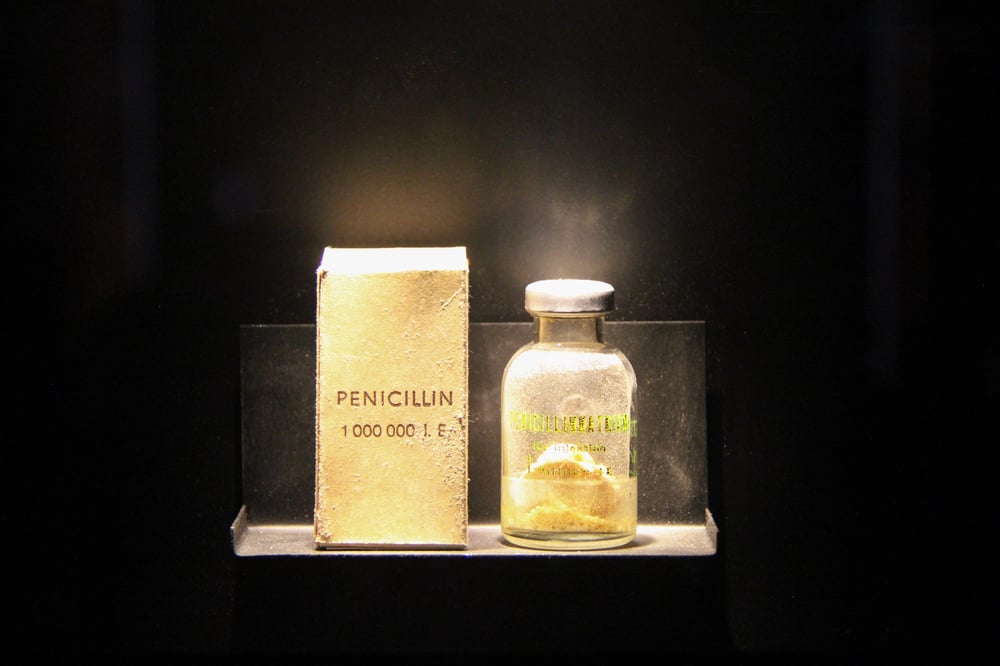
Alexander Fleming wasn’t trying to revolutionize medicine when he returned from vacation in 1928 to find mold growing on his Petri dishes. The Scottish bacteriologist noticed something unusual—bacteria wouldn’t grow near the mold.
This chance observation led to the development of penicillin, the first widely used antibiotic. Fleming’s accidental discovery has saved countless millions of lives and transformed modern medicine.
X-Rays
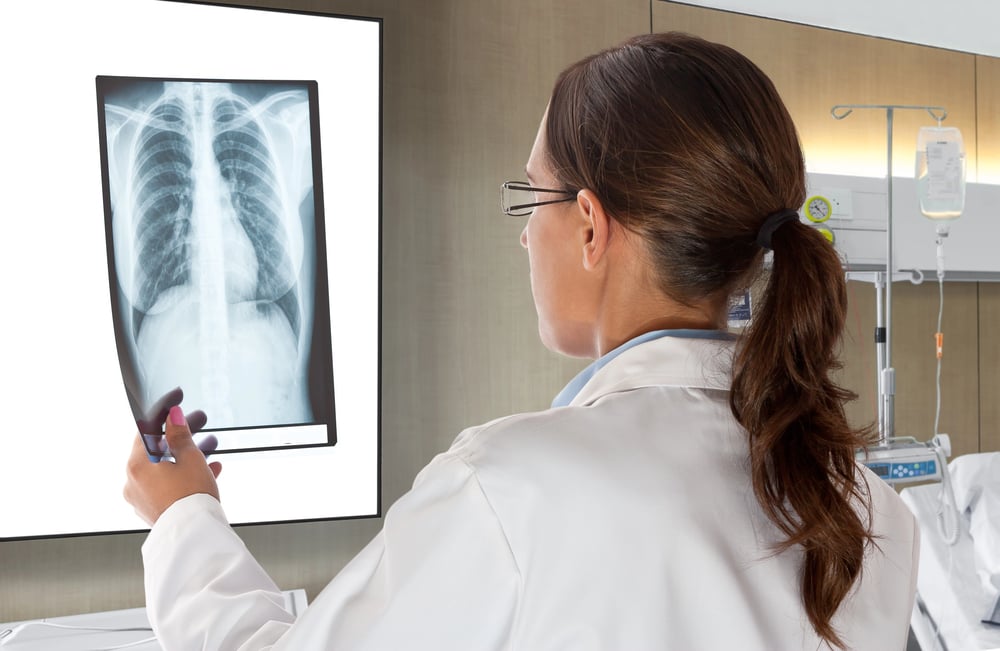
While testing with cathode rays in 1895, Wilhelm Röntgen saw a nearby chemically treated screen shining in the dark. He soon understood he had found a new kind of beam able to penetrate human flesh among other substances.
Röntgen named them “X-rays” because of their mysterious quality; within weeks of his finding, doctors were already employing them to investigate fractured bones. His unintentional discovery changed physics as well as medicine.
Like Go2Tutors’s content? Follow us on MSN.
Microwave Oven

When Percy Spencer noticed something strange in 1945 while working with operational radar equipment, he discovered that the chocolate bar in his pocket had melted. Although Spencer wasn’t the first to discover that food could be heated by radar radiation, he was the first to consciously look into the possibility.
He attempted to boil popcorn and then an egg, which exploded in his coworker’s face right away. Because of Spencer’s interest in this occurrence, the microwave oven—which is now a common household appliance—was created.
Post-it Notes

Spencer Silver was attempting to create a super-strong adhesive at 3M when he accidentally developed the opposite – an incredibly weak, pressure-sensitive adhesive that could be repositioned multiple times. This discovery had no practical application for years until Silver’s colleague Art Fry became frustrated with paper bookmarks falling out of his hymnal at church.
The Post-it Note was born, creating an entirely new product category and changing how people communicate in offices everywhere.
Artificial Sweeteners
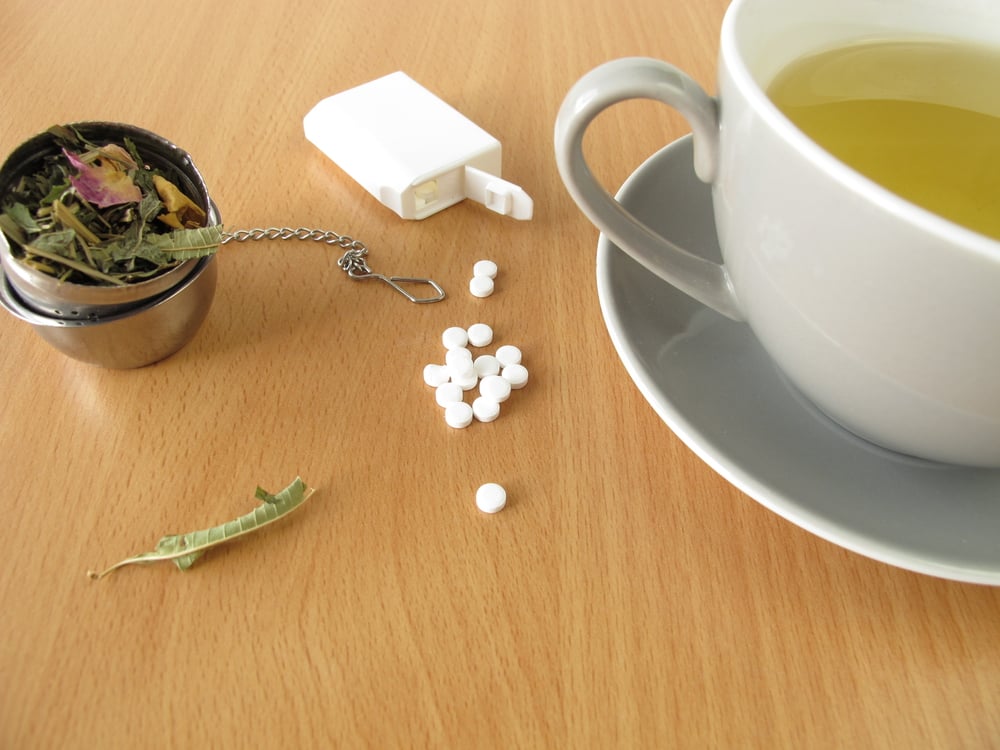
Constantin Fahlberg discovered saccharin in 1879 when he neglected to wash his hands after working in his laboratory. During dinner, he noticed his bread tasted unusually sweet and traced the flavor back to a chemical compound he had spilled on his hands earlier.
His accidental discovery led to the first commercially viable artificial sweetener, opening the door for diet foods and beverages that millions consume today.
Like Go2Tutors’s content? Follow us on MSN.
Pacemaker
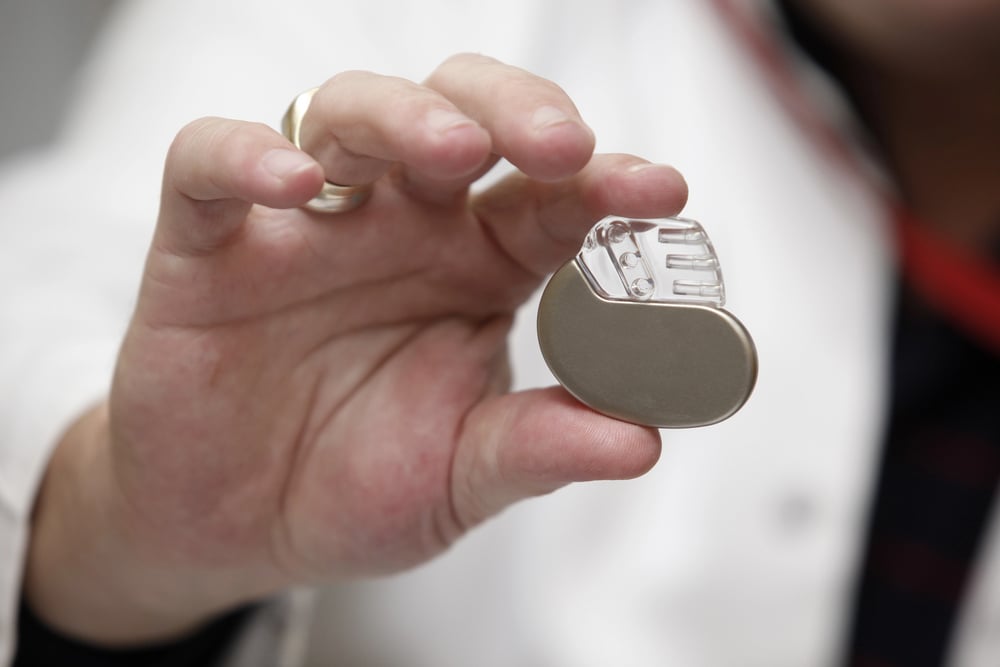
Wilson Greatbatch was building a device to record heart sounds in 1956 when he installed the wrong resistor value into his circuit. The device began emitting electrical pulses instead of simply recording, which reminded Greatbatch of the rhythm of a heartbeat.
This mistake led to the development of the implantable cardiac pacemaker, a device that has extended countless lives around the world.
Plastic

Leo Baekeland was searching for a synthetic substitute for shellac in 1907 when he combined phenol and formaldehyde under heat and pressure. The resulting material was lightweight, heat-resistant, and could be molded into virtually any shape.
Bakelite, the first truly synthetic plastic, launched the global plastics industry that now permeates every aspect of modern life.
Matches
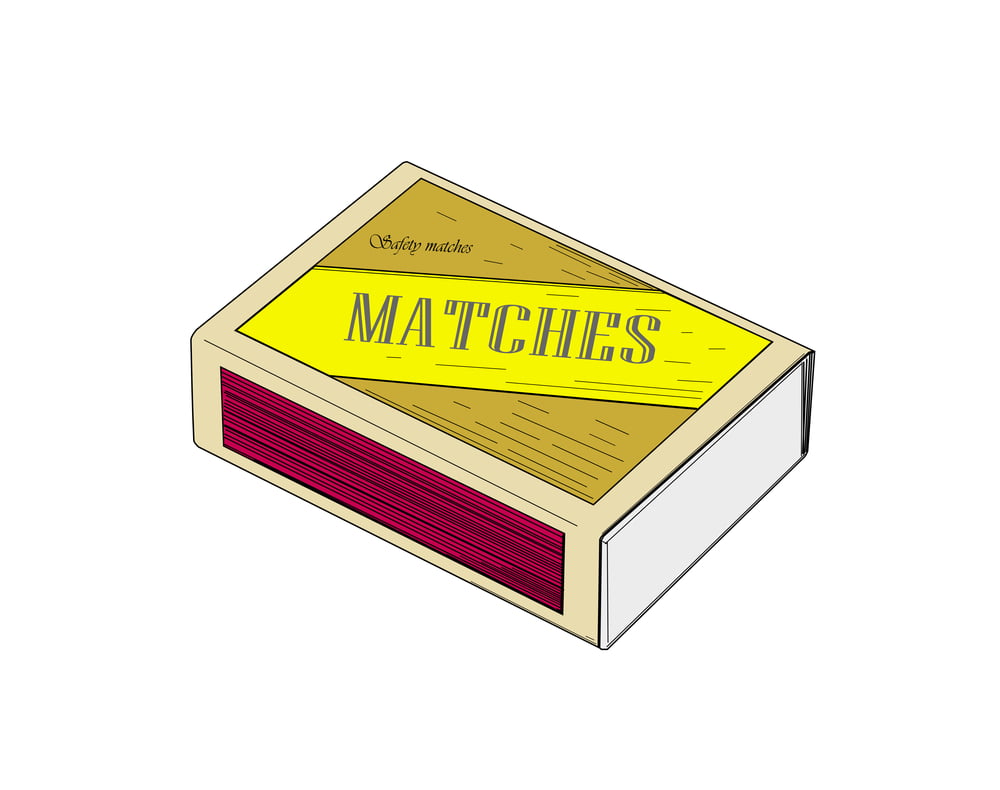
Stirring a mixture with a wooden stick in 1826, English chemist John Walker later attempted to remove the dried material from the end. Friction caused the stick to catch fire, hence producing the first friction match.
Walker’s unintentional find changed how people used fire for daily use by providing a consistent, portable fire source that did away with the requirement of complex tinderboxes.
Like Go2Tutors’s content? Follow us on MSN.
Radioactivity
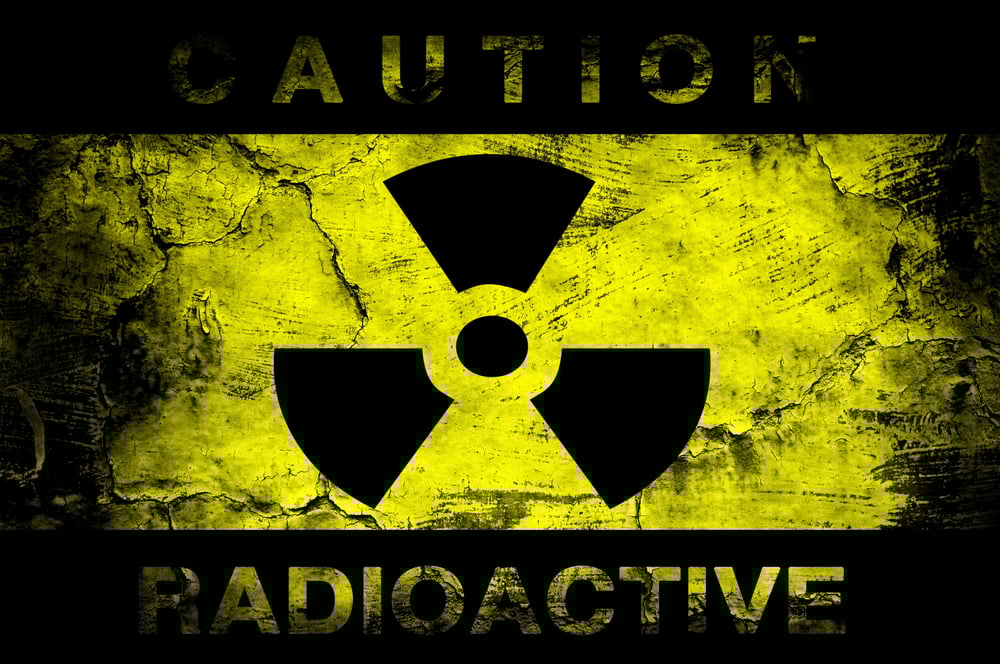
Henri Becquerel discovered radioactivity in 1896 when he left uranium salts in a drawer with photographic plates, expecting sunlight to cause the uranium to emit X-rays that would expose the plates. The plates were exposed despite being kept in a dark drawer, revealing that uranium naturally emits invisible rays without any external energy source.
This serendipitous finding launched the field of nuclear physics and eventually led to nuclear power and medicine.
Corn Flakes
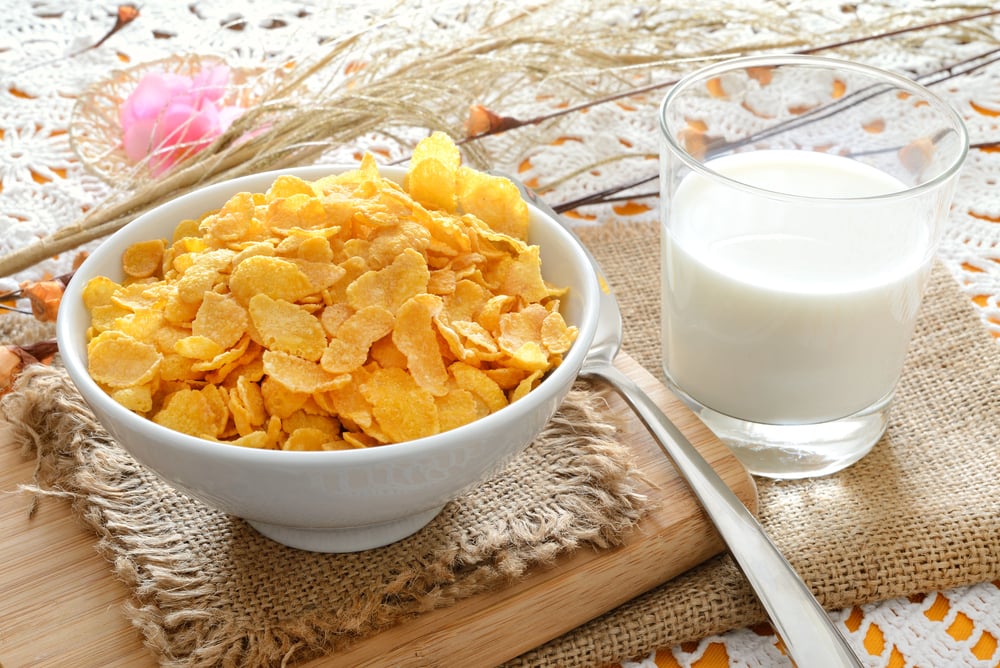
The Kellogg brothers attempted to make granola for their sanitarium patients in 1894 when they accidentally left cooked wheat sitting out for several days. The wheat dried out, and when processed, it formed flakes instead of the expected dough.
When toasted, these flakes maintained their shape and created a tasty breakfast option. Their mistake created the breakfast cereal industry that now feeds millions each morning.
Vulcanized Rubber
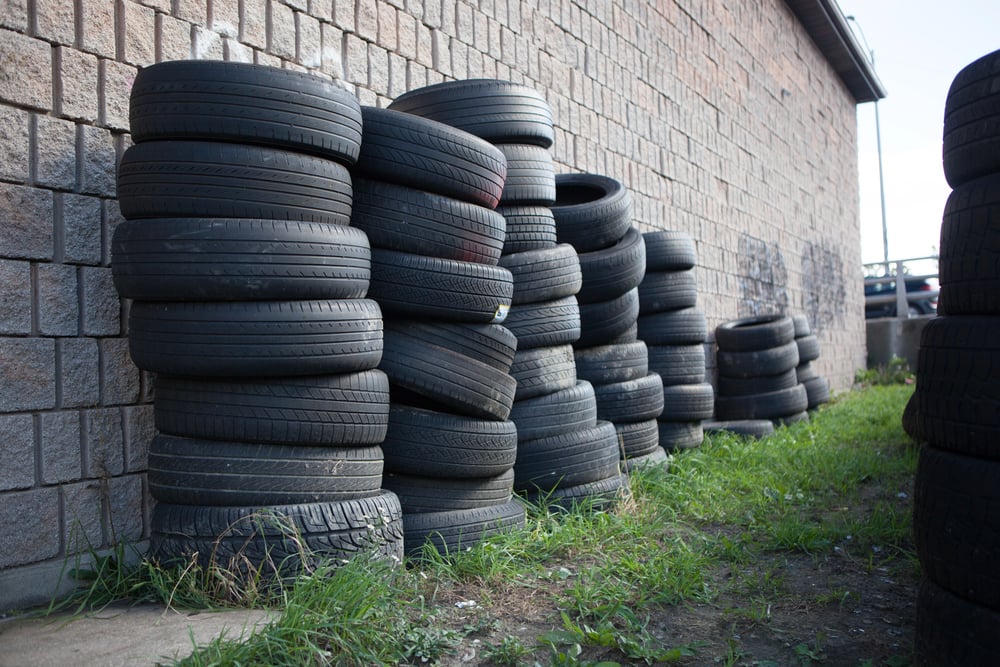
Charles Goodyear had spent years trying to make natural rubber more durable when in 1839 he accidentally dropped a mixture of rubber and sulfur onto a hot stove. Instead of melting as expected, the rubber charred like leather and remained flexible.
This accidental discovery of vulcanization transformed rubber from a novelty material into one essential for industrial applications, transportation, and countless everyday items.
Like Go2Tutors’s content? Follow us on MSN.
Safety Glass
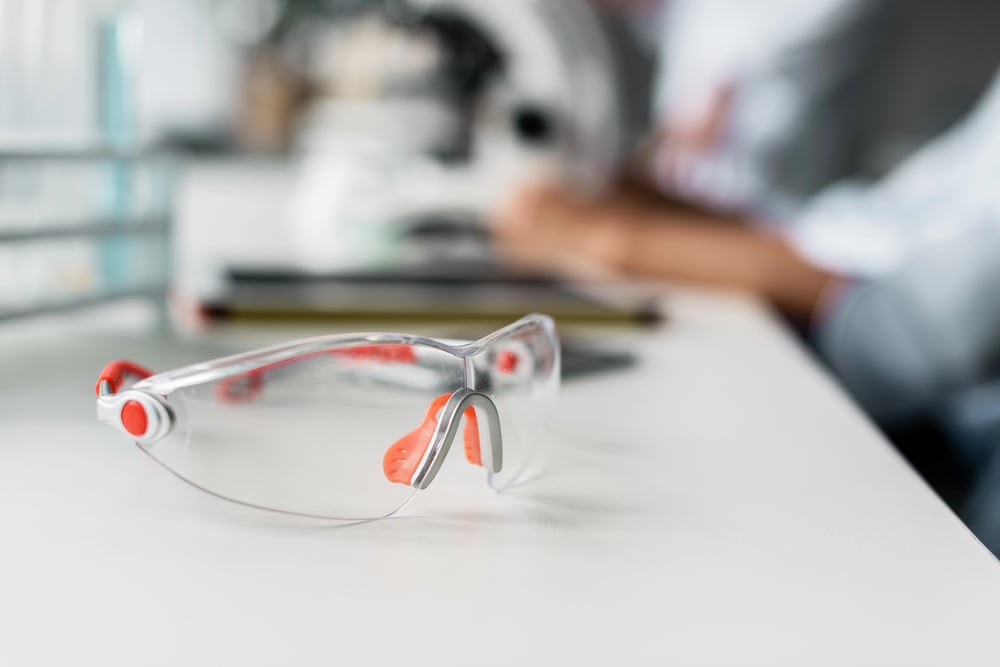
Édouard Bénédictus, a French scientist, knocked a glass flask off a shelf in 1903 and noticed something strange – it cracked but didn’t shatter. He discovered the flask had contained cellulose nitrate that had evaporated and coated the inside, creating a primitive safety glass.
This happy accident led to the development of laminated safety glass now used in automobile windshields and windows, saving countless lives from flying glass shards.
Velcro
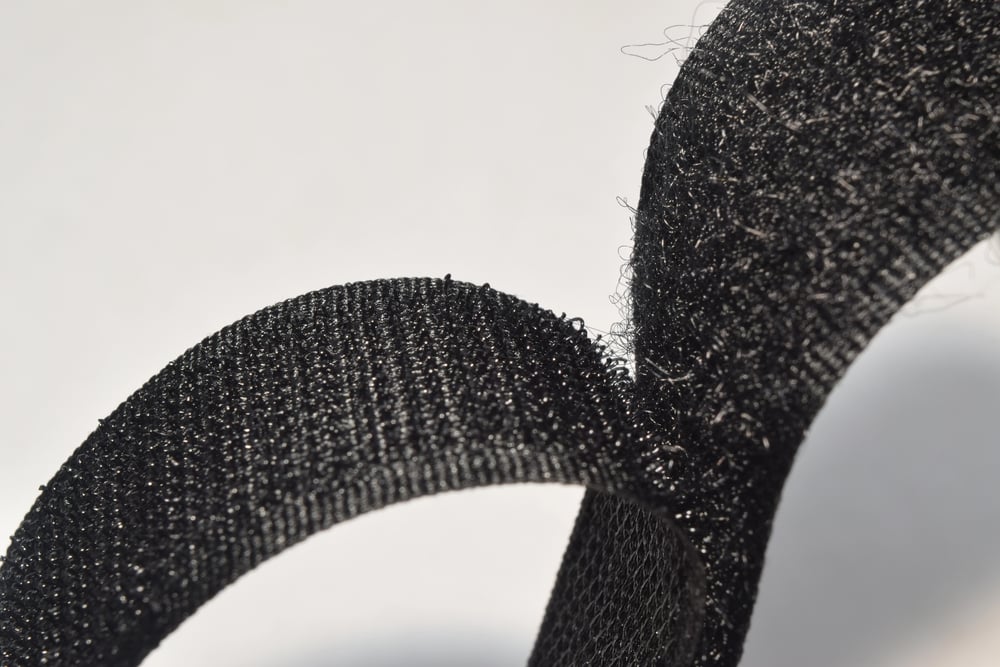
Swiss engineer George de Mestral went hunting with his dog in 1941 and returned covered in burrs. Under a microscope, he observed how the tiny hooks on the burrs clung to the loops in fabric and fur.
De Mestral realized this natural mechanism could be replicated artificially, leading to the development of Velcro. This accidental observation created a fastening system now used in everything from shoes to spacecraft.
Teflon
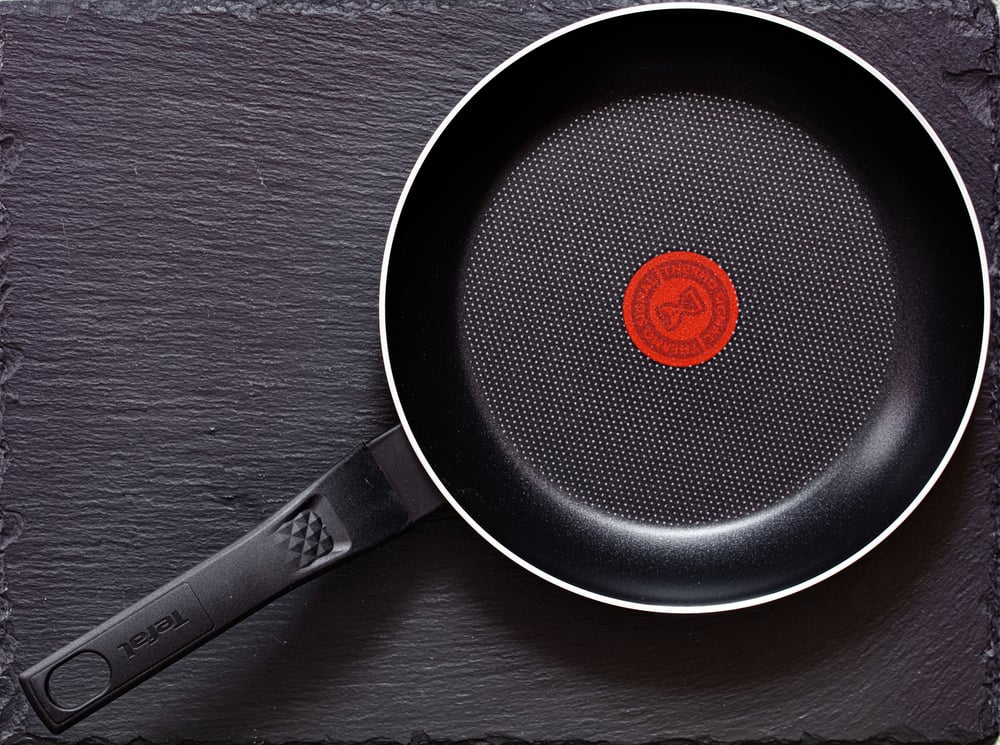
Roy Plunkett was working with refrigerant gases at DuPont in 1938 when he checked a storage container and found the gas had disappeared, leaving behind a waxy white powder. This polytetrafluoroethylene (PTFE) proved to be one of the slipperiest substances ever discovered.
Plunkett’s chance finding eventually led to non-stick cookware and countless other applications requiring friction reduction.
Like Go2Tutors’s content? Follow us on MSN.
Happy Accidents and Prepared Minds

These fourteen discoveries remind us that innovation often happens when alert minds recognize the significance of unexpected events. While luck certainly played a role in each breakthrough, the common thread was a scientist or inventor who paid attention to anomalies rather than dismissing them.
These transformative discoveries continue to shape our modern world, demonstrating that sometimes the most profound innovations come not from what we seek but from what we find along the way.
More from Go2Tutors!

- 18 Unexpectedly Valuable Collectibles You Might Have Lying Around
- 20 Little-Known Historical Battles That Had Huge Consequences
- 20 Historical Artifacts That Scientists Can’t Explain
- 15 Inventions That Were Immediately Banned After Being Created
- 20 Actors Who Were Almost Cast in Iconic Roles
Like Go2Tutors’s content? Follow us on MSN.



