Cities with Odd Building Codes
Building codes exist to keep people safe, but some cities have rules that make absolutely no sense to outsiders. These aren’t your standard regulations about electrical wiring or how tall a fence can be.
They’re the kind of laws that make you wonder what exactly happened to inspire them in the first place. From paint colors to garage door materials, cities across America have come up with some truly head-scratching requirements that homeowners and builders have to follow whether they like it or not.
Here are some of the strangest building codes that cities actually enforce today.
San Francisco’s laundry line ban

San Francisco doesn’t allow people to hang laundry outside to dry in many neighborhoods, even though it’s one of the most environmentally conscious cities in the country. The rule exists because homeowners associations and city planners think clothes hanging on lines look messy and bring down property values.
This means people have to use electric or gas dryers instead of letting the sun and wind do the work for free. Some residents have fought against the rule for years, arguing that it wastes energy and money, but the code remains in place across most of the city.
Coral Gables requires tile roofs

The city of Coral Gables, Florida, has strict rules about what kind of roof you can put on your house. Every home must have a tile roof, and the city won’t approve permits for other materials like asphalt shingles.
Officials say the rule preserves the Mediterranean look that the city is known for. Tile roofs cost significantly more than regular shingles, which can add tens of thousands of dollars to building or renovation costs, but homeowners don’t get a choice in the matter.
Key West bans chain restaurants in Old Town

Key West, Florida, won’t let major chain restaurants open in the historic Old Town area. The city council passed this rule to keep the unique character of the downtown intact and prevent it from looking like every other tourist town in America.
You won’t find a McDonald’s or Starbucks in that part of town because the building codes specifically prohibit formula restaurants and national chains. Local business owners love the rule because it cuts down on competition, while some visitors find it frustrating when they want something familiar.
Berkeley mandates natural gas bans

Berkeley, California, became the first city in the United States to ban natural gas hookups in new buildings back in 2019. The code requires all new construction to use electricity instead of gas for heating, cooking, and hot water.
City officials say the rule will help fight climate change by reducing fossil fuel use. Builders and some homeowners have pushed back, arguing that electric appliances cost more to run and that the power grid might not handle the extra demand, but the ban stays in effect for all new construction.
Celebration requires specific paint colors
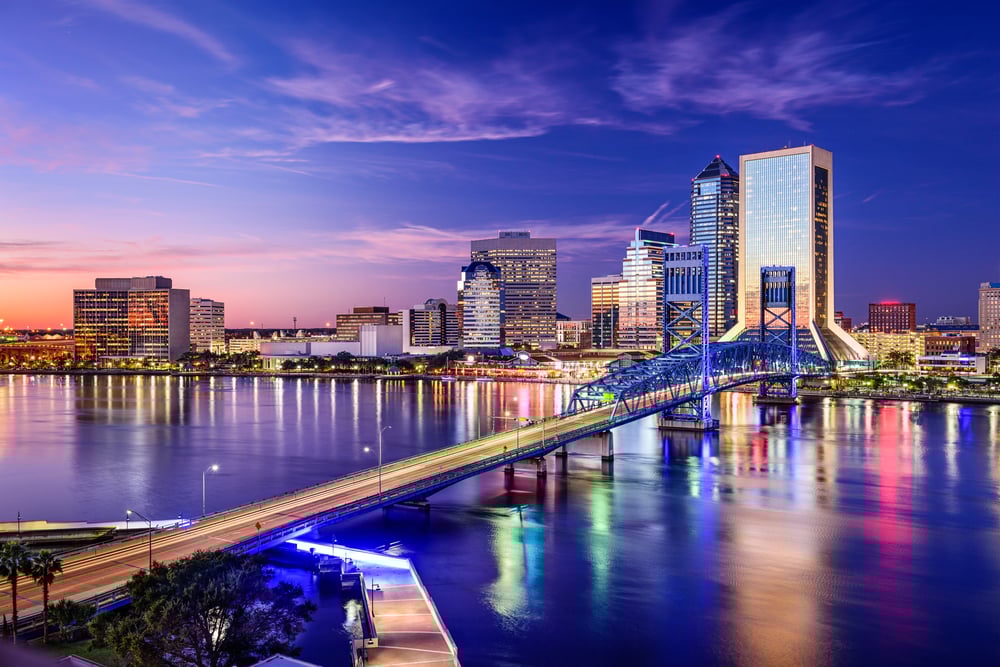
The planned community of Celebration, Florida, gives homeowners a list of approved paint colors and won’t let them use anything else. Disney originally developed the town in the 1990s with strict design guidelines, and those rules stuck around even after Disney sold off the properties.
People who want to paint their house have to choose from a palette of pastels and earth tones that the town considers acceptable. If someone tries to paint their house a color that’s not on the list, the homeowners association can force them to repaint at their own expense.
Chicago won’t let you build a house without a basement

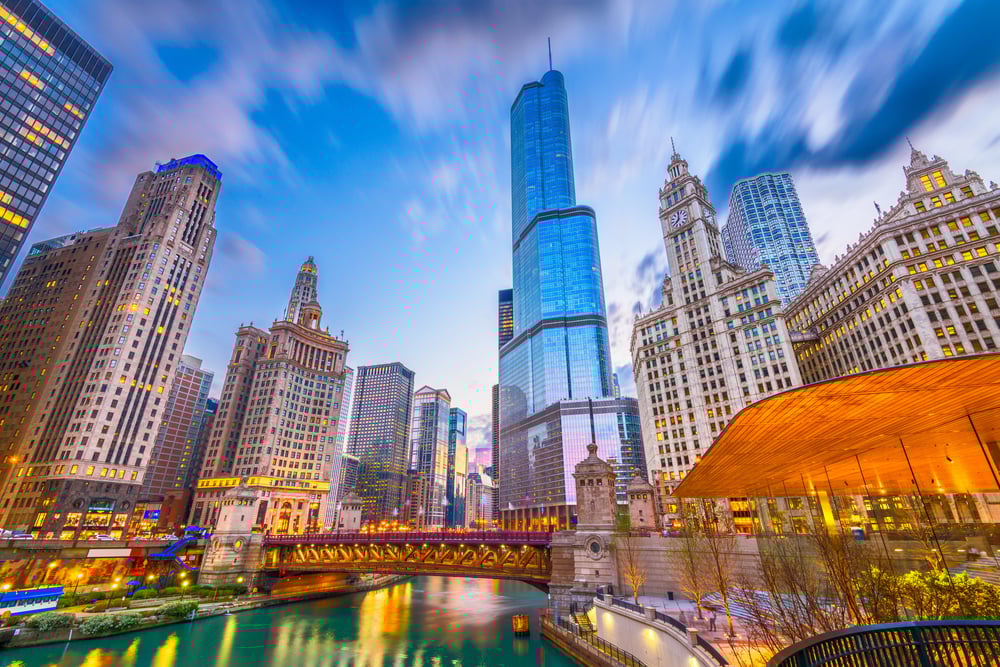
Chicago requires almost all new single-family homes to have basements, which is unusual for a major city. The code exists partly because of the city’s history with flooding and partly because basements provide shelter during severe weather.
Building a basement in Chicago adds about $30,000 to $50,000 to construction costs, but developers don’t have much choice unless they can prove the lot has special circumstances. Some builders think the rule is outdated since modern flood control systems work well without basements.
Carmel-by-the-Sea bans street addresses

The tiny California town of Carmel-by-the-Sea doesn’t use street addresses on houses, and building codes don’t require them. Residents pick up their mail at the post office instead of having it delivered to their homes.
The tradition started over a century ago when the town was just a small artist colony, and locals have fought to keep it that way ever since. Finding someone’s house means knowing landmarks and informal directions, which works fine for the 3,000 or so people who live there but confuses delivery drivers and visitors.
Las Vegas limits front yard rocks
Las Vegas has rules about how much of your front yard can be covered in rocks or gravel instead of plants. The city wants to prevent the urban heat island effect, where too much stone and concrete makes temperatures rise even higher than they already are in the desert.
Homeowners can use desert landscaping, but they have to include a certain percentage of actual vegetation. The rule frustrates some people who think rocks make more sense than trying to keep plants alive in 110-degree heat.
Aspen restricts home size based on lot dimensions
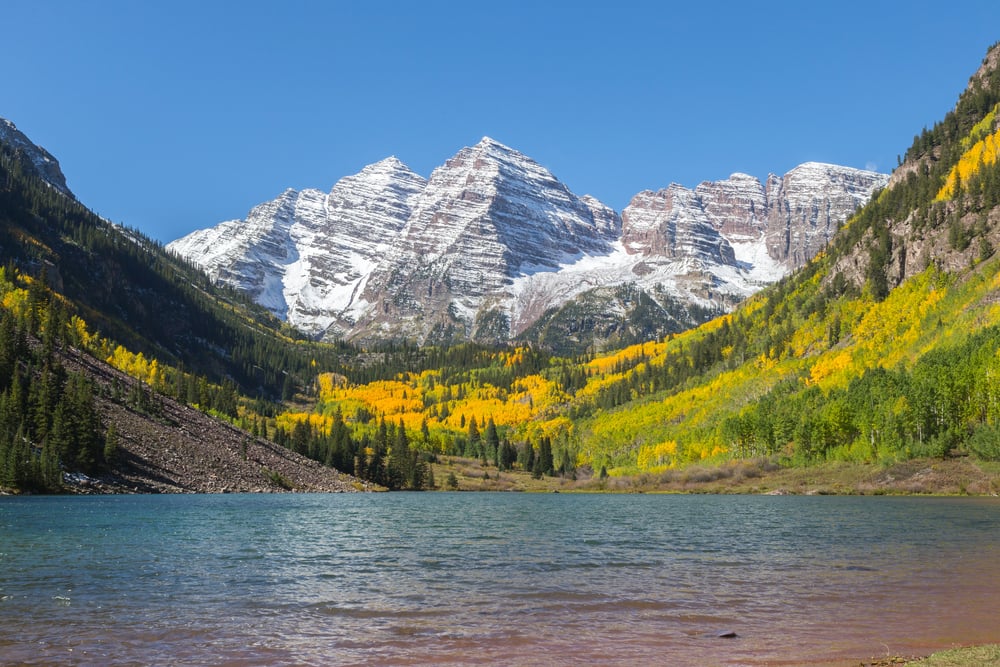
Aspen, Colorado, won’t let people build enormous mansions that dwarf everything around them. The city limits house size based on the lot it sits on, so bigger lots can have bigger houses but there’s always a cap.
Officials say the rule prevents the town from turning into a collection of oversized trophy homes that block views and overshadow neighbors. Some wealthy homeowners have tried to get around the limits by building underground, which the city now also regulates to prevent massive basement complexes.
Portland requires bike parking in new buildings
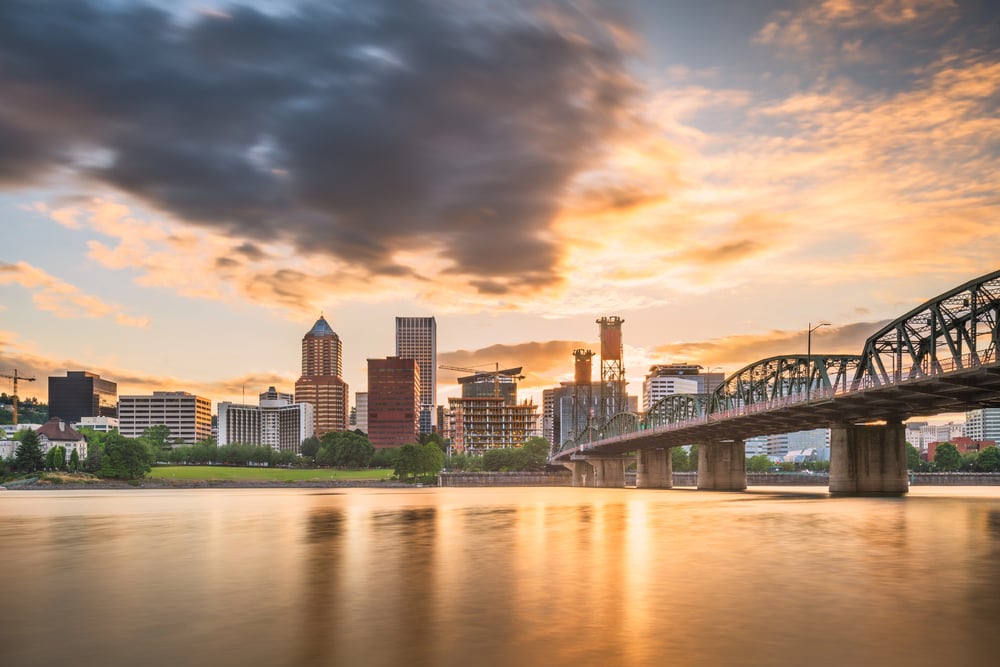
Portland, Oregon, requires new residential buildings to include bike parking spaces based on how many units they have. The rule treats bicycles almost like cars and assumes most people will want a secure place to store their bikes.
Developers have to factor in the cost and space for bike rooms or covered outdoor areas, which can get expensive in apartment buildings. The city sees it as encouraging alternative transportation, while some builders think it takes up valuable space that could go to other uses.
Charleston limits building height to church steeples
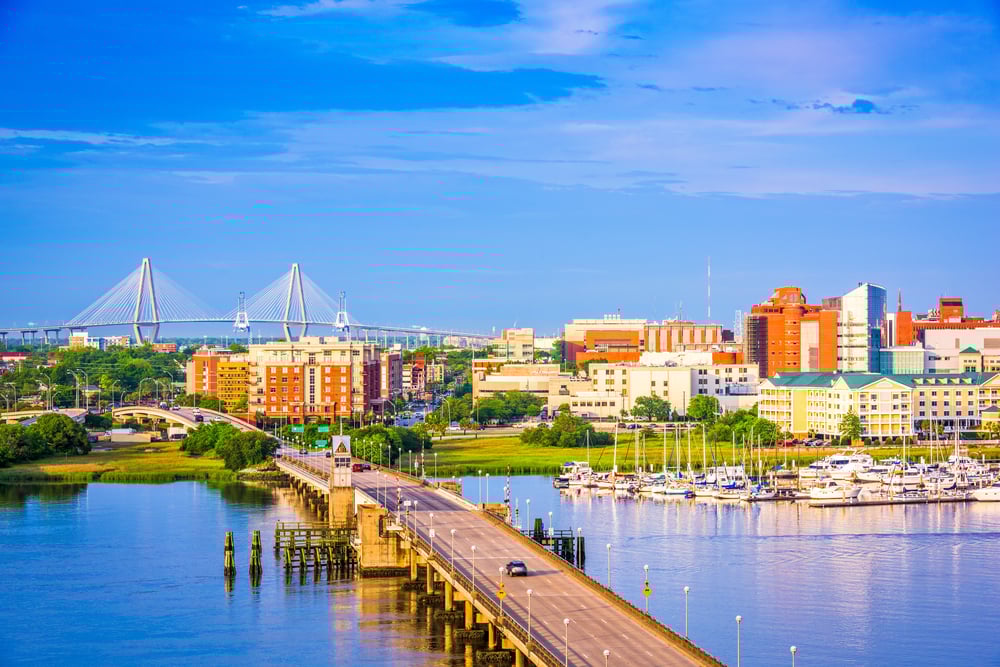
Charleston, South Carolina, has an old rule that says no building can be taller than the tallest church steeple in the area. The code keeps the historic skyline intact and prevents modern high-rises from overwhelming the old architecture.
Developers who want to build taller structures have to apply for special exceptions, which the city rarely grants. The rule has helped Charleston maintain its colonial charm, but it also limits how much new construction can happen in the most desirable parts of town.
Boulder caps residential growth

Each year, Boulder in Colorado sets a ceiling on fresh home construction for the whole town. Since the seventies, this pace limiter has held back rapid urban spread.
Leaders argue it shields nature, stopping the area from morphing into endless suburban blocks. Yet prices climb sharply due to too few houses chasing too many buyers, so numerous locals commute daily after being priced out of their own workplace city.
New Orleans has unique ironwork design rules

Balconies in New Orleans’ older districts follow strict guidelines for their metal rails – each piece must echo the classic looks the area is known for. When new designs stray too far, especially if they’re sleek or basic, officials usually say no.
Replacing worn iron means tracking down artisans skilled in old-style twists and curls, a pricier path than grabbing something off the shelf. Fences shaped with flourishes aren’t just decoration – they carry weight like brick and beam do.
Even small details face review as though they hold up the block. What hangs between posts matters nearly as much as what stands beneath roofs.
When rules reflect a city’s soul

Strange construction laws reveal what towns truly care about. Where one community guards old windows another pushes solar panels instead.
To visitors some steps look pointless till neighbors explain past floods or feuds. Frustration grows when homeowners choose colors freely yet face fines anyway.
Still those exact oddities give streets their flavor compared to flat uniform places down the road. Ever notice how laughable limits often guard something precious beneath?
More from Go2Tutors!

- The Romanov Crown Jewels and Their Tragic Fate
- 13 Historical Mysteries That Science Still Can’t Solve
- Famous Hoaxes That Fooled the World for Years
- 15 Child Stars with Tragic Adult Lives
- 16 Famous Jewelry Pieces in History
Like Go2Tutors’s content? Follow us on MSN.



