Unique Festivals Celebrated Across Continents
Every year, people gather to celebrate traditions that might seem odd to outsiders but hold deep meaning for those who participate. These festivals reflect cultures that have evolved over centuries, mixing ancient rituals with modern twists.
Some involve throwing food, others feature elaborate costumes, and a few require participants to get extremely muddy or wet. What they all share is the ability to bring communities together in ways that ordinary days never could.
La Tomatina Turns Streets Into Rivers of Red

The last Wednesday of August transforms Buñol, Spain into a chaotic food fight that defies logic. Thousands of people gather to throw overripe tomatoes at each other for exactly one hour.
The tradition started in 1945 during a parade when frustrated locals grabbed tomatoes from a vegetable stand and started hurling them. Authorities tried to ban it, but the people kept coming back year after year until officials gave in and made it official.
You’ll need goggles if you decide to join. The acid from tomato juice stings, and the crowds get intense.
Once the trucks loaded with tomatoes arrive, everyone goes wild. By the time it ends, the streets run with red pulp, and fire trucks spray everything down.
The whole town smells like tomato sauce for days.
Holi Paints India in Explosions of Color
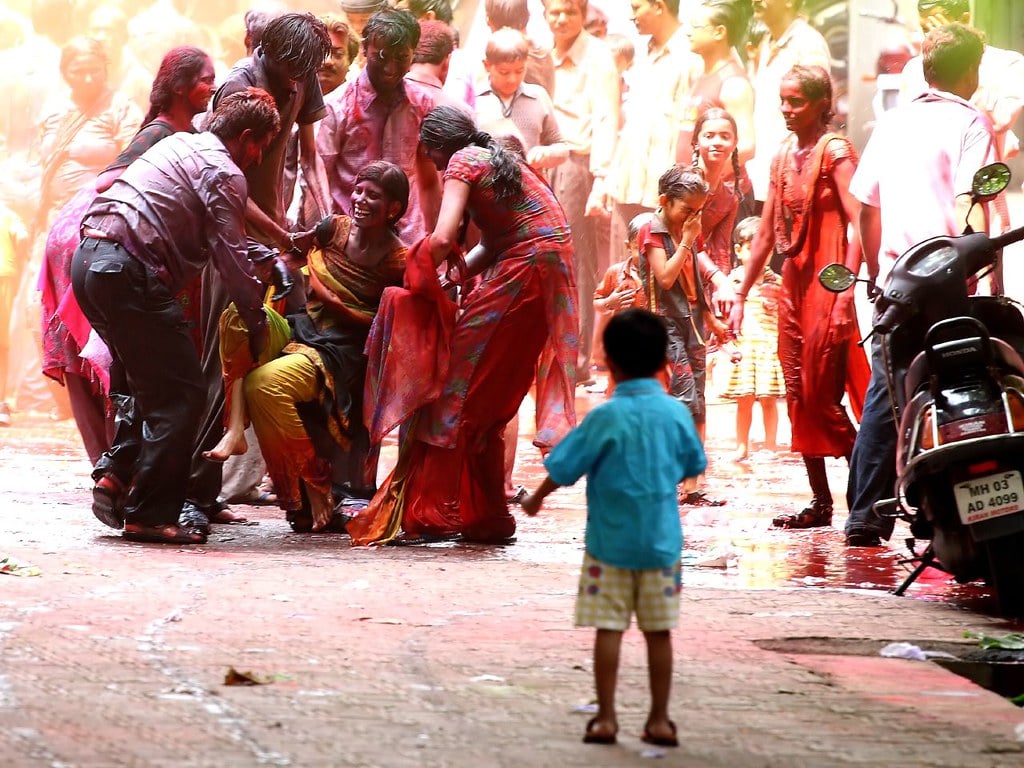
Spring arrives in India with clouds of colored powder filling the air. People chase each other through streets, smearing vibrant pigments on faces and clothes until everyone looks like walking rainbows.
The festival celebrates the victory of good over evil and marks the end of winter. The powder, called gulal, comes in every color you can imagine.
Pink, yellow, green, blue—it gets everywhere. Kids ambush adults with water balloons filled with colored water. Strangers become friends as they douse each other in pigment.
The celebration breaks down social barriers that normally keep people apart. For one day, everyone participates as equals.
Day of the Dead Brings Families Together Across Time
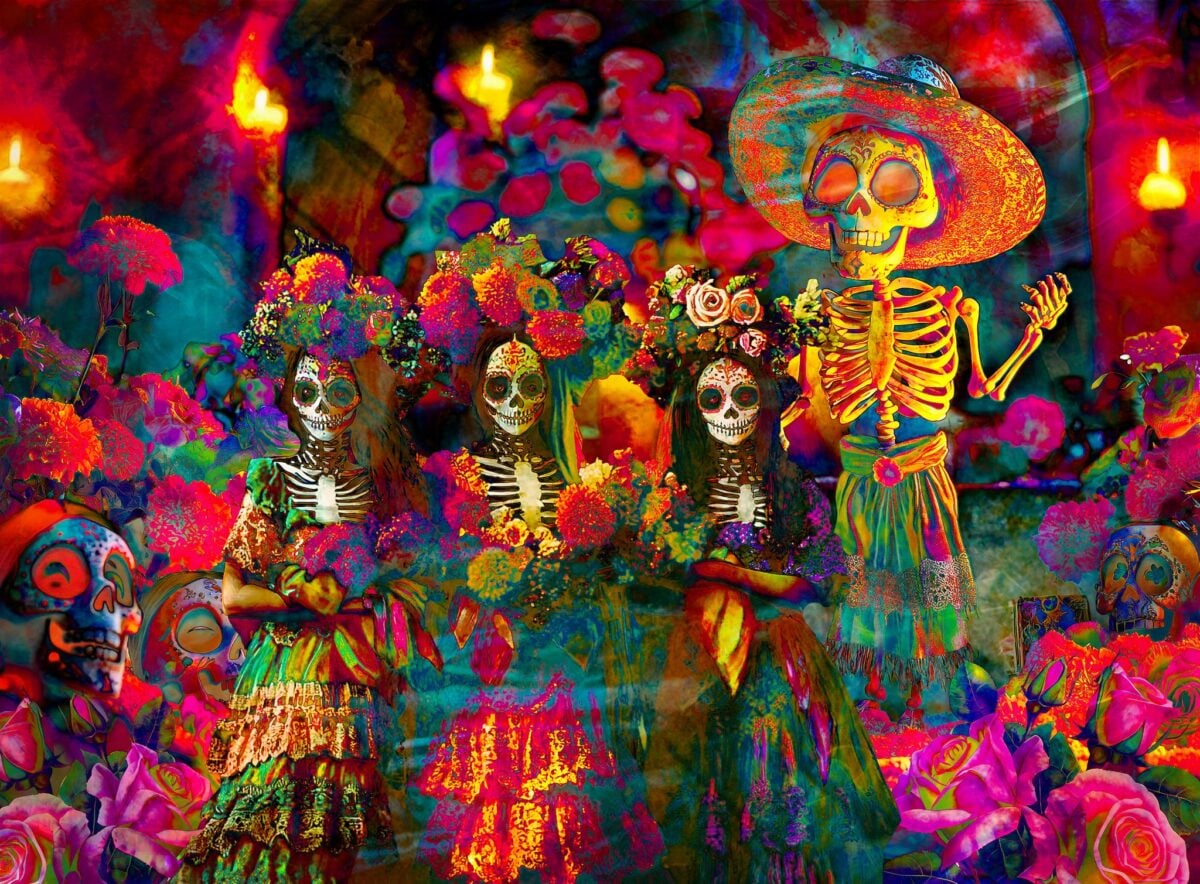
Mexico’s most important celebration honors those who have died. But this festival doesn’t mourn loss—it celebrates the continuing bond between the living and the dead.
Families build elaborate altars decorated with marigolds, candles, and the favorite foods of departed relatives. They believe the spirits return for one night to enjoy the offerings.
Sugar skulls painted in bright colors appear everywhere. People dress in skeleton costumes and paint their faces to look like elegant skulls decorated with flowers.
Cemeteries fill with families who spend the night beside graves, playing music and sharing stories. The atmosphere feels festive rather than somber.
Death becomes something to acknowledge and even laugh about, not something to fear.
Songkran Transforms Thailand Into a Nationwide Water Fight

Thai New Year happens in April, the hottest month of the year. The solution? Turn the entire country into a water fight.
For three days, everyone becomes fair game. People stand on street corners with hoses, buckets, and super soakers.
Pickup trucks roam around with barrels of water in the back. Getting soaked is unavoidable. The tradition originally involved gently sprinkling water on elders as a sign of respect.
That gentle sprinkling evolved into the massive water battle happening now. You can’t walk outside without getting drenched.
Phones go in waterproof bags, and makeup doesn’t stand a chance. The heat makes the constant soaking feel refreshing rather than annoying.
Carnival in Rio Defines Excess and Joy
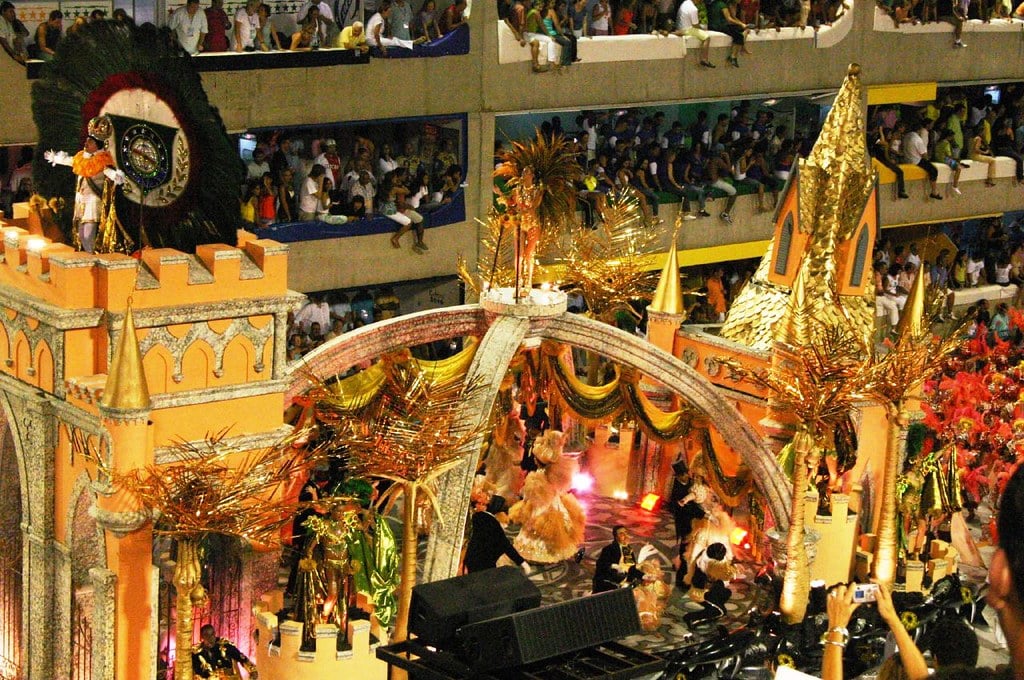
Rio de Janeiro shuts down for days of nonstop celebration. Samba schools spend the entire year preparing elaborate floats and costumes for the parade competition.
Dancers practice choreography for months. The costumes feature feathers, sequins, and barely enough fabric to qualify as clothing.
Each school tells a story through music, dance, and visual spectacle. Street parties called blocos take over neighborhoods throughout the city.
Live bands play, and thousands follow them through streets that become outdoor dance floors. The party goes all night and starts again the next morning.
Sleep becomes optional. The energy keeps everyone moving even when bodies should give out from exhaustion.
Timkat Recreates Ancient Baptism Ceremonies
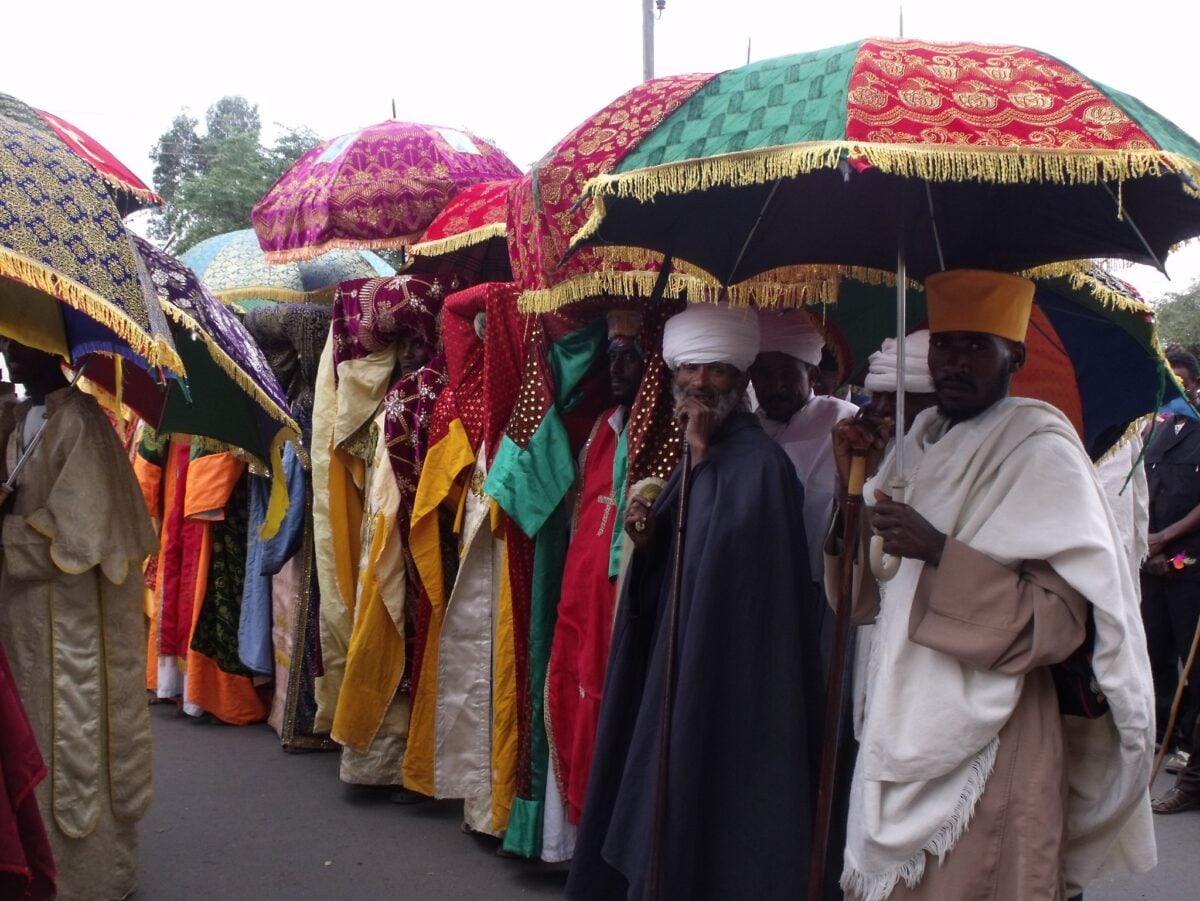
Ethiopia’s Orthodox Christian celebration of Epiphany involves replicas of the Ark of the Covenant and mass baptisms. Priests in elaborate robes carry the tabots—replicas of the tablets Moses received—through streets wrapped in richly decorated cloth.
Processions move to bodies of water where the baptism of Jesus gets reenacted. The ceremony starts with an overnight vigil.
At dawn, priests bless the water, and thousands of people plunge in to renew their baptismal vows. Some wade in fully clothed.
Others strip down to minimal clothing. The water symbolizes purification and spiritual renewal.
After the blessing, people splash each other and carry water home in bottles to use for healing.
Up Helly Aa Sets Viking Ships Ablaze
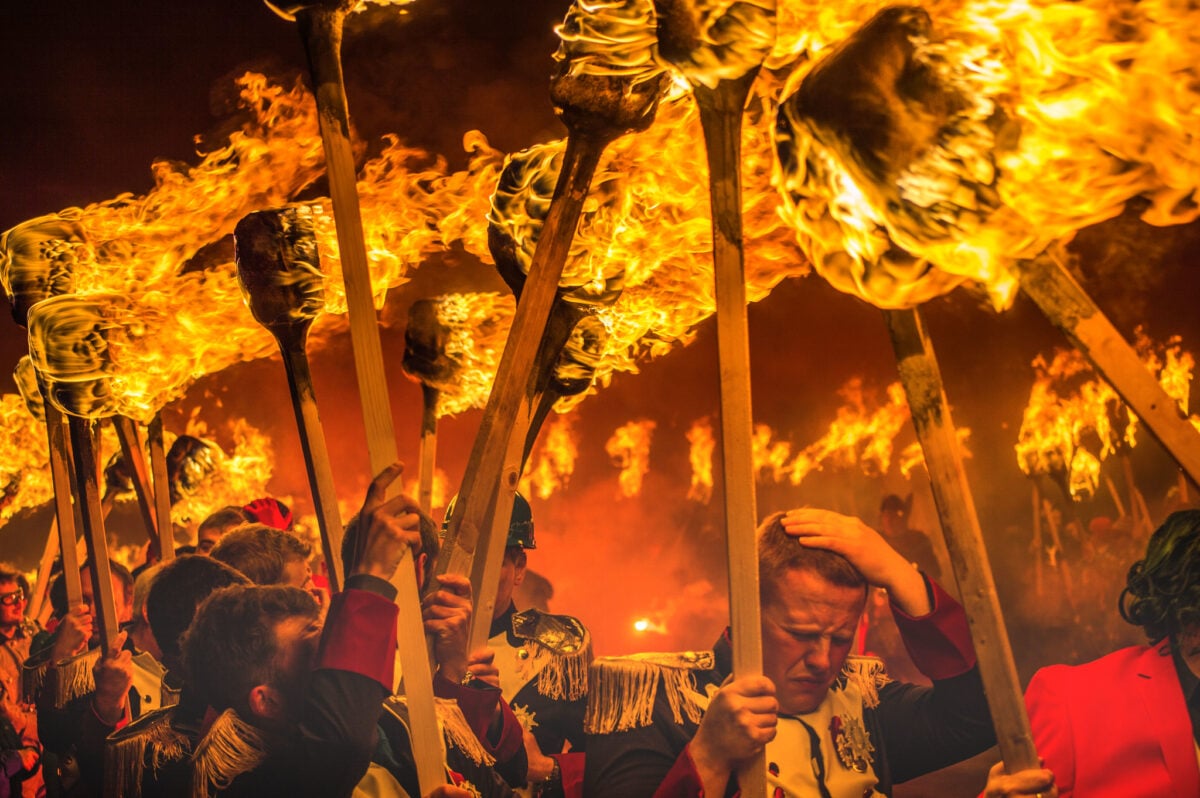
Scotland’s Shetland Islands celebrate their Norse heritage every January with fire and costumes. Squads of men dress as Vikings and spend months building a replica longship.
The festival culminates when they drag the ship through town in a torchlit procession, then set it on fire in a massive bonfire. The flames reach incredible heights as the ship burns.
Nearly a thousand people participate in costume, and the party continues in halls throughout the town until morning. Each squad performs skits and songs at different venues.
The celebration acknowledges the islands’ connection to Viking history while bringing the community together during the darkest part of winter.
Boryeong Mud Festival Covers Everyone in Gray Slime
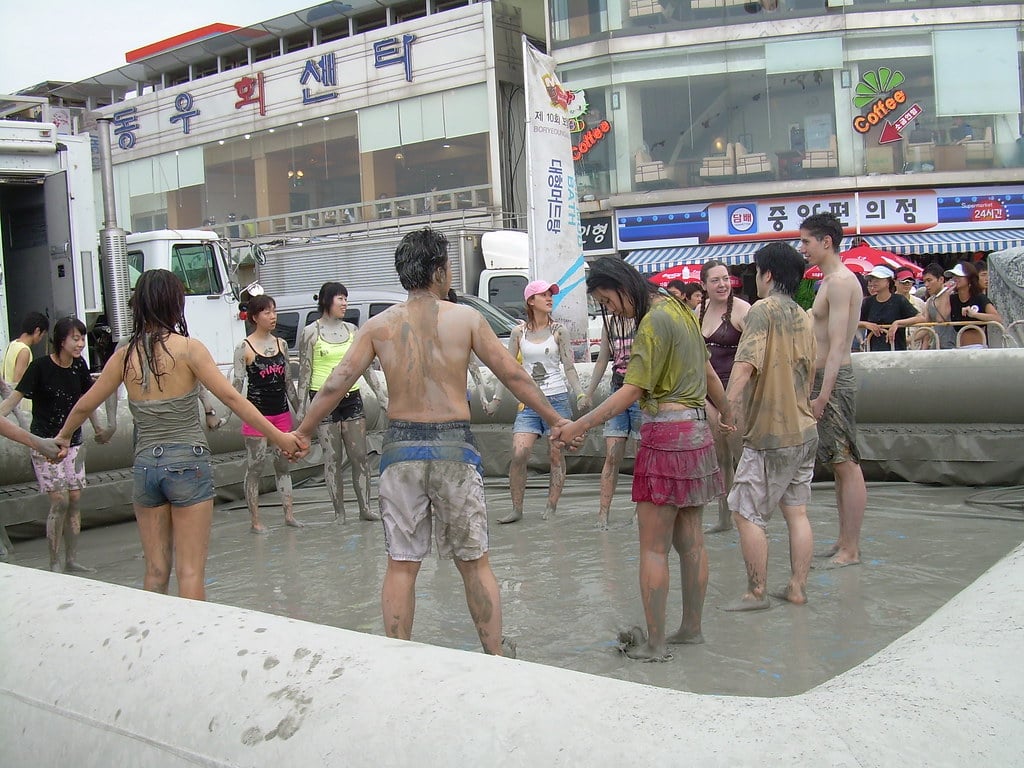
South Korea created this festival to promote the mineral-rich mud found near Boryeong. What started as a marketing campaign became an international event that attracts millions.
Trucks bring tons of mud from the coastal flats to the beach, where people slide through it, wrestle in it, and cover themselves completely. Mud pools, mud slides, and mud prisons provide different ways to get dirty.
Visitors pay to enter zones where they can throw mud at each other. The mud supposedly has health benefits for skin, but most people come for the absurdity of playing in mud as adults.
Everyone looks the same once covered—just gray figures laughing and sliding around.
Inti Raymi Honors the Sun God in Ancient Ceremony
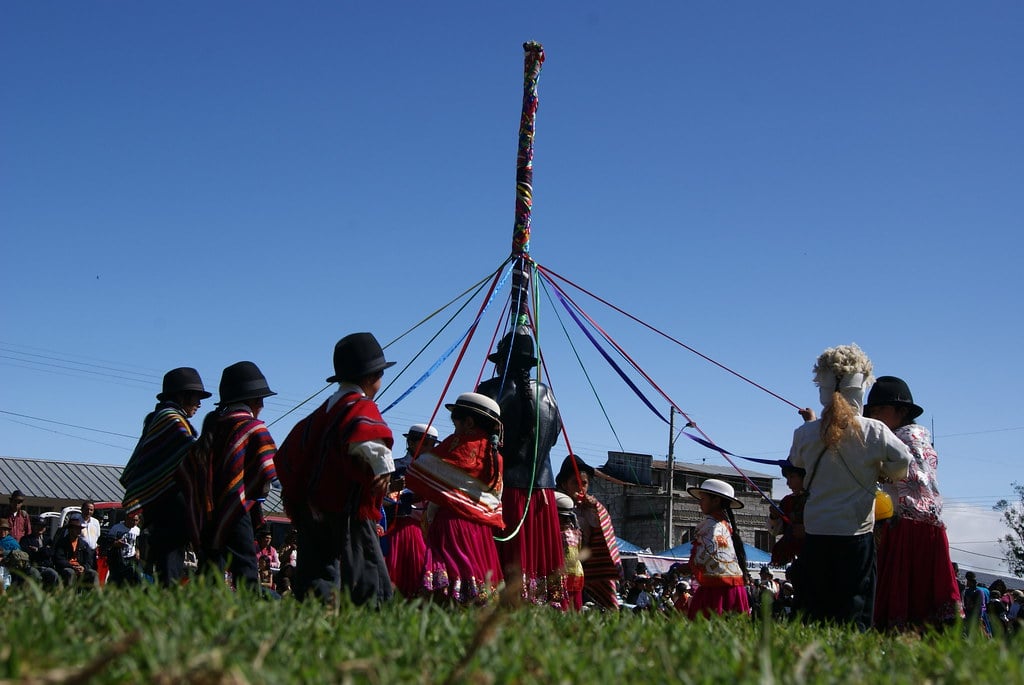
Peru’s winter solstice brings a recreation of the Inca sun festival in Cusco. Hundreds of actors in traditional costume perform elaborate rituals at Sacsayhuamán, the massive stone fortress overlooking the city.
The ceremony follows scripts based on historical records of how the Incas worshipped Inti, the sun god. A person playing the Inca emperor leads processions and offerings.
Dancers perform in formations representing different regions of the empire. The ceremony includes blessings, sacrifices of llamas, and prayers for good harvests.
Modern Peru uses the festival to maintain a connection with indigenous history and attract tourism, but the rituals carry genuine cultural significance for many participants.
Gerewol Festival Flips Dating Traditions
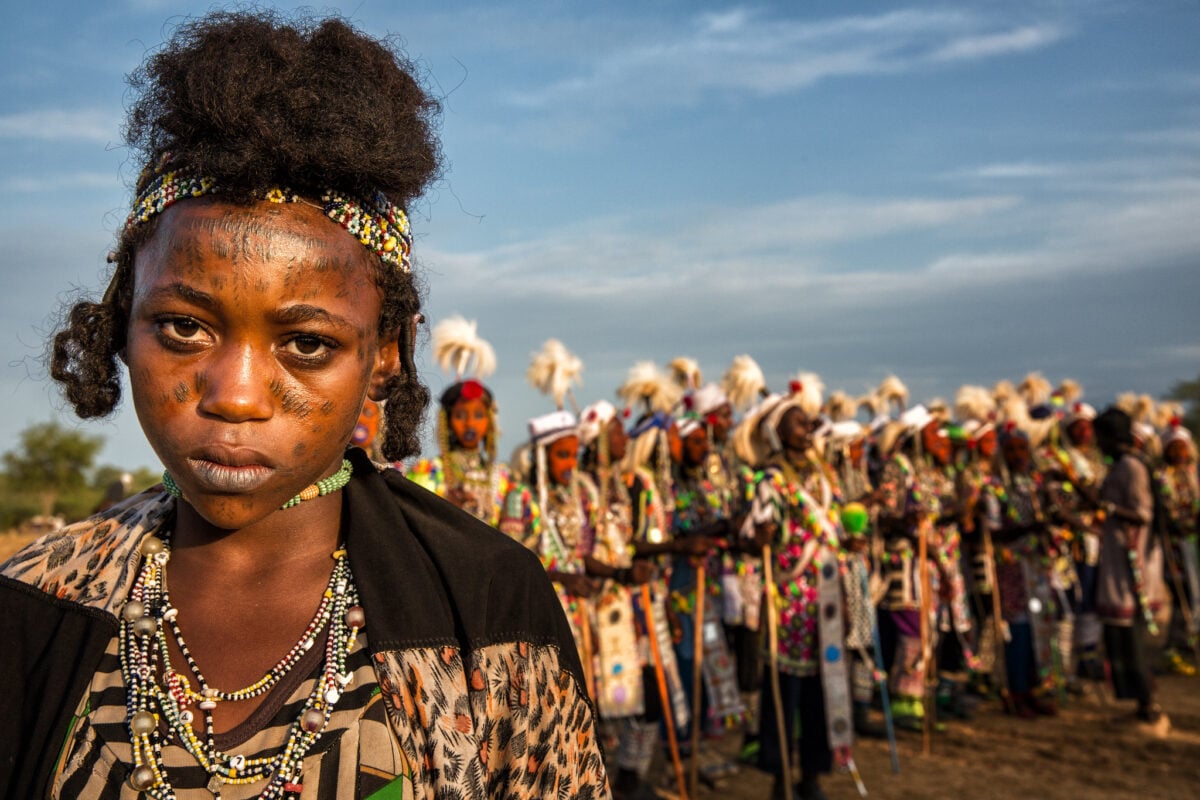
Among the Wodaabe people of Niger, men compete for women’s attention through elaborate beauty displays. Young men paint their faces with striking patterns, wear ornate jewelry, and perform dances designed to show off their features.
They make exaggerated facial expressions—rolling their eyes and showing their teeth—while women serve as judges. The festival happens after the rainy season when different clan groups gather.
Men spend hours on makeup and costume preparation. They dance for hours in the heat, maintaining controlled movements and expressions.
Women select the most attractive dancers, and brief relationships often form during the gathering. The festival inverts typical gender roles found in many cultures where women compete to attract male attention.
Nadaam Festival Tests Traditional Skills

Mongolia’s national festival celebrates three “manly sports”—wrestling, horse racing, and archery. But women now compete in archery and horse racing too.
The events happen across the country every July, with the biggest celebration in the capital city. Wrestlers wear traditional costumes that expose the chest—a rule created after a woman once won the competition disguised as a man.
Horse races feature child jockeys on semi-wild horses racing across open grassland for miles. Archers use traditional bows and wear historic costumes.
Winners gain prestige and titles that follow them for life. The games maintain connections to nomadic culture even as Mongolia modernizes.
Burning Man Creates Temporary Cities in the Desert
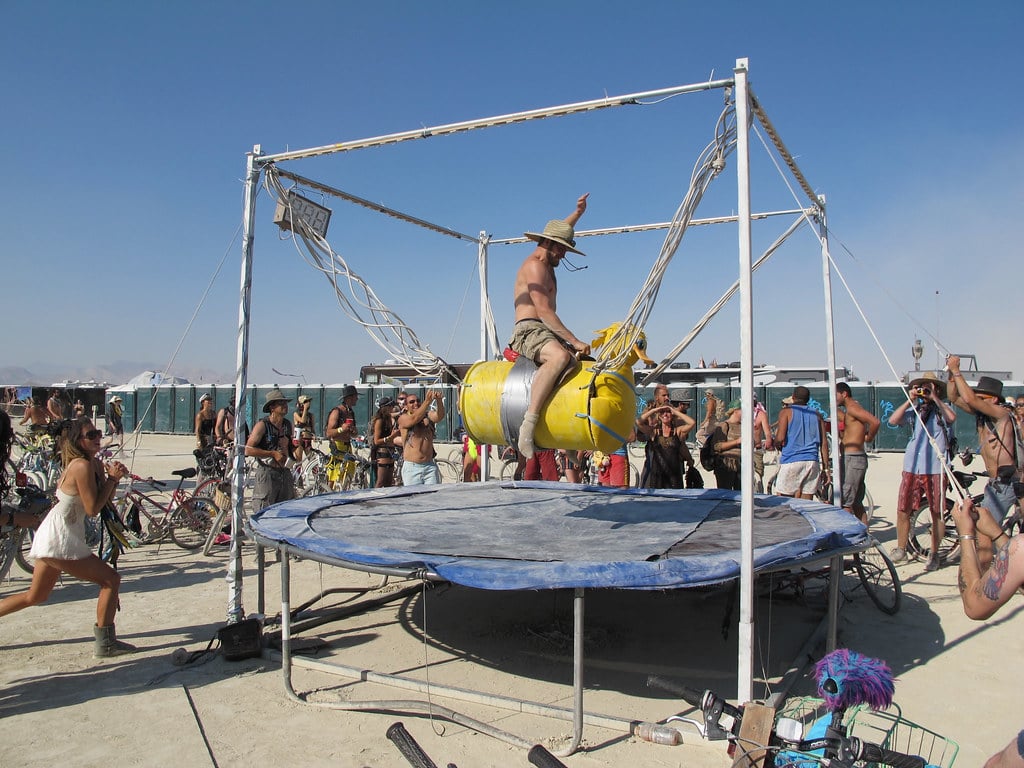
Out in Nevada’s Black Rock Desert, a strange yearly event takes shape. From nothing at all, crowds put up a pop-up town – big sculptures go up, themed spots form, creativity runs wild.
People live by their own rules here, doing what feels right, depending only on themselves. When the days pass, flames swallow a towering wooden man along with a detailed sanctuary.
Cooking up stacks of pancakes, some folks run morning meals while others spin beats at wild night dances. Instead of buying, folks swap what they’ve got or hand it over free. Rolling through dust, odd vehicles twist into whales, dragons, even rockets with wheels.
Pushed by heat, wind, and noise, most people find their usual routines falling apart. Under the scorching sun and swirling sand, survival means leaning on someone else.
Once it wraps up, every trace vanishes – tents, trash, tracks – all pulled away by hand.
Vivid Sydney Lights Up the Harbor

Australia’s largest light festival transforms Sydney into an outdoor gallery every winter. Buildings become canvases for projection mapping.
Light sculptures appear throughout the city. The Opera House gets covered in animated displays that ripple across its iconic sails.
The festival runs for several weeks, attracting millions of visitors. Music performances and talks about ideas accompany the visual displays. Ferries cruising the harbor offer views of all the installations at once.
The winter timing means darkness falls early, extending the viewing hours. Artists push the boundaries of what light can do, creating immersive environments that transform familiar landmarks into something unfamiliar and magical.
Cooper’s Hill Cheese Rolling Risks Broken Bones for Dairy

A giant wheel of cheese rockets downhill, faster than cars on a highway. People sprint after it, sliding through mud and air alike.
This event takes place where hills drop like cliffs into green valleys below. Bones crack more often than not by the time the race ends.
Medics stand ready near the finish line just in case. Speed turns fun into something much less controlled.
Cheese rolls like a bullet down the slope – nobody can grab it. Winning means touching the bottom first, ahead of everyone else.
The ground tilts so sharply that feet lose grip right away. Slipping happens almost instantly after runners push off.
Downward motion takes some all the way to the bottom. Crowds squeeze onto the slope just to see things fall apart.
Even after efforts to stop it due to injuries, people here still make it happen. Winning that wheel of cheese feels almost pointless given what could go wrong – still, they do it every time.
Where Strangers Become Community
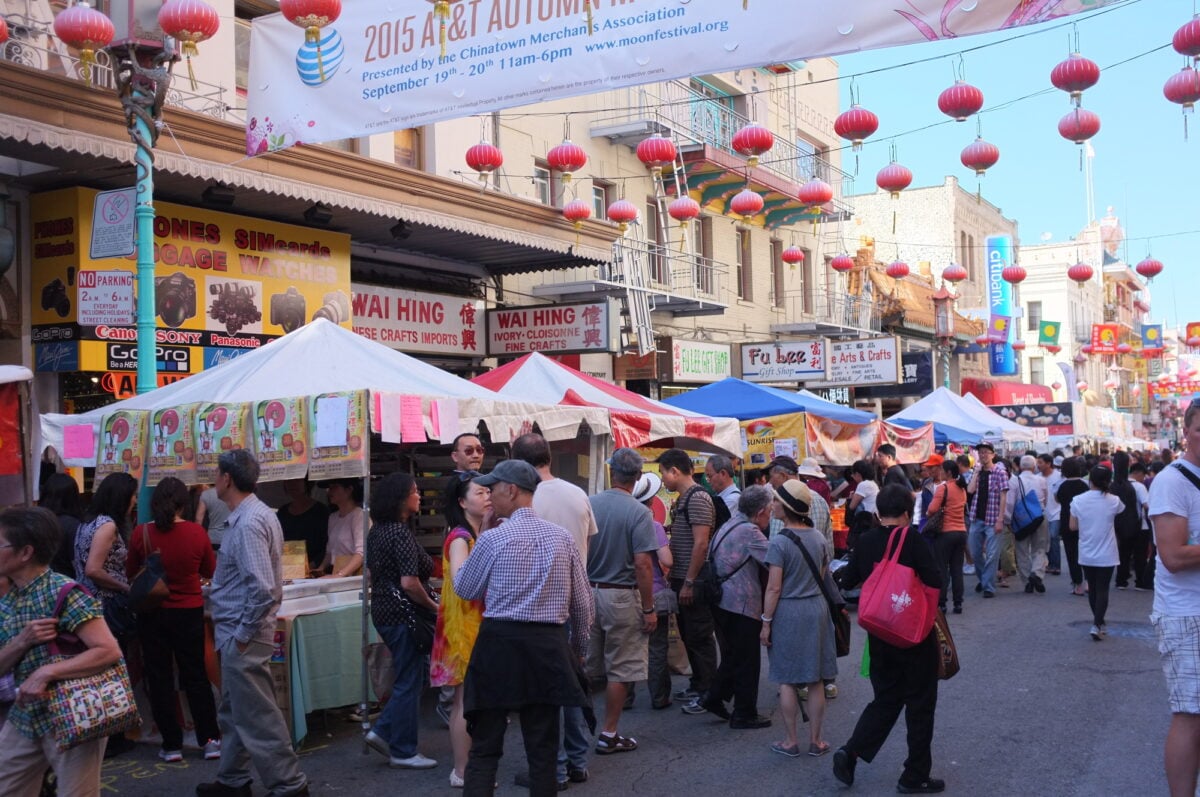
What keeps these events alive is how they break the usual flow of life. Out there, it does not matter who you are or where you come from – only what happens between people counts.
One minute you’re covered in red pulp, next you’re sliding barefoot through wet earth, laughing at nothing. Belonging shows up in odd ways: rolling downhill after a wheel of cheese, shouting with a crowd, breathing the same air.
It is not about the ritual but the sudden shift – faces that were unknown now move together like one body. For some hours, separation fades and everyone shares the same rhythm.
More from Go2Tutors!

- The Romanov Crown Jewels and Their Tragic Fate
- 13 Historical Mysteries That Science Still Can’t Solve
- Famous Hoaxes That Fooled the World for Years
- 15 Child Stars with Tragic Adult Lives
- 16 Famous Jewelry Pieces in History
Like Go2Tutors’s content? Follow us on MSN.



