Photos of the Most Expensive Coins Ever Sold to a Private Collector
The world of numismatics operates like a secret society where whispered conversations about metal and mint marks can involve sums that dwarf the GDP of small nations. Coin collectors don’t just buy objects — they acquire pieces of history that fit in the palm of their hand, each one carrying stories of empires, revolutions, and the steady march of time.
When these rare specimens surface at auction, the results can be staggering.
1933 Double Eagle
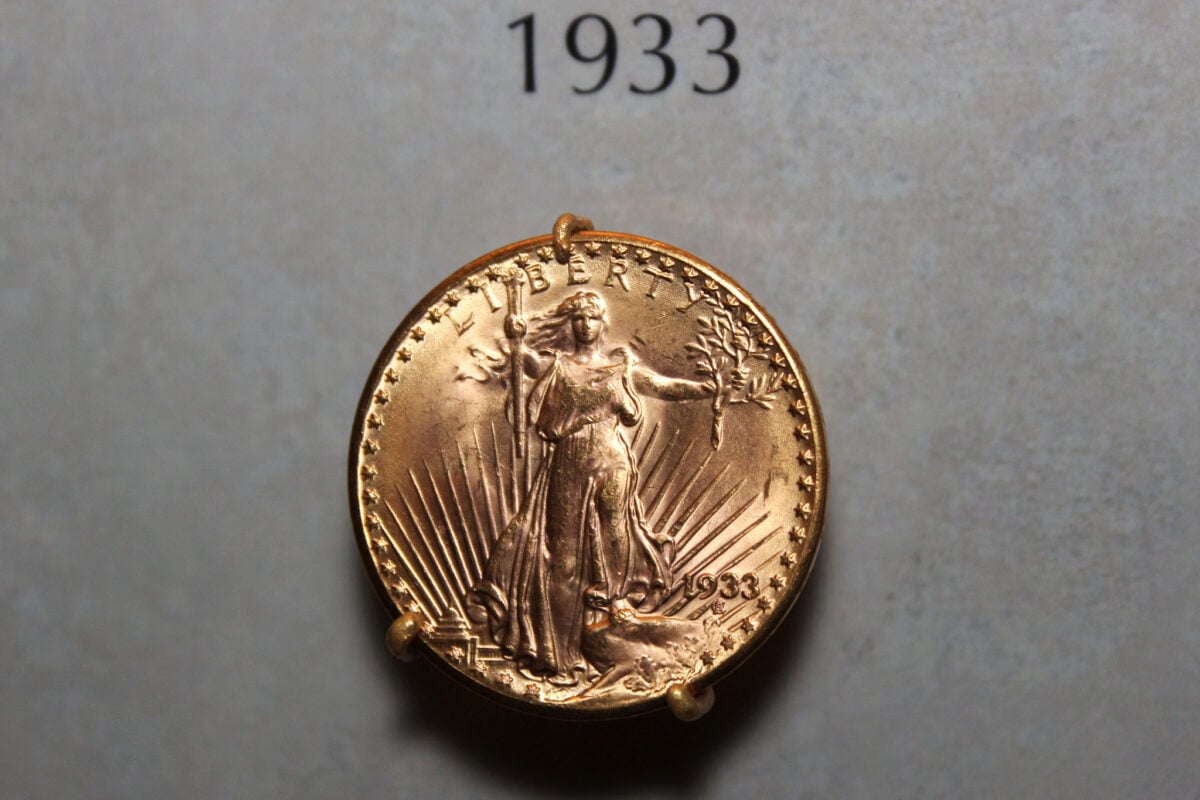
This coin shouldn’t exist. The U.S. government ordered nearly half a million of these gold pieces melted down before they ever reached circulation. Most were destroyed.
A handful survived.One specimen sold for $18.9 million in 2021, making it the most expensive coin ever purchased by a private collector.
The price reflects more than rarity — it represents decades of legal battles between collectors and the federal government over who actually owns these forbidden treasures.
1787 Brasher Doubloon
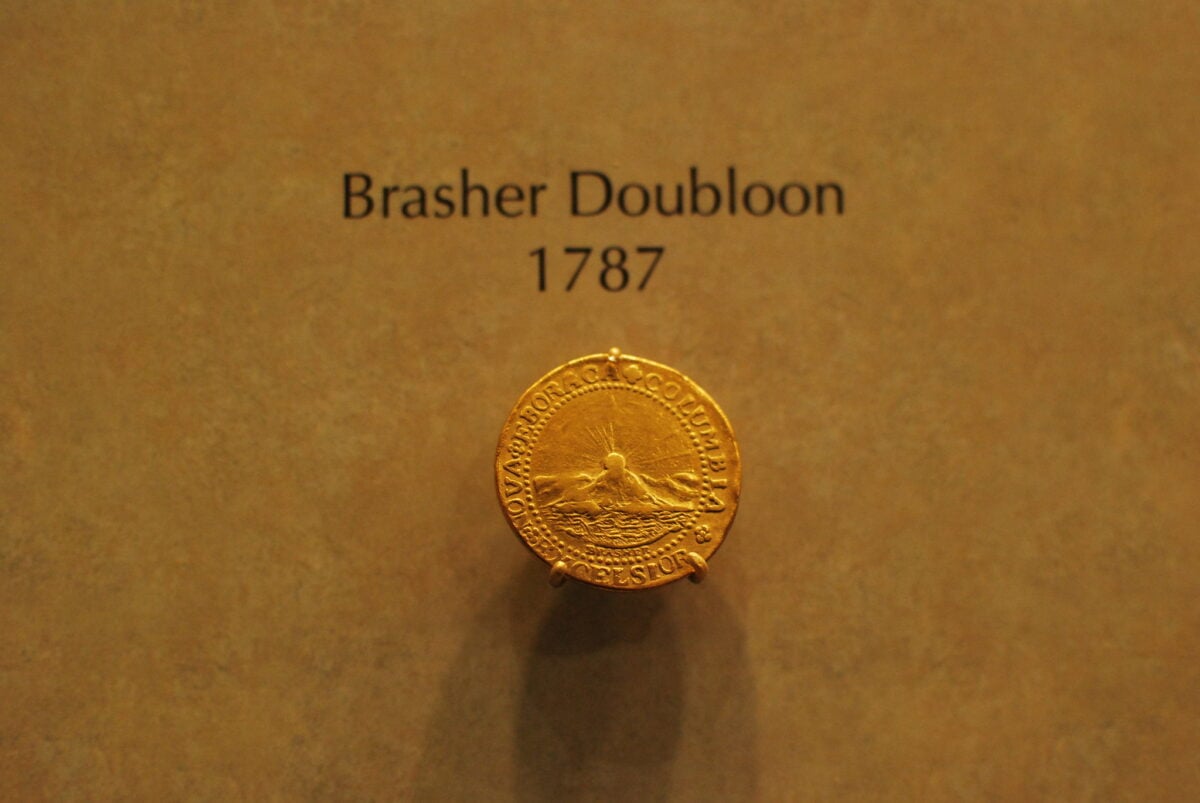
Before the United States had an official mint, a goldsmith named Ephraim Brasher created his own coins in New York. The audacity of the act (making your own money tends to attract government attention) combined with the coin’s role as one of America’s first gold pieces makes it extraordinarily valuable.
So when one appeared at auction in 2021, the bidding didn’t stop until it reached $9.36 million — and even then, you get the sense that someone, somewhere, was willing to go higher. The coin represents something that collectors prize above almost everything else: a moment when the rules hadn’t been written yet.
1822 Half Eagle
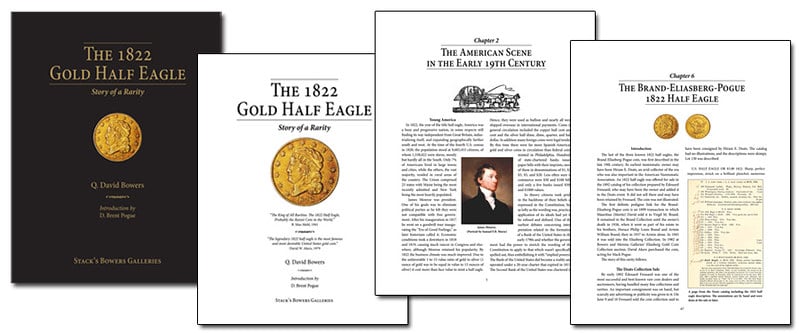
Gold coins from 1822 occupy a strange place in American numismatics, where the gap between what should exist and what actually survives creates value that defies normal logic. The U.S. Mint records show that 17,796 half eagles were supposedly produced that year, but finding one today requires the kind of luck typically reserved for lottery winners or people who discover oil in their backyard (and sometimes the oil would be worth less).
Only three examples are known to exist — which is the sort of rarity that turns grown collectors into trembling bidders at auction houses, knowing that this might represent their only chance in a lifetime to own something genuinely irreplaceable.The auction result reflected that desperation: $8.4 million for a coin roughly the size of a modern quarter, but carrying the weight of American monetary history in its gold content and the dreams of every serious collector who understands that some things, once lost, never surface again.
1343 Edward III Florin
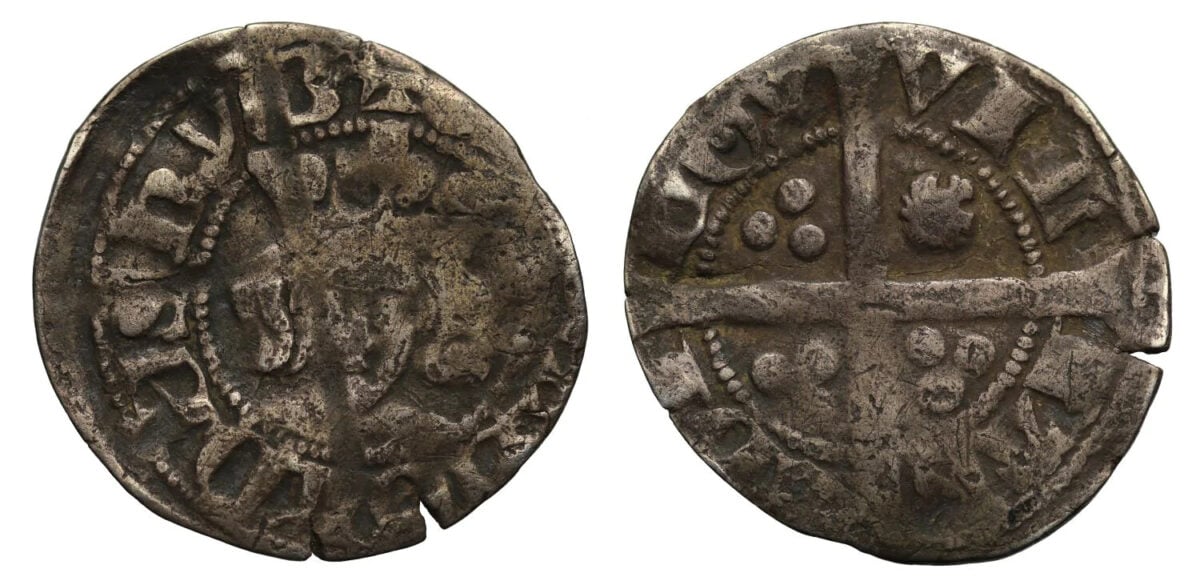
Medieval English coins carry a mystique that modern money cannot match. The Edward III Florin, minted in 1343, represents one of England’s first attempts at gold coinage — an experiment that lasted exactly one year before being abandoned.
The coin’s brief existence created an accidental rarity. When one sold for $6.8 million, the price reflected centuries of survival against impossible odds.
Most medieval coins were melted, lost, or buried in hoards that were never recovered. This one made it through plague, war, and the simple passage of time.
1787 Fugio Cent
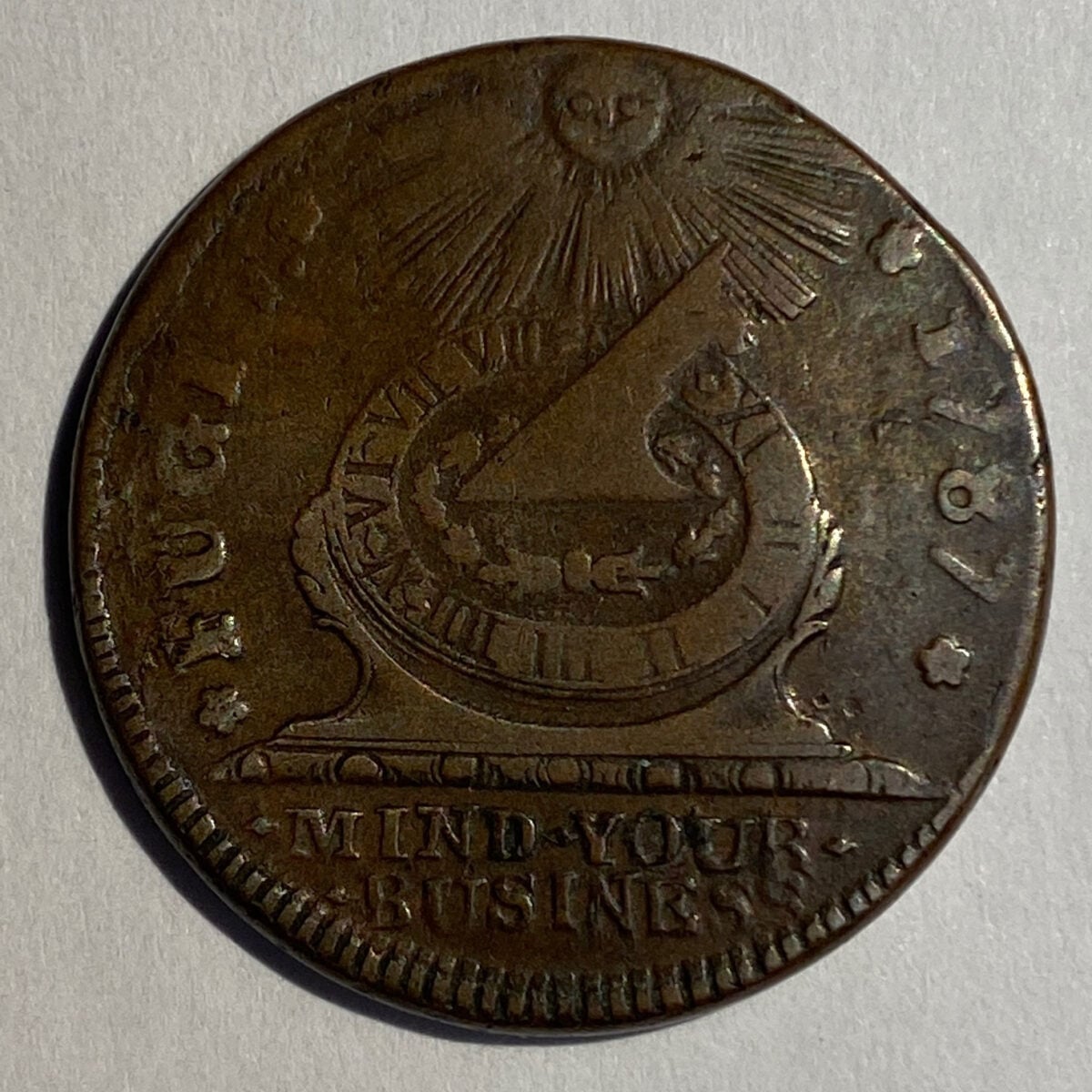
The phrase “Mind Your Business” appears on this copper coin, along with Benjamin Franklin’s design showing thirteen chain links representing the original colonies. As America’s first official cent, it carries symbolic weight that collectors find irresistible — even though (or perhaps because) its message feels like Franklin personally telling future generations to focus on their own affairs rather than obsessing over old coins.
But collectors rarely follow good advice, which explains why someone paid $5.9 million for this particular example in 2020. The coin survived in remarkable condition, maintaining sharp details that most copper pieces from the era lost decades ago to corrosion and wear.
Sometimes the best investment advice comes stamped on the investment itself, and sometimes you ignore it completely.
1894-S Barber Dime
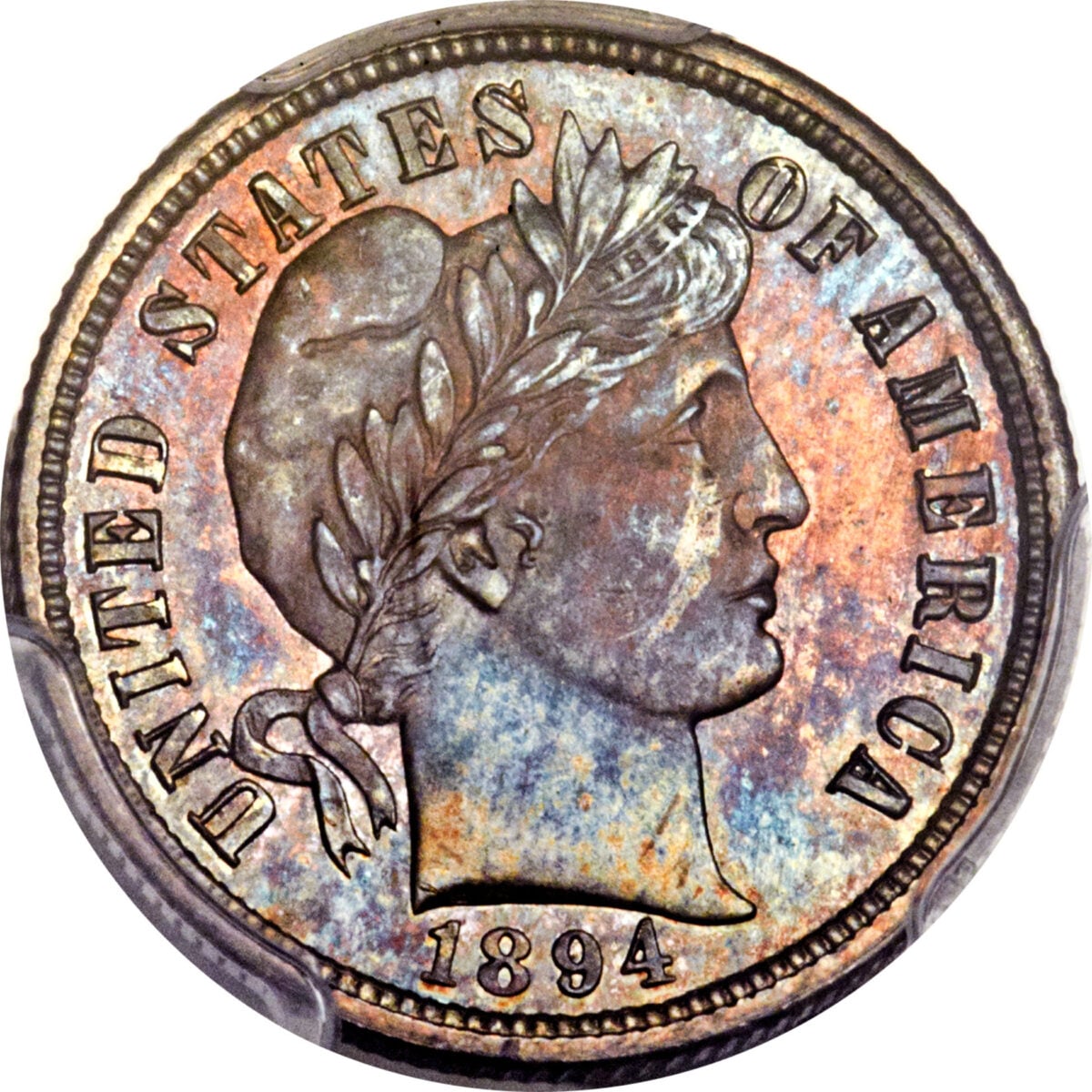
Only twenty-four of these dimes were ever made. Nine survive today. The San Francisco Mint produced them for reasons that remain unclear — possibly as presentation pieces, possibly to balance the books at year’s end.
The mystery adds to their appeal. When one sold for $5 million in 2019, the buyer wasn’t just purchasing a rare coin but a numismatic puzzle that will never be completely solved.
Some stories improve when key details remain missing.
1796 Draped Bust Quarter
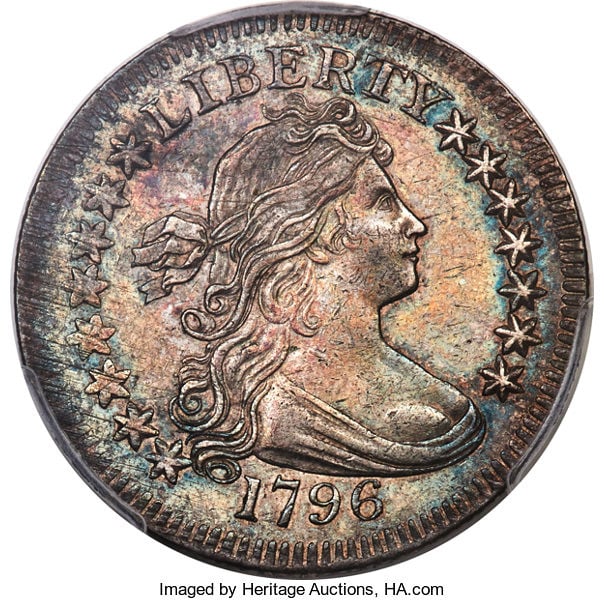
Early American quarters tell the story of a young nation trying to establish its monetary identity while borrowing heavily from European design traditions (because creating something entirely new is harder than it sounds, and the results are usually less elegant than expected). The 1796 Draped Bust Quarter represents one of those tentative first steps, with Lady Liberty draped in classical robes that would have been perfectly at home on Roman coins from centuries earlier, surrounded by stars that announced this was definitely an American creation — a combination that should have felt awkward but somehow worked.
The coin’s small mintage and the tendency for early silver pieces to disappear into circulation, get damaged, or simply vanish over time created a scarcity that modern collectors recognize immediately.And yet the design carries a confidence that the new nation was perhaps still growing into: Lady Liberty gazes serenely from the obverse, surrounded by thirteen stars representing the original colonies.
So when one sold for $4.9 million, the price reflected both rarity and the appeal of owning a piece from the moment when America was still figuring out what its money should look like.
1870-S Seated Liberty Dollar
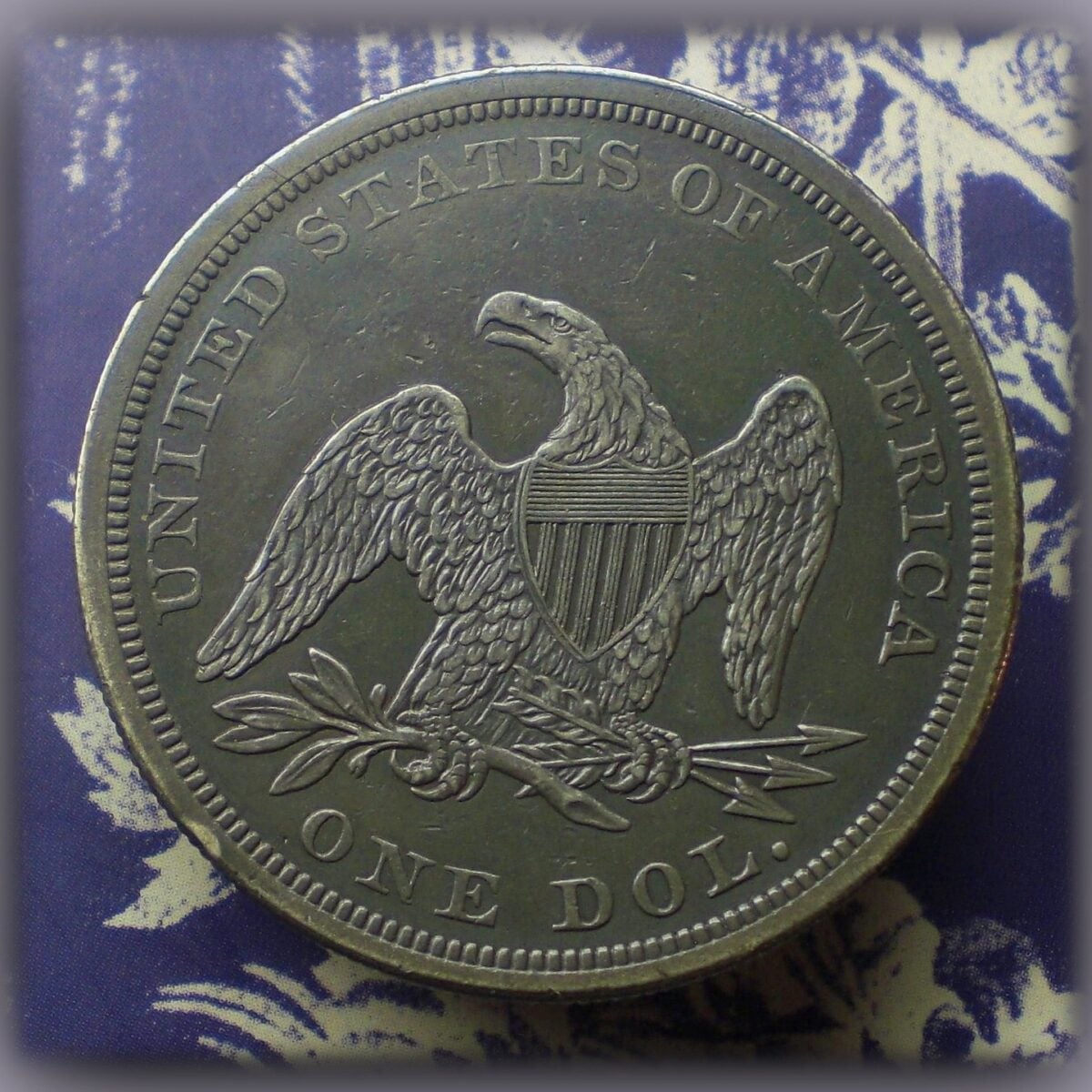
The great San Francisco fire of 1906 destroyed more than buildings and lives — it erased numismatic history that can never be recovered. The flames consumed mint records, melted coins waiting for distribution, and turned decades of monetary production into slag and ash.
Among the casualties were nearly all examples of the 1870-S Seated Liberty Dollar. Only one confirmed specimen survived the fire and the century that followed.
When it changed hands for $4.1 million, the transaction represented something beyond collecting: the preservation of a piece that fire, time, and chance had tried repeatedly to eliminate. Some coins survive because they were carefully preserved.
This one survived because it was lucky.
1861 Confederate Half Dollar
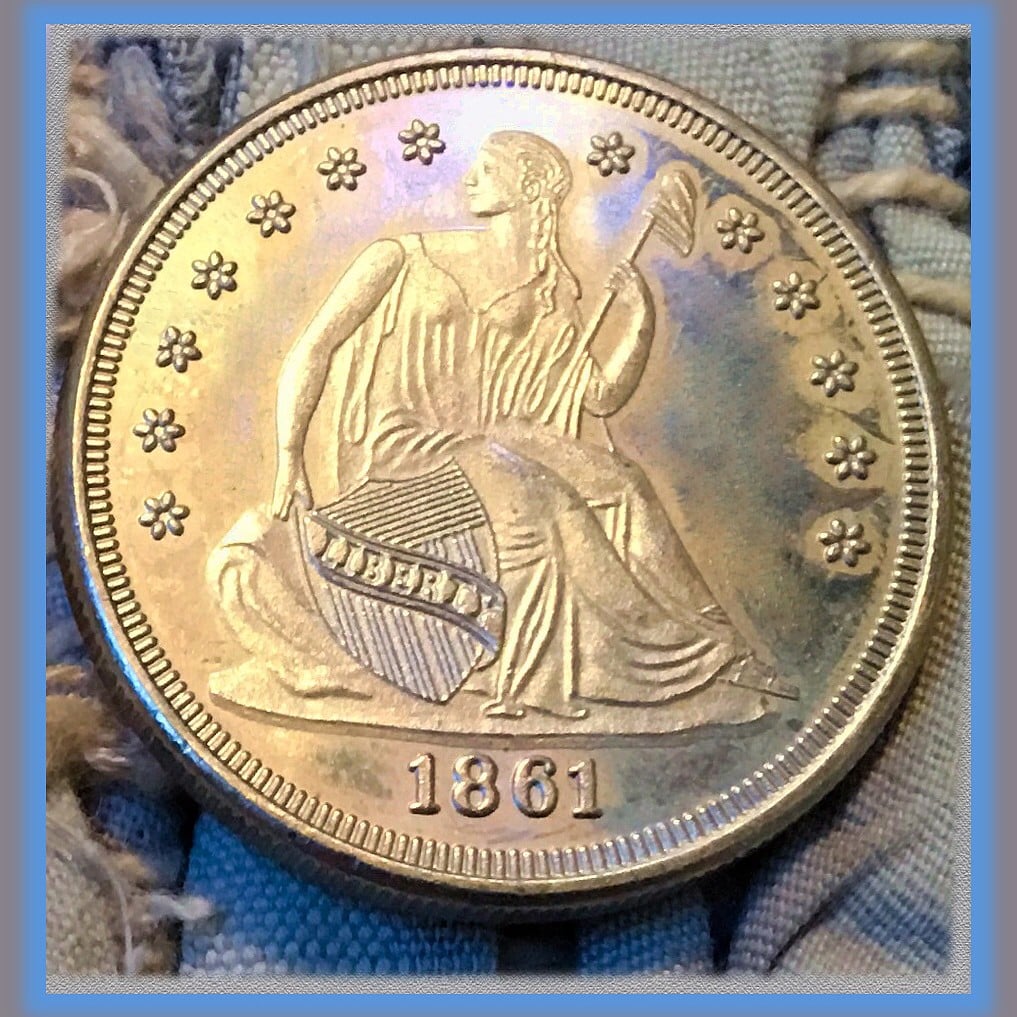
The Confederacy lasted four years. Its currency lasted even less time before inflation made it effectively worthless.
The experimental half dollar from 1861 represents Southern ambitions that reality quickly overtook.Only four examples were struck before the project was abandoned.
The coin exists as a reminder that not all monetary experiments succeed — and that failure sometimes creates more interesting collectibles than success. At $3.96 million, it commands prices that the Confederacy itself could never have afforded to pay.
1792 Silver Center Cent
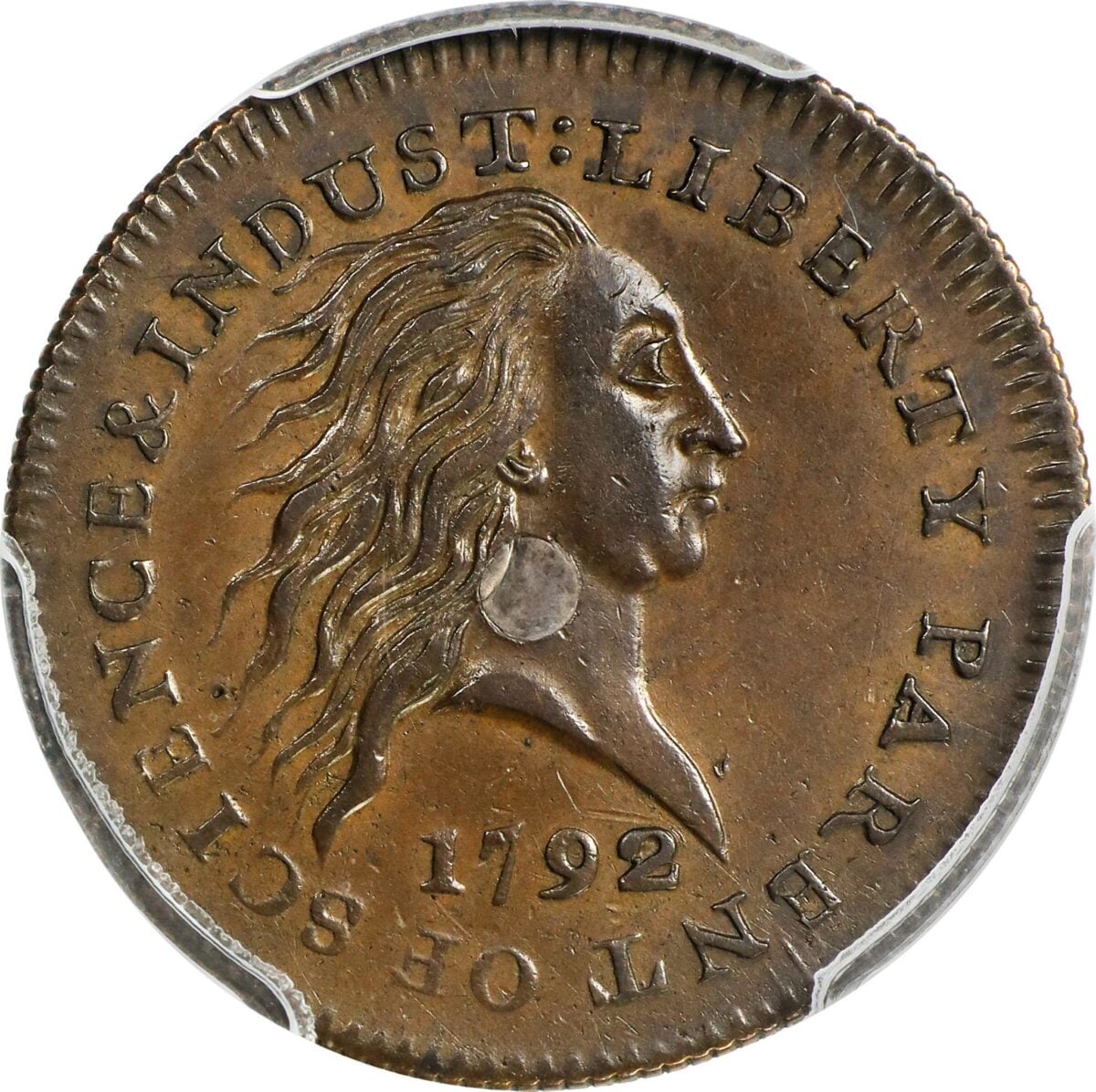
Before the U.S. Mint settled on its standard designs, experimental pieces tested different approaches to American coinage. The 1792 Silver Center Cent embedded a small silver plug in a copper coin — an attempt to give the cent its full metallic value while keeping it practical for daily use.
The experiment failed. Inserting silver plugs into copper blanks proved too expensive and time-consuming for regular production.
But the few surviving examples showcase American ingenuity in its trial-and-error phase, when every monetary decision was still open for debate. One sold for $2.6 million in 2015.
1907 Ultra High Relief Double Eagle
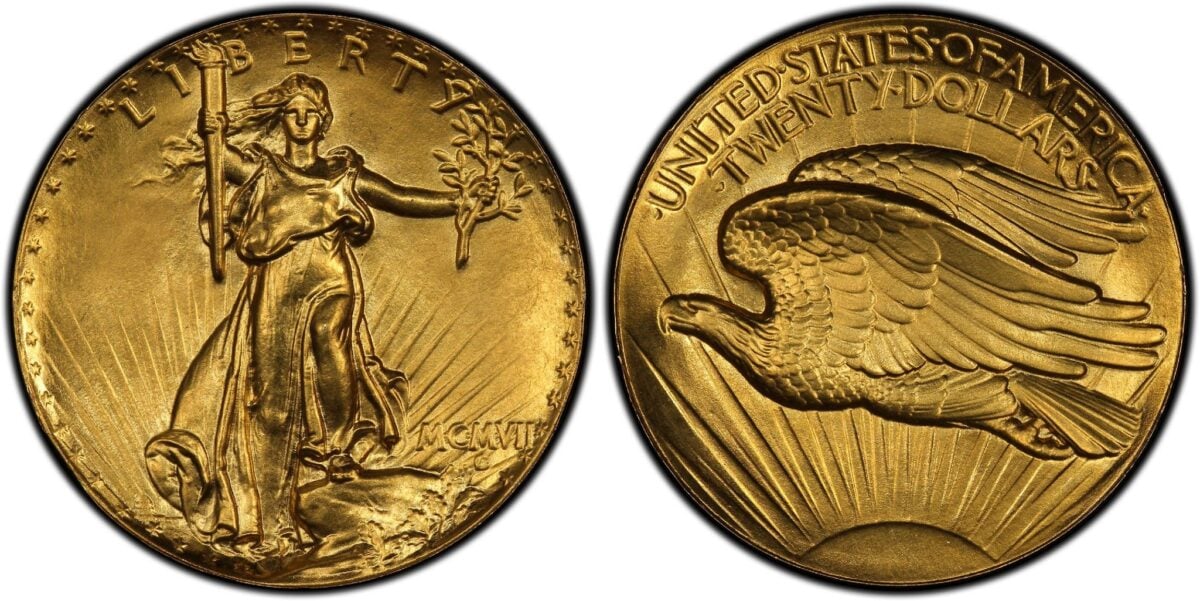
Augustus Saint-Gaudens designed what many consider the most beautiful American coin ever created. The relief was so high that the minting process required multiple strikes to bring up the details properly.
Each coin took several minutes to produce instead of the usual seconds. Beautiful but impractical.
The mint quickly moved to a lower relief version for regular production. The ultra high relief pieces became instant collector favorites — art that happened to be legal tender.
When one sold for $2.76 million, the price reflected both aesthetic appreciation and the reality that some designs are too good for mass production.
1838-O Capped Bust Half Dollar
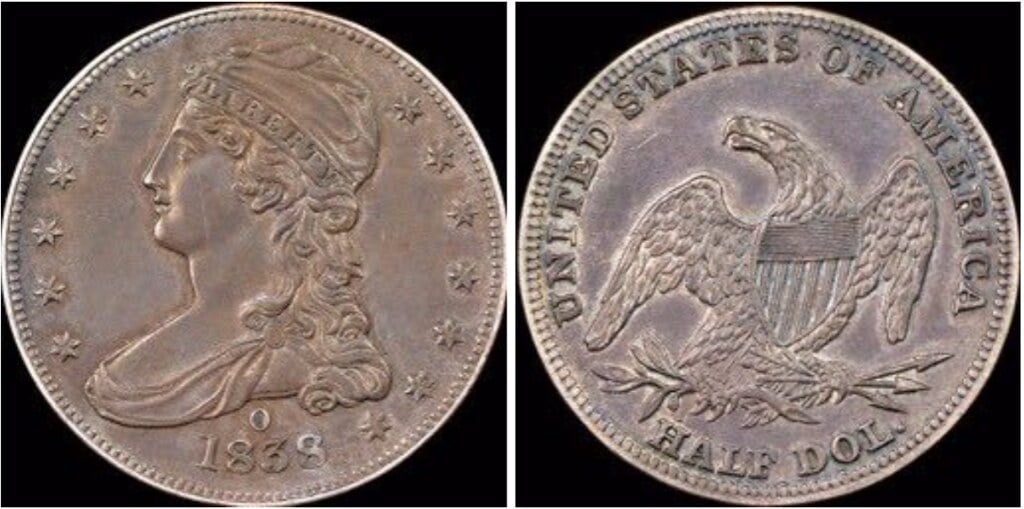
The New Orleans Mint opened in 1838 with ambitious plans and immediate problems. Equipment arrived damaged, experienced workers were scarce, and the humid Louisiana climate created challenges that the Philadelphia Mint never faced.
The first coins produced showed these difficulties. The 1838-O Capped Bust Half Dollar exists in tiny quantities because the mint struggled through its inaugural year. Surviving examples carry the marks of those early struggles — die cracks, weak strikes, and other imperfections that somehow make them more appealing to collectors.
One sold for $2.4 million, proving that sometimes the best stories come from the worst beginnings.
1913 Liberty Head Nickel
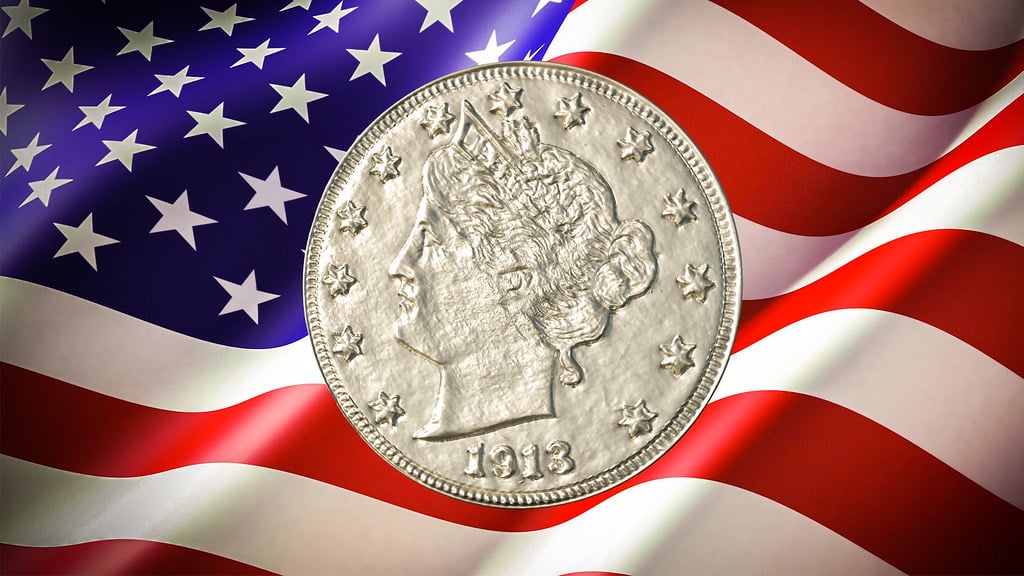
Five coins. That’s all that exist of the 1913 Liberty Head Nickel — pieces that were never supposed to be minted, created by someone at the U.S. Mint who apparently decided that rules were more like suggestions.
The unauthorized nature of their creation adds intrigue that authorized coins can’t match. Each of the five has its own story of discovery and ownership.
When one sold for $4.2 million in 2018, the transaction continued a tradition of these coins changing hands at record prices. Forbidden fruit tends to command premium pricing.
The Weight of Metal and Time
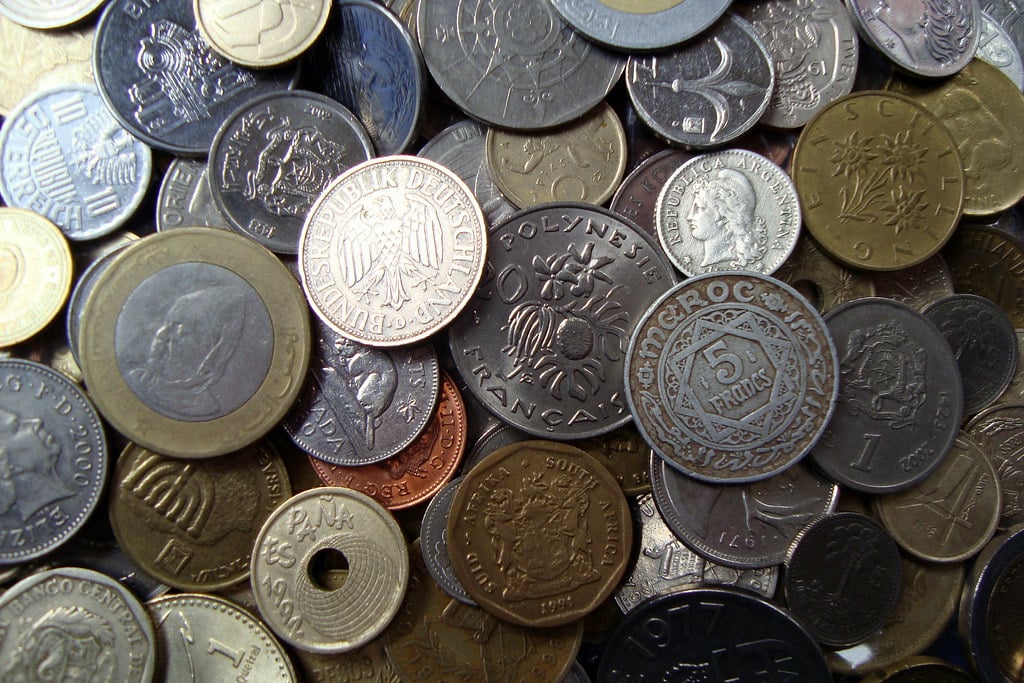
Coin collecting transforms pocket change into historical artifacts, where the distance between face value and actual worth can span millions of dollars. These sales represent more than transactions — they’re acts of preservation, ensuring that pieces of monetary history remain in private hands rather than disappearing into institutional vaults or, worse, melting pots.
The prices reflect scarcity, condition, and story in equal measure. A coin’s journey through centuries of circulation, storage, and ownership creates a provenance that can’t be manufactured or replicated.
When collectors pay these sums, they’re buying tangible connections to moments when nations were young, experiments were bold, and the future was still unwritten.
More from Go2Tutors!

- The Romanov Crown Jewels and Their Tragic Fate
- 13 Historical Mysteries That Science Still Can’t Solve
- Famous Hoaxes That Fooled the World for Years
- 15 Child Stars with Tragic Adult Lives
- 16 Famous Jewelry Pieces in History
Like Go2Tutors’s content? Follow us on MSN.