15 Rare photos of Alaska during the famous Klondike gold rush
Picture yourself standing in a dusty archive room, carefully turning through yellowed photographs that haven’t seen daylight in decades. Each image captures a moment frozen in time from one of America’s most legendary chapters — the Klondike Gold Rush of the late 1890s.
These rare photographs tell stories that history books can only hint at, revealing the raw determination, backbreaking labor, and wild hope that drove thousands of prospectors north to Alaska’s unforgiving wilderness.
Prospectors climbing the treacherous Chilkoot Pass
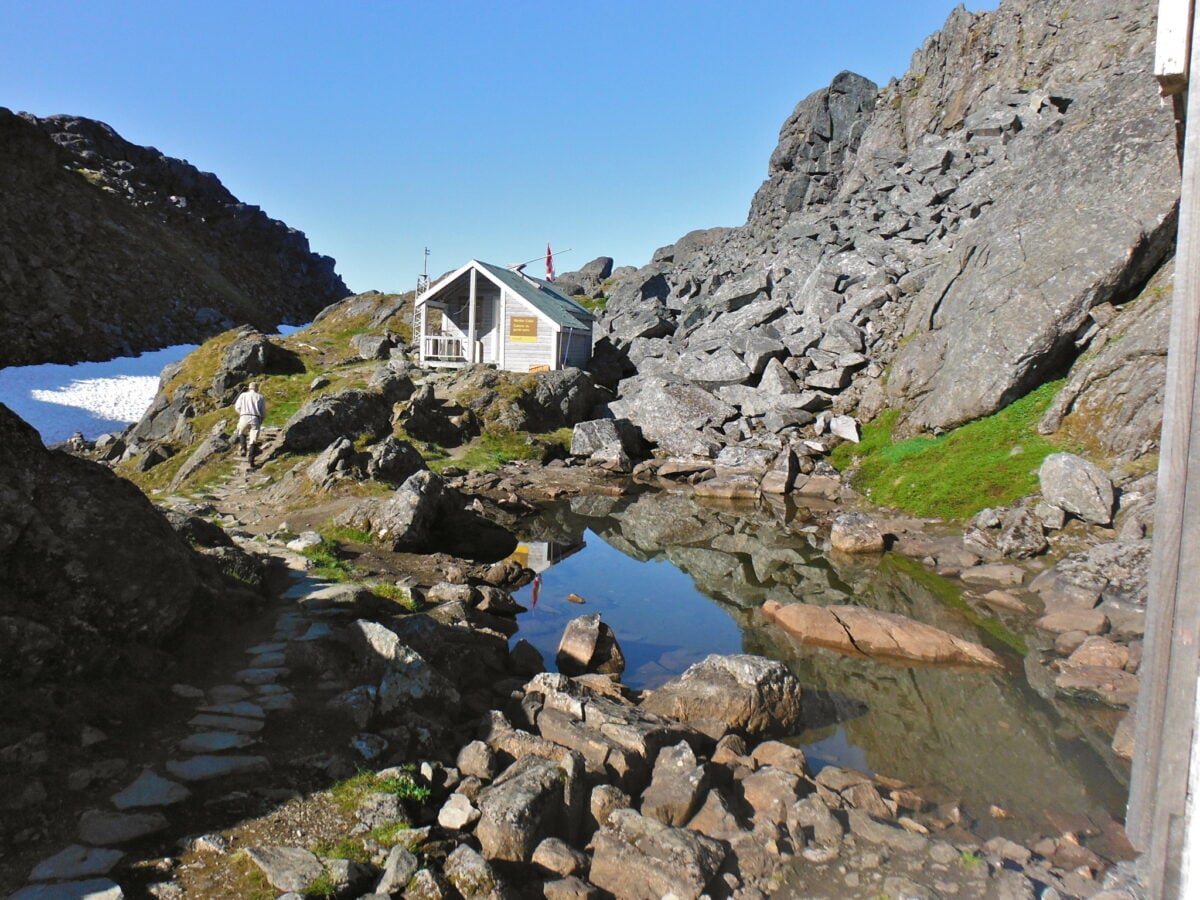
The Chilkoot Pass. Thirty-three miles of misery carved into the mountains between Alaska and Canada.
This photograph shows a single-file line of men bent under crushing loads, each carrying their mandatory ton of supplies up the infamous “Golden Stairs” — 1,500 steps cut into solid ice.
Steam ships packed beyond capacity in Seattle Harbor
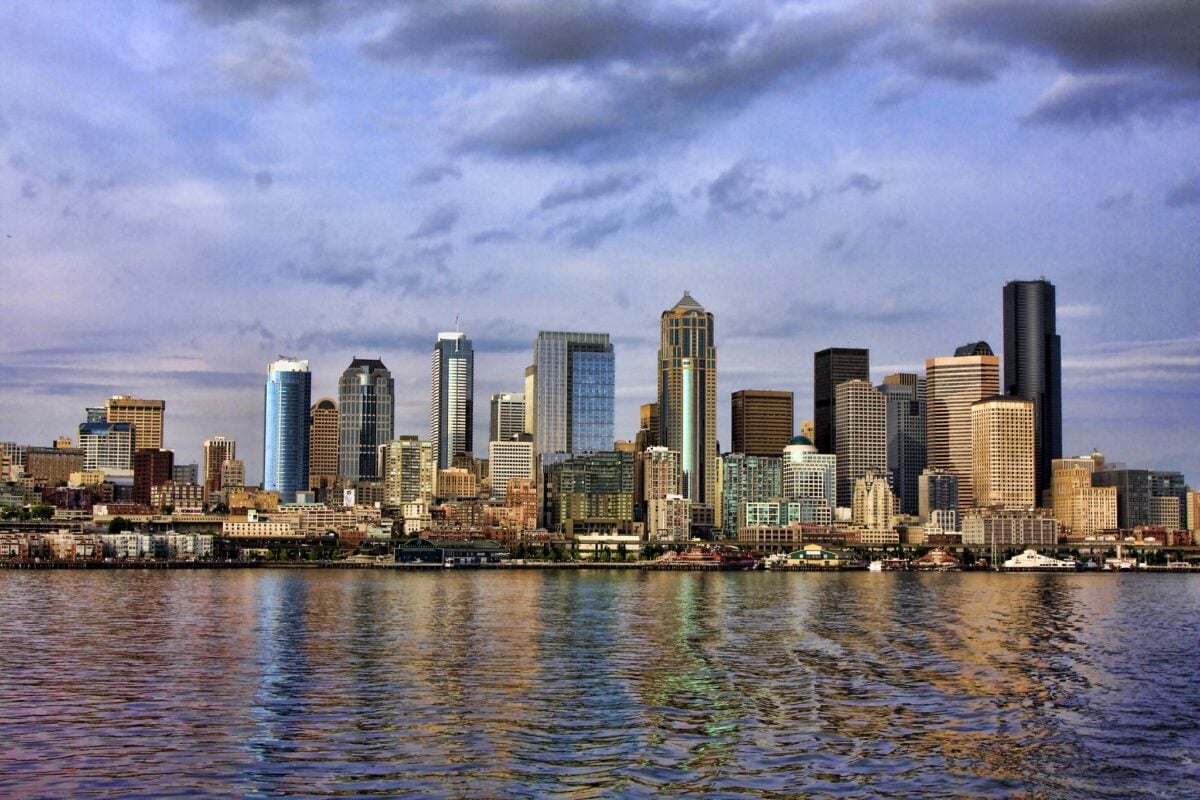
Seattle’s harbor transformed into organized chaos almost overnight. Ships designed for 200 passengers regularly carried 800, with prospectors sleeping in shifts and cargo spilling across every deck (the maritime safety regulations of today didn’t exist then, which explains how vessels that should have sunk somehow made it to Skagway).
And yet these overcrowded steamers became floating communities where strangers shared their last biscuits and formed partnerships that would last through months of Alaskan wilderness — or until the first disagreement over a claim, whichever came first.
The tent city of Skagway in its chaotic prime
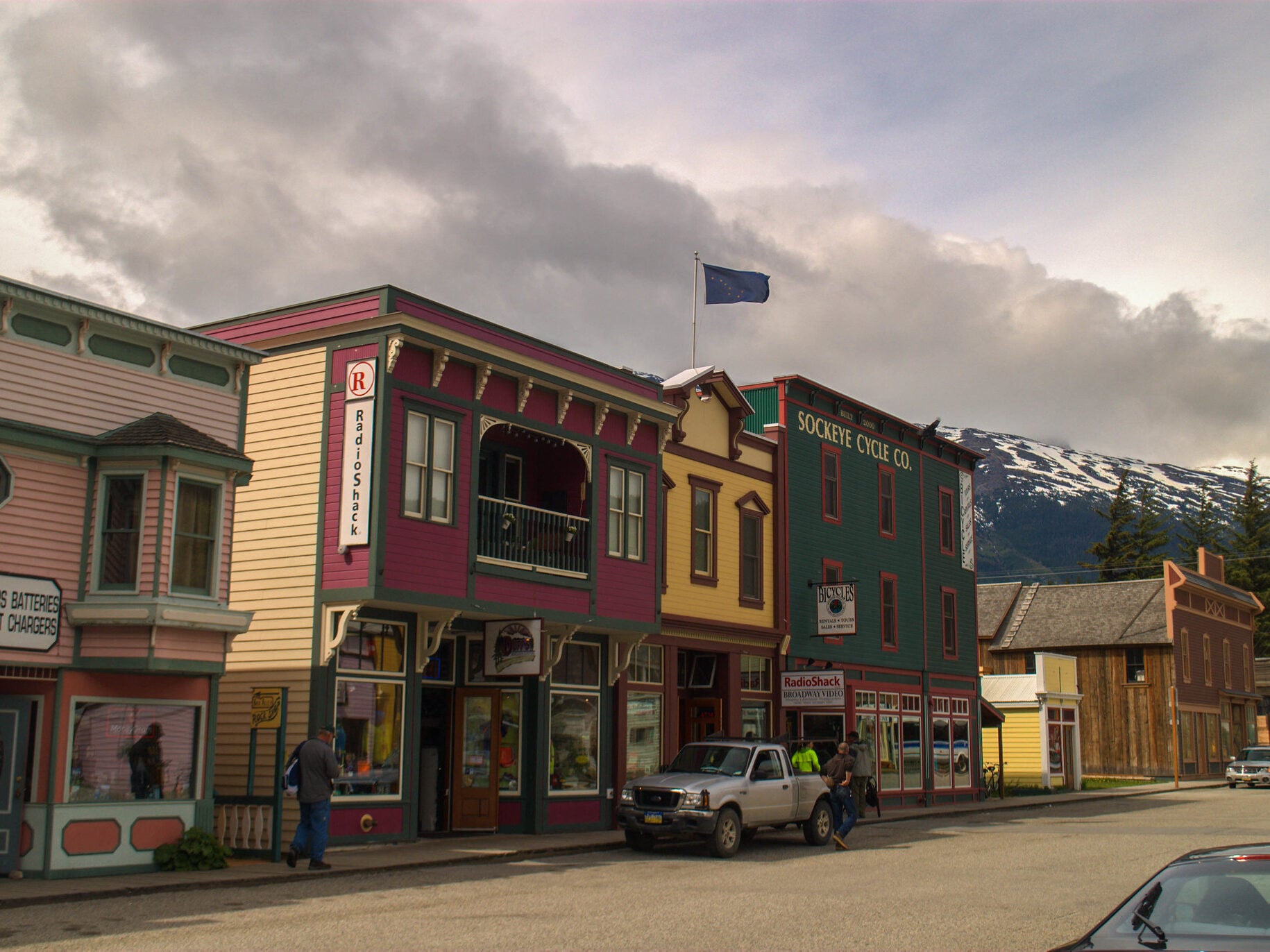
Skagway appears in this photograph like a fever dream made of canvas and hope. Ten thousand people crammed into a space meant for a few hundred, with tents pitched so close together you could hear your neighbor’s dreams and disappointments through the thin fabric walls.
The mountains loom behind the settlement like silent judges, indifferent to the human ambition spreading across their feet.
Men hauling supplies across the frozen Yukon River
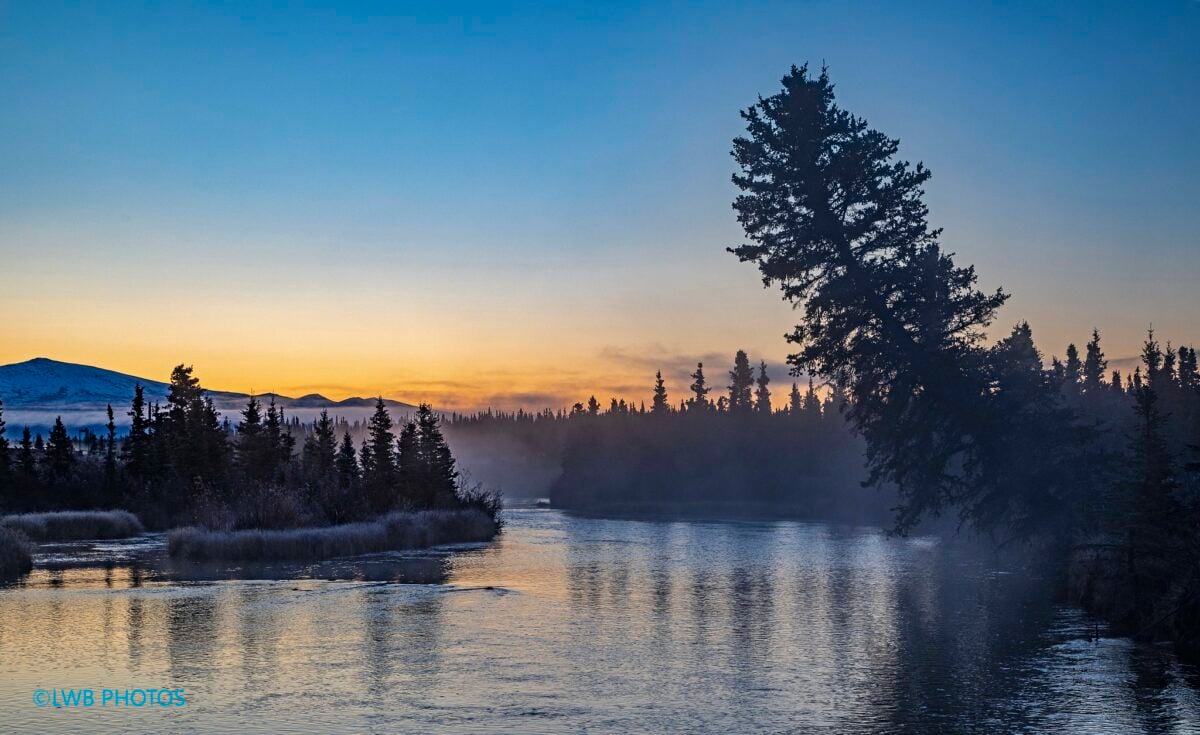
Hauling a year’s worth of supplies across frozen rivers was standard procedure. No shortcuts existed.
You either moved your gear or you starved, and the Canadian government made sure everyone understood this by requiring each prospector to bring exactly 2,000 pounds of food and equipment before crossing the border.
Women prospectors defying expectations in mining camps
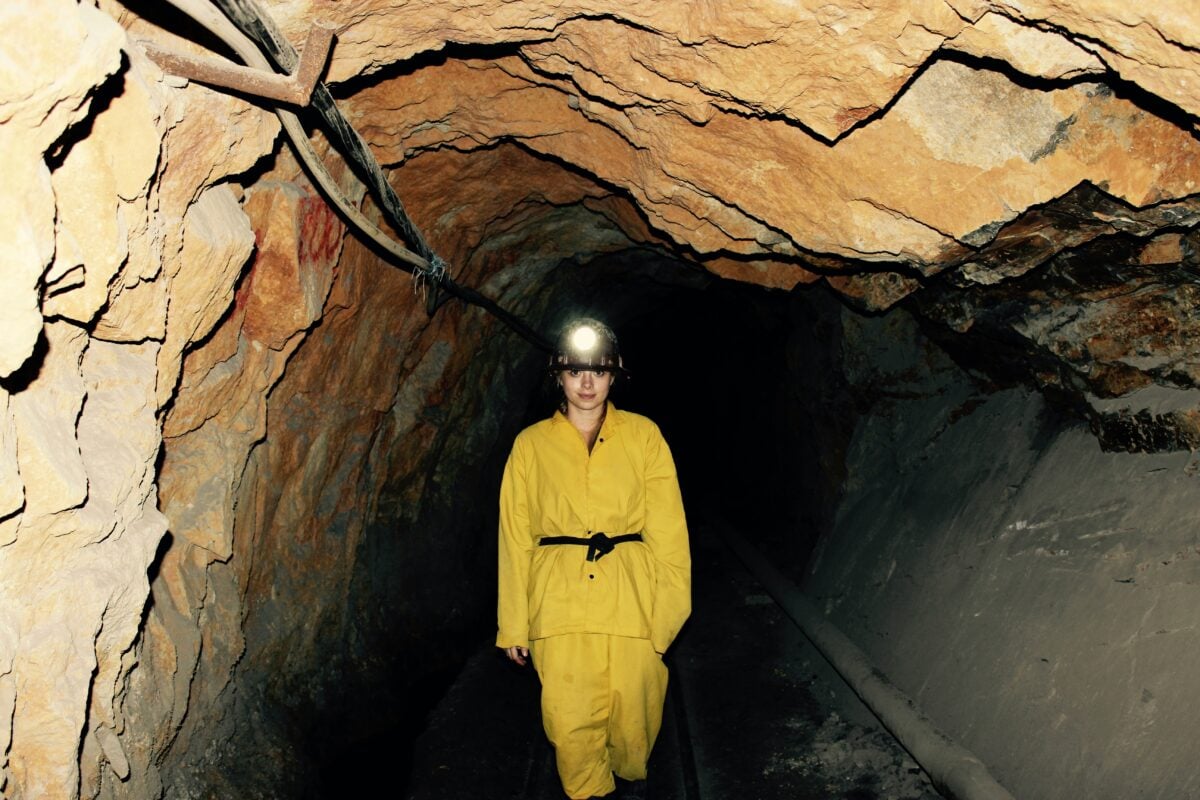
Women showed up too, despite every voice telling them to stay home. This rare photograph captures three women in practical clothing, tools in hand, standing beside their claim with expressions that suggest they knew exactly what they were doing.
The mining camps weren’t built for women, but that turned out to be someone else’s problem.
The notorious Soapy Smith’s gambling parlor
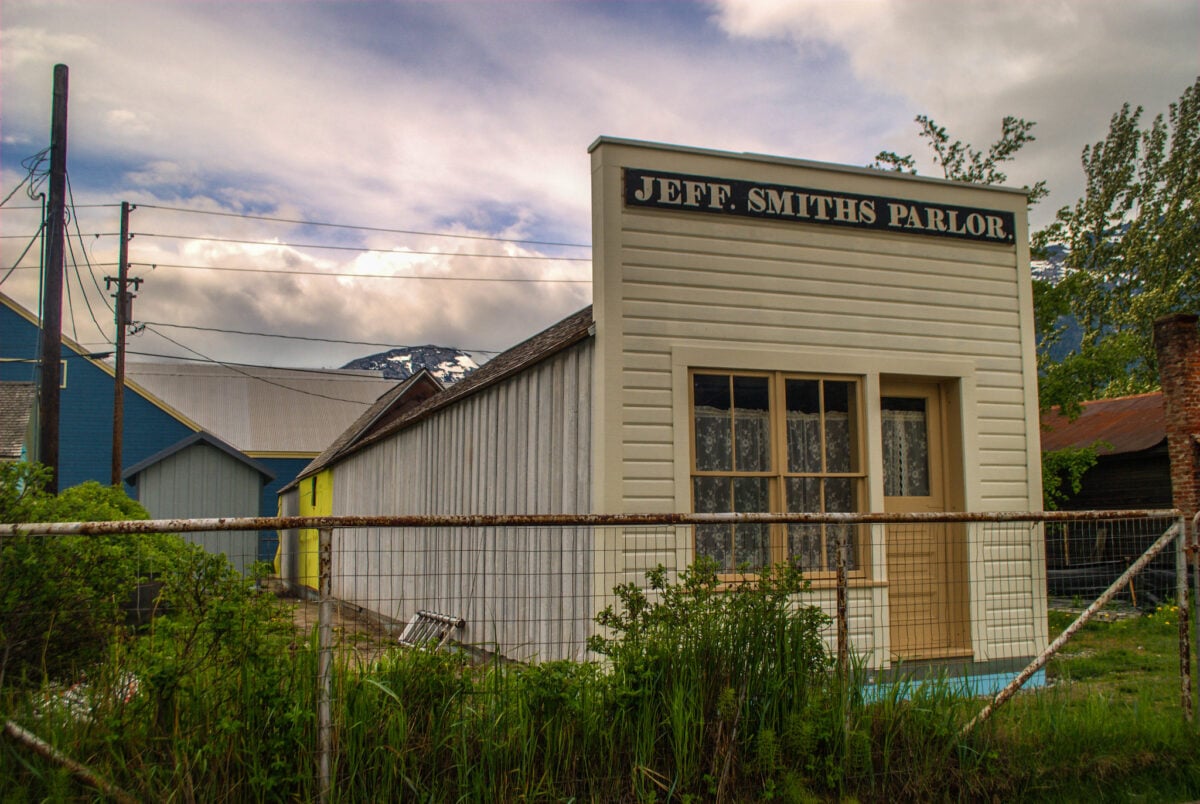
Jefferson “Soapy” Smith ran Skagway like his personal kingdom until someone finally shot him in 1898 — which tells you most of what you need to know about frontier justice and the lifespan of con men who pushed their luck too far. His gambling parlor, captured here in all its smoky glory, separated more prospectors from their money than bad claims and harsh winters combined (and considering the competition, that’s saying something).
So this single room probably witnessed more dreams crushed per square foot than anywhere else in Alaska, yet men kept lining up at the door because hope and desperation make people do interesting things to their common sense.
Pack animals struggling through mountain passes
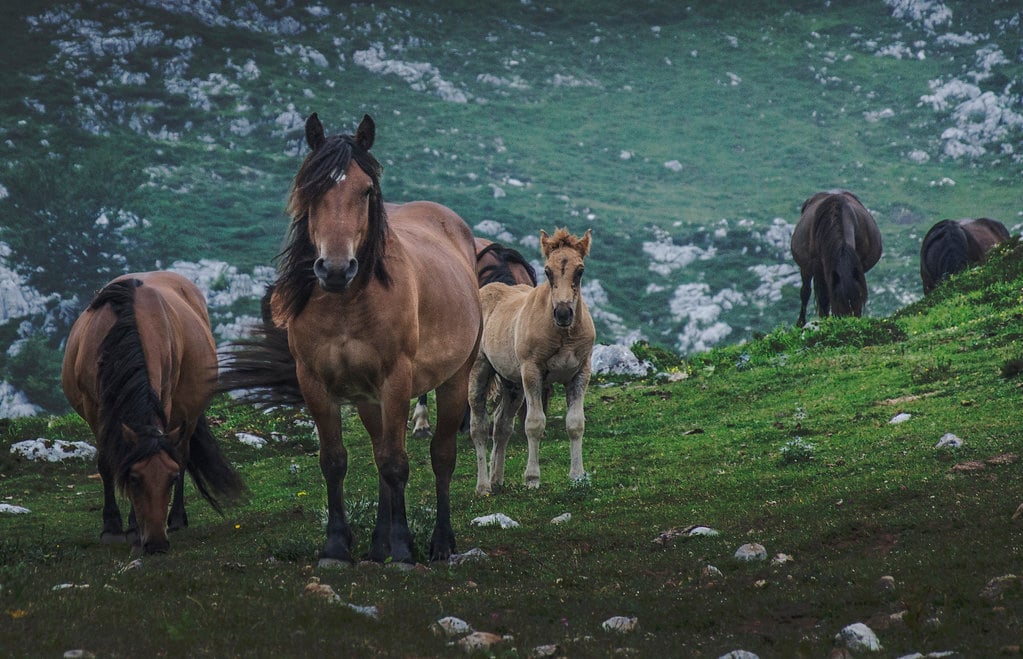
The horses and mules in this photograph carry the weight of human ambition on their backs, but their eyes hold a different story entirely. They didn’t choose this adventure, yet they bore the burden of every prospector’s dream with the kind of stubborn endurance that humans like to think they invented.
These animals knew something their owners refused to acknowledge: that the mountains don’t care about gold, and neither does winter.
The makeshift town of Dyea before its abandonment
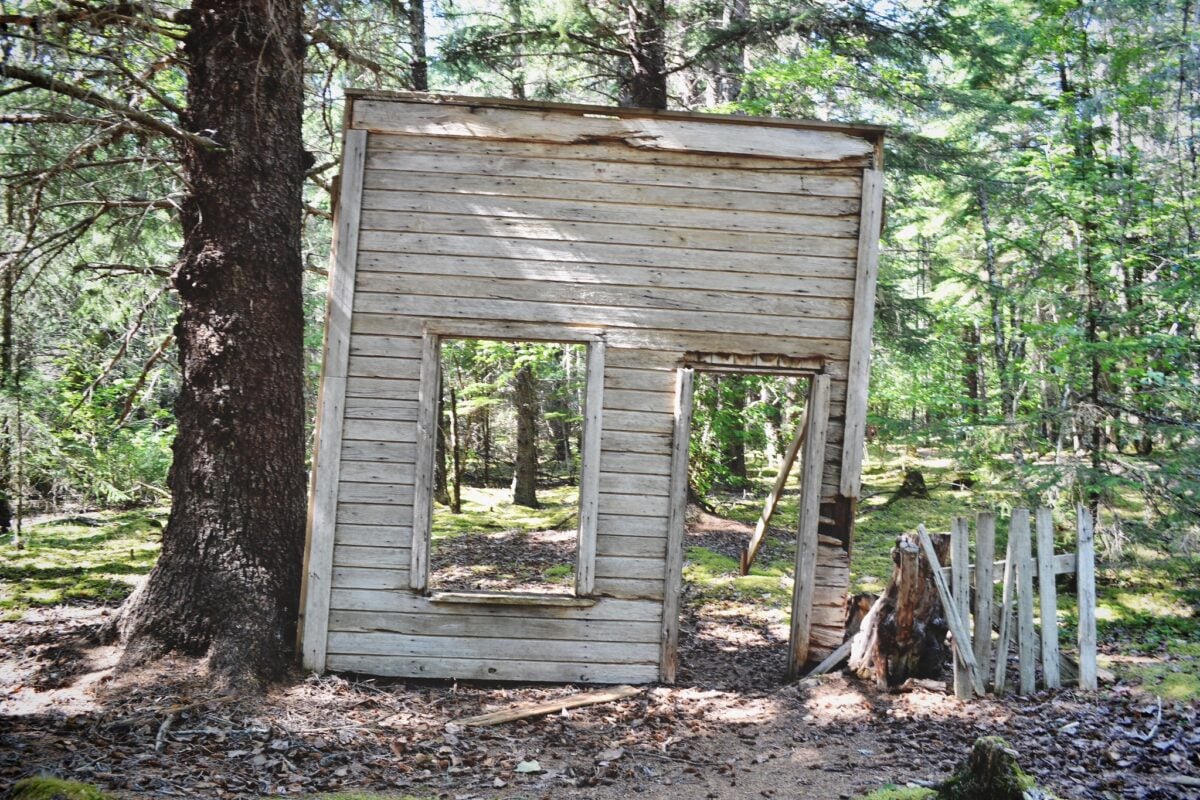
Dyea competed with Skagway as the gateway to gold country. This photograph captures the town at its peak — if you can call a collection of hastily built structures housing desperate people a peak.
Dyea lost the competition and became a ghost town, which proves that even during gold rushes, location matters more than optimism.
Prospectors building boats at Lake Bennett
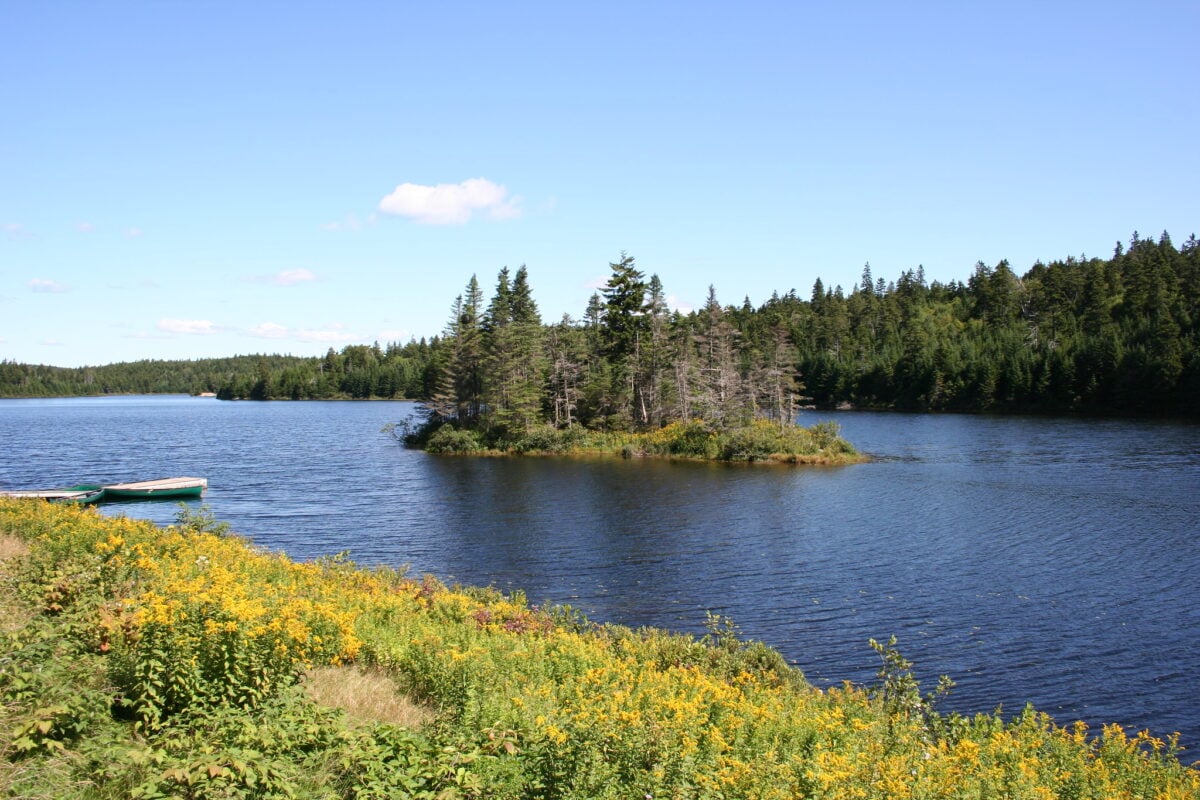
Lake Bennett became an impromptu shipyard where men who had never built anything more complex than a chicken coop suddenly found themselves constructing boats that had to carry them 500 miles downriver — or kill them trying, which happened often enough to keep things interesting.
The endless line of boats heading down the Yukon
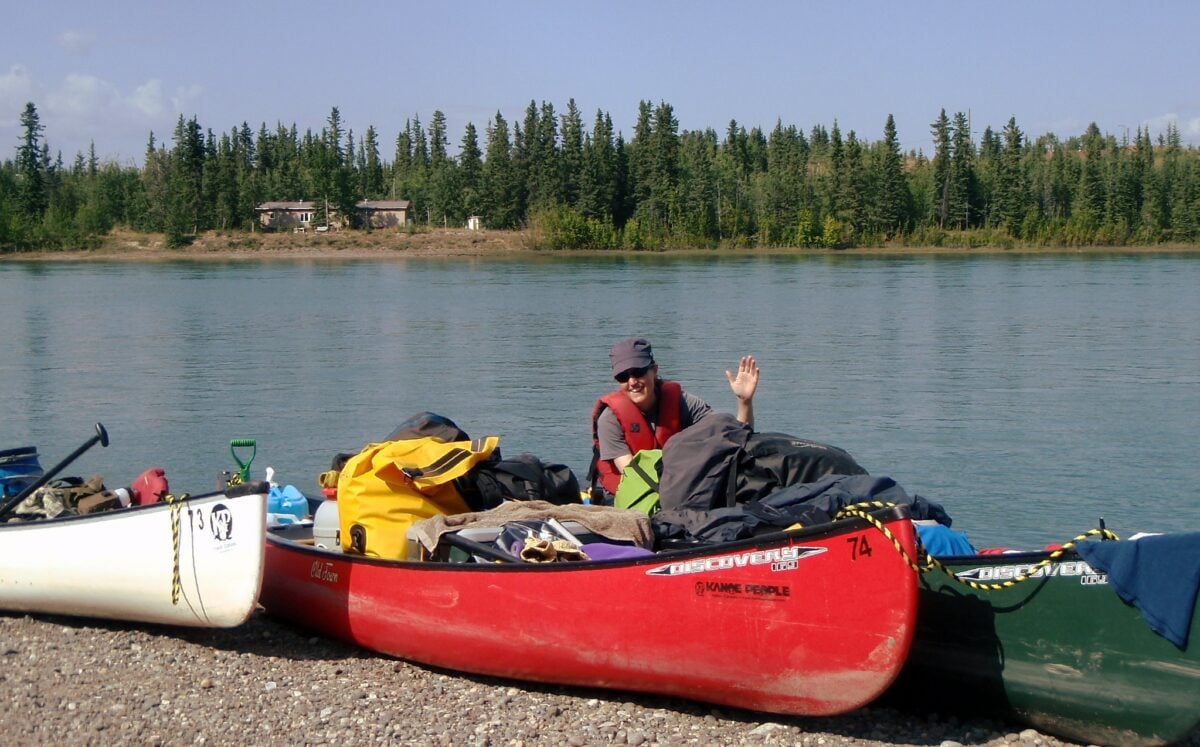
Spring 1898 brought the great flotilla — over 7,000 boats carrying 30,000 prospectors down the Yukon River toward Dawson City and dreams of gold. This aerial photograph captures what might be the largest single migration in American history, a river of humanity following an actual river toward an uncertain future.
Most of these boats carried men who had already spent their life savings just getting this far.
Main Street in Dawson City at its bustling peak
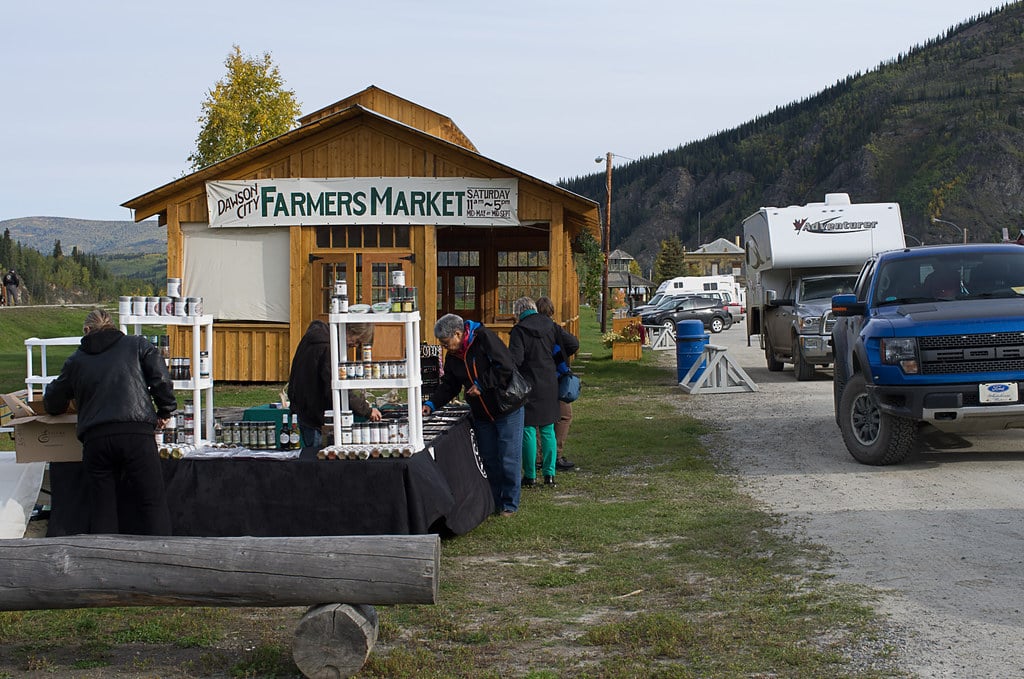
Dawson City exploded from nothing to 30,000 residents faster than infrastructure could follow, which explains why this photograph shows fancy storefronts built directly on muddy streets that turned to swamps when it rained — which it did, frequently. The contrast between the elaborate false fronts and the primitive conditions behind them tells the whole story of gold rush optimism: all show, built on shaky ground, but somehow magnificent in its audacity.
Miners working the creek beds in brutal conditions
Gold mining turned out to be less romantic than advertised. This photograph shows men standing waist-deep in freezing water, bent over rockers and sluices, working claims that more often produced frozen hands than precious metal.
The Klondike summer lasted about three months, and winter mining meant thawing permafrost with fires — assuming you could afford the wood.
The dance halls and saloons of Dawson City
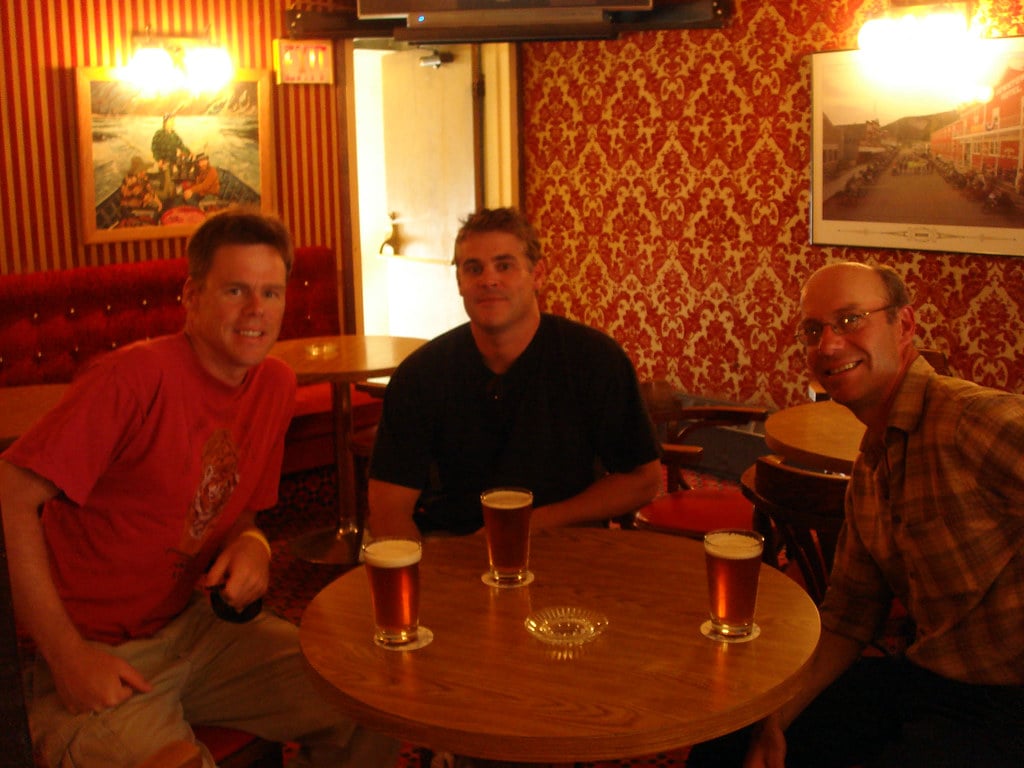
Entertainment in Dawson City meant saloons, dance halls, and gambling — sometimes all three in the same building, which saved time and simplified the process of losing money. This rare interior photograph captures the Diamond Tooth Gertie’s during peak hours, with miners spending gold dust as fast as they could pan it.
The women who worked these establishments often made more reliable fortunes than the prospectors they entertained.
The long journey home for disappointed prospectors
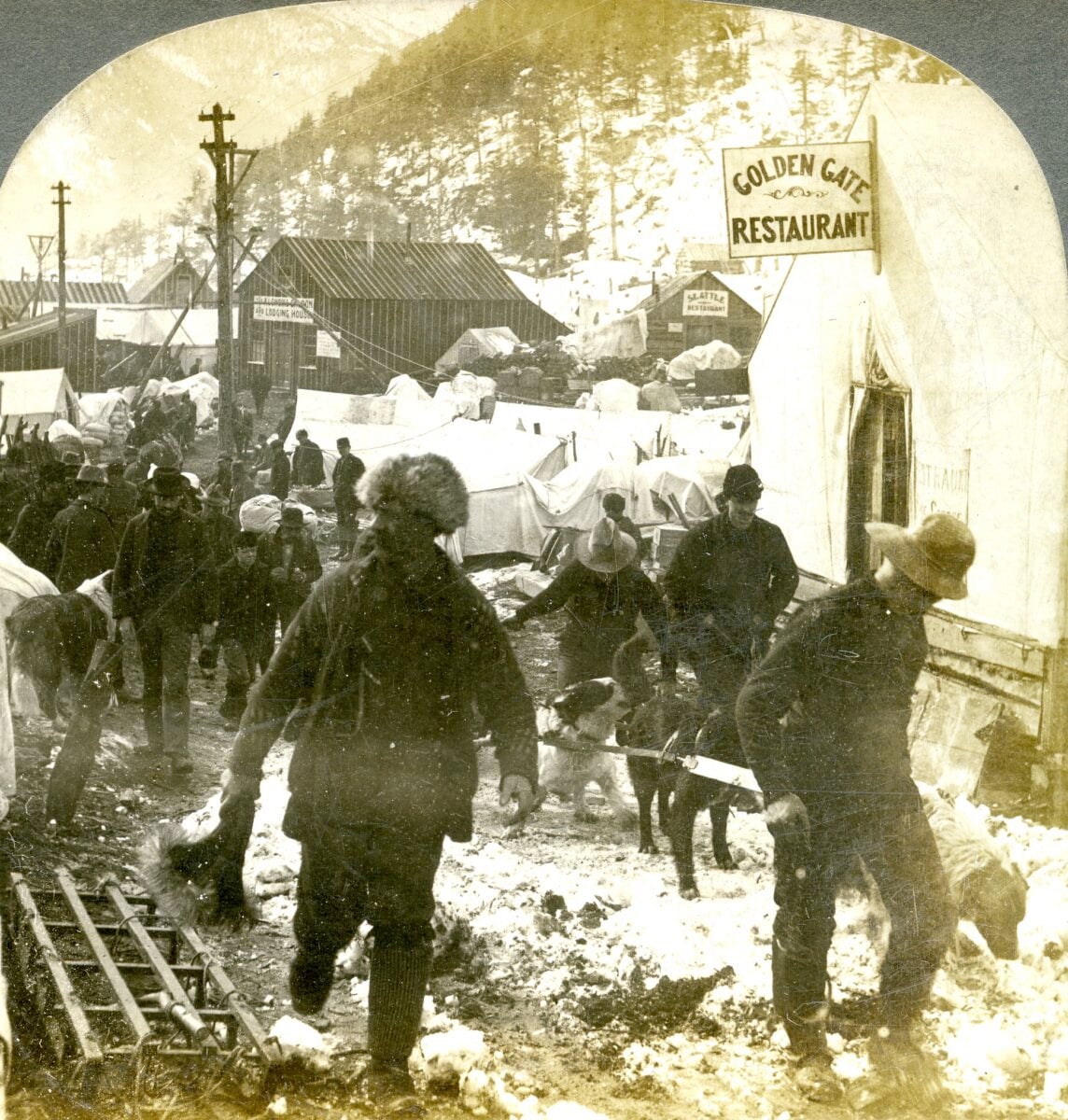
Most prospectors found disappointment instead of gold, and this photograph captures the reverse migration — men walking back down trails they had climbed with such hope months earlier. Their faces tell stories that newspaper accounts politely omitted: the slow realization that dreams don’t always bend reality to their will, no matter how much sacrifice you offer in payment.
The abandoned equipment left behind in the wilderness
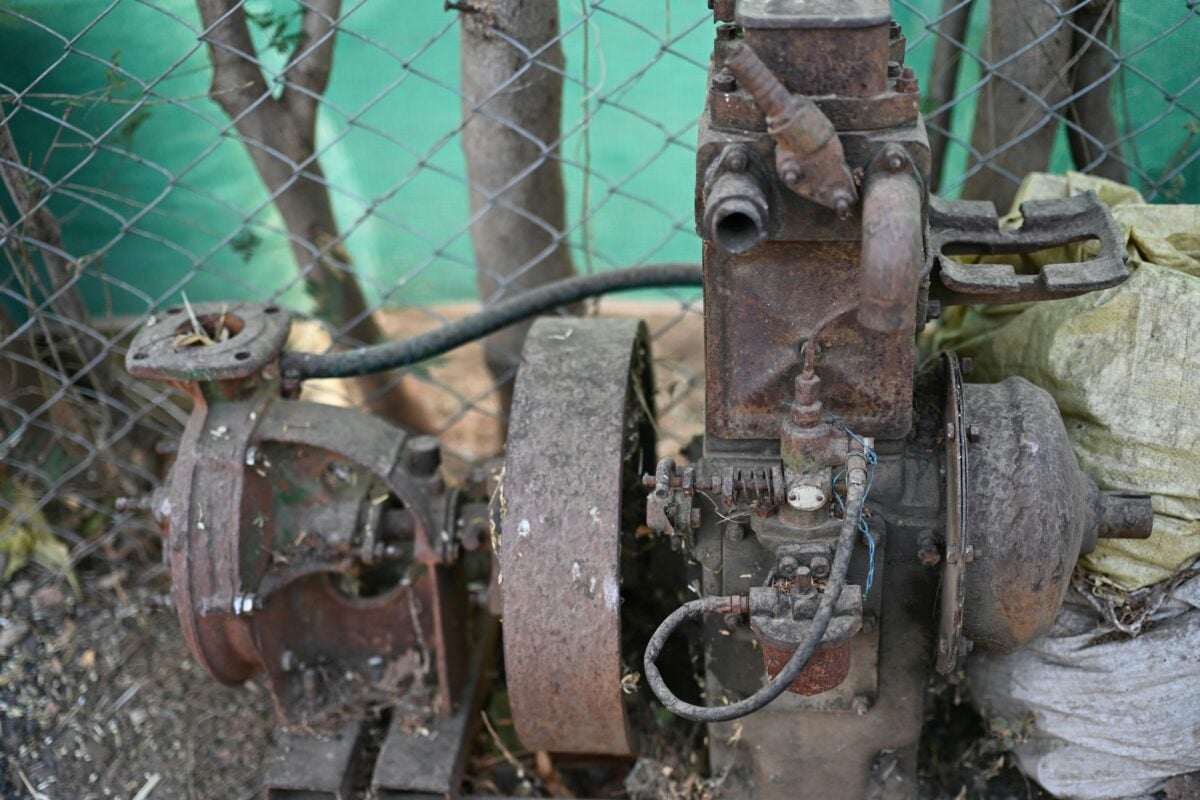
The Klondike trails became a museum of abandoned dreams. Sleds, tools, and equipment scatter across this mountainside like monuments to human miscalculation — each piece representing someone’s carefully planned expedition that reality edited down to essentials.
The wilderness keeps these artifacts better than any archive, preserving the evidence of what happens when entire populations bet everything on a single, shining possibility.
When the fever broke
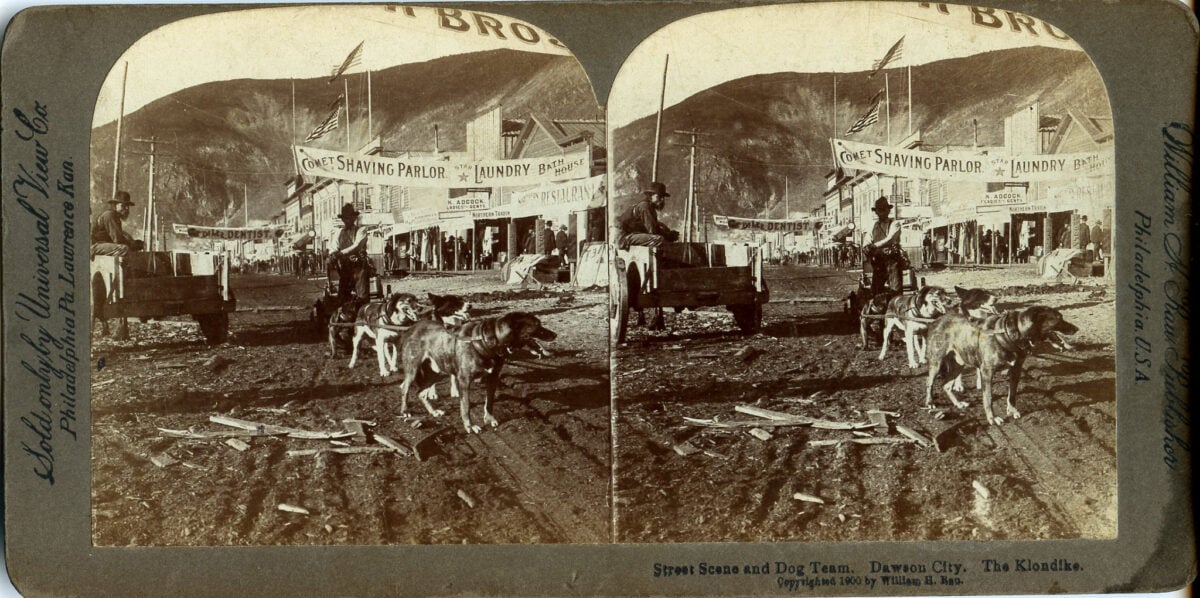
These photographs preserve more than historical moments — they capture the exact temperature of human ambition when it meets immovable reality. The Klondike Gold Rush lasted barely three years, but it compressed lifetimes of experience into that brief span.
Looking at these images now, you can almost hear the conversations that never made it into official records: the quiet admissions of failure, the unexpected discoveries that had nothing to do with gold, and the grudging respect that survivors earned for simply making it through. The real treasure, it turned out, wasn’t buried in creek beds but revealed in how people responded when everything they thought they knew about themselves got tested by 40-below winters and dreams that weighed more than the packs on their backs.
More from Go2Tutors!

- The Romanov Crown Jewels and Their Tragic Fate
- 13 Historical Mysteries That Science Still Can’t Solve
- Famous Hoaxes That Fooled the World for Years
- 15 Child Stars with Tragic Adult Lives
- 16 Famous Jewelry Pieces in History
Like Go2Tutors’s content? Follow us on MSN.



