Images of the Titanic Taken Before it Left the Dock
Looking at photographs of the Titanic before its maiden voyage feels like staring at a moment suspended in time—when the ship still represented triumph rather than tragedy. These images, captured during construction and final preparations at Belfast and Southampton, show a vessel that embodied the pinnacle of early 20th-century engineering and luxury.
The photographers who documented these scenes had no idea they were creating some of the most historically significant maritime photographs ever taken.
Construction at Harland and Wolff Shipyard
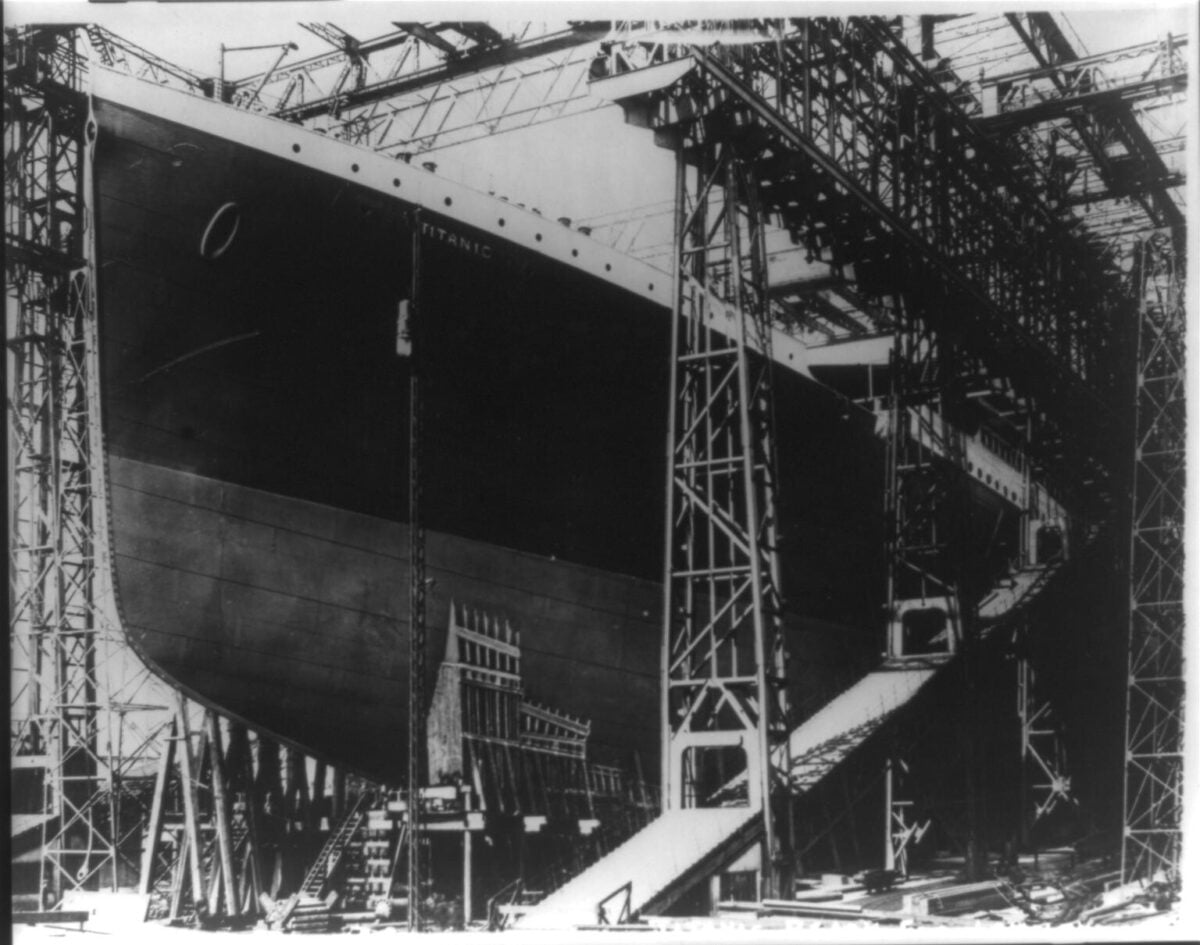
The earliest images show the Titanic taking shape in Belfast’s Harland and Wolff shipyard. Steel ribs curve upward like the skeleton of some enormous whale.
Workers appear as tiny figures against the massive hull, which gives you a sense of just how enormous this thing really was.
The Famous Launch Day Photography
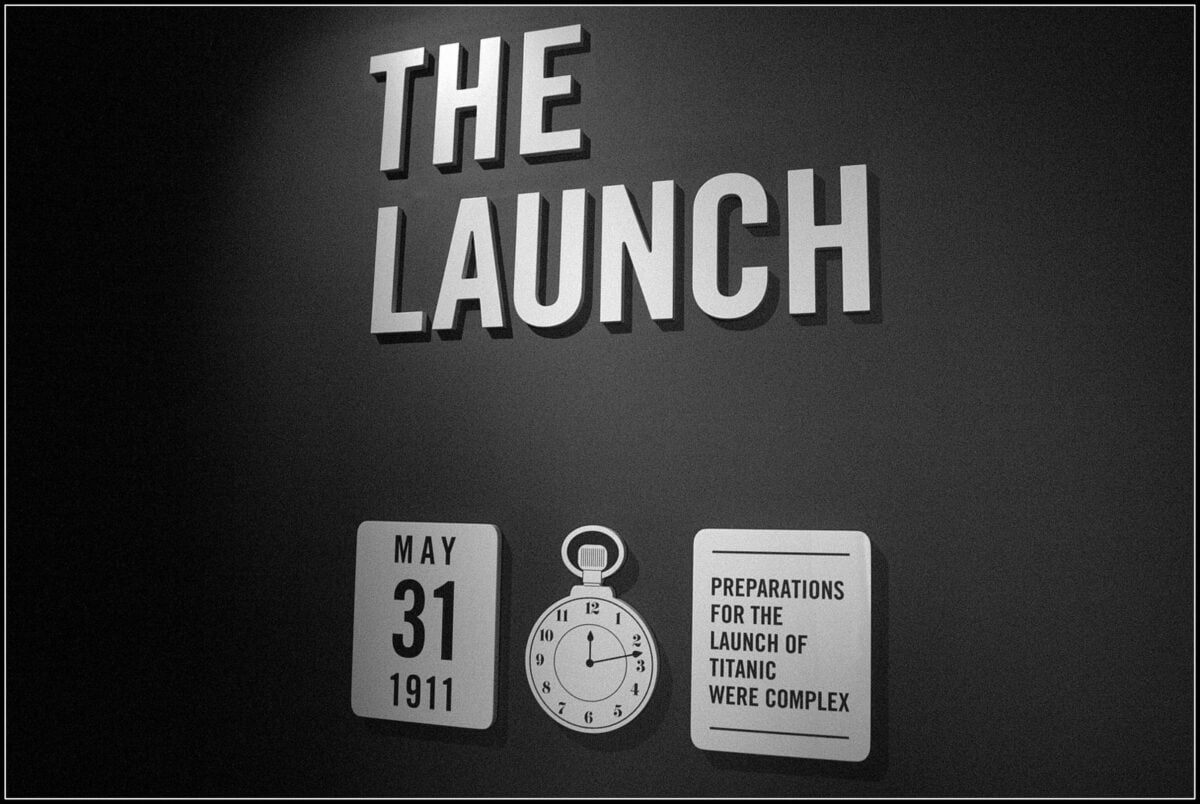
When cameras (which required considerable setup and patience back then) captured the Titanic’s launch on May 31, 1911, they froze a moment when over 100,000 people gathered to witness what they believed was maritime history in the making—though not the kind of history it would actually become. The ship slides down the ways while crowds cheer, and there’s something almost theatrical about the whole scene, as if someone had orchestrated this grand performance where the star of the show was a 46,000-ton vessel that moved with surprising grace for something so massive.
And the expressions on people’s faces tell you everything: this wasn’t just the launch of another ship. This was the launch of the future.
Interior Construction Photographs
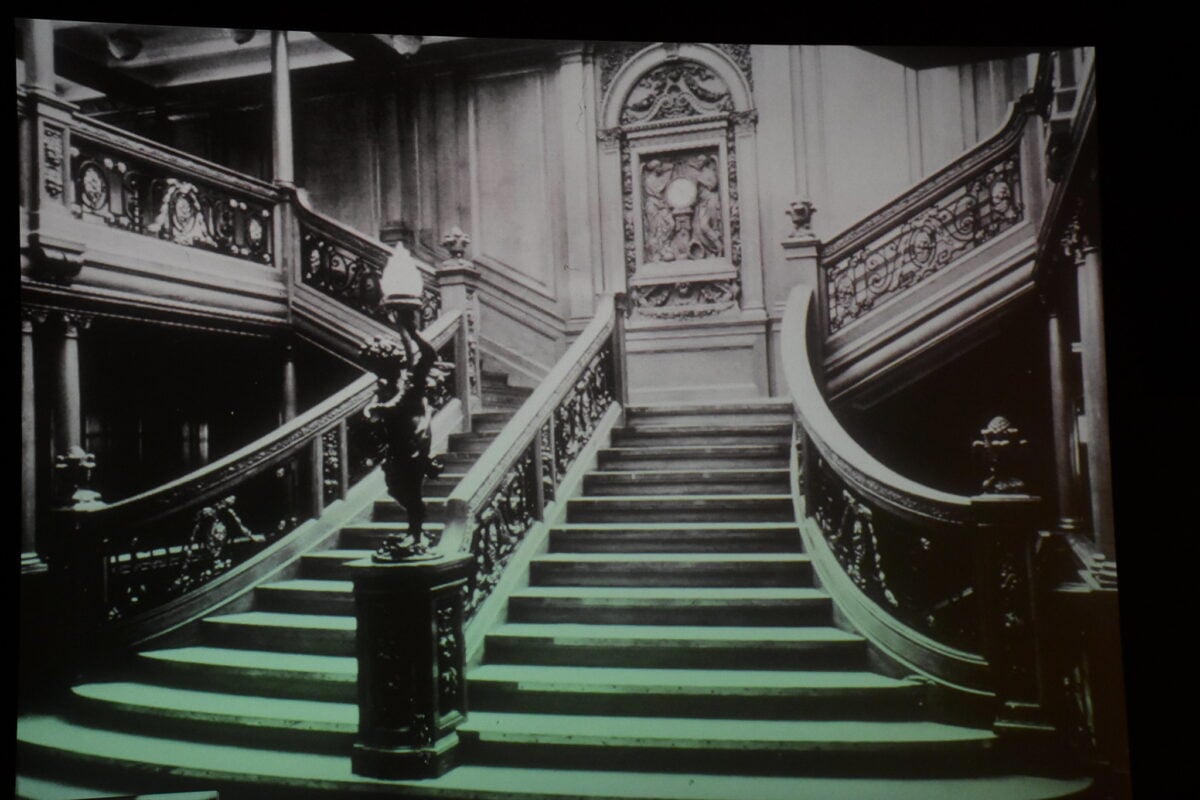
These pictures reveal something unexpected about ambition. The grand staircase, captured mid-construction with its ornate clock still being fitted and carved oak panels waiting for their final polish, looks like the interior of a palace that happened to float.
Craftsmen work with the kind of attention you’d expect in a cathedral, not a ship.
The dining rooms stretch endlessly in these images, their tables not yet set for passengers who would never finish their meals.
Every detail suggests permanence rather than the temporary nature of any voyage.
Deck and Exterior Views
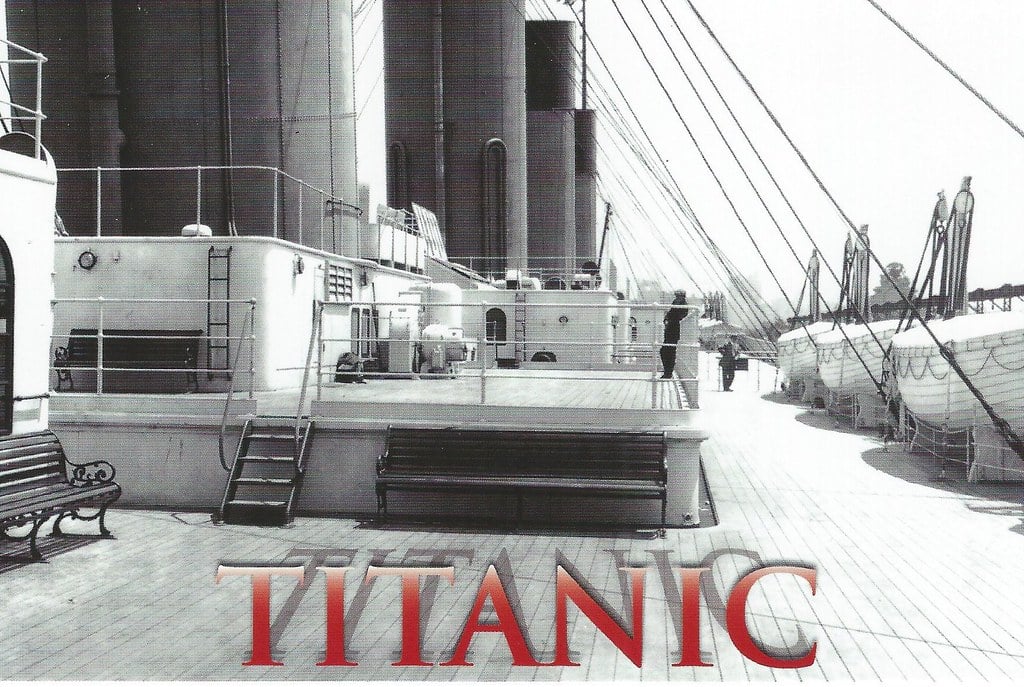
The boat deck shots are straightforward. Lifeboats hang in their davits.
The ship’s officers pose stiffly for the camera. Everything looks orderly and prepared, which makes these images particularly uncomfortable to study now.
Final Preparations at Southampton
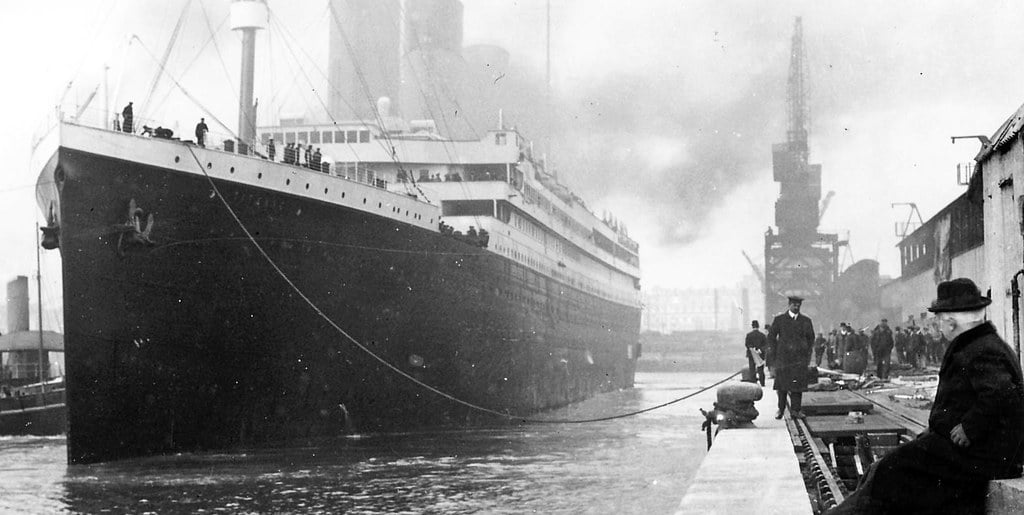
The Southampton photographs capture something more urgent than the earlier construction images—there’s a bustle here, a sense that departure is imminent and there are still a thousand details to manage. Passengers’ luggage gets loaded (some of it would be recovered from the ocean floor decades later), crew members hurry along the dock with last-minute supplies, and the ship itself seems to loom over the entire scene like it’s eager to get moving.
So much activity, so much optimism. So much that would go wrong just days later. These images also show you the social dynamics of 1912 travel: well-dressed first-class passengers stepping aboard with an air of entitlement, while third-class families cluster together with their few possessions, hoping this voyage will change their lives.
And it did, just not how anyone planned.
Captain Smith and Crew Portraits
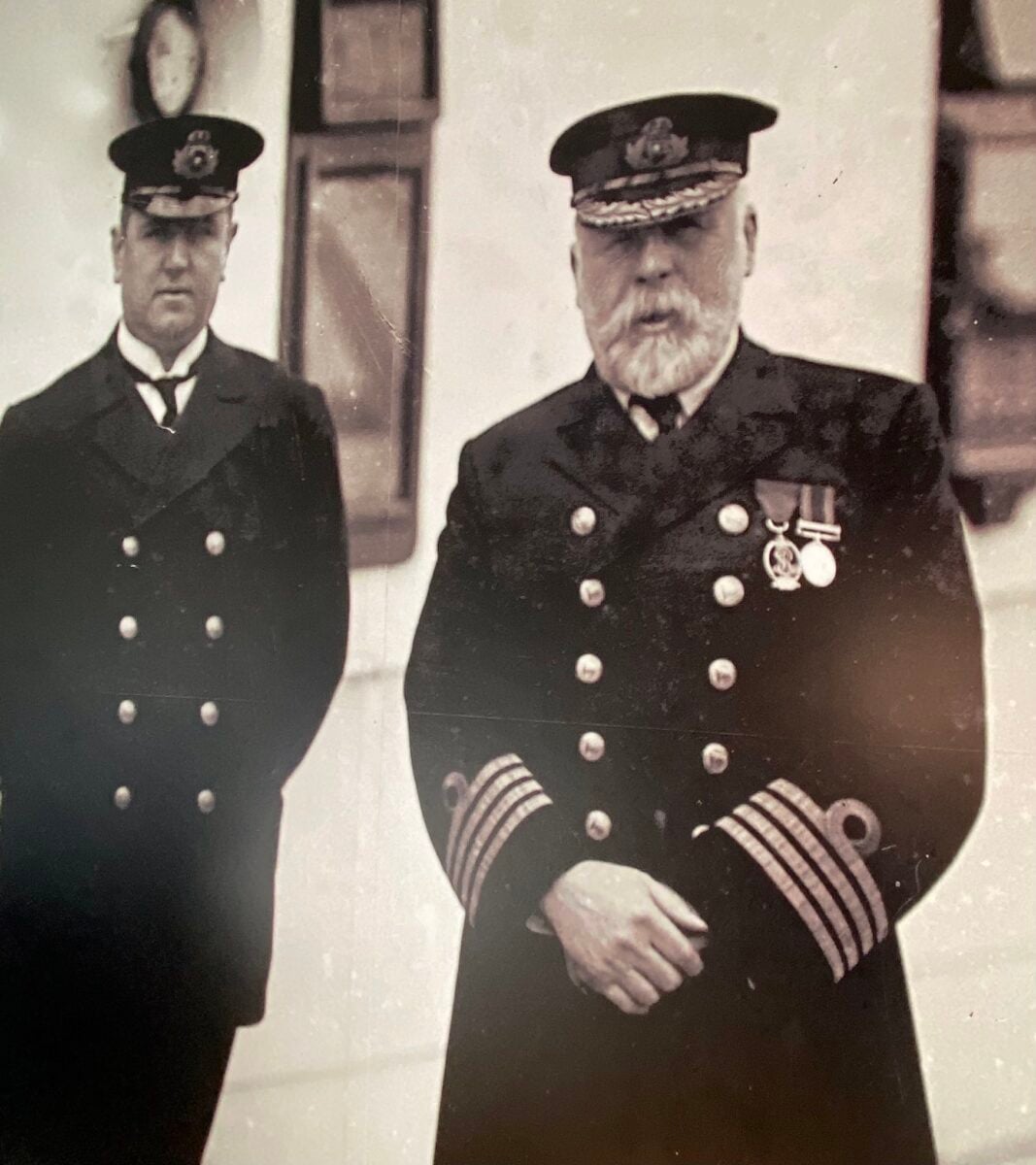
Captain Edward Smith appears in several pre-departure photographs looking every inch the seasoned mariner. His white beard and confident posture suggest someone who has crossed the Atlantic more times than he can count.
The irony writes itself—this was meant to be his retirement voyage.The crew photographs show men who took their jobs seriously.
They pose with the kind of professional dignity that suggests they understood the responsibility of managing what was essentially a floating city.
The Mail Room Documentation
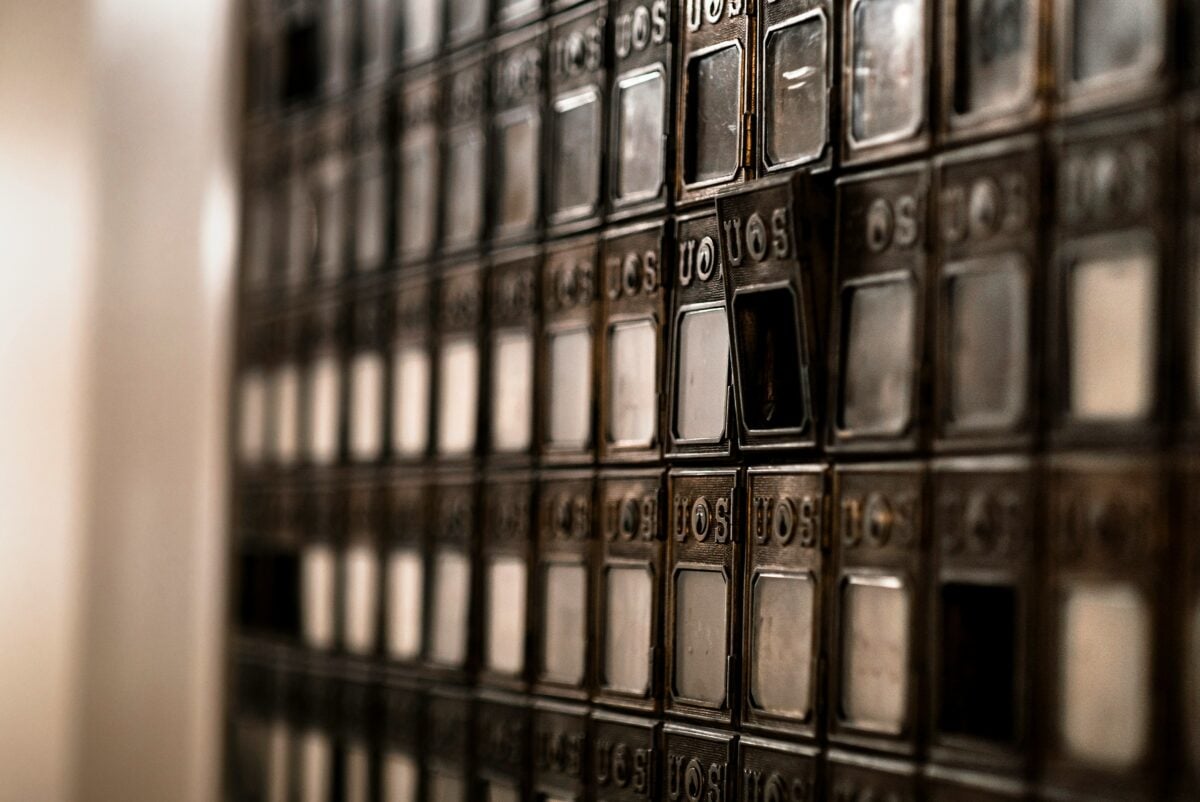
Postal workers sort through bags of mail destined for New York. These images carry a peculiar weight when you realize that some of those letters contained final words from people who had no idea they were writing them.
The efficiency captured in these photographs—workers methodically organizing correspondence—would be undone by chaos just days later.
Passenger Boarding Scenes
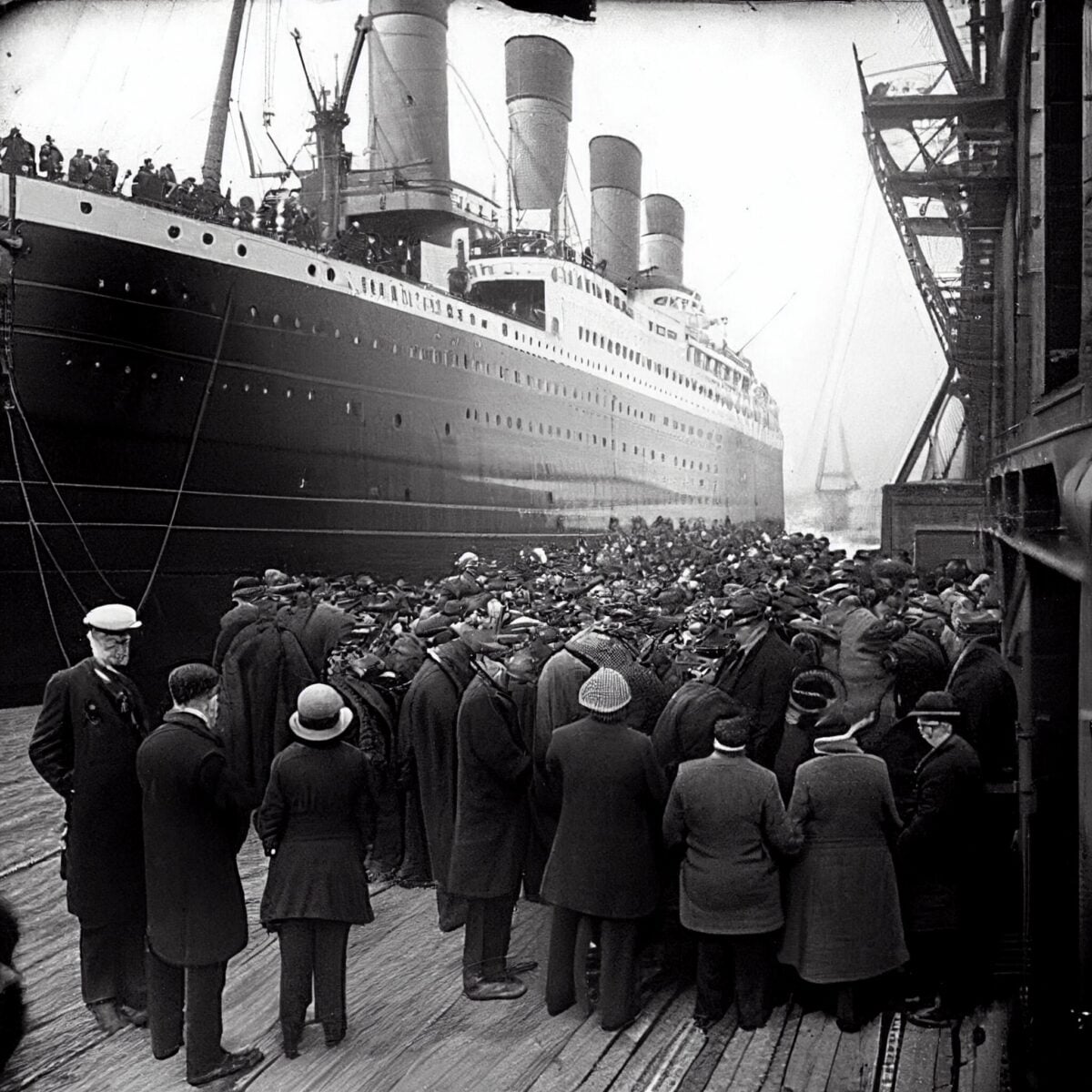
First-class passengers step aboard with the casual confidence of people accustomed to luxury travel. Third-class families gather their children and few belongings, probably overwhelmed by the size of the ship they’d booked passage on.
The contrast in these images tells you everything about 1912 society—and sadly, it would also predict survival rates.
Engineering Marvel Documentation
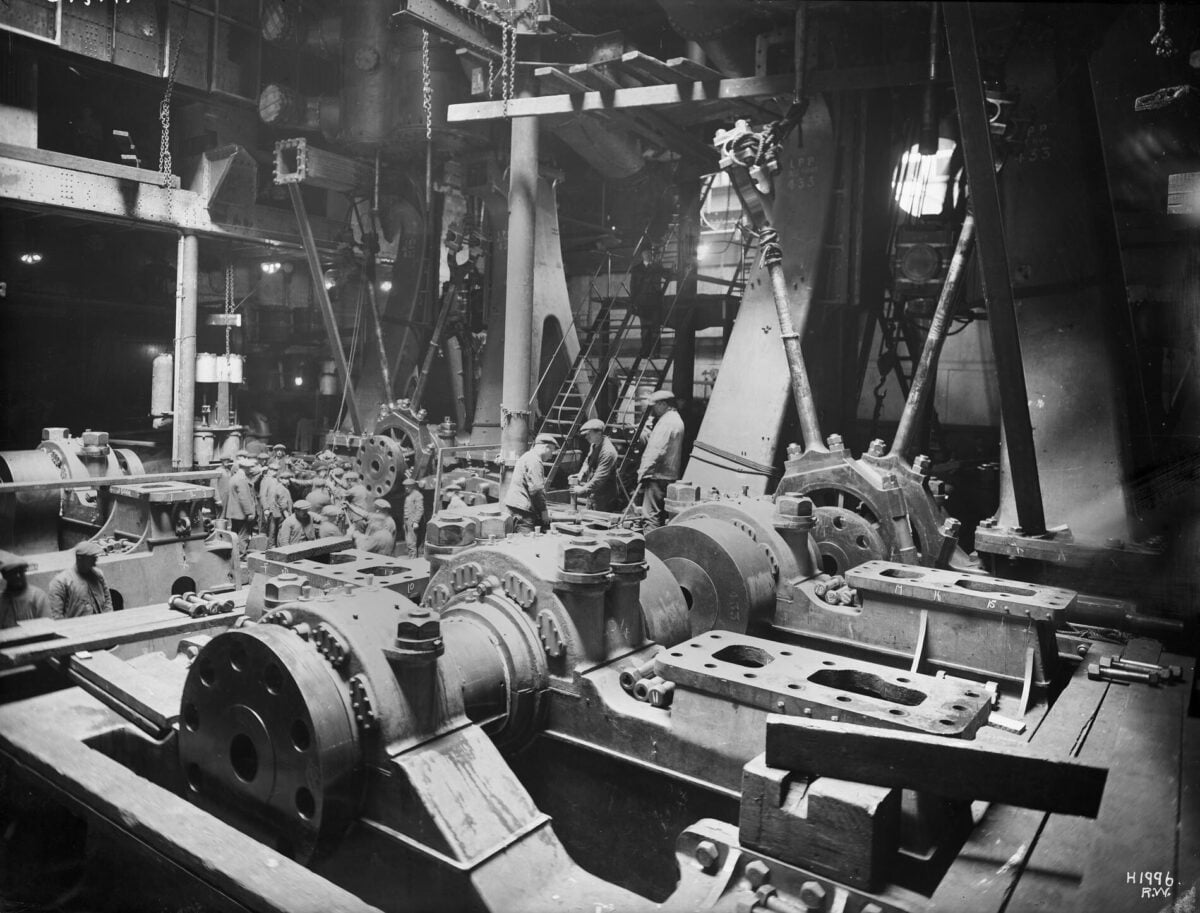
Photographs of the engine rooms show machinery that represented the cutting edge of steam technology. Massive boilers and intricate networks of pipes create geometric patterns that look almost artistic.
The engineers who posed with their equipment clearly took pride in what they were operating. These technical photographs were likely taken for promotional purposes, but they ended up documenting the final moments of engineering confidence before reality intervened.
Cargo Loading Operations
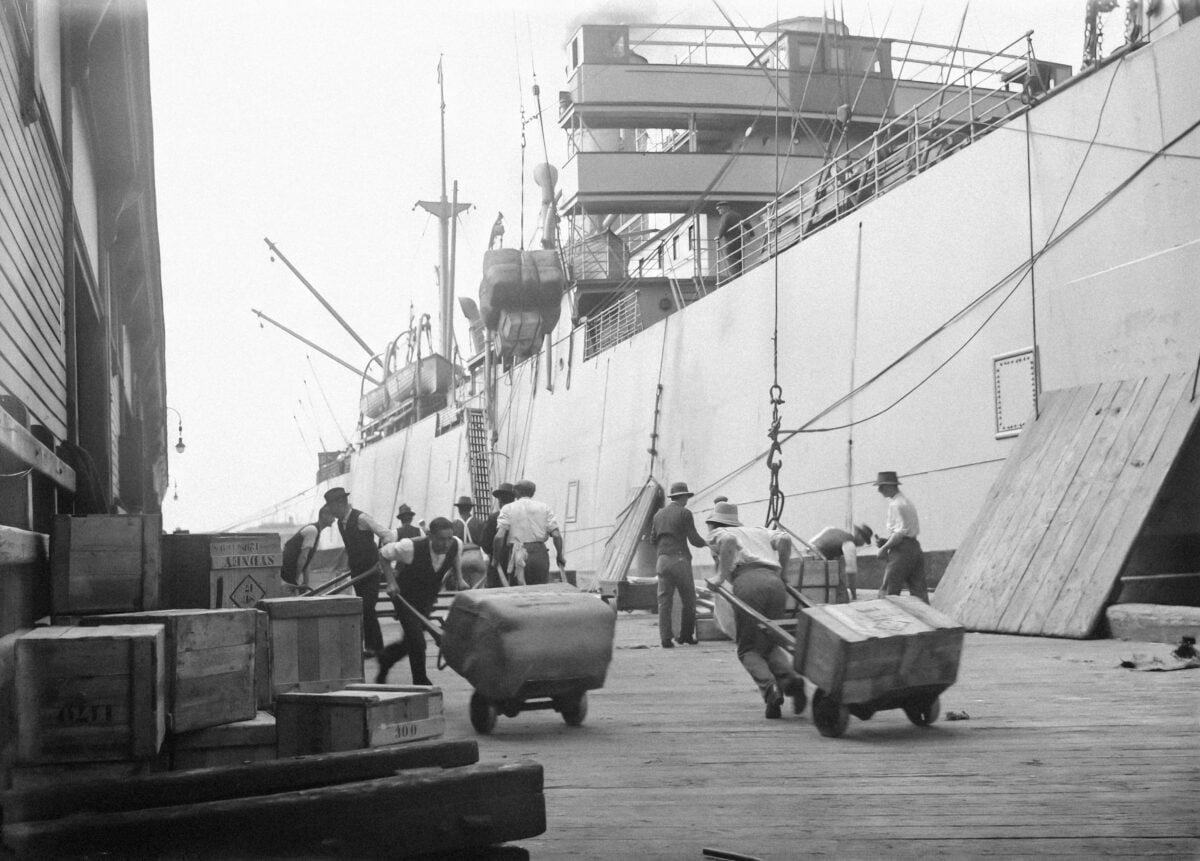
The loading of cargo reveals just how much stuff people thought they needed for a transatlantic crossing. Automobiles, furniture, cases of wine, and countless trunks get winched aboard.
Looking at these images now, you realize that most of this cargo would end up scattered across the North Atlantic seafloor.
Final Departure Preparations
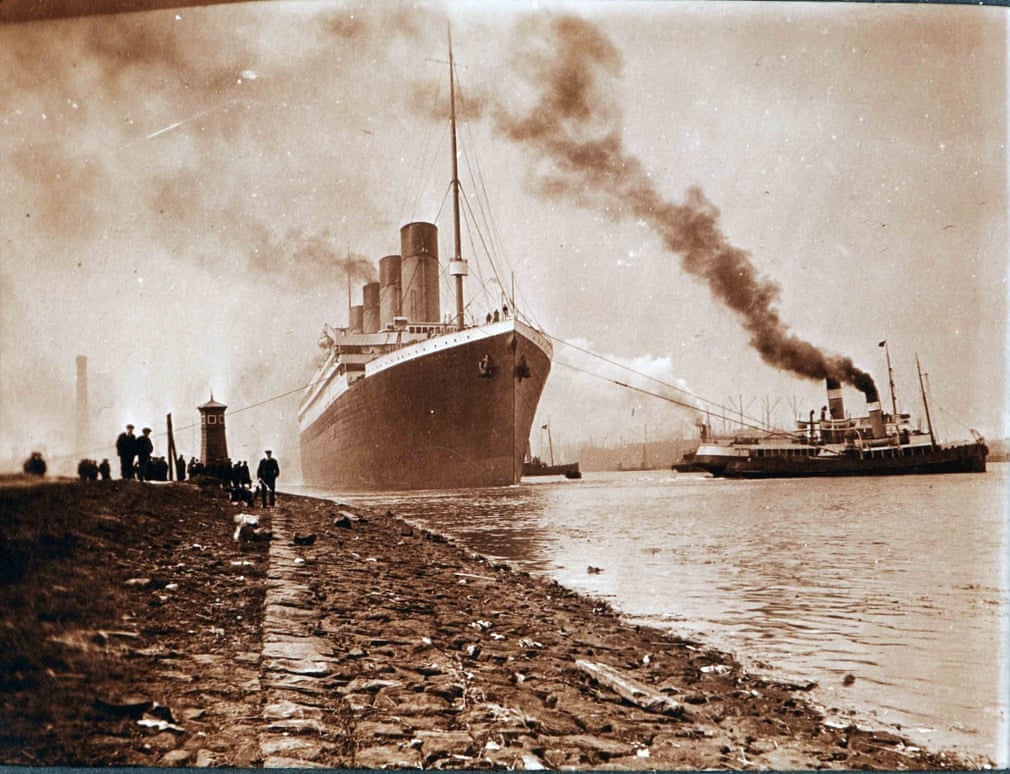
The last photographs taken before departure show a ship ready for what everyone expected to be a routine crossing. Lines are cast off, the gangways are pulled away, and passengers wave from the decks.
The optimism in these images is almost painful to see.
The Band and Entertainment Staff
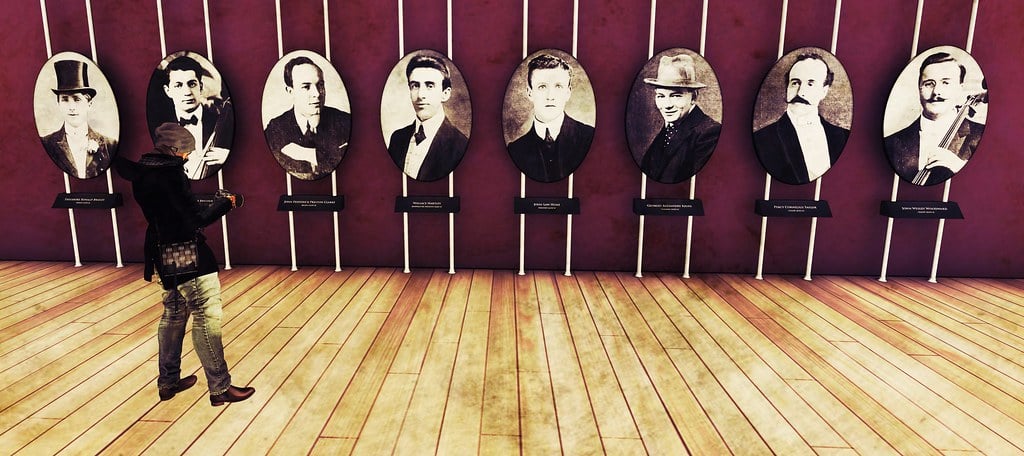
Musicians pose with their instruments, probably looking forward to performing in the ship’s luxurious venues. The fact that they would later play while the ship sank has made these particular photographs iconic in ways their subjects never could have imagined.
Wireless Room and Communications
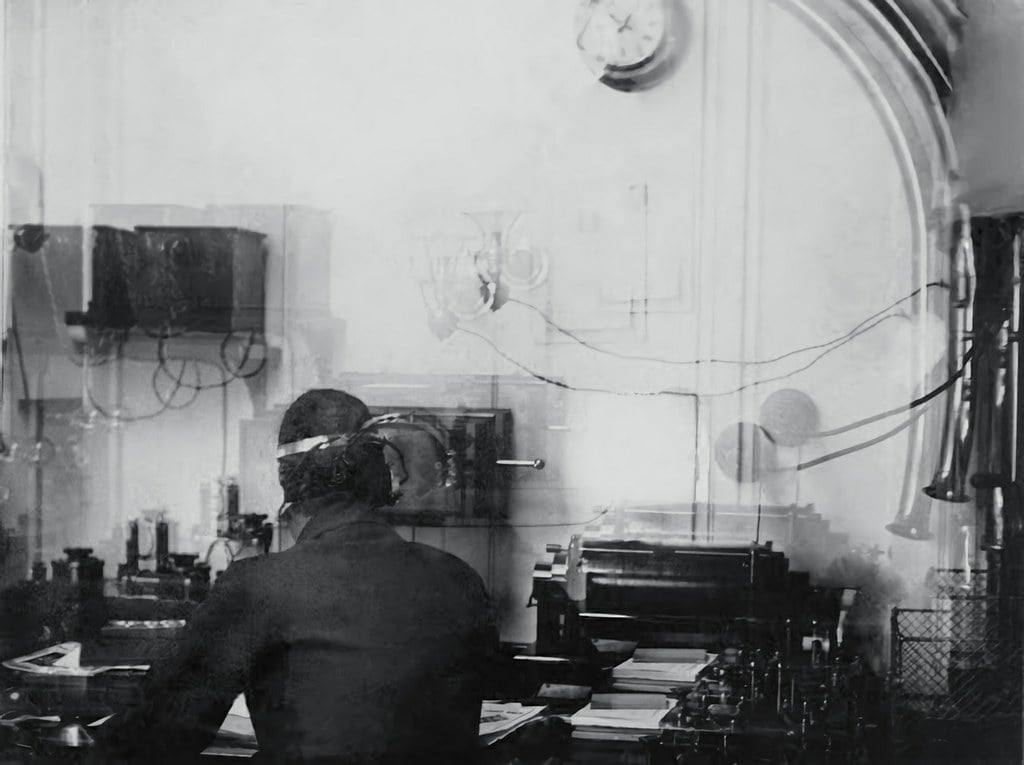
The Marconi wireless equipment gets documented with the same thoroughness as everything else. The operators who would send out the first distress signals pose confidently with their equipment.
Technology was going to keep everyone safe and connected.
A Record That Became a Memorial
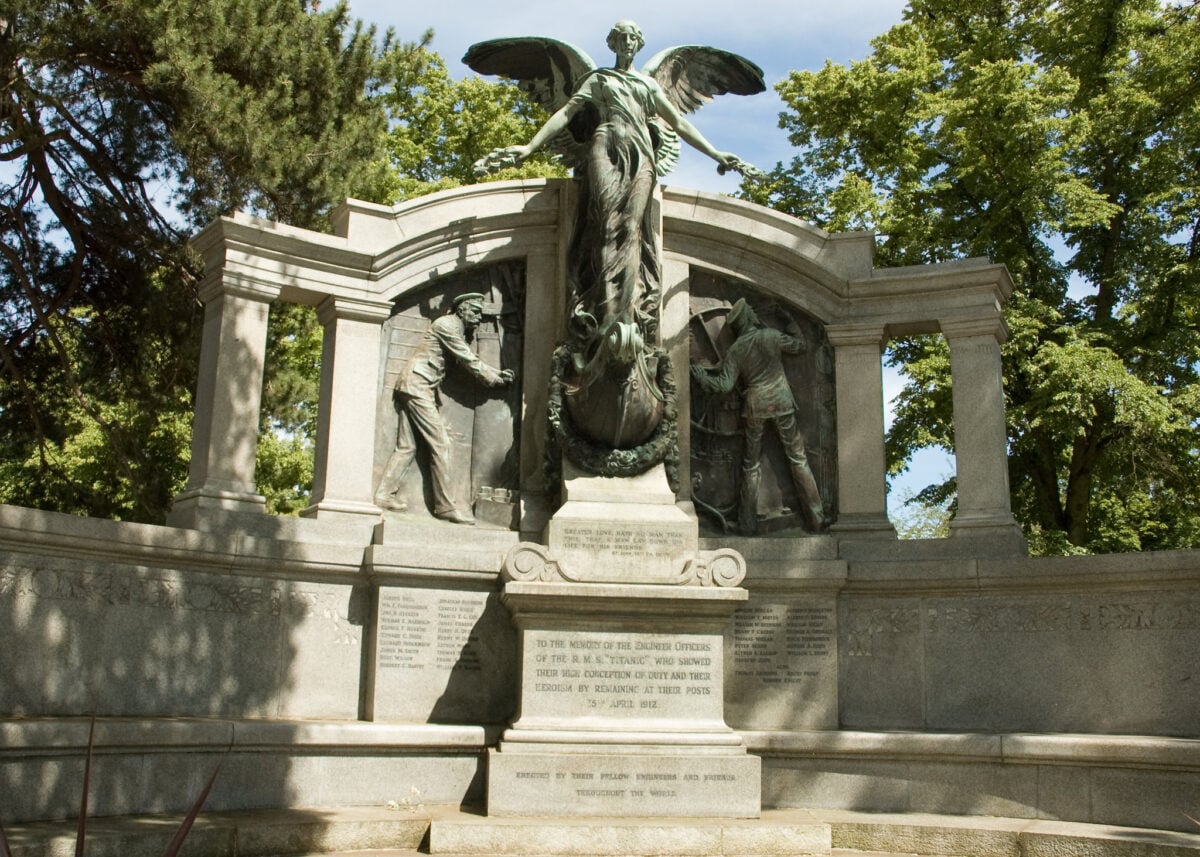
These photographs weren’t taken to document a disaster—they were meant to celebrate an achievement. But that’s what makes them so powerful now.
Every confident pose, every proud smile, every carefully arranged shot reminds you that tragedy rarely announces itself. Sometimes the most haunting images are the ones taken when everything still seemed possible.
More from Go2Tutors!

- The Romanov Crown Jewels and Their Tragic Fate
- 13 Historical Mysteries That Science Still Can’t Solve
- Famous Hoaxes That Fooled the World for Years
- 15 Child Stars with Tragic Adult Lives
- 16 Famous Jewelry Pieces in History
Like Go2Tutors’s content? Follow us on MSN.



