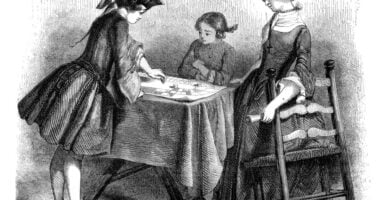
Unusual Pets from History’s Past
People today argue about whether cats or dogs make better companions. But throughout history, rulers and notable figures kept animals that would make modern pet owners do a double-take.
These weren’t just exotic choices for show—many of these creatures lived alongside their owners, slept in palaces, and became part of daily life in ways that seem unthinkable now.
Cleopatra’s Sacred Crocodiles
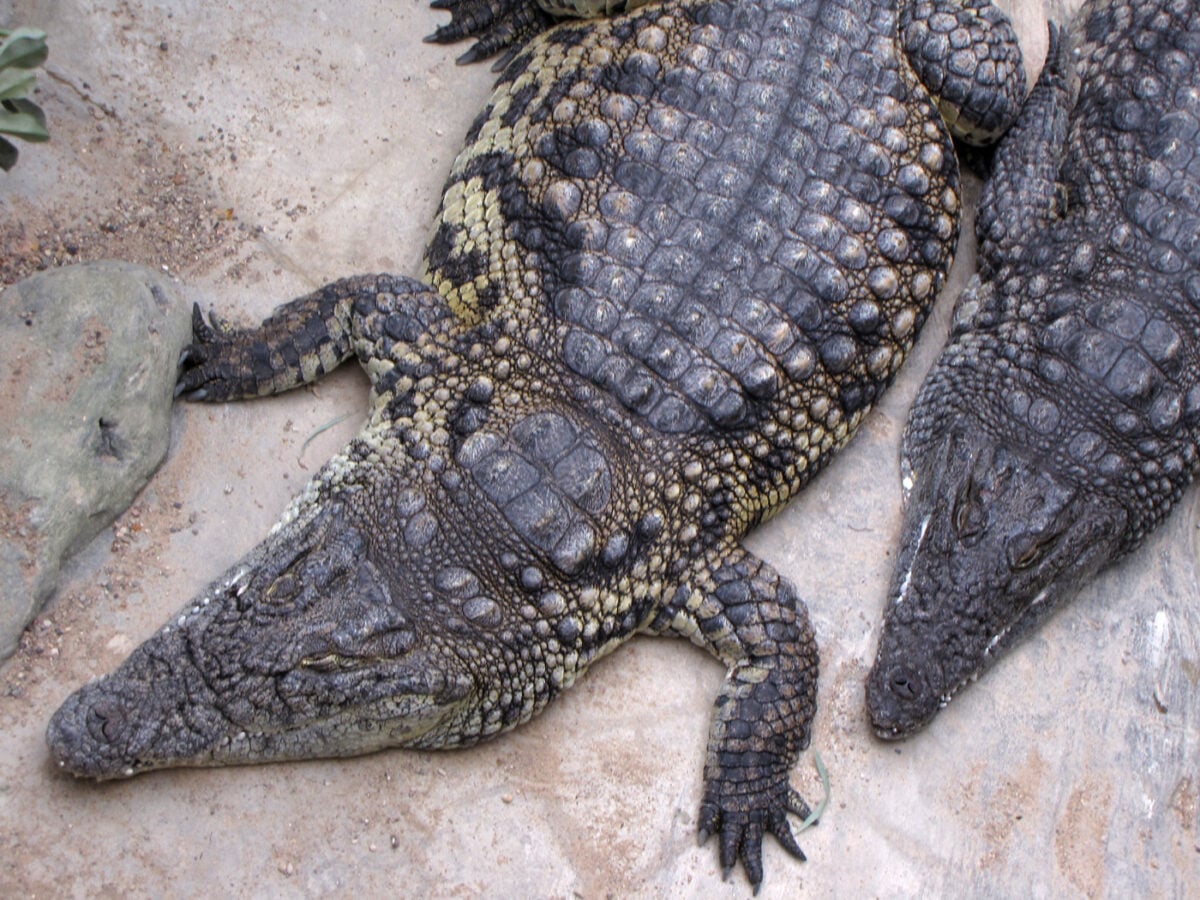
Cleopatra kept crocodiles in palace pools. Ancient Egyptians revered these reptiles as sacred animals, and the queen took this devotion to a personal level.
Her attendants fed the crocodiles regularly, and historical accounts suggest she treated them with the same care others might show a prized horse. The crocodiles lounged in ornate pools designed specifically for them, complete with sun-warmed stones and shaded areas.
Henry III’s Polar Bear That Fished in the Thames
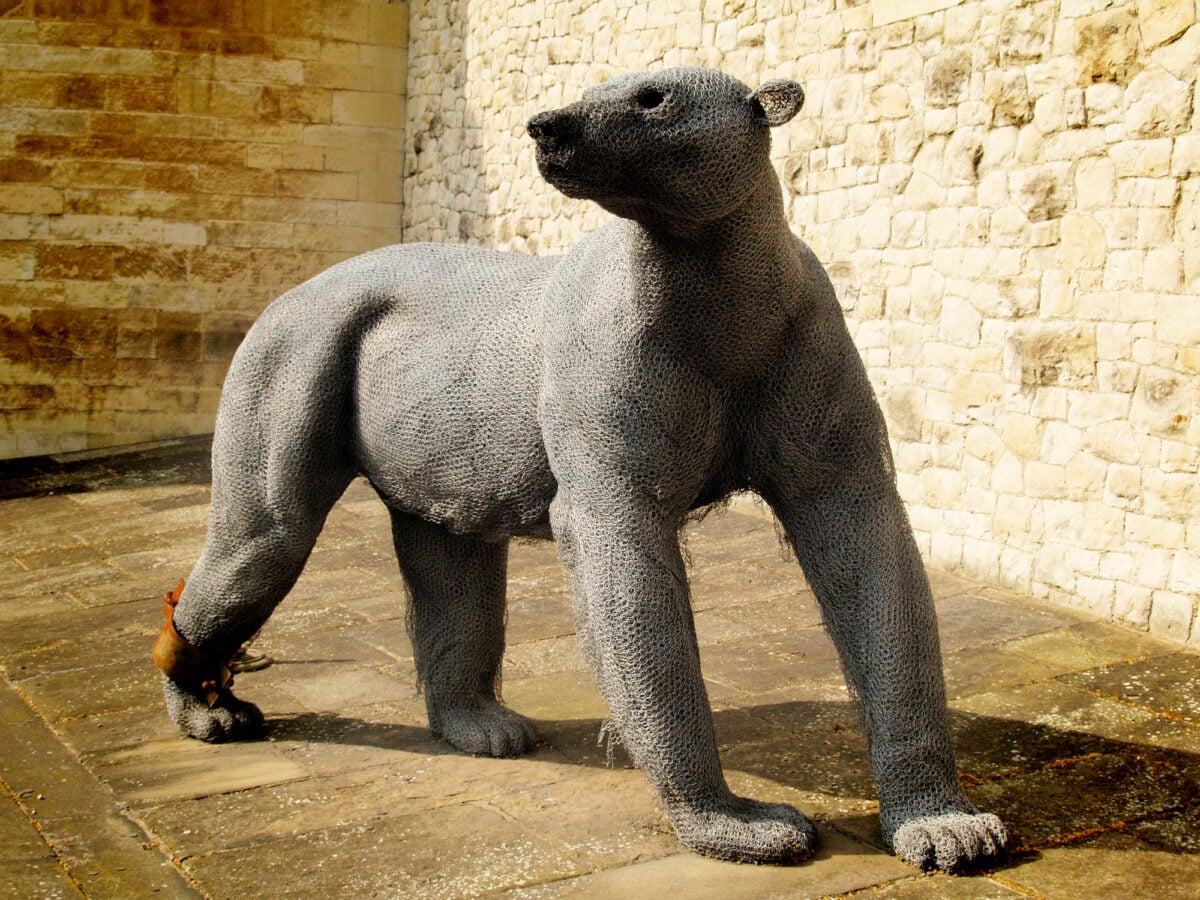
King Henry III of England received a polar bear as a gift from Norway in 1252. He kept the bear at the Tower of London, which already housed his menagerie.
The bear came with a long chain attached to a muzzle, and keepers walked it to the Thames River daily so it could fish. Londoners would gather to watch this enormous white bear wade into the water and catch fish with its powerful paws.
Lord Byron’s College Bear
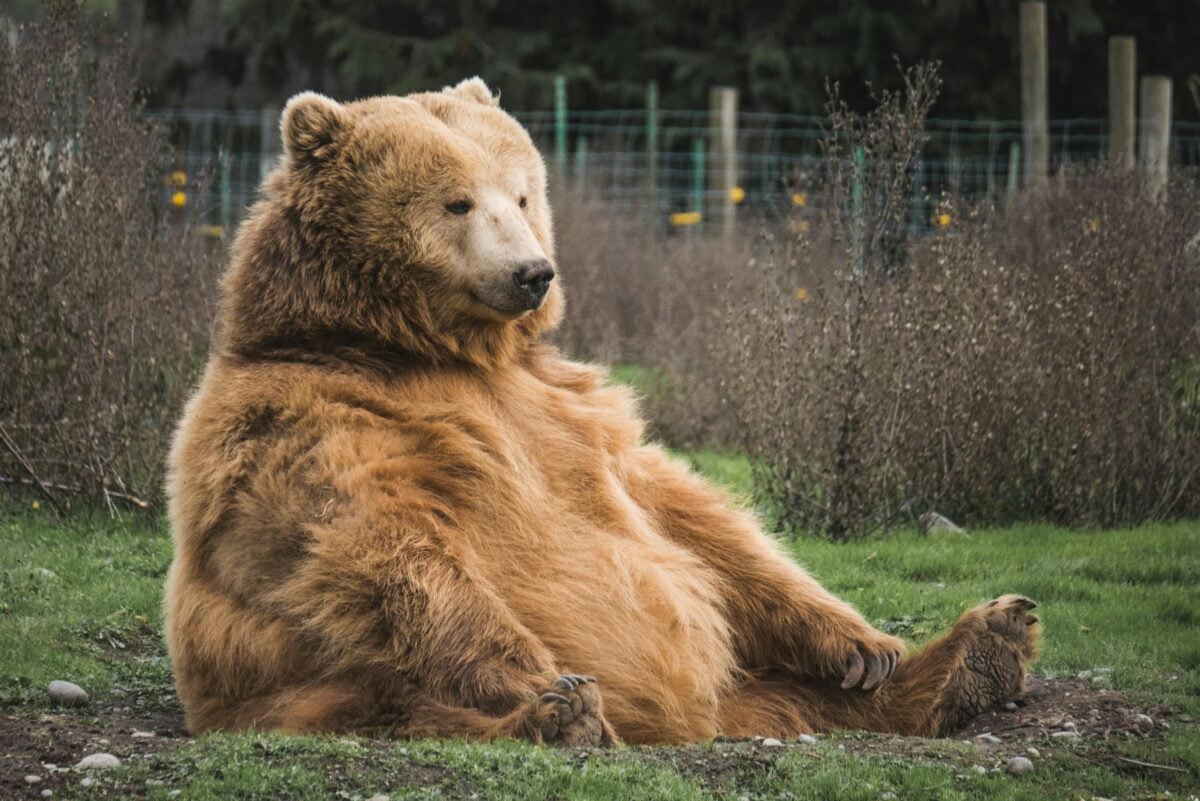
When Cambridge University banned dogs from student rooms in the early 1800s, Lord Byron found a loophole. He brought a tamed bear to campus instead.
The university had no rules against bears, so Byron kept the animal in his dormitory. He walked it on campus grounds and reportedly suggested the bear should sit for a fellowship degree.
The university eventually created new rules to prevent similar situations.
Napoleon’s Egyptian Wonder
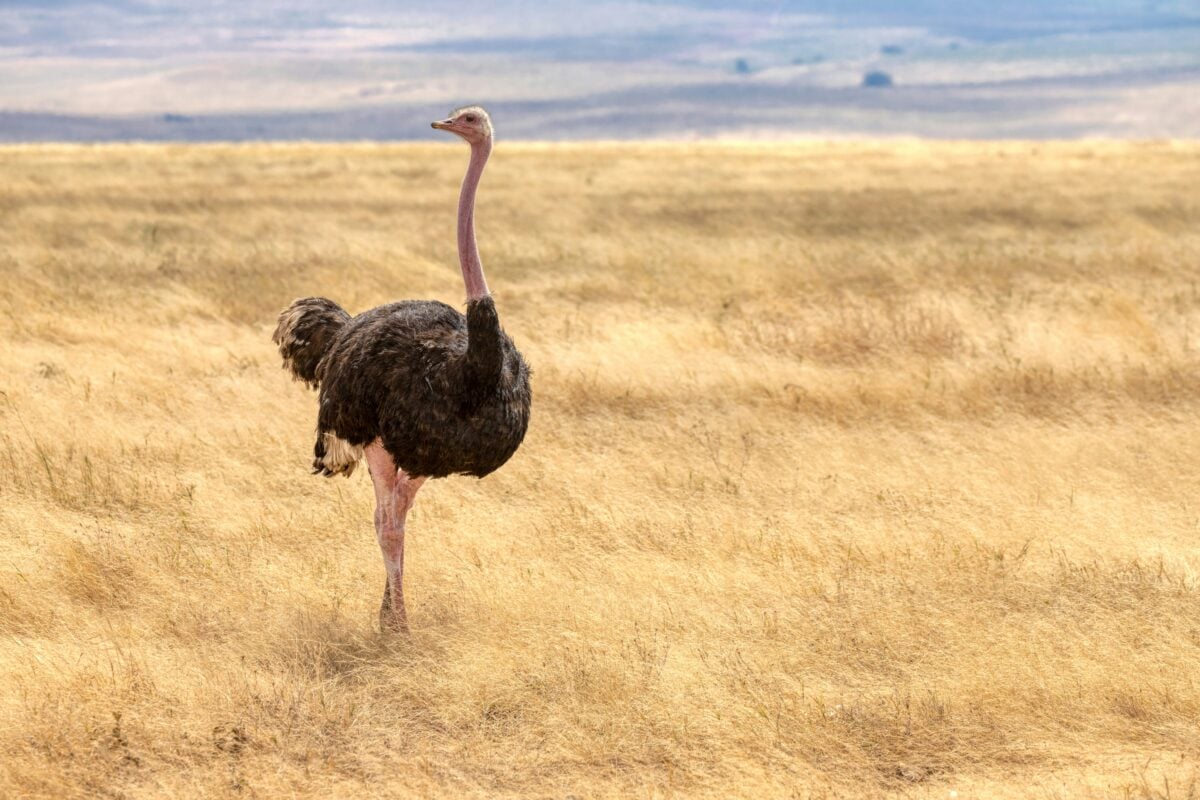
During Napoleon’s Egyptian campaign, someone gifted him an ostrich. The bird traveled back to France and lived on his property.
Ostriches can reach speeds of 45 miles per hour and stand over eight feet tall, which made this particular pet both impressive and challenging. Napoleon’s household staff struggled with the bird’s temperament and its tendency to eat anything shiny.
The ostrich lasted several years before succumbing to the French climate.
Emperor Elagabalus and His Palace Lions
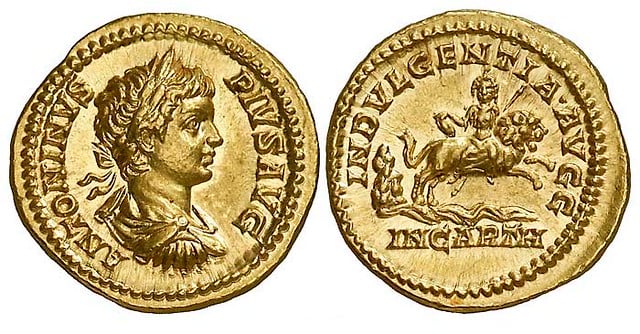
Roman Emperor Elagabalus kept fully grown lions in his palace during the 3rd century. Historical records suggest he sometimes released these lions during dinner parties, though accounts claim he removed their teeth and claws first.
Guests still fled in terror when the massive cats appeared. The emperor found their reactions entertaining.
Some historians question the accuracy of these tales, but they fit with other documented examples of his eccentric behavior.
Calvin Coolidge’s White House Raccoon
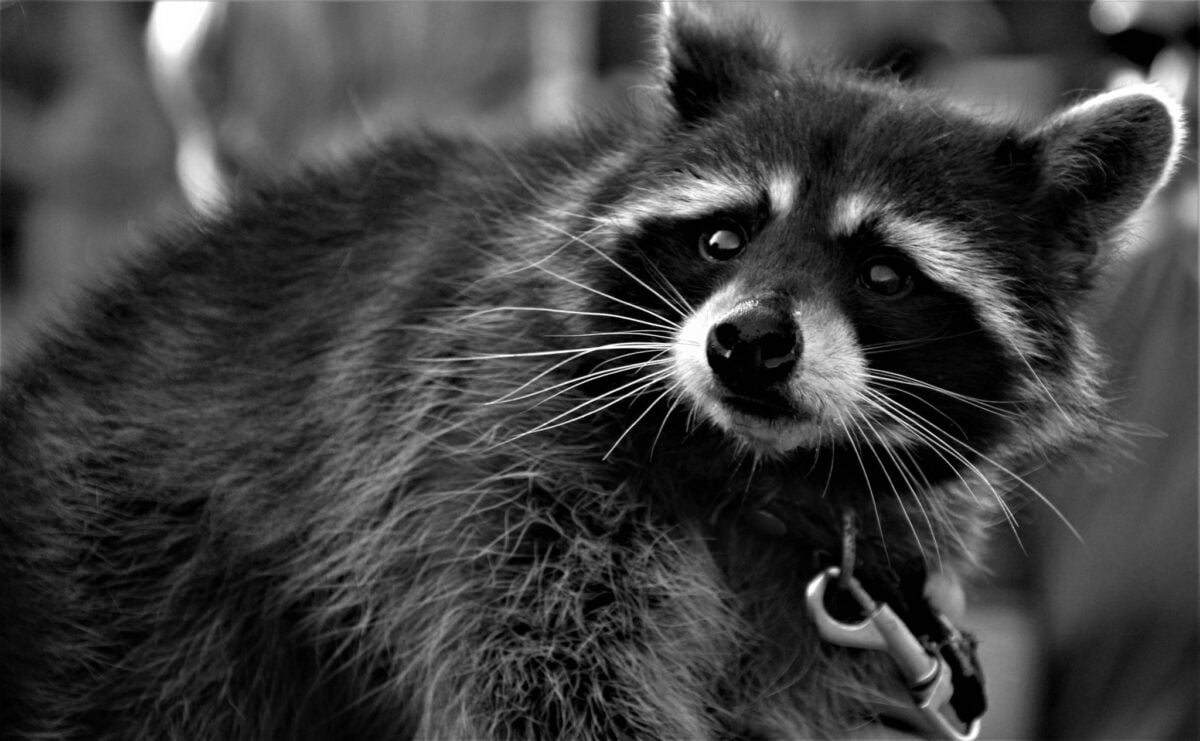
In 1926, President Calvin Coolidge got a raccoon meant for Thanksgiving supper – his wife Grace helped change its fate. Rather than cook it, they called her Rebecca and kept her as a companion.
The animal roamed freely inside the White House, poking into official chambers. Sometimes she popped up during serious talks, stirring awkward moments among diplomats.
For cleaning, she used a tub; when strolling outside, she sported a harness on a lead.
The Coolidges brought in another raccoon, Horace, to hang out with Rebecca.
While both animals stayed in a custom shelter on the White House property, they mostly roamed inside the mansion alongside the family.
Josephine Bonaparte’s Pet Orangutan
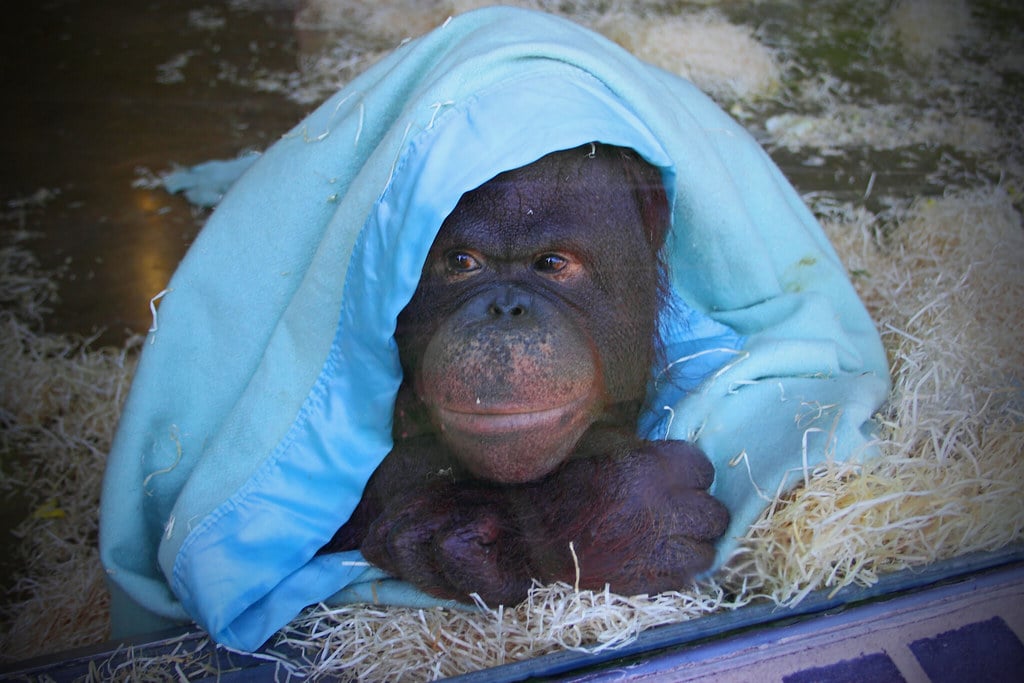
Josephine Bonaparte owned an orangutan that wore clothes and joined family meals. The ape lived at Malmaison, her estate outside Paris, and allegedly sat at the dinner table using utensils.
Visitors described the orangutan as surprisingly well-mannered, though it occasionally threw tantrums when denied treats. The primate died after just a few years, unable to adapt to the European climate and diet.
Tycho Brahe’s Beer-Drinking Elk
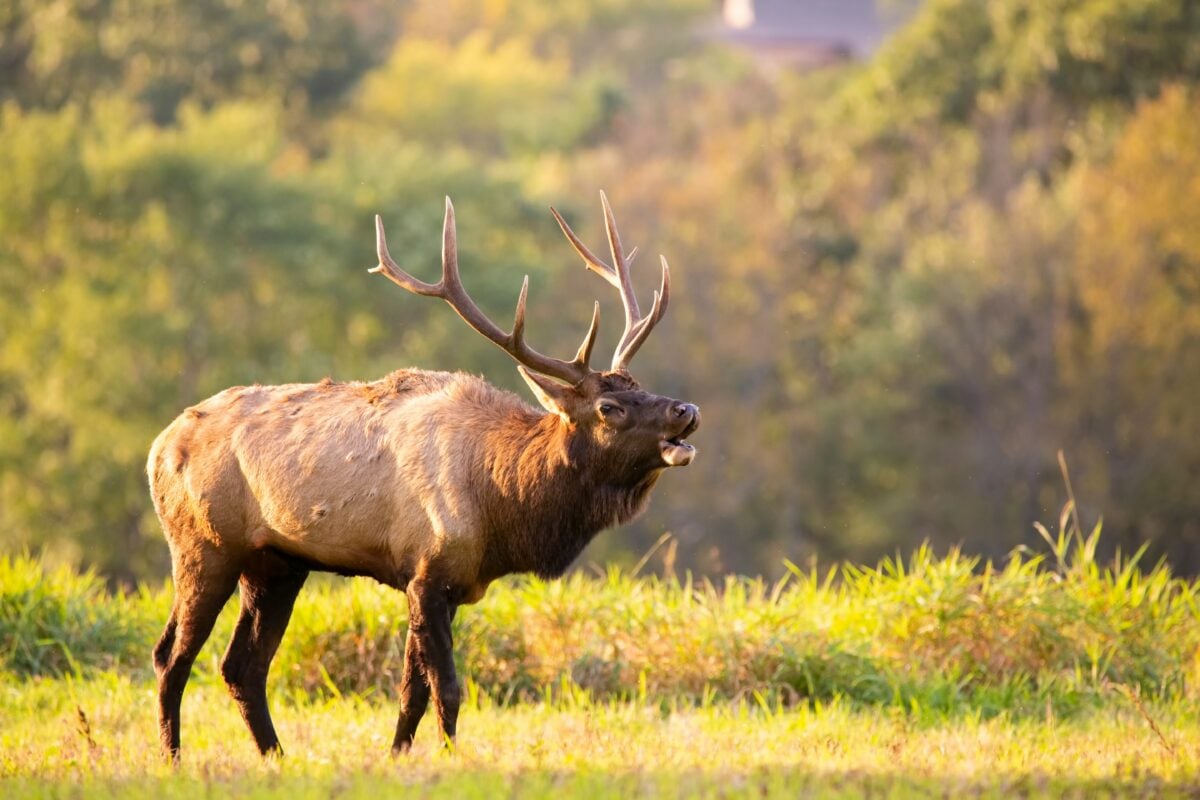
Danish stargazer Tycho Brahe had a pet elk back in the 1500s. That creature trailed behind him at his observing spot while picking up a liking for beer – something he gave it without hesitation.
While staying at a lord’s estate, the animal guzzled too many drinks, tumbled headfirst downstairs, then passed away due to broken bones. He felt crushed by what happened but brought up the beast repeatedly in letters over many years.
Theodore Roosevelt’s Badger Josiah
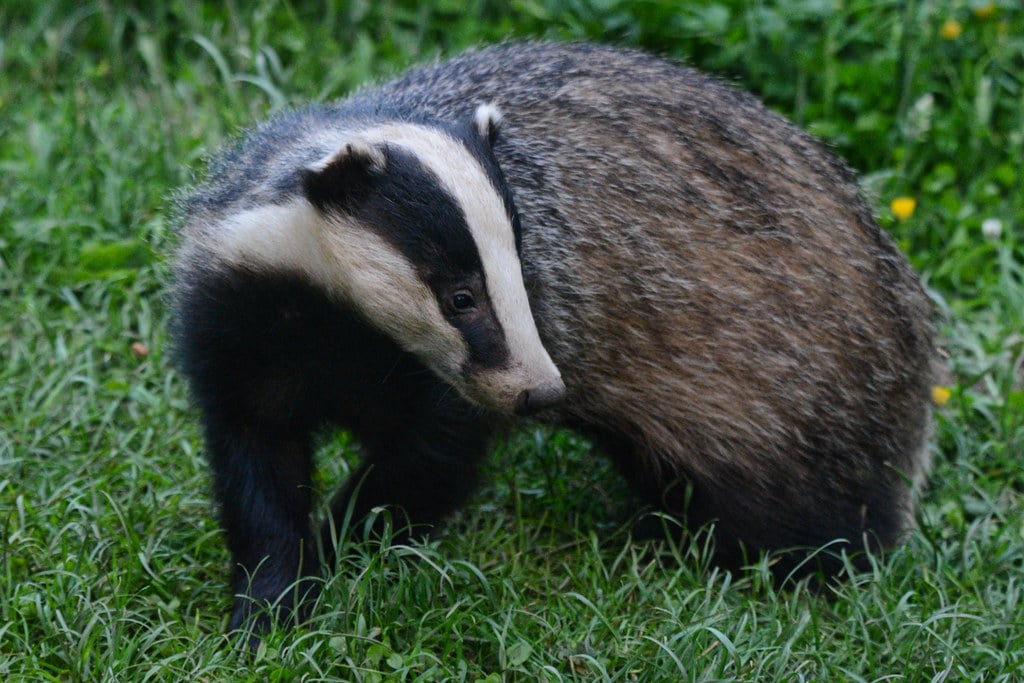
President Theodore Roosevelt owned numerous unusual animals, but Josiah the badger stands out. Josiah had free range of the White House and particularly enjoyed the East Room, where formal events took place.
The badger bit several people, including some government officials who came for meetings. Roosevelt defended Josiah’s behavior, insisting the visitors must have startled the animal.
Marquis de Lafayette’s Alligators

The Marquis de Lafayette received alligators as a gift during his time in America. He kept them in Paris, where they lived in heated rooms during winter months.
French society found the creatures fascinating, and Lafayette hosted viewing parties where guests could observe the reptiles being fed. The alligators survived for several years before the cold and inadequate diet took their toll.
Emperor Qianlong’s Hunting Cheetahs
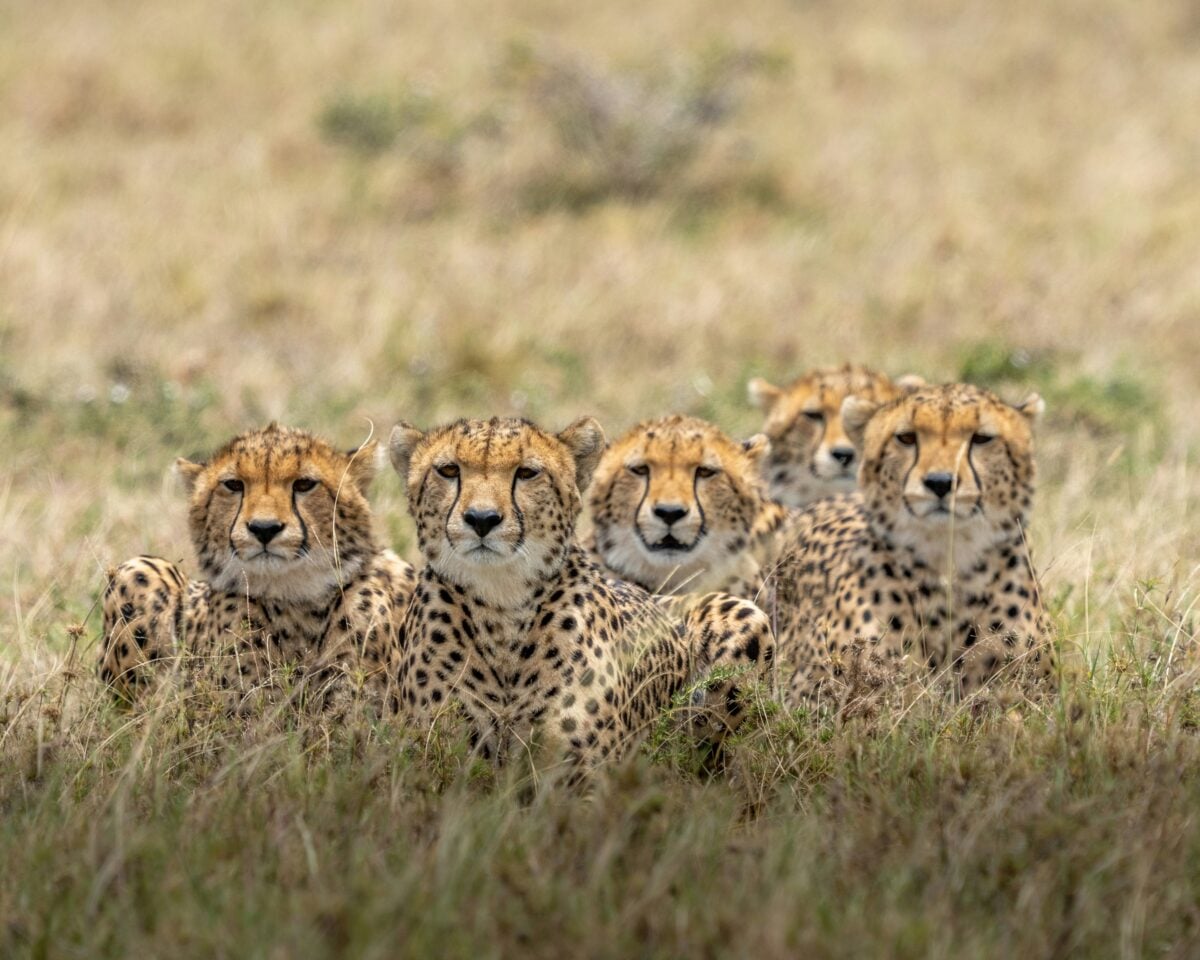
China’s Qianlong Emperor kept dozens of trained cheetahs for hunting during the 18th century. These weren’t pets in the traditional sense, but he treated his favorite cheetahs with remarkable care.
They lived in the palace grounds, wore jeweled collars, and had dedicated handlers. The emperor would take them on hunting expeditions where they chased down deer and other prey.
Some of his cheetahs received names and formal titles within the court.
Queen Charlotte’s Zebra
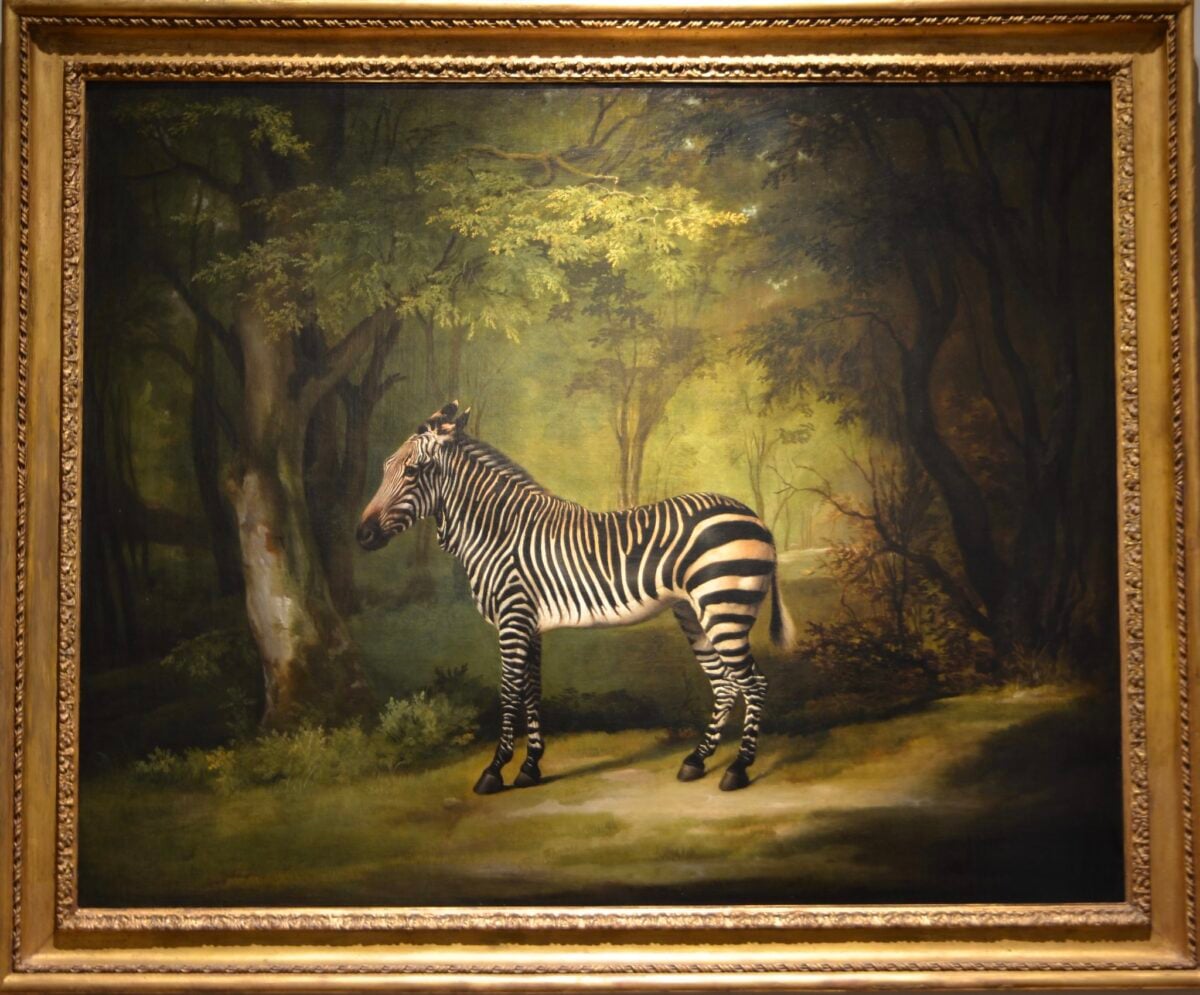
Queen Charlotte, wife of King George III, kept a zebra at Buckingham Palace in the 1760s. The zebra pulled a small carriage around the palace grounds, much like a horse would.
Charlotte had the zebra trained by the royal horse master, though the animal proved more stubborn than horses. Visitors to the palace grounds would stop to watch the unusual sight of a zebra in harness.
Emperor Nero’s Favorite Tigress
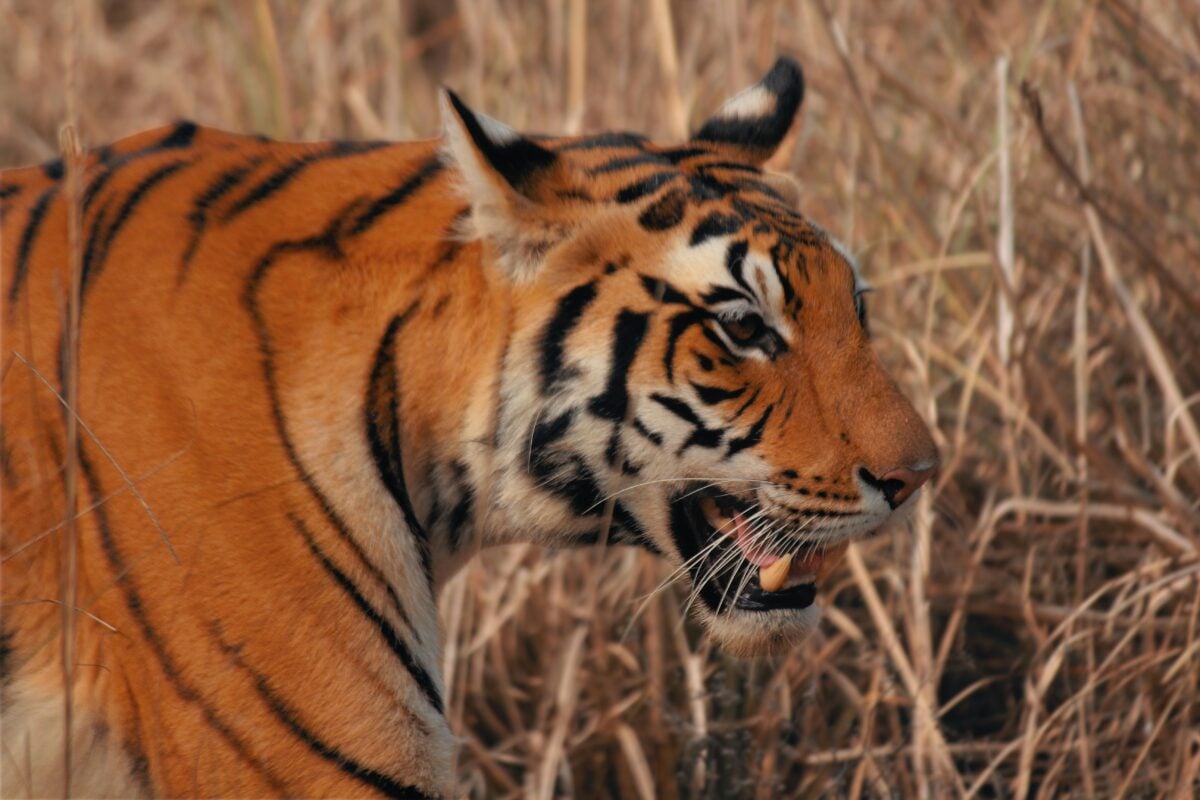
Emperor Nero had a tigress called Phoebe who roamed around his palace with him. Back then, writers noted she dozed off in his bedroom and fed from fancy gold plates.
He got painters and sculptors to make artwork of her, so he could scatter it across the city. When Phoebe passed away naturally, Nero threw a grand ceremony – usually meant for high-ranking people.
The Duke of Richmond’s Pet Fox
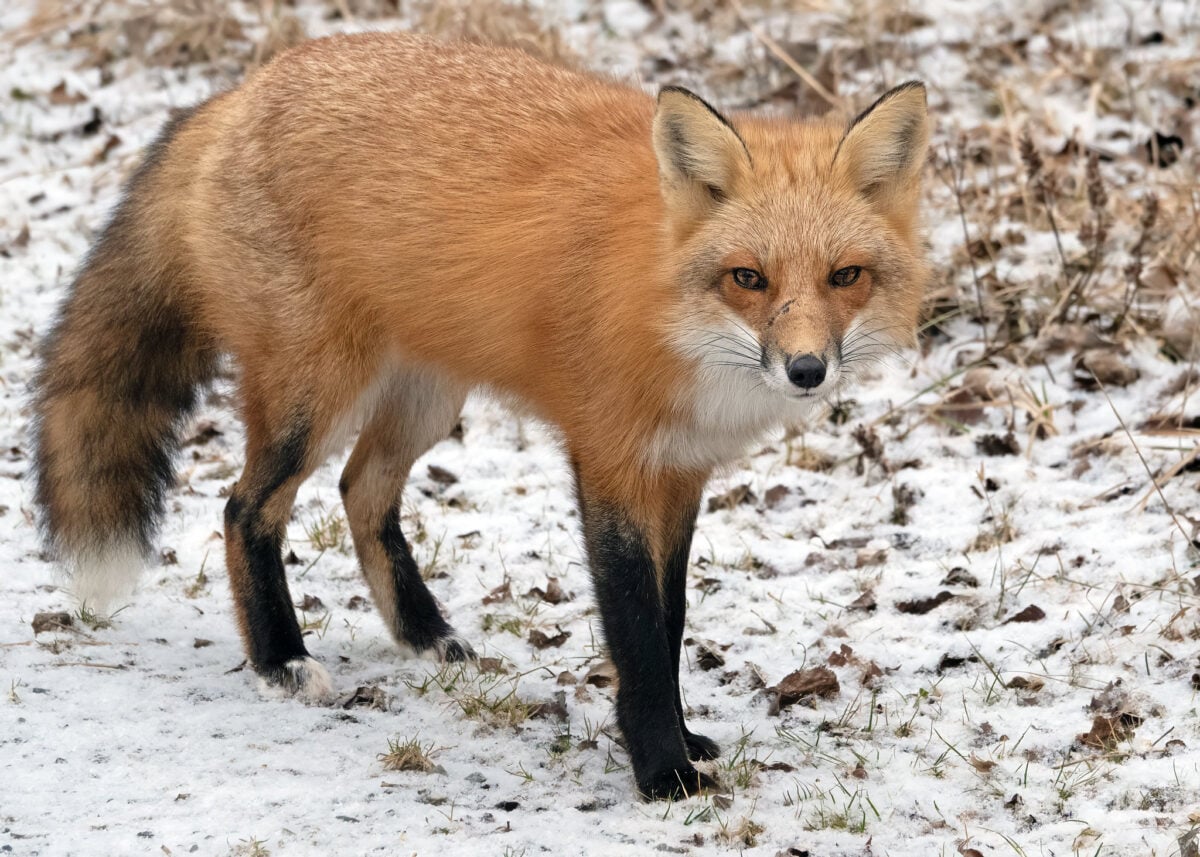
Charles Lennox, 3rd Duke of Richmond, kept a tamed fox in the 18th century that behaved more like a dog. The fox wore a collar, came when called, and slept in the duke’s bedroom. It accompanied him on walks through his estate and learned to fetch.
The fox lived for over a decade, far longer than wild foxes typically survive. When it died, the duke had it preserved and displayed in his private collection.
Where These Stories Lead

Old tales aren’t just about strange tastes. Yet they show how different times see pets in totally different ways.
What seemed normal for kings feels wild or silly now. Even so, those animals received care, attention, brushing – stuff every home pet needs to do well.
The odd appearance of these creatures never got in the way of true bonds. Unusual companions from earlier times prove that links between people and animals can pop up in ways you’d never guess – some even weirder than imagination allows.
More from Go2Tutors!

- The Romanov Crown Jewels and Their Tragic Fate
- 13 Historical Mysteries That Science Still Can’t Solve
- Famous Hoaxes That Fooled the World for Years
- 15 Child Stars with Tragic Adult Lives
- 16 Famous Jewelry Pieces in History
Like Go2Tutors’s content? Follow us on MSN.