Richest Politicians in the World
Money often flows where power sits. A few top officials started rich, others stacked cash along the way.
Staring at balances reveals shockingly high figures. Certain names come from huge companies trading boardrooms for ballots.
Royals show up too – born on third base, never needing to run. Wealth shifts shape but rarely leaves the room.
A few lawmakers stand apart when it comes to wealth. Their financial lives reveal gaps others rarely see.
Power often walks hand in hand with personal fortune. Some built empires before office.
Others inherited fortunes that shaped public service. Net worth alone doesn’t explain influence – yet numbers speak clearly here.
These individuals cross lines most cannot. A paycheck from Congress won’t make anyone rich.
But for some, government work adds to what was already vast. Wealth like theirs stirs questions more than praise.
Not every path to riches is the same. Still, each figure carries the weight of money behind decisions.
Vladimir Putin
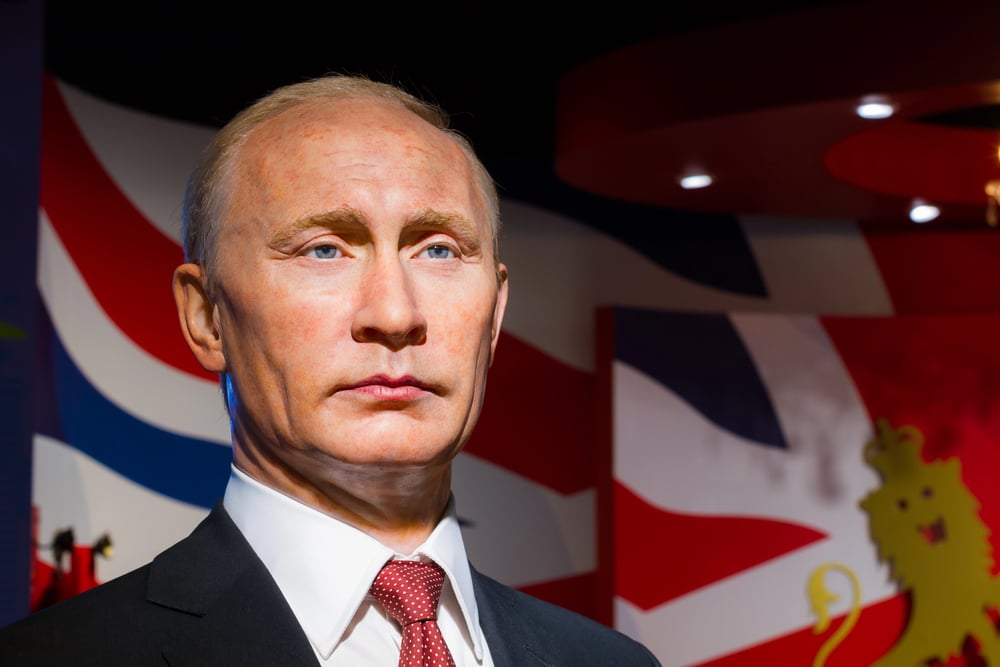
A small official paycheck appears on paper for Russia’s long-serving leader, yet analysts believe his real net worth might sit between seventy billion and two hundred billion dollars. Hidden ownership in energy firms, financial institutions, and key sectors supposedly fuels Putin’s massive holdings.
Numbers remain unclear since layers of loyal figures manage property and investments for him behind the scenes. This vast personal empire is widely whispered about across international power circles, even as Moscow flatly rejects every allegation.
Hassanal Bolkiah
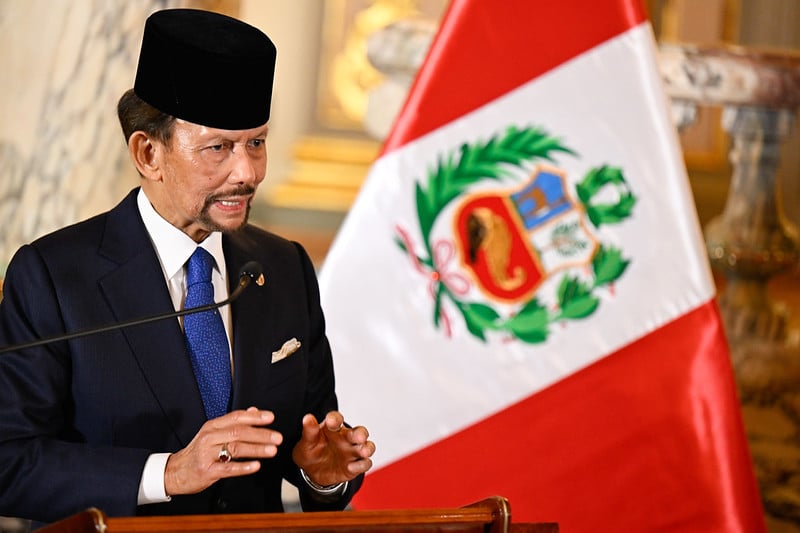
Tiny Brunei is ruled by its sultan, who sits on vast oil riches amounting to roughly thirty billion dollars. Much of his money flows straight from the country’s rich deposits of oil and gas – resources run by his own royal household.
Inside a sprawling residence boasting more than seventeen hundred chambers, he dwells among countless high-end cars, possibly the biggest private fleet on Earth. Power rests entirely in his hands as king, letting him mix personal assets with national funds unlike any elected official could ever do.
Mohammed bin Salman
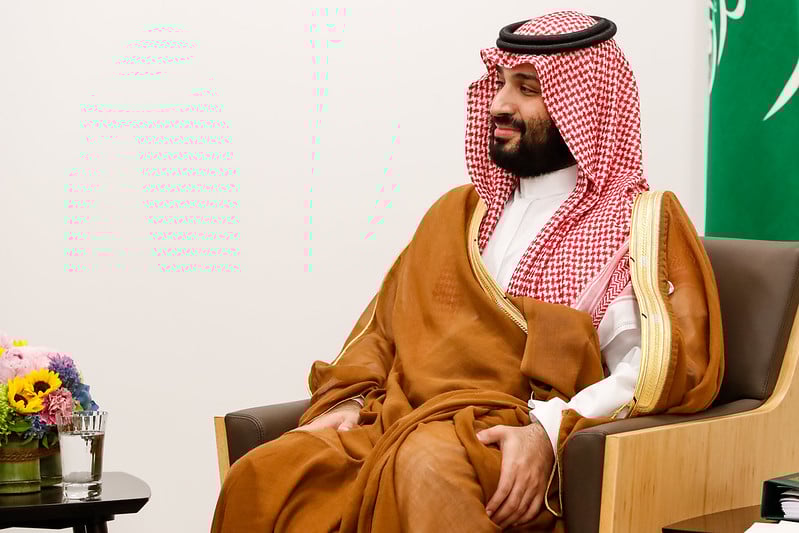
One way to look at it – Saudi Arabia’s heir apparent holds around 25 billion dollars, but untangling what belongs to him versus the government? That part stays unclear. A famous purchase: a half-billion-dollar artwork by da Vinci, followed soon after by an even costlier boat.
Change has arrived under his watch, reshaping daily life in certain corners of the kingdom, yet authority keeps flowing toward one center. Standing ahead of others like him across desert states, he’s shaping up as someone getting things ready when oil money fades.
Maha Vajiralongkorn
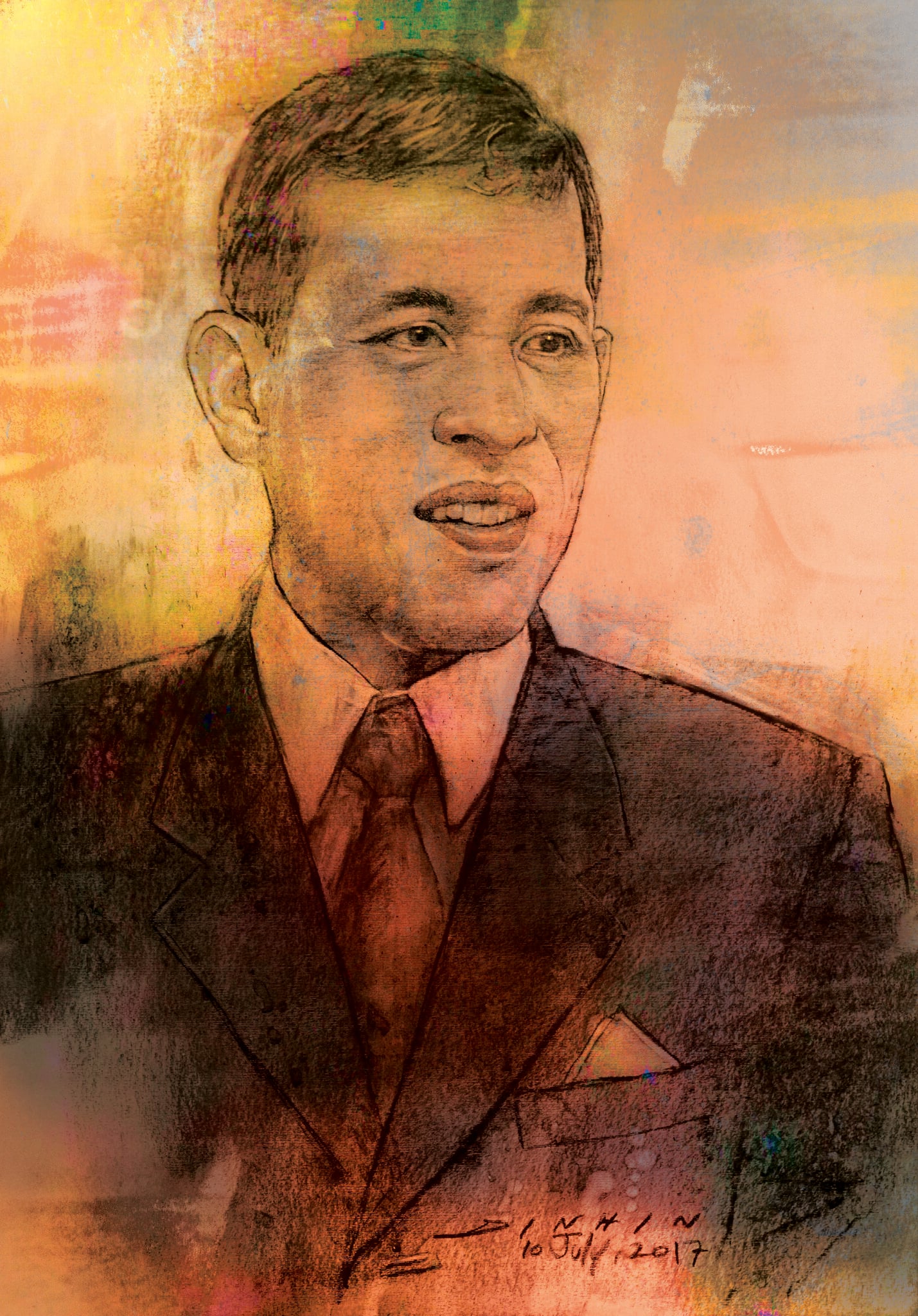
Coming into power in 2016, Thailand’s King stepped into a personal fortune believed to total around $43 billion. Much of it sits in property across Bangkok, handled by the Crown Property Bureau.
Alongside that, stakes in firms such as Siam Cement and Siam Commercial Bank form part of the portfolio. Now, instead of indirect oversight, legal updates have placed those resources under his immediate authority.
Among today’s ruling kings, none hold more wealth than he does.
Mohammed bin Rashid Al Maktoum
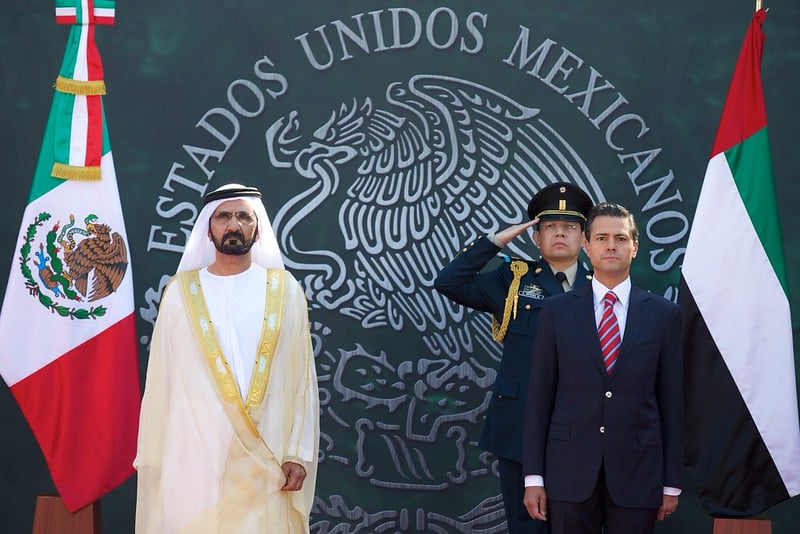
A little over 14 billion dollars sits within the grasp of Dubai’s leader, who also serves as vice president of the United Arab Emirates. From what was once just a quiet harbor for trade, he pushed growth that pulled worldwide attention.
Big moves in construction and infrastructure turned a desert spot into a magnet for travelers and companies alike. Instead of waiting, he acted – backing ventures in property, flight services, even thoroughbred tracks far beyond his homeland.
Because of choices like these, Dubai now stands out more than any other city in its region.
Donald Trump
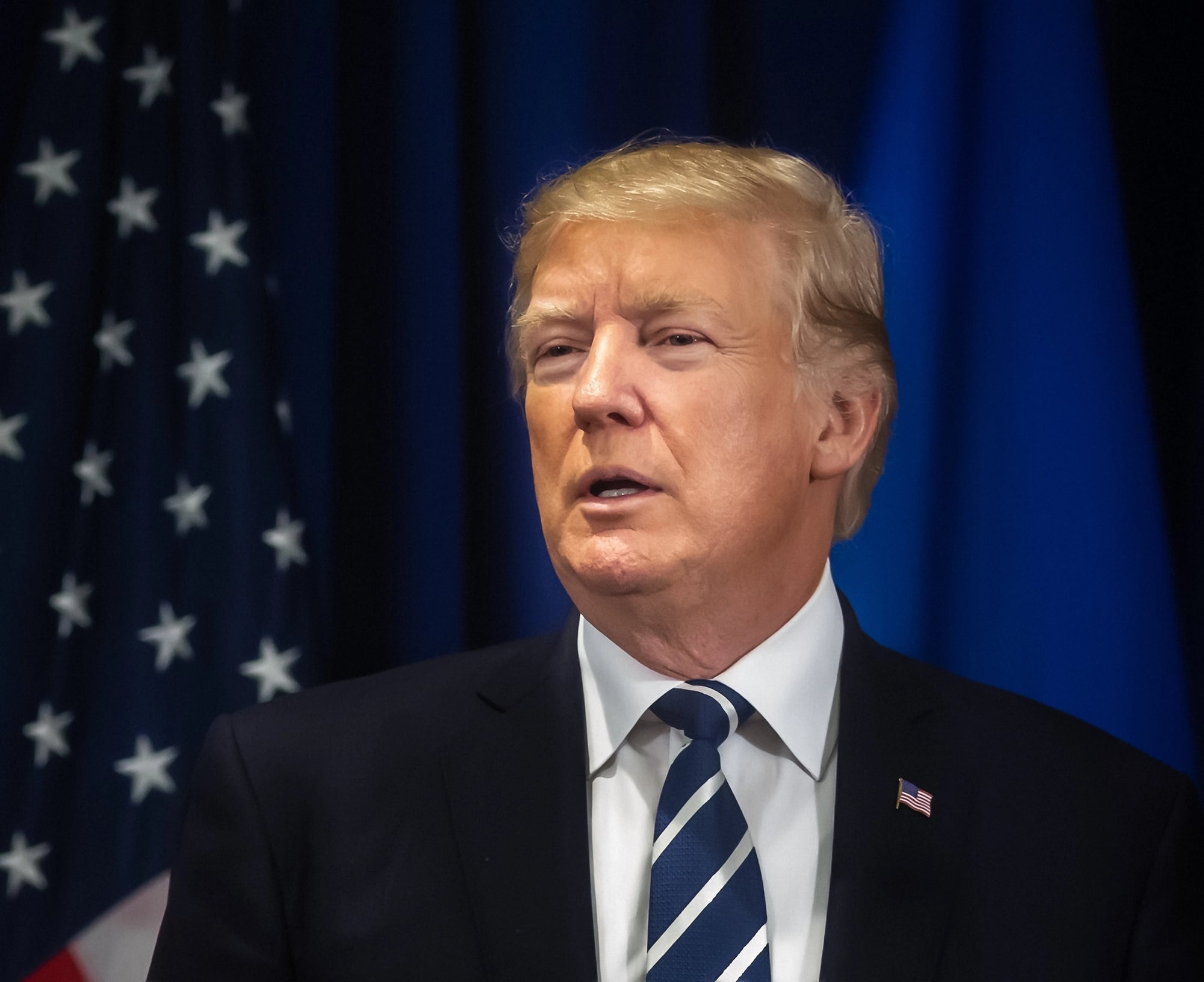
The former U.S. President built his wealth through real estate development, branding deals, and reality television before entering politics. Estimates place his net worth between $2 billion and $3 billion, though the exact figure sparks debate.
Trump Tower, golf courses, and licensing agreements bearing his name form the foundation of his business empire. His presidency marked the first time a billionaire real estate developer occupied the White House.
Silvio Berlusconi
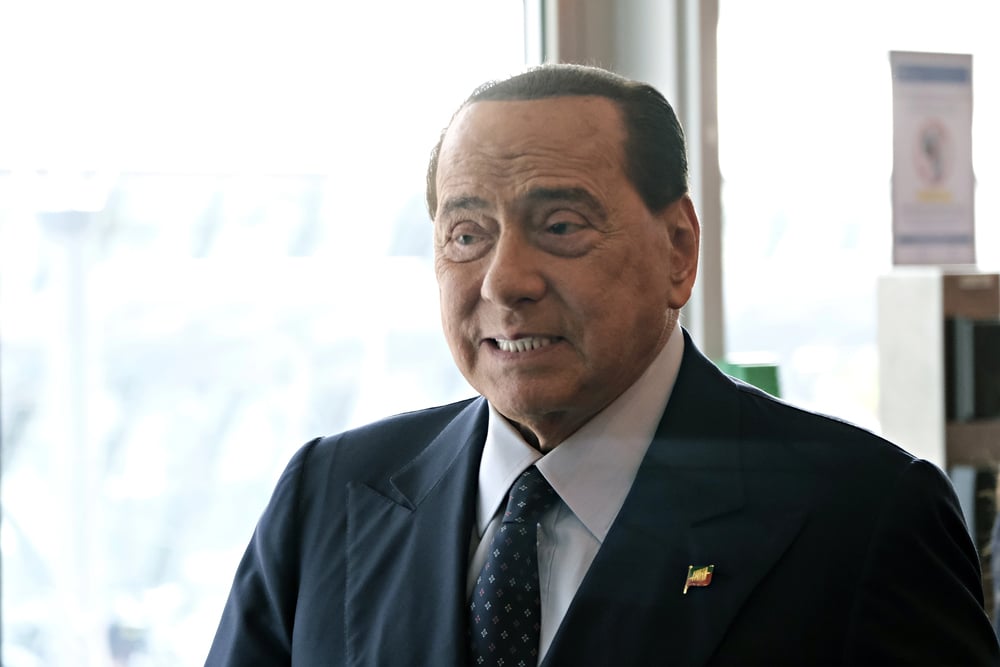
Italy’s controversial former Prime Minister accumulated roughly $6.8 billion before his death in 2023 through media companies and other business ventures. He owned television networks, publishing houses, and the AC Milan football club during his career.
Berlusconi served multiple terms as Prime Minister while simultaneously managing his business interests, raising persistent conflict-of-interest concerns. His larger-than-life personality and legal troubles made him one of Europe’s most colorful political figures.
Michael Bloomberg
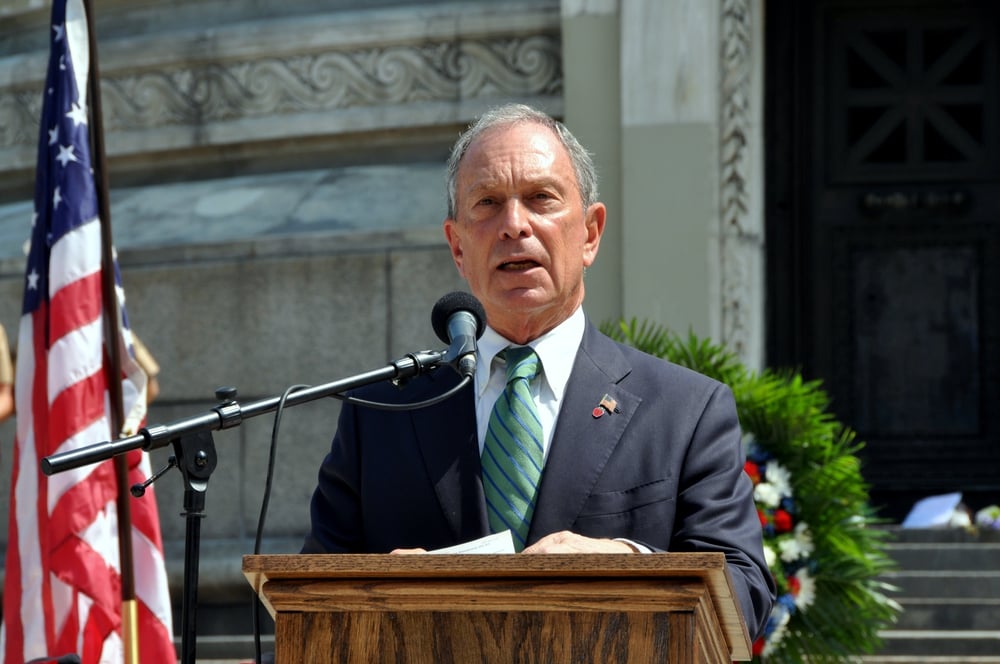
The former New York City mayor built a $96 billion fortune through Bloomberg LP, his financial data and media company. He served three terms leading America’s largest city while maintaining ownership of his business empire.
Bloomberg spent over $1 billion on his short-lived 2020 presidential campaign, self-funding the entire operation. His philanthropy focuses on public health, education, and climate change initiatives.
Najib Razak
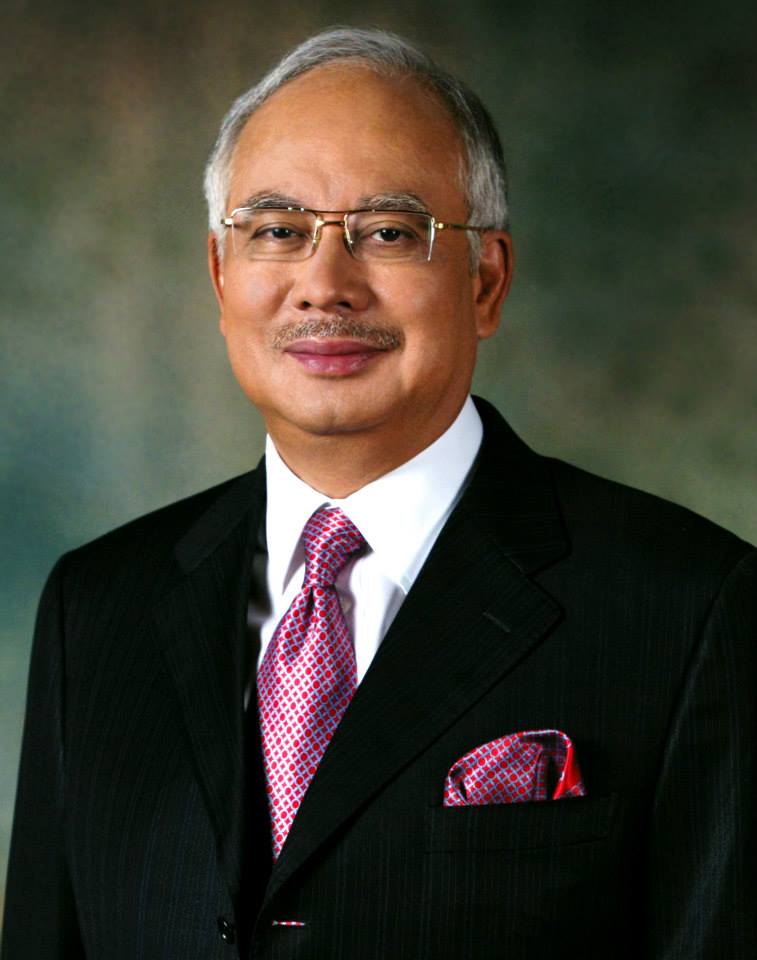
Malaysia’s former Prime Minister allegedly amassed billions through the 1MDB corruption scandal, one of the world’s largest financial frauds. Investigators found $700 million deposited in his personal bank accounts.
Courts convicted him in 2020, sentencing him to 12 years in prison for abuse of power and money laundering. His fall from grace stands as a stark reminder of how political power can enable corruption on a massive scale.
Bidzina Ivanishvili
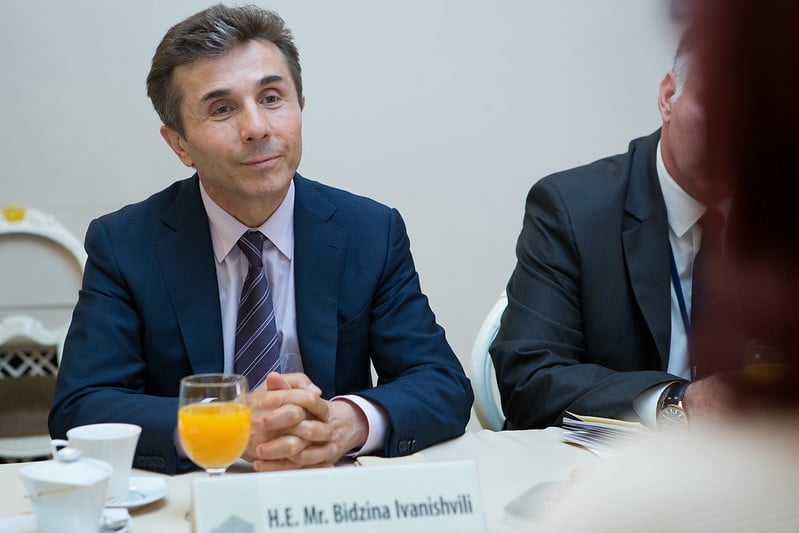
Georgia’s former Prime Minister earned his estimated $5.2 billion fortune in Russian banking and metals during the 1990s. He served just one year as Prime Minister but remains the power behind Georgian politics.
His wealth dwarfs Georgia’s entire annual budget, giving him outsized influence over the small nation’s affairs. Ivanishvili’s hilltop palace overlooking Tbilisi symbolizes how wealth translates into political control.
Salman bin Abdulaziz Al Saud
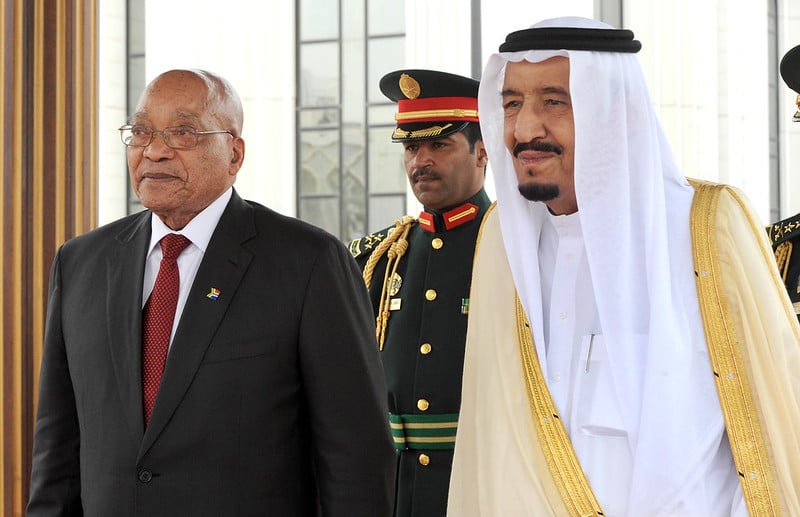
Saudi Arabia’s King holds wealth estimated between $18 billion and $20 billion, separate from state resources. He took the throne in 2015 at age 79, becoming one of the world’s oldest new monarchs.
His reign has seen significant shifts in Saudi policy, including giving women the right to drive. The king’s fortune comes from decades of involvement in Saudi governance and business deals.
Khalifa bin Zayed Al Nahyan
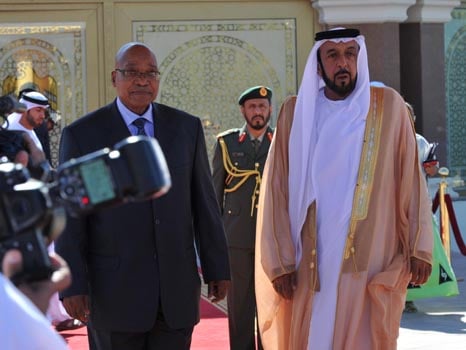
Abu Dhabi’s ruler and former UAE President held an estimated $15 billion fortune until his death in 2022. His emirate controls most of the UAE’s oil wealth, funding massive development projects and a sovereign wealth fund worth hundreds of billions.
Abu Dhabi’s investments reach into every corner of the global economy, from technology startups to sports franchises. His leadership helped maintain stability in a volatile region.
Gurbanguly Berdimuhamedow
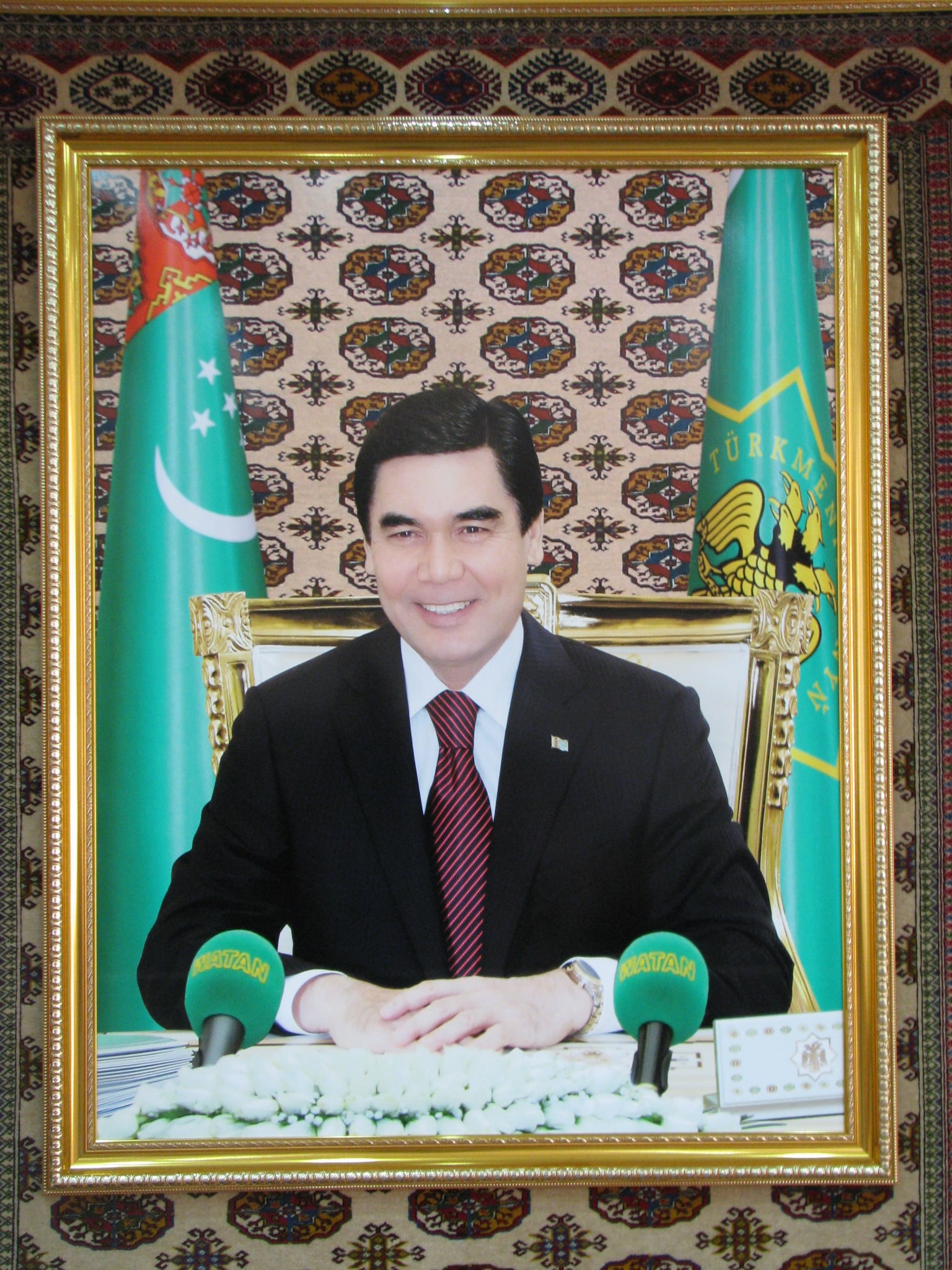
Turkmenistan’s former President allegedly controls billions through his family’s grip on the gas-rich Central Asian nation. He ruled with an iron fist while building a personality cult around himself, erecting golden statues and renaming months after family members.
His son now serves as President, keeping wealth and power within the family. Turkmenistan’s isolation makes verifying his actual net worth nearly impossible.
Lee Hsien Loong
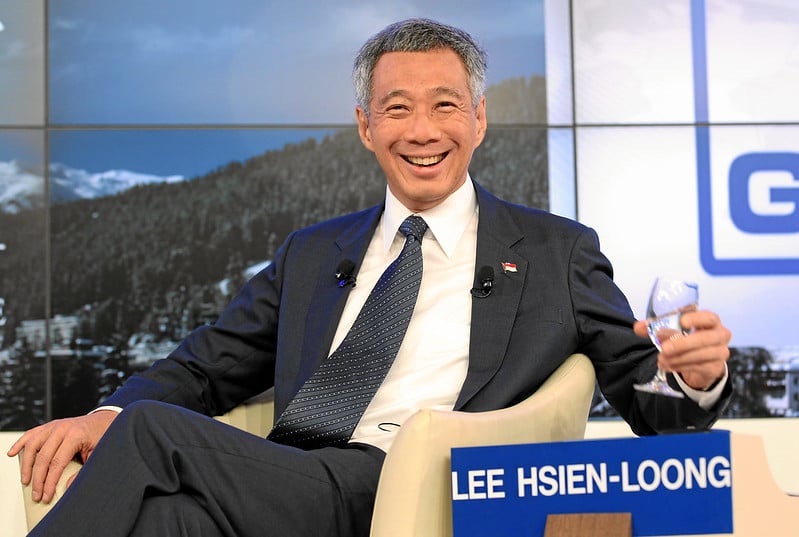
Singapore’s longtime Prime Minister earns one of the world’s highest official government salaries at roughly $1.6 million annually. His family’s wealth extends far beyond his salary, with investments in property and businesses across Asia.
Singapore’s remarkable transformation from a colonial outpost to a financial powerhouse happened largely under his family’s leadership. Lee represents a rare example of a wealthy politician in a functioning democracy with low corruption.
Andrej Babiš
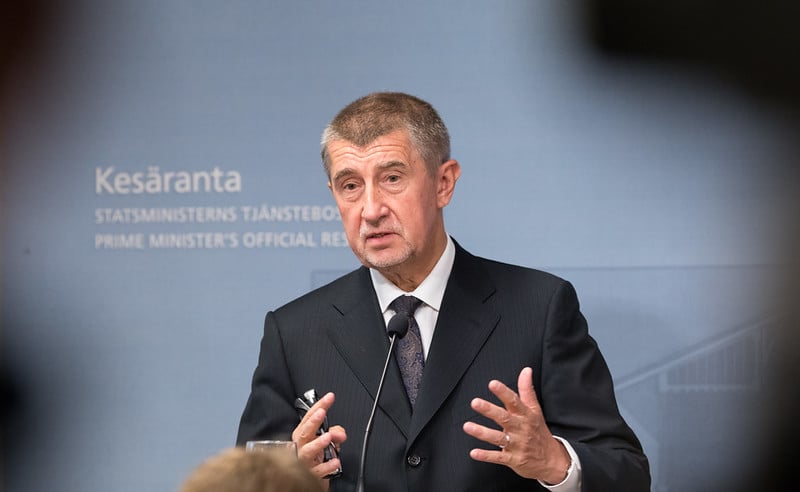
The Czech Republic’s former Prime Minister built a $3.4 billion fortune through Agrofert, a conglomerate controlling food, chemicals, and media companies. He entered politics portraying himself as a businessman who could run the country more efficiently.
Critics accused him of conflicts of interest since his companies received EU subsidies while he held office. His case highlights the complicated relationship between business success and political leadership in modern democracies.
Where Wealth Meets Power
The fortunes behind these political figures reveal patterns that span continents and government systems. Monarchs inherit wealth along with their titles, while business leaders sometimes transition their success into political careers.
The troubling cases involve those who allegedly used political office to build wealth through corruption, betraying public trust for personal gain. Understanding who holds both money and power helps citizens think more critically about the motivations behind political decisions and the true cost of governance around the world.
More from Go2Tutors!

- The Romanov Crown Jewels and Their Tragic Fate
- 13 Historical Mysteries That Science Still Can’t Solve
- Famous Hoaxes That Fooled the World for Years
- 15 Child Stars with Tragic Adult Lives
- 16 Famous Jewelry Pieces in History
Like Go2Tutors’s content? Follow us on MSN.