Vintage Arcade Games That Defined A Generation
Out on the street, games once demanded attention in bright, noisy halls. Crowded corners filled with flashing lights echoed with shouts whenever someone beat a high score.
Skill showed fast there – no hiding behind menus or restarts, just quick hands under flickering bulbs. Minutes mattered more than memory cards, each playthrough burning short and intense.
Designs bent around coin slots, building challenges meant to drain pockets, not patience. People leaned in close, watching near-strangers try their luck, feeding off tension thick in the air.
Connection sparked between players who never spoke, tied by rhythm, timing, urgency. A handful of old arcade titles did more than pass time – they shaped the way one era saw fun, rivalry, even pixels on screens.
What started as flickering lights and beeps became something like culture. Not every game lasted, yet some stuck around long enough to shift expectations.
Through clunky joysticks and glowing cabinets, kids learned rules without manuals. Victory meant quarters saved, not trophies.
Each match built habits that outlived the machines themselves. These weren’t just distractions – they framed what playing could mean.
Pong
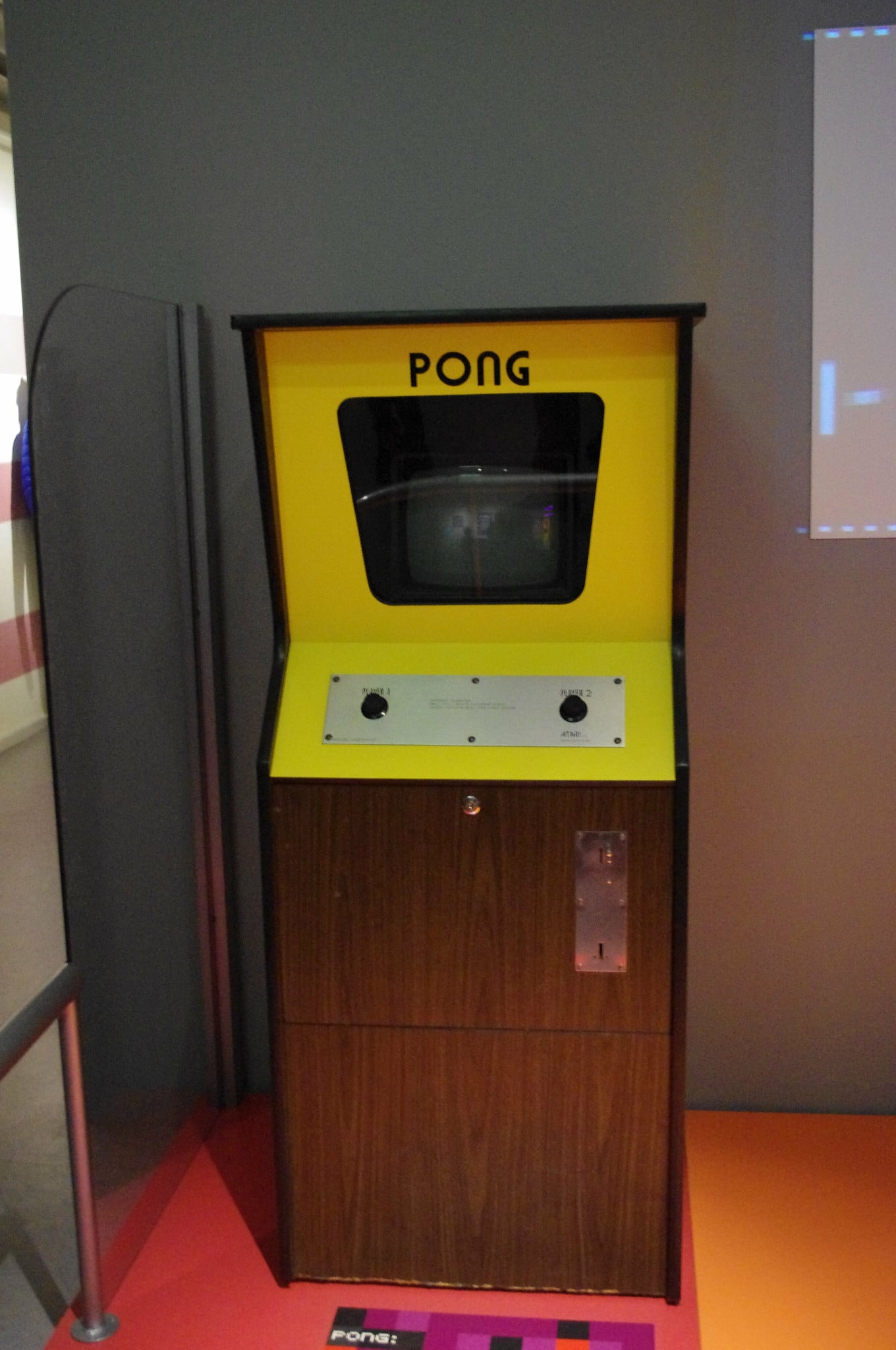
Pong is often remembered for its simplicity, but its impact was anything but small. Two paddles, a bouncing square, and a score at the top of the screen were enough to pull people in and keep them there.
The game stripped interaction down to its essentials, making it instantly understandable even to first-time players. That clarity mattered.
Pong introduced the idea that machines could respond in real time to human input, creating a feedback loop that felt alive. In crowded arcades and bars, it turned curiosity into competition, laying the groundwork for everything that followed.
Space Invaders
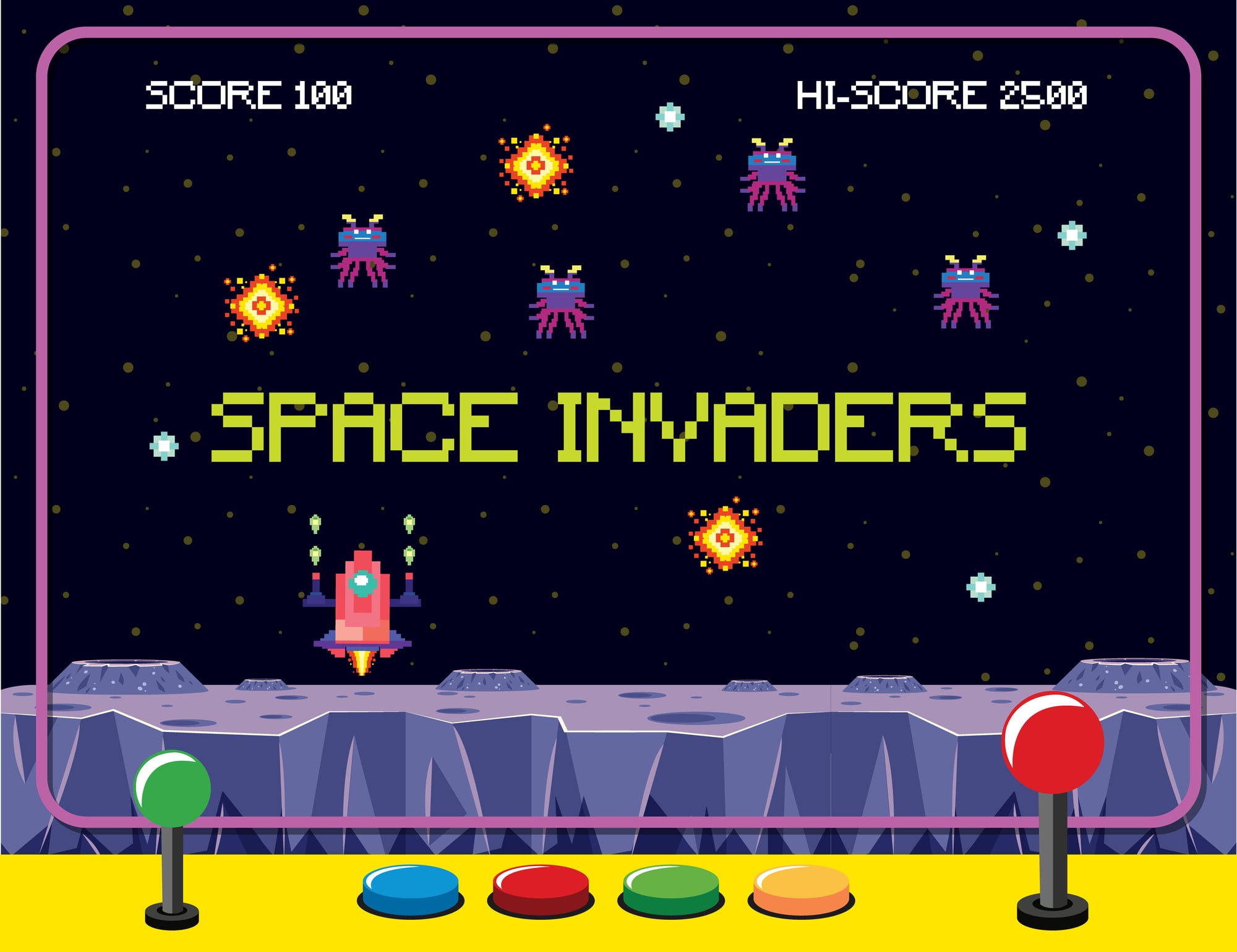
Space Invaders transformed arcades from novelty stops into destinations. Rows of descending aliens created tension that built steadily rather than resetting each round.
The increasing speed and pressure forced players to stay focused, rewarding endurance as much as reflex. Still, its influence went beyond gameplay.
Space Invaders popularised high-score chasing, encouraging players to return repeatedly to beat not just the machine, but each other. It introduced persistence to arcade gaming, where progress felt cumulative even though every session eventually ended.
Pac-Man
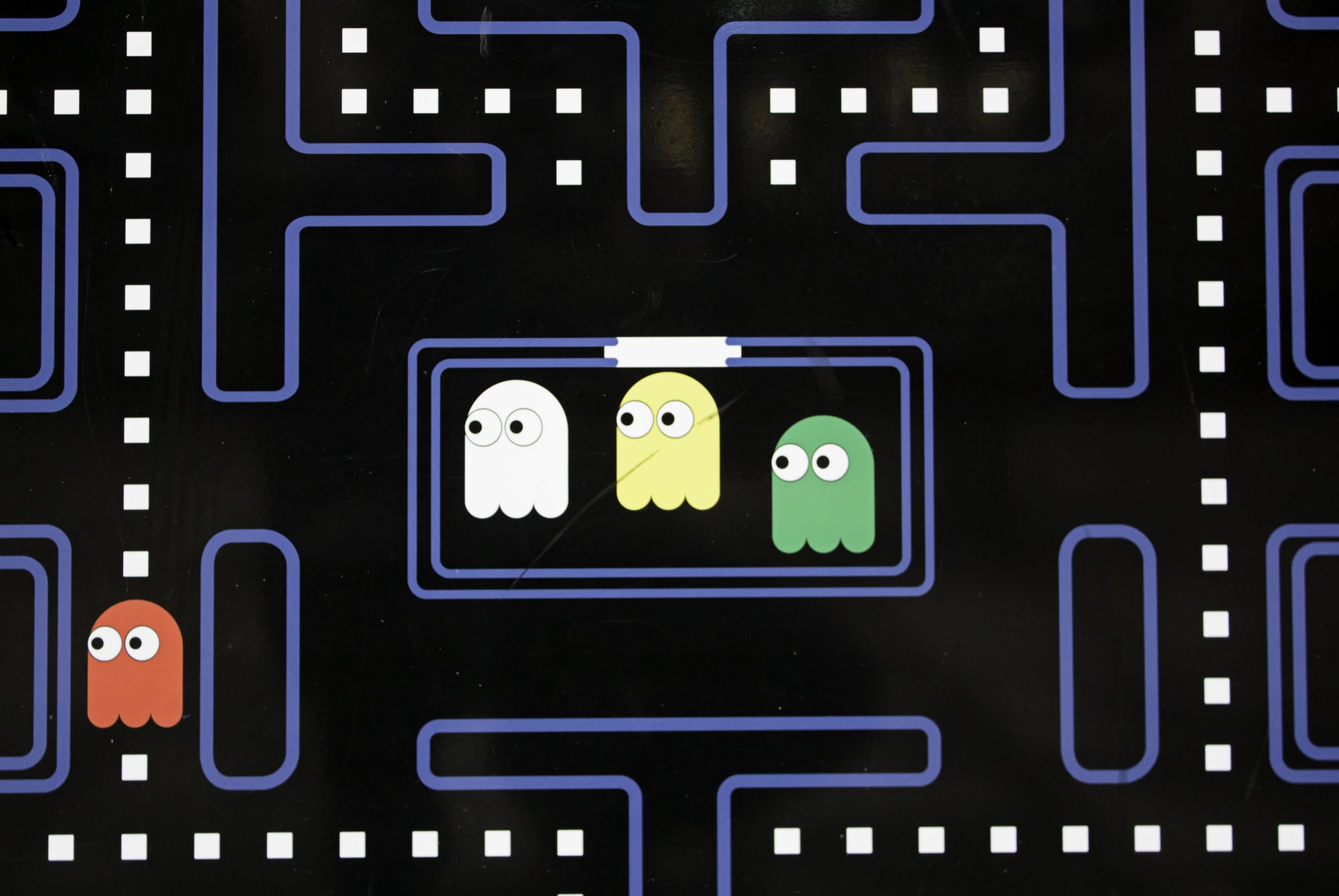
Pac-Man broke away from the space and combat themes that dominated early arcades. With its bright colours, simple characters, and maze-based design, it appealed to a broader audience than most games of its era.
The rules were easy to grasp, but mastering the patterns took time. Even so, Pac-Man’s cultural reach was unprecedented.
Its characters became icons, recognisable far beyond the arcade floor. The game demonstrated that personality and design could be just as important as challenge, expanding who felt welcome in gaming spaces.
Donkey Kong
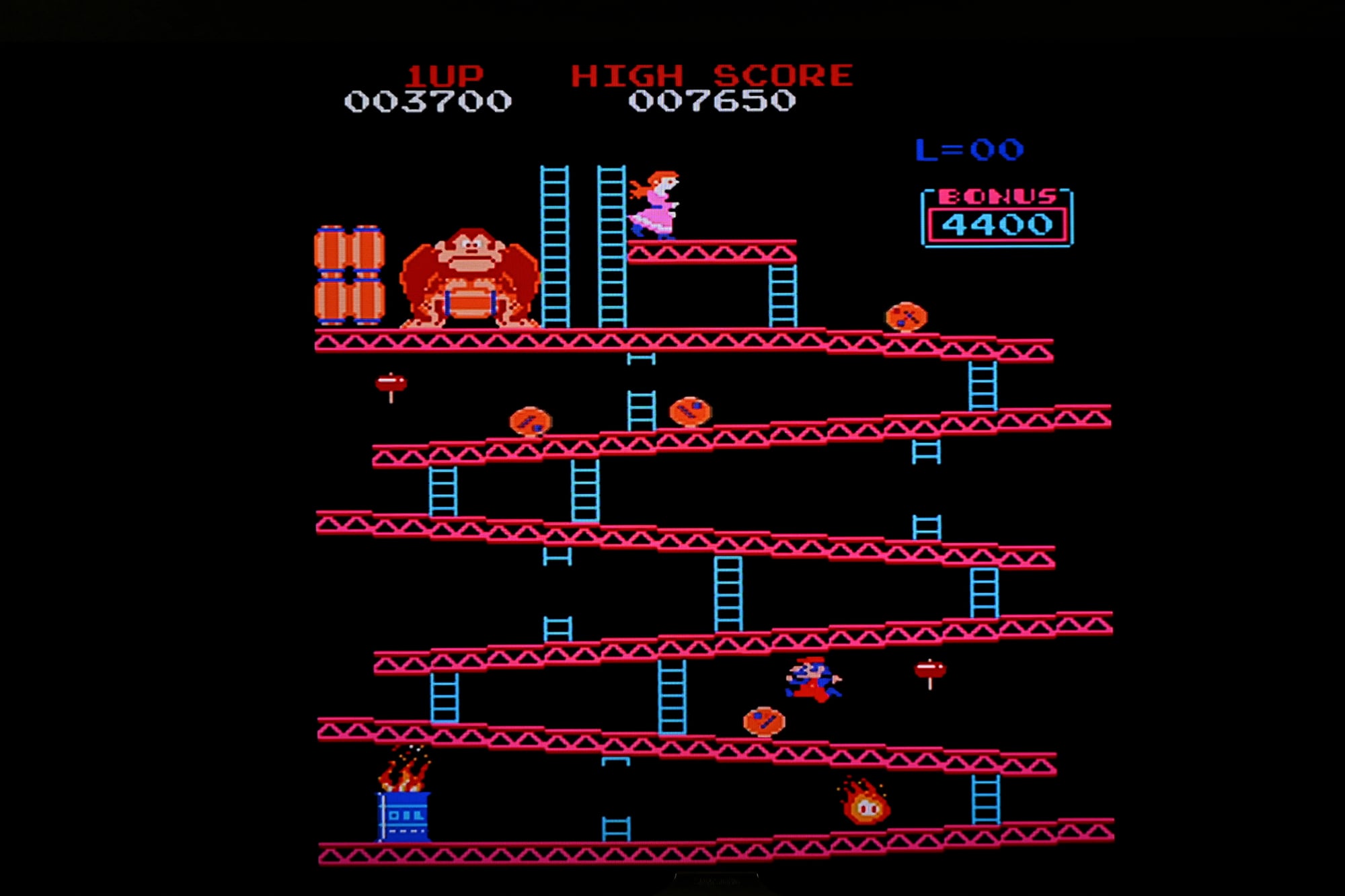
Donkey Kong introduced narrative structure to arcade gaming. For the first time, players followed a clear scenario involving characters with roles and motivations, however simple they appeared.
The jumping mechanic added vertical movement that felt fresh and demanding. That said, Donkey Kong’s lasting legacy lies in character creation.
It introduced figures that would go on to shape decades of gaming history. By blending storytelling with mechanical challenge, it showed that games could build worlds, not just test reactions.
Galaga
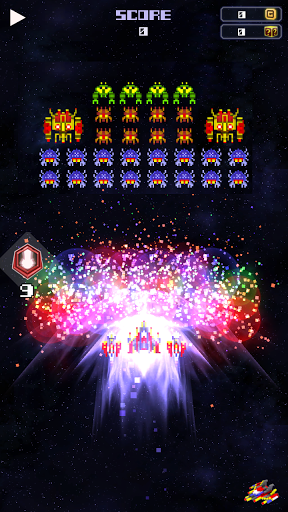
Galaga refined the fixed-shooter format with precision and personality. Enemy formations moved with intention, and the option to regain captured ships added strategic depth.
Players were encouraged to take calculated risks rather than simply react. Still, Galaga thrived because it respected the player’s skill.
The controls were responsive, the patterns learnable, and improvement felt earned. It became a favourite for seasoned arcade regulars, offering depth without sacrificing accessibility.
Ms. Pac-Man
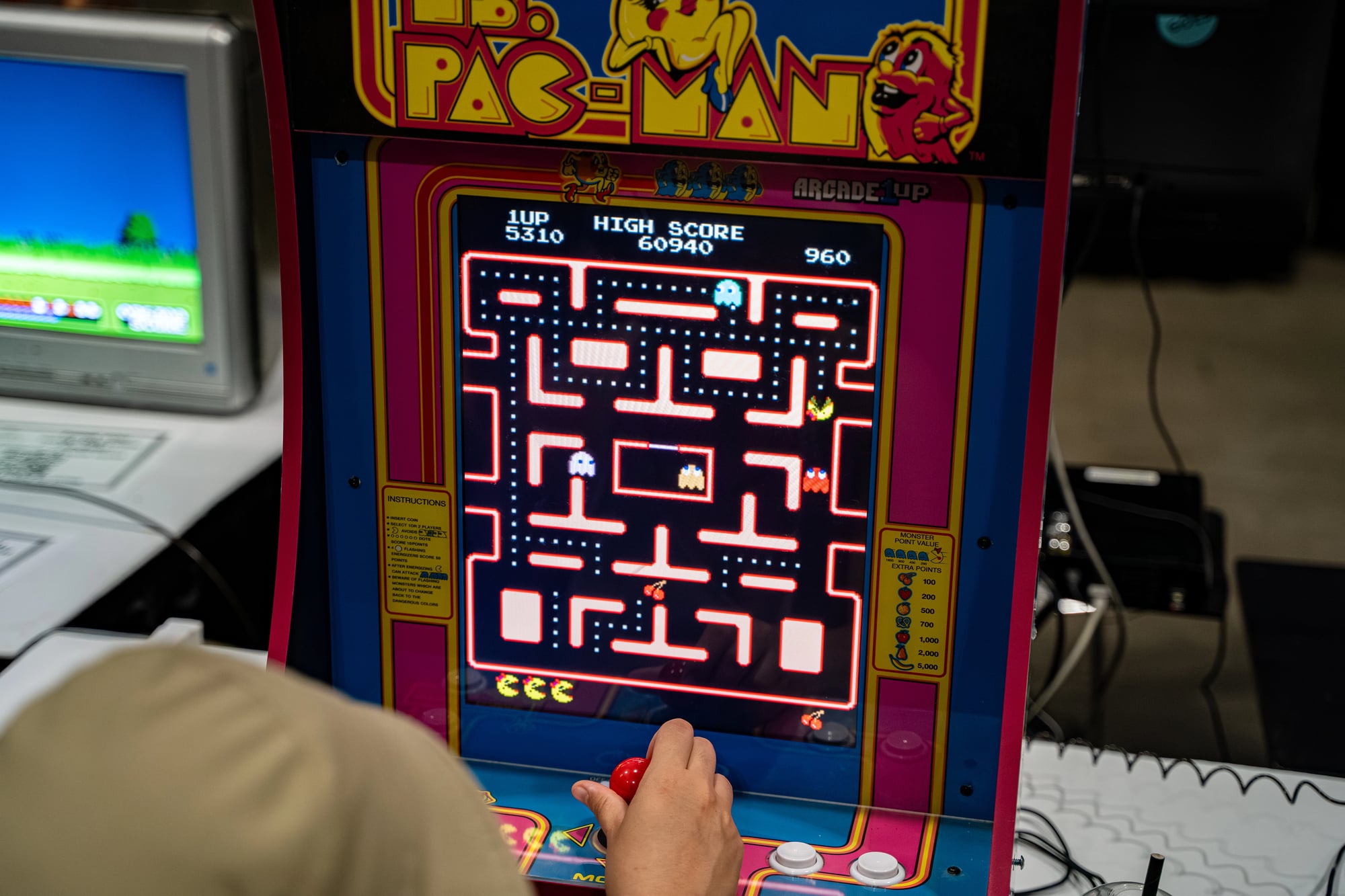
Ms. Pac-Man took a familiar concept and made it better. New maze layouts, more unpredictable enemy behaviour, and smoother movement gave the game a faster, more dynamic feel.
It rewarded adaptability rather than memorisation alone. On the other hand, its success also showed how refinement mattered.
Ms. Pac-Man proved that sequels did not need to reinvent the wheel to make an impact. Thoughtful changes could refresh an experience while respecting what players already loved.
Street Fighter II
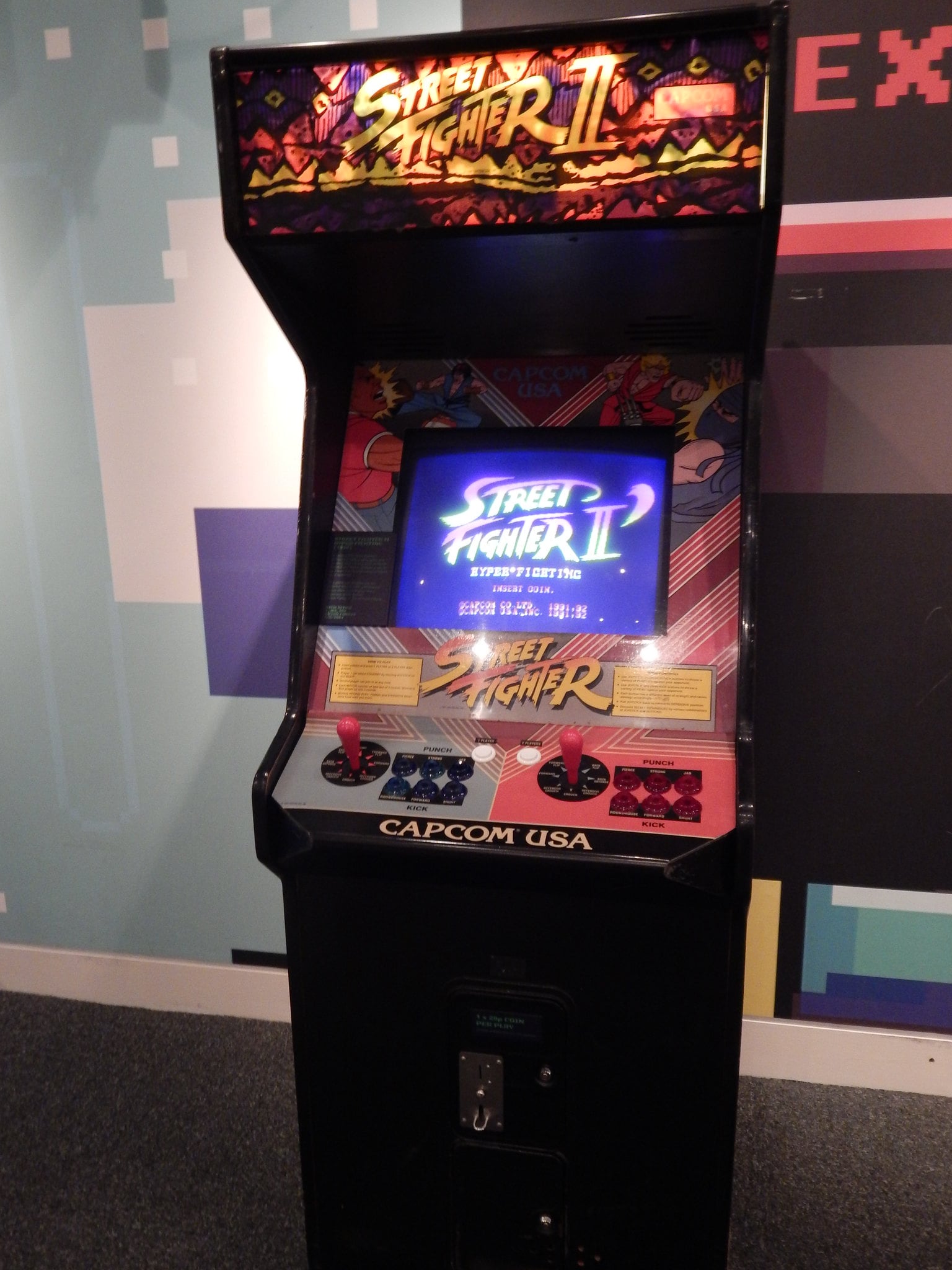
Street Fighter II redefined competitive gaming in public spaces. Its roster of distinct characters, each with unique moves and strategies, turned one-on-one play into a social event.
Crowds gathered around cabinets, watching matches unfold and offering commentary. That said, its influence reached far beyond arcades.
Street Fighter II established the foundations of competitive fighting games, from move sets to balance considerations. It created a shared language of skill and rivalry that still shapes competitive gaming culture today.
Mortal Kombat

Mortal Kombat pushed arcade gaming into more controversial territory through its digitised visuals and heightened intensity. The realistic character sprites made matches feel heavier and more dramatic than earlier titles.
It was impossible to ignore. Still, its real impact came from how it sparked conversation.
Mortal Kombat forced discussions about content, tone, and audience that reached beyond arcades. It showed that games had cultural weight, capable of stirring reactions far outside their immediate player base.
NBA Jam
NBA Jam captured attention through exaggeration rather than realism. Players soared unrealistically high, shots caught fire, and commentary added constant energy.
The game prioritised excitement and accessibility over simulation. Even so, NBA Jam thrived because it was social.
Multiplayer sessions encouraged cooperation and rivalry in equal measure. It became a fixture in arcades precisely because it invited laughter, shouting, and shared moments, reinforcing the arcade as a communal space.
Teenage Mutant Ninja Turtles
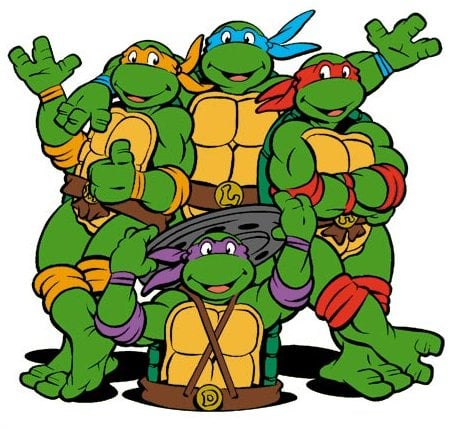
Teenage Mutant Ninja Turtles demonstrated the power of cooperative play. Designed for multiple players at once, it allowed friends to stand side by side and tackle challenges together.
The format encouraged teamwork without demanding deep mastery. That said, the game’s appeal rested on accessibility.
Familiar characters and straightforward mechanics made it easy for anyone to join in. It reinforced the idea that arcades were not just about individual achievement, but about shared fun.
Why Arcade Games Still Matter
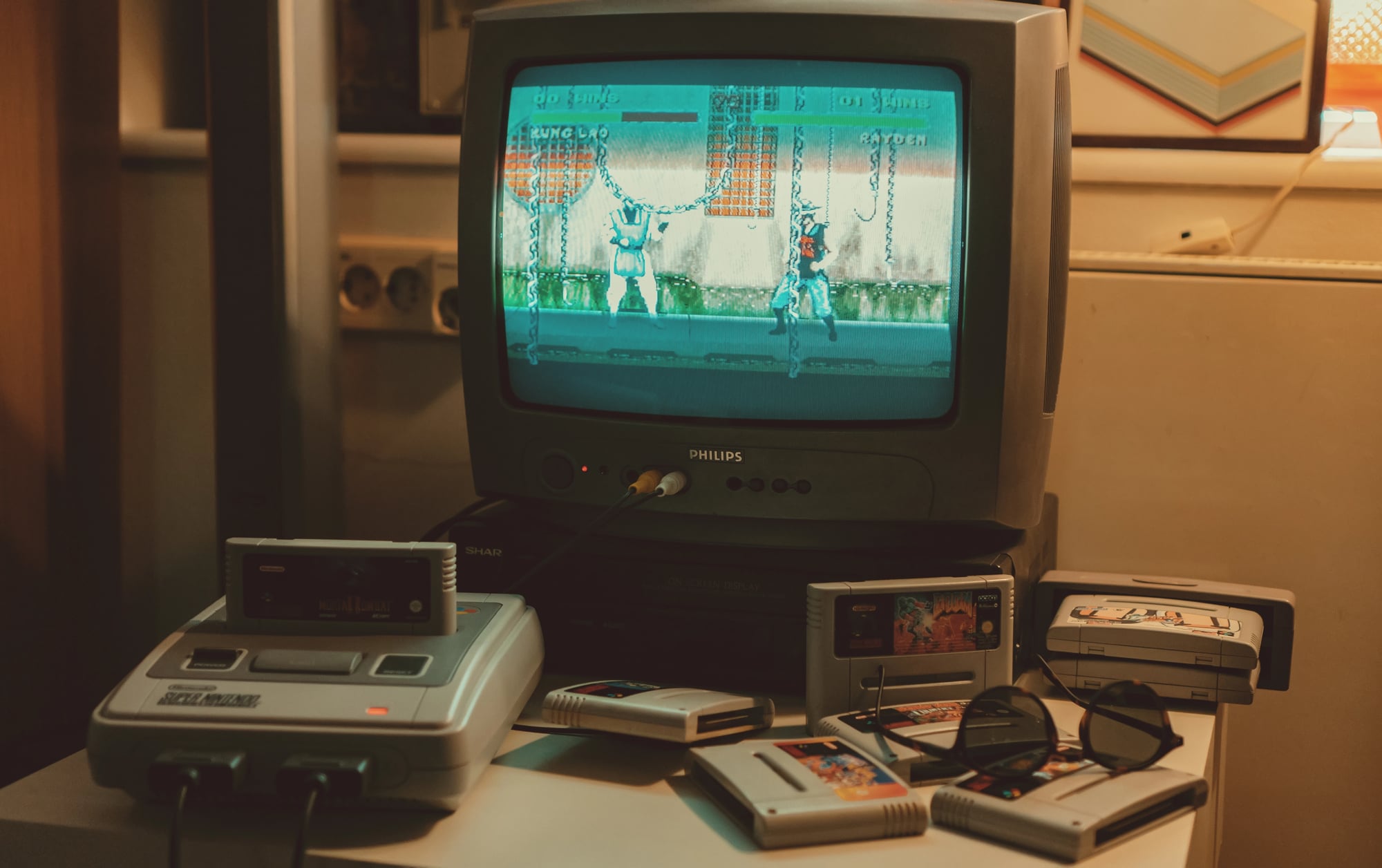
Back then, old-school arcade machines built routines still seen now. Because they forced people to pick things up fast, adjust when stressed, one small mistake could end everything.
Progress showed not by how much you collected but how well you played. With no way to save or restart halfway through, each round mattered more.
What really mattered back then? These games brought people together. Found in busy spots, they made spectators out of passersby – just standing and watching meant you were involved.
Even now, that feeling lingers in online groups who play together. The old arcades didn’t just kill time. They shaped how video games fit into everyday life.
More from Go2Tutors!

- The Romanov Crown Jewels and Their Tragic Fate
- 13 Historical Mysteries That Science Still Can’t Solve
- Famous Hoaxes That Fooled the World for Years
- 15 Child Stars with Tragic Adult Lives
- 16 Famous Jewelry Pieces in History
Like Go2Tutors’s content? Follow us on MSN.



