16 Landmarks Almost Built Somewhere Else
Many iconic landmarks define the cities where they stand, becoming inseparable from the identity of their locations. The Eiffel Tower practically is Paris, the Statue of Liberty embodies New York, and the Sydney Opera House instantly represents Australia to people worldwide.
Yet these famous structures and monuments often came remarkably close to being built elsewhere, their current homes sometimes determined by last-minute decisions, funding issues, or political maneuvering.
Here is a list of 16 famous landmarks that nearly ended up in completely different locations than where we know them today.
Eiffel Tower
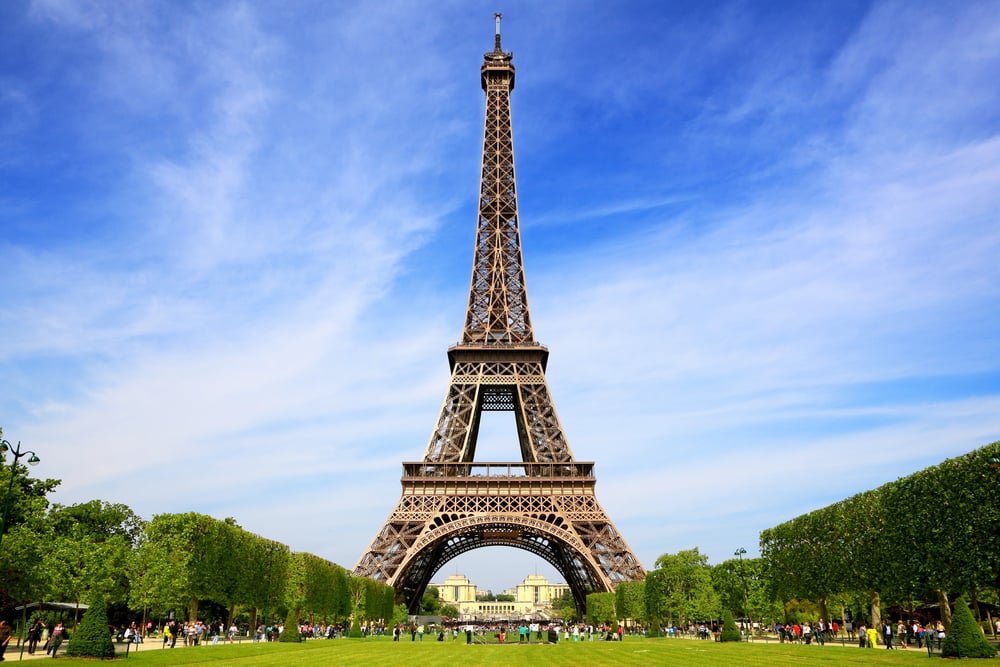
The iconic symbol of Paris was originally proposed for Barcelona, Spain. Gustave Eiffel pitched his tower design to Barcelona for their 1888 Universal Exposition, but city officials rejected it as too expensive and impractical. Paris later embraced the project for the 1889 World’s Fair, though many Parisians initially opposed it as an eyesore.
The tower was actually scheduled for demolition in 1909 after its 20-year permit expired, but its utility as a radio transmission tower saved this landmark that now defines the Parisian skyline.
Statue of Liberty

Lady Liberty nearly ended up in Egypt rather than New York Harbor. French sculptor Frédéric-Auguste Bartholdi originally designed the statue as an enormous lighthouse called ‘Egypt Bringing Light to Asia’ for the entrance to the Suez Canal.
When the Egyptian ruler rejected the expensive project, Bartholdi repurposed his design as a gift celebrating American independence. The statue pieces sat in storage for years while Americans struggled to raise funds for the pedestal, nearly causing the project to be abandoned or relocated to Philadelphia, Boston, or San Francisco.
Golden Gate Bridge

San Francisco’s famous bridge was almost built in a different location across the bay. Early plans placed the bridge at Goat Island or connecting San Francisco to Oakland rather than spanning the Golden Gate Strait.
Engineers determined the current location would be most feasible despite stronger currents and winds that complicated construction. The distinctive International Orange color was initially just the primer color, with the U.S. Navy advocating for black and yellow stripes to improve visibility for ships, but consulting architect Irving Morrow convinced officials to keep the vibrant hue that now defines the landmark.
Mount Rushmore

This massive presidential monument was originally planned for the granite pillars called the Needles in South Dakota’s Black Hills. Sculptor Gutzon Borglum rejected that location after examining the narrow rock formations and finding them unsuitable for carving human figures.
He selected Mount Rushmore instead because it faced southeast, providing maximum sun exposure throughout the day. The monument was originally planned to feature the presidents from head to waist, but funding ran out during the Great Depression, leaving us with the partial busts we recognize today.
Space Needle
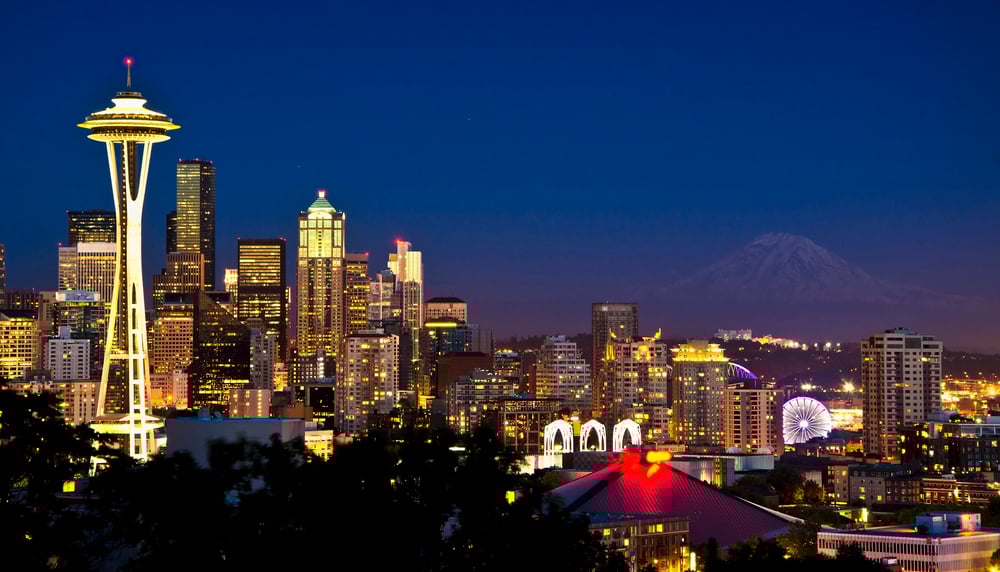
Seattle’s futuristic tower was nearly constructed in Tacoma, Washington, about 30 miles south of its current location. The landmark’s chief architect, Edward Carlson, initially worked with Tacoma investors before Seattle businessmen secured the project for the 1962 World’s Fair.
Early designs placed it in various Seattle neighborhoods before settling on the fairgrounds site. The final construction was completed in record time—just 400 days from groundbreaking to opening—and was built to withstand earthquakes three times stronger than expected for the region.
Gateway Arch
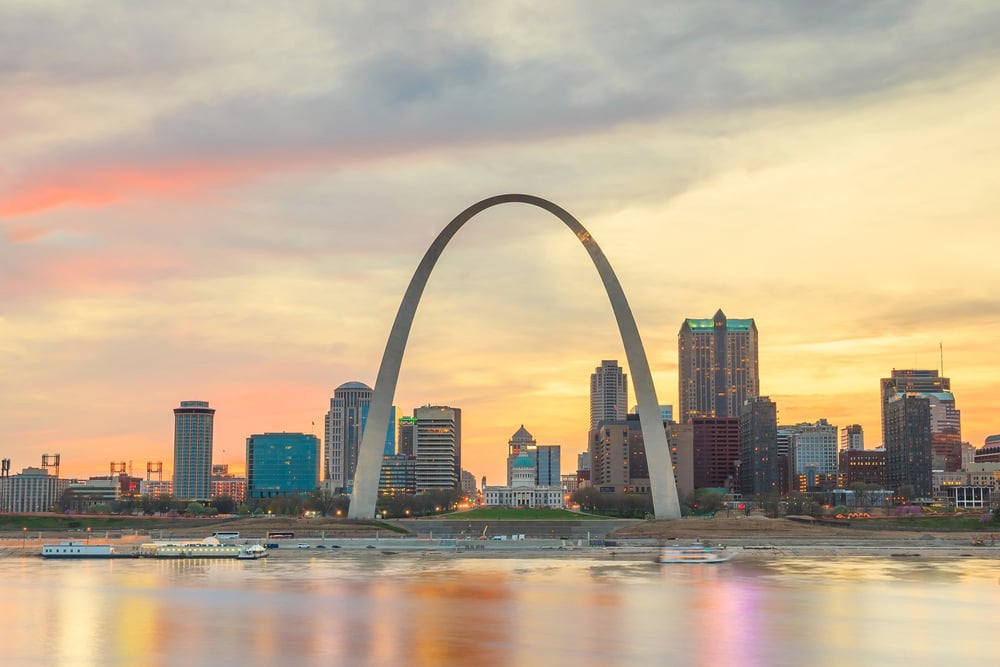
St. Louis’s soaring steel arch was originally proposed for a site two blocks away from its current location. The original plan would have required demolishing many historic buildings from the city’s founding era.
Moving the monument to the Mississippi riverfront not only preserved these buildings but created a more dramatic setting that draws 4 million visitors annually. Construction almost never happened as funding stalled for years after the site was cleared, leaving an empty lot locally nicknamed ‘Luther Ely Smith’s vacant lot’ after the lawyer who first proposed a monument.
Sydney Opera House

Australia’s most recognizable building was initially planned for a different part of Sydney Harbor. The original competition brief specified Bennelong Point, but some architects proposed alternative locations they considered more suitable.
The winning design by Jørn Utzon envisioned concrete shells quite different from today’s iconic structure. Engineers struggled to build Utzon’s original design, causing massive delays and budget overruns that eventually led to Utzon’s resignation before completion.
The final construction, overseen by Australian architects, significantly modified Utzon’s vision yet created one of the world’s most distinctive buildings.
Lincoln Memorial
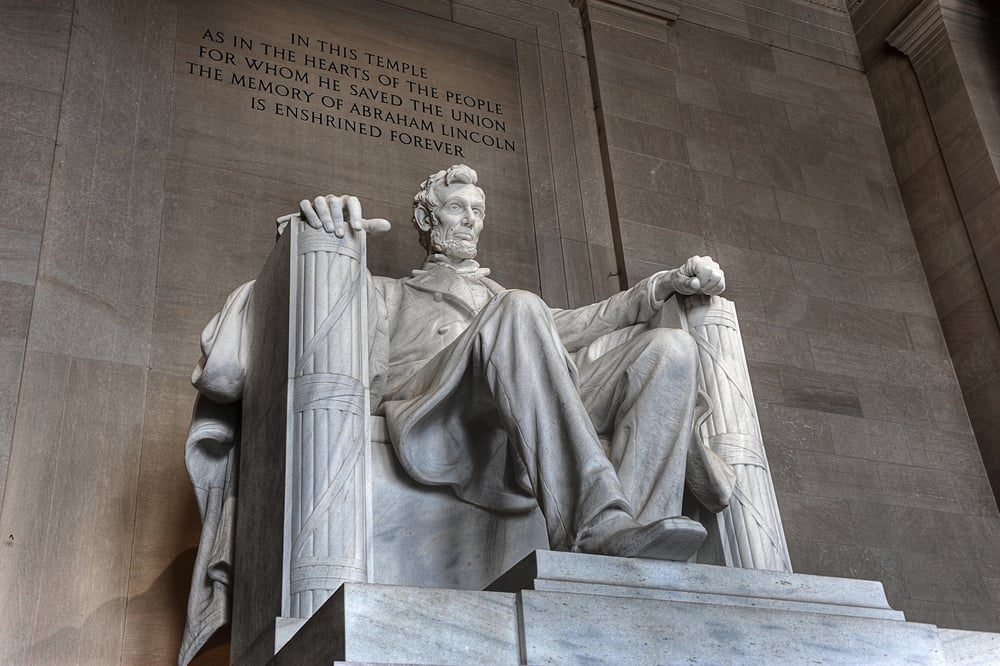
This stately tribute to America’s 16th president was originally planned as a pyramid. Early designs called for a 70-foot Egyptian-style pyramid in the current location of the Washington Monument.
Later plans placed Lincoln’s memorial at several different points along Washington D.C.’s National Mall before settling on its current spot. The final neoclassical design was selected over competing proposals for a simpler log cabin structure or a huge circular colonnade.
Congress initially allocated only half the funds needed, nearly derailing the project before additional funding was secured.
Hollywood Sign

The famous hillside sign originally read ‘HOLLYWOODLAND’ and was built as a temporary advertisement for a real estate development, not as a landmark for the film industry. Intended to last just 18 months, it was constructed in a remote area of Los Angeles that developers struggled to sell.
When the Hollywoodland development faced financial problems, maintenance of the sign stopped, and it began to deteriorate. The ‘LAND’ portion was removed in 1949 when the Hollywood Chamber of Commerce took over maintenance, transforming a failing real estate promotion into one of the world’s most recognizable landmarks.
CN Tower

Toronto’s striking spire was originally proposed as a smaller communications tower in a different downtown location. The initial concept called for a shorter structure until Canadian National Railway decided to demonstrate Canadian engineering capabilities by building the world’s tallest freestanding structure.
Several locations were considered, with some city officials preferring it outside the downtown core. The construction broke multiple height records and required helicopters to install the final antenna sections that secured its status as the world’s tallest freestanding structure for over 30 years.
Cristo Redentor

The massive Christ the Redeemer statue overlooking Rio de Janeiro was initially proposed for Corcovado mountain’s summit, but in a completely different design. The original concept was a large Christian cross with a base containing a planetarium and radio station.
Alternative locations including Sugar Loaf Mountain were seriously considered before settling on the current site. The statue’s distinctive Art Deco style resulted from a last-minute design change when the original architect withdrew from the project.
Local engineers altered the internal structure to withstand the strong winds at the exposed mountain location.
Petronas Towers

Malaysia’s twin skyscrapers were slated for a different Kuala Lumpur neighborhood before land acquisition issues forced relocation. The project faced criticism for its placement atop an underground stream, requiring the world’s deepest foundations at the time.
Initial designs featured rectangular towers instead of the distinctive circular floor plan with setbacks inspired by Islamic geometric patterns. The spires that help make the towers the world’s tallest buildings at completion were added late in the design process specifically to surpass Chicago’s Sears Tower, securing Malaysia’s place in architectural history.
Atomium
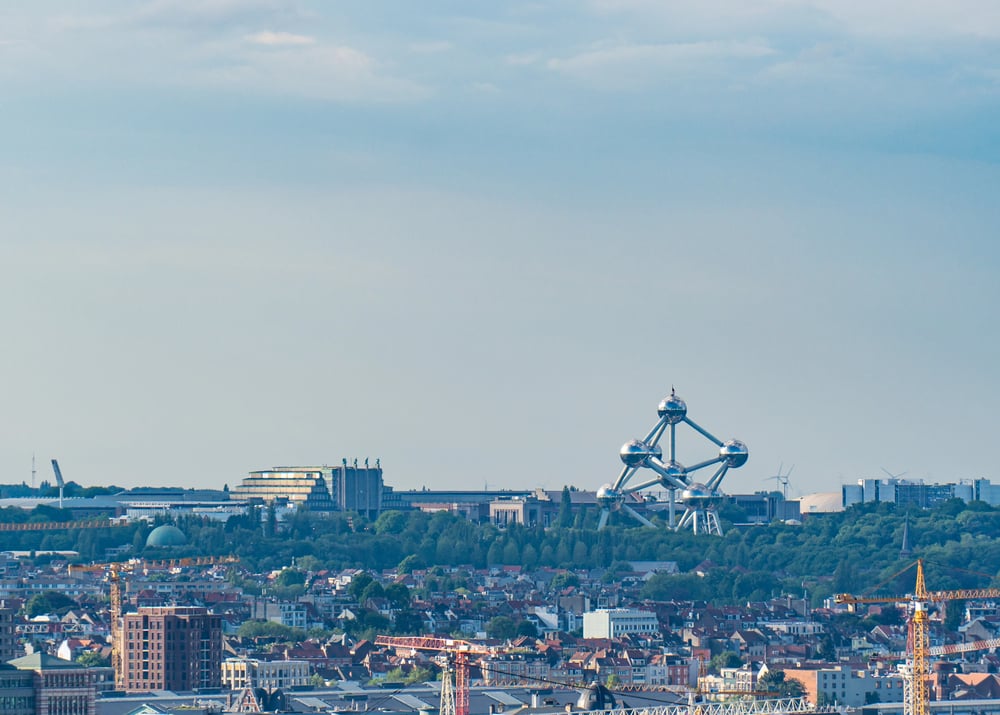
This unusual Brussels landmark representing an iron crystal magnified 165 billion times was originally intended for temporary display at the 1958 World’s Fair. Plans called for its dismantling after the exhibition, with several French cities bidding to relocate it afterward.
The structure deteriorated for decades as officials debated whether to restore or demolish it before a major renovation saved it in the early 2000s. The original aluminum covering was replaced with stainless steel, and five of the nine spheres were opened to the public, transforming what was meant as a fleeting exhibition piece into a permanent Belgian icon.
Palace of Westminster

London’s Gothic parliamentary building with its famous Big Ben clock tower rose from the ashes of an earlier palace destroyed by fire in 1834. Serious proposals suggested relocating Parliament to Buckingham Palace or St. James’s Palace rather than rebuilding on the same site.
The winning design by architect Charles Barry incorporated the surviving medieval Westminster Hall into a new Gothic complex that defined London’s skyline. Construction took more than 30 years, with numerous modifications to the original plans as work progressed, creating the landmark that now epitomizes the British government.
Like Go2Tutors’s content? Follow us on MSN.
Guggenheim Museum Bilbao

Frank Gehry’s titanium masterpiece nearly ended up in several other declining industrial cities before Bilbao, Spain won the project. Cities across Europe competed fiercely to host the Guggenheim Foundation’s new European outpost, with final negotiations between Bilbao and Vienna.
The museum’s distinctive curved design was actually adapted from earlier Gehry concepts for projects in other locations that never materialized. The structure transformed Bilbao from an overlooked port city into a major tourist destination, creating the ‘Bilbao Effect’ that cities worldwide now seek to replicate through signature architecture.
Easter Island Moai
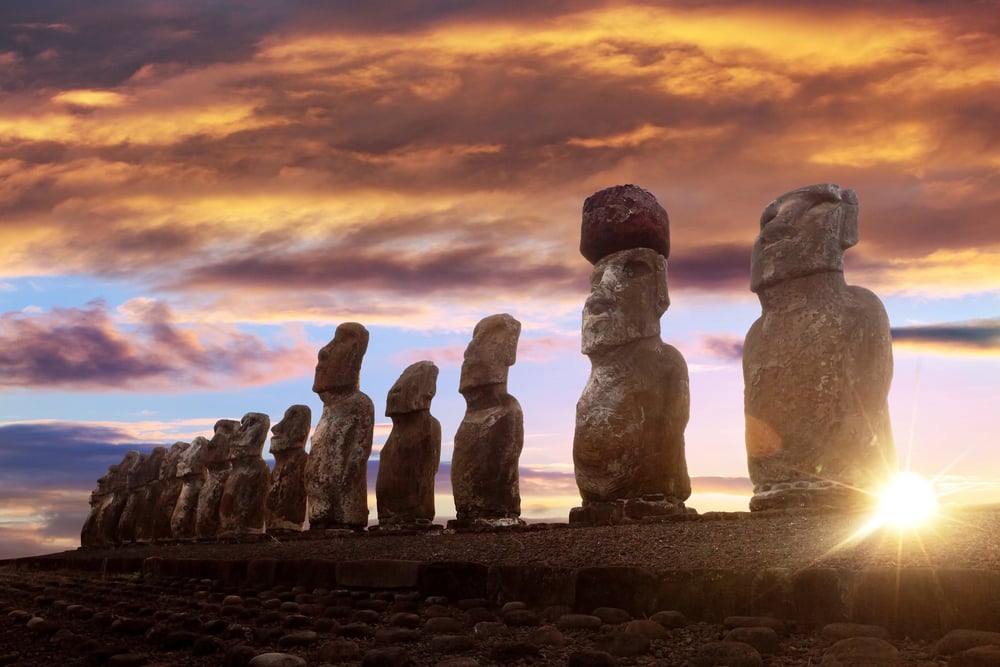
These massive stone heads were carved from a quarry on one side of Easter Island but ended up distributed across the entire island, sometimes miles from their origin. Archaeological evidence suggests the original plan may have been to keep most statues near the quarry, but religious or political motivations led to their wider distribution.
The transportation method remained mysterious for centuries, with theories ranging from extraterrestrial assistance to rolling on logs. Recent experiments demonstrate how islanders likely ‘walked’ the massive statues to various locations using ropes and teams of people, explaining how these immense carvings reached their final positions.
When Landmarks Find Their Home

These near-misses in architectural history reveal how easily our familiar global skylines could have looked completely different. Political whims, funding challenges, engineering limitations, and sometimes pure chance determined where these iconic structures eventually stood.
The landmarks we recognize today often survived numerous redesigns, relocations, and close calls with cancellation before becoming the beloved symbols we associate with their cities. Their journeys remind us that even our most permanent-seeming structures represent moments of decision and determination, capturing not just architectural achievement but human persistence against practical and financial obstacles.
More from Go2Tutors!

- The Romanov Crown Jewels and Their Tragic Fate
- 13 Historical Mysteries That Science Still Can’t Solve
- Famous Hoaxes That Fooled the World for Years
- 15 Child Stars with Tragic Adult Lives
- 16 Famous Jewelry Pieces in History
Like Go2Tutors’s content? Follow us on MSN.