11 TV Commercials That Became Cultural Phenomena
Television advertising has always been about more than just selling products. The best commercials transcend their original purpose, becoming embedded in our collective memory and shaping popular culture in ways their creators never imagined. These aren’t just advertisements—they’re cultural touchstones that sparked conversations, launched careers, and sometimes even changed entire industries.
From jingles that refused to leave our heads to characters that became household names, certain commercials have achieved something remarkable: they’ve become entertainment in their own right. Here’s a list of 11 TV commercials that broke through the noise to become genuine cultural phenomena.
Where’s the Beef?
Wendy’s struck advertising gold in 1984 with this simple three-word question that became a national catchphrase. The commercial featured elderly actress Clara Peller examining a competitor’s burger and demanding to know where the substantial meat was hiding.
Politicians started using it to question policy proposals. Late-night talk show hosts worked it into their monologues, while ordinary Americans found themselves asking the same question about everything from movies to work presentations.
I’d Like to Buy the World a Coke

Coca-Cola’s 1971 ‘Hilltop’ commercial didn’t just sell soda—it captured the idealistic spirit of an entire generation. Young people from around the world sang about harmony while sharing a Coke on an Italian hilltop.
The jingle became so popular that it was reworked into a chart-topping song called ‘I’d Like to Teach the World to Sing’, proving that sometimes the best advertising feels less like marketing and more like a movement.
Like Go2Tutors’s content? Follow us on MSN.
Just Do It
Nike’s 1988 campaign launched with this deceptively simple slogan that would become one of the most recognizable phrases in advertising history. The three words perfectly captured the brand’s athletic spirit while inspiring people to push beyond their limits.
What started as a tagline for running shoes evolved into a cultural rallying cry that transcended sports—encouraging people to take action in every aspect of their lives.
The Energizer Bunny
Energizer’s pink drumming rabbit became more than just a battery mascot—it became a symbol of persistence itself. The commercials cleverly interrupted fake advertisements for other products, with the bunny marching through while the narrator explained that it ‘keeps going and going and going’.
Athletes who never seem to tire get compared to the bunny. So do political campaigns that refuse to quit, making this character a metaphor for unstoppable determination.
Budweiser Frogs
Three animatronic frogs sitting on lily pads and croaking ‘Bud-weis-er’ in sequence became an unlikely sensation in the mid-1990s. The simplicity of the concept made it incredibly memorable, though the frogs quickly became pop culture icons.
They spawned merchandise, parodies, and even their own fan following—proving that sometimes the most effective advertising comes from the most unexpected places.
Like Go2Tutors’s content? Follow us on MSN.
Mikey Likes It
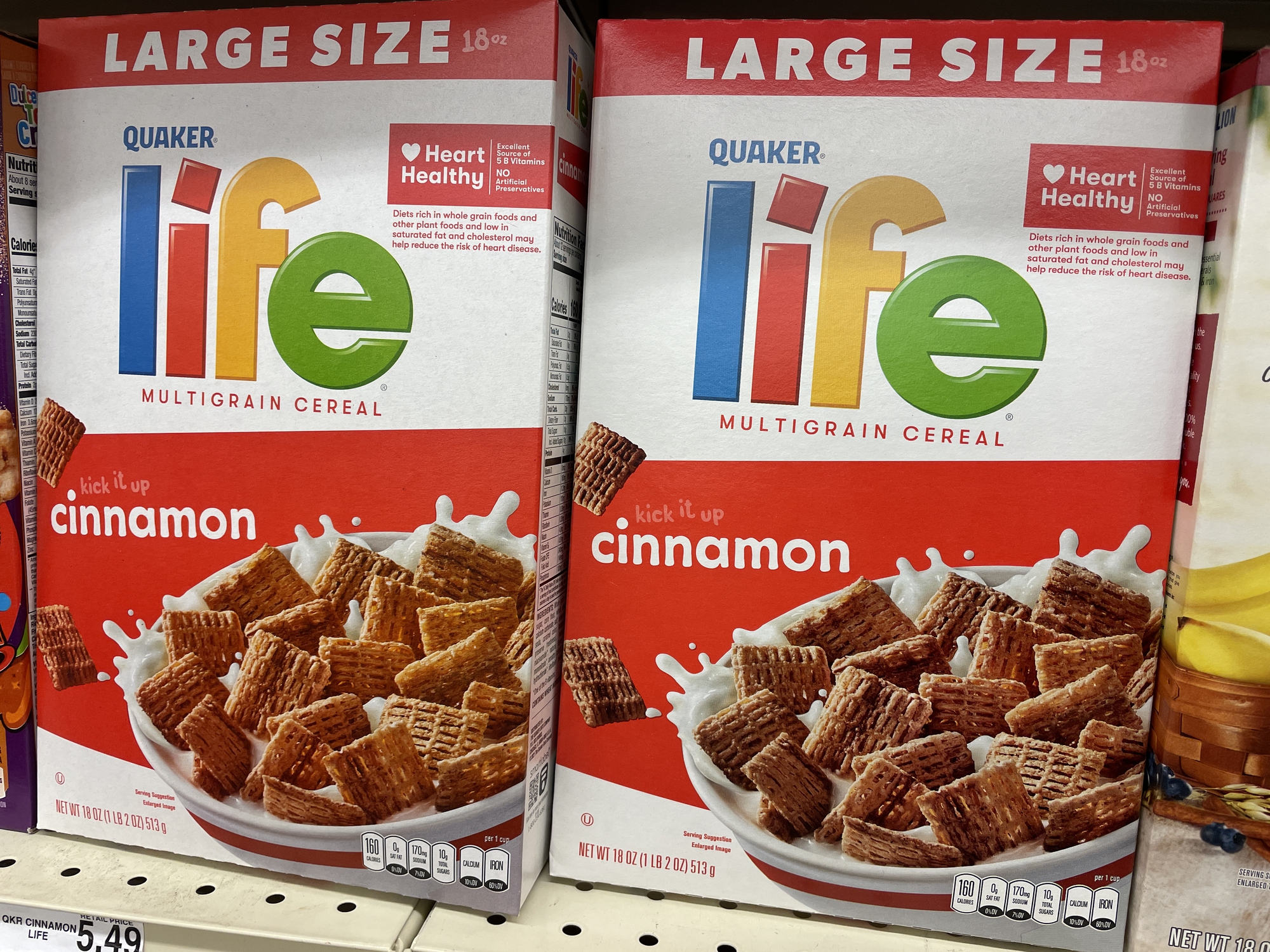
Life cereal’s early 1970s commercial featuring a picky eater named Mikey became a cultural shorthand for trying something new. The ad showed two brothers testing their cereal on their finicky younger sibling, with the memorable line ‘He likes it! Hey Mikey!’
The commercial ran for more than a decade and turned actor John Gilchrist into a household name—while the phrase became common parlance for anyone willing to try something others might avoid.
Mr. Whipple and the Charmin
Procter & Gamble’s long-running Charmin campaign created one of television’s most memorable authority figures in Mr. Whipple, the store manager who couldn’t resist squeezing the toilet paper himself. The character appeared in over 500 commercials between 1964 and 1985.
This made actor D. Wilson as one of the most recognizable faces on television, proving that even the most mundane products could generate compelling characters and storylines.
Mean Joe Greene’s Coke
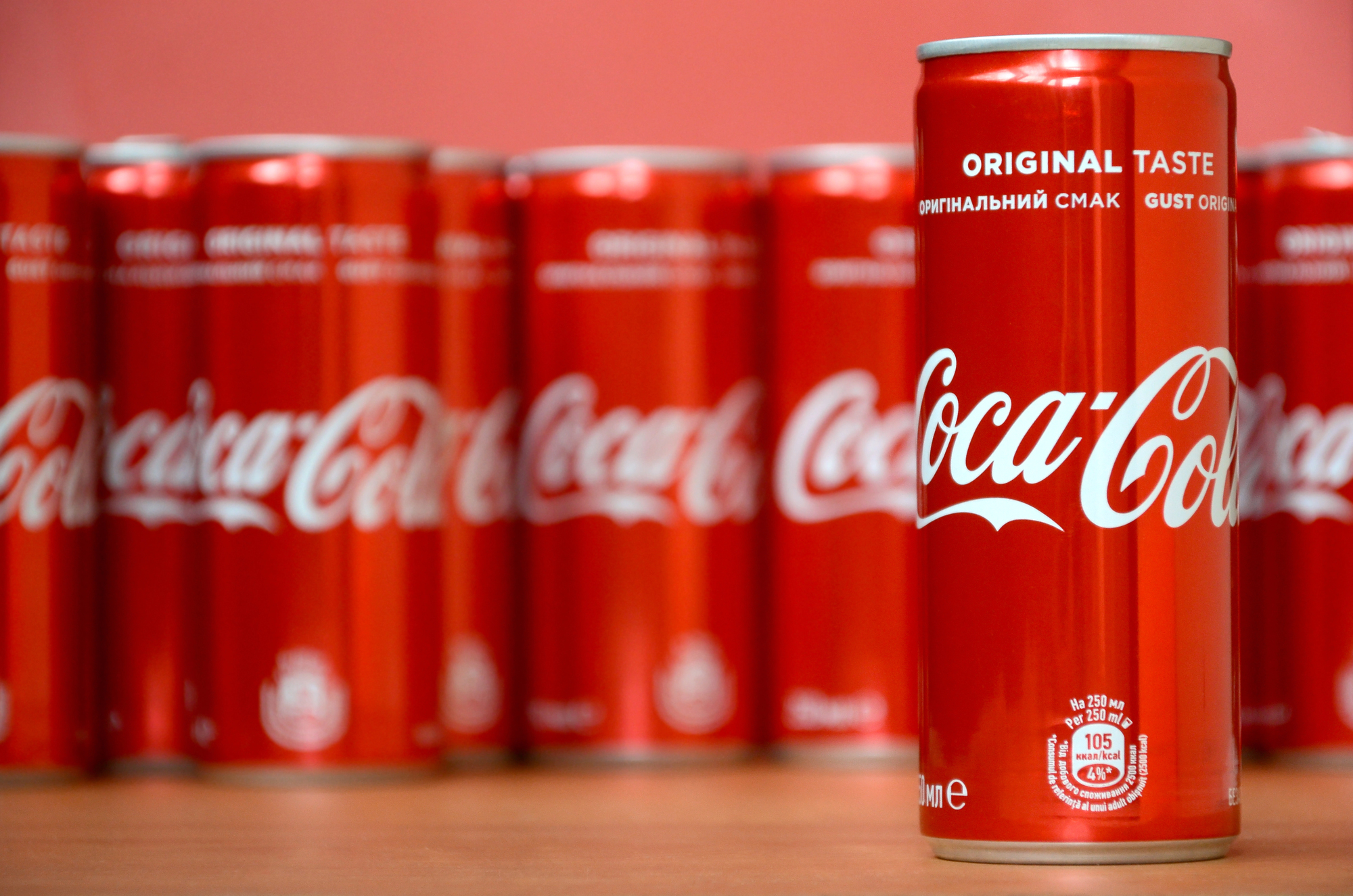
Coca-Cola’s 1979 Super Bowl commercial featuring Pittsburgh Steelers defensive tackle ‘Mean’ Joe Greene became the gold standard for emotional advertising. The ad showed a young fan offering his Coke to the injured player, who responds by tossing the kid his jersey.
The commercial’s heartwarming message and perfect execution made it an instant classic that still brings tears to viewers’ eyes decades later.
Like Go2Tutors’s content? Follow us on MSN.
Trix Rabbit
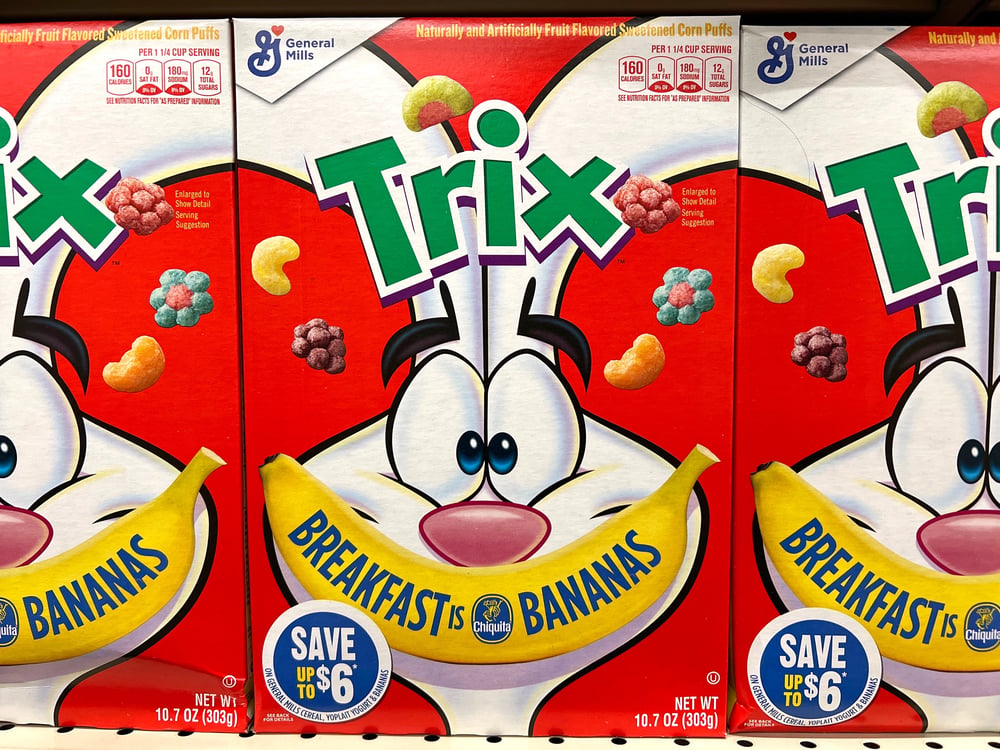
General Mills created one of advertising’s most persistent characters in the Trix Rabbit, whose endless schemes to taste the fruity cereal were always thwarted by vigilant children declaring ‘Trix are for kids!’ The rabbit’s elaborate disguises and inevitable failures became a beloved part of Saturday morning television.
The character’s determination in the face of constant rejection turned him into an unlikely folk hero and a symbol of perseverance.
Captain Obvious

Hotels.com’s Captain Obvious campaign launched in 2014 with a character who states the painfully obvious while helping people find hotel deals. The superhero parody struck a chord with audiences who appreciated the self-aware humor and Brandon Moynihan’s deadpan delivery.
The character became so popular that he transcended his original advertising purpose, spawning social media followings and becoming a cultural reference point for stating the obvious.
The Old Spice Guy

Old Spice’s 2010 campaign featuring Isaiah Mustafa transformed a dated brand into a cultural phenomenon practically overnight. The commercials’ rapid-fire transitions, absurd scenarios, and Mustafa’s confident delivery created a perfect storm of shareability in the early days of viral marketing.
The campaign didn’t just sell body wash, though. It redefined how brands could use humor and social media to connect with younger audiences.
Like Go2Tutors’s content? Follow us on MSN.
The Lasting Impact of Memorable Marketing

These commercials succeeded because they understood something fundamental about human nature: we remember stories, characters, and emotions far longer than we remember product features or sales pitches. They created shared cultural experiences that brought people together, whether through laughter, nostalgia, or simple recognition.
In an age of endless content and shortened attention spans, these advertising classics remind us that the most powerful marketing doesn’t just sell products. It becomes part of our collective story. The best commercials don’t interrupt culture; they become culture themselves, proving that creativity and authenticity can turn even the most commercial message into something genuinely meaningful.
More from Go2Tutors!

- 16 Historical Figures Who Were Nothing Like You Think
- 12 Things Sold in the 80s That Are Now Illegal
- 15 VHS Tapes That Could Be Worth Thousands
- 17 Historical “What Ifs” That Would Have Changed Everything
- 18 TV Shows That Vanished Without a Finale
Like Go2Tutors’s content? Follow us on MSN.