Forgotten Details From 2000s Flip Phones
There’s something weirdly nostalgic about flip phones that goes beyond just the satisfying snap of closing one after a call. Before smartphones turned us all into perpetually distracted zombies, flip phones had this whole ecosystem of quirks, limitations, and strange little features that defined how we communicated.
They were clunky, limited, and honestly kind of annoying—but they also had a charm that’s hard to articulate if you weren’t there. These are the details nobody talks about anymore, the tiny frustrations and delights that made flip phones what they were.
The Outer Screen Was Basically Useless
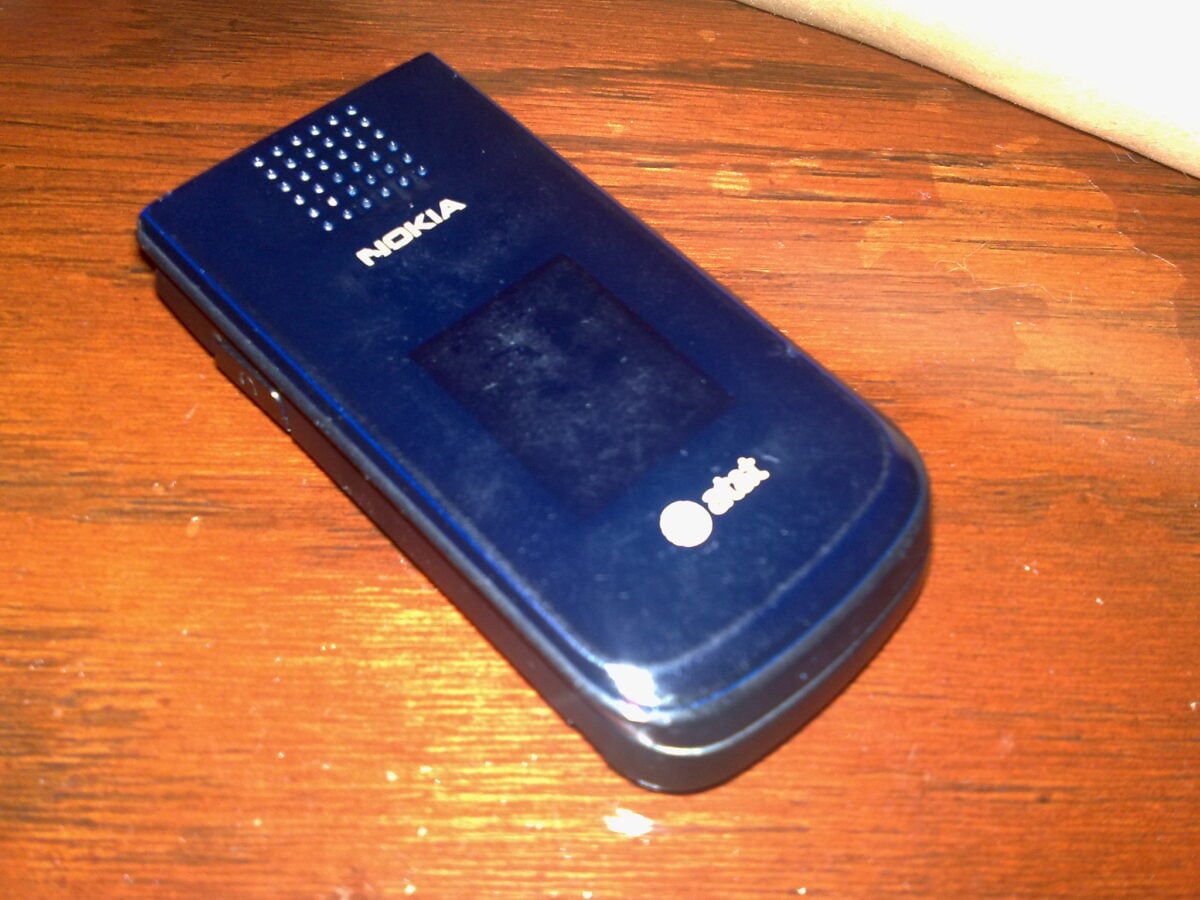
Most flip phones had that tiny external display that showed the time and maybe caller ID. And that was it. You couldn’t do anything with it except glance at it to decide whether the call was worth opening your phone for (which somehow felt like a bigger commitment than just tapping a screen).
Some fancier models let you see text message previews, but they were so abbreviated that “Hey are you coming to” would get cut off, leaving you to guess the rest. The outer screen existed in this weird limbo of being almost helpful but not quite.
T9 Texting Required Actual Skill

Texting on a flip phone meant using T9 predictive text or multi-tapping each key multiple times to get the letter you wanted. If you wanted to type “hello,” you either tapped 4-4-4-3-3-5-5-5-5-5-5-6-6-6 (multi-tap method) or trusted T9 to guess correctly.
The problem was T9 sometimes thought you meant a completely different word, and you’d have to cycle through options. Everyone developed this weird muscle memory for typing without looking, and honestly, some people got scared fast at it.
But texting “tomorrow” when you meant to write something else because T9 betrayed you? That was a regular occurrence.
Ringtones Were a Whole Economy
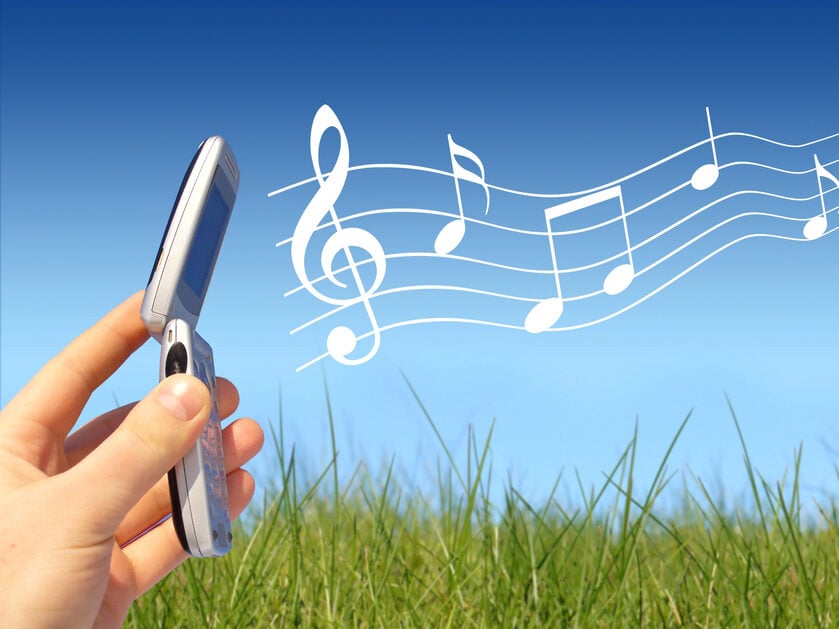
You could buy ringtones. Like, actually spend money to download a 30-second polyphonic version of “In Da Club” or the latest Coldplay song.
There were entire websites and services dedicated to this, and phone carriers charged ridiculous amounts for what was essentially a low-quality audio file. Some people had different ringtones for different contacts (which felt very cutting-edge at the time), and you could usually tell someone’s music taste just by standing near them in public.
And let’s not forget the people who thought it was cool to have their phone play “Crazy Frog” at full volume in class.
The Antenna Was Still a Thing
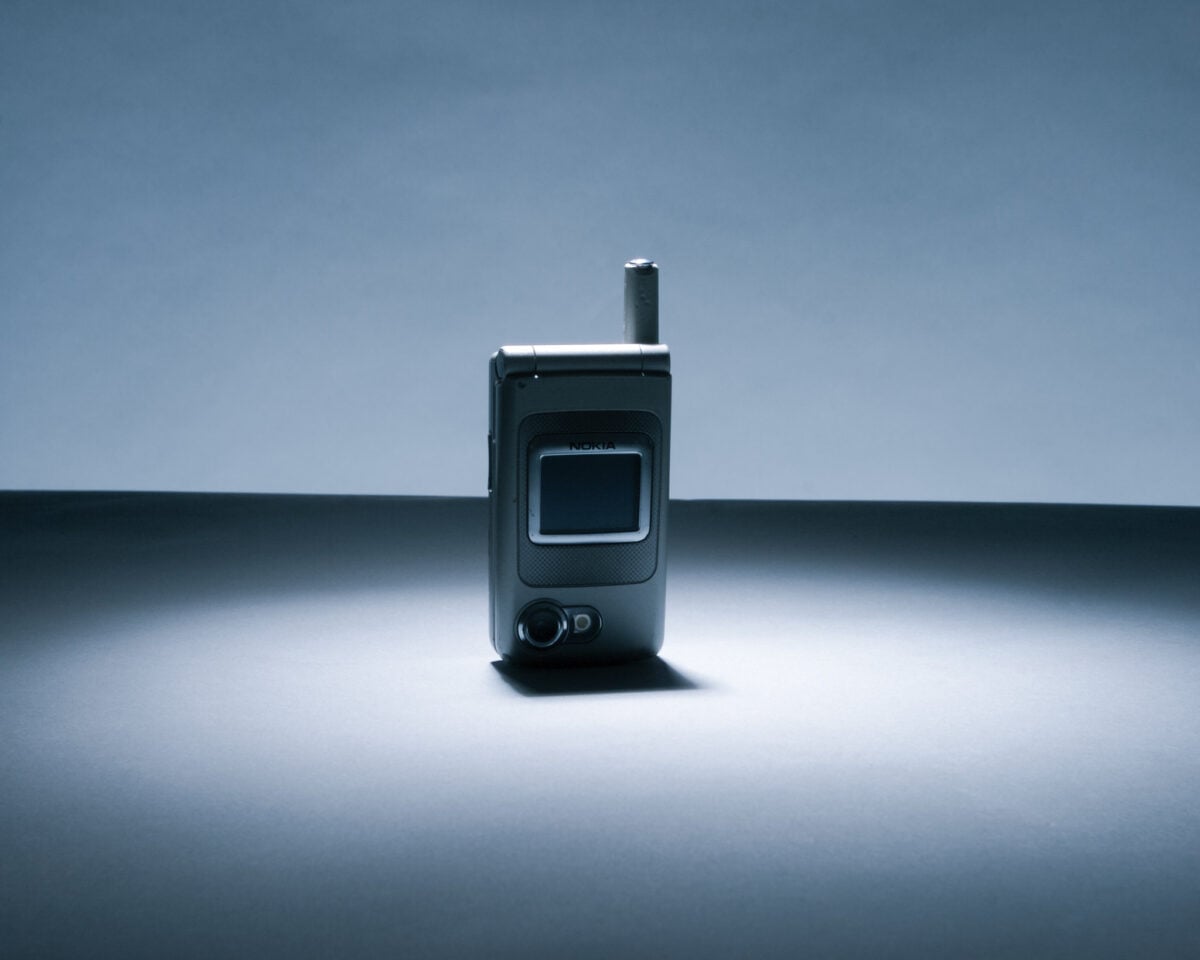
Early 2000s flip phones often had those stubby little external antennas that you could extend to supposedly get better reception. Did they actually work? Debatable.
But people would walk around with their antennas fully extended like they were conducting some kind of telecommunications orchestra (and yes, you felt very official doing it). By the mid-2000s, most phones had internal antennas, but for a while there, that little protruding nub was just part of the aesthetic.
You could also use it to hook your phone onto things, though that was definitely not its intended purpose.
Customizing Wallpapers Felt Revolutionary

Being able to set a custom wallpaper on your flip phone’s internal screen was genuinely exciting. You could use the phone’s terrible built-in camera to take a blurry photo, or you could buy and download wallpapers (yes, people paid for these too).
The resolution was abysmal—maybe 176×220 pixels if you were lucky—but having a picture of your crush or your favorite band on your phone screen felt incredibly personal. Some people changed their wallpaper weekly.
It was the closest thing we had to personalize our digital lives before social media profiles took over.
The Cameras Were Hilariously Bad

Flip phone cameras maxed out at maybe 2 megapixels if you had a premium model, but most were closer to 0.3 megapixels (also known as VGA resolution). Photos looked grainy, blurry, and washed out even in perfect lighting.
Forget about taking pictures indoors or at night—you’d get nothing but noise and darkness. And yet, people still took photos constantly because it was the only camera they had on them.
Looking back at those old photos now is like viewing evidence from a crime scene: technically you can make out what’s happening, but barely.
Everyone Had a Phone Charm Dangling from It
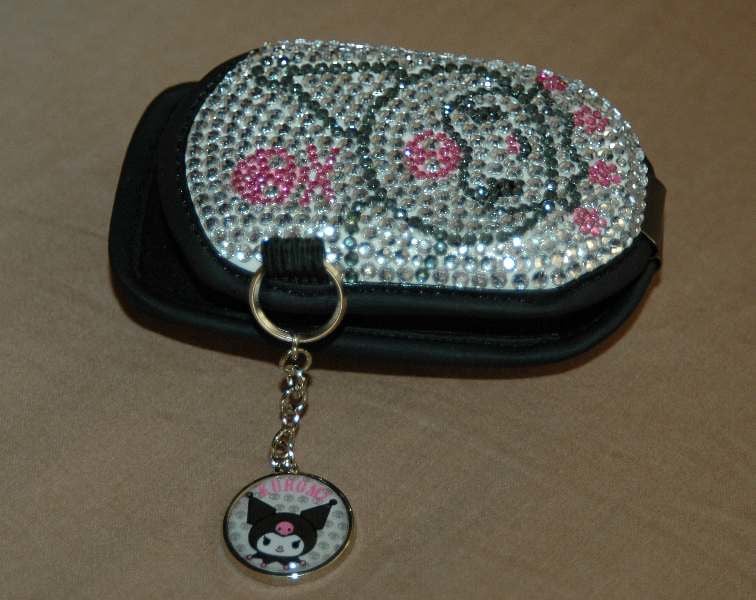
This was more popular in some regions than others, but phone charms—those little decorative dangly things attached to a strap loop—were everywhere for a while. They served absolutely no functional purpose and mostly just got in the way, but people collected them like tiny trophies.
You’d have a Hello Kitty charm, or a miniature skateboard, or some random corporate swag, all clinking together on your phone. It was tacky and impractical, and somehow everyone participated anyway.
The Keypad Had That Specific Feel

The physical buttons on flip phone keypads had this particular tactile feedback that’s hard to describe. They were raised, sometimes slightly rubbery, and they made a quiet clicking sound when you pressed them.
Each number key had three or four letters on it (plus symbols), and the whole layout became second nature. You knew exactly where the 5 key was without looking because it had that little raised bump on it for orientation (the same bump that’s on the F and J keys on keyboards).
Typing on a modern touchscreen doesn’t have that same physical satisfaction of actually pushing a button and feeling it depress.
Battery Life Was Incredible (and Then Terrible)
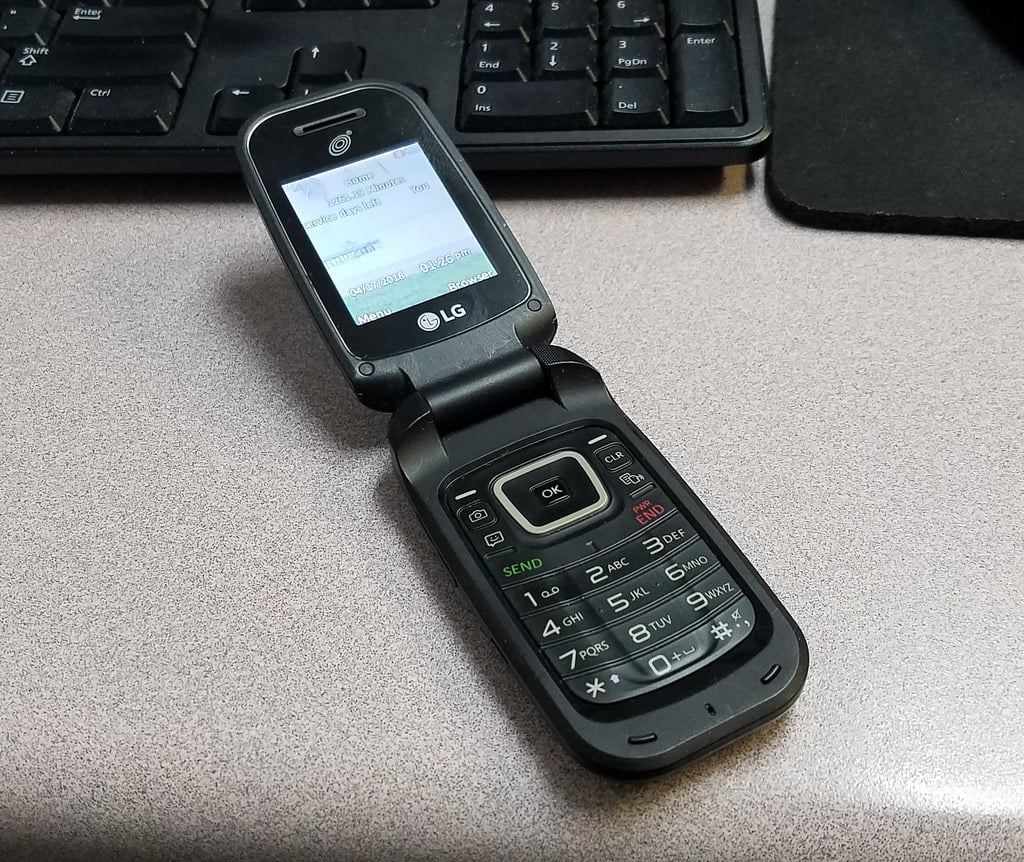
When flip phones were new, their batteries could last several days on a single charge because all they did was make calls and send texts. But as phones added features—color screens, cameras, Bluetooth, primitive mobile internet—battery life plummeted.
You’d charge your phone overnight and barely make it through the next day if you actually used it for anything. And replacing the battery was easy; you just popped off the back cover and swapped it out.
People carried spare batteries around like it was normal (because it was).
Closing the Phone to End a Call Was Deeply Satisfying

This is the thing everyone remembers, but it’s worth emphasizing: snapping that flip phone shut to hang up on someone was one of the most satisfying physical interactions in consumer technology. You couldn’t slam a touchscreen.
You couldn’t angrily tap an “end call” button and have it feel cathartic. But folding that phone closed with a decisive click? That was final.
That was dramatic. You could end an argument and punctuate it with a physical gesture that felt good in your hand. We lost something when that went away.
Predictive Text Created Its Own Language

Because T9 and early autocorrect were so unreliable, people developed shorthand that worked around the system. “Ur” instead of “your,” “2” instead of “to” or “too,” “b4” instead of “before”—this wasn’t just laziness, it was partly because typing full words correctly was genuinely difficult.
Text speak became its own dialect, and if you weren’t fluent in it, you couldn’t communicate efficiently. Adults complained about it destroying language.
Teens used it anyway. And honestly, it kind of did make texting faster when you only had a number pad to work with.
You Could Play Snake (and Other Terrible Games)
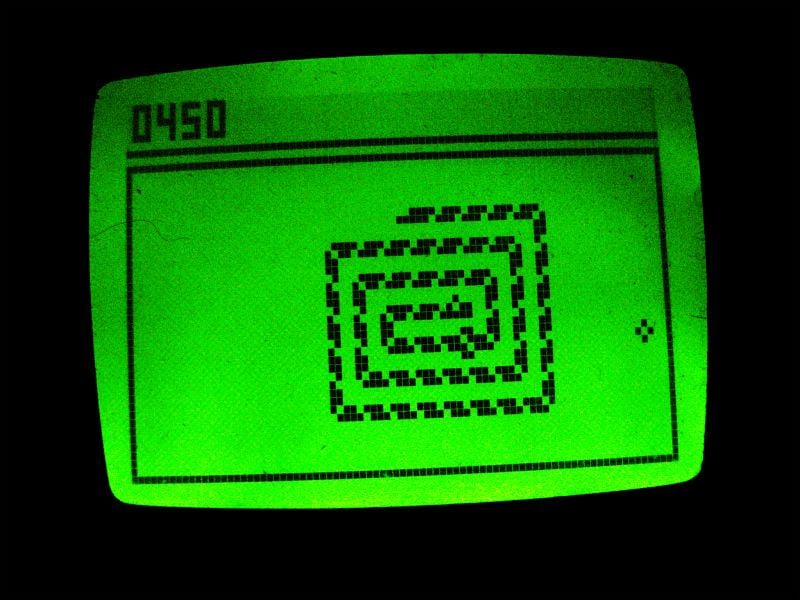
Snake was the game everyone knew, but flip phones also came preloaded with other primitive games—Tetris variants, racing games with like five pixels, puzzle games that barely worked. They were terrible by any objective standard, but when you were bored in the back of a car or waiting somewhere, they were exactly enough entertainment.
Some carriers also let you download games (for a price, naturally), though the selection was limited and the gameplay was usually worse than what came built-in. Still, people spent hours on these things.
The Flip Mechanism Eventually Always Failed

Here’s the thing nobody mentions: flip phones were mechanically doomed. That hinge—the entire reason they were called flip phones—would eventually wear out.
It would get loose and wobbly, or it would snap entirely, leaving you with a phone held together by a ribbon cable and hope. Some people’s phones would flip open randomly in their pockets.
Others couldn’t get them to stay closed without rubber bands. The flip mechanism was both the phone’s defining feature and its structural weakness, and everyone just accepted that their phone would eventually break this way.
When Your Phone Sounded Like a Real Call
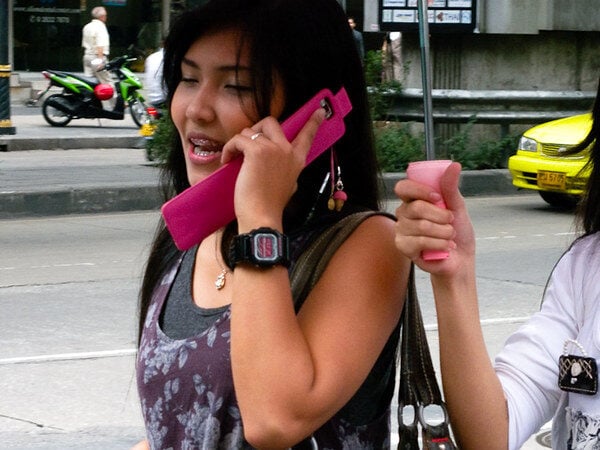
Here’s something weird: flip phones had actual ringtones that sounded like… ringing. Novel concept, right? But beyond that, the sound quality for calls was different—tinnier, more compressed, with that distinctive digital clip to it.
You always knew you were talking on a cell phone because it had a particular acoustic quality that landlines didn’t. And if you were in a bad reception area, the call would drop completely instead of just degrading to choppy video-call quality like today.
You either had a connection or you didn’t. There was no in-between.
Remembering That Flip Just Right
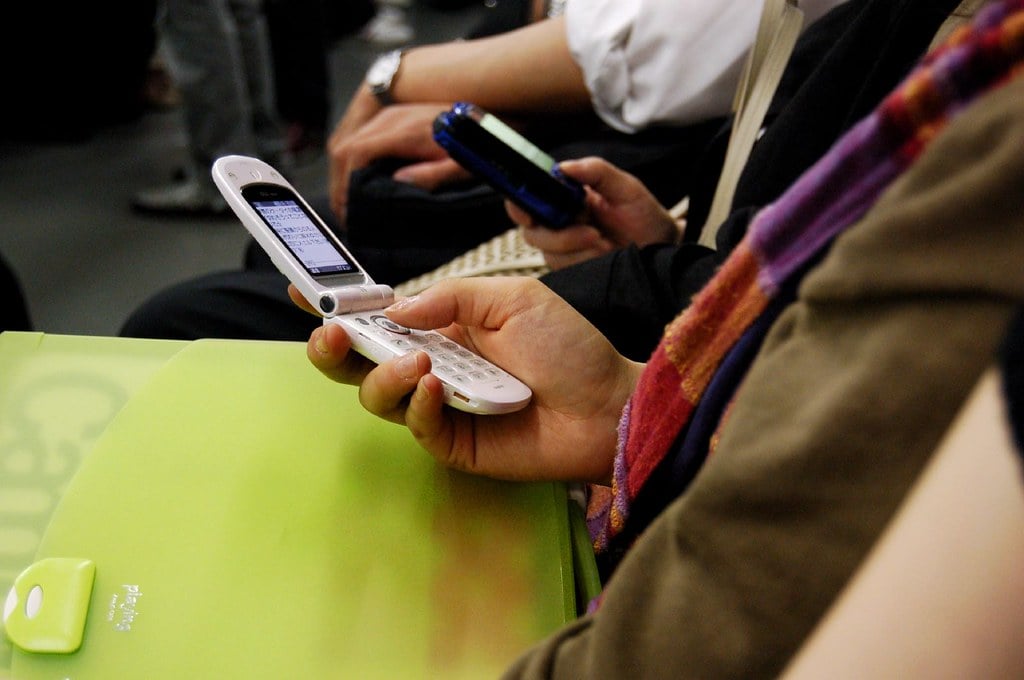
The truth is, flip phones weren’t objectively better than what we have now—they were limited, frustrating, and technologically primitive. But they had personality in a way that smooth glass rectangles don’t.
Every phone felt different in your hand, looked different when you opened it, sounded different when it rang. They were imperfect little devices that forced you to work around their limitations, and maybe that’s exactly why we remember them with such weird fondness.
They made you think before you typed, consider before you called, and physically feel when you ended a conversation. That’s worth something, even if we’d never actually want to go back.
More from Go2Tutors!

- The Romanov Crown Jewels and Their Tragic Fate
- 13 Historical Mysteries That Science Still Can’t Solve
- Famous Hoaxes That Fooled the World for Years
- 15 Child Stars with Tragic Adult Lives
- 16 Famous Jewelry Pieces in History
Like Go2Tutors’s content? Follow us on MSN.