Vintage Photos Of Life in Busy 1990s Arcades
There’s something about old arcade photos that stops you cold. The neon glow, the crowd of kids hunched over machines, the carpet patterns that somehow still look familiar even decades later.
If you grew up in the 90s, these images don’t just show a place — they pull you back into a very specific feeling. The smell of slightly burnt electronics and greasy pizza. The noise.
That constant, overlapping soundtrack of beeps and explosions and victory jingles bouncing off every wall. These photos capture a world that quietly disappeared before most people noticed it was going.
The Glow That Hit You at the Door

Step into any arcade in 1993 and the first thing that got you wasn’t the sound — it was the light. Screens everywhere, all of them running attract modes, flashing colors in the dark like a contained storm. Vintage photos from this era do a great job of showing how dim the rest of the space was.
Arcades kept their lighting low on purpose. It made the machines look more alive. You’d see kids silhouetted against the glow of Mortal Kombat or Street Fighter II, completely still except for their hands.
That contrast between dark room and blazing screen shows up again and again in photos from the period.
The Line Behind the Fighter

Nothing in a 90s arcade hit quite like the line at a fighting game cabinet. Photos from the peak years of Street Fighter II and Mortal Kombat II show kids lined up two and three deep, quarters balanced on the edge of the cabinet — the universal signal that you had next.
That quarter system was its own kind of social contract. You didn’t cut.
You didn’t grab someone else’s coin. Everyone understood the rules without anyone explaining them.
What the Carpet Was Hiding
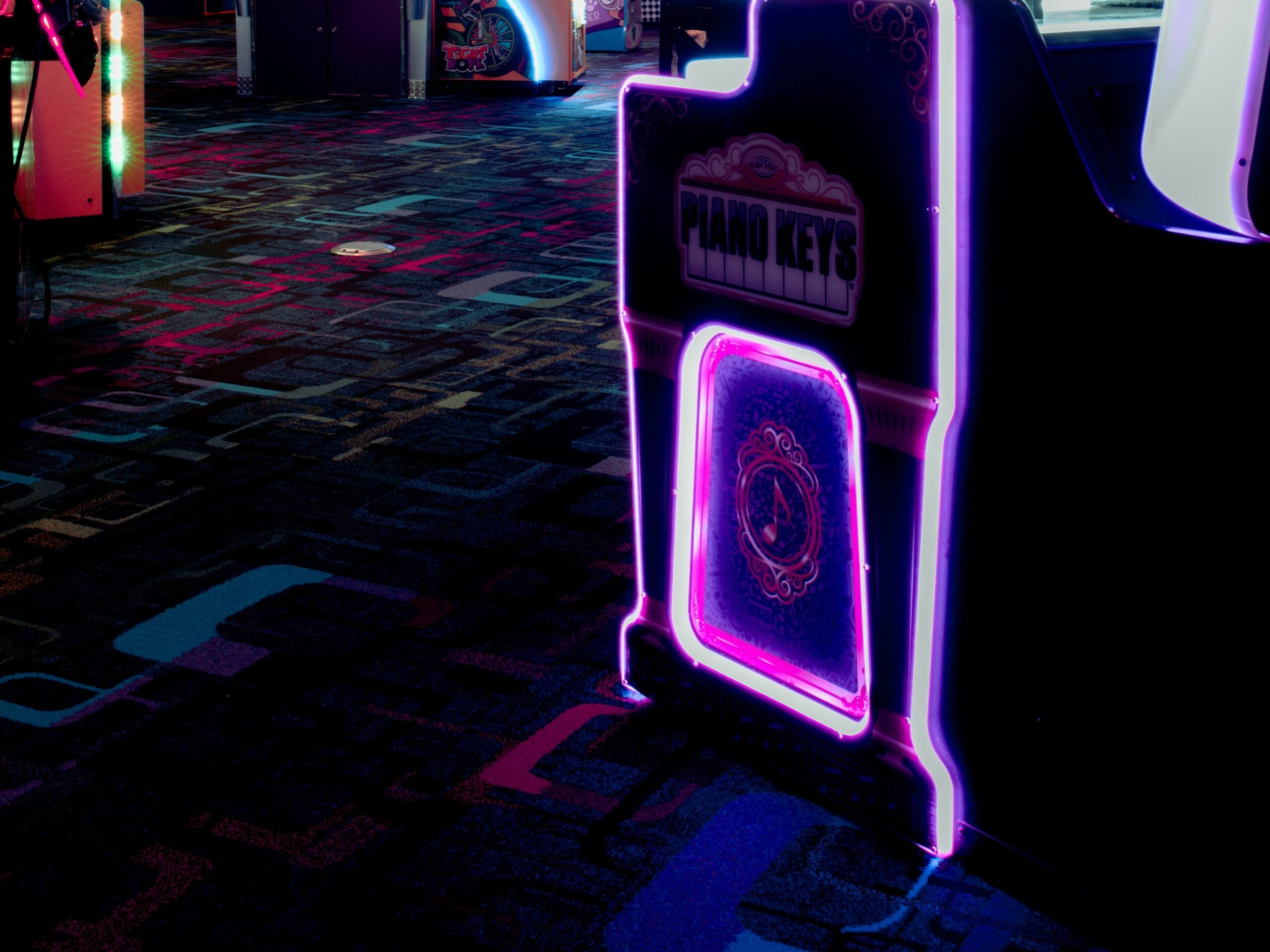
If you look closely at floor-level shots from 90s arcades, the carpet tells a story. Dark colors, geometric patterns, usually some combination of purple and teal that seemed to be legally required.
The patterns were designed to hide stains, and they had a lot to hide. Spilled sodas. Dropped tokens.
Years of sneakers shuffling in place during tense boss fights. Some of these carpets have become oddly iconic.
People recognize them the same way they recognize a particular shade of fast food restaurant orange.
Token Machines and the Weight of Possibility

There are photos of kids standing at token machines with fistfuls of dollars, watching the coins drop into a plastic cup. That moment had a specific kind of weight to it.
Tokens weren’t money, exactly. They were permission slips for an hour of your afternoon.
Different arcades had different tokens. Some were plain brass.
Others had the arcade’s logo stamped into them. A few places used cards even back then, which always felt a little less satisfying than the real thing.
The Crowd Around Mortal Kombat
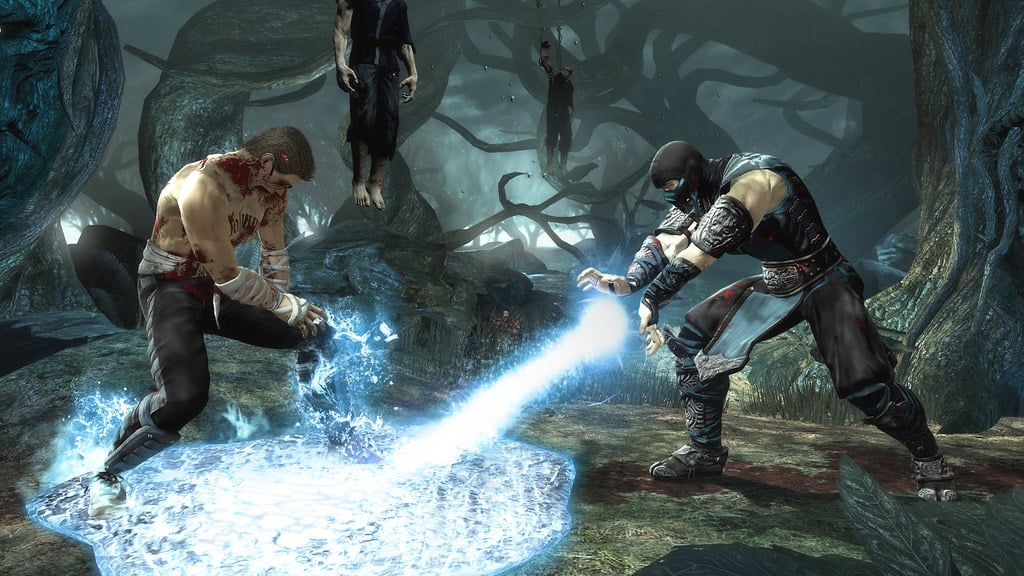
Picture arcade halls in the early 90s. A new kind of energy fills the air when one machine draws nearly everyone close.
That machine is always the same – flashing lights, loud sounds, impossible moves. Around it, clusters form without planning: five maybe six teenagers pressed shoulder to shoulder.
Sometimes even seven if someone stands on tiptoes. Grown-ups linger at the edges.
Arms folded tight across chests. Expressions stuck somewhere between confusion and disbelief.
This isn’t just play; it feels more like witnessing something raw, uninvited. Folks couldn’t stop talking about the gore – blood spilled across screens like paint.
Deaths in the game sparked debates wherever players gathered. Trouble trailed behind it, sticking close through every release.
Arcades became the main stage where arguments exploded into view.
Skee Orb in the Background

Framed in nearly any panoramic glimpse of a nineties game parlor, those rolling alleys for skee-orb lined the edge like a quiet habit. There they stayed, never quite matching the flash of pixelated challenges nearby.
A constant hum of tokens clattering out followed each roll down the ramp. Children funneled them steadily toward bright machines promising trinkets – small things costing far less than the coins it took to earn them.
What mattered wasn’t the prizes. Bouncy rubber creatures twisted into odd shapes.
Those finger puzzles from China that only worked one way. Mini dinosaur toys made of brittle plastic, cracking by the bus stop.
No one paid attention. Tickets held the real weight.
The junk was just proof it happened.
Kids Who Came Alone

A child sits alone at the terminal. Not a classmate nearby, not even someone passing behind.
One human, face lit by pixels. The focus in these snapshots feels deep – like nothing else exists beyond the glow.
Space empties out. Attention locks in. The world fades somewhere past the monitor’s edge.
Back then, arcades let kids walk in solo without feeling awkward. The company came in the form of flashing screens and joystick clicks.
The Back Corner Machines
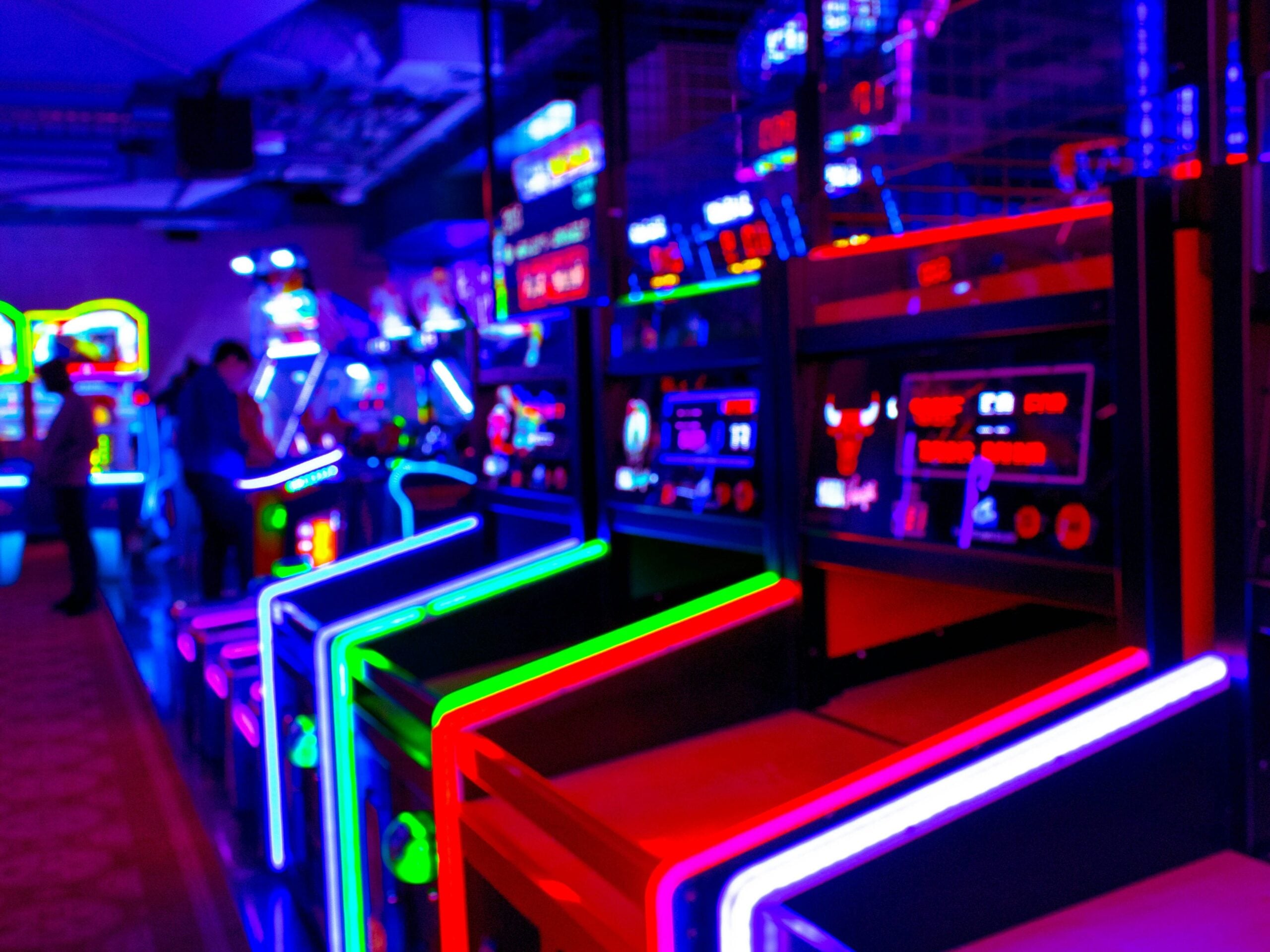
Over in the far edges of game halls, some strays lingered without notice. Flickering screens kept looping motions nobody saw.
A photo sometimes caught one, still as everything else rushed by. Outdated, they remained rooted simply since removal cost money.
Often, these machines had seen so many plays that the buttons barely clicked right. Because of wear, someone good at playing might stretch a single coin across endless rounds.
The Redemption Counter

Back then, arcade redemption spots felt like tiny retail shops frozen in time. Up high, plush toys lined the upper rack.
In the center section, bargain gadgets gathered dust. Down below, sweets, trinkets, and little metal charms waited for kids with just a few tickets.
The clerk? Some teen who’d already lived through your bargaining moved ten times that week. Every now and then, children kept tickets from more than one trip.
You can see pictures where they yank wrinkled strings of torn slips out of their jeans – just like pulling an endless handkerchief from thin air.
When Games Let People Play Together Before The Term Existed

Facing off happened right there on glowing screens built for duels. Back then, arcades crackled with noise and challenge.
Screens sat shoulder to shoulder inside chunky machines. Rivalry showed up in smirks, narrowed eyes, restless fingers.
You stood close enough to hear breaths between rounds. Moments froze mid-laugh or groan, captured in old snapshots.
Pushing wasn’t rare – just part of the heat. Being close mattered.
Facing the one you fought made it different somehow. The closeness shifted everything without warning.
The Dedicated Regulars

In photos taken at specific arcades over time, the same faces tend to appear. The regulars. Kids who knew every machine, knew the staff, knew which cabinet had the sticky button on player two.
They’d be there after school on Tuesdays and all day Saturday. The arcade was their spot in a way that’s hard to translate into modern terms.
Some of them grew up to work there. Some of them became the people who now write long nostalgic pieces about how much they miss those places.
Mall Arcades vs. Standalone

Pictures make it obvious how mall arcades differ from stand-alones. Brighter spaces, wider aisles – spots such as Aladdin’s Castle or Tilt let parents keep an eye on kids from nearby hallways.
In contrast, independent game rooms, often tucked beside cinemas or bowling centers, leaned into dimmer lighting, heavier noise, drawing teens and young adults. Darkness hummed where brightness once watched.
One drew you in just as much as the other. Getting to the mall spot took little effort.
Yet the place on its own seemed to carry a heavier weight. It wasn’t just about games there.
What the Operators Kept Hidden

Something hummed beneath the bright lights you see in pictures. Not far from view, repair crews knelt beside silent arcade cabinets, wrenches in hand.
In storage corners, old control sticks gathered like relics too tired to respond. Workers followed set paths between sites – six spots, sometimes more – hauling games that paid rent and pulling those that did not.
Few people saw it coming when those top-performing units began shifting spots. When a game stopped pulling strong at one spot, they’d shift it elsewhere – new block, new players.
Cameras rarely caught these moves, yet the pattern ran constant beneath the surface.
The Sound You Cannot Capture

One piece always gone in old arcade pictures – the roar. Impossible to trap that audio mess.
Machines blaring together, every screen pumping out jingles, beeps, victory tunes. A war of noises, really.
Yet not messy at all. Instead, a hum built up. That buzz told you: right here, life pulsed.
That noise lingers in memories of those raised among arcade machines. A few now pull up digital clips on the internet, letting the tones fill their workspace.
Close enough, though never quite there. The hum lives on, just quieter.
The Last Photo Anyone Took

Later on, during the late nineties, arcade spots began to fade. Fewer people came around.
Fresh games appear now and then, but not like before. Snapshots from those closing years carry a quieter feel – empty floors stretch wider, young faces are rare, carpets seem tired under dim lights.
One day did not change everything. Not one instant killed off arcades.
Instead, they faded from habit, slipped into irrelevance, vanished without a shout. Pictures from their peak now carry weight they never had before.
These images do more than record. They stand as evidence – proof that crowds once chased neon glow and coin-slot dreams inside windowless rooms.
More from Go2Tutors!

- The Romanov Crown Jewels and Their Tragic Fate
- 13 Historical Mysteries That Science Still Can’t Solve
- Famous Hoaxes That Fooled the World for Years
- 15 Child Stars with Tragic Adult Lives
- 16 Famous Jewelry Pieces in History
Like Go2Tutors’s content? Follow us on MSN.



