25 Shipwreck Objects That Puzzled Researchers
Ocean floors are graveyards of history. Shipwrecks from centuries past contain artifacts that perplex archaeologists—objects whose purpose remains unclear, items that shouldn’t have survived, or mysterious cargoes that contradict historical records. Some wrecks contain evidence that rewrites what we thought we knew about ancient trade routes, navigation capabilities, and technological advancement.
These discoveries force historians to reconsider established timelines and challenge assumptions about which cultures possessed what knowledge and capabilities at specific historical moments.
The Antikythera Mechanism
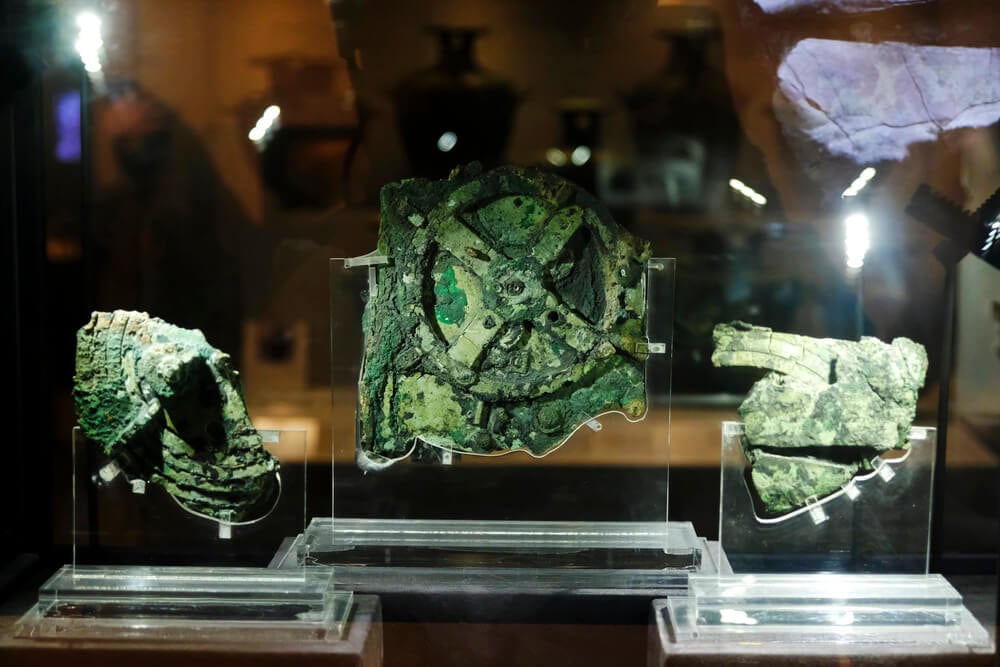
Found on a Greek shipwreck dating to 100 BCE, this complex bronze device with interlocking gears appeared to be an analog computer for predicting astronomical positions—technology that shouldn’t exist for another 1,500 years. Its purpose remained mysterious for decades until modern analysis revealed it calculated celestial mechanics with stunning precision.
The Baghdad Battery
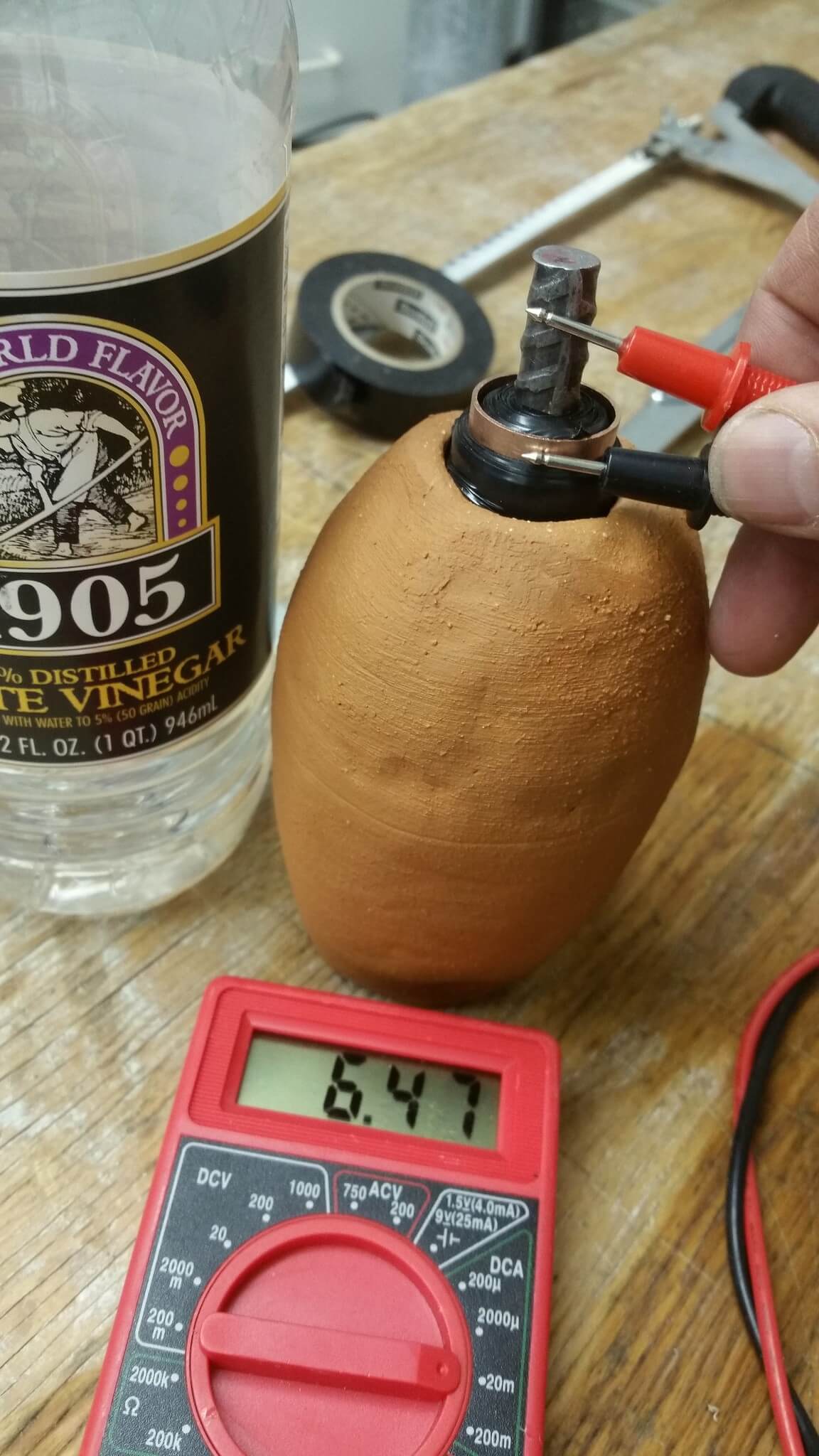
Discovered in Iraq, these clay jars containing copper cylinders and iron rods appear to be electrochemical cells capable of generating electric current—a technology seemingly impossible for ancient Mesopotamia. Their actual purpose remains hotly debated among archaeologists.
Mysterious Lead Anchors
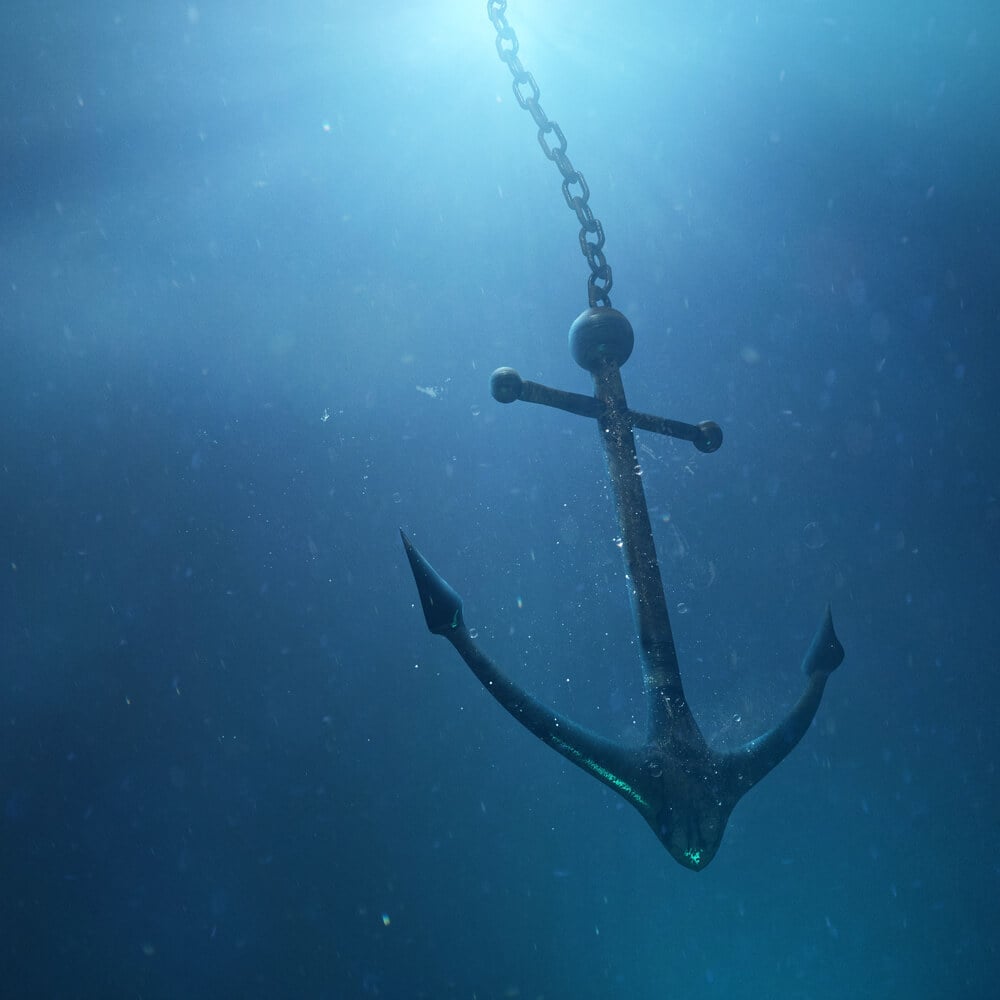
Deep-sea wrecks contain lead anchors of unknown origin and construction, suggesting seafaring cultures predating recorded history had sophisticated maritime capabilities beyond what historians credited them with.
Unexplained Pottery Styles

Shipwrecks in diverse locations contain identical pottery styles that shouldn’t have dispersed across continents, suggesting trade networks far more extensive than previously believed possible.
Roman Glass Cargo

A Roman merchant ship wreck contained glass cargo of such quality and quantity that modern specialists initially believed it was a hoax—the technology seemed impossible for the supposed era.
Pre-Viking Norse Artifacts

Shipwrecks predate the Viking age by centuries contain navigation tools and boat construction techniques attributed to Viking innovation, forcing reconsideration of Norse technological development.
Silk Route Cargo Inconsistencies

Ships carrying silk along trade routes contain goods inconsistent with documented trade patterns, suggesting unmapped trading posts and previously unknown commercial relationships between distant cultures.
The Spanish Armada Gold
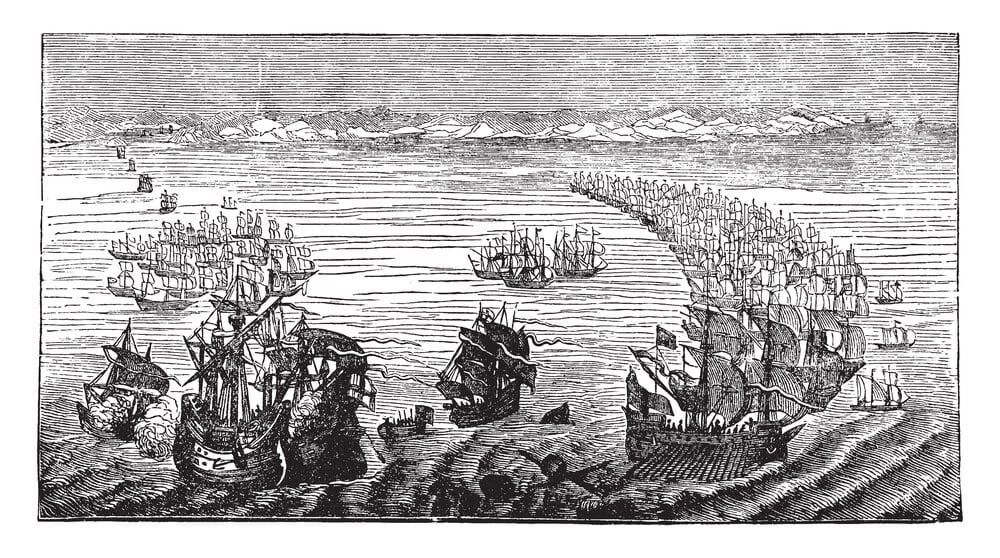
Shipwrecks from the Spanish Armada contain personal letters and documents revealing strategies, personal information, and correspondence that provide unprecedented insights into 16th-century naval operations.
Pre-Columbian Metal Work
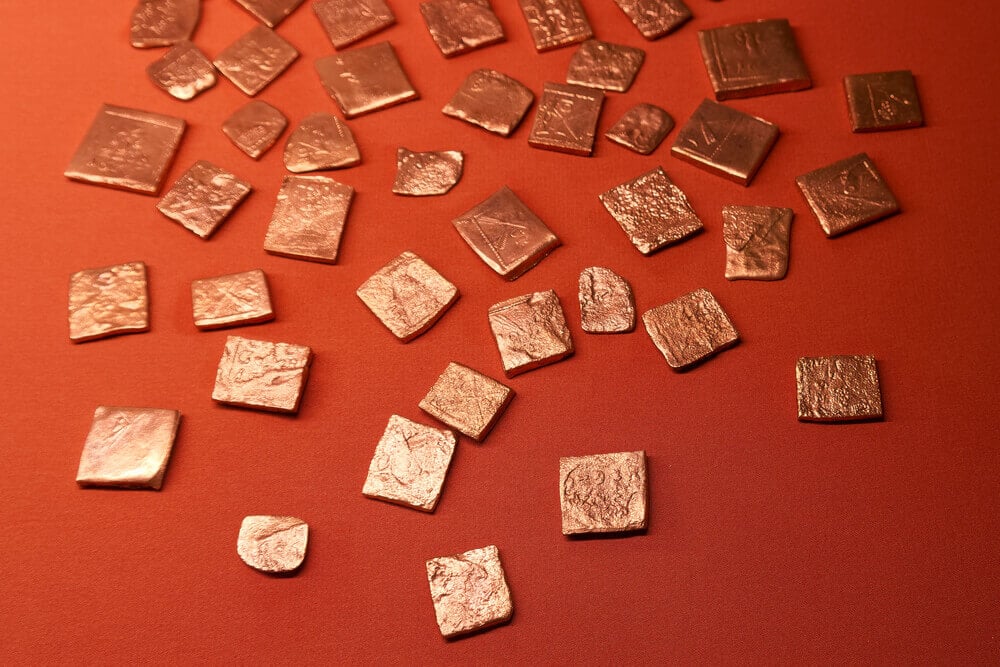
Metal artifacts recovered from ancient wrecks in the Americas display metallurgical techniques and sophistication suggesting technological knowledge that predates documented Old World contact.
Navigation Instruments of Unknown Design
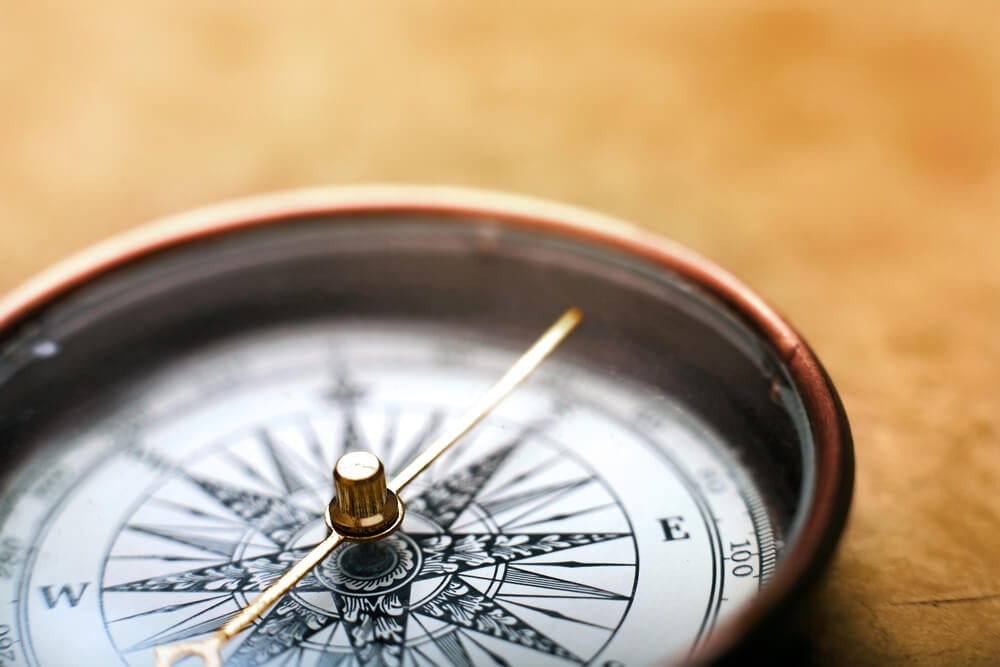
Shipwrecks contain navigational tools of unknown design and purpose—combinations of materials and construction methods that don’t match known historical instruments from their supposed era.
The Uluburun Ship Cargo
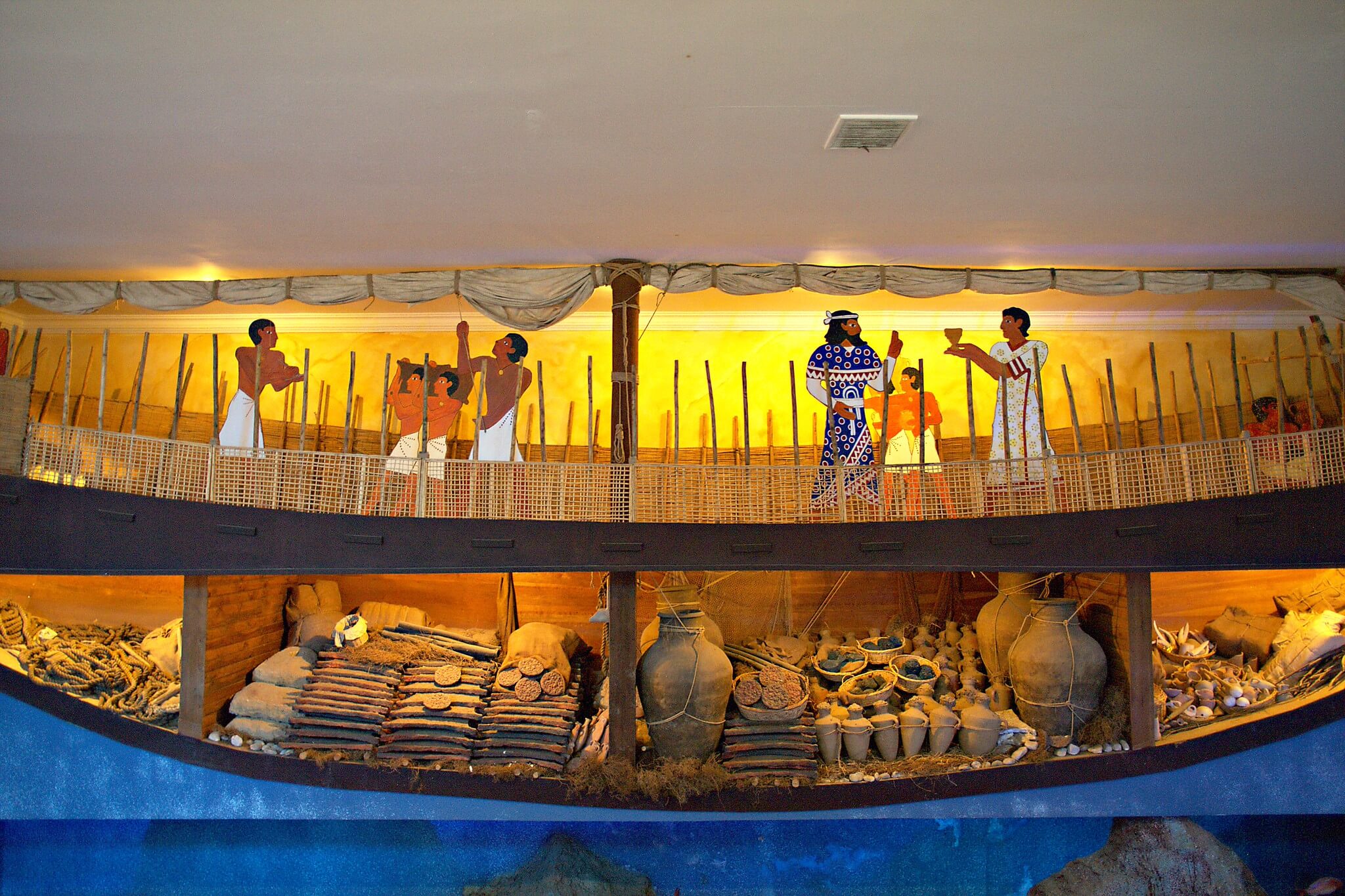
This Late Bronze Age wreck contained cargo from at least seven different cultures, revealing trade networks and cultural exchange far more complex than previously understood.
Unexplained Astronomical Carvings
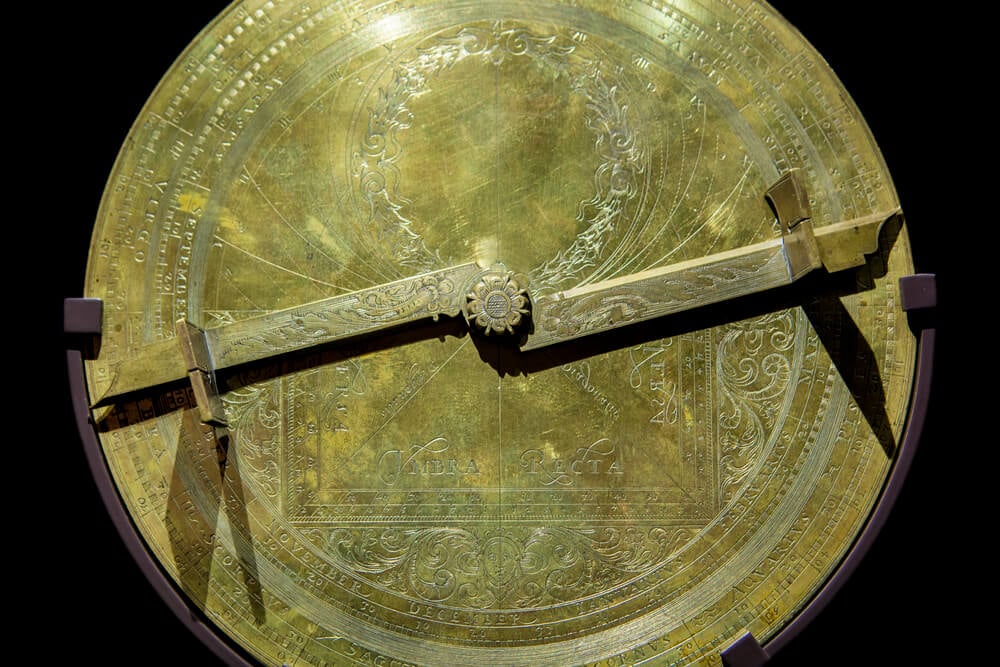
Cargo including stone tablets carved with astronomical observations and mathematical notation suggest sophisticated astronomical knowledge possessed by ancient maritime traders.
Glass Ingots of Unknown Origin
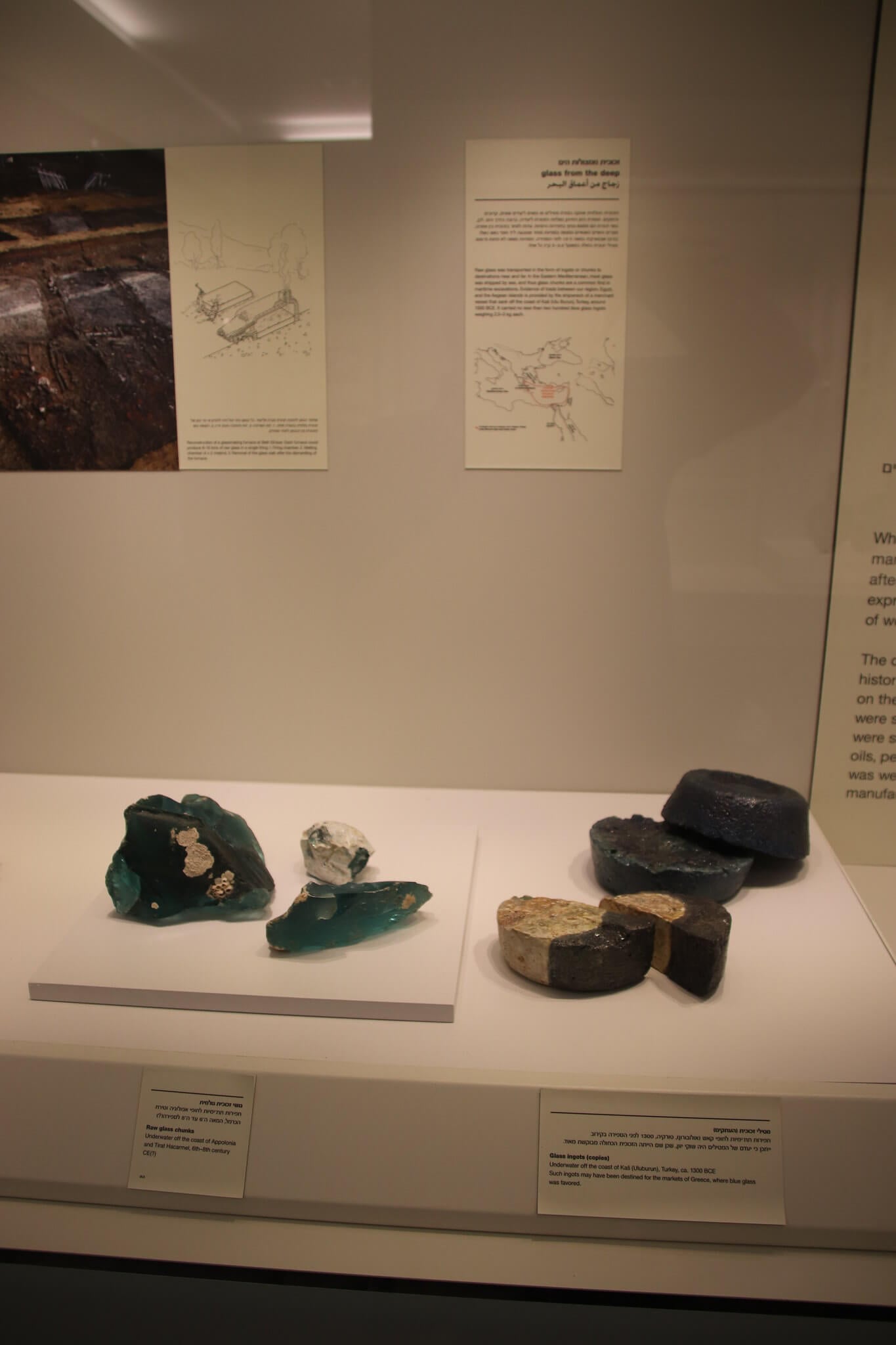
Standardized glass ingots found in multiple wrecks suggest an organized international glass trade that scholars previously believed didn’t exist during that historical period.
Pre-Historic Tin Sources
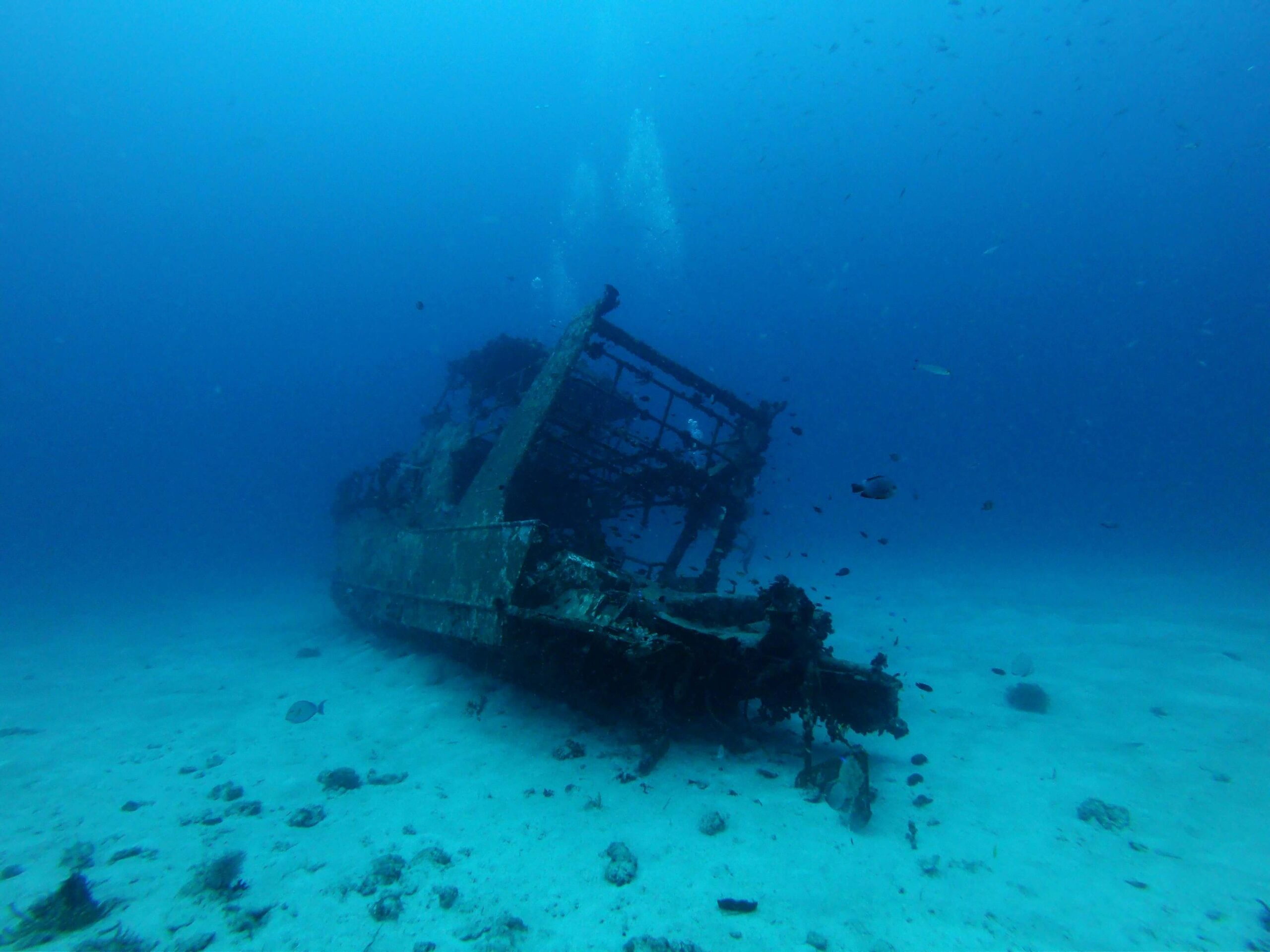
Shipwrecks recovered tin from sources inconsistent with known tin production sites, forcing archaeologists to identify previously unknown ancient mining operations in distant locations.
Papyrus Documents at Sea
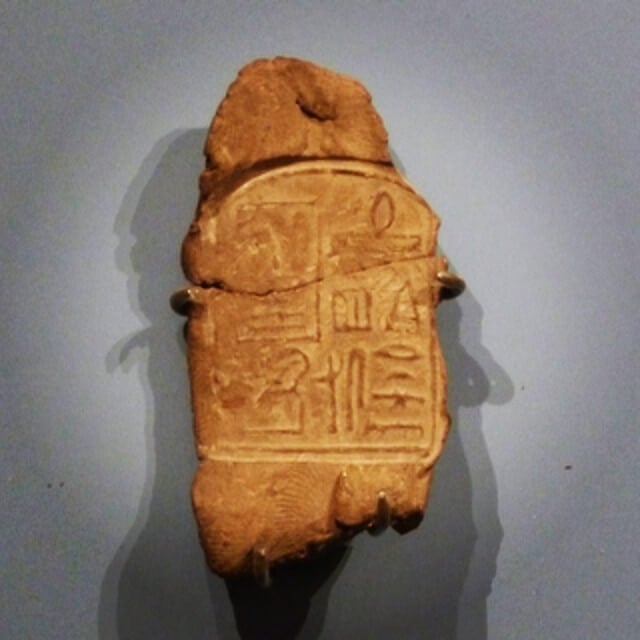
Egyptian papyrus survived underwater in wrecks where it shouldn’t have, preserved by unique chemical conditions that challenge modern understanding of organic preservation.
Wooden Joints and Construction Techniques
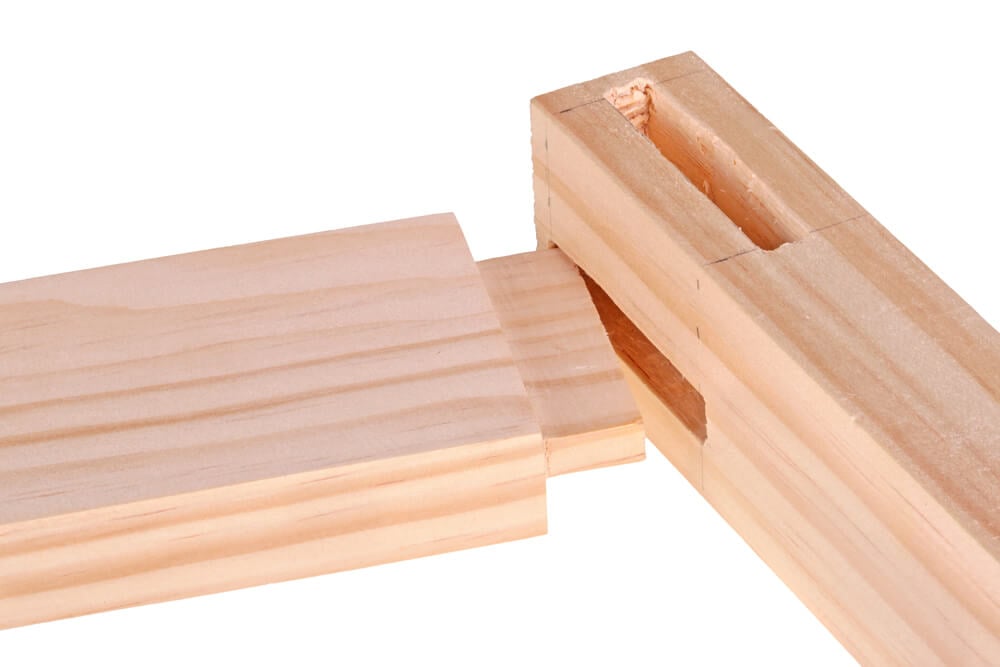
Shipwreck remains reveal construction techniques using wooden joints of such sophistication that they weren’t attributed to that era until physical evidence forced reconsideration.
Unmapped Trading Post Artifacts
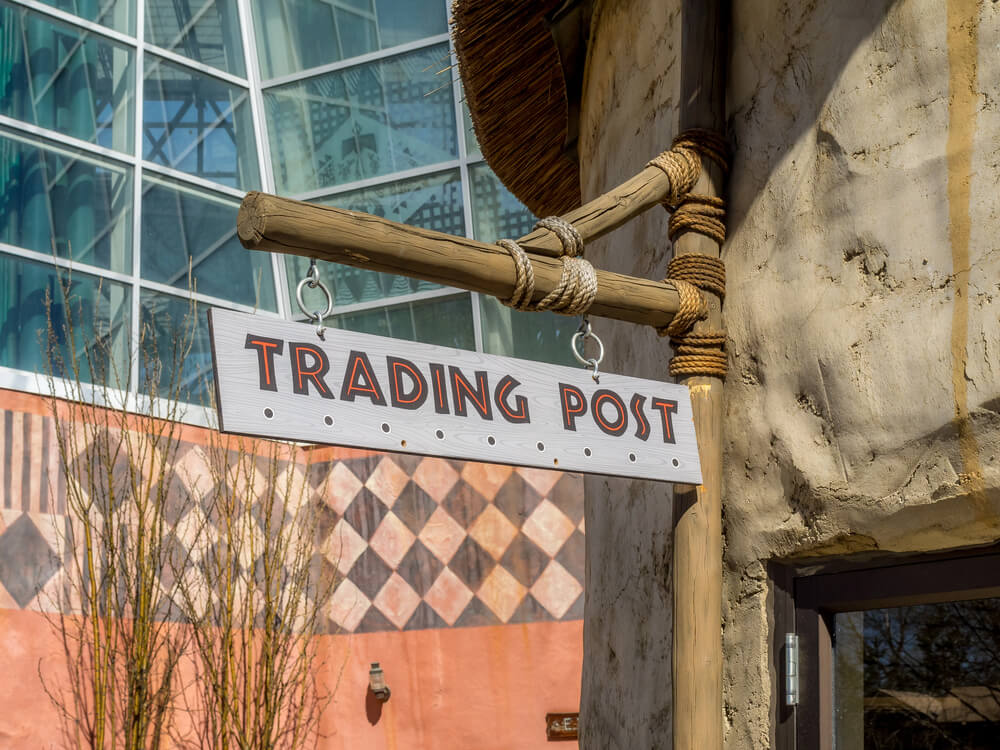
Cargo from wrecks contains goods from settlements and trading posts archaeologists have never located on land, suggesting entire communities lost to history.
The Antique Coins Anomaly
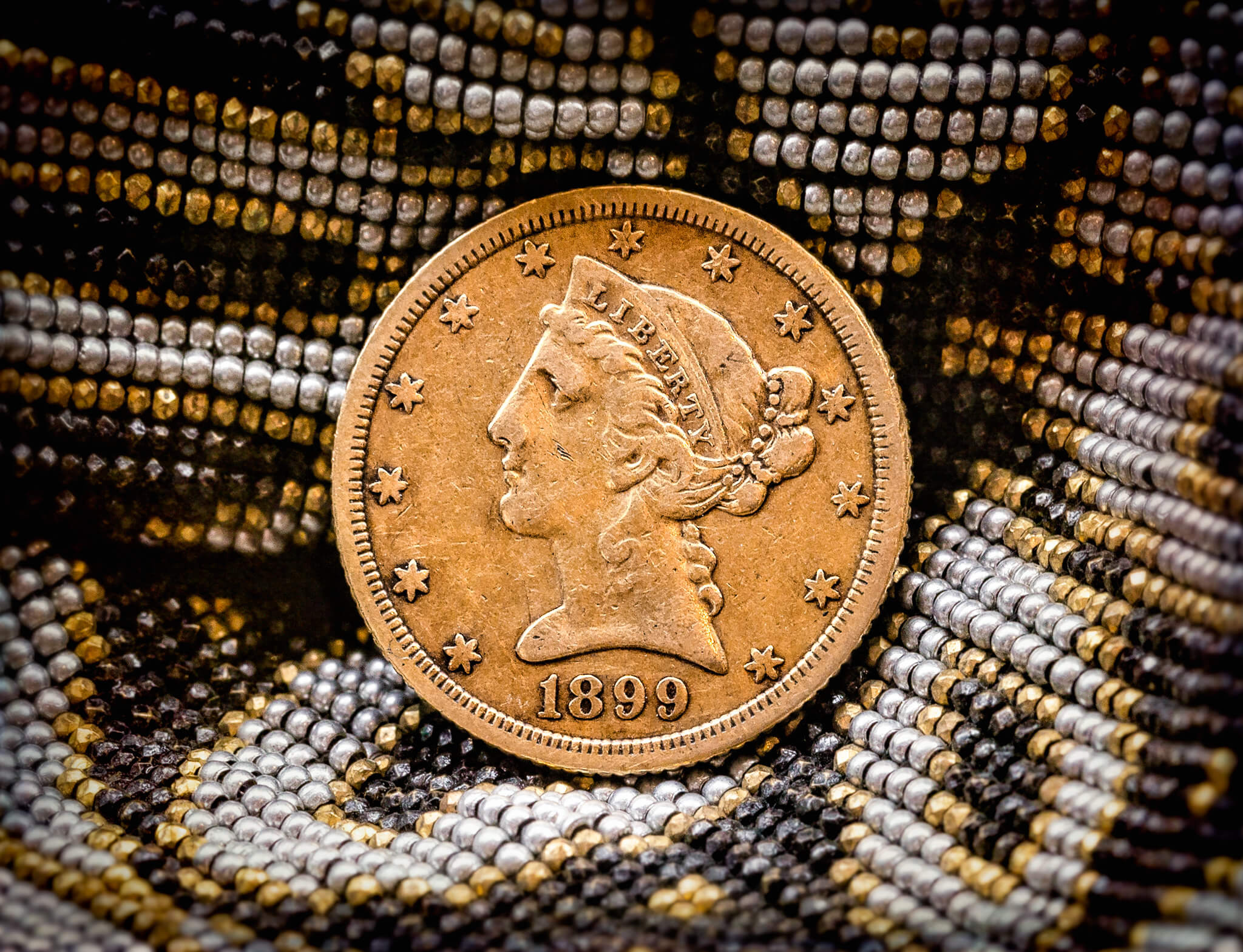
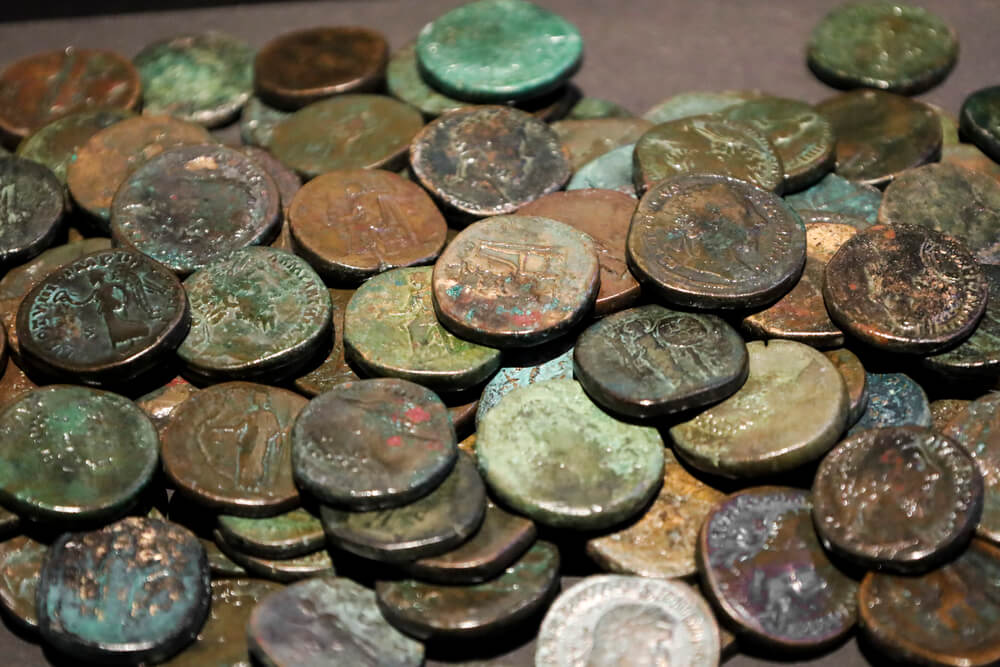
Coins found in wrecks bear dates and mint marks inconsistent with known historical records, suggesting either lost records of ancient mints or forging operations of unknown sophistication.
Pre-Magnetic Compass Navigation
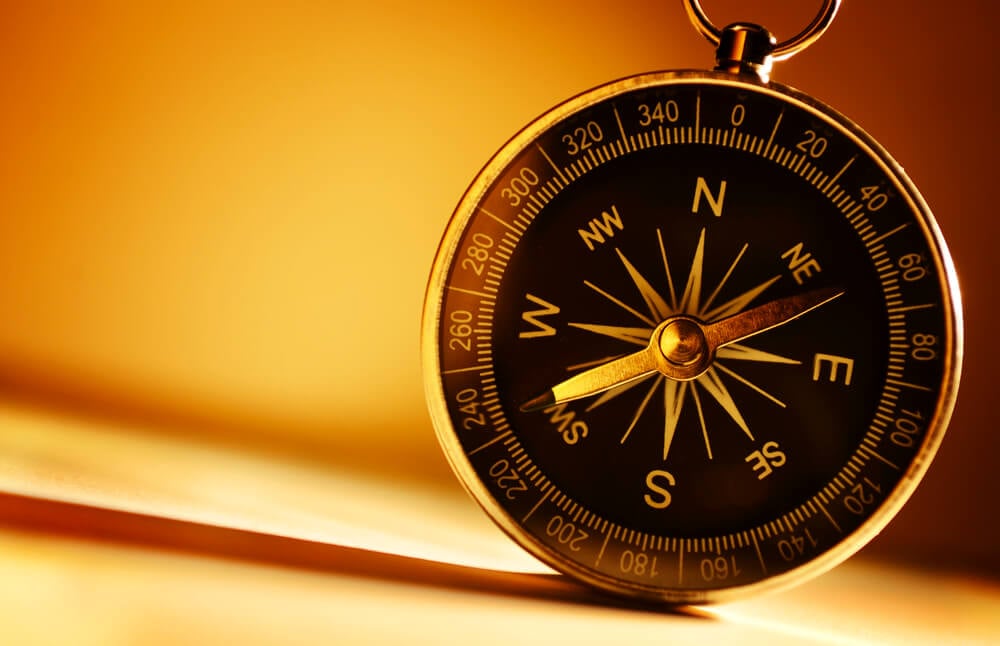
Navigation tools predating the invention of the magnetic compass suggest ancient mariners used other sophisticated methods for determining direction across open oceans.
The Mysterious Ingots
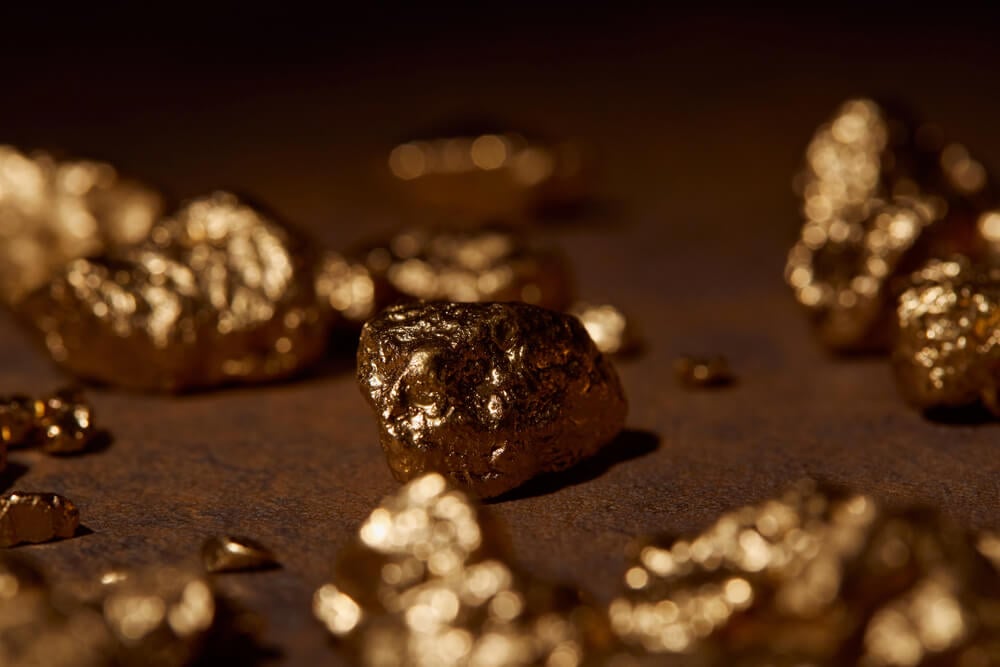
Lead ingots bearing unknown markings and stamps found in Mediterranean wrecks have never been definitively attributed to known sources or manufacturers.
Textiles of Unknown Origin

Fabric samples recovered from ancient wrecks display weaving techniques and dye sources impossible to trace to known ancient manufacturing centers.
The Lighthouse Technology

Shipwreck sites contain evidence suggesting sophisticated lighthouse systems and beacon networks far more advanced than historically credited to their eras.
Unknown Astronomical Charts

Recovered maps and charts in wrecks show coastlines and features that shouldn’t have been known or accurately mapped by ancient navigators.
The Sealed Cargo Mystery

Some wrecks contain sealed containers that remain unopened after recovery—their contents still unknown, their purposes only speculated upon.
Metallic Deposits of Unknown Origin
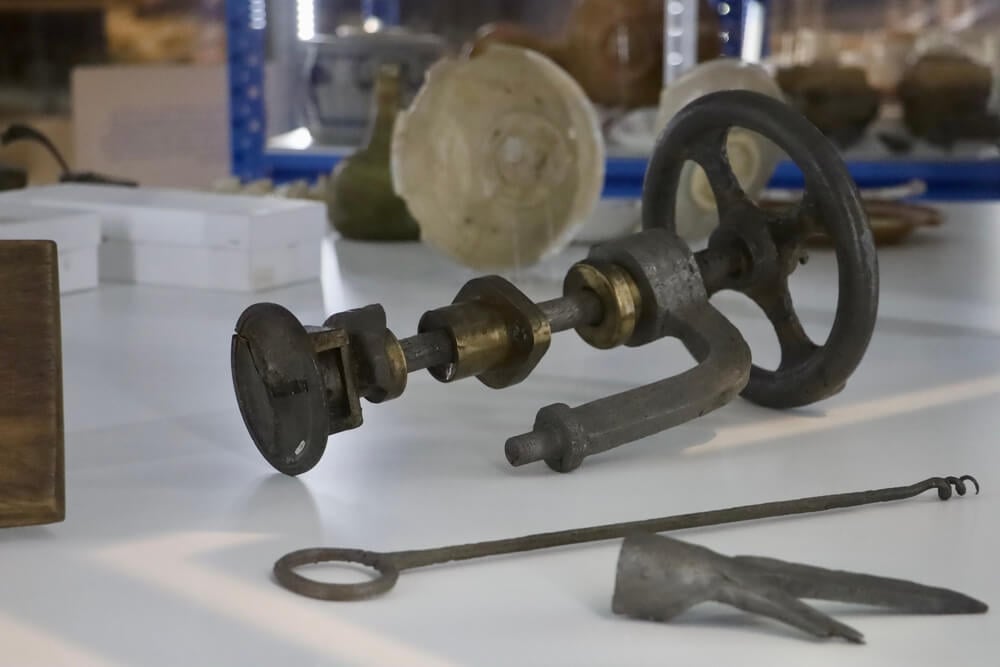
Chemical analysis of metal artifacts from wrecks reveals metallic compositions impossible to produce through known ancient metallurgical techniques, suggesting lost knowledge or undocumented trade.
When Evidence Rewrites History
These twenty-five discoveries force archaeologists to confront uncomfortable truths: our understanding of ancient capabilities is incomplete, trade networks were more extensive than documented, and technological advancement occurred unevenly across cultures. Each unexplained artifact represents not solved history but humbling recognition that vast knowledge gaps remain. The oceans preserve evidence that contradicts our narratives, and shipwrecks challenge us to revise our assumptions about what ancient peoples knew, how they traveled, and which civilizations possessed technological sophistication previously attributed only to later eras. The mysteries that persist in shipwrecks remind us that history is not a complete story but a fragmentary reconstruction vulnerable to correction whenever new evidence surfaces.
More from Go2Tutors!

- The Romanov Crown Jewels and Their Tragic Fate
- 13 Historical Mysteries That Science Still Can’t Solve
- Famous Hoaxes That Fooled the World for Years
- 15 Child Stars with Tragic Adult Lives
- 16 Famous Jewelry Pieces in History
Like Go2Tutors’s content? Follow us on MSN.