Vintage Wicker Baskets That Thrift Stores Can’t Keep on the Shelves
There’s something about walking into a thrift store and spotting that perfect wicker basket tucked between mismatched dishes and forgotten novels. Your heart does that little skip, and suddenly you’re calculating whether it’ll fit in your car, your budget, and your already-crowded living room.
The answer is always yes, because vintage wicker baskets have this peculiar power to make themselves essential the moment you see them. These aren’t just storage solutions gathering dust in donation piles.
They’re the items that experienced thrifters beeline for, the pieces that disappear from shelves faster than store employees can price them. And there’s a reason why your local thrift shop can barely keep them in stock.
French Market Baskets
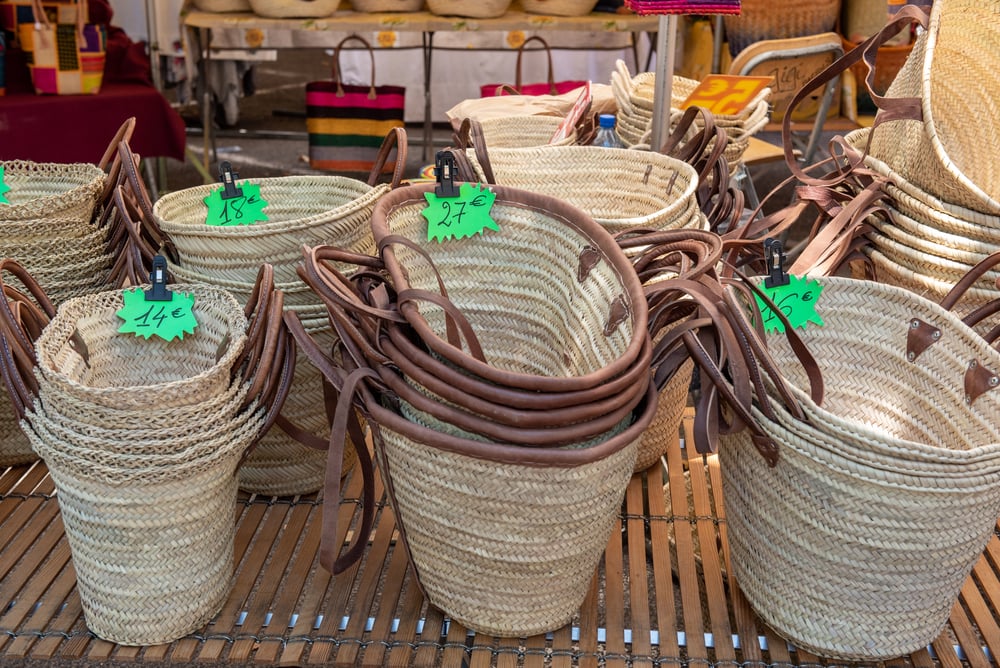
French market baskets hit different than their mass-produced cousins. The weave tells a story of Saturday mornings spent collecting fresh bread and seasonal vegetables, even if the basket spent the last decade holding magazines in someone’s suburban living room.
These baskets wear their age well. The leather handles develop a patina that feels substantial in your hands, and the willow or rattan shows its character through slight loosening of the weave.
Authenticity matters here — real French market baskets have a particular proportion and construction that knockoffs never quite capture.
Nantucket Lightship Baskets
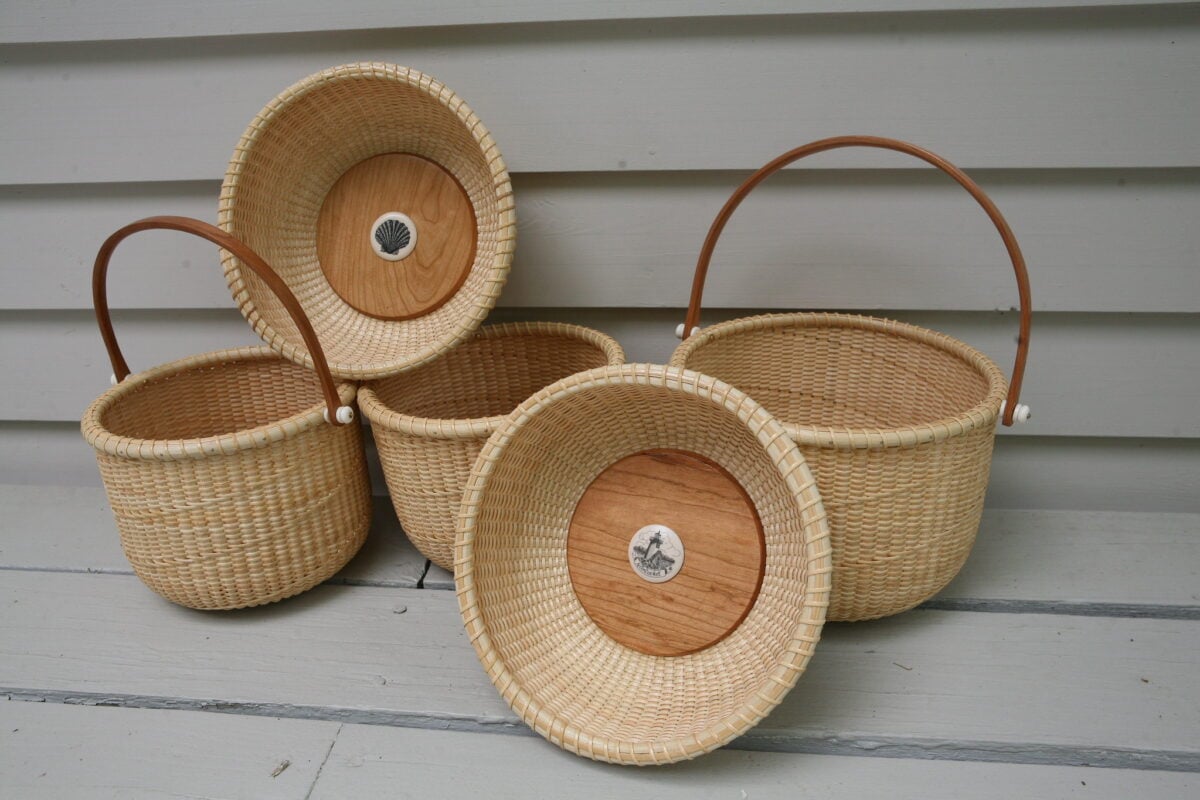
The waiting list for new Nantucket lightship baskets can stretch months, which makes finding vintage ones at thrift stores feel like discovering buried treasure (if buried treasure came with a $12 price tag instead of a four-figure one). These baskets represent American craftsmanship at its most obsessive — sailors aboard lightships had nothing but time and developed weaving techniques that bordered on the fanatical.
The construction is unmistakable once you know what to look for: perfectly round bases, ribs that taper with mathematical precision, and cane that’s been woven so tightly it feels almost like wood. But here’s the thing that makes vintage examples special (and this might sound strange given how precisely they’re made): decades of use give them a warmth that the museum-quality new ones, sitting pristine in gift shops, haven’t earned yet.
The handles show wear, the cane has darkened to honey gold, and somewhere in that patina lives the memory of beach picnics and grocery runs that transformed a perfect object into something better — a trusted one.
Picnic Hampers with Fitted Interiors
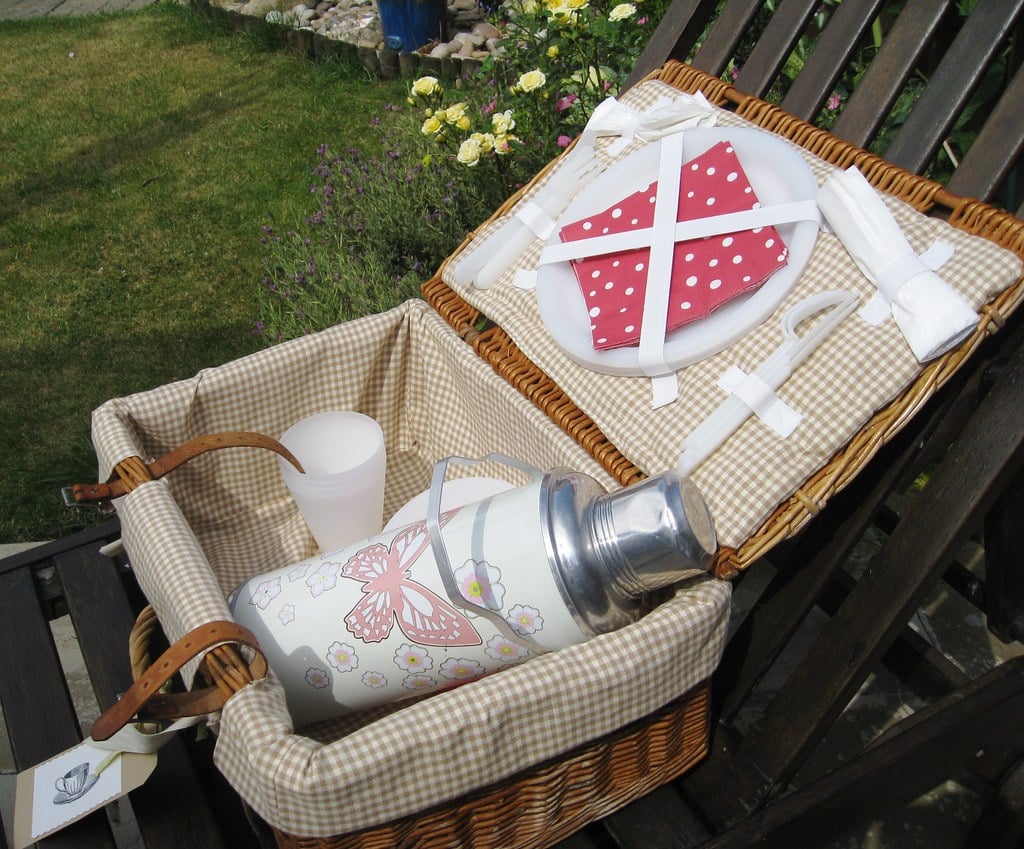
Picnic hampers tell the story of a time when eating outdoors required actual planning and commitment. These weren’t grab-and-go situations.
Someone took the time to pack real plates, actual silverware, and glasses that could break if you weren’t careful. The fitted interiors are what make collectors stop in their tracks.
Elastic straps that once held plates in perfect alignment, leather loops sized for specific utensils, and compartments designed around wine bottles that were probably more expensive than the entire hamper’s current thrift store price. Most of the original contents disappeared decades ago, but the ghost of ambitious entertaining lingers.
Laundry Baskets with Character
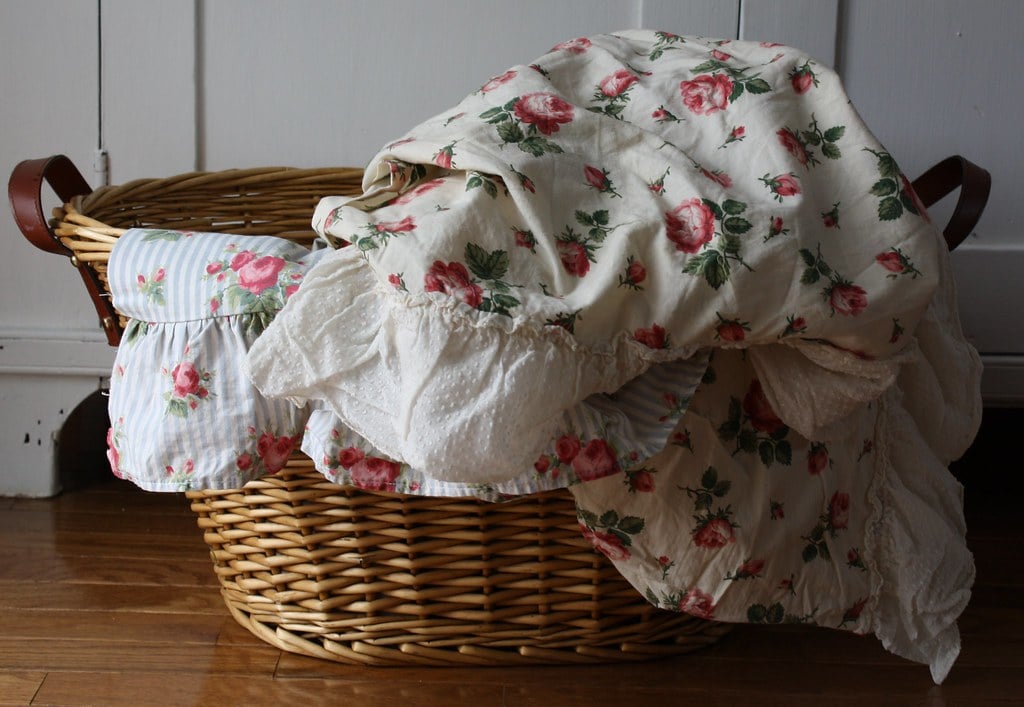
Modern laundry baskets are plastic disappointments. Vintage wicker versions treated dirty clothes with more dignity than most people’s clean ones receive today.
These baskets were built to last through decades of trips to basement washers and backyard clotheslines. The construction is what separates them from decorative pieces.
Reinforced bottoms, sturdy handles positioned for actual lifting, and a weave tight enough to contain socks but open enough to let air circulate. They’ve earned their wear patterns honestly.
Sewing Baskets
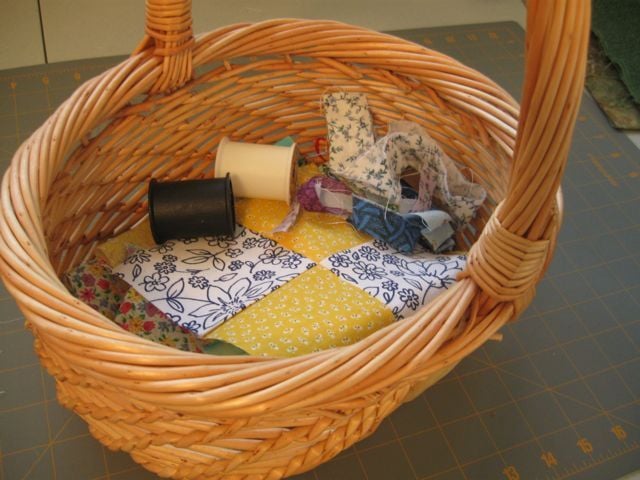
The art of keeping a proper sewing basket has largely disappeared, making vintage examples feel like archaeological artifacts (though considerably more useful ones). These baskets were designed around the specific needs of someone who understood thread tension and seam allowances, and their compartments reflect a level of organization that modern storage solutions rarely match.
Look for the divided trays that lift out to reveal deeper compartments below — a design that makes perfect sense once you understand the hierarchy of sewing supplies. Thread and needles needed frequent access; fabric and patterns could live in the depths.
And the pin cushions built into the lids? Those weren’t decorative touches but genuine workspace optimization from an era when mending clothes made more economic sense than replacing them. The baskets that show up at thrift stores often still contain mysterious notions and vintage buttons that feel like small gifts from previous owners who understood the satisfaction of making something last.
Fruit Picking Baskets
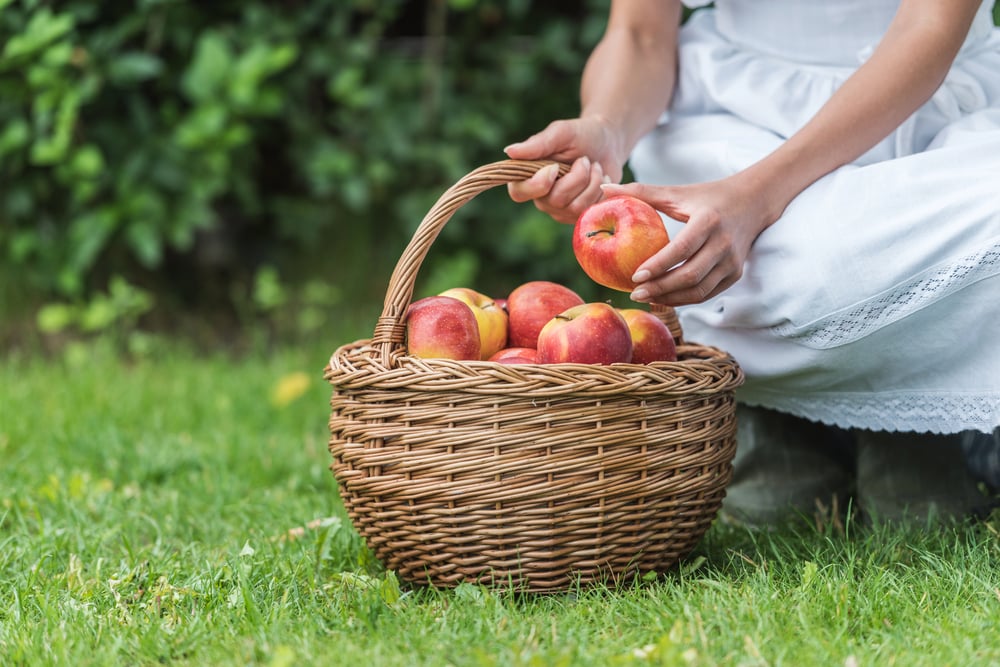
Fruit picking baskets were built for actual work. The flat bottom kept apples from bruising each other, and the wide weave allowed air circulation that prevented everything from going soft during long picking sessions.
These baskets earned their scars. Scratches from orchard ladders, stains from overripe peaches, and handles that show the wear patterns of hands that picked fruit for preserving rather than Instagram.
The patina isn’t decorative — it’s honest wear from baskets that spent their prime years doing exactly what they were designed to do.
Magazine Holders
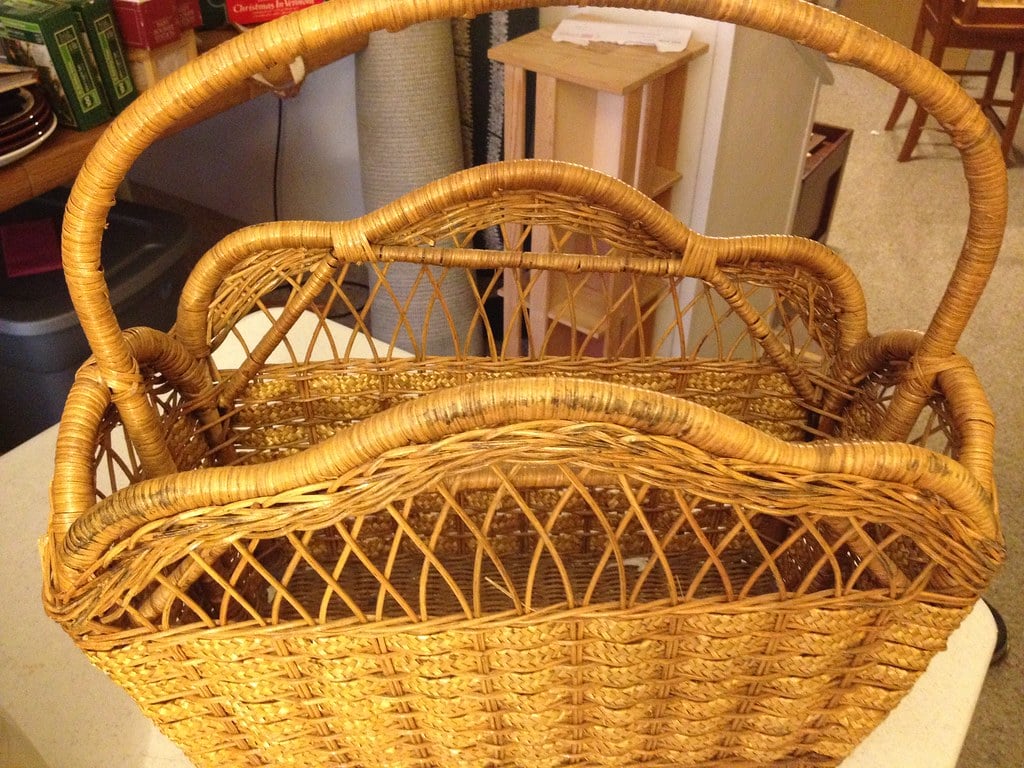
The era of magazine subscriptions created a specific storage problem that wicker magazine holders solved with surprising elegance. These weren’t file organizers trying to be beautiful — they were beautiful objects that happened to organize files perfectly.
The proportions were calculated around standard magazine dimensions, creating clean lines that worked whether the basket held three issues or thirty. They transformed magazine storage from necessary clutter into purposeful arrangement, which explains why they work just as well holding laptops, tablets, or whatever replaced magazines in modern living rooms.
Bicycle Baskets
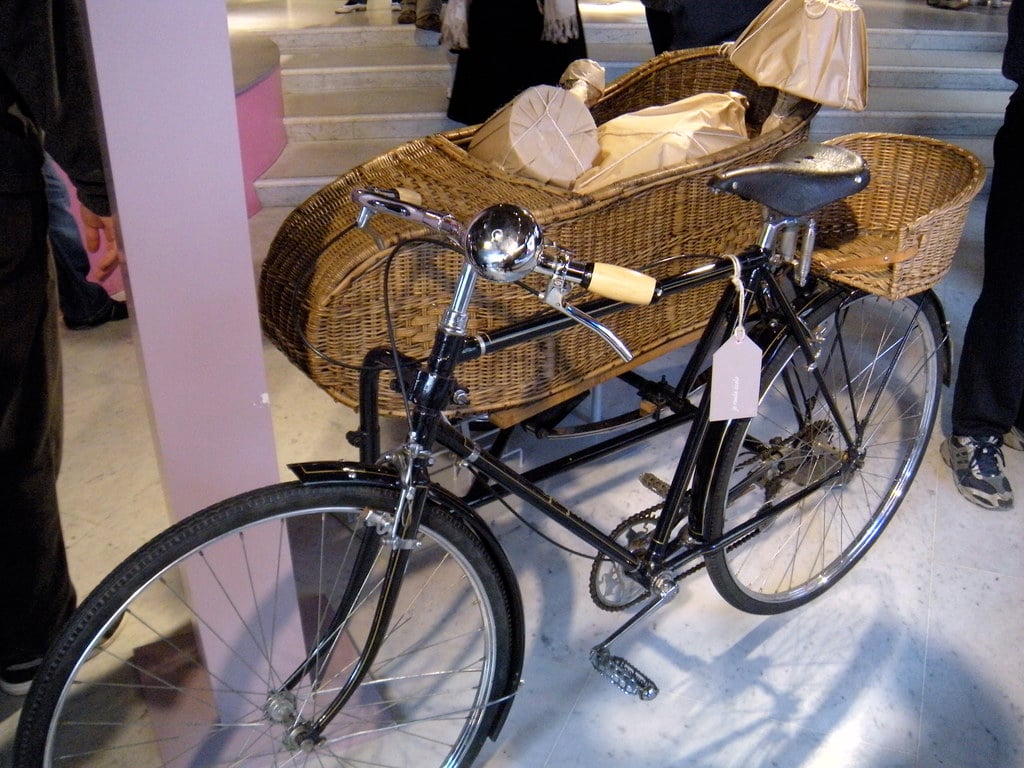
Bicycle baskets from the pre-helmet era carry the memory of a time when bike riding felt more like gentle transportation than extreme sport (even though the actual safety statistics suggest the extreme sport comparison wasn’t entirely wrong). These baskets were designed for errands and leisurely rides to places where arriving slightly windblown was perfectly acceptable social practice.
The mounting hardware often tells the story better than the basket itself — leather straps show where they are wrapped around handlebars, metal brackets bear the scratches from installation and removal, and the wear patterns on the bottom reveal what people actually transported. Most carried groceries, books, and the occasional small dog who had trained their human to provide this particular form of luxury transportation.
Toy Storage Baskets
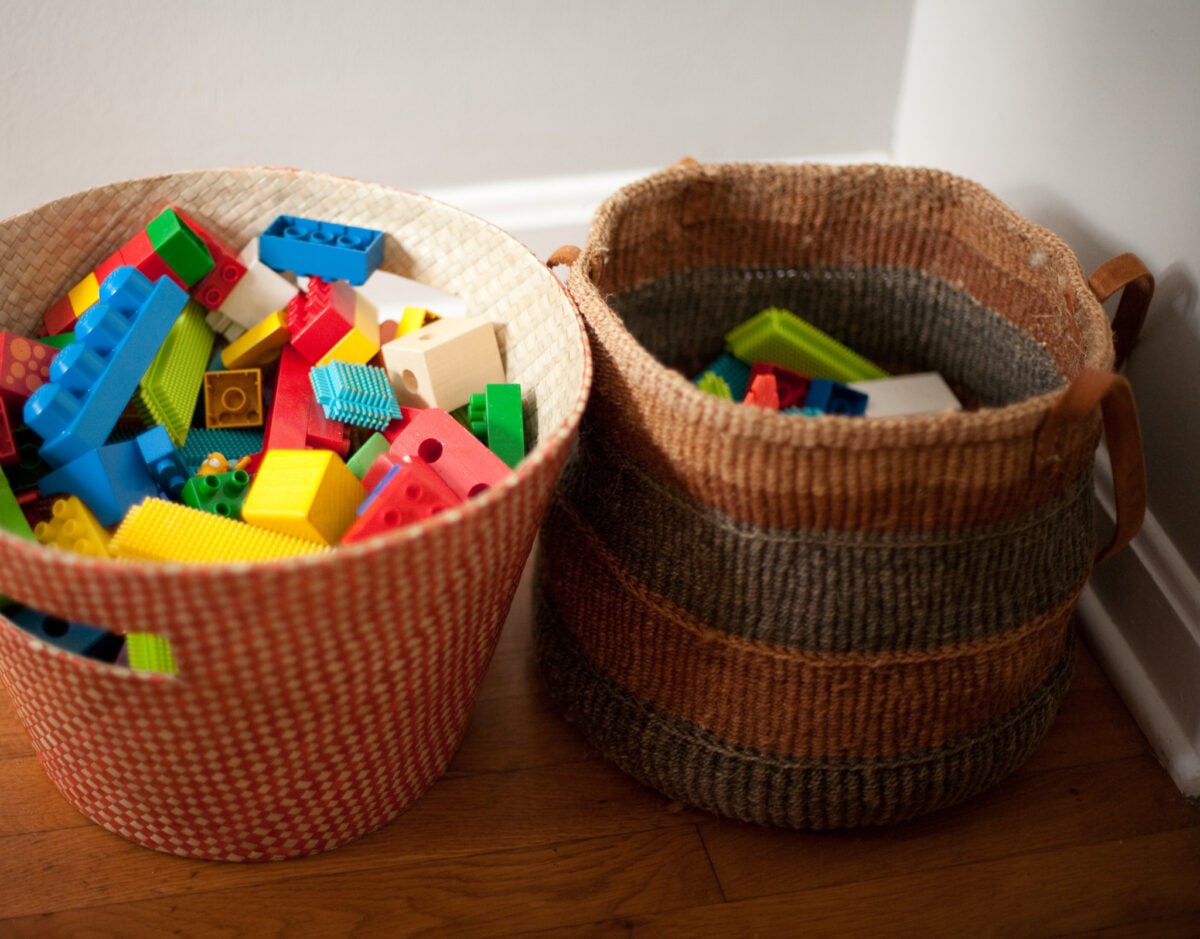
Children’s vintage wicker toy baskets represent optimistic parenting from an era when storage solutions doubled as room decoration. These baskets suggested that toys could be contained, organized, and put away in something beautiful rather than hidden in plastic bins.
The reality, judging by the condition of most examples, was messier than the aspiration. These baskets show the honest wear of actual use — corners softened by repeated impacts, weave loosened by enthusiastic toy retrieval, and handles that survived being grabbed by small hands in various states of excitement or tantrum.
Shopping Baskets
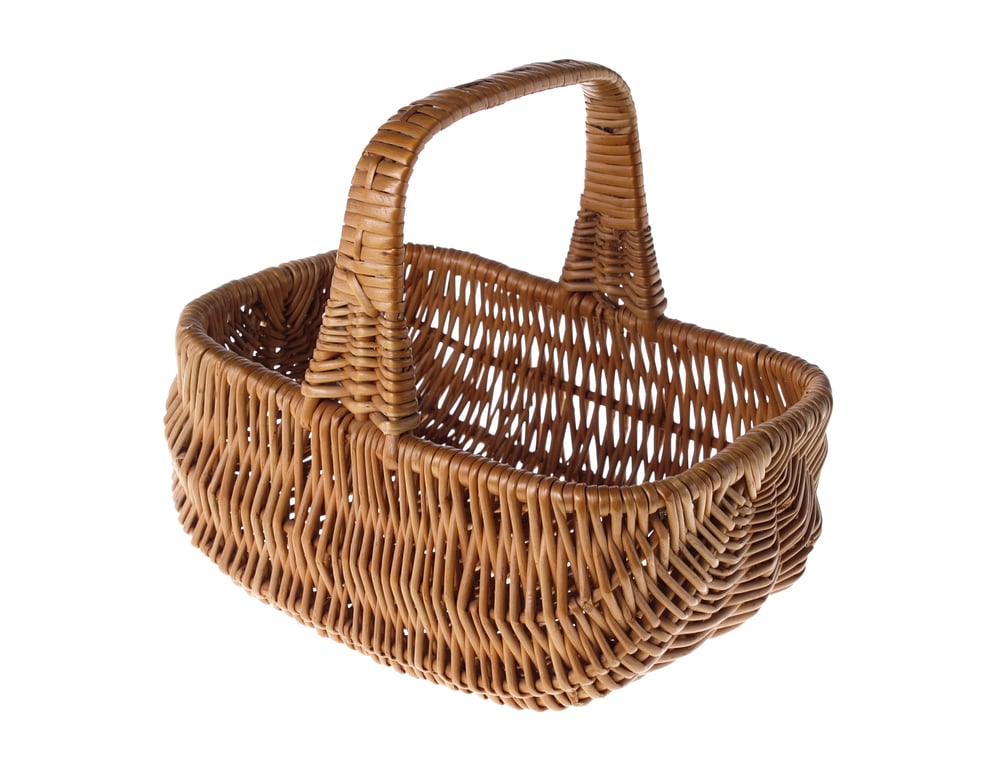
Before canvas totes became the symbol of environmental consciousness, wicker shopping baskets served the same practical and social function. These baskets announced that their carrier planned ahead, cared about quality, and probably shopped at places where knowing the butcher’s name mattered.
The proportions were designed around actual shopping needs rather than storage convenience. Deep enough for substantial purchases, wide enough for awkward items, and sturdy enough to handle the weight of glass bottles and canned goods without complaint.
Bathroom Storage Baskets
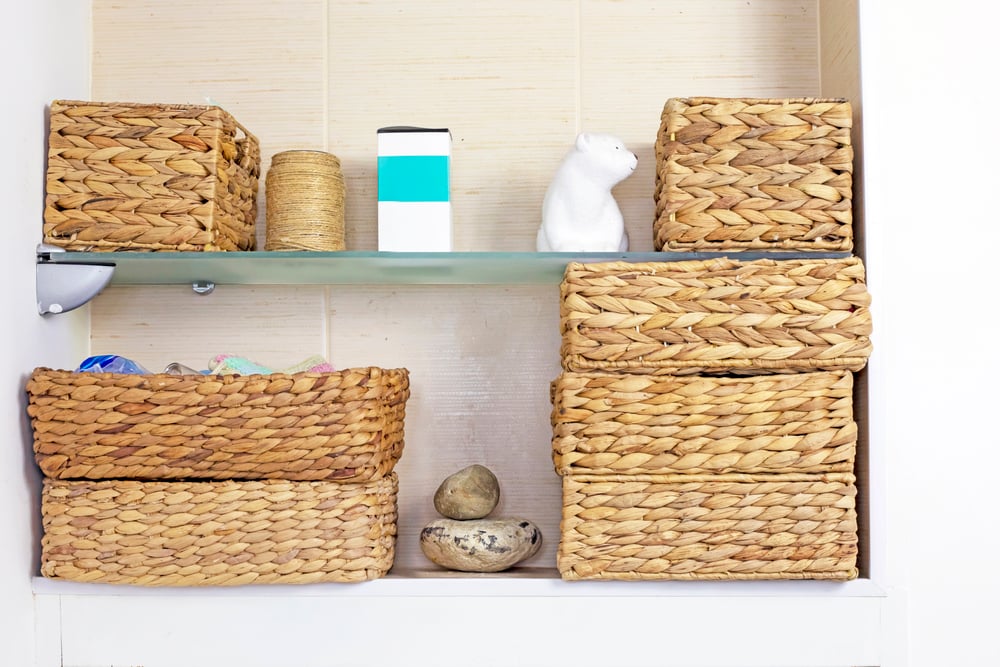
Wicker bathroom storage solved the eternal problem of keeping necessities accessible while maintaining some pretense of organization. These baskets worked because they embraced the reality that bathroom storage needed to be functional first and attractive second.
The tight weave protected contents from moisture while allowing air circulation that prevented mustiness. They transformed bathroom clutter into organized bathroom storage, which was essentially the same things arranged more intentionally.
Plant Holders
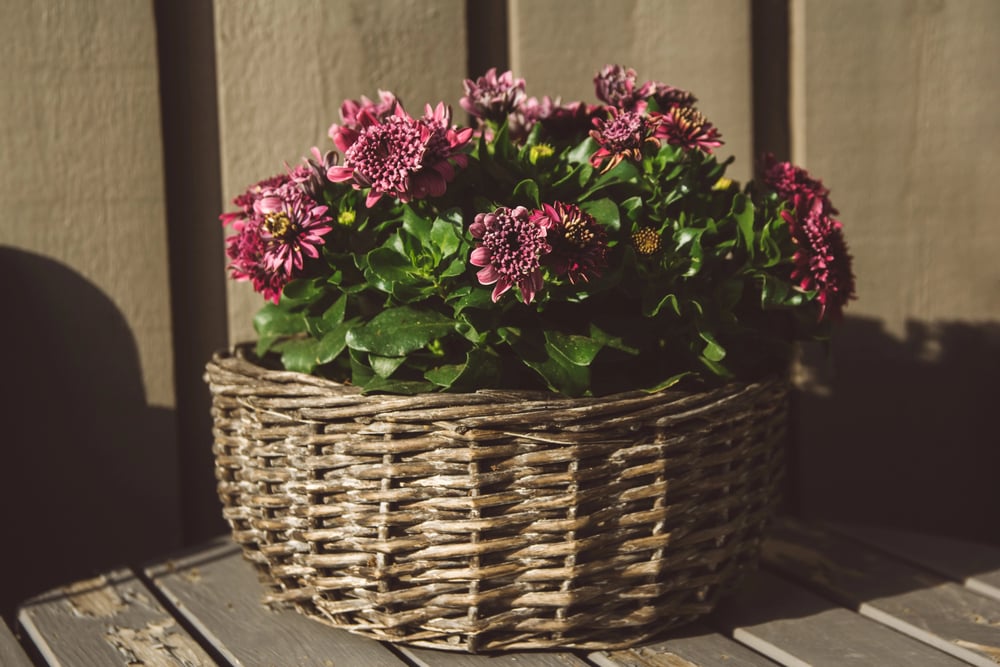
Using wicker baskets as planters required either confidence or ignorance about proper drainage, but the combination worked often enough to make these pieces genuinely sought after. The baskets that survived suggest their owners understood the assignment and lined them appropriately.
The appeal was immediate visual gratification. A plain terracotta pot became interesting when nested inside wicker, and the natural materials created harmony that plastic planters never quite achieved.
Wine and Bottle Carriers
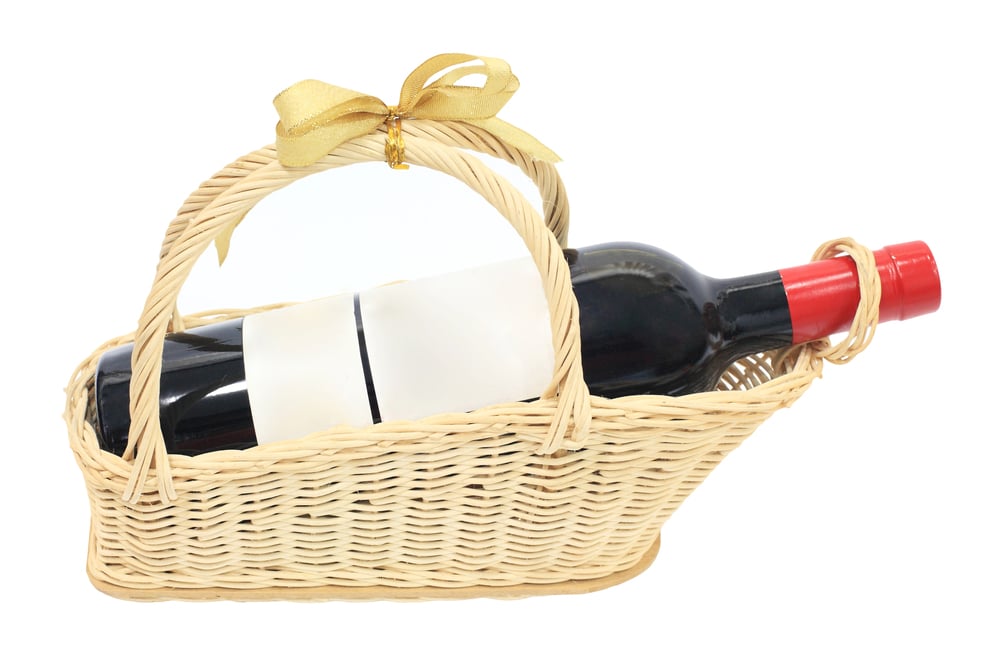
Wine basket designs reflected the social importance of transporting bottles safely and stylishly (because arriving at dinner parties with clinking bottles in paper bags sent the wrong message about your understanding of social protocols). These carriers were engineered solutions disguised as decorative accessories.
The individual compartments prevented bottles from touching while providing enough structure to handle the weight of good wine and the responsibility that came with transporting it. And the handles were positioned to balance properly when loaded, which mattered more than it sounds when walking across uneven lawns toward dinner parties where first impressions were still forming.
Bread Baskets
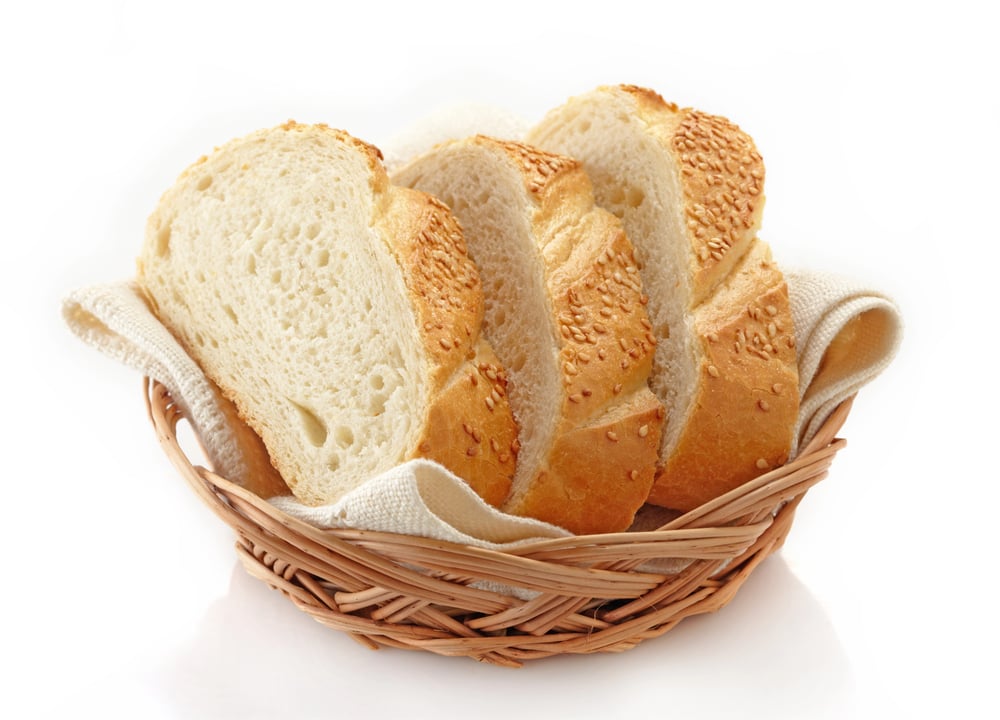
Bread baskets understood their role in the hierarchy of dining. They weren’t meant to steal attention from the main course, but they elevated the simple act of serving bread into something that felt intentional rather than obligatory.
The weave was calculated for function — open enough to prevent condensation that would make bread soggy, but closed enough to maintain warmth and contain crumbs. They transformed ordinary dinner rolls into proper bread service, which mattered in households where meals were events rather than fuel stops.
Craft and Notion Baskets
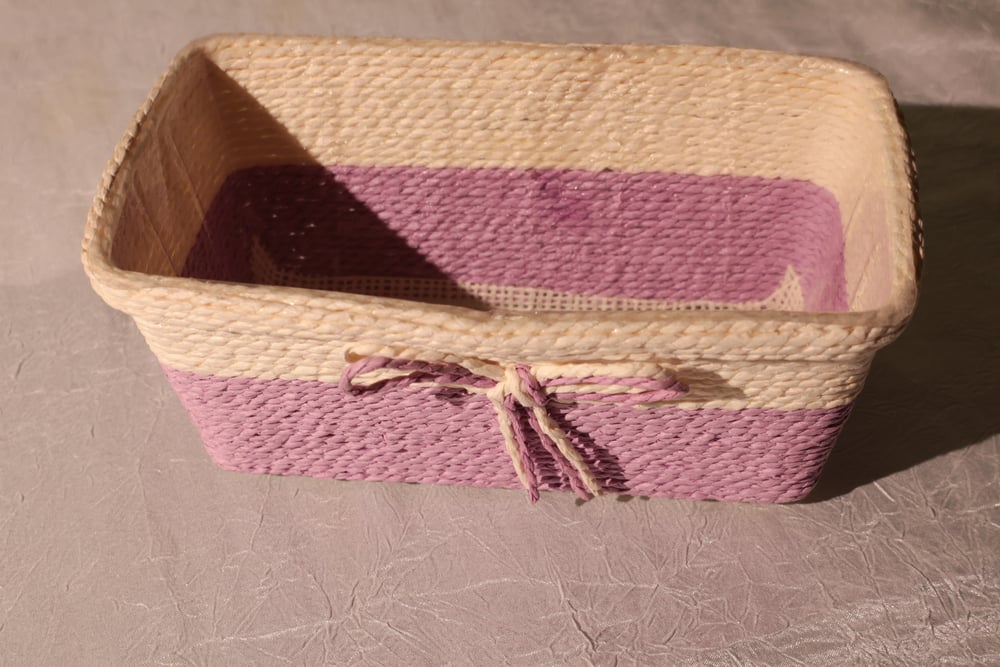
Craft baskets were organizational systems designed by people who understood that creative work required both inspiration and efficiency. These weren’t just containers but workspace optimization for an era when handmade items were necessities rather than hobbies.
The compartments reflected actual crafting workflows. Small notions needed quick access, larger materials could live in deeper sections, and works in progress needed their own dedicated space.
The baskets that show up at thrift stores often contain forgotten projects and vintage supplies that feel like archaeological evidence of domestic creativity.
Knitting and Yarn Baskets
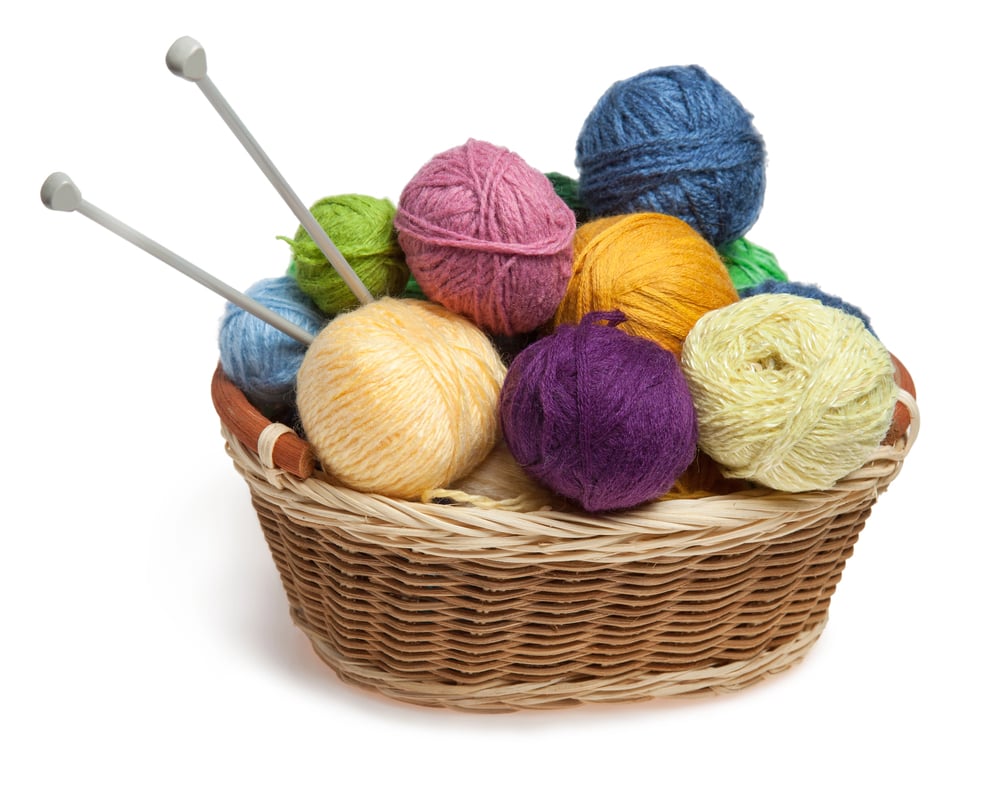
Knitting baskets were designed around the specific physics of working with yarn — preventing tangles while maintaining easy access and keeping multiple projects organized without confusion. These weren’t just storage but active participants in the knitting process.
The construction accommodated yarn’s particular requirements. Smooth interiors prevented snagging, adequate depth kept balls from escaping, and the right proportions made the basket portable enough for knitting on the go while stable enough for serious home projects.
The Enduring Appeal

There’s something about finding a well-made wicker basket at a thrift store that feels like rescuing something valuable from unnecessary exile. These pieces were designed to age gracefully, to improve with use rather than deteriorate from it.
In a world of planned obsolescence and disposable design, that’s not just appealing — it’s almost revolutionary. The baskets that can’t stay on thrift store shelves share one quality that modern storage solutions often miss: they were built by people who expected to use them for decades, not seasons.
And maybe that’s why reaching for a vintage wicker basket instead of another plastic bin feels less like shopping and more like making a small statement about the kind of objects that deserve space in your life.
More from Go2Tutors!

- The Romanov Crown Jewels and Their Tragic Fate
- 13 Historical Mysteries That Science Still Can’t Solve
- Famous Hoaxes That Fooled the World for Years
- 15 Child Stars with Tragic Adult Lives
- 16 Famous Jewelry Pieces in History
Like Go2Tutors’s content? Follow us on MSN.