15 Interesting Details About the Launch of the First iPhone
An important turning point in the history of technology was the original iPhone’s January 9, 2007, debut, which permanently altered the way we use mobile devices. At Macworld in San Francisco, Steve Jobs took the stage to introduce what would turn out to be one of the most ground-breaking products of the twenty-first century. There is considerably more to the story than what most people recall from that famous lecture, even if the presentation was a masterclass in product introduction.
These 15 amazing facts about the first iPhone’s release highlight how revolutionary and risky this period of technological history was.
The Secret Project

Apple developed the iPhone in a veil of secrecy. Teams worked on isolated components, often unaware of the full device. Locked rooms, codenames, and blacked-out windows were the norm to prevent leaks, creating an environment of intense compartmentalization even among colleagues.
Jobs’ Bold Prediction

Steve Jobs declared during the launch that Apple would reinvent the phone and leap five years ahead of the competition. Many doubted the claim, but it proved prophetic—rivals spent years catching up to the iPhone’s user experience and design.
The Non-Working Prototype

The iPhone shown on stage wasn’t a fully functioning product. It was fragile, and Jobs followed a carefully planned “golden path” during the demo to avoid crashes. The live demonstration’s success came down to precision, rehearsals, and nerves of steel.
The Glass Screen Gamble
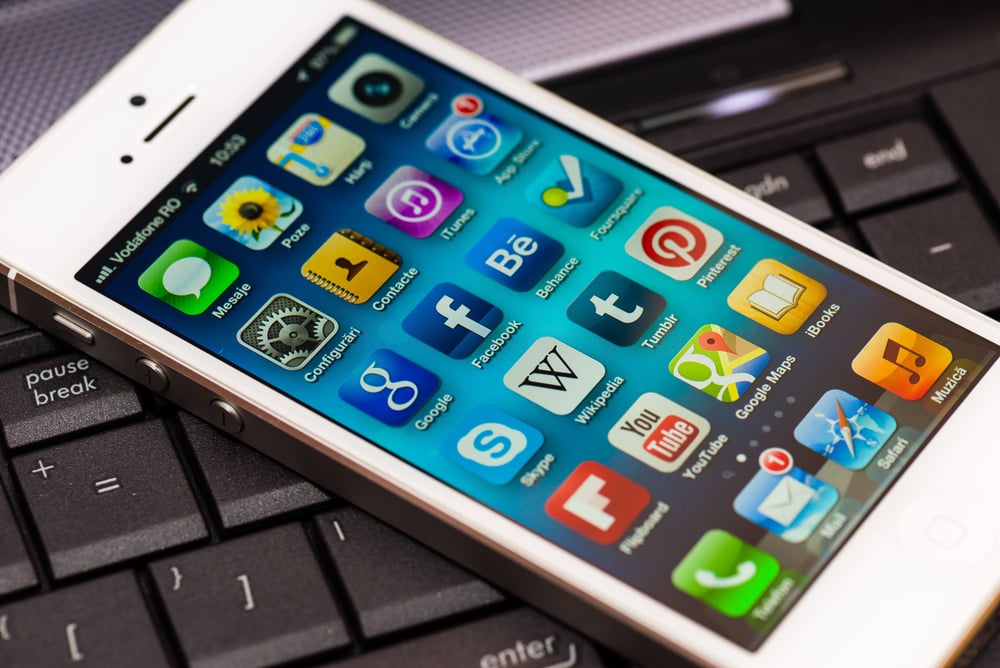
Weeks before launch, Jobs switched the iPhone’s screen from plastic to glass after noticing scratches on a prototype. He turned to Corning, who quickly produced the strengthened glass that would become Gorilla Glass. The risky change dramatically improved durability.
The Missing App Store
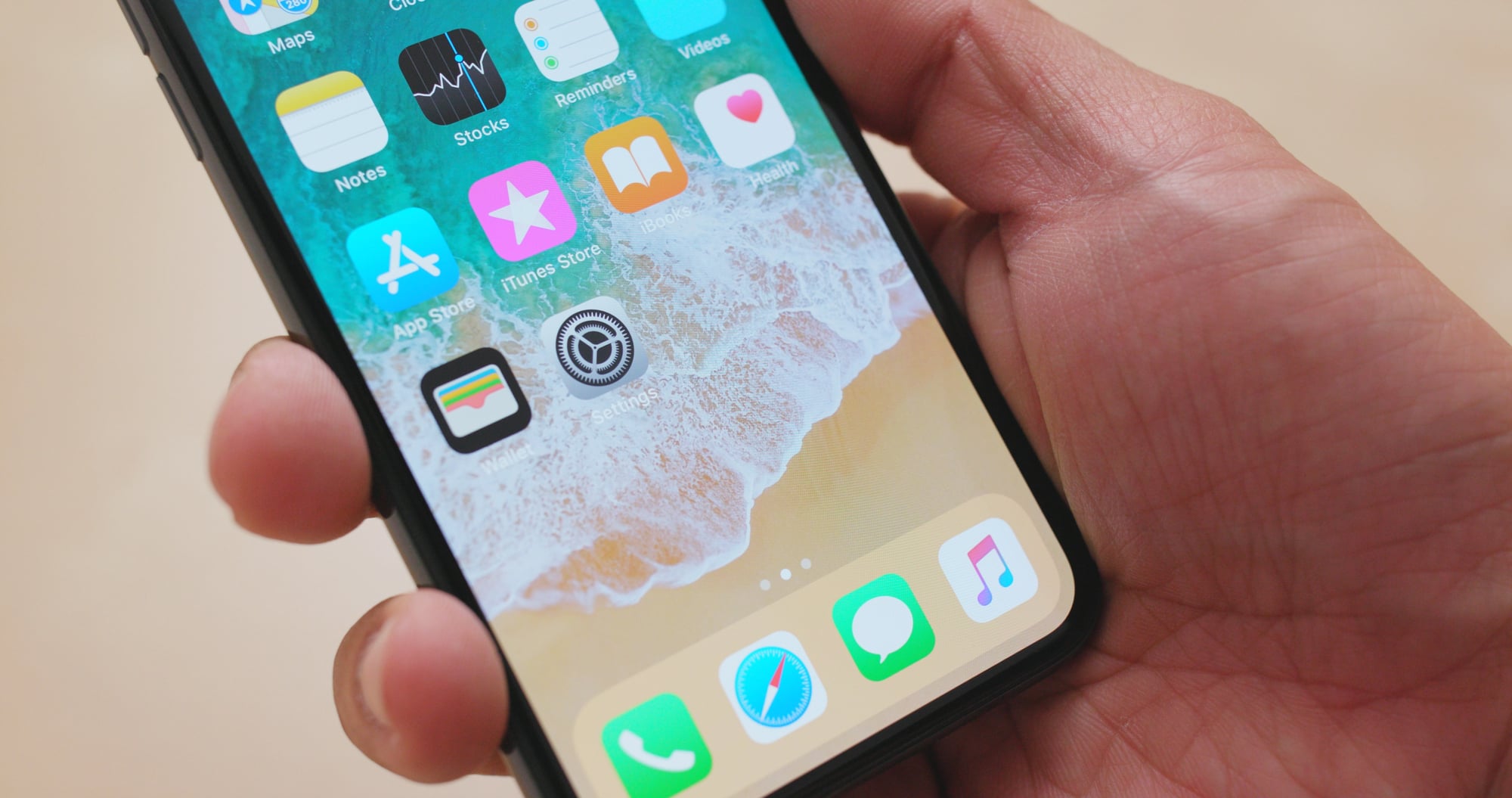
At launch, the iPhone didn’t support third-party apps. Apple pushed web apps instead, limiting functionality. The App Store, launched a year later, transformed the iPhone into a platform, enabling a thriving app ecosystem that redefined mobile software.
The Carrier Exclusivity

Apple struck a rare deal with AT&T, granting them exclusive U.S. rights to the iPhone. In return, Apple gained revenue-sharing and full control over the device, including no carrier branding. This arrangement shifted the power balance in the mobile industry.
The Missing Features

The first iPhone lacked many features—no MMS, no video recording, no copy-paste, and no 3G. Critics pointed out the omissions, but the device’s smooth interface and design outweighed these limitations in the eyes of consumers.
The Price Drop Controversy
Just two months after release, Apple dropped the iPhone’s price by $200. Early buyers were outraged, prompting Jobs to offer a $100 store credit in an open letter. The backlash taught Apple crucial lessons about pricing and customer trust.
The Manual Development

The iPhone’s design was so intuitive that it launched without a traditional manual. Instead, Apple provided a short getting-started guide. This minimalist approach reflected Jobs’ commitment to simplicity and changed how tech products introduced themselves to users.
The Touch Keyboard Skepticism

When Jobs revealed the iPhone’s all-glass touchscreen, skeptics abounded. BlackBerry executives and tech analysts doubted its practicality. But the digital keyboard quickly gained traction, proving touchscreens could surpass physical keys in speed and convenience.
The Safari Crashes

Safari was notoriously unstable during development. Engineers called its crash behavior the “white screen of death.” Due to limited memory, only eight web pages could be open at once; opening a ninth closed the first—a clever solution to hardware constraints.
The Name Decision

Apple used the name “iPhone” even though it belonged to Cisco. Cisco sued immediately after the announcement, but both companies reached a quick settlement. The bold move reflected Apple’s confidence that its version would dominate public perception.
The Cautious Sales Projections

Internally, Apple set a modest goal of 10 million units in the first year, just 1% of the global market. Analysts called it ambitious. Yet the iPhone blew past those expectations and reshaped the smartphone industry completely.
The Missing Battery Information

Battery life was a weak spot that Jobs glossed over during the launch. Engineers were still working to optimize performance. The omission was strategic—emphasizing strengths while downplaying flaws, a hallmark of Apple’s polished product launches.
The Manufacturing Challenge
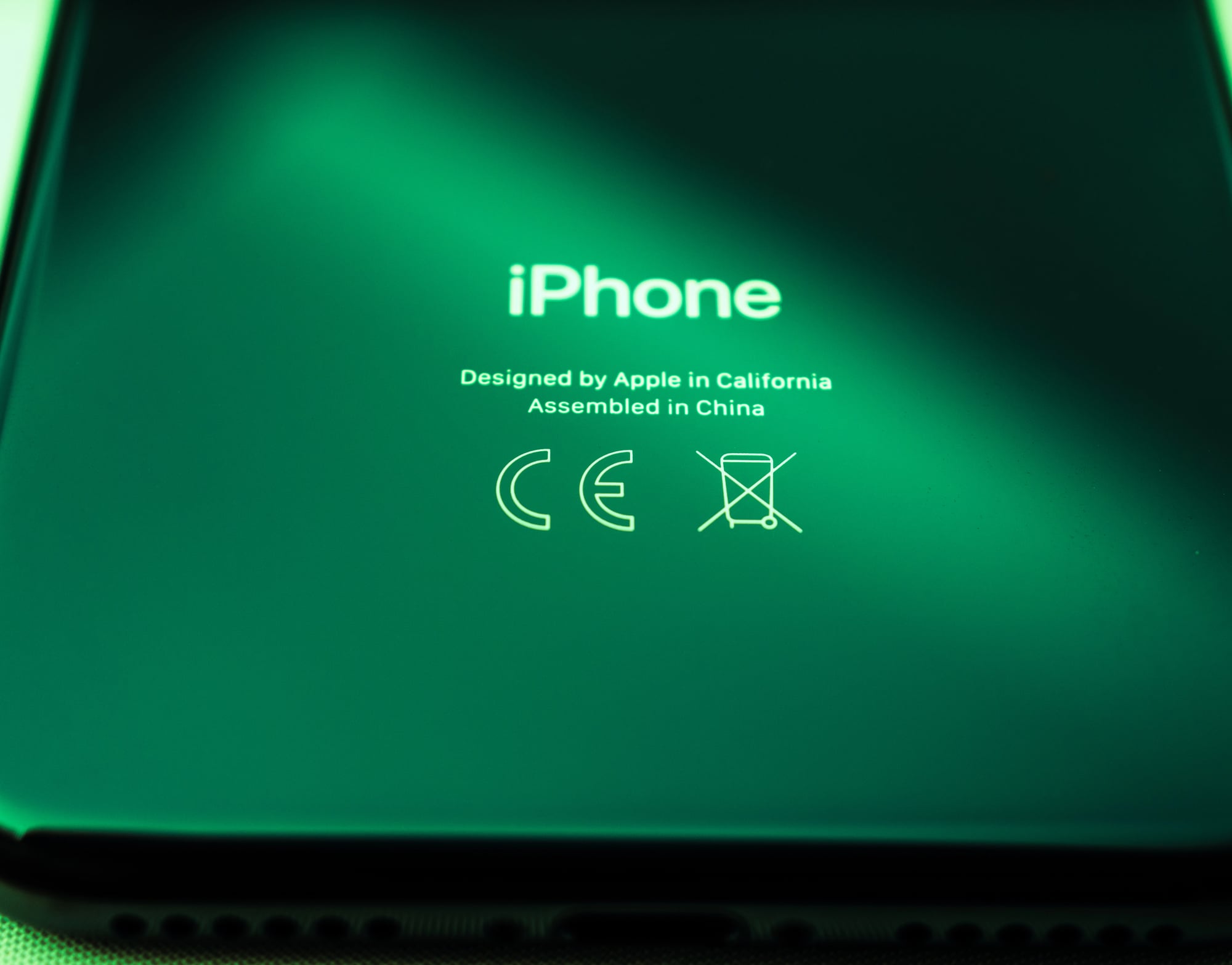
Producing the iPhone required groundbreaking manufacturing techniques. Foxconn had to invent new methods to meet Apple’s demands for precision, from touch sensitivity to seamless materials. These standards later became benchmarks across the consumer tech industry.
The Digital Revolution Continues

The iPhone didn’t just change phones—it changed how we live. It became a pocket-sized supercomputer, transforming communication, navigation, entertainment, and daily habits. The 2007 Macworld reveal marked a rare technological “before and after” moment in modern history.
A New Era of Technology
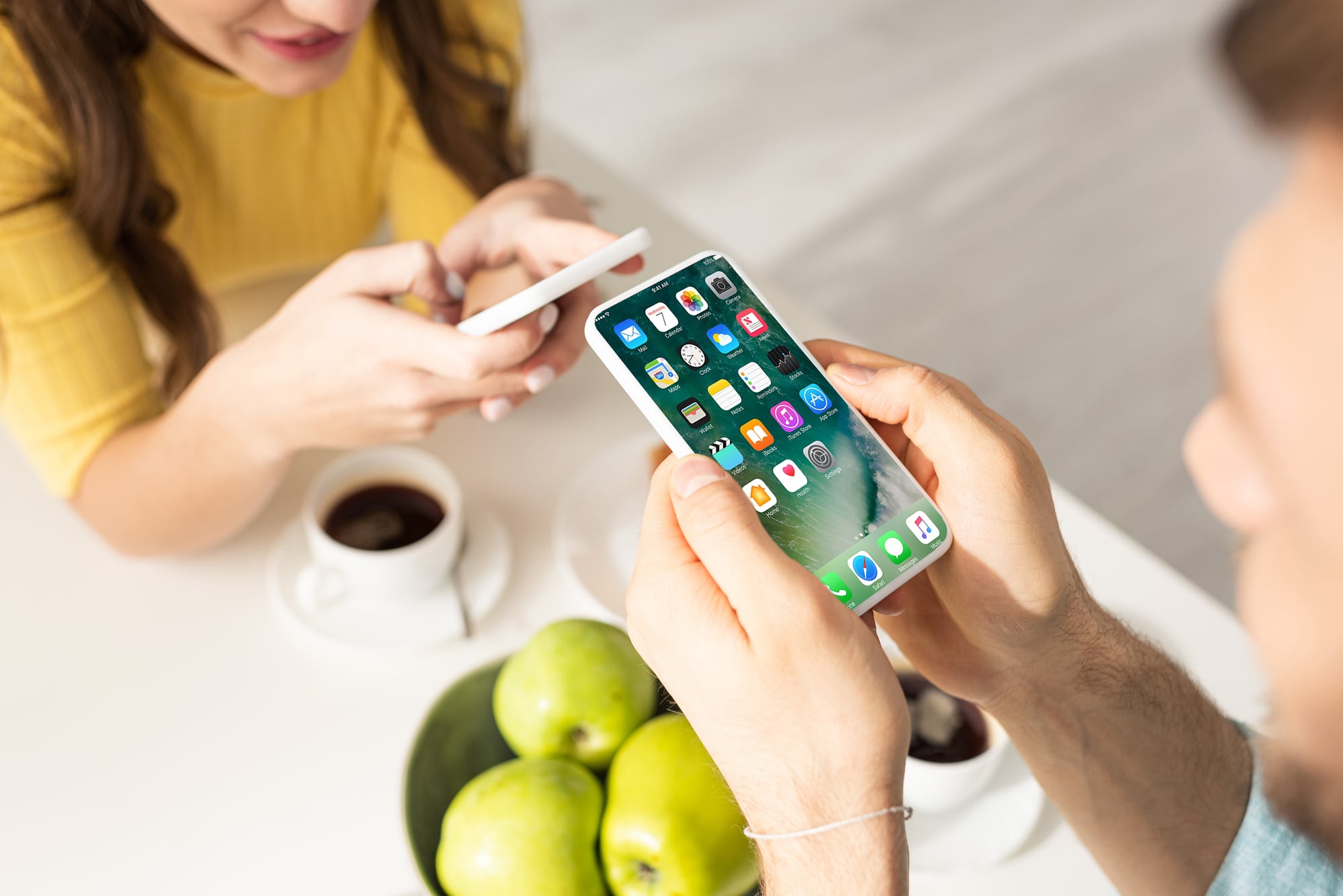
Though the original iPhone seems outdated today, its core vision remains. Jobs’ presentation introduced more than a device—it introduced a paradigm shift. That moment continues to influence every smartphone, app, and digital interaction we experience today.
More from Go2Tutors!

- The Romanov Crown Jewels and Their Tragic Fate
- 13 Historical Mysteries That Science Still Can’t Solve
- Famous Hoaxes That Fooled the World for Years
- 15 Child Stars with Tragic Adult Lives
- 16 Famous Jewelry Pieces in History
Like Go2Tutors’s content? Follow us on MSN.



