15 Historical Sieges That Were So Intense, They Changed Warfare Forever
Throughout history, sieges have represented some of the most grueling and strategically complex military operations ever conducted. These extended confrontations between attacking and defending forces often became crucibles of innovation, necessity driving both sides to develop new tactics, weapons, and approaches to warfare.
Here is a list of historical sieges that were so transformative, they forever altered how humans wage war.
Siege of Constantinople
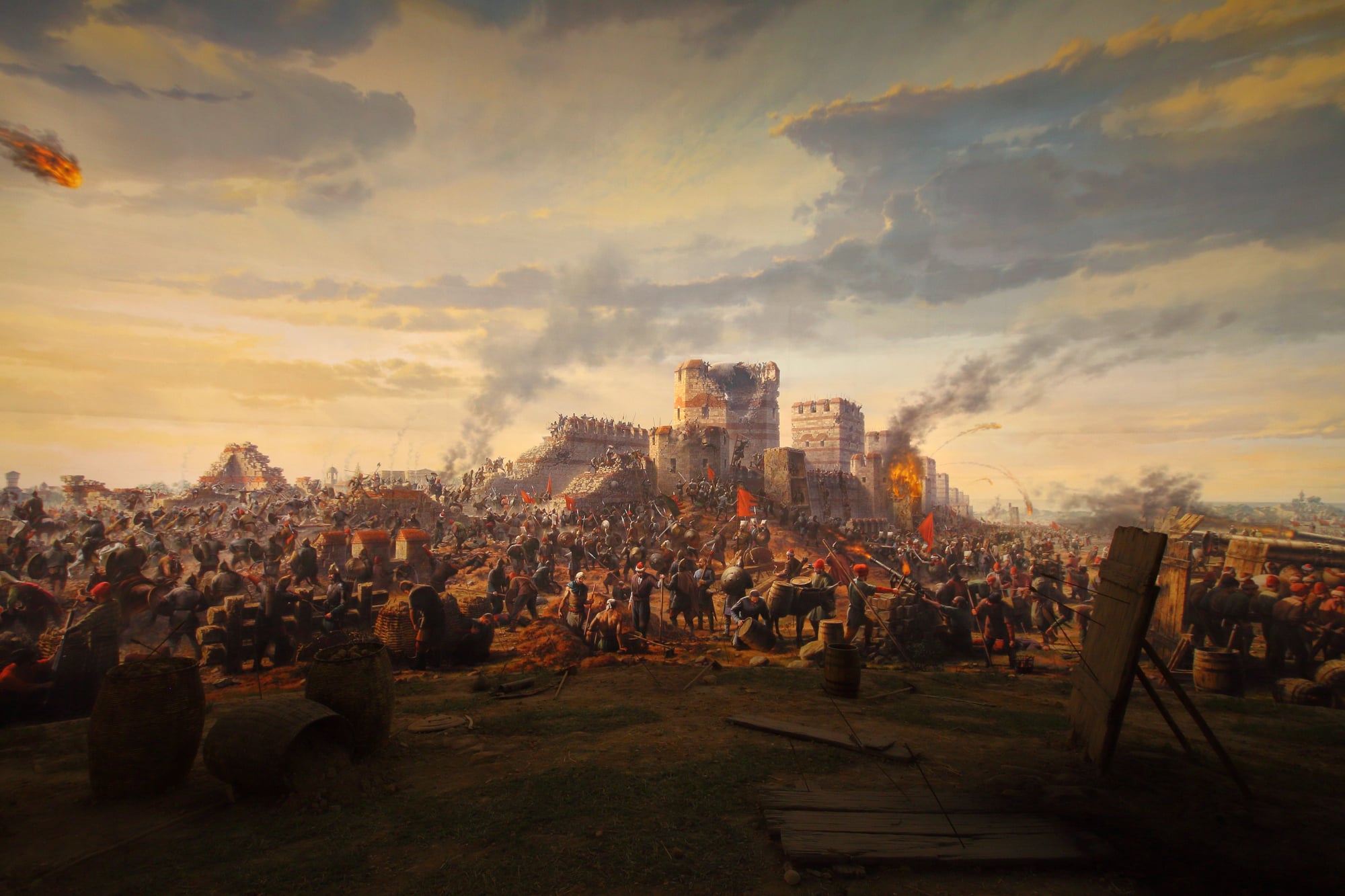
The Ottoman conquest of Constantinople marked the end of the Byzantine Empire and revolutionized siege warfare. Sultan Mehmed II deployed massive cannons designed by Hungarian engineer Urban, capable of hurling 800-pound stone balls over a mile.
These unprecedented artillery pieces shattered what had been considered impregnable walls for nearly a thousand years. The dramatic victory demonstrated that no fortress, no matter how ancient or respected, could withstand the new gunpowder artillery.
Siege of Orleans

This pivotal siege during the Hundred Years’ War saw the emergence of Joan of Arc and demonstrated the increasing importance of morale in extended military operations. The French relief of Orleans represented one of history’s first major reversals of fortune attributable to psychological warfare.
The siege showed that even technically superior forces could be defeated by opponents with stronger motivation and clearer purpose, establishing a principle that remains relevant in modern military thinking.
Siege of Masada

An example of how engineering could overcome seemingly insurmountable natural fortifications was the Roman siege of the Jewish fortress of Masada. To get to the plateau fortification, Roman engineers built a huge ramp out of wood and earth that climbed the 1,300-foot cliffside.
This massive earthwork operation showed how the battlefield might be literally reshaped by a determined force with enough resources. Military engineering was impacted for generations by the methods used at Masada.
Siege of Vicksburg
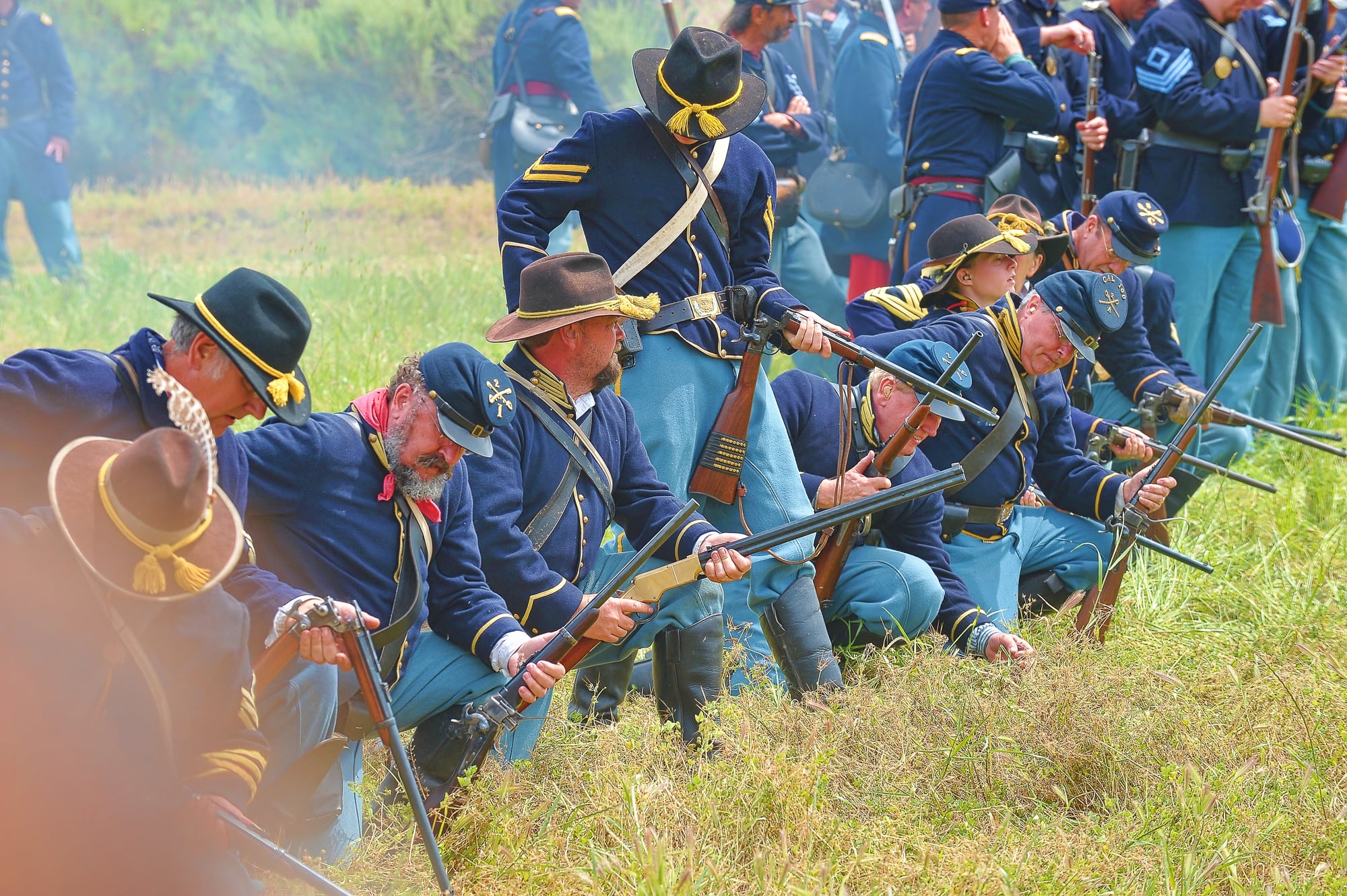
The capture of Vicksburg by Union General Ulysses S. Grant during the American Civil War popularized the ideas of strategic isolation and comprehensive blockade. Grant essentially turned the city into an island by cutting off all communication and supply lines, as opposed to just enclosing it.
This strategy of total isolation through command of transportation networks would eventually shape tactics in both World Wars and is now a fundamental component of contemporary military strategy.
Siege of Tenochtitlan
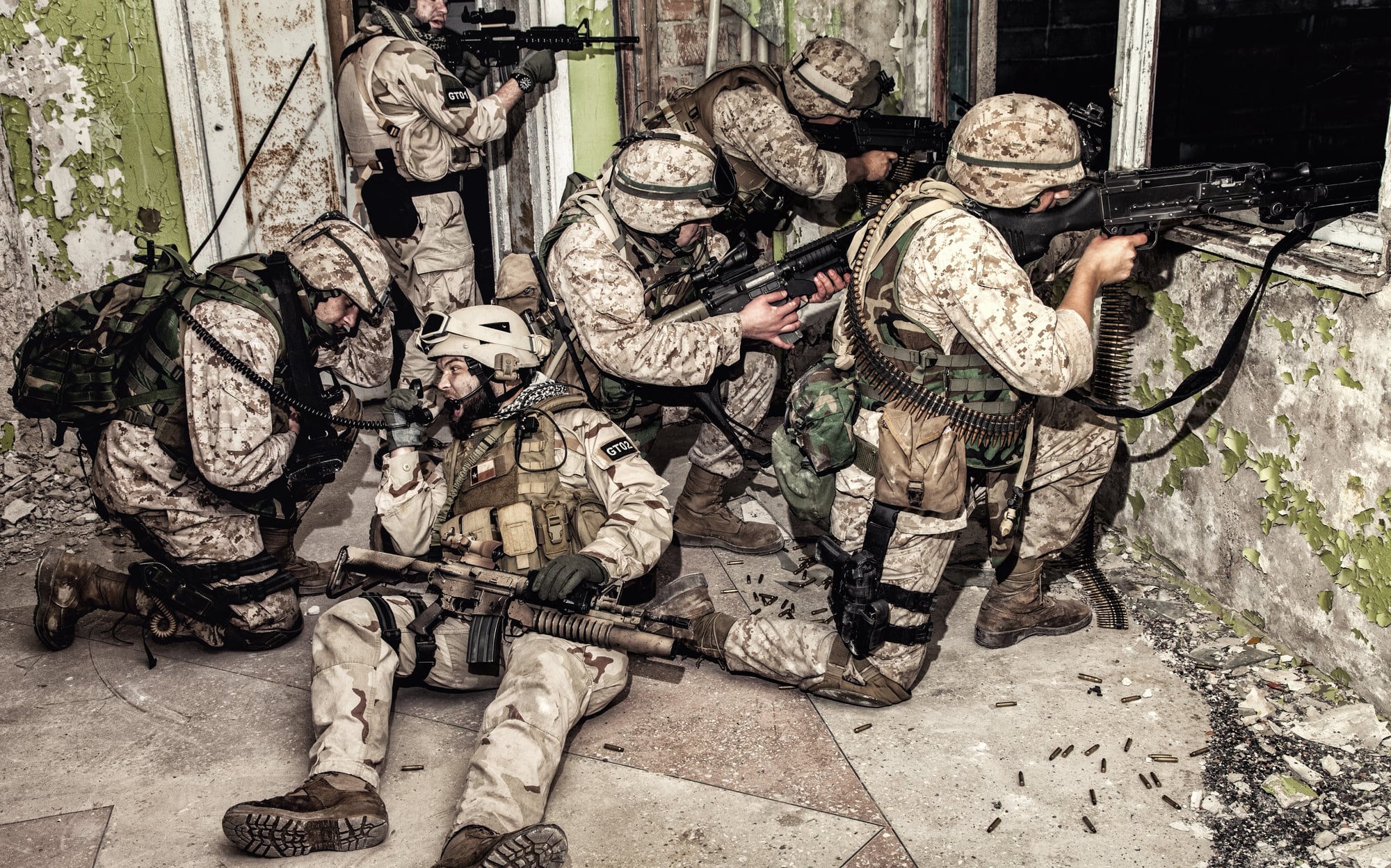
An extraordinary level of biological warfare was introduced during Hernán Cortés’ siege of the Aztec capital. Although smallpox was not deliberately used, the Spanish took advantage of the disease’s destruction to overpower the Aztecs’ numerical advantage.
The siege illustrated how illness may play a pivotal role in protracted military operations—a sobering fact that would impact conflict until the invention of modern medicine.
Siege of Alesia
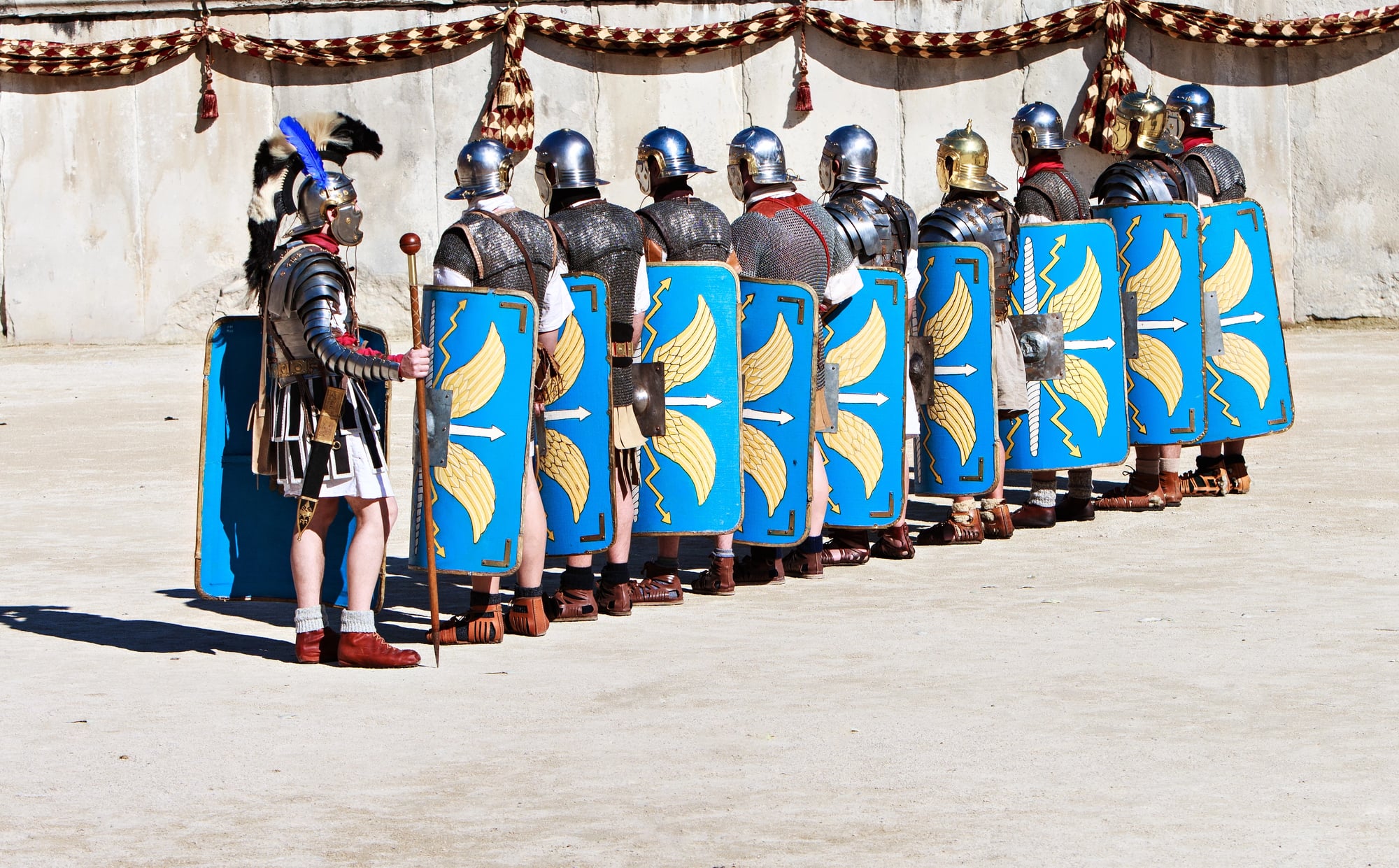
Julius Caesar’s double-walled siege of Alesia, trapping Vercingetorix’s Gallic army while simultaneously defending against a relief force, established the concept of circumvallation and contravallation. Caesar constructed an inner wall to contain the besieged forces and an outer wall to protect against external attackers.
This innovation transformed siege tactics by allowing smaller forces to successfully besiege larger ones, even when facing external threats.
Siege of Vienna
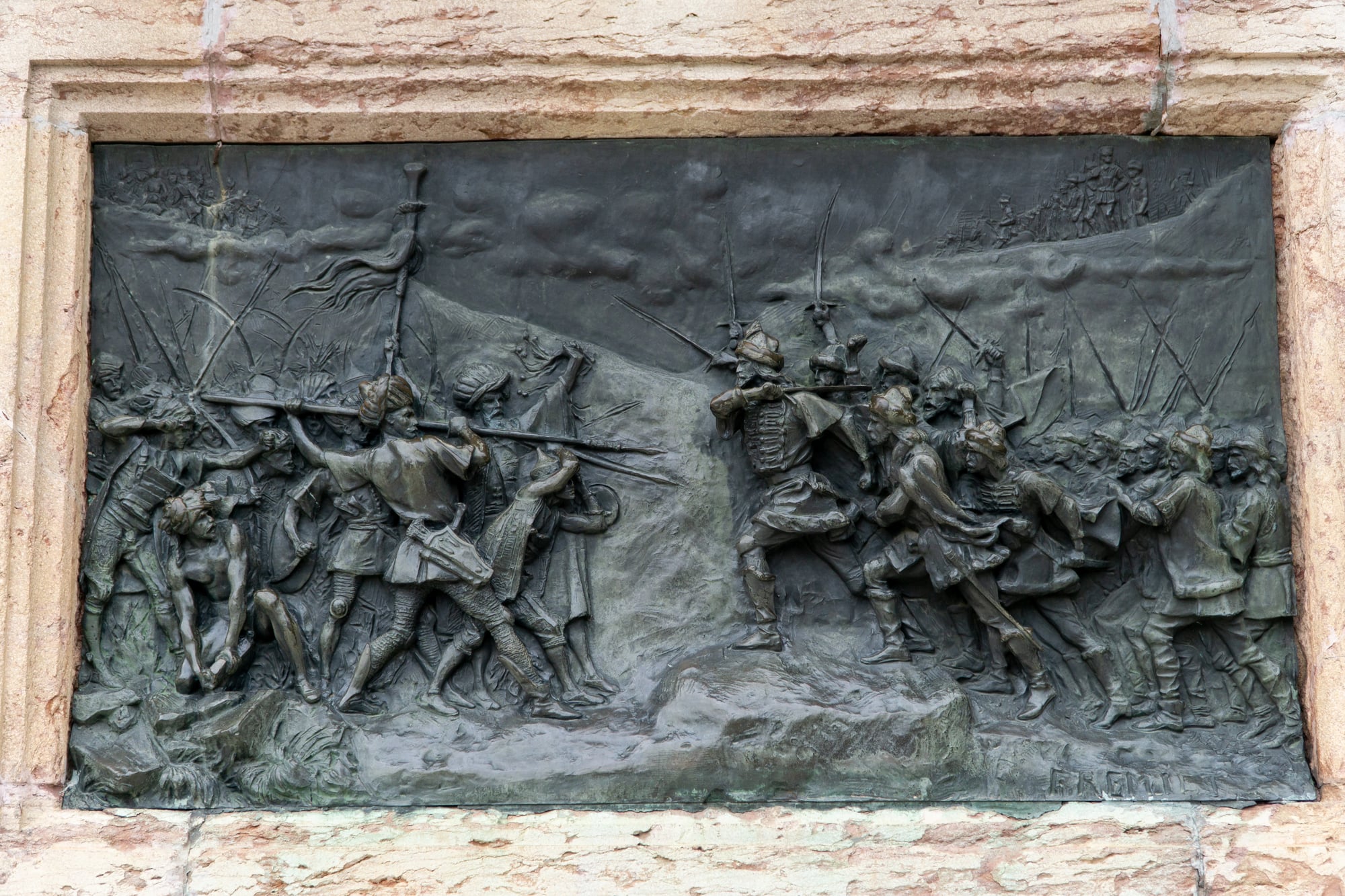
The Ottoman siege of Vienna proved the viability of combined-arms tactics and introduced contemporary ideas of coalition warfare. A model for multinational military coalitions was established by the relieving Christian force, which included soldiers from the Holy Roman Empire, Poland-Lithuania, and several German kingdoms.
Generations of cavalry doctrine were influenced by the Polish hussars’ decisive cavalry assault, which demonstrated how mobility might defeat even established siege positions.
Siege of Sevastopol
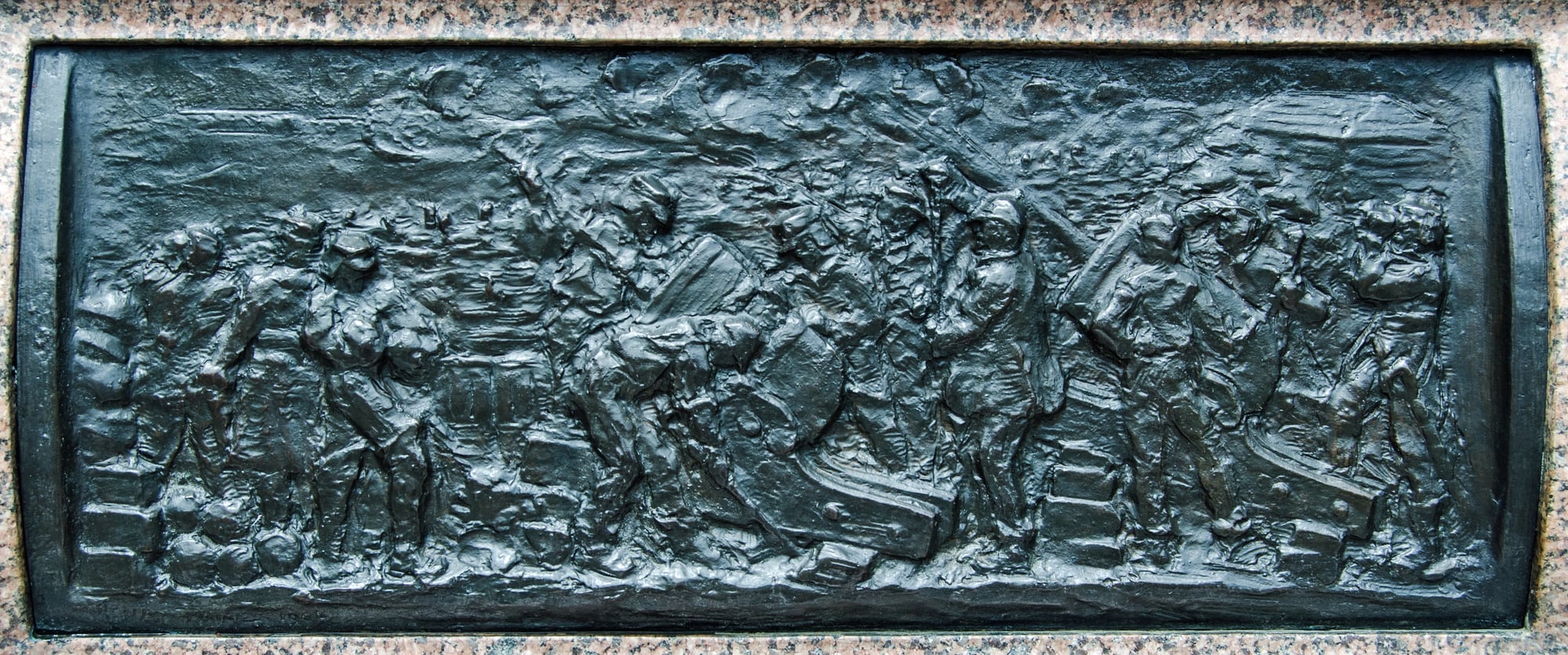
This protracted Crimean War siege saw the first widespread use of technologies like railways for military logistics, telegraph for command communications, and modern nursing practices. The reporting by war correspondents using these new communication technologies also meant that public opinion began influencing military operations in unprecedented ways.
The siege essentially served as a laboratory for industrialized warfare, previewing many elements that would characterize future conflicts.
Siege of Tyre
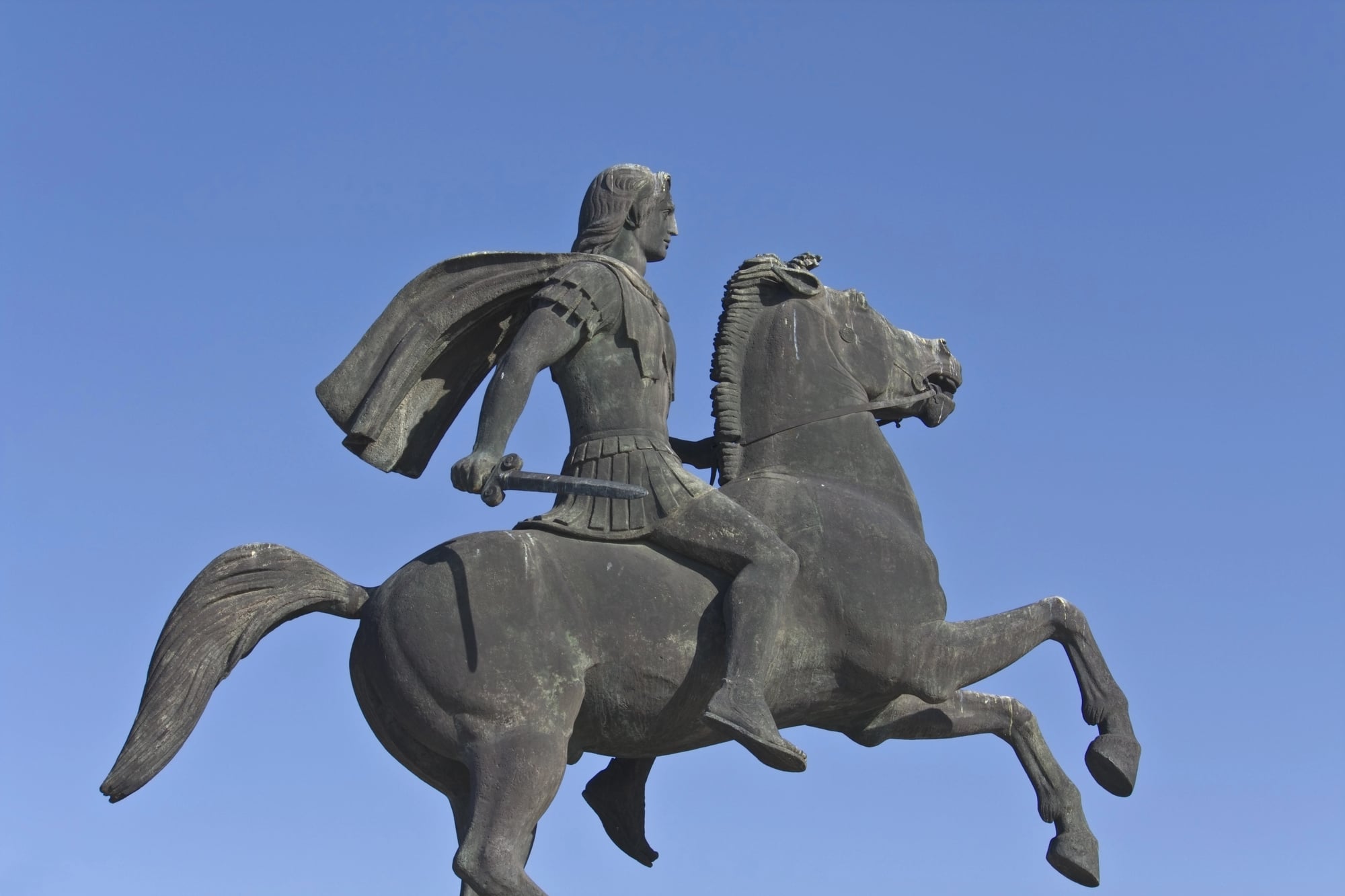
Alexander the Great’s conquest of the island city of Tyre involved constructing a half-mile causeway from the mainland to the island fortress. This ambitious engineering feat demonstrated how determined attackers could eliminate natural defenses thought to be impregnable.
The siege showcased the importance of naval power in supporting land operations and established principles of joint operations that remain relevant today.
Siege of Port Arthur
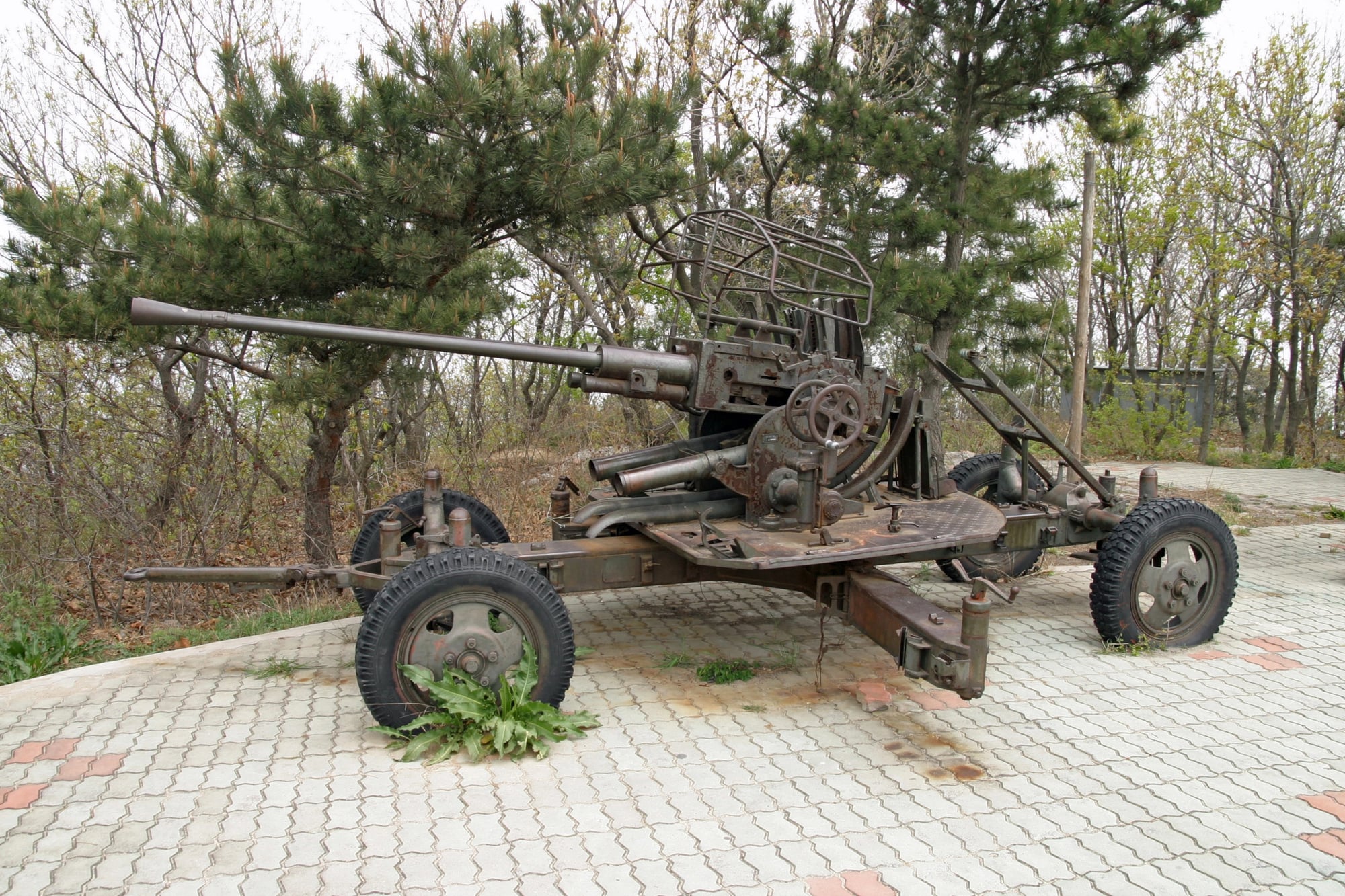
During the Russo-Japanese War, the Japanese siege of Port Arthur featured the first coordinated use of modern artillery, machine guns, and battlefield communications. The siege introduced indirect fire methods where artillery crews fired without directly seeing their targets, using mathematical calculations instead.
These innovations transformed artillery from a direct-fire supporting arm into a long-range strike capability that could shape battles from miles away.
Siege of Stalingrad

This World War II turning point wasn’t a traditional siege but introduced urban warfare on an unprecedented scale. Both Soviet and German forces developed techniques for building-to-building combat, sewer movement, and sniper operations that revolutionized military operations in built-up areas.
The battle’s intensity and scale established principles for urban combat that military planners still study today, proving that cities themselves can become fortresses.
Siege of Malta
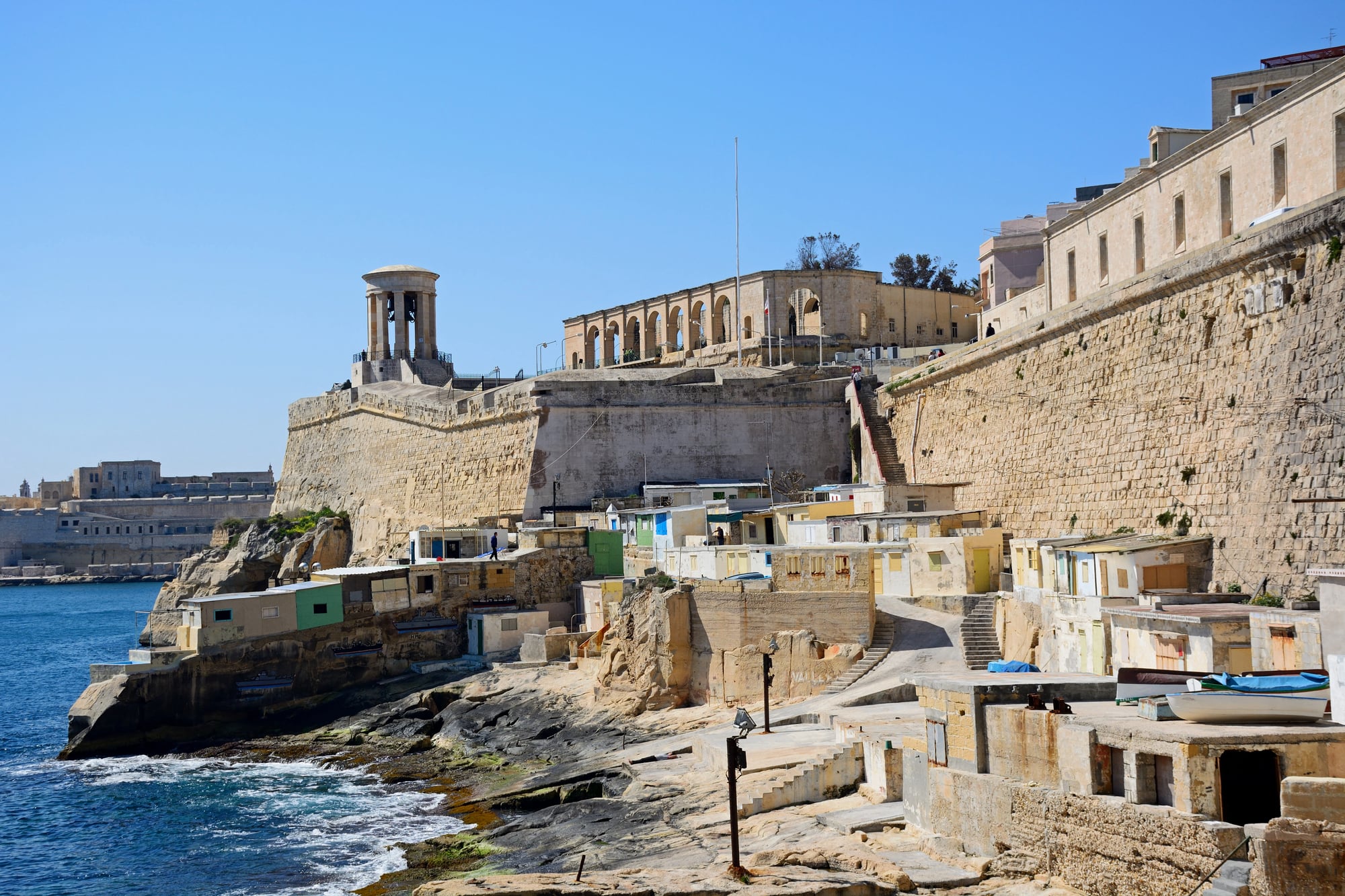
The Ottoman attempt to capture Malta from the Knights Hospitaller demonstrated how fortification design could multiply defensive capabilities. The Knights’ sophisticated star forts with interlocking fields of fire forced attackers to expose themselves to murderous crossfire.
These defensive innovations influenced European fortress design for centuries, with the star fort becoming the standard defensive structure until the advent of explosive artillery shells.
Siege of Yorktown
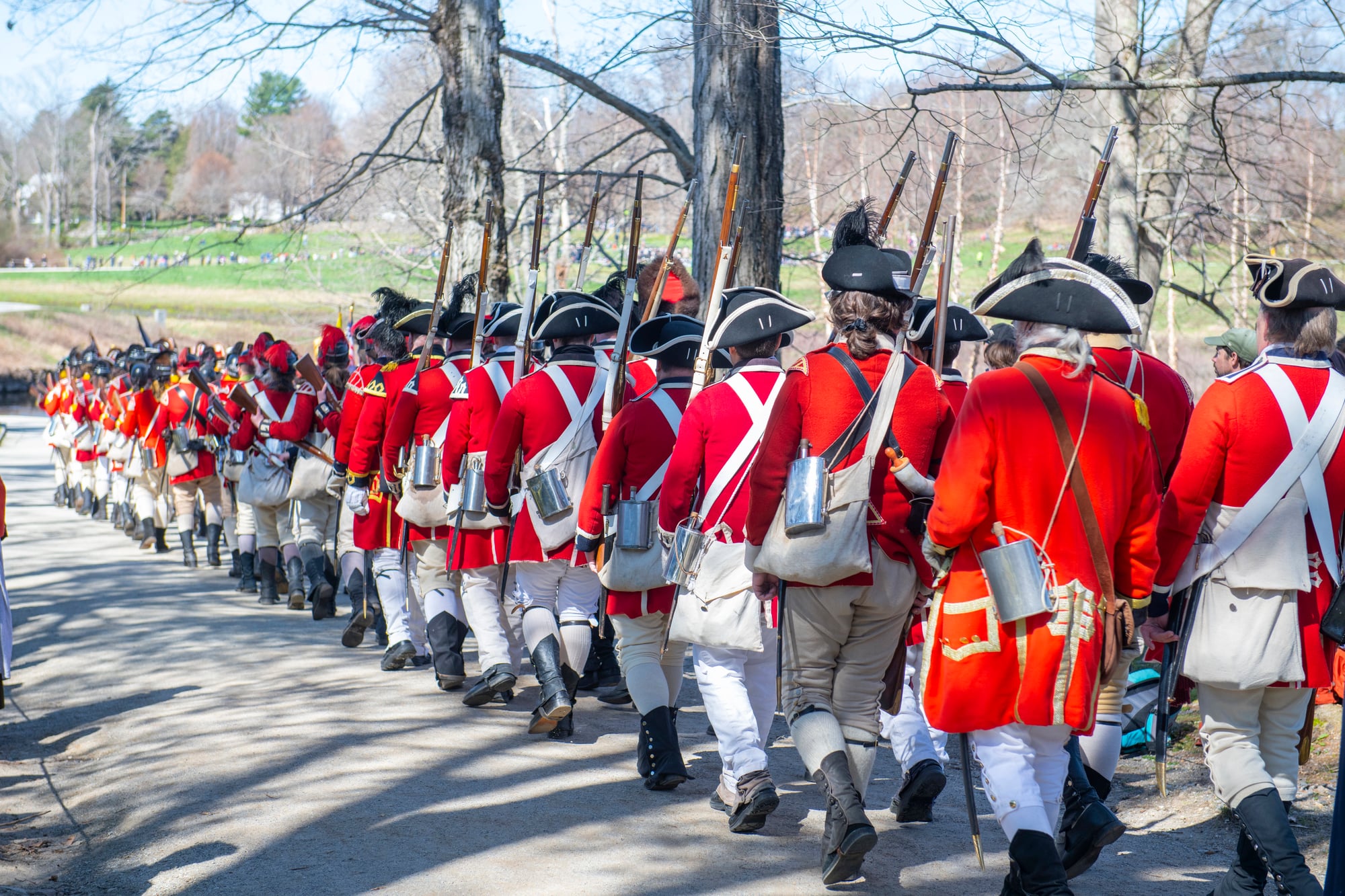
The decisive American Revolutionary War siege showcased how allied forces with naval superiority could isolate and reduce enemy positions through methodical approaches. French engineers directed parallel trench systems that allowed besiegers to advance safely toward the British defenses.
The siege demonstrated that properly coordinated joint operations between land and naval forces could achieve decisive results against established powers, influencing future revolutionary movements worldwide.
Siege of Dien Bien Phu
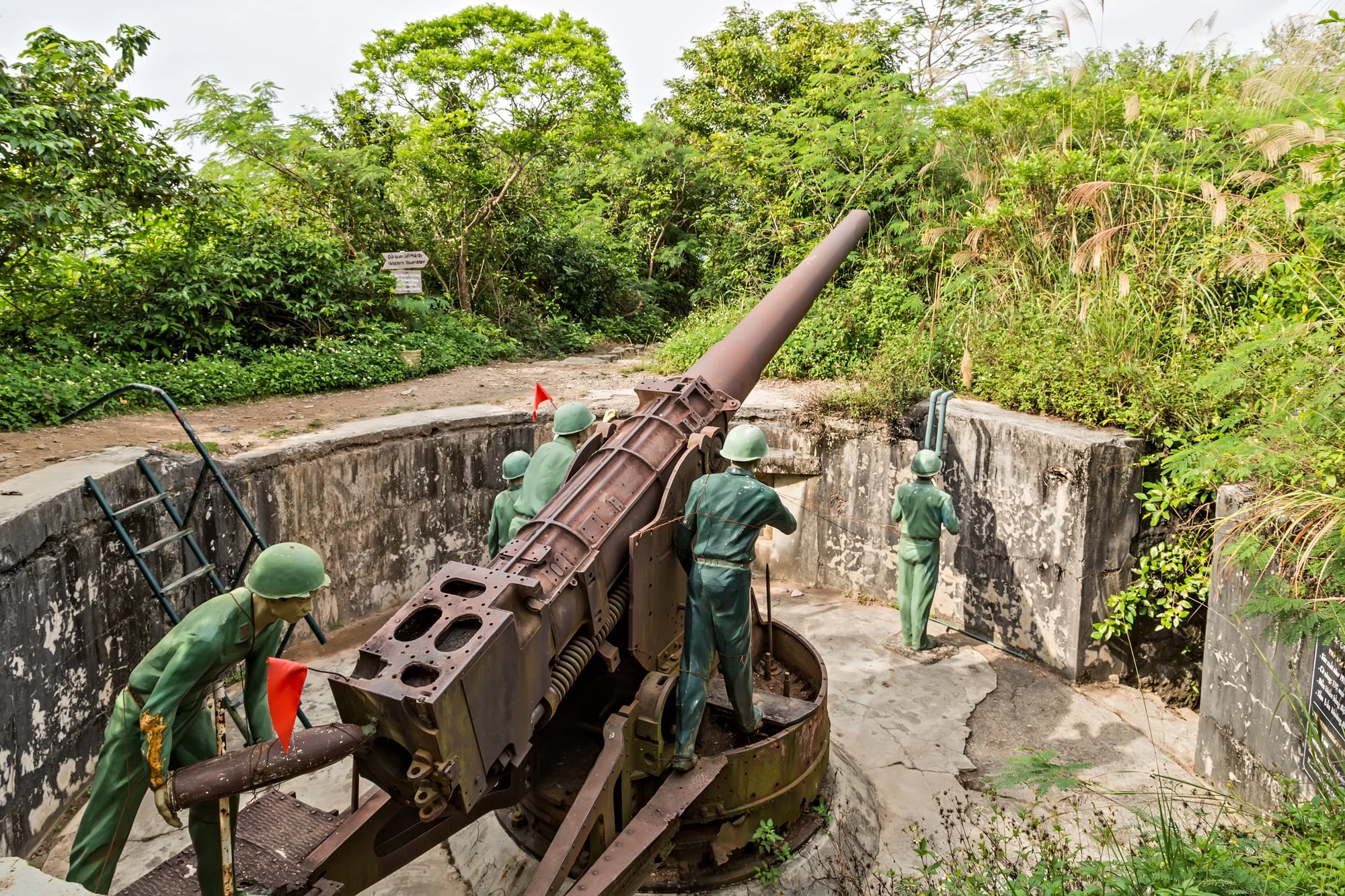
This battle transformed the understanding of asymmetric warfare when Viet Minh forces defeated a technologically superior French force by manually transporting artillery pieces through mountainous jungle terrain. The Vietnamese forces positioned their artillery in locations French commanders had deemed impossible to reach.
This siege proved that determination and innovative logistical solutions could overcome seemingly insurmountable technological advantages, influencing insurgency tactics worldwide.
Siege of Jerusalem
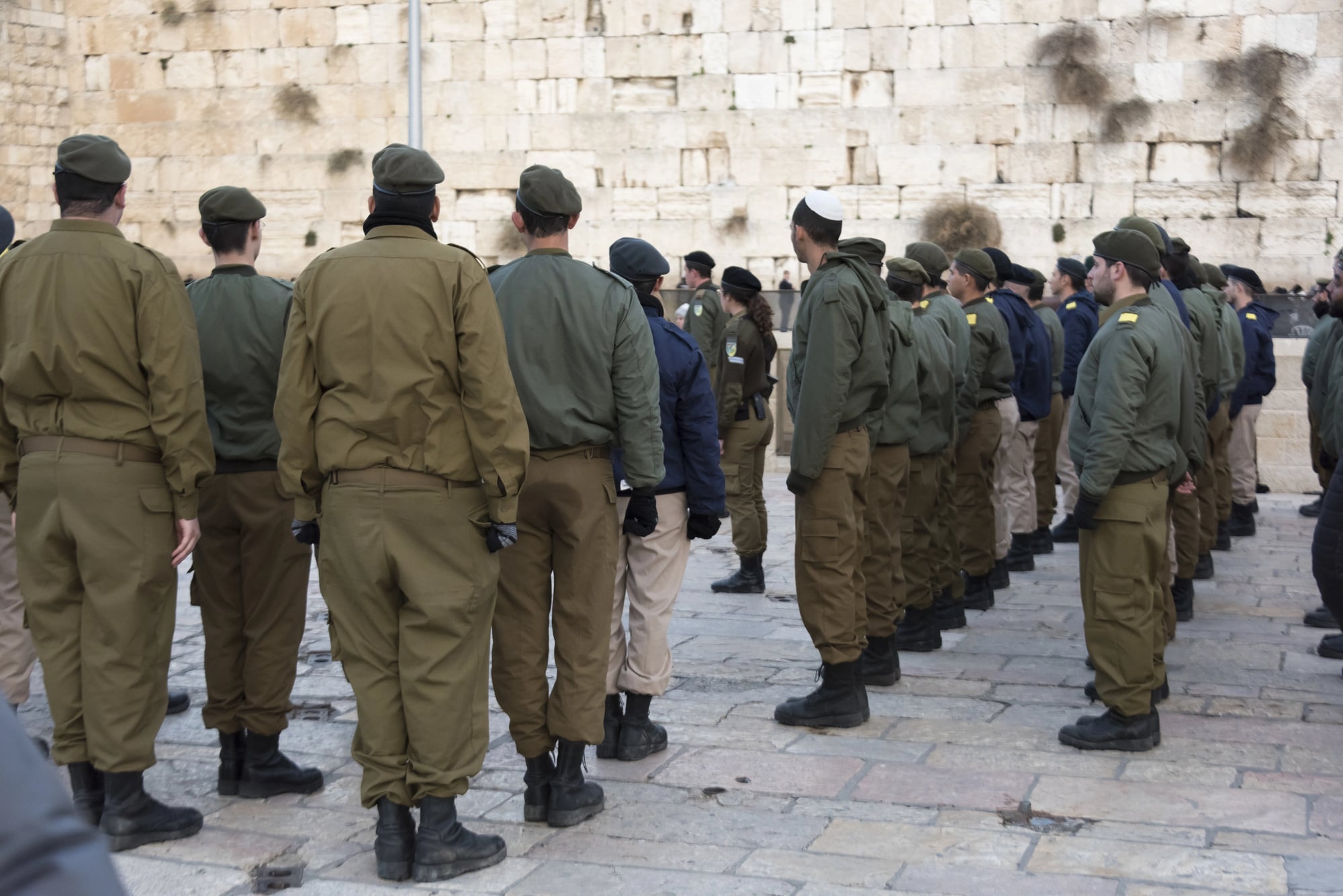
The First Crusade’s capture of Jerusalem introduced religious fervor as a decisive motivating factor in siege operations. The Crusaders constructed siege towers under brutal desert conditions that would normally have made such engineering projects impossible.
The religious motivations that sustained the crusaders through extreme hardship demonstrated how ideological commitment could overcome material limitations, a principle that continues to influence modern conflicts with religious dimensions.
Warfare’s Evolving Crucible
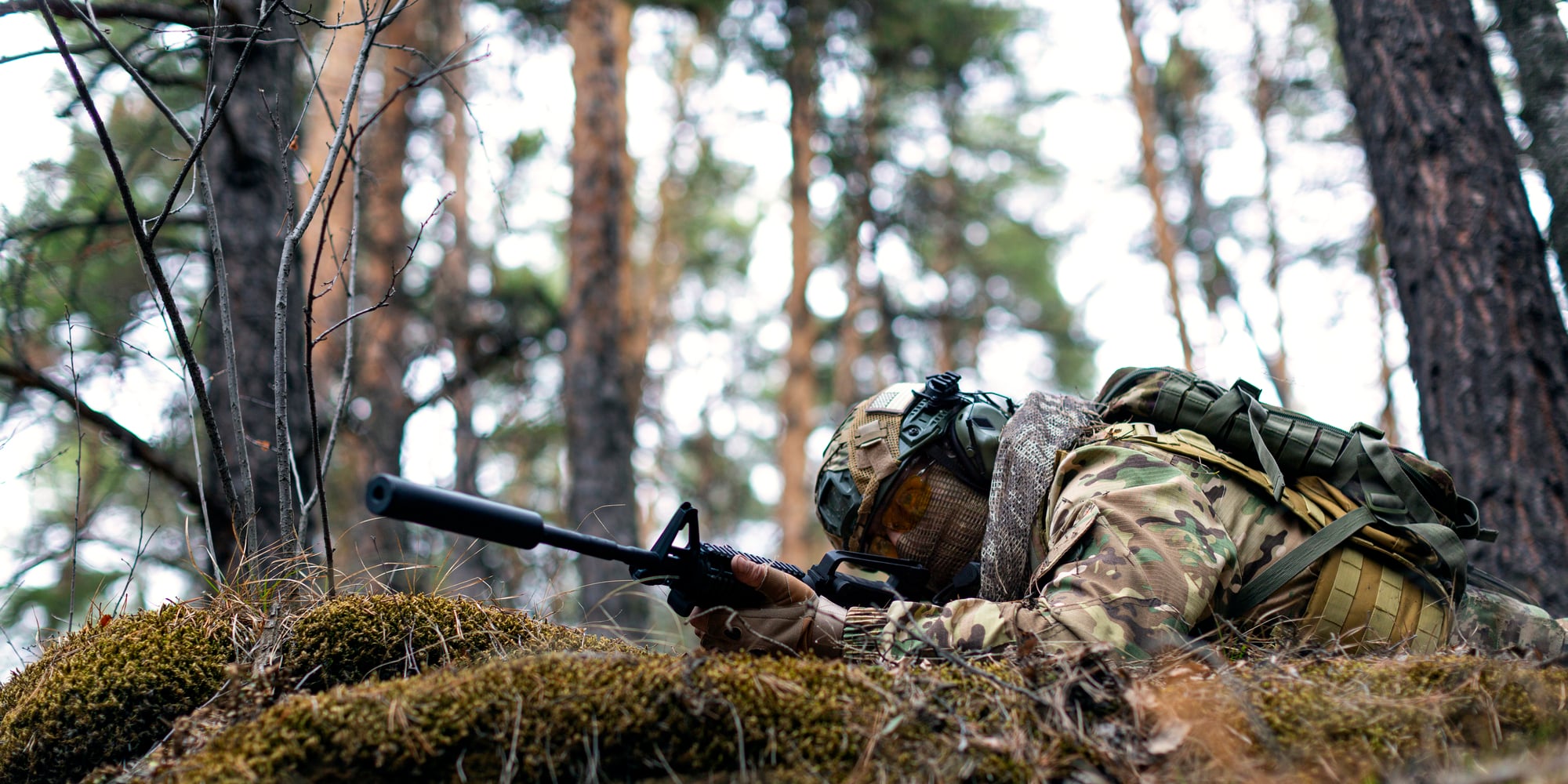
These sieges demonstrate how necessity transforms military tactics, technology, and thinking. From ancient manual engineering to modern psychological operations, sieges have repeatedly served as innovation accelerators in the grim science of warfare.
The principles established in these desperate struggles continue to influence military doctrine today, proving that understanding the lessons of historical sieges remains essential for comprehending modern conflict.
More from Go2Tutors!

- The Romanov Crown Jewels and Their Tragic Fate
- 13 Historical Mysteries That Science Still Can’t Solve
- Famous Hoaxes That Fooled the World for Years
- 15 Child Stars with Tragic Adult Lives
- 16 Famous Jewelry Pieces in History
Like Go2Tutors’s content? Follow us on MSN.



