Country Stereotypes That Are Exaggerated but Are Real
Odd notions about nations just never seem to fade. Brought along by films, ads for trips abroad, tired punchlines, even schoolroom echoes – those bits stick.
Simplistic? Usually yes, often completely off track. Still, once in a while, beneath the stretch of imagination, something real shows up.
Truth tends to root itself in old patterns – ways of living shaped by time, place, trade, or tradition. Though stereotypes twist these roots into something exaggerated, their starting point isn’t always random.
A handful of national clichés get stretched thin, yet still tie back to grains of truth. Some traits blow up out of proportion, though they didn’t come from nowhere.
A few assumptions travel far beyond their origins, even if sparked by actual habits. These images stick around because they echo familiar patterns, not pure invention. Over time, small truths grow louder, shaped by repetition more than reality.
Germans Are Extremely Punctual
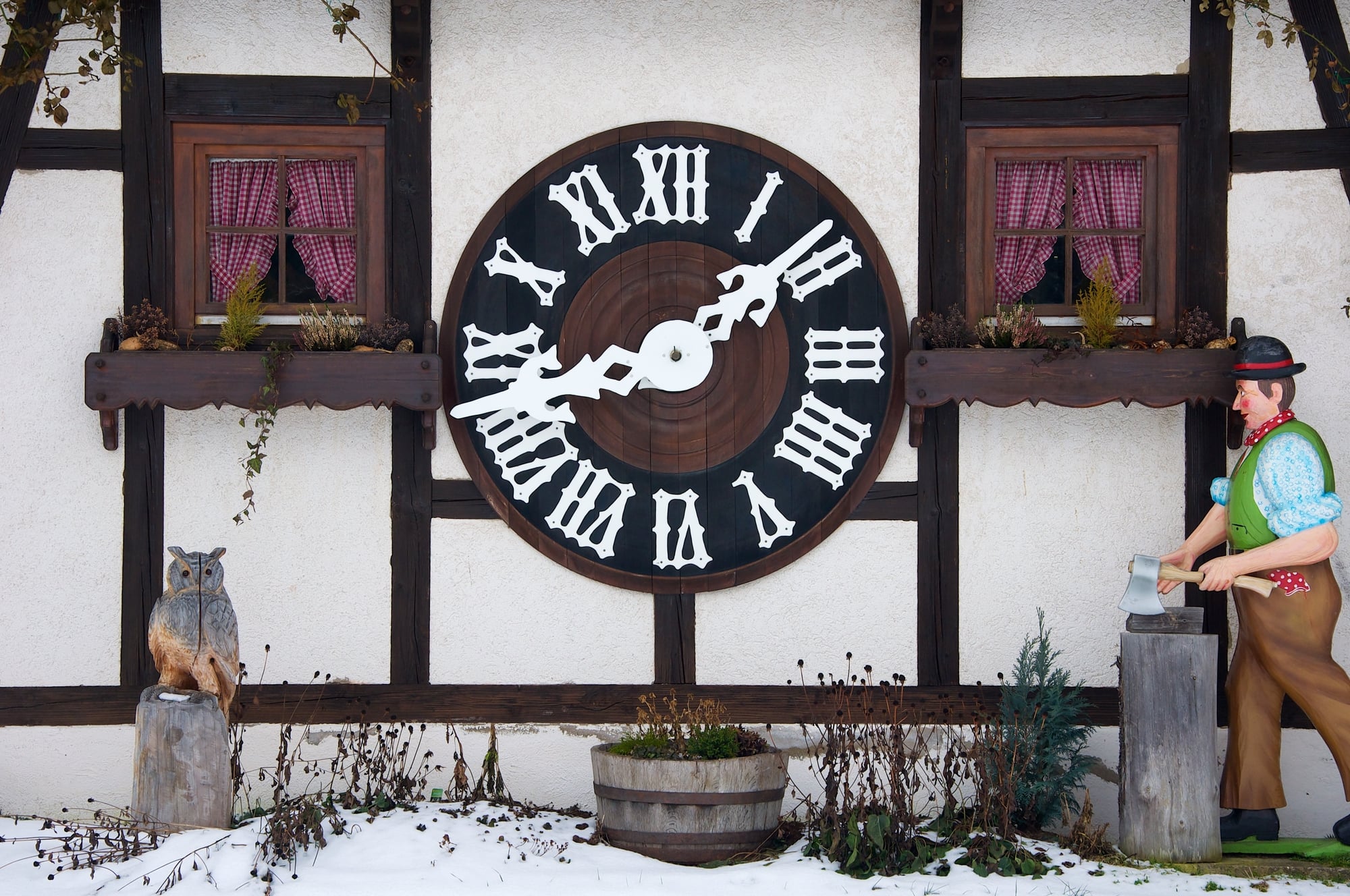
It’s often said Germans see being on time as a matter of right and wrong – one of those stereotypes that just won’t fade. Sure, trains sometimes lag, meetings drift past their start – yet across generations, there’s been a deep-rooted value placed on structure and getting things done without waste.
Back during the 1800s into the early 1900s, factories shaped daily rhythms, weaving strict schedules into normal routines. Punctuality usually matters a lot at work, yet arriving late might seem disrespectful.
Still, today’s Germany holds many differences like anywhere else. What people assume about Germans makes habit look like identity, although the love of order traces back through history.
Americans Are Overly Friendly

The stereotype of Americans as loud, outgoing, and quick to strike up conversations is common across Europe and parts of Asia. There is some cultural truth behind it.
The United States developed with strong frontier traditions and high internal migration, meaning strangers frequently had to interact and cooperate. In many parts of the country, casual small talk is normal in grocery stores, elevators, and coffee shops.
Smiling at strangers is not unusual. The exaggeration comes when friendliness is mistaken for superficiality.
In reality, it reflects a social norm that values openness and approachability.
British People Are Obsessed With Tea

Tea is often treated as a national symbol of the United Kingdom. The image of someone calmly brewing a cup during any crisis has become almost comedic shorthand.
Historically, tea became widely consumed in Britain during the 18th century as trade routes expanded and prices dropped. Today, tea consumption in the UK remains high compared to many countries.
While coffee culture has grown significantly, tea is still deeply embedded in daily routines. The stereotype inflates that habit into constant ceremony, but the historical attachment is very real.
Italians Talk With Their Hands

The image of Italians communicating with animated hand gestures is so common that it borders on parody. Yet observers quickly notice that expressive gestures are a genuine part of Italian communication.
Linguists have even documented specific gestures with distinct meanings used across different regions. This style of expression is rooted in centuries of regional diversity and dialect variation.
Gestures helped bridge communication gaps long before national standardization. The stereotype exaggerates the frequency and drama, but the cultural habit of physical expressiveness remains visible.
Canadians Are Extremely Polite

Canada’s global reputation for politeness often feels like a running joke. Stories about constant apologies and careful manners circulate widely.
There is, however, a measurable cultural emphasis on civility and social harmony in Canadian public life. Surveys consistently rank Canada highly for perceptions of friendliness and approachability.
Cultural norms tend to favor understatement and conflict avoidance in many settings. The stereotype amplifies this into near-comic levels of apology, but the preference for politeness is part of the social fabric.
Japanese Work Culture Is Intense

Japan is often associated with long work hours and deep professional commitment. This perception is grounded in historical economic patterns.
During the post-World War II economic boom, corporate loyalty and extended work hours were widely promoted as part of national rebuilding. While work culture in Japan has been evolving, long hours remain a documented issue in certain industries.
The stereotype overshadows the growing push for work-life balance among younger generations. Still, the intensity associated with Japanese corporate culture did not emerge from nowhere.
The French Take Food Seriously

France’s reputation for culinary pride is not accidental. French cuisine has influenced global cooking standards for centuries, and the country maintains strict regulations around food labeling and production.
Meals are often treated as social rituals rather than rushed refueling stops. UNESCO even recognized the ‘gastronomic meal of the French’ as part of the Intangible Cultural Heritage of Humanity in 2010.
The stereotype sometimes paints every French citizen as a food critic, which stretches reality. Even so, the cultural respect for cooking and dining traditions is deeply ingrained.
Australians Are Laid-Back

Sunshine bakes the coastline, shaping how people live outside more than indoors. A shrug of the shoulders often passes for deep agreement down under.
You hear it in talk that skips formality like worn flip-flops on hot pavement. Vast stretches of sand meet long summers, pushing gatherings into parks, waves, backyards.
That laid-back rhythm echoes in words tossed lightly – “she’ll be right,” “take it easy.” Distance spreads out communities, yet brings them closer in tone.
Open skies above invite open attitudes below. Australia’s work culture might seem more relaxed compared to certain parts of Europe.
Still, brushing it all as casual overlooks bustling cities and high-pressure jobs across the nation. You’ll find that easygoing vibe, yet it slips away in many professional corners.
Swedes Value Personal Space
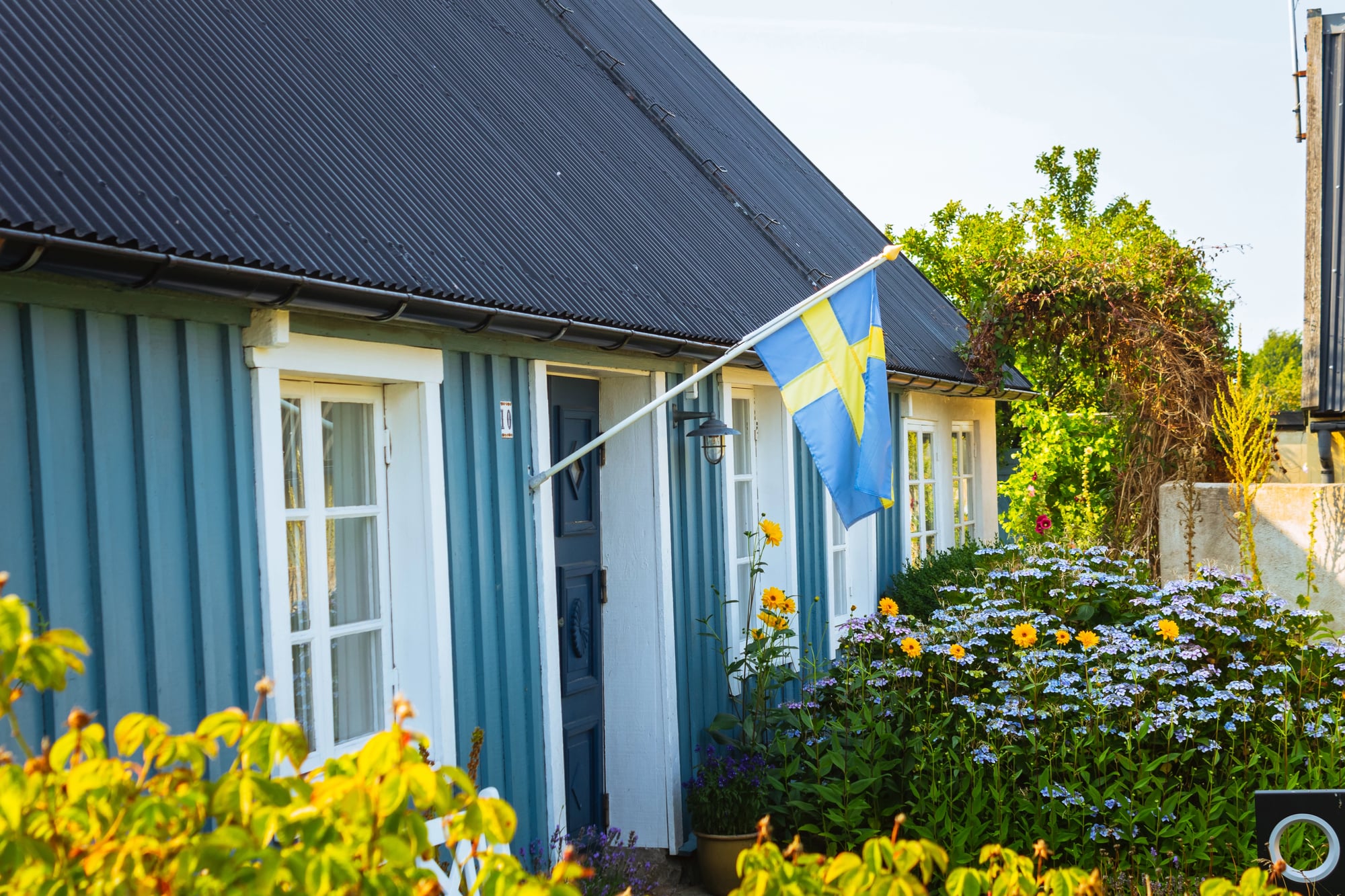
Sweden is often described as socially reserved, with people who value quiet and personal boundaries. Cultural research supports the idea that many Scandinavian societies emphasize independence and respect for privacy.
Public spaces tend to be orderly, and small talk with strangers is less common than in the United States. This preference is sometimes interpreted as coldness, which oversimplifies the dynamic.
In reality, it reflects a cultural norm that prioritizes autonomy and mutual respect. The stereotype exaggerates emotional distance, but the appreciation for personal space is genuine.
Brazilians Love Celebration
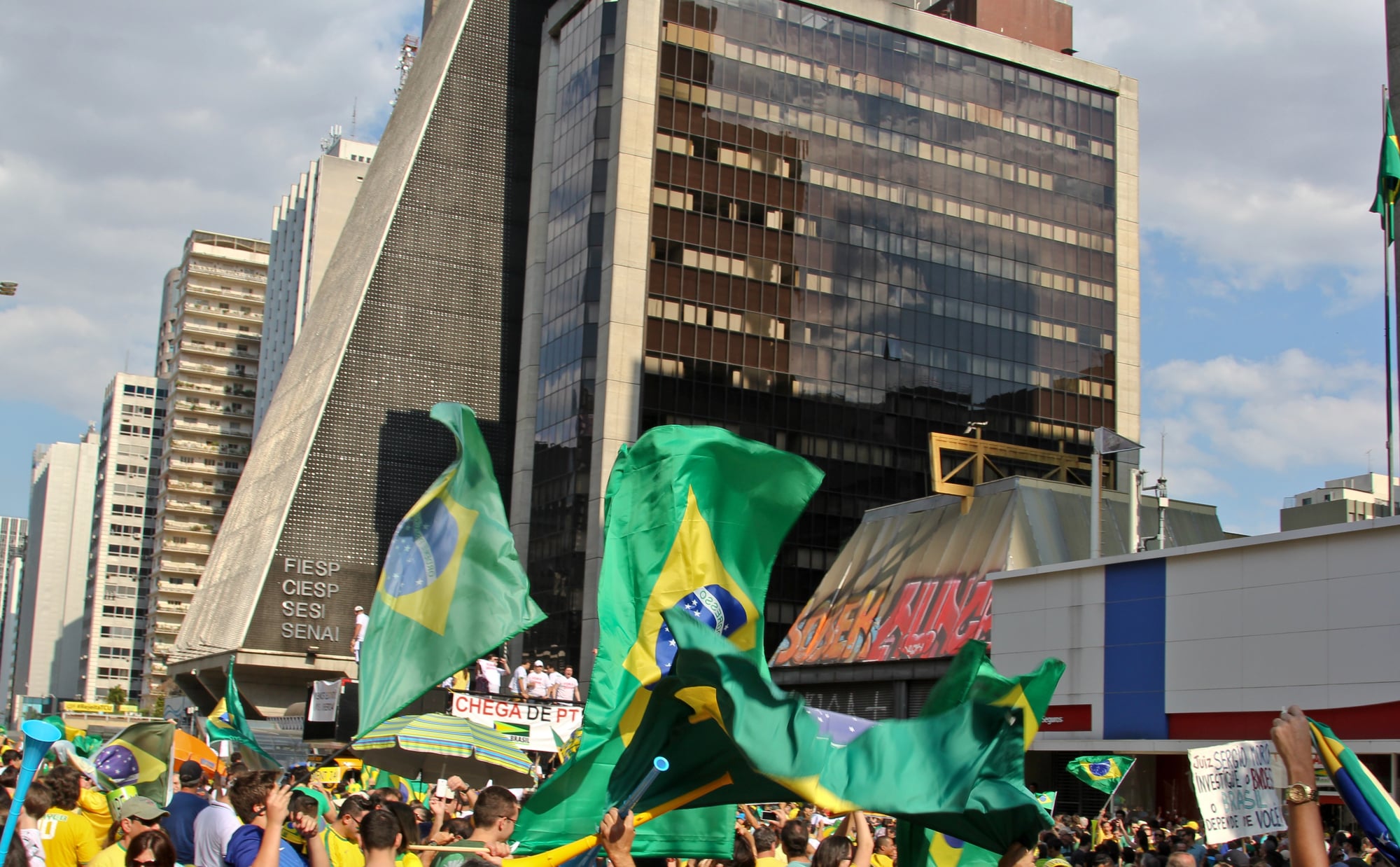
Brazil is frequently associated with Carnival, music, and vibrant street festivals. These events are highly visible internationally, shaping the country’s image abroad.
Carnival itself has deep historical roots tied to both European and African traditions. Brazilian culture places strong value on community gatherings and music.
Still, daily life in Brazil includes the same routines and responsibilities found anywhere else. The stereotype magnifies celebratory moments while overlooking ordinary life, yet the cultural emphasis on music and festivity is real.
Why These Stereotypes Persist

Shortcuts stick around for a reason. Easy stories win out when complexity takes too much effort.
Patterns from land, time, or how people live can start it all. Slowly, the noise of repeated stories twists small behaviors into fixed roles.
One person’s routine turns into a whole group’s supposed nature. Events shaped by context get frozen as if they always were.
Yet beneath it all sits something messier: less clear, harder to name.
The Fine Line Between Pattern and Caricature

Truth can hide inside a stereotype, yet that does not make it complete. Not every nation acts as one mind.
City streets breathe differently than country paths. What matters to grandparents may fade by grandchildren’s time.
Outside influences stir traditions, never leaving them still. What matters most is seeing where things come from.
Habits shaped by culture exist because of past events or surroundings. Look at them with interest, not assumptions, then they turn into understanding, not stereotypes.
Why It Still Matters

When nations link up, people think you are moved quicker than before. Because of old ideas, deals might go sideways, vacations get odd looks, politics twist in ways not expected.
Knowing why those images form makes it harder for them to stick too long. What we notice shapes how we see, yet never tells the whole story.
Change happens slowly, sometimes without announcement, especially within nations and their habits. Seeing depth matters because flat views miss what lies beneath. Layers make meaning – single notes rarely capture a person.
More from Go2Tutors!

- The Romanov Crown Jewels and Their Tragic Fate
- 13 Historical Mysteries That Science Still Can’t Solve
- Famous Hoaxes That Fooled the World for Years
- 15 Child Stars with Tragic Adult Lives
- 16 Famous Jewelry Pieces in History
Like Go2Tutors’s content? Follow us on MSN.