Ways the Coconut Tree Rules the Tropics
Picture a tropical paradise and one tree always comes to mind. The coconut palm stands tall along coastlines, its long fronds dancing in warm ocean breezes while heavy fruit hangs beneath like nature’s own treasure chest.
But this isn’t just a pretty face designed for postcards and vacation photos. From the roots to the very top, every single part serves a purpose.
Fresh drinking water in every nut

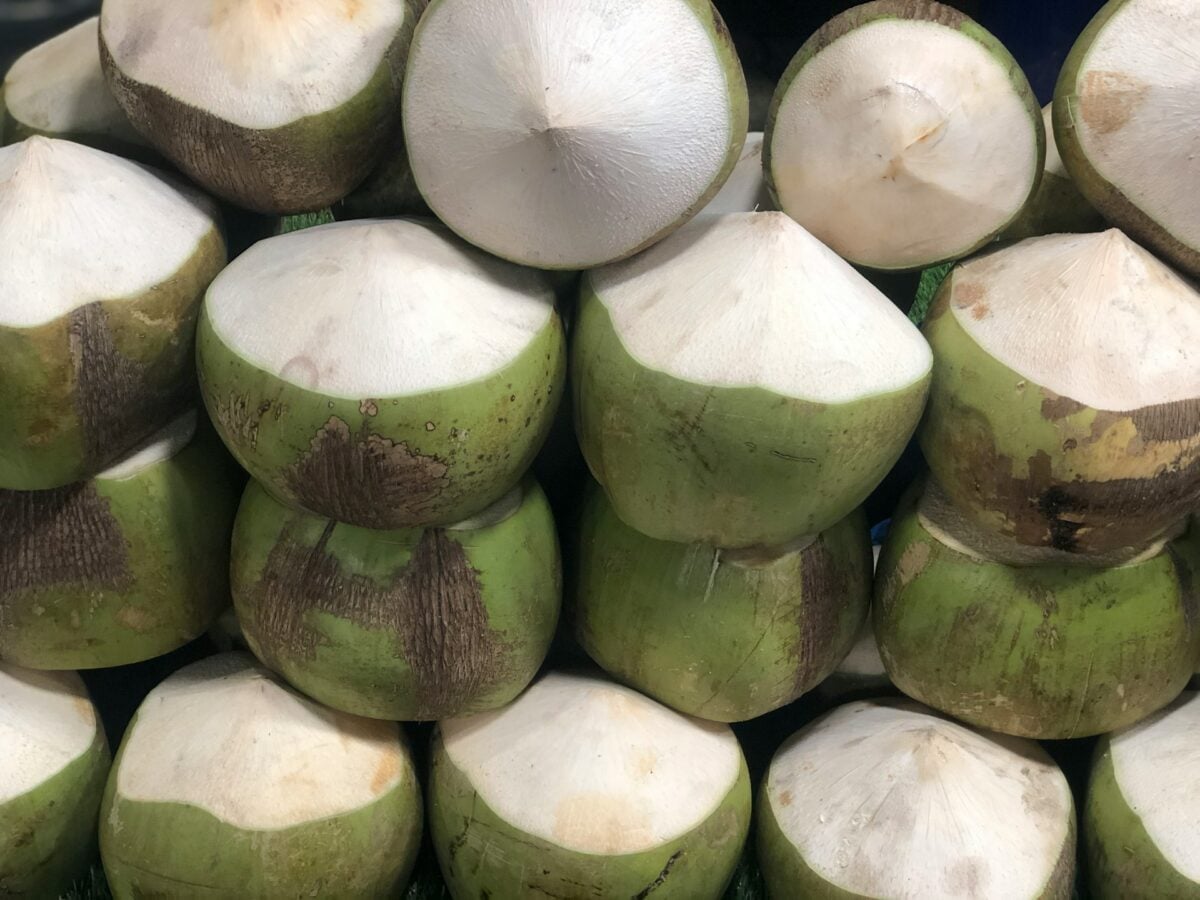
Coconut water flows straight from young green coconuts, providing a sterile drink that’s perfectly safe even when other water sources aren’t available. This natural beverage contains electrolytes that help people stay hydrated in hot tropical climates.
The water stays fresh inside the coconut for months without any refrigeration needed. Beach vendors across the tropics slice open coconuts with machetes, creating instant refreshment stands wherever coconut palms grow.
Building homes from top to bottom

Coconut palm leaves serve for thatch and the wood is used where available. The trunk becomes sturdy timber for house frames and furniture that lasts for decades.
Palm fronds weave into waterproof roofing that keeps families dry during monsoon seasons. Smaller branches create walls, fences, and room dividers.
Like Go2Tutors’s content? Follow us on MSN.
Rope that won’t quit

Ropes and cordage have been made from coconut fibre since ancient times. Coir fiber from coconut husks creates rope that resists water, salt, and decay better than many synthetic alternatives.
Fishing communities rely on coconut rope for nets that can handle constant ocean exposure. Ancient civilizations tied their boats together with coir rope.
Cooking fuel from the shell

Coconut shells burn hot and long, providing reliable cooking fuel for families throughout the tropics. The charcoal made from coconut shells burns cleaner than wood charcoal and produces less smoke.
Street food vendors often prefer coconut shell charcoal because it gives food a subtle, pleasant flavor. These shells also make excellent kindling that lights easily even in humid tropical conditions.
Natural soap and shampoo

Coconut oil transforms into soap through a simple process that families have used for generations. This natural soap works well in saltwater, making it perfect for coastal living where fresh water is precious.
The same oil serves as natural hair conditioner that protects against sun and salt damage. Many tropical cultures use coconut oil for daily skin care, keeping skin soft despite harsh sun and humid conditions.
Like Go2Tutors’s content? Follow us on MSN.
Food that feeds nations

The white coconut meat provides essential fats and calories that sustain tropical populations year-round. Dried coconut, called copra, stores for months without refrigeration, creating food security in remote areas.
Fresh coconut meat gets grated into curries, desserts, and countless traditional dishes. Coconut milk extracted from the meat forms the base for cooking in many tropical cuisines.
Medicine cabinet in a tree

Traditional healers throughout the tropics use different parts of coconut trees to treat various ailments. Coconut oil serves as a base for herbal medicines and provides antimicrobial properties.
Young coconut water helps people recover from dehydration and stomach problems. The tree’s flowers get processed into remedies for digestive issues.
Floors that last generations
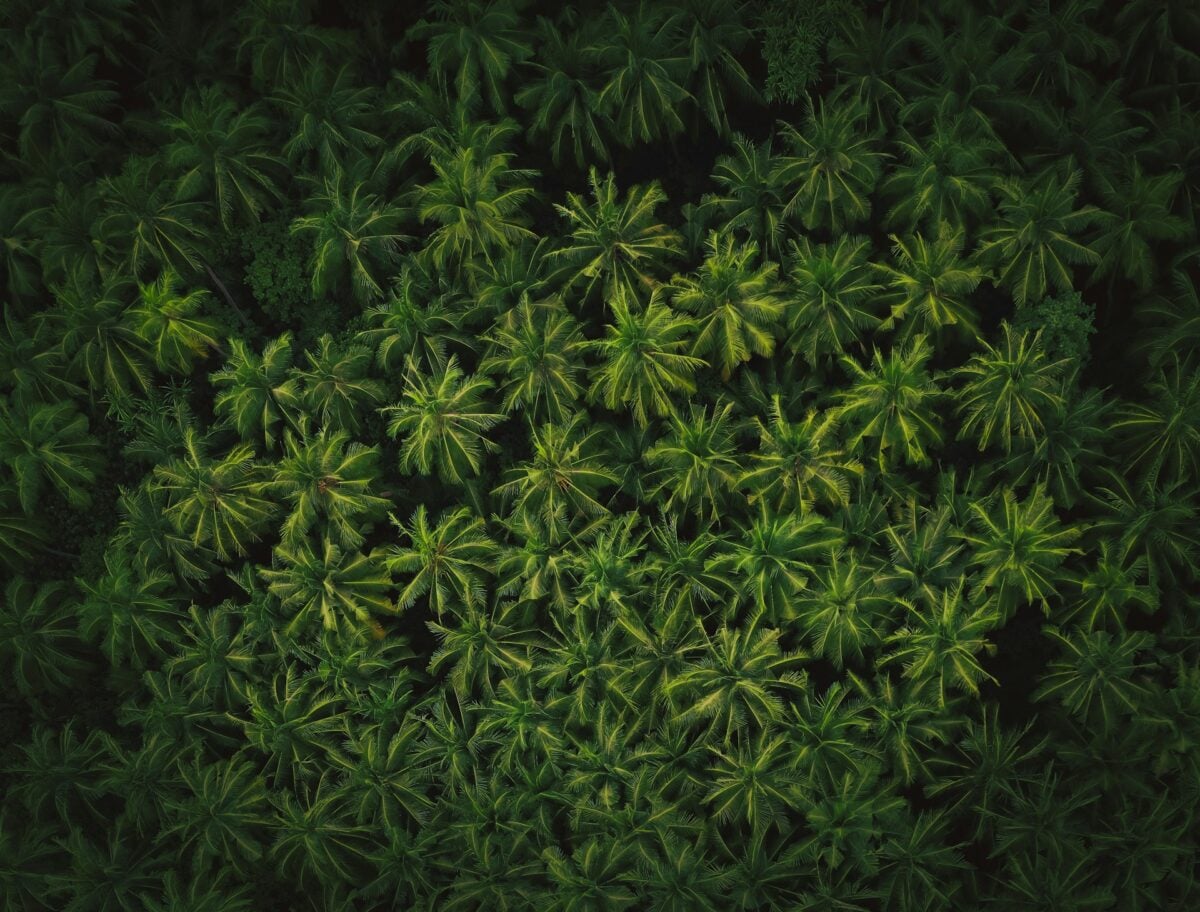
It can be used to make brushes, doormats, flooring material, insulation, ropes, and string for fishing nets. Coconut coir creates durable floor mats that naturally resist moisture and insects.
These mats improve with age, becoming softer and more comfortable over time. Coconut husk fiber also works as natural insulation in tropical construction.
Like Go2Tutors’s content? Follow us on MSN.
Sugar from the sky
Coconut palm sap, called neera, gets boiled down into natural palm sugar that’s healthier than processed alternatives. This sugar contains minerals and has a lower glycemic index than regular sugar.
Fresh palm wine made from fermented sap provides a mildly alcoholic beverage enjoyed across tropical cultures. Tree climbers collect sap by making small cuts in flower stalks, allowing the sweet liquid to drip into containers.
Brushes and brooms for cleaning
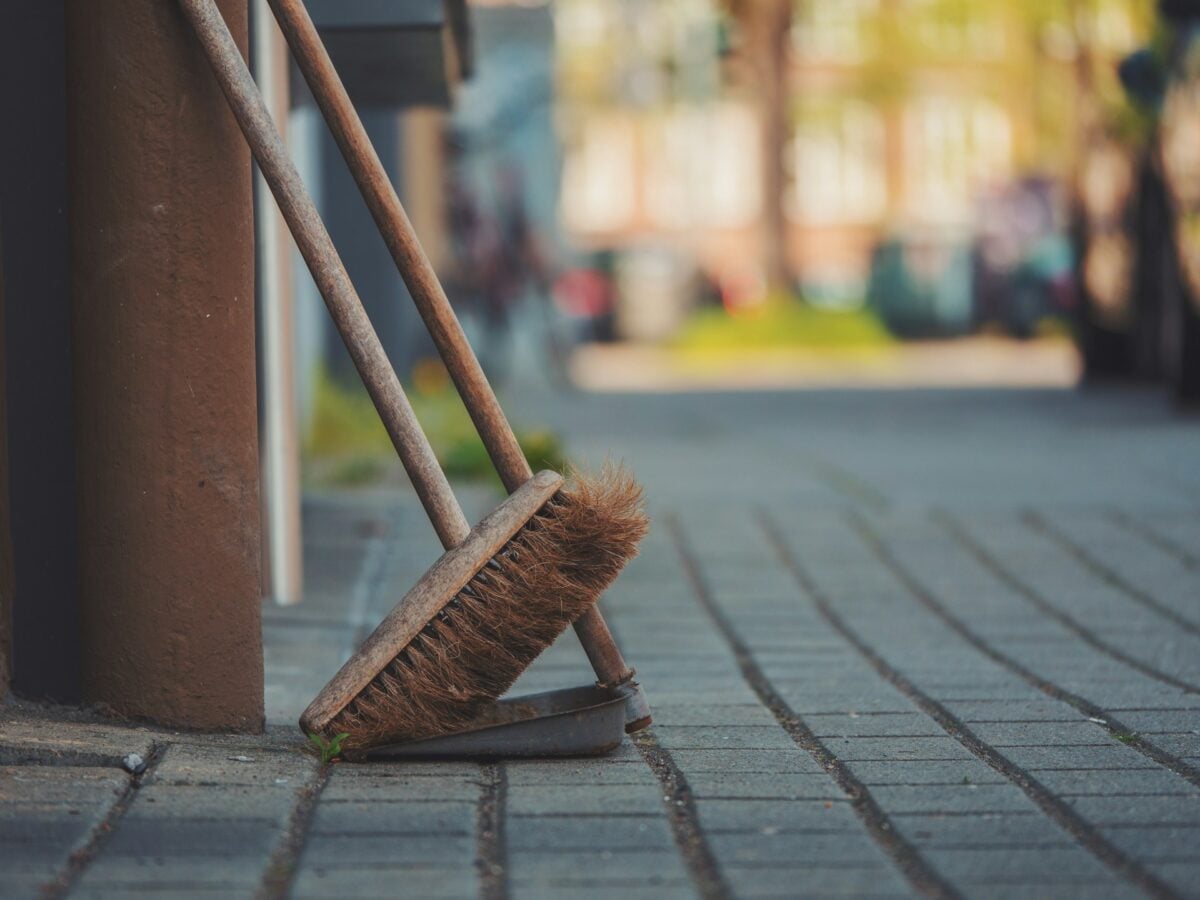
Coconut fiber gets bundled into tough brushes perfect for scrubbing floors and cleaning pots. The midribs of coconut fronds create excellent broom handles that won’t splinter or break.
Traditional brooms made from coconut materials sweep both indoor and outdoor spaces effectively. These cleaning tools cost very little to make and replace, keeping tropical homes tidy without expensive imported supplies.
Natural air conditioning

Large coconut palms create substantial shade that can lower temperatures by 10-15 degrees underneath their canopy. The constant movement of palm fronds generates natural breezes that cool people and buildings.
Coconut groves act as windbreaks that protect communities from strong tropical storms. These trees also release moisture into the air through transpiration, creating natural humidity control.
Like Go2Tutors’s content? Follow us on MSN.
Bowls and containers from nature

Coconut shells transform into durable bowls, cups, and storage containers that last for years. These natural containers don’t break like ceramic or glass, making them perfect for outdoor tropical living.
Craftspeople carve decorative coconut shell bowls that double as functional art pieces. The shells naturally resist insects and moisture, protecting stored food and materials.
Organic garden fertilizer
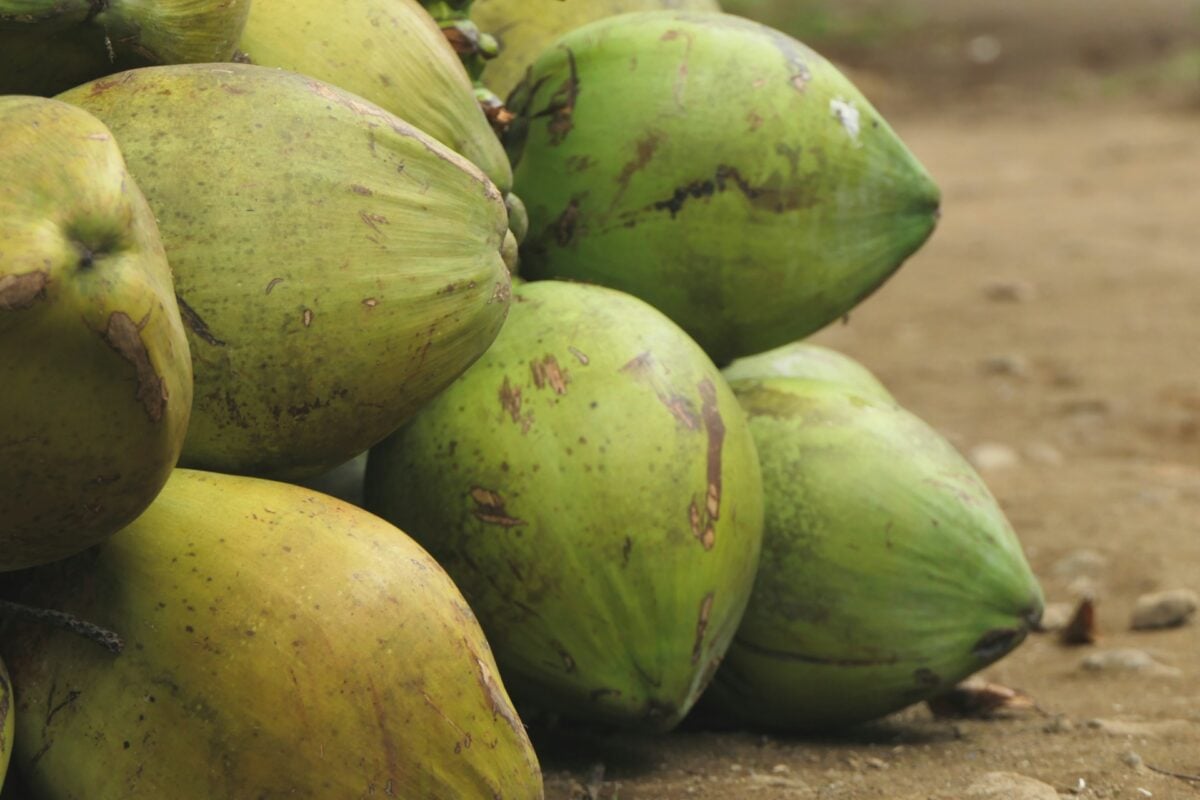
Coconut husks break down into excellent compost that enriches tropical soils naturally. The fiber retains moisture while allowing proper drainage, creating ideal growing conditions for other plants.
Coconut coir serves as a sustainable alternative to peat moss in gardening applications. Ground coconut shells add organic matter to soil and slowly release nutrients as they decompose.
From ancient wisdom to modern solutions
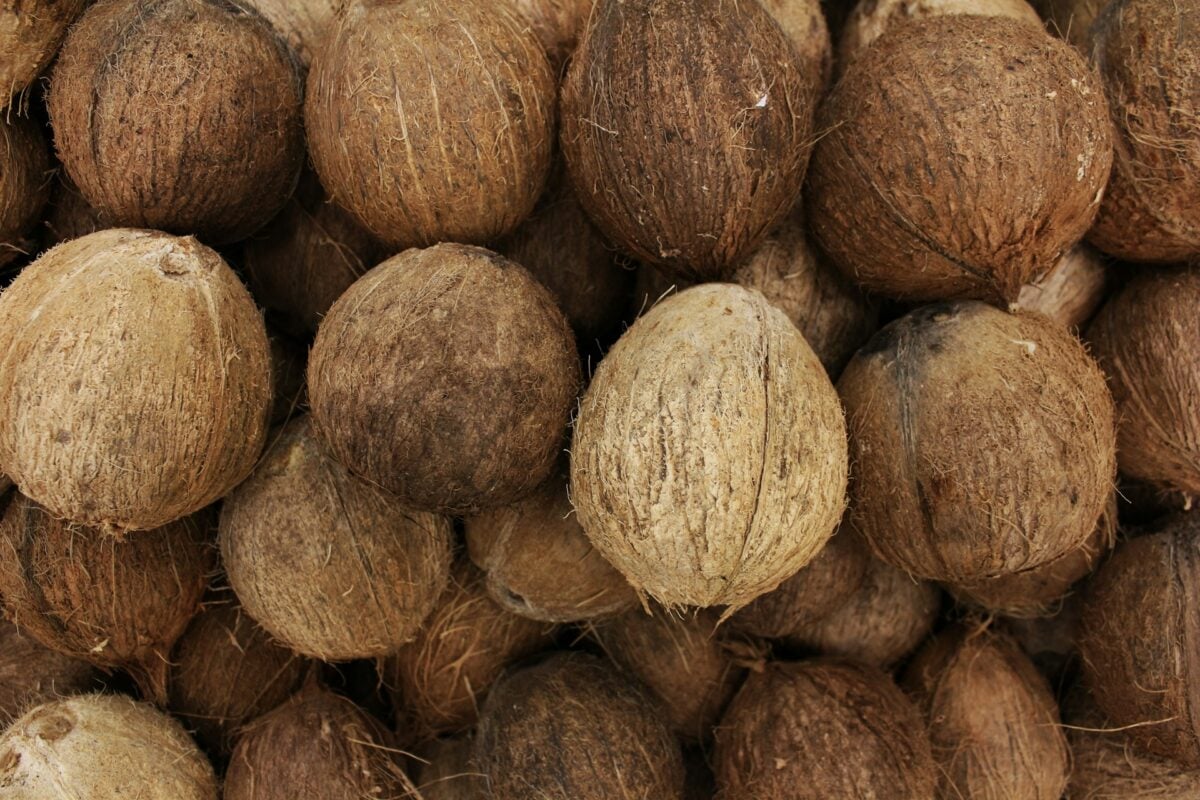
The coconut tree’s dominance in tropical regions spans thousands of years, yet its importance continues growing in our modern world. The coconut tree provides food, fuel, cosmetics, folk medicine and building materials, among many other uses.
Today’s sustainable living movement has rediscovered what tropical peoples always knew – this single tree can meet almost every basic human need.
More from Go2Tutors!

- 16 Historical Figures Who Were Nothing Like You Think
- 12 Things Sold in the 80s That Are Now Illegal
- 15 VHS Tapes That Could Be Worth Thousands
- 17 Historical “What Ifs” That Would Have Changed Everything
- 18 TV Shows That Vanished Without a Finale
Like Go2Tutors’s content? Follow us on MSN.