Weirdest Collectibles Ever Auctioned
People collect strange things. You probably know someone with a drawer full of concert tickets or a shelf lined with snow globes.
But some collectors take it further—way further. The auction world has seen items so bizarre that you wonder who would want them, and yet someone always does.
These objects sold for real money, sometimes shocking amounts of it.
John Lennon’s Tooth
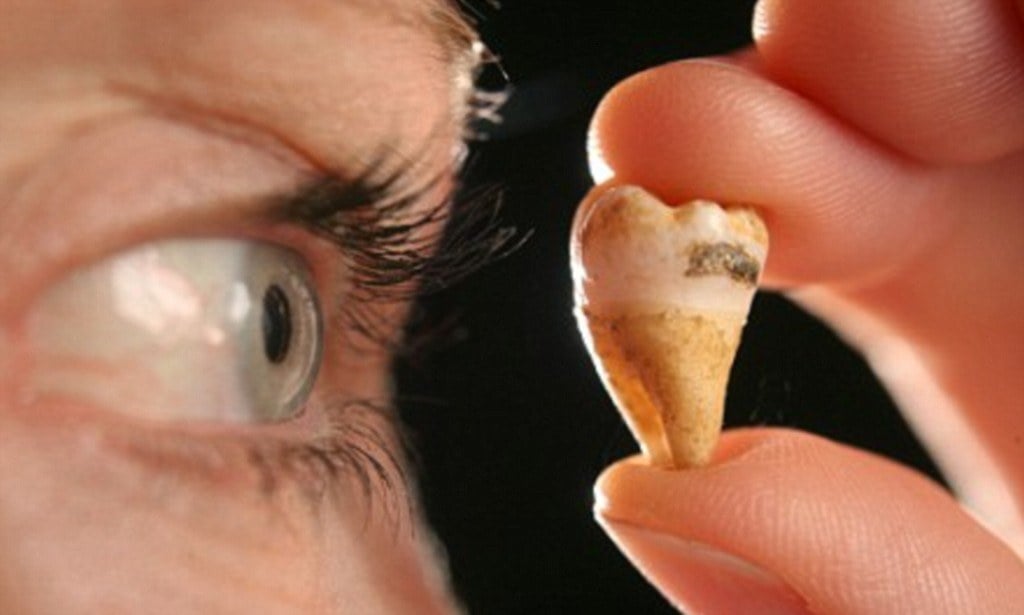
A dentist gave John Lennon’s housekeeper one of the musician’s teeth after extracting it. She kept it for decades.
In 2011, a Canadian dentist bought it at auction for over $31,000. His plan?
To extract Lennon’s DNA and potentially clone the Beatle. The ethics and science of that plan aside, someone paid serious money for human remains they could never display.
William Shatner’s Kidney Stone

The “Star Trek” actor passed a kidney stone and decided to sell it. The online casino GoldenPalace.com bought it for $25,000 in 2006.
Shatner donated the money to charity, which makes the whole thing slightly more palatable. But someone still owns a kidney stone from Captain Kirk, presumably stored in a display case somewhere.
A Slice of Royal Wedding Cake

When Prince Charles married Lady Diana Spencer in 1981, someone saved a slice of their wedding cake. That slice sat in plastic wrap for nearly three decades.
In 2008, it sold at auction for over $1,000. The buyer received a piece of dried-out cake covered in marzipan and icing, completely inedible but apparently worth collecting.
Another slice from the same wedding sold in 2021 for $2,500. The market for decades-old royal cake remains surprisingly active.
Albert Einstein’s Hair
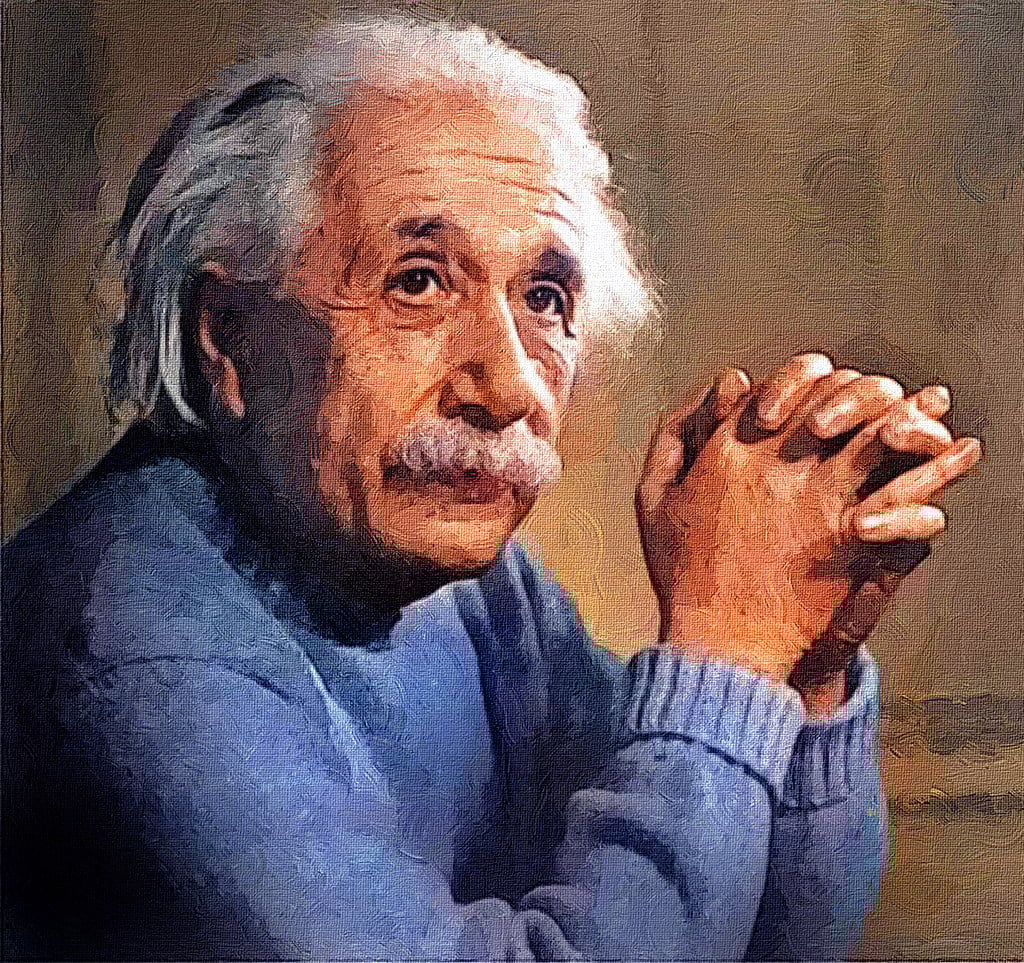
A barber kept the hair from Einstein’s last haircut in 1955. That collection of gray strands sold at auction in 2016 for over $3,500.
The buyer got a small vial containing hair follicles from one of history’s greatest minds. Other Einstein hair samples have sold too.
Collectors apparently see value in physical DNA from brilliant people, even when that DNA comes in the form of loose hair sitting in a tube.
Britney Spears’ Chewed Gum

During Britney Spears’ “Oops!… I Did It Again” tour in 2000, she spat out her gum on a London stage. A concert-goer grabbed it and later sold it on eBay for $14,000.
The buyer received a piece of chewed gum, supposedly verified as belonging to the pop star, mounted on a stand with a certificate of authenticity. The same seller auctioned other celebrity gum over the years, creating a micro-market for celebrity saliva residue.
Justin Timberlake’s Leftover Breakfast
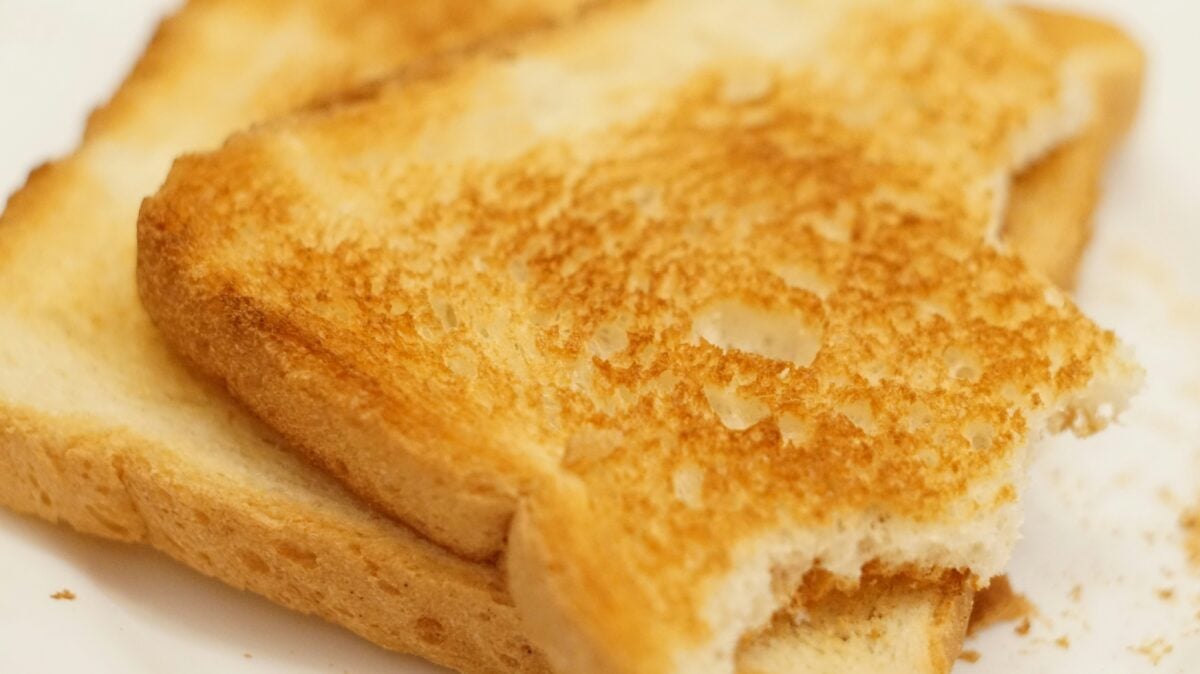
Timberlake ate breakfast at a New York radio station in 2000. He left half a piece of French toast on his plate.
A radio station employee collected it, refrigerated it, and sold it on eBay. The half-eaten food fetched over $1,000.
The listing described the toast’s condition in detail, noting the bite marks and which side contained syrup. Someone paid real money for something that belonged in the garbage.
A Cornflake Shaped Like Illinois

In 2008, two sisters found a cornflake that vaguely resembled the state of Illinois. They put it on eBay.
The same casino that bought Shatner’s kidney stone paid $1,350 for it. The cornflake arrived in a plastic case, looking like any other cornflake, except with slight curves that maybe looked like a Midwest state if you squinted.
Adolf Hitler’s Toilet Seat

A U.S. soldier stationed in Germany took a toilet seat from Hitler’s Bavarian retreat in 1945 as a war trophy.
His family kept it for decades before auctioning it in 2016. It sold for $18,750.
The white wooden seat showed age and wear. The seller included documentation proving its origin.
Someone now owns this piece of bathroom hardware as a historical artifact.
The “I Am Not a Plastic Bag” Tote

Designer Anya Hindmarch created a canvas tote with this slogan in 2007 to promote environmental awareness. The bags sold for $5 in stores and immediately became collector’s items.
Within weeks, people resold them online for hundreds of dollars. The irony ran thick—people hoarded and commodified bags meant to discourage disposable consumption.
Some sold at auction for over $400, turning an anti-consumerism statement into a high-priced collectible.
A Ghost in a Jar

In 2003, someone auctioned a “ghost captured in a jar” on eBay. The listing included a detailed backstory about a haunted house and mysterious black mist.
The jar itself appeared empty except for maybe some smudges on the glass. It sold for $55,000.
The seller later admitted the listing was creative fiction, but the buyer never requested a refund. You got what you paid for—an empty jar with a good story.
Invisible Sculpture

Italian artist Salvatore Garau created a sculpture called “I Am” in 2021. The sculpture consisted of nothing—literally invisible.
Garau explained that the work existed in a space measuring five feet by five feet, even though no physical object occupied that space. Someone bought it at auction for $18,000.
The buyer received a certificate of authenticity and instructions on displaying the invisible work. You needed to place it in a private home, in a space free of obstructions, and presumably tell guests about it.
Air from a Kanye West Concert

In 2016, someone collected air from a Kanye West concert at the Staples Center in Los Angeles. They sealed it in a plastic bag and sold it on eBay for $60,900.
The listing specified the date and location where the air was captured. The buyer got a Ziploc bag filled with air that had once been breathed by West and 20,000 other concert attendees.
The seller included a receipt from the concert venue as proof.
A Mirror Used by Elvis Presley

Elvis supposedly used a particular mirror during the 1960s. After his death, that mirror entered the collectibles market.
Fans could buy not the mirror itself but the reflection it once held of Presley’s face. Wait—scratch that. They bought the actual mirror.
Multiple mirrors claiming Elvis provenance have sold over the years, each with varying documentation. The appeal makes sense for superfans, but the verification process remains murky.
Grilled Cheese with Virgin Mary
In 2004, a Florida woman sold a ten-year-old grilled cheese sandwich that she claimed bore the image of the Virgin Mary. The sandwich had been sitting in a plastic case on her nightstand for a decade without growing mold, which she took as a sign of its holy nature.
The same casino that seems to buy everything weird paid $28,000 for it. The company toured the sandwich to various locations.
The bread showed brown grill marks that formed a vague face-like pattern if you looked at it right.
What Drives People to Buy This Stuff

You might think these buyers are irrational, but they’re not necessarily foolish. Some see investment potential—celebrity items often appreciate over time.
Others want bragging rights or publicity. The casino that bought several items clearly used them for marketing. Some purchases reflect genuine fandom taken to extremes.
Owning something touched by an idol creates a tangible connection, no matter how gross or weird that something might be. The emotional value outweighs the obvious absurdity.
And then there’s the simple human love of owning something nobody else has. A mass-produced poster might feature your favorite musician, but only one person owns that musician’s actual tooth.
The uniqueness matters more than the object itself.
The Market That Shouldn’t Exist But Does
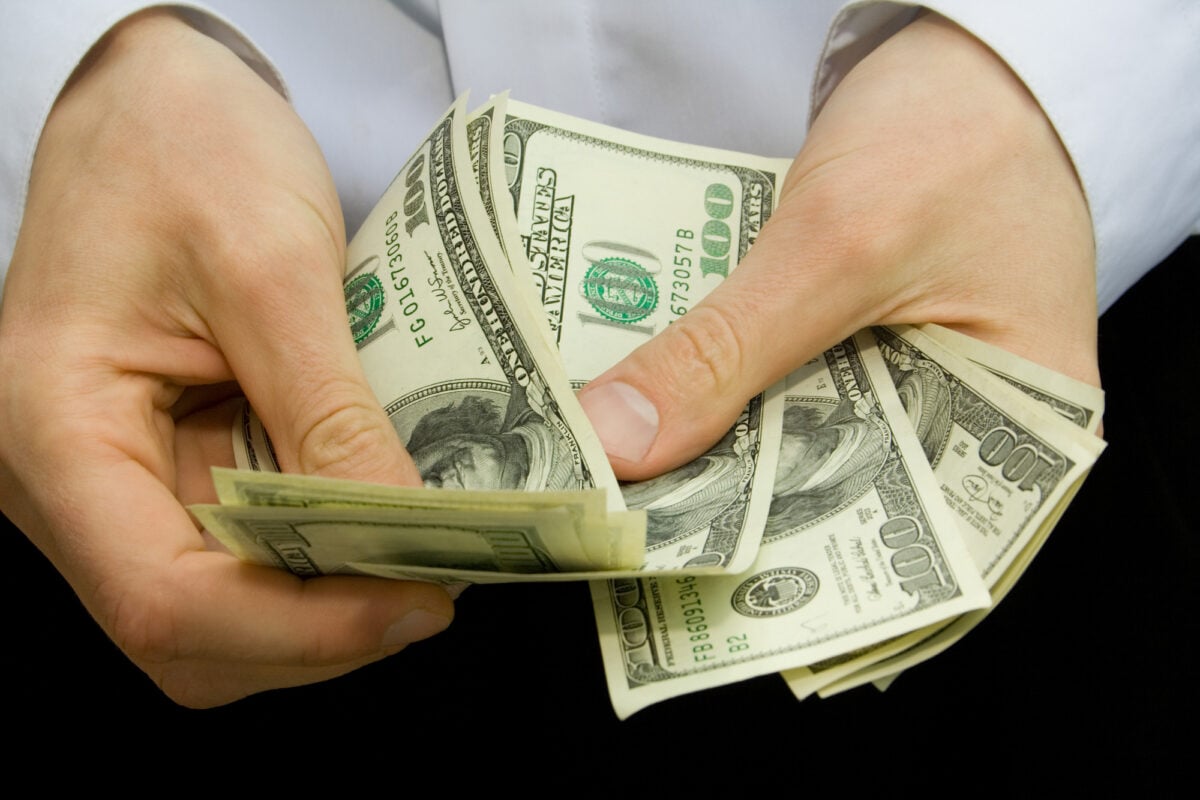
These sales show how price ties to want, not use. What an item is worth depends on what a buyer agrees to hand over – nothing more.
Take used gum: no function at all, still fetched big cash just ’cause one person gave it meaning. The web brought this marketplace to life.
Back then, without digital bidding spots, you had to rely on a real-world hall agreeing to feature your odd thing – on top of shoppers ready to show up in person. These days, selling stuff crosses borders without hassle.
Distance stopped being an issue, so that single buyer hunting ghost paintings or stale morning meals won’t get stuck empty-handed. These items sit right between having no value at all and being beyond price.
To many folks they mean nothing, yet to others they’re everything. This space isn’t new – humans have hoarded odd stuff for ages.
Still, today’s online bidding sites opened doors that used to be shut tight. The next moment you toss trash out, think about this – over there, a person could actually want it.
Likely not. Still, possibly.
More from Go2Tutors!

- The Romanov Crown Jewels and Their Tragic Fate
- 13 Historical Mysteries That Science Still Can’t Solve
- Famous Hoaxes That Fooled the World for Years
- 15 Child Stars with Tragic Adult Lives
- 16 Famous Jewelry Pieces in History
Like Go2Tutors’s content? Follow us on MSN.