Everyday Inventions We’ve Been Using Wrong
You probably think you know how to use a stapler. Or wooden hangers. Or that little drawer at the bottom of your oven.
But the people who designed these objects had specific uses in mind, and most of us ignore those intentions completely. Sometimes we’ve developed better ways to use things.
Other times we’re just making life harder for ourselves without realizing it. These are the everyday items you’ve been using incorrectly, along with how they were actually meant to work.
The Opening in Your Pot Handle
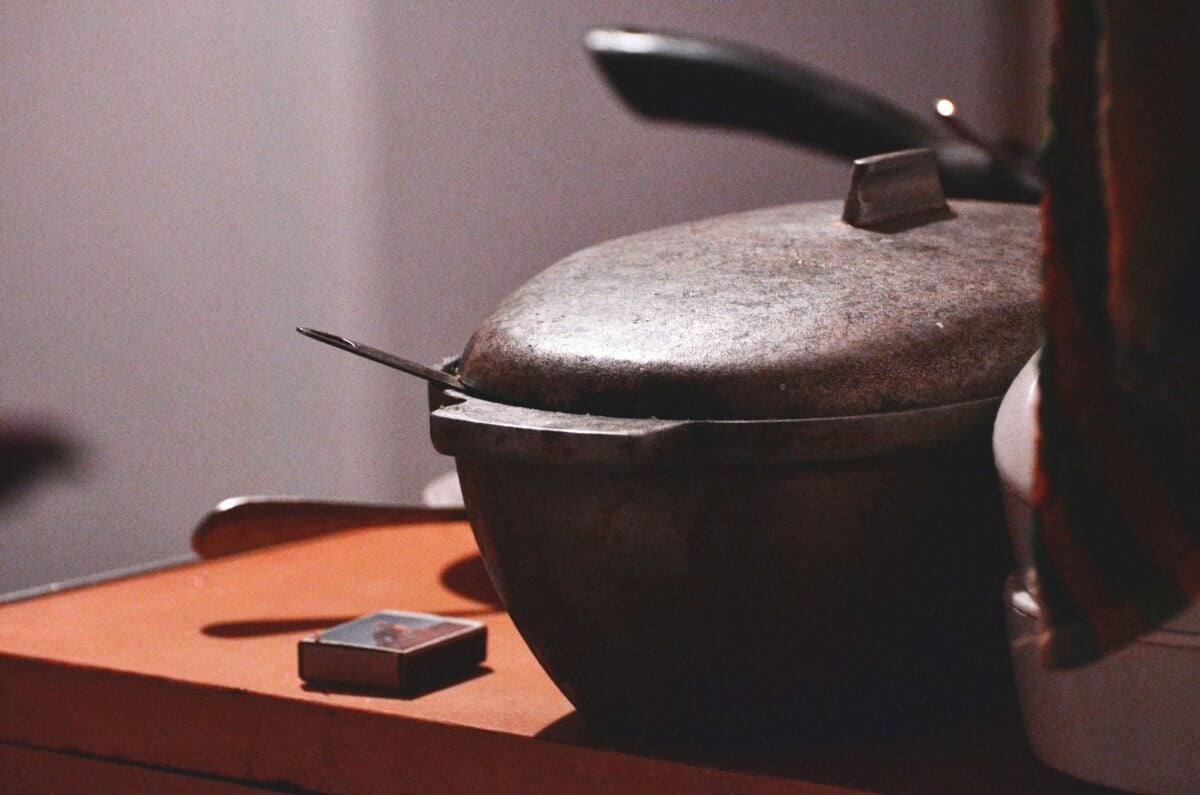
That opening at the end of your pot and pan handles isn’t just for hanging. It’s designed to hold your cooking utensils while you work.
Slide the handle of your wooden spoon or spatula through the opening, and it rests there perfectly, keeping the dirty end off your counter and the utensil within easy reach. Most people hang their pots from these openings or ignore them completely.
Meanwhile, they rest messy spoons on spoon holders or plates, creating extra dishes to wash. The pot handle does the job better.
The utensil stays put. Nothing drips on the stove.
You don’t need another tool cluttering your workspace. This is one of those designs that seems obvious once you see it.
But until someone points it out, you can cook for decades without realizing your pots have a built-in utensil holder.
Tic Tac Lids
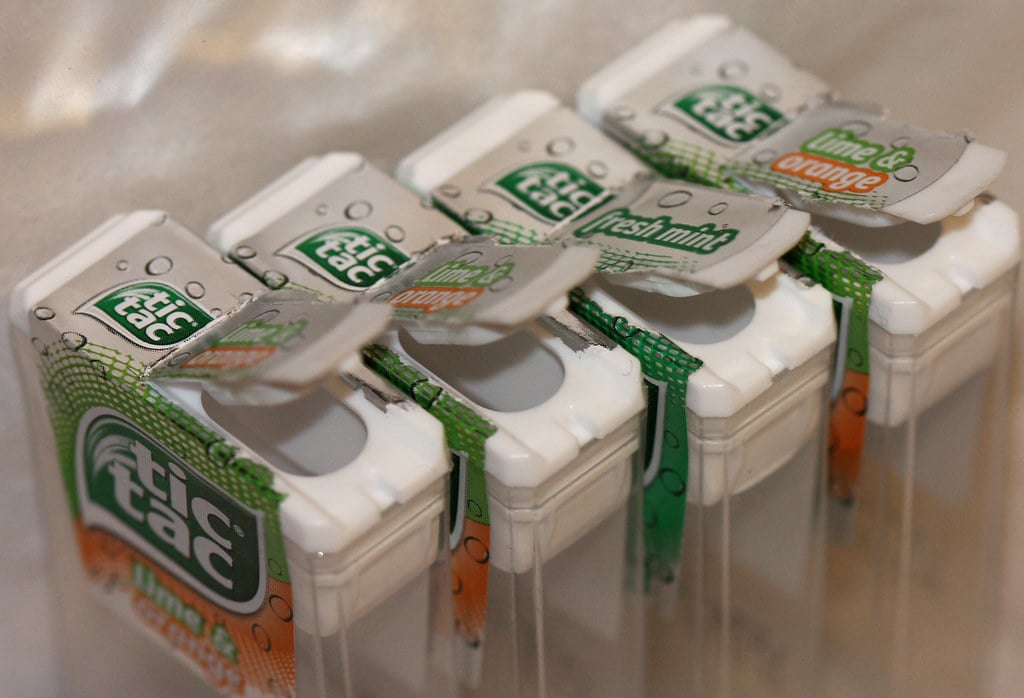
The little flip-top lid on a Tic Tac container has a curved indentation on the inside. That’s not decorative.
It’s designed to dispense exactly one Tic Tac at a time. Tip the container upside down, and a single mint settles into that curve.
Flip open the lid, and you get one mint instead of several tumbling into your hand. Most people shake multiple Tic Tacs into their palm and pick one out.
Or they tip the whole container into their mouth like they’re chugging pills. Both approaches ignore the careful dispensing system built into the package.
The company designed a single-serving mechanism, and everyone treats it like a bulk container.
The Drawer Under Your Oven
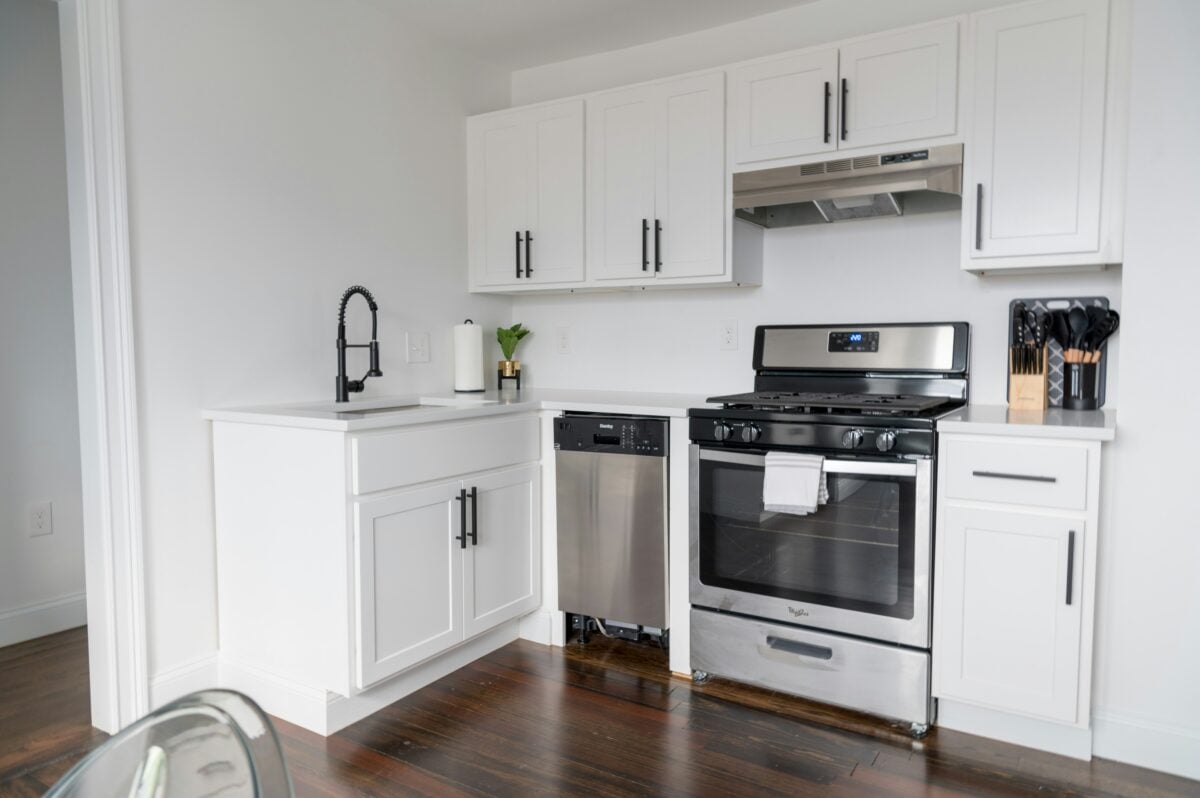
That bottom drawer isn’t storage space for pots and pans. It’s a warming drawer designed to keep cooked food hot while you finish preparing the rest of your meal.
The heat from the oven rises into this compartment, maintaining a perfect temperature for serving. People cram baking sheets, muffin tins, and spare cookware into this space.
Then they wonder why their pans get warm or why the drawer seems inconveniently located. It’s inconvenient because you’re using it wrong.
Put your finished dishes in there instead. Your turkey stays hot while you make gravy.
Your sides don’t get cold while everyone finds their seats. Some ovens do have storage drawers that don’t get warm, but most have warming drawers that everyone repurposes for storage.
Chinese Takeout Containers

Those paper cartons your Chinese food comes in unfold into plates. The sides are designed to fold flat, transforming the container into a shallow dish you can eat directly from.
No need to transfer everything to a plate and create extra dishes. Everyone transfers the food to plates or eats directly from the folded container, using chopsticks or forks to fish around in the narrow box.
The container becomes awkward to navigate. Sauce pools at the bottom. It’s unnecessarily difficult.
Pull the metal handle off if there is one. Unfold the sides.
Now you have a perfectly functional plate made of the same material the food came in. Eat directly from it.
Throw it away when you’re done. The designers created a container that becomes its own serving dish, and most people never realize it.
The Tab on Your Rearview Mirror
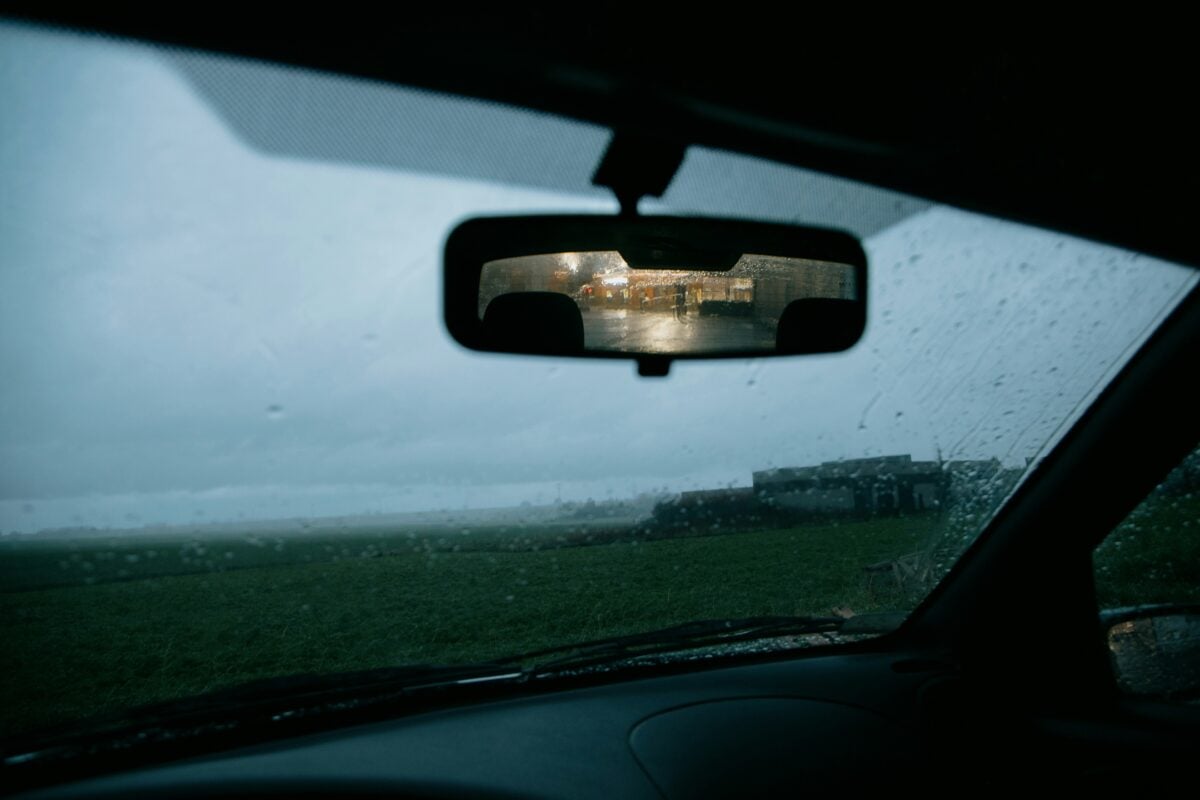
That little tab at the bottom of your rearview mirror isn’t just a design element. It’s a manual anti-glare feature.
When headlights from the car behind you reflect into your eyes at night, flip the tab. The mirror angle changes, redirecting the glare while still letting you see behind you.
Many drivers squint against bright lights or adjust their whole mirror, changing the daytime view to deal with nighttime glare. The tab solves this problem instantly.
Some drivers don’t even know it moves. Others know it moves but don’t understand why.
Modern cars often have automatic dimming mirrors, but the manual tab has been standard for decades. It’s one of the simplest and most effective pieces of automotive design, and countless drivers don’t use it.
Aluminum Foil Box Tabs
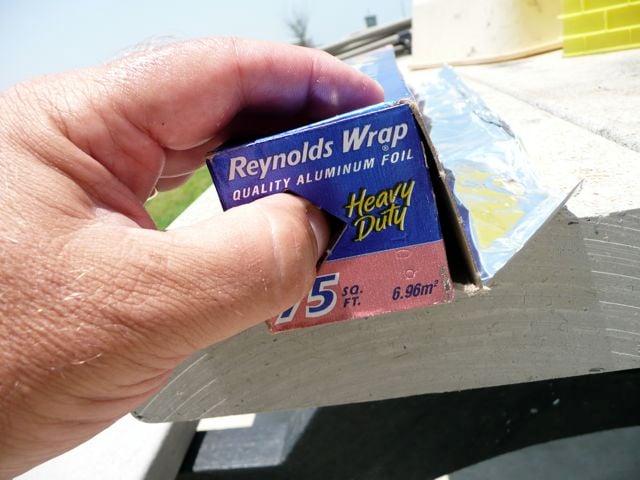
The ends of aluminum foil and plastic wrap boxes have perforated tabs that fold inward. Push these tabs in, and they hold the roll in place while you pull and tear.
The roll doesn’t jump out of the box. You get clean, even tears instead of fighting with loose foil.
Most people leave the tabs unpunched and battle with the roll every time they need foil. The roll slides around.
It falls out of the box. You end up gripping the box with one hand while pulling with the other.
It’s a two-person job that shouldn’t be. The tabs solve this completely.
The box even has instructions printed on it. But people don’t read the box.
They just start pulling foil and accept that it’s going to be difficult.
Bobby Pin Ridges
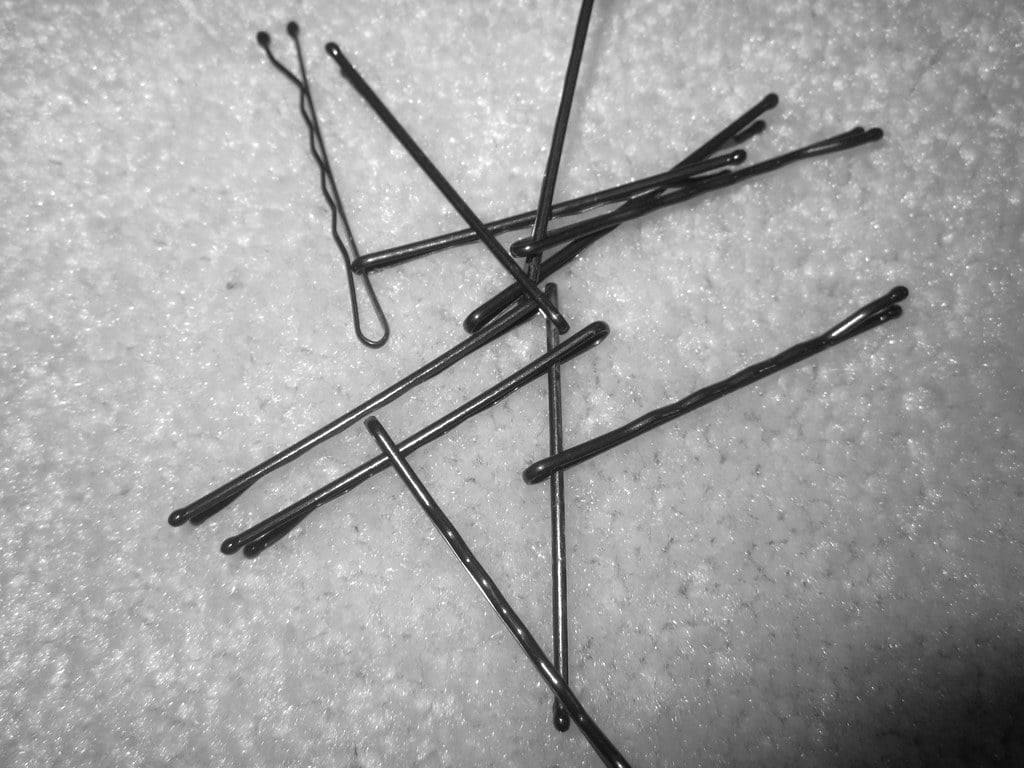
Bobby pins have a wavy, ridged side and a smooth side. The ridged side goes against your scalp.
Those waves create friction that grips your hair and holds the pin in place. The smooth side should face outward.
Most people put bobby pins in with the smooth side against their head because it feels more comfortable at first. But this orientation doesn’t hold as well.
The pin slides around. Hair slips out.
You need twice as many pins to achieve the same hold. Flip them around.
The ridges do feel slightly different against your scalp, but the pins stay put with much less effort. Hairstylists have been saying this for years, but it hasn’t reached mainstream awareness.
Plungers
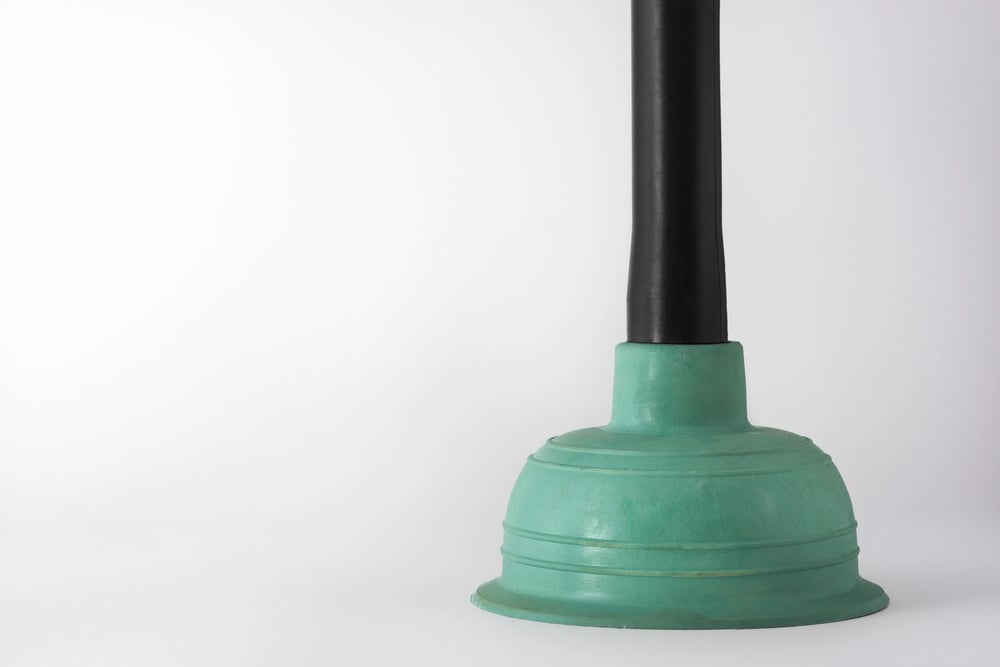
There are two types of plungers, and most households have the wrong one. Cup plungers—the ones with a simple rubber cup—are designed for sinks.
Flange plungers have an extra piece that extends from the cup. This flange fits into the toilet drain opening and creates a better seal for clearing that type of blockage.
Everyone buys cup plungers and uses them on toilets. They work somewhat, so people don’t question it.
But they’re fighting the design. A proper flange plunger clears toilet clogs faster and with less effort because it creates the seal the job requires.
Hardware stores sell both types. The flange plunger costs about the same as a cup plunger.
But cup plungers are more common, so that’s what people buy without thinking about which tool matches which job.
Juice Box Flaps
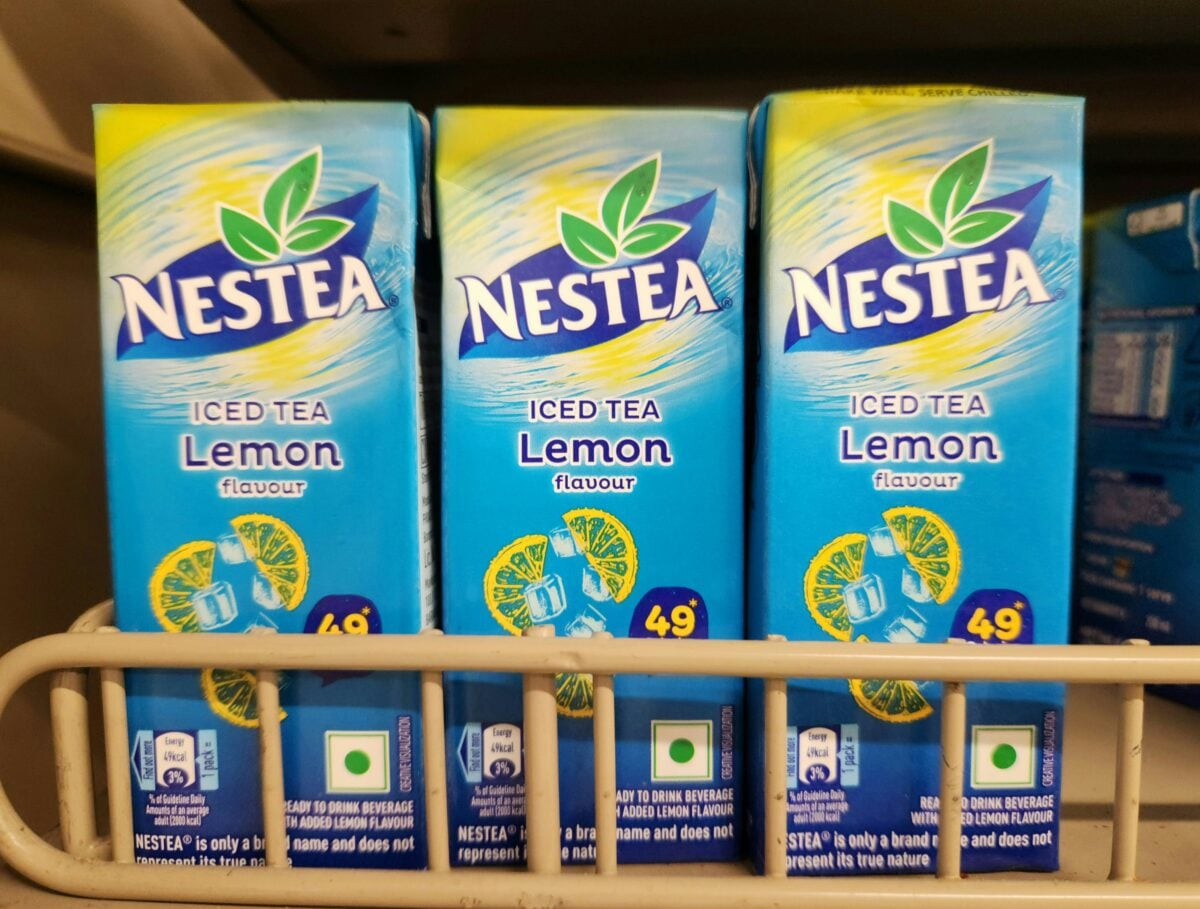
Those flaps on the sides of juice boxes serve a purpose beyond decoration. They fold out to give small children something to hold.
Kids squeeze juice boxes and spray juice everywhere because they grip the box itself. The pressure shoots liquid out of the straw.
Fold the flaps out before you hand the box to a child. They hold the flaps instead of the box.
The juice stays in the box and comes out only through the straw. It’s a simple change that prevents countless spills.
Some juice boxes even have diagrams showing the flaps folded out. Parents ignore this feature and then complain about how messy juice boxes are. The mess is preventable.
Wooden Hangers

Those little notches in wooden hangers aren’t decoration. They hold the loops inside garments—the ones sewn into dresses, blouses, and coats specifically for hanging.
Hook the loop over the notch, and the weight of the garment is distributed properly. Shoulders don’t stretch.
Fabric doesn’t slip off. People ignore the loops and the notches, hanging clothes directly on the smooth part of the hanger.
Straps slide off. Shoulders develop bumps from the hanger edges. Delicate fabrics get damaged.
The garment and hanger both have features designed to work together, and most people skip this step entirely.
Ketchup Cups
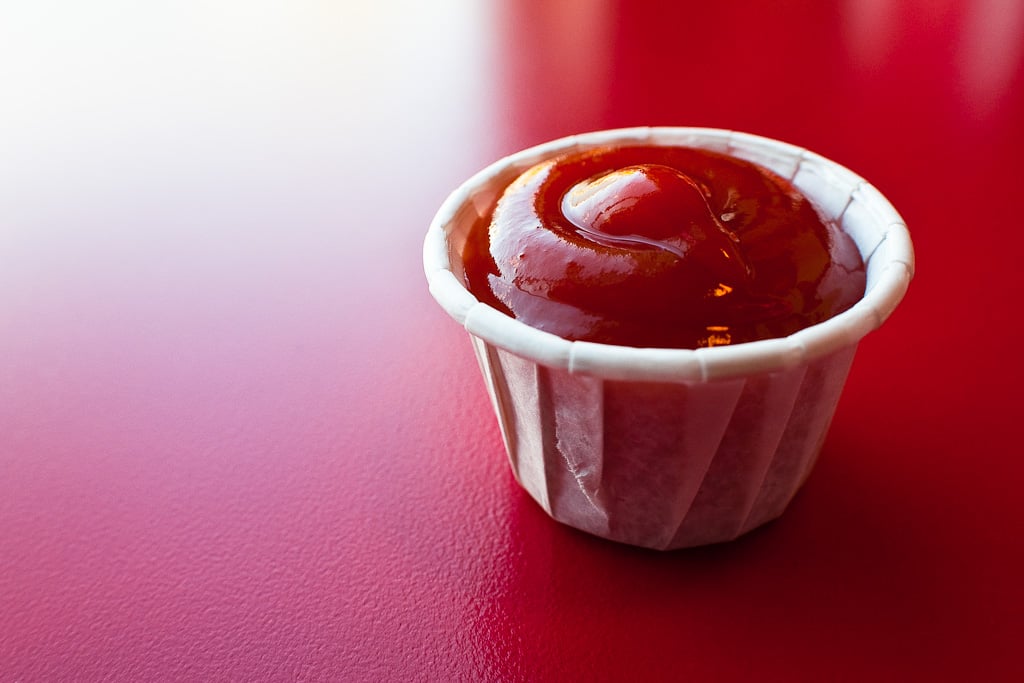
Those little paper cups at fast-food restaurants hold about an ounce of ketchup when used normally. But they’re pleated for a reason.
Pull the sides apart, unfolding the pleats, and the cup expands to hold three or four times as much. Everyone stacks multiple cups to get enough ketchup for their fries.
They make several trips to the condiment station. They juggle a pile of tiny containers.
The cups were designed to expand, eliminating all of this inconvenience. Fast-food chains don’t advertise this feature, so it persists as hidden knowledge.
Someone tells you, or you never find out. Meanwhile, you’re using four cups when you could use one.
Pot Stickers on Notebook Paper
Those perforated edges on notebook paper aren’t just for easy removal. The little paper rectangles that tear off are meant to repair torn pages.
When you rip a page out and it tears unevenly, leaving jagged pits where the rings were, you can use those reinforcement stickers to fix it. Nobody does this.
The paper bits get thrown away or scattered across desks. Meanwhile, pages tear out of notebooks and become loose papers that get lost.
The reinforcements would solve this problem. They were sold separately for decades before being added to the paper itself.
Reheating Pizza

Your microwave has a power setting, and you’re supposed to use it. Reheating pizza on high power makes the crust rubbery and the toppings scalding while the center stays cold.
Drop the power to 50% and increase the time. The heat is distributed evenly.
The crust stays close to its original texture. Everyone nukes pizza on high power and complains about how bad microwave pizza tastes.
The microwave isn’t the problem. The setting is wrong. Manufacturers include variable power for exactly this reason, but most people only use the high setting for everything.
The same applies to most leftovers. Lower power, longer time.
Better results. It’s not intuitive, but it works.
When Design Meets Reality

Fresh off the drawing board, designs assume one thing – people do another. Still, real life bends rules in ways creators never predict.
Often, those twists improve the tool beyond its first idea. Then again, stubborn routines can turn simple tasks into puzzles nobody meant to solve.
Turns out, people rarely follow manuals. Trying stuff until it works – that’s more common.
Watching someone else do it first often shapes how we act. The way a thing is built does not always match how folks actually use it.
When enough users make the same mistake, the error turns into a habit. What was meant to happen matters less than what happens every day.
Everyday gadgets often miss the mark when real life gets involved – cooking, cleaning, driving. A pot handle’s little opening? Clear on paper, gone in practice.
Juice box tabs fit neatly into production plans yet vanish during snack time. That space under the oven means something precise to makers.
People just pile things inside instead. Perhaps clarity in design could go further.
Sometimes our habits blind us to how things are meant to function. Still, each object usually has one intended way that fits just right.
Most people get by without ever trying it. Tools perform adequately even when used incorrectly. That quiet success hides better methods.
An inventor might observe misuse with silent disbelief. Instructions sit untouched while users adapt poorly.
More from Go2Tutors!

- 16 Historical Figures Who Were Nothing Like You Think
- 12 Things Sold in the 80s That Are Now Illegal
- 15 VHS Tapes That Could Be Worth Thousands
- 17 Historical “What Ifs” That Would Have Changed Everything
- 18 TV Shows That Vanished Without a Finale
Like Go2Tutors’s content? Follow us on MSN.



